High-Performance Quartz Systems & Infrared Component Solutions
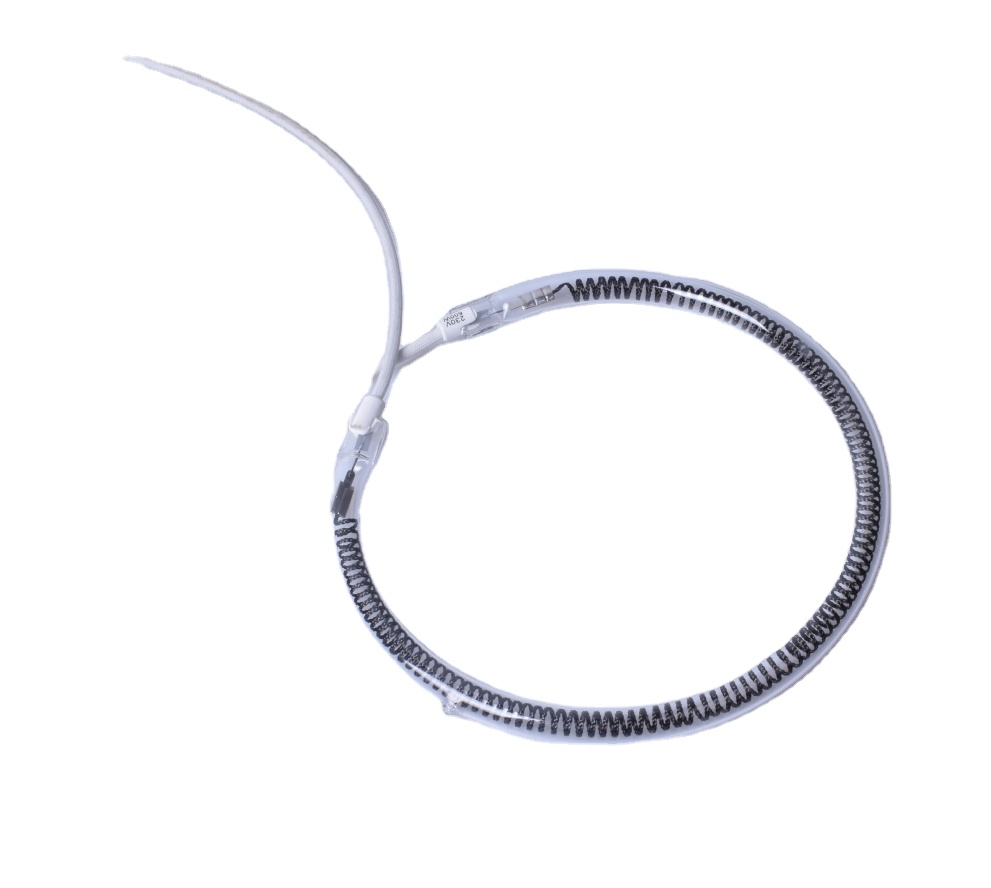
Explore our core engineering catalog comprising short-wave halogen emitters, circular carbon elements, and critical high-temperature ceramic assemblies configured for demanding manufacturing environments in Busan and global industrial hubs.
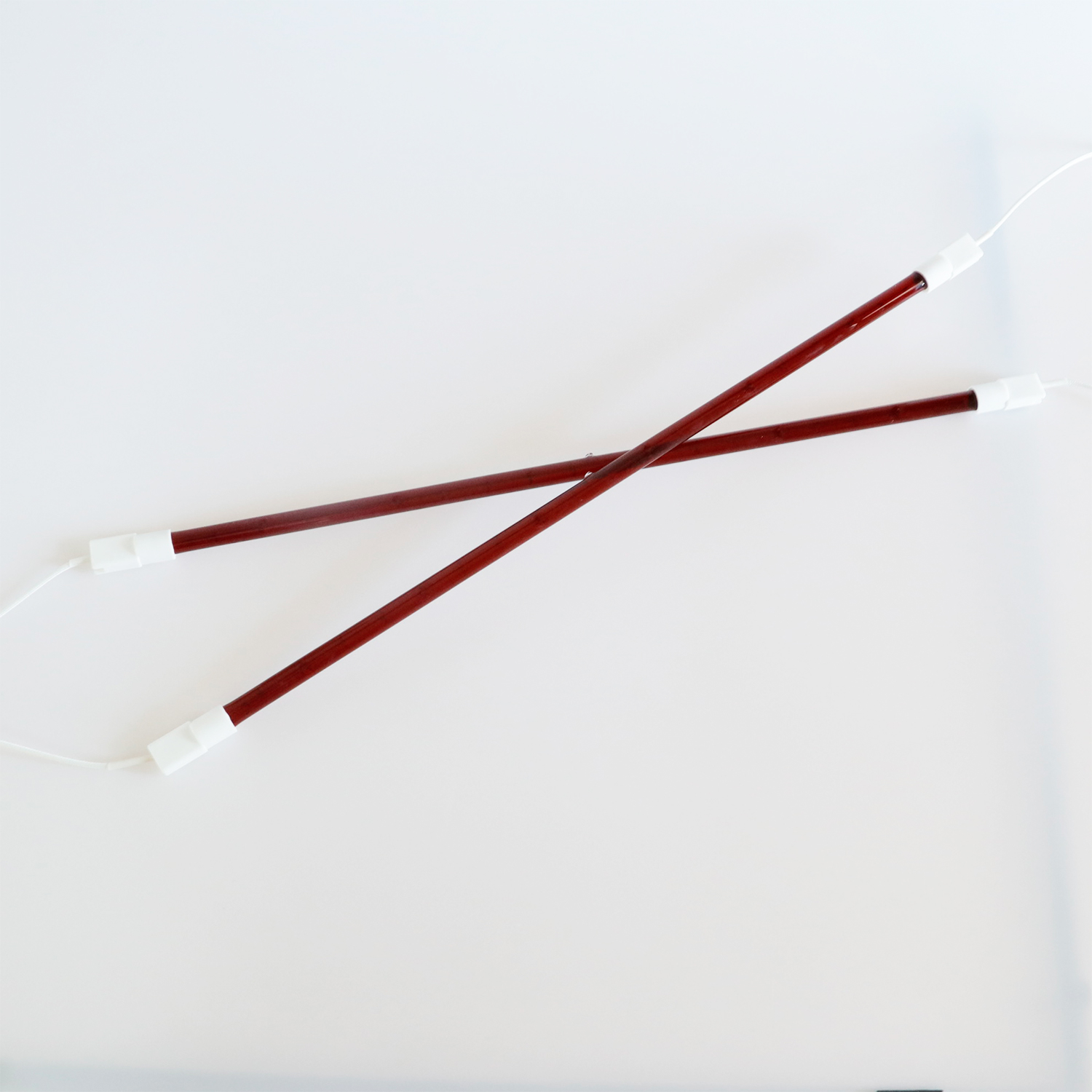
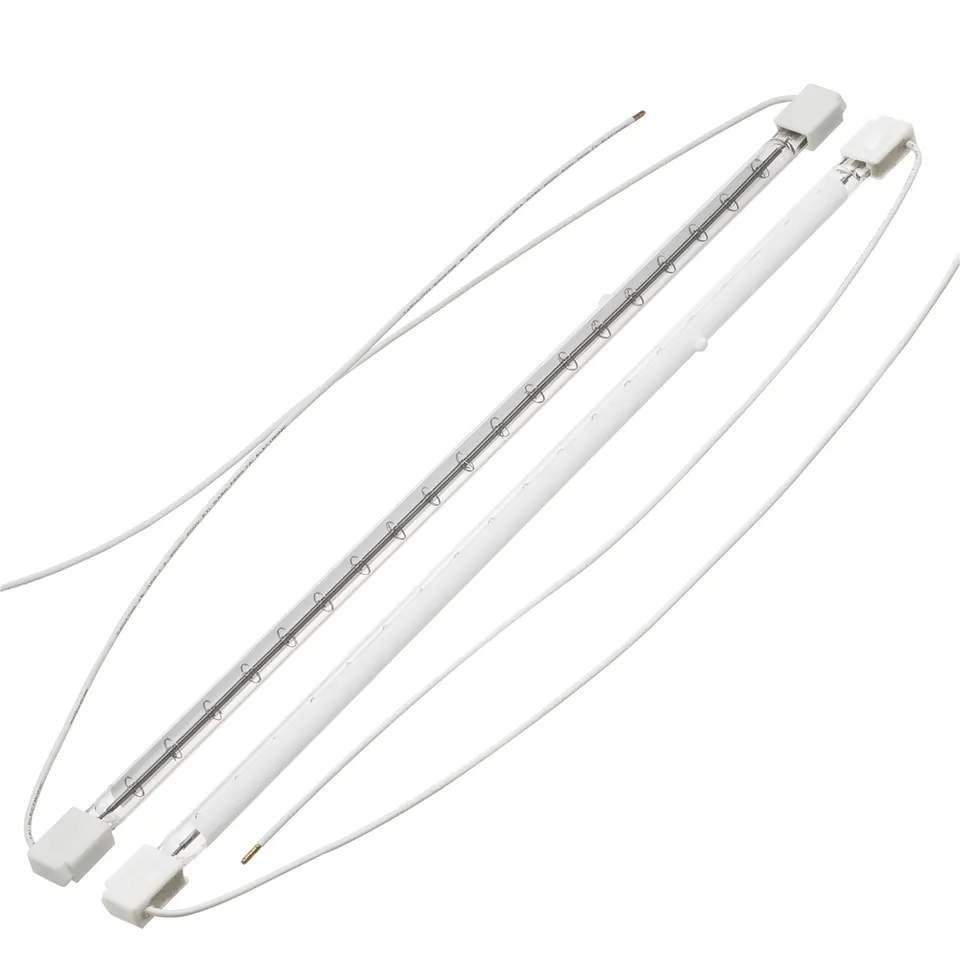
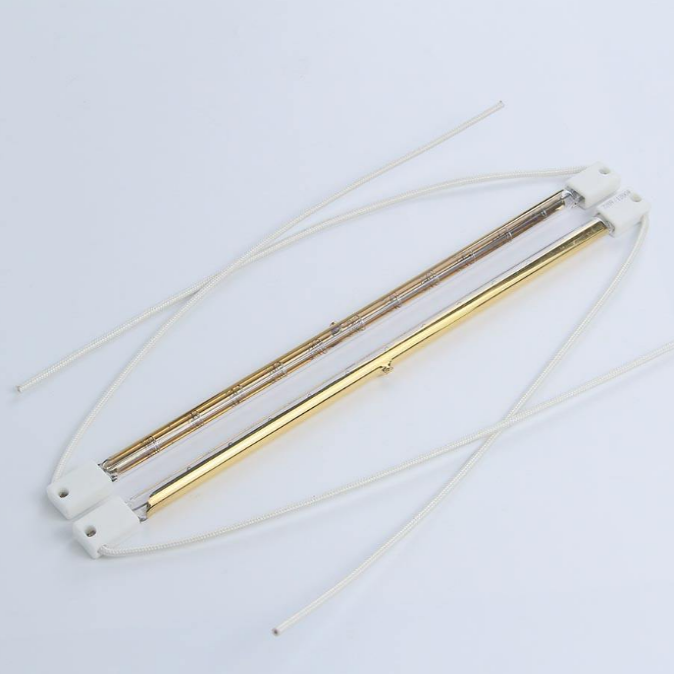
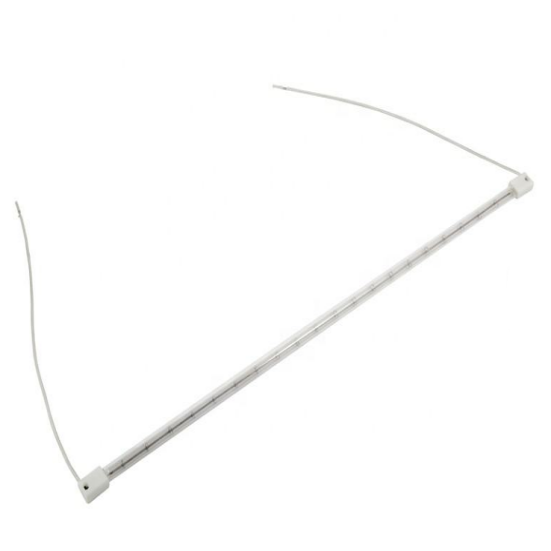
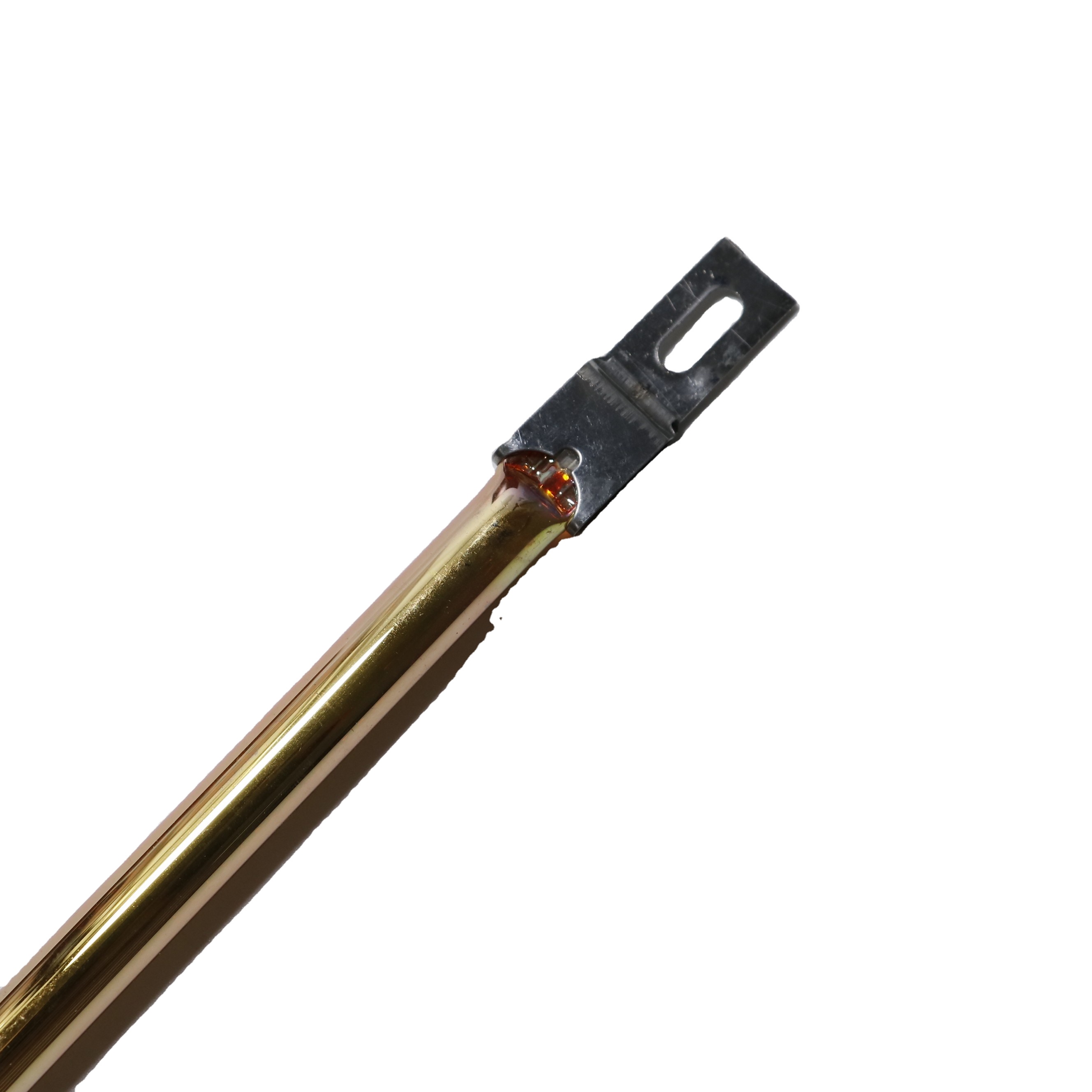
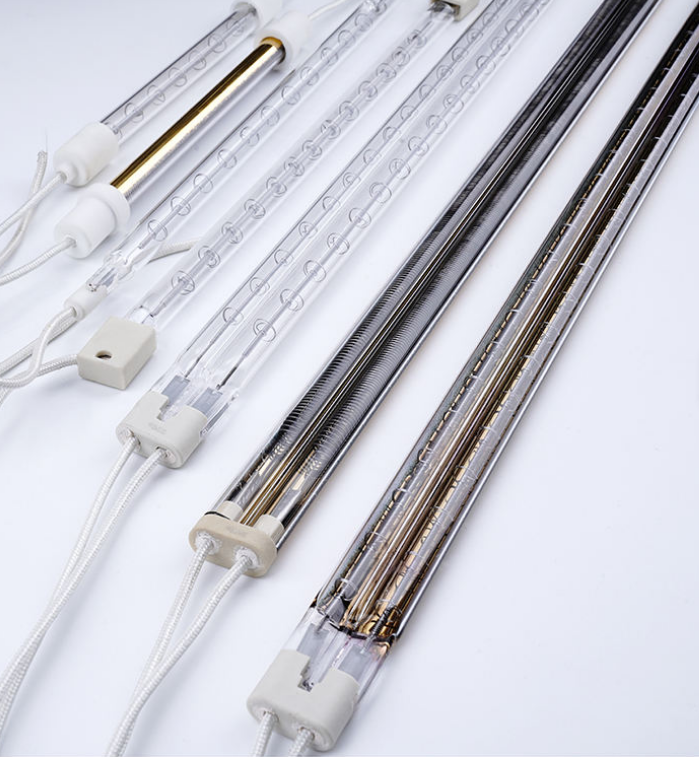
Full Gold Quartz Infrared Heating Lamp for Industrial Processing
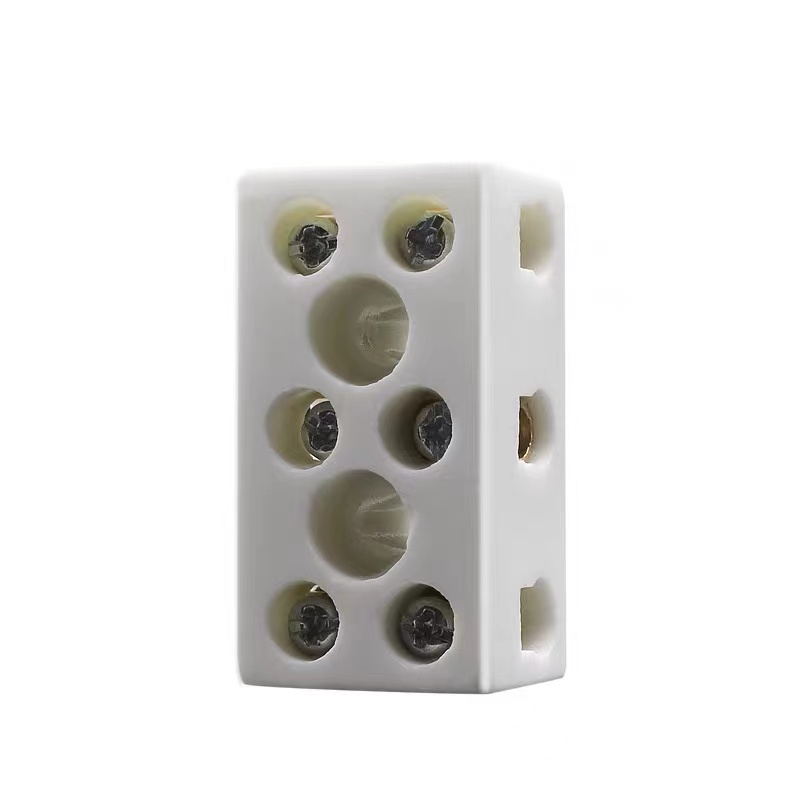
Ceramic Terminal Block Wire Connector Ceramic Wire Connector
Engineered Fused Quartz & Silica Substrates in Extreme Environments
Synthetic and natural fused silica plates possess anomalous mechanical and dielectric behaviors under cyclical thermal shock. Evaluating coefficient of thermal expansion, bubble classes, and hydroxyl content determines systemic failure rates in deep-sea optical and cleanroom vacuum operations.
Near-Zero Thermal Expansion
With an isotropic Coefficient of Thermal Expansion (CTE) of approximately 5.5 × 10^-7 / °C across 20°C to 1000°C, quartz glass plates withstand immediate thermal quenching into ice water without structural fracturing. This extreme resistance to thermal shock makes quartz plates non-negotiable for semiconductor RTP ovens and high-power laser optical paths.
Deep-UV to Far-IR Spectral Transmission
Electrically fused silica plates exhibit high internal transmittance (>92%) spanning from 260 nm in the ultraviolet spectrum up to 3.5 μm in the mid-infrared region. For advanced vacuum ultraviolet lithography or infrared pyrometry windows, optical-grade synthetic quartz exhibits no metallic trace absorption bands and eliminates refractive distortion.
Extreme Dielectric Strength & Chemical Inertness
Fused silica remains completely resistant to high concentrations of inorganic acids, saline atmospheres, and halogens, dissolving only in hydrofluoric acid or hot phosphoric solutions. Its elevated dielectric breakdown strength (>25 kV/mm at room temperature) allows thin quartz wafers to serve as uncompromised plasma isolation barriers.
| Substrate Metric | Synthetic Fused Silica (JGS1) | Fused Quartz Glass (JGS2) | Borosilicate 3.3 | Sapphire (Al2O3) |
|---|---|---|---|---|
| Working Temperature (Long-Term) | 1150 °C | 1050 °C | 450 °C | 1800 °C |
| Coefficient of Thermal Expansion | 5.4 × 10^-7 / K | 5.5 × 10^-7 / K | 33 × 10^-7 / K | 58 × 10^-7 / K |
| Optical Transmission Window | 185 nm – 2500 nm | 220 nm – 3000 nm | 320 nm – 2500 nm | 150 nm – 5500 nm |
| Dielectric Constant (1 MHz) | 3.75 | 3.80 | 4.60 | 9.40 |
| Thermal Shock Resistance (ΔT) | > 1000 °C Thermal Cycle | > 950 °C Thermal Cycle | 150 °C Thermal Cycle | Subtle shock vulnerability |
Strategic Deployments Across Busan's Industrial & Coastal Hubs
From the automated deep-water container vessel complexes of Busan New Port to the advanced robotics and precision power electronics clusters in Mieum, custom-machined quartz components solve unique coastal and high-yield manufacturing bottlenecks.
Maritime Observation Viewports & Offshore LiDAR
Busan's shipbuilding conglomerates and marine robotics institutes deploy custom quartz optical flat discs within subsea autonomous vehicles and deep-water sensor arrays. The natural resistance of fused quartz to high-salinity corrosive wear, coupled with optical transparency under multi-atmospheric hydrostatic pressures, prevents clouding and mechanical rupture in open ocean depths.
Busan-Jinhae Free Economic Zone Semiconductor Tools
In the adjacent Mieum and Jisa industrial complexes, fab equipment maintenance teams utilize customized quartz furnace isolation plates, etching rings, and chemical gas distribution showers. Quartz delivers high-purity chemical stability during chlorine- and fluorine-based dry plasma etching, preventing transition metal contamination in compound semiconductor wafer processing.
Automotive Coating & PET Preform Lines in Noksan
Manufacturing facilities across Noksan Industrial Complex demand rapid-cycle short-wave halogen lamps with gold-coated directional reflectors and clear quartz protective sleeves. These systems provide uniform cure times for automotive exterior coatings, while infrared preheating prevents stress risers in blow-molded PET containers.
Emerging Industrial Evolution Across the Gyeongsang Basin
An analysis of capital reinvestment patterns across Busan reveals three structural pivots driving localized procurement of custom engineered quartzware and precision infrared emitters.
1. The SiC & GaN Power Semiconductor Transition
The Southeast industrial ring of South Korea is pivoting toward silicon carbide (SiC) and gallium nitride (GaN) electric vehicle power modules. Processing wide-bandgap semiconductors requires epitaxy temperatures exceeding 1400°C. Local engineers are replacing borosilicate apparatus with ultra-pure synthetic quartz plates and carrier trays capable of zero ionic leaching and consistent microwave transparency.
2. Maritime Carbon Neutrality & Clean Energy Conversion
Busan's marine engineering firms are accelerating the deployment of smart scrubber assemblies, ballast water UV disinfection platforms, and hydrogen fuel cell infrastructure for container carriers. These harsh marine systems demand heavy-wall quartz immersion tubes and high-pressure UV curing lamps that maintain hermetic integrity in vibrating, salty engine room atmospheres.
3. Real-Time Photonic Metrology in Smart Shipyards
Traditional manufacturing inspection is yielding to in-line optical laser scanning and hyper-spectral pyrometry across shipyards and automated fabrication cells. Optical quartz viewports provide absolute flat, non-birefringent, high-durability optical windows through which high-speed vision cameras monitor laser welding, additive metal deposition, and thermal profile cycles.
Direct Source Production: The Kavri Quartz Advantage
Founded in 2014 and situated in Lianyungang, Jiangsu—home to China's leading quartz and crystal processing cluster—Kavri Quartz Product Co., Ltd. delivers direct raw-material integration, dedicated production cells, and precision glass-working craftsmanship to global OEM procurement teams.
Dedicated Engineering Cells
Equipped with 3 specialized automated continuous production lines, high-precision planetary double-sided lap-polishing units, laser profiling saws, and custom flame lathe blowing workshops.
10+ Years Specialized OEM Heritage
Over a decade of end-to-end custom design experience, delivering custom dimensions, stepped holes, polished bevels, gold-reflector depositions, and specialized electrical caps to exact client drawings.
Direct Raw Material Sourcing
Direct logistical access to Donghai high-purity natural silica reserves reduces material supply chain delays, assuring strict trace element controls (<10 ppm impurities) and competitive unit cost structures.
Rapid Technical Feedback
Onsite-verified manufacturer with dedicated international engineering teams providing full drawing confirmation and commercial proposals within ≤ 4 business hours.
Rigorous Batch Quality Assurance
Each production batch undergoes 100% optical inspection, spectrophotometer transmission verification, strain polarization testing, dimensional gauge verification, and electrical burn-in validation.
Direct Busan Supply Chain Route
Export logistics via Lianyungang and Qingdao ports to Busan Port within 48 to 72 hours sea freight, fully backed by verified shock-resistant export crating and flexible Incoterms (FOB, CIF, DDP).
Busan Industrial Sourcing FAQ
Direct technical answers to common questions raised by South Korean procurement managers, quality engineers, and maintenance directors.