Precision Infrared Heating & Thermal Processing Emitters
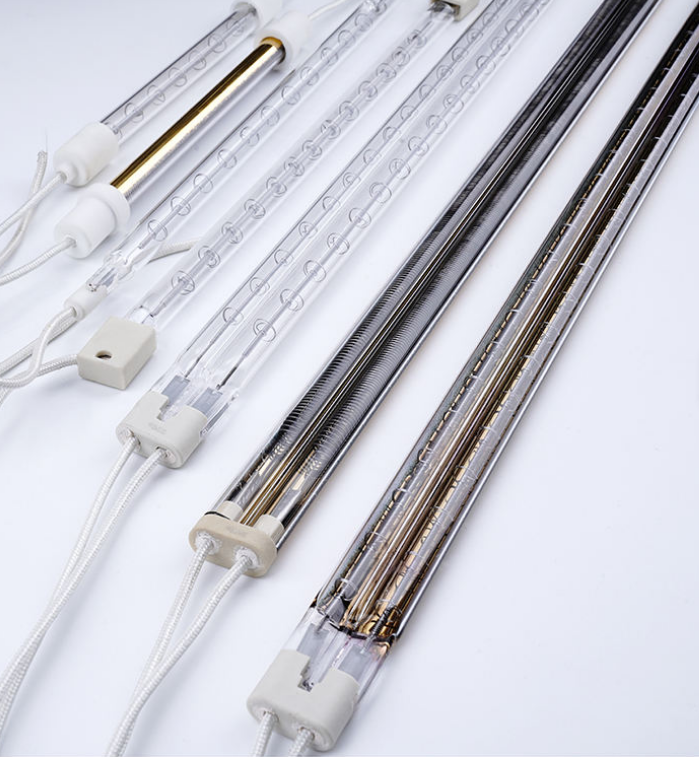
High-performance quartz emitters, short-wave halogen lamps, and medium-wave carbon assemblies built to factory-direct OEM/ODM tolerances for European industrial machinery.
White Paper: Opaque Fused Silica Engineering for the Serravalle Industrial Sector
As the economic epicenter of the Republic of San Marino, Serravalle functions as a vital cog in the Emilia-Romagna and Adriatic industrial matrix. From precision packaging automation, advanced polymer thermoforming, and consumer goods manufacturing to specialized metallurgy and ceramic processing, Serravalle's industrial plant operators demand thermal management components capable of surviving severe operational conditions. Kavri Quartz Product Co., Ltd. supplies high-purity opaque quartz glass (also known as translucent or milk-white fused silica) engineered to solve high-temperature thermal dissipation, dielectric insulation, and IR radiation shielding challenges across this regional manufacturing network.
Unlike transparent fused quartz, which is engineered for maximum optical clarity across UV, visible, and infrared wavelengths, opaque quartz glass relies on an intentionally distributed matrix of microscopic, entrapped gaseous micro-bubbles (micropores). This morphology induces extreme diffuse scattering of light and radiant heat. In industrial furnace lining, heater tube sheaths, thermocouple protection, and high-intensity infrared reflection arrays, opaque quartz acts as an exceptional infrared thermal barrier and diffuse reflection substrate, substantially reducing energy loss while protecting sensitive machine infrastructure.
Engineering Core Note: The superior thermal insulation of Kavri opaque quartz derives from the Mie scattering phenomenon produced by internal spherical voids (∅ 5 to 50 μm). These voids scatter electromagnetic wavelengths in the near-to-mid infrared band (0.8 μm to 4.5 μm), turning the quartz envelope itself into an integrated thermal insulator and diffuse back-reflector.
Material Science & Thermodynamic Superiority of Opaque Quartz
Kavri Quartz manufactures custom opaque quartz materials utilizing electric arc fusion and continuous resistance-furnace methods directly in our Lianyungang facilities. Located in the heart of China's premier silicon refining hub, our operations leverage the Donghai quartz cluster, ensuring uninterrupted access to high-purity silica raw feedstocks. The resulting opaque vitreous silica exhibits mechanical, electrical, and thermal properties that exceed standard technical ceramics like alumina (Al2O3) in fast-cycling thermal environments:
- Unmatched Thermal Shock Resistance: Fused silica possesses an extraordinarily low coefficient of thermal expansion (α ≈ 5.5 × 10⁻⁷ / K). An opaque quartz tube or flange heated to 1100°C can be dropped directly into ice water without catastrophic structural micro-cracking or spalling.
- Exceptional Refractoriness: Continuous operating temperatures reach 1050°C to 1100°C, with short-term excursion capability extending up to 1350°C–1450°C (approaching the cristobalite transformation and softening thresholds).
- High Chemical Inertness: Completely resistant to moisture, water vapor, halogen gases, and industrial acids (hydrochloric, nitric, sulfuric), remaining vulnerable only to hydrofluoric acid and concentrated phosphoric acid at elevated temperatures.
- Dielectric Isolation: High volume resistivity and minimal dielectric loss even under high-frequency RF heating or microwave drying conditions, preventing arcing in high-voltage industrial heating equipment.
| Physical / Thermal Property | Measurement Standard | Kavri Opaque Quartz Glass | Transparent Quartz Comparison |
|---|---|---|---|
| SiO2 Chemical Purity | ICP-OES Spectrometry | ≥ 99.95% | ≥ 99.99% |
| Bulk Density | Archimedes Principle | 2.06 – 2.18 g/cm³ | 2.20 – 2.21 g/cm³ |
| Apparent Porosity / Bubble Structure | Microscopic Voids | 8% – 14% (Uniform Closed Voids) | < 0.01% (Optically Clear) |
| Coefficient of Thermal Expansion (CTE) | 20°C – 1000°C | 5.4 × 10⁻⁷ / K | 5.5 × 10⁻⁷ / K |
| Maximum Working Temperature (Continuous) | Thermal Stability Test | 1100 °C | 1150 °C |
| Maximum Working Temperature (Short-term) | Peak Furnace Excursion | 1400 °C | 1450 °C |
| Thermal Shock Resistance | Water Quench Delta T | ΔT ≥ 1000 °C (No Fracture) | ΔT ≥ 1100 °C (No Fracture) |
| Thermal Conductivity (λ) at 20°C | Laser Flash Method | 0.75 – 0.95 W/(m·K) | 1.38 – 1.46 W/(m·K) |
| Diffuse IR Reflectance (1.0 – 3.5 μm) | Integrating Sphere Spectrometry | 75% – 92% (Self-Reflecting) | < 8% (Direct Transmission) |
Localized Industrial Applications in the Serravalle Manufacturing Node
The industrial landscape in Serravalle and the neighboring San Marino curazie (such as Dogana and Domagnano) is tightly synchronized with Northern Italy's specialized automation, packaging, and tooling corridors. Plant managers and mechanical design engineers in this territory continuously modernize their processes to lower energy consumption and enhance production rates. Below are the key localized industrial scenarios where Kavri Quartz OEM opaque components provide measurable performance gains:
Packaging & Blow Molding Systems
Integrated as protective sleeves, heat barriers, and thermal reflection baffles around high-speed PET blow molding heating lanes. Opaque quartz shields mechanical bearings and indexing belts from stray short-wave radiation while focusing IR energy onto the preform neck and wall.
Ceramic Kilns & Annealing Lehrs
Serving the nearby Adriatic ceramic, frit, and specialty glass processing lines. Used as roller sheaths, furnace sight glasses, refractory structural pins, and pyrometer protection tubes that resist glaze volatilization, sulfur emissions, and extreme thermal cycling.
Polymer Thermoforming & Curing
Custom opaque quartz radiant panels diffuse focused hot spots from high-wattage heating elements. This produces uniform, non-degrading radiant heating profiles across technical plastics, automotive trim laminates, and heat-shrink packaging barriers.
Specialty Chemical & Laboratory Synthesis
Engineered into opaque quartz crucibles, evaporating dishes, digestion vessels, and thermocouple well liners. Purity exceeding 99.95% prevents metal ion leaching into high-precision pharmaceutical formulations or analytical reagents.
Industrial Ink & Coating Drying Tunnels
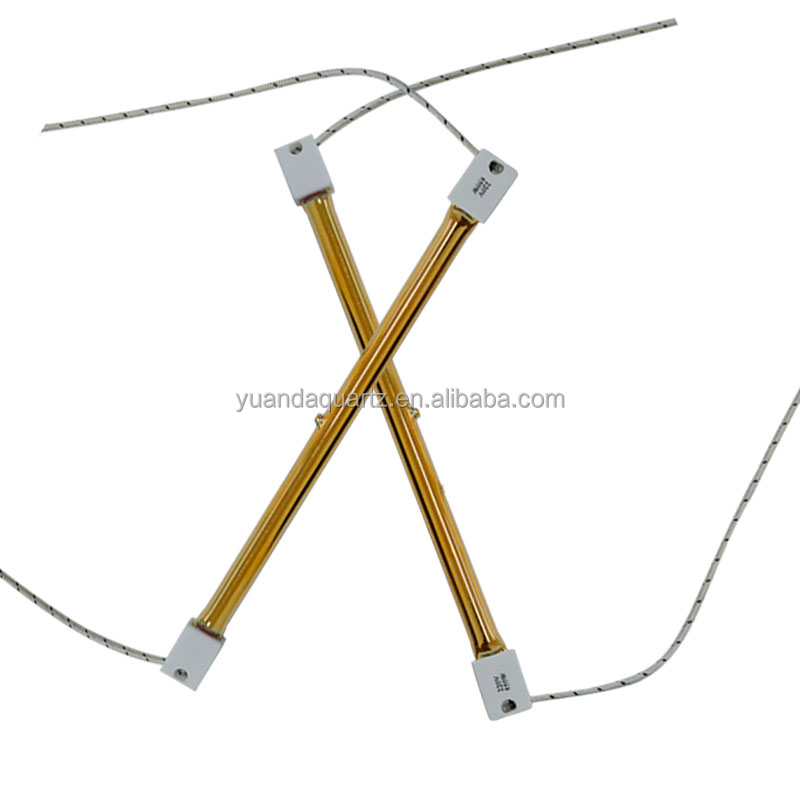
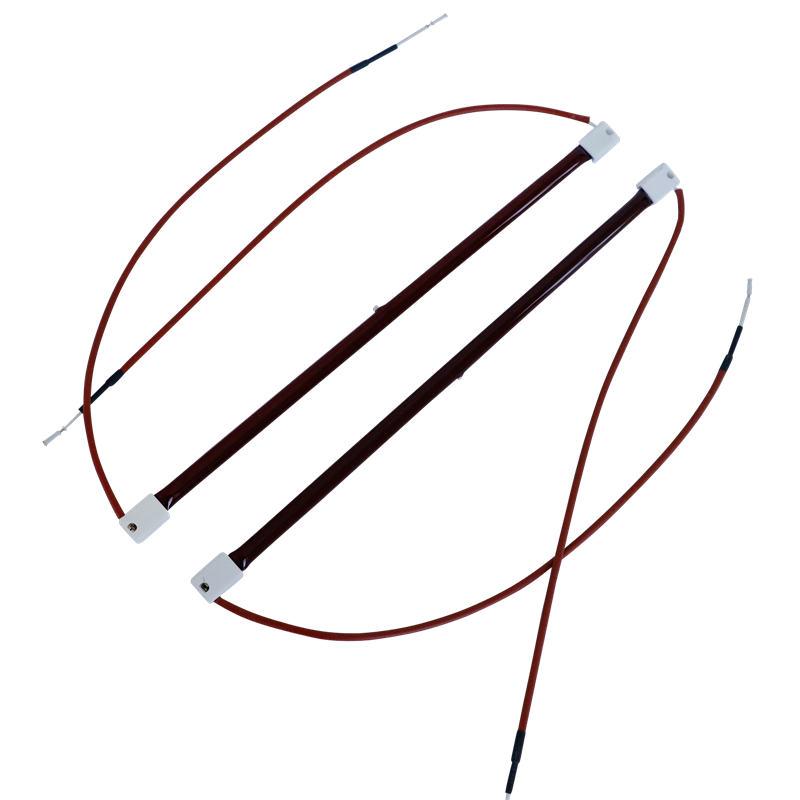
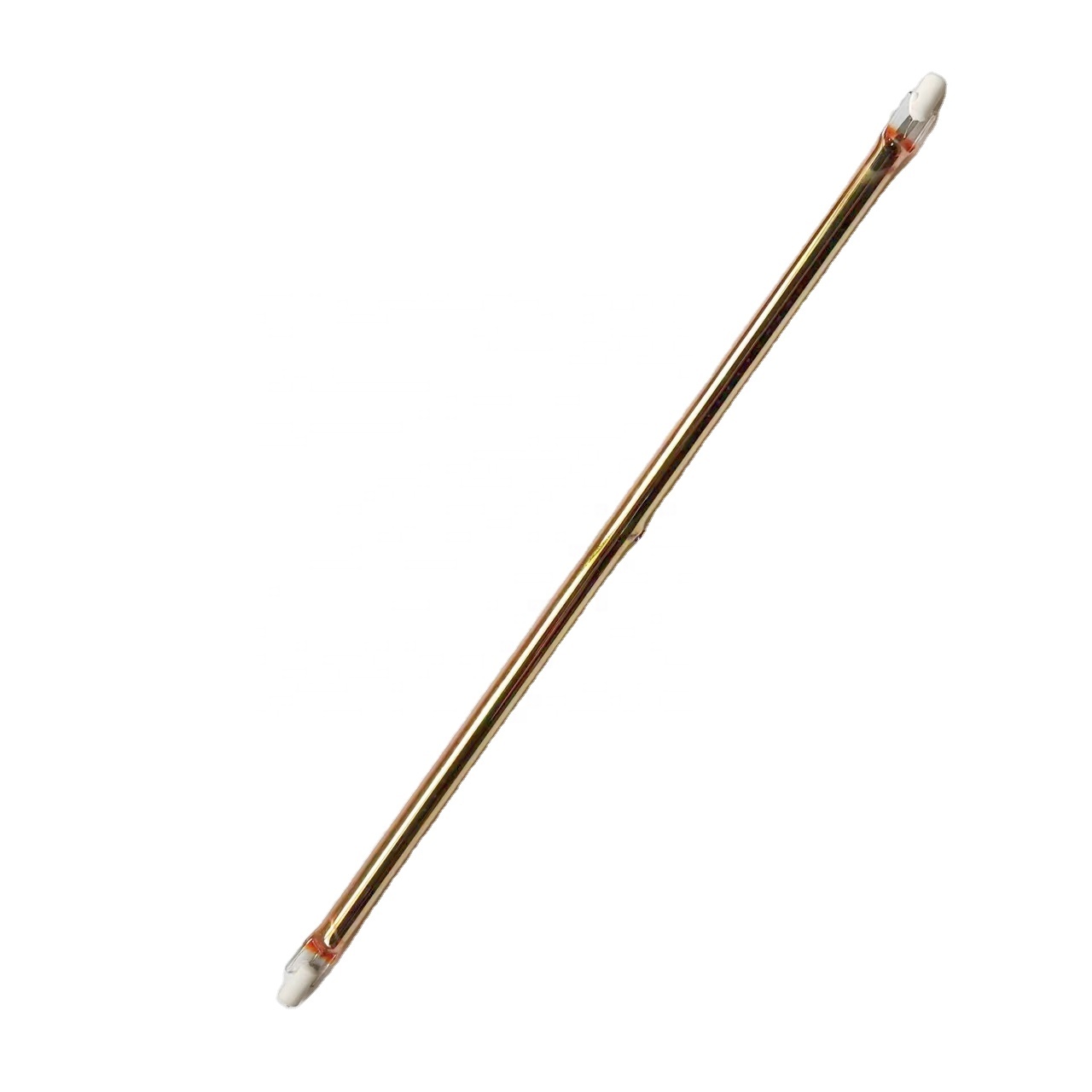
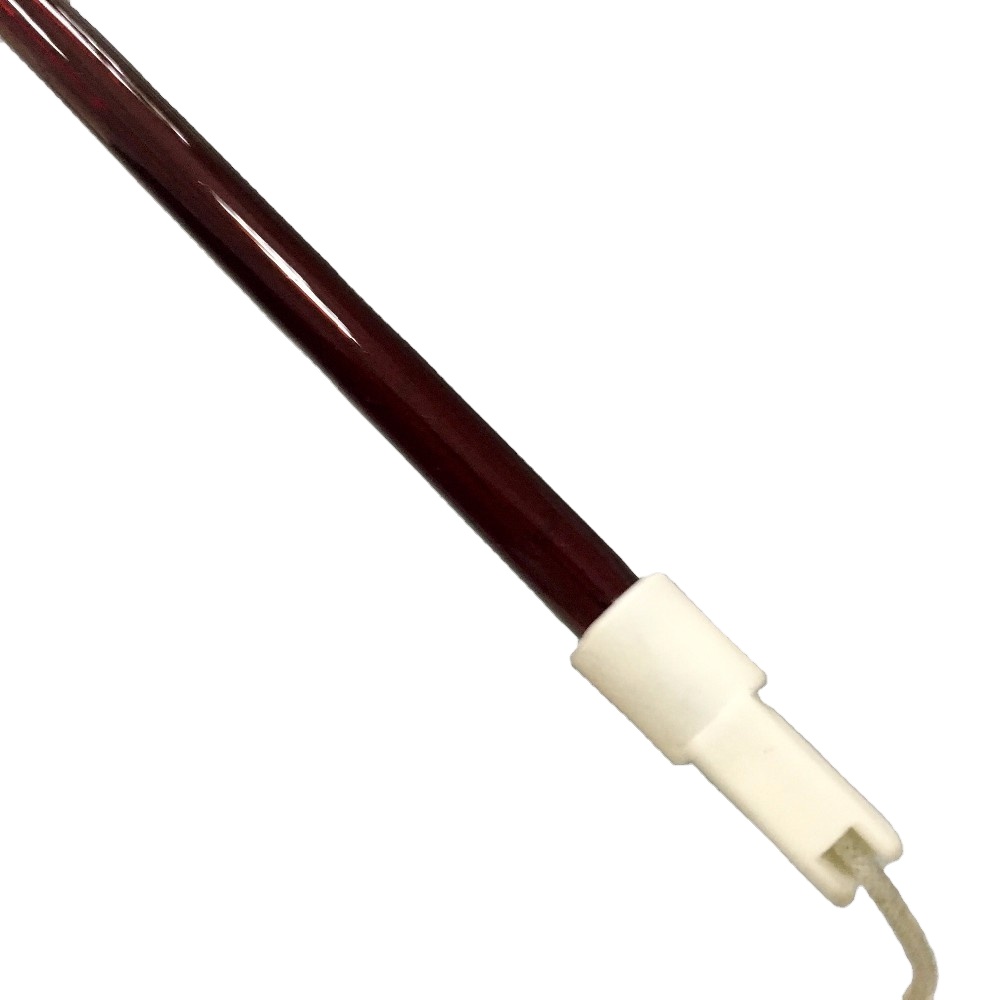
Integrated into high-speed printing, silk-screen drying, and surface coating ovens. Used alongside Kavri ruby and gold-coated halogen lamps to shield sensitive conveying belts and prevent unwanted substrate overheating via diffuse scattering.
Precision Metallurgical Casting & Heat Treating
Fabricated into casting nozzles, degassing tubes, and high-frequency induction heating sleeves. Resists thermal cracking during molten metal contact while providing an inert barrier against aluminum and copper slag adhesion.
Regional Market Procurement Trends: San Marino & Northern Italy
Procurement dynamics within San Marino's manufacturing clusters have shifted noticeably over recent fiscal cycles. Industrial buyers face increasing energy tariffs across the European Union, stricter environmental mandates under the European Green Deal, and localized machine modernization initiatives. These developments have transformed how technical purchasing officers approach high-temperature components:
1. Demand for Direct Energy Optimization: European machine builders in the packaging and thermoforming sectors can no longer tolerate energy loss through inefficient ceramic refractories. By switching to diffuse-reflective opaque quartz shields and precision infrared heating assemblies, plants in Serravalle report radiant energy transfer improvements between 14% and 22%, directly shortening production cycle times.
2. Direct Factory OEM Sourcing vs. Intermediary Stockists: Historically, businesses in San Marino sourced replacement quartz and technical glass from regional Italian distributors with marked-up prices and rigid catalog dimensions. Engineering teams now collaborate directly with specialized OEM manufacturers like Kavri Quartz. Factory-direct engineering allows customized inner/outer diameters, precision flange cutouts, ground end faces, and custom-coiled heating elements delivered in batch quantities tailored to scheduled machine rebuilds.
3. Strict Tolerance and REACH/RoHS Certification Compliance: Component traceability is critical. Buyers in the Serravalle market require heavy-metal-free quartz substrates compliant with EU RoHS and REACH regulations, accompanied by certified material chemical assay sheets guaranteeing minimal trace impurities (such as Fe ≤ 15 ppm, Al ≤ 25 ppm, and Ti ≤ 5 ppm).
Kavri Quartz: Manufacturing Capacity & Engineering Advantages
Founded in 2014, Kavri Quartz Product Co., Ltd. operates three specialized manufacturing lines covering fused quartz mechanical fabrication, infrared emitter assembly, and precision scientific glass blowing. Headquartered in Lianyungang, Jiangsu Province, China, our facilities sit in close proximity to the Donghai silica reserves, allowing us to manage quartz quality from the raw crystal feed through melting, drawing, CNC machining, and fire-polishing.
Our OEM capabilities encompass a comprehensive range of dimensions and bespoke tooling configurations:
- Continuous Tube & Rod Drawing: Opaque quartz tubing manufactured in outer diameters ranging from 8 mm up to 450 mm, with wall thicknesses calibrated from 1.5 mm to 12 mm.
- Substrate Cutting & Surface Finishing: Opaque plates, disks, and rectangular baffles cut via water jet and diamond saws, followed by precision edge grinding, chamfering, or fire-polishing.
- Flame Working & Joining: Skilled glass-working artisans weld quartz flanges, closed domes, branch tubes, and threaded quartz couplings onto raw opaque envelopes.
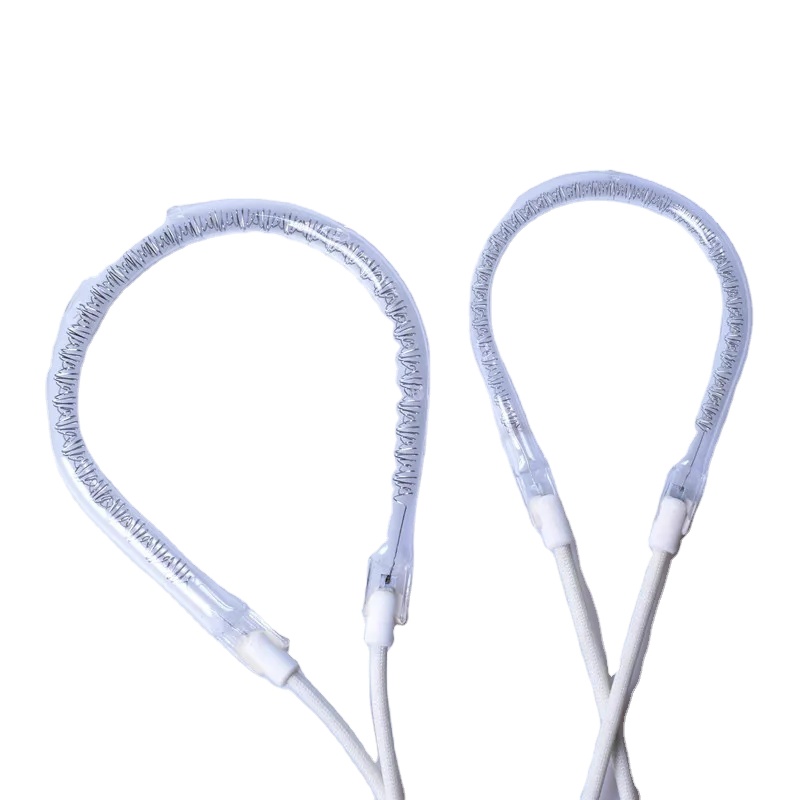
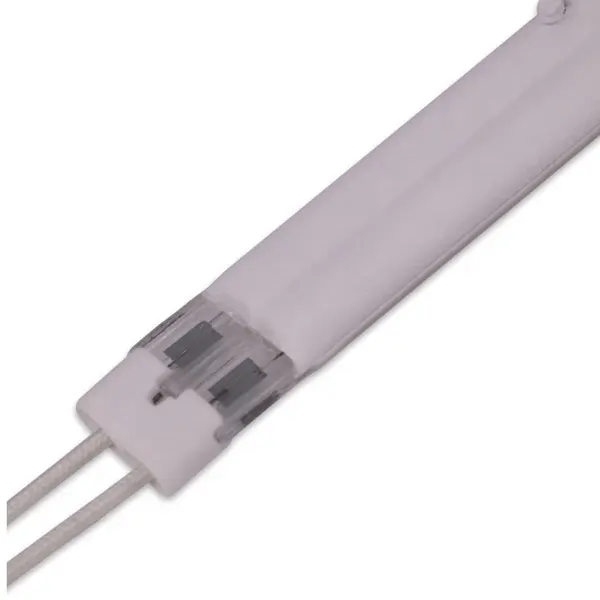
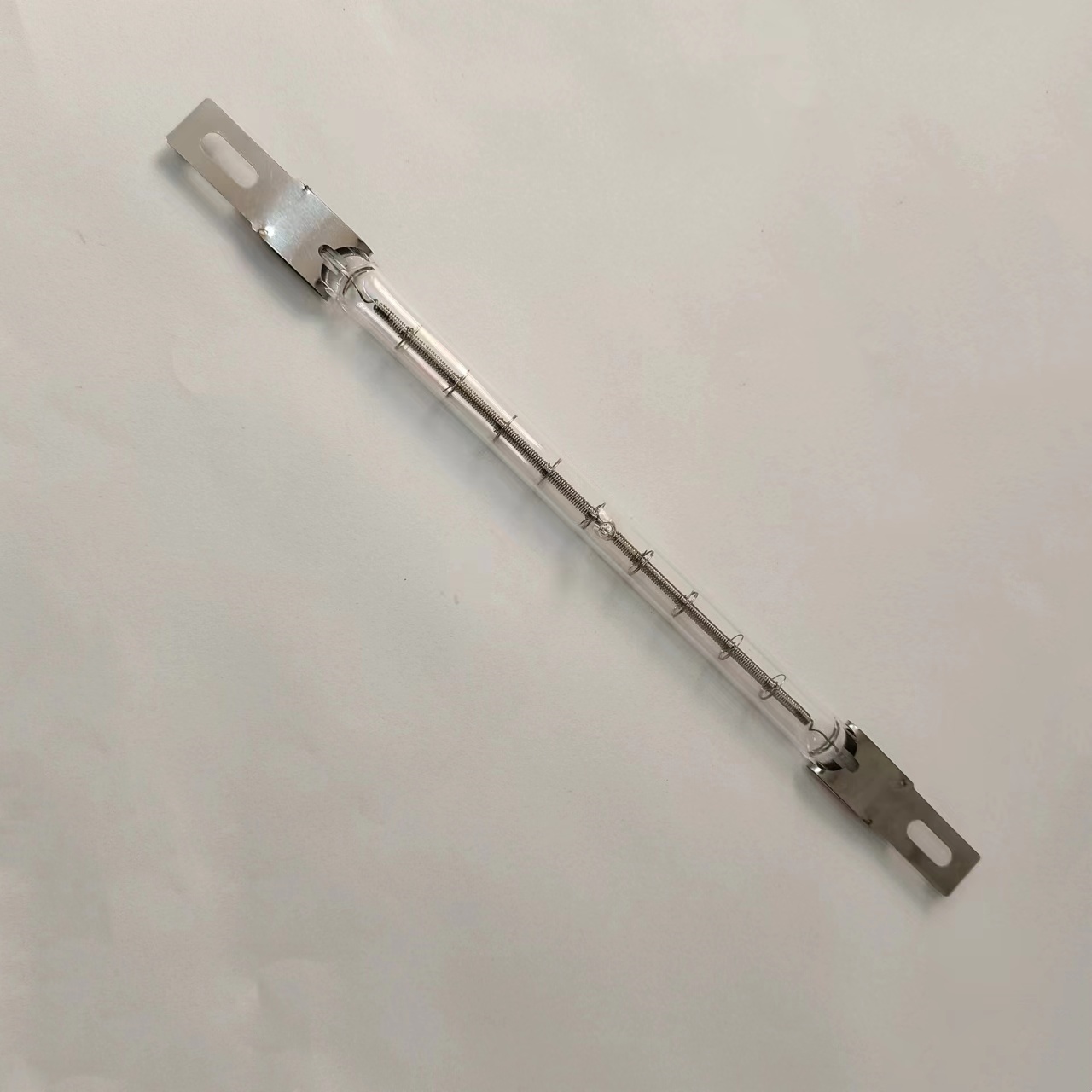
- Integrated Heating Systems: Full-spectrum integration where opaque quartz envelopes are paired with custom-wound tungsten, nickel-chromium, or carbon-fiber elements to supply drop-in thermal emitter modules.
- Export-Ready Logistics: More than 85% of our annual production is exported to demanding markets across Germany, the Netherlands, Italy, the USA, and Japan. Every shipment features custom wooden crate packaging with multi-layer high-density shock-absorbing polyethylene foam, ensuring zero transit breakage across long sea, air, and multimodal European rail routes.
Frequently Asked Questions: Technical Sourcing for Serravalle Buyers
What makes opaque quartz glass superior to alumina ceramic tubes in radiant heating tunnels?
Can Kavri Quartz manufacture custom opaque quartz components to custom European engineering drawings?
What are the lead times and shipping terms for deliveries into San Marino / Northern Italy?
How does the micro-bubble structure of opaque quartz affect chemical resistance?
What is the Minimum Order Quantity (MOQ) for custom fabricated opaque quartz tubes or plates?
Can you supply opaque quartz with integrated ceramic or gold coatings?
Request an Engineering Consultation & OEM Quotation
Send your CAD drawings, physical operating parameters, or replacement component requirements directly to our engineering team. We guarantee detailed technical feedback and price quotes within 4 business hours.
Send an Inquiry