Featured Thermal Processing & Precision Quartz Systems
Integrated quartz metallurgy and electromagnetic infrared heating systems engineered for high-specification industrial manufacturing lines across Berlin-Brandenburg and the European Union.
Technical Monograph: High-Purity Fused Silica Rods in Precision Engineering
Synthetic and natural fused silica rods represent the apex of inorganic dielectric and thermal management substrates. Produced through high-temperature thermal fusion of crystallite quartz grains at temperatures surpassing 2000°C, these non-crystalline, vitreous silicon dioxide (SiO2) cylinders maintain unique isotropic material parameters. In advanced manufacturing hubs like the Berlin metropolitan area—encompassing research clusters in Adlershof and automotive corridors across Brandenburg—OEM fused silica rods act as fundamental components for beam steering, fiber drawing, semiconductor furnace handling, and non-contact industrial photothermal workflows.
The structural advantage of fused silica rests within its three-dimensional cross-linked network of silicon-oxygen tetrahedra. Characterized by a remarkably low coefficient of thermal expansion (~5.5 × 10⁻⁷/K between 20°C and 320°C), our custom OEM rods withstand severe thermal shock. Engineers can transition these components from a 1100°C furnace environment directly into ambient liquid quench baths without initiating micro-fracture propagation, mechanical spalling, or optical degradation. Combined with optical transmission ranging from the deep ultraviolet spectrum (185 nm) into the mid-infrared corridor (3500 nm), custom quartz cylinders facilitate minimal absorption losses across demanding photonic and radiative heat applications.
As advanced facilities increasingly require custom dimensional profiles, our factory-direct OEM/ODM capabilities bridge the gap between initial prototyping and scalable high-volume procurement. We fabricate solid rods, capillary light guides, polished quartz welding tooling, and structural wafer batch rods down to micrometer tolerances (±0.01 mm). Every component meets strict European DIN ISO standards, delivering full chemical inertness against volatile acids, zero ionic contamination in wet chemical etching baths, and exceptional mechanical modulus retention under prolonged thermal stress.
Localized Industrial Applications Across Berlin & Regional Hubs
Meeting the demanding production standards of high-tech parks, automotive plants, and analytical laboratories throughout Berlin, Potsdam, and Frankfurt (Oder).
Adlershof Photonics & Laser Optics
In Berlin-Adlershof—Germany’s foremost science and technology park—optics institutes, laser tool developers, and quantum communications startups demand fused silica rods with exceptionally low OH content (<1 ppm) for fiber preform synthesis, high-power collimation arrays, and laser delivery light pipes capable of transmitting multi-kilowatt coherent energy densities without localized thermal lensing.
Semiconductor & Microelectronics Fab
Within semiconductor production facilities across Berlin, Brandenburg, and nearby Silicon Saxony corridors, custom ground quartz rods serve as high-purity carrier push-rods, thermal sensor shields, and diffusion boat supports. Their ultra-trace metallic impurity profile (<0.1 ppm Fe, Cu, Ni) prevents cross-wafer contamination during rapid thermal annealing (RTA) and epitaxial furnace cycles.
Automotive E-Mobility & Polymer Thermoforming
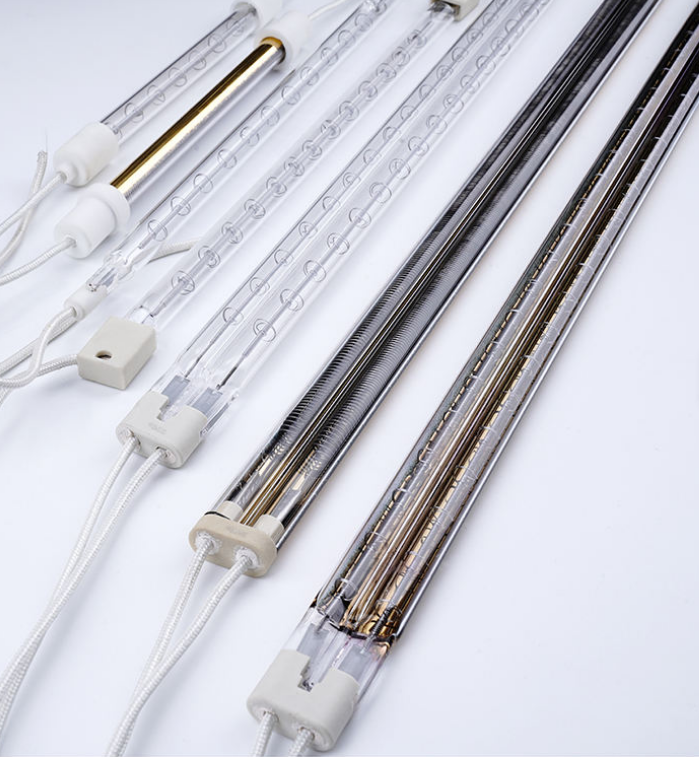
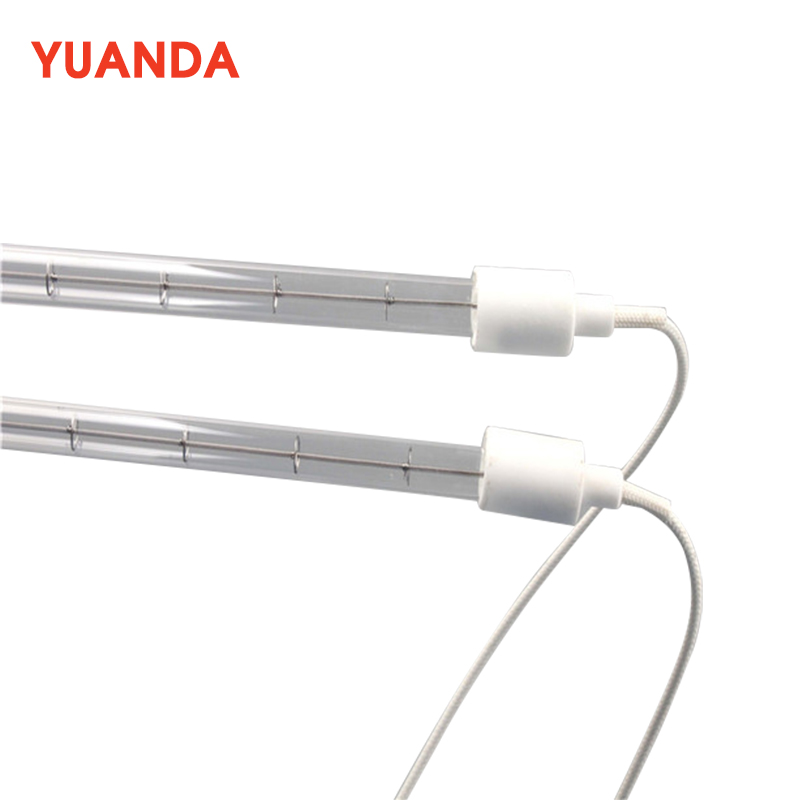
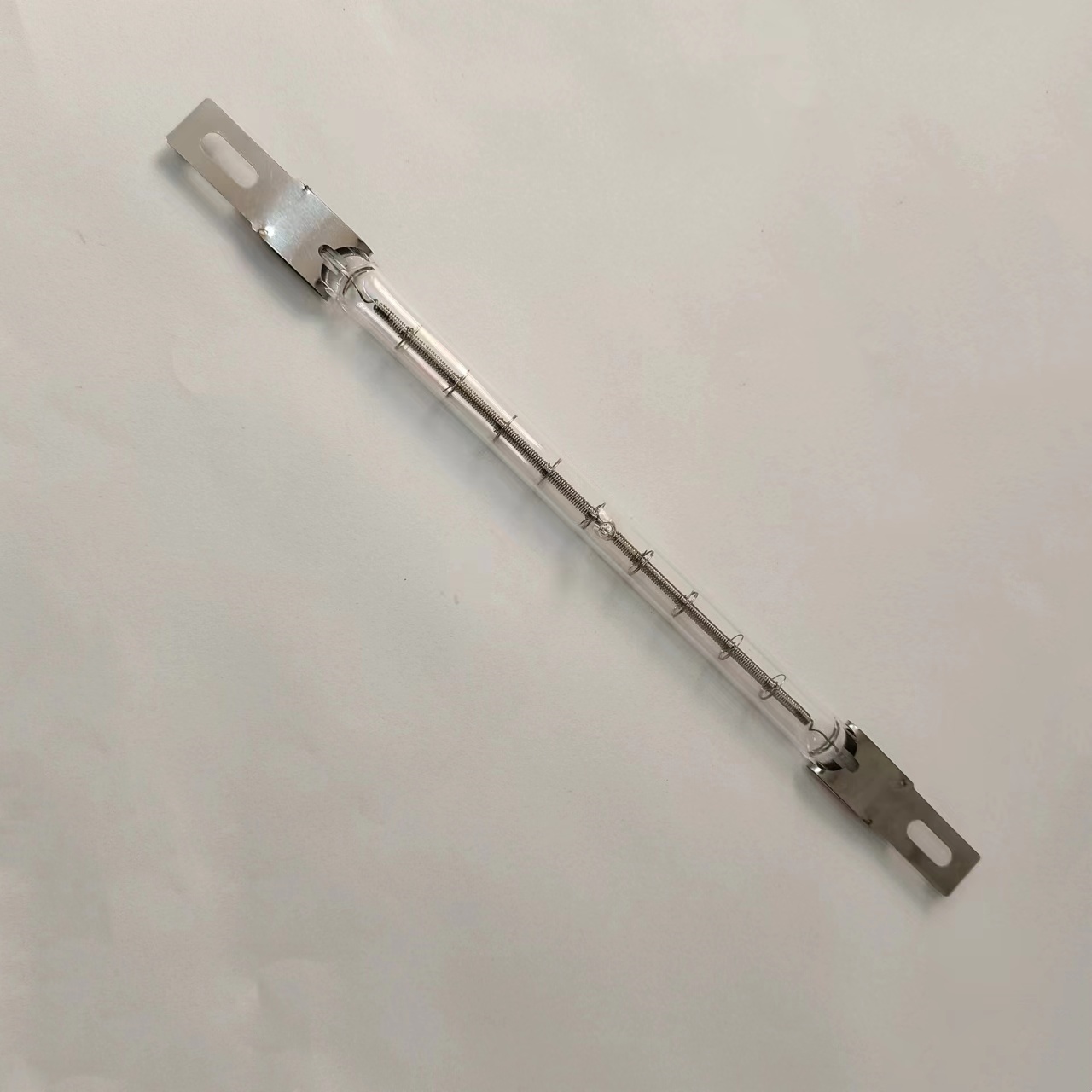
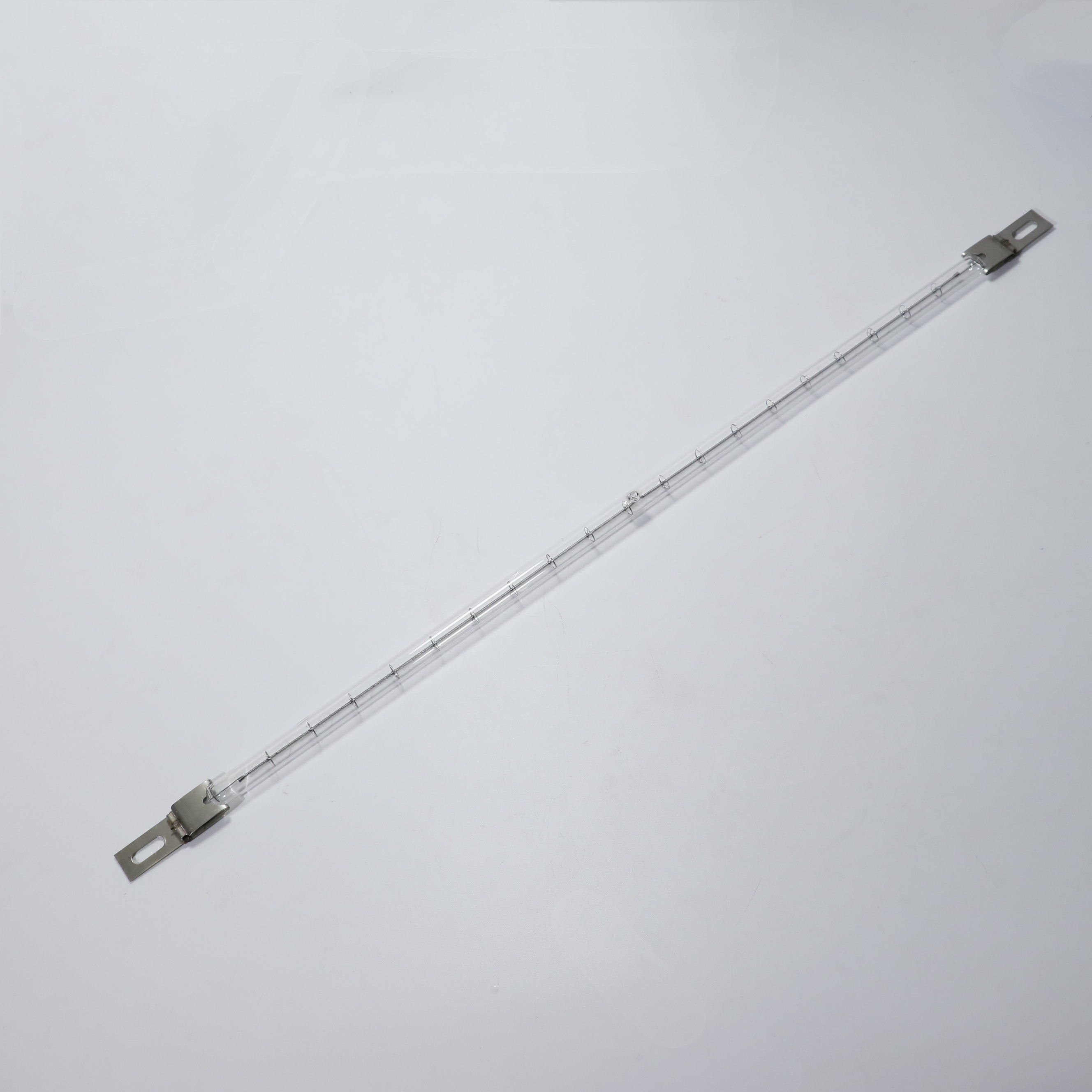
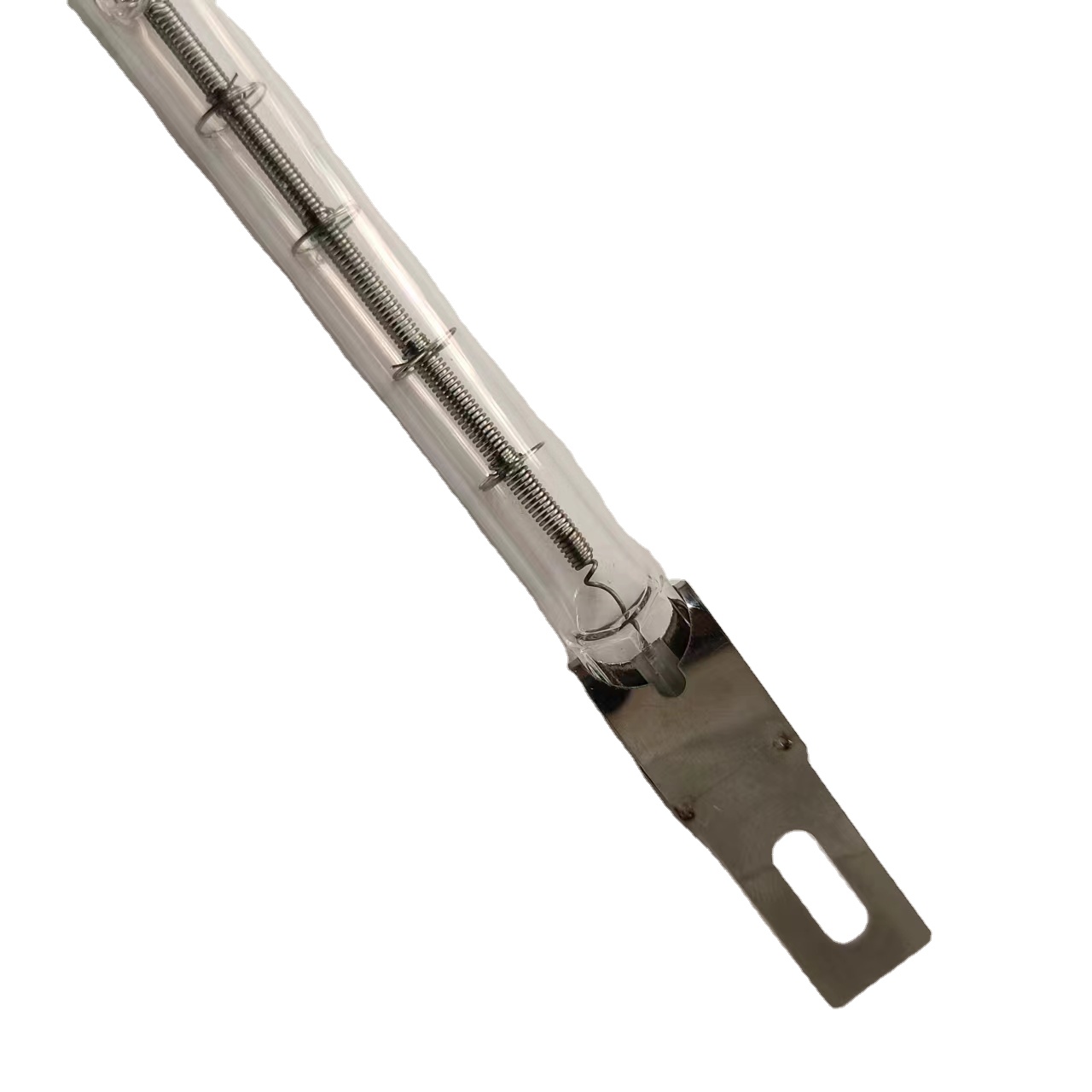
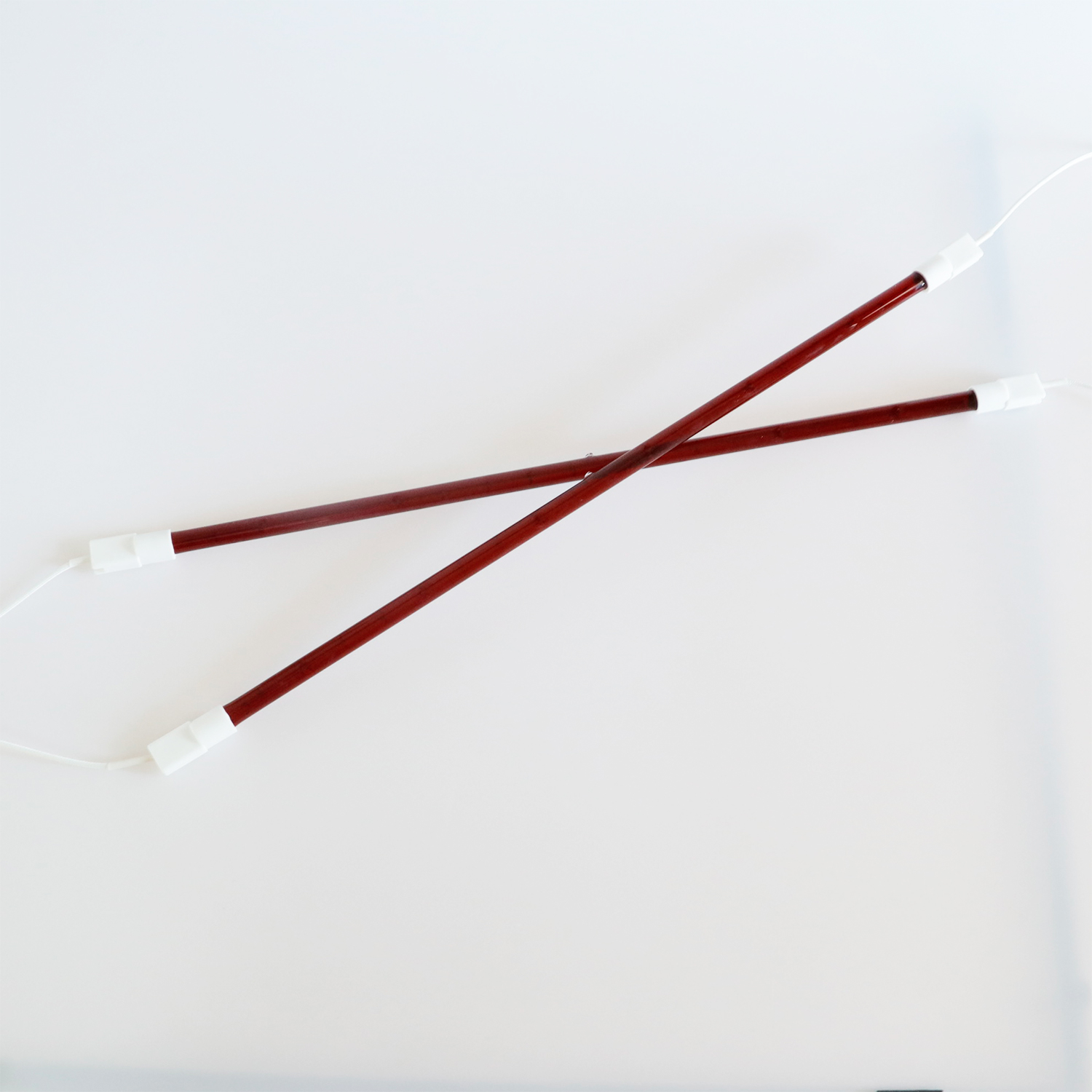
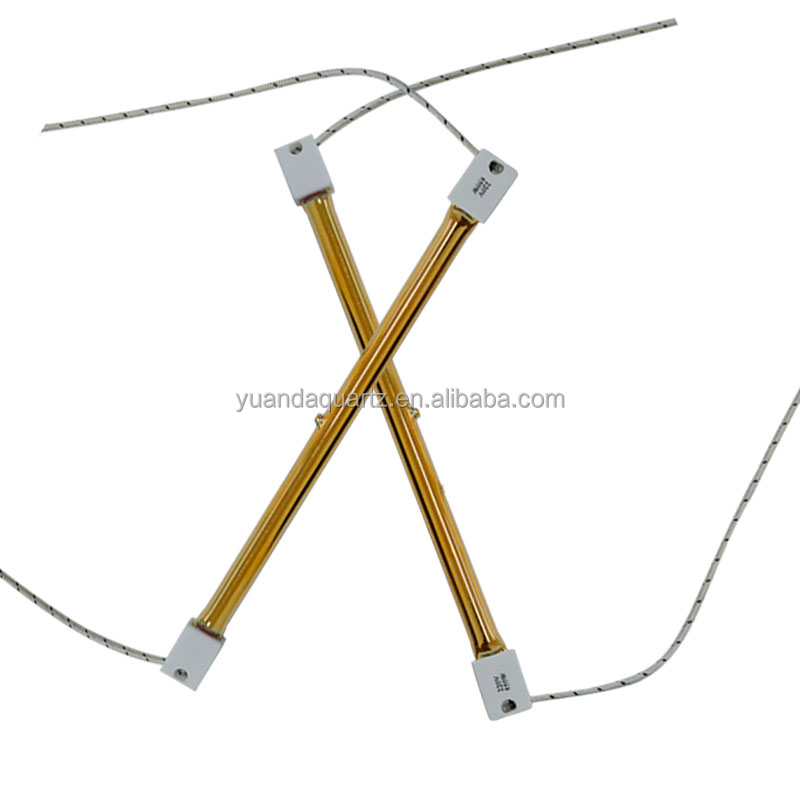
Gigafactories and advanced automotive paint-lines throughout the Brandenburg periphery rely on high-intensity short-wave infrared halogen emitter tubes and precision quartz rods. Used for selective drying, automated battery cell casing curing, and rapid PET bottle blow-molding systems, these components ensure uniform thermal transfer with sub-second response times.
Advanced Manufacturing Trends in the Berlin-Brandenburg Region
How evolving technological initiatives across Eastern Germany are reshaping technical glass and photothermal emitter requirements.
1. Transition to Electrified Radiant Thermal Systems
As German energy policies mandate decarbonization and efficiency gains (EnEffG standards), traditional gas-fired convection drying lines across regional manufacturing plants are being replaced by targeted quartz infrared emitters and directed fused silica thermal guides, cutting energy losses by up to 45%.
2. Cleanroom Additive & High-Power Optical Processing
Additive manufacturing facilities are adopting fused silica rods as non-reactive internal chamber guides, optical pyrometry windows, and laser scan mirrors. The absolute chemical stability prevents degassing under ultra-high vacuum (UHV) regimes, preserving cleanroom ISO Class 4 integrity.
3. Local Supply Chain Resilience & Direct OEM Partnering
Procurement directors throughout Berlin now favor direct manufacturer integration over intermediary distributors. Sourcing custom quartzware from dedicated primary fabricators guarantees transparent traceability, rapid batch prototyping, and verified compliance with EU RoHS and REACH mandates.
Enterprise Manufacturing Capabilities & Engineering Advantages
Capitalizing on decades of specialized vitreous glass manufacturing, comprehensive metallurgical analysis, and certified global logistics management.
Raw Material Purity & Traceability
Located near the world’s leading crystal quartz clusters, our processing lines utilize selected granular silica delivering ≥99.99% purity. Each production batch undergoes spectrophotometer analysis to ensure zero internal bubble inclusion and uniform refractive index (±0.0001).
Precision CNC & Glassblowing Metrology
Our workshop combines multi-axis automated CNC diamond grinding with manual master lamp-working. Whether machining stepped quartz rods, polished optical facets (λ/4 surface flatness), or custom twin-tube IR heating profiles, we maintain strict adherence to your engineering drawings.
International Logistics & Express DDP Delivery
With an export distribution share exceeding 85%, we manage complete customs clearance and protective packaging for fragile quartz freight. Berlin and broader German clients benefit from flexible DDP, CIF, and FOB terms, reinforced by custom shock-absorbing timber framing.
Frequently Asked Questions: B2B Procurement for Berlin Engineers
Clear, technically rigorous answers to assist equipment designers, plant managers, and purchasing professionals.
What dimensional tolerances can you maintain for custom fused silica rods?
For standard ground quartz rods, outer diameter tolerances are held within ±0.05 mm. When precision centerless grinding and laser-controlled fire-polishing are applied, tolerances can be tightened to ±0.01 mm, with total runout under 0.05 mm per 300 mm length.
How do fused silica rods compare against standard borosilicate glass in thermal cycling?
Borosilicate glass features a thermal expansion coefficient around 3.3 × 10⁻⁶/K and softens near 820°C. Fused silica has an expansion coefficient of roughly 5.5 × 10⁻⁷/K (approx. 6 times lower) and operates continuously up to 1100°C (peaking at 1450°C), making it the superior material for thermal shock resistance.
Can you provide sample batches for trial runs in German research institutions?
Yes. We support prototyping protocols for research institutions and system OEMs, providing pilot production batches starting from 5 to 10 units. Engineering validation drawings are finalized prior to torch-working or CNC slicing.
What surface finish options are available for custom rod components?
We provide commercial rough-cut, fine commercial ground (matte, Ra 0.8–1.6 µm), full optical clear flame-polished, and precision mechanical pitch-polished finishes (80/50 or 60/40 scratch-dig specification) for transmission light guides and optical windows.
Are your infrared lamps and quartz components certified for EU installations?
Yes. All quartz tubes, emitters, and structural fused silica parts comply with European Union CE standards, RoHS directives, and REACH chemical safety guidelines, ensuring straightforward integration into machinery built throughout Germany.
How are fragile quartz rods packaged to prevent transit damage to Berlin?
We use dedicated multi-layer shock isolation packaging, including polyethylene foam cutouts, individual vacuum-sealed sleeves, rigid internal tubes, and reinforced export-grade plywood crates equipped with tilt and shock indicator labels.
Collaborate with Our Optical & Quartz Engineering Team
Submit your component drawings, mechanical requirements, or replacement lamp specifications today. Our technical specialists respond within 4 hours with detailed pricing, metallurgical data sheets, and tooling feasibility assessments.