Precision Automotive & Industrial Infrared Heating Emitters
Direct from our Lianyungang quartz glass fabrication cluster to Swiss automotive paint shops, automated robotic spray tracks, and thermal processing OEM lines. Compliant with stringent European low-voltage and thermal directives.
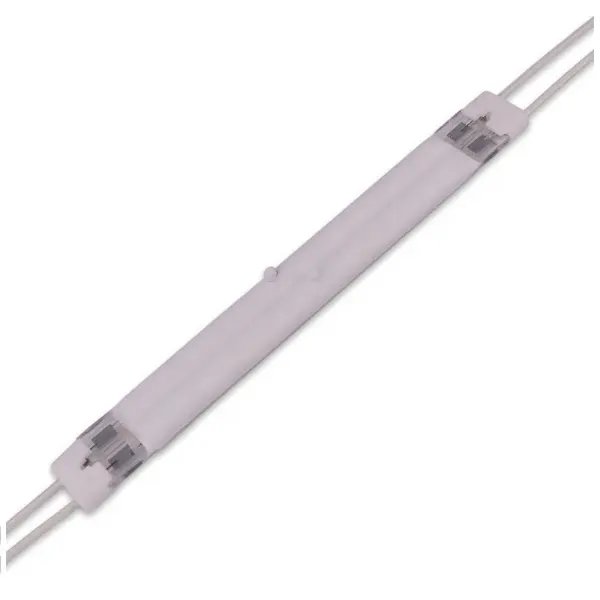
Halogen Half White Twin Tube Infrared Heating Lamp
- Peak Spectrum: 0.9 - 1.4 μm
- Reflector: Ceramic Half-White
- Profile: Twin Tube 23x11 / 33x15mm
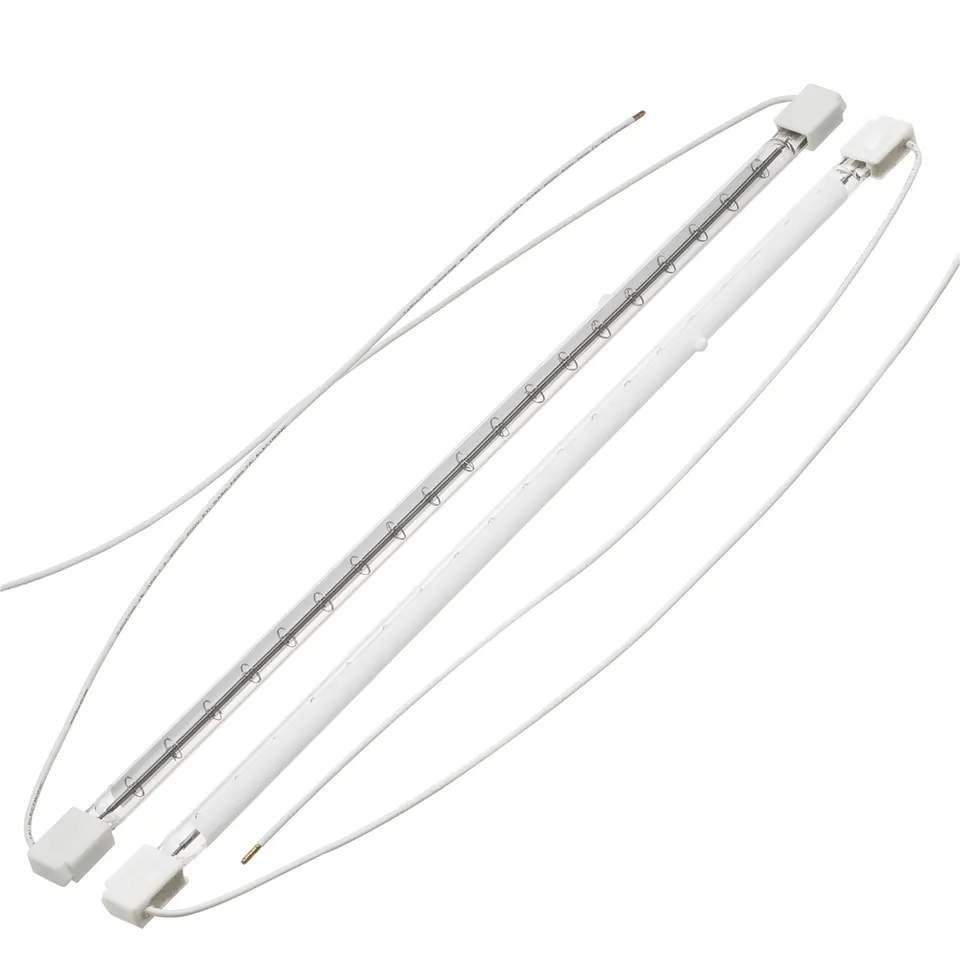
Shortwave Half White Infrared Heating Radiant Emitter
- Filament: Tungsten Halogen
- Response Time: ≤ 1 Second
- Service Life: 5,000+ Operating Hrs
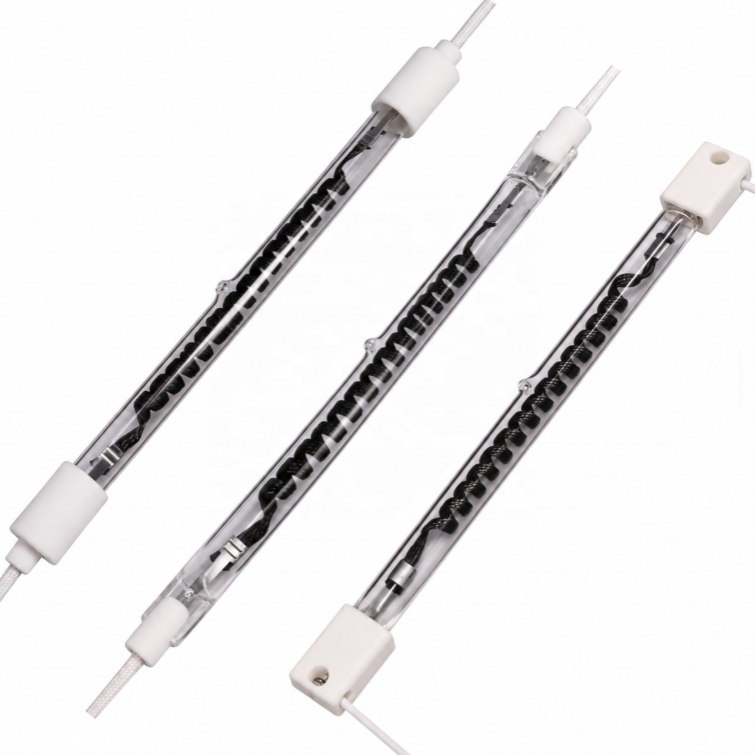
Carbon Fiber Medium Wave Clear Infrared Heat Lamp
- Peak Spectrum: 2.0 - 2.6 μm
- Substrate Fit: Water-Borne Topcoats
- Tube Glass: High-Purity Fused Silica
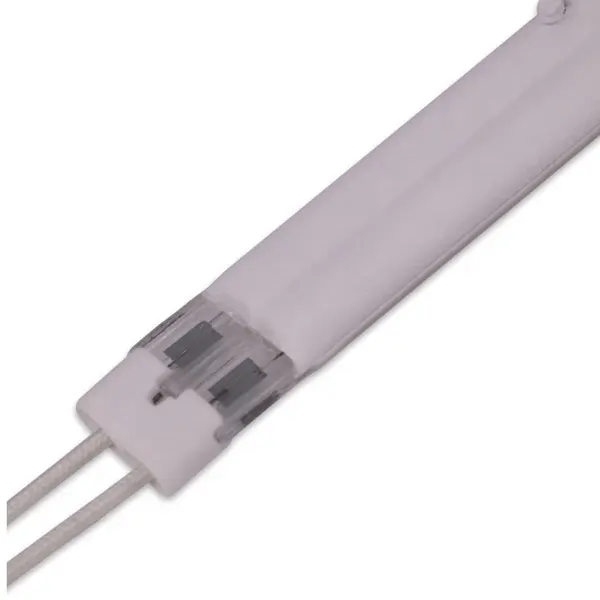
Twin Tube Halogen IR Heating Lamp for Paint Drying Curing
- Primary Focus: Automotive Refinishing
- Mounting: Gold / White Coated
- Uniformity: Dual Channel Balance
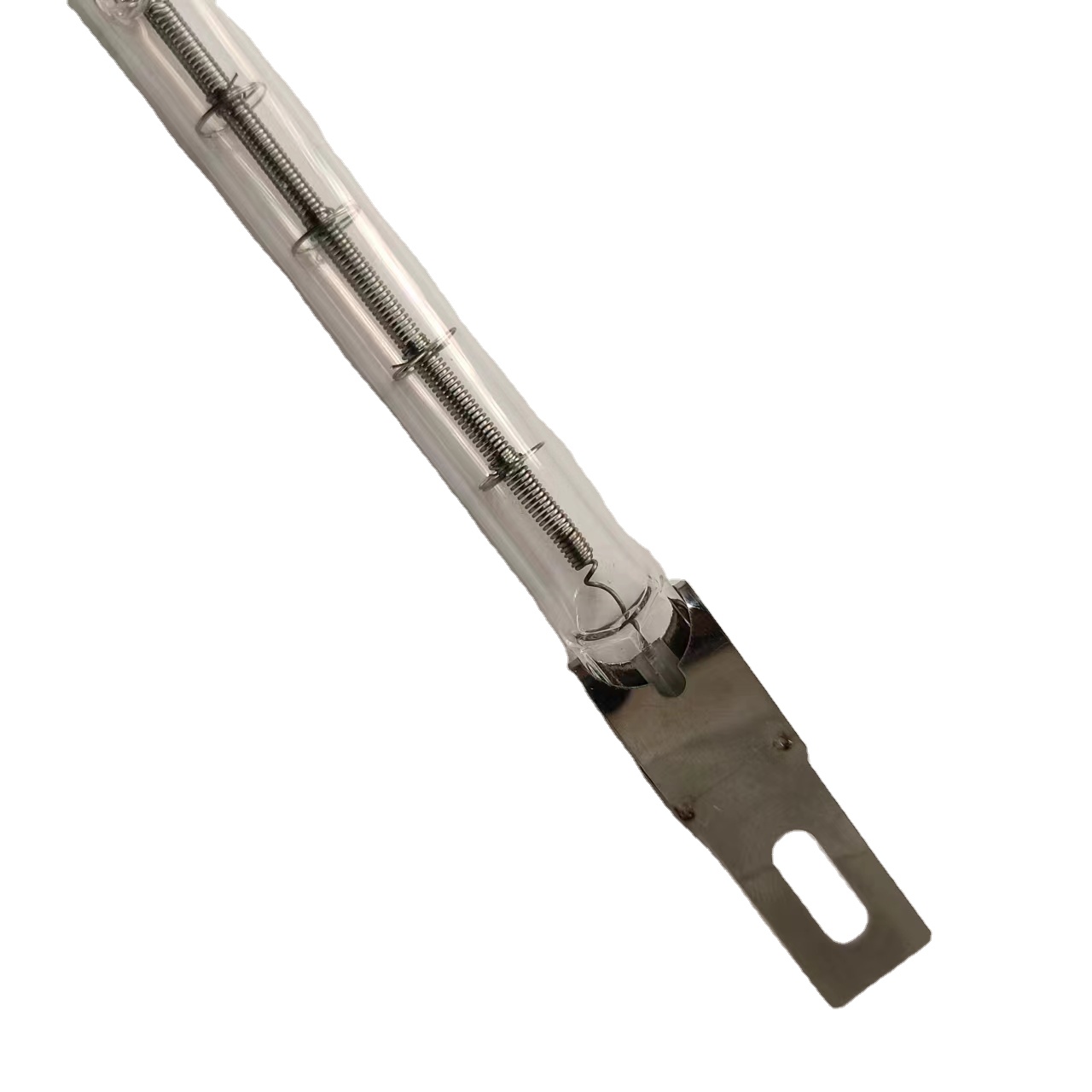
220V 1000W Quartz Infrared Heat Lamp for Processing
- Rated Voltage: 220V / 230V / 400V
- Operating Temp: Continuous ≤ 1100°C
- End Caps: Ceramic / Custom Leads
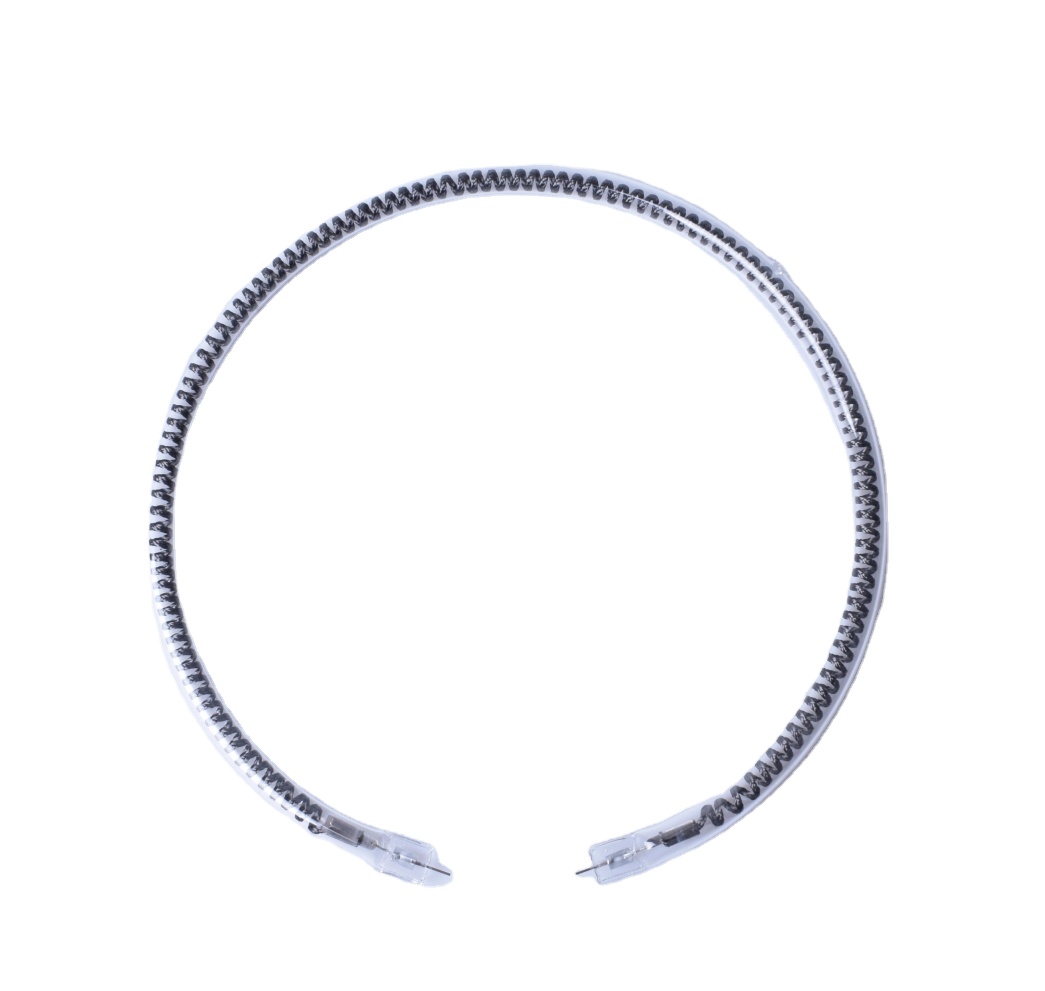
120V 1000W Medium Wave Clear Infrared Heat Lamp
- Efficiency: High Polymer Absorption
- Thermal Shock: Zero Expansion Glass
- Envelope: Optical Grade Quartz
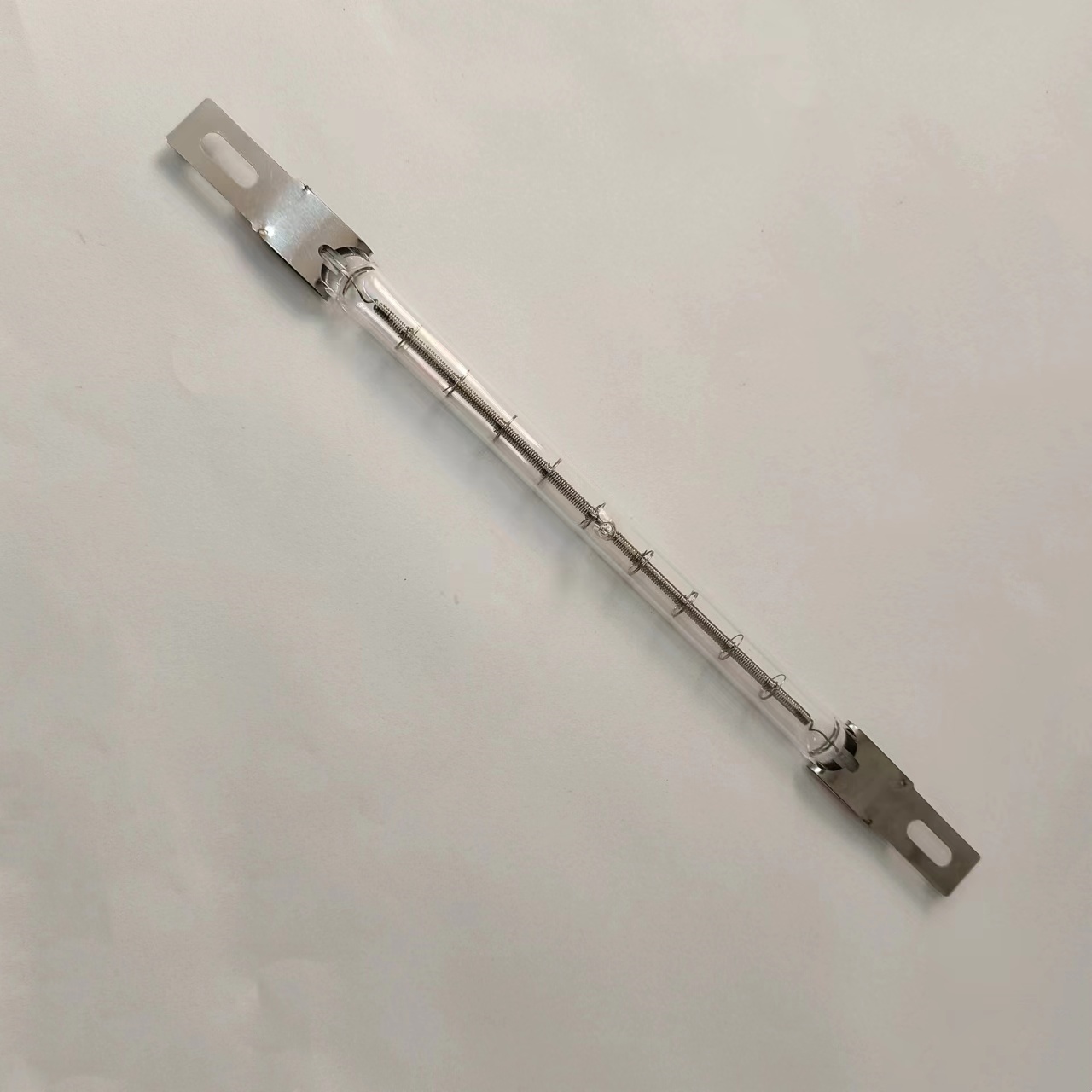
13195X Metal Clip 480mm 220V 1000W Clear IR Lamp
- Base Fitting: Snap-in Metal Clip
- Overall Length: 480 mm Precision
- Compatibility: Direct Cassette Swapping
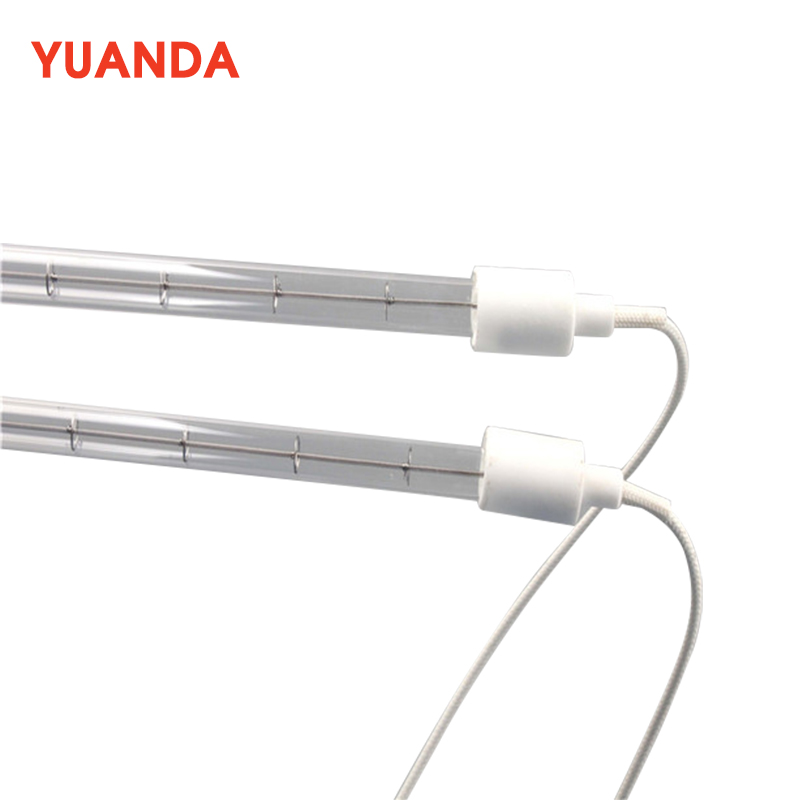
Infrared Heater Halogen Lamp Custom OEM Fabrication
- Filament Tuning: Bespoke Wavelengths
- Terminal Layout: Custom Leads & Connectors
- Batch MOQ: Starts at 8-10 Pieces
Thermal Dynamics: Overcoming the VOC vs. Energy Conundrum in Swiss Bodyshops
The Swiss vehicle repair and body refinishing market is subject to some of Europe's most uncompromising ecological benchmarks, driven by the Swiss Federal Office for the Environment (FOEN / BAFU) and cantonal Clean Air Ordinances (Luftreinhalte-Verordnung, LRV). Bodyshops in industrial centers like Zurich, Basel, Bern, and St. Gallen operate under an incentive tax on volatile organic compounds (VOC-Lenkungsabgabe). This regulatory environment has accelerated a universal shift toward water-borne basecoats and ultra-high-solids (UHS) acrylic clearcoats. While environmentally imperative, water-borne systems present thermodynamic drying hurdles: water possesses a specific heat capacity roughly four times higher than conventional organic solvents and an exceptionally elevated latent heat of vaporization (2260 kJ/kg).
Conventional convective spray booths in Swiss facilities circulate voluminous quantities of oil- or gas-heated air. This convective mechanism introduces two severe flaws: prolonged cycle times (often 35 to 50 minutes per vehicle panel) and surface skinning, wherein the upper coat seals prematurely while water molecules remain trapped beneath, causing solvent pop, pinholing, and localized gloss degradation. Kavri Quartz addresses this challenge via spectral-tuned quartz infrared emitters. By matching short-wave IR (peak 1.0–1.2 μm) and fast medium-wave carbon IR (peak 2.0–2.6 μm) to the physical absorption bands of water and polyester binders, radiant energy penetrates straight through the wet film to the metal or carbon-composite substrate. Conduction then heats the bodywork outwards, evaporating water from the bottom of the layer up without blistering.
Engineered Localization: Swiss Automotive & Industrial Use Cases
Swiss "Spot-Repair" Micro-Cassettes
In high-density Swiss urban zones, minor cosmetic panel reconditioning demands lightning turnaround. Our short-wave single and twin-tube lamps allow body technicians to execute spot priming and clearcoat baking within 6 to 9 minutes, curtailing the prohibitive overhead of firing a 40 kW gas burner booth for a single fender.
Robotic Arch Systems & Drying Gantries
Automated spray-booths across the Romandie and Swiss-German territories deploy traveling arches equipped with vertical arrays of Kavri IR lamps. Rapid modulation enables closed-loop pyrometric thermal management, safeguarding temperature-sensitive aluminum chassis and carbon composite trims.
Rail & Public Transport Component Lines
Switzerland’s high-frequency railway networks demand relentless durability on train repainting and composite cabin components. Our high-power halogen twin tubes provide penetration through multi-layered primer, filler, base, and anti-graffiti topcoats without thermal warpage.
Thermal Architecture: Comparative Spectral Efficiency for Coatings
Deploying the wrong wavelength is the primary cause of industrial energy inefficiency. The following engineering matrix illustrates why high-performance Swiss body repairers systematically favor tailored tungsten-halogen short-wave and carbon-filament medium-wave emitters over obsolete long-wave metallic elements:
| Thermal Emitter Typology | Dominant Spectral Band | Filament Temp | Thermal Lag (Start/Stop) | Swiss Application Compatibility |
|---|---|---|---|---|
| Short-Wave Tungsten Halogen | 1.0 - 1.4 μm (Near IR) | ∼ 2200°C | < 1 Second | Optimal: UHS Clearcoats, 2K Primers, Rapid Bodywork Spot Repair |
| Carbon Fiber Medium Wave | 2.0 - 2.6 μm (Intermediate) | ∼ 1200°C | 1 - 2 Seconds | Exceptional: Water-borne basecoats, plastic bumper components |
| Standard Ceramic / Metal Sheathed | 3.0 - 10.0 μm (Far IR) | ∼ 400 - 700°C | 5 - 15 Minutes | Poor: Excessive energy draw, risk of surface skinning/boiling |
Market Dynamics: Electrification, Swiss Energy Strategy 2050 & Decarbonization
The operating environment for carrosserie businesses across Switzerland is undergoing structural transformation under the mandate of the Swiss Federal Energy Strategy 2050 (Energiestrategie 2050). Escalating tariffs for natural gas and petroleum fuels, coupled with cantonal carbon abatement incentives, have placed enormous economic strain on traditional gas-fired down-draft curing cabins. These legacy systems lose considerable thermal energy via exhaust air purification stacks. Direct electrification via precision infrared radiation allows Swiss collision repairers to achieve targeted thermal delivery, heating exclusively the repaired panel rather than cubic meters of empty cabin air.
Concurrently, Switzerland exhibits one of the fastest vehicle electrification adoption curves in the DACH zone. The rapid influx of Battery Electric Vehicles (BEVs)—including Tesla, Porsche Taycan, Audi e-tron, and domestic fleet transformations—presents acute thermal limitations for paint curing. Conventional thermal cabins that soak the entire vehicle chassis at 60°C to 70°C for 45 minutes can jeopardize high-voltage lithium-ion traction battery packs, causing thermal management triggers or state-of-health degradation. Local insurance and workshop protocols now demand localized curing tools that restrict ambient heat spread. Kavri Quartz gold-coated directional emitters project up to 98% of generated heat straight to the target panel, ensuring zero thermal drift into underfloor battery modules.
Why Swiss Specifiers Partner with Kavri Quartz Product Co., Ltd.
Established in 2014, Kavri Quartz Product Co., Ltd. is positioned directly in the heart of Niushan Street, Donghai, Lianyungang—universally recognized as China’s paramount silica mineral and quartz glass refining cluster. This geographical integration provides complete vertical traceability: from ultra-pure quartz sand beneficiation (SiO2 purity ≥ 99.99%) through automated tube pulling, precision CNC cutting, filament coiling, vacuum sealing, and high-vacuum gold deposition.
Swiss-Grade Quartz Glass Properties
Thermal shock resistance is paramount. Our envelopes withstand thermal shock deltas up to 1000°C without micro-fracturing. Cold water can be sprayed directly onto an ignited 1000W quartz tube without causing mechanical rupture, guaranteeing worker safety inside damp Swiss spray booths.
Exact OEM Swapping Engineering
We supply OEM and replacement emitters backward-compatible with leading European and Swiss curing equipment (including systems from Trisk, IRT by Hedson, Infrarr, and Junair). We match any ceramic end cap, push-in terminal, insulated lead-wire specification, or gold mirror geometry.
Direct Swiss Export & Custom Packaging
Over 80-90% of our products are exported internationally under Incoterms including FOB, CIF, and DDP Switzerland (handling customs clearance via Zurich or Basel air/rail freight hubs). Fragile quartz emitters are encased in custom foam-lined multi-layer shockproof export cartons with drop-test validation.
Frequently Asked Questions for Swiss Engineering & Procurement Teams
What specific electrical certifications and voltage standards do you provide for Swiss installations?
Can Kavri Quartz reproduce discontinued lamps for legacy European spray-booths?
How does gold coating compare to white ceramic coating in automated spray-booths?
What is your minimum order quantity (MOQ) and lead time for shipments to Switzerland?
How do you prevent glass rupture during transit to Switzerland?
Ready to Optimize Your Paint Curing Efficiency in Switzerland?
Consult with our engineering team for technical datasheets, CAD dimensional validation, custom emitter prototypes, or volume quotation for the Swiss market.
Get Catalog