Precision Quartz Tubes & Infrared Heating Assemblies
Direct supply to machine integrators, processing plants, and equipment maintenance facilities across Montenegro and Southeastern Europe.
Engineering High-Purity Fused Quartz Tubes: Material Science & Structural Integrity
Clear quartz tubing represents an indispensable class of engineering materials utilized across modern thermal processing, fluid sterilization, semiconductor synthesis, and optoelectronic manufacturing. Unlike standard borosilicate or soda-lime glass, fused silica quartz tubes are manufactured from crystalline quartz sand refined to a chemical purity exceeding 99.99% silicon dioxide (SiO2). This molecular homogeneity gives clear quartz tubes phenomenal chemical inertness, near-zero thermal expansion, exceptional optical transparency across the ultraviolet, visible, and infrared spectra, and unmatched resistance to thermal shock.
For industrial end-users, equipment manufacturers, and maintenance procurement teams in Montenegro—spanning production hubs from Podgorica and Nikšić to the maritime logistics corridor around the Port of Bar—the selection of clear quartz tubing directly dictates thermal efficiency, batch stability, and production downtime. Operating within aggressive operating environments where components transition rapidly from ambient temperatures to in excess of 1100°C continuous operational temperatures (with peak thermal thresholds reaching 1450°C), inferior quartz products with trace hydroxyl (OH-) impurities or geometric wall-thickness variations inevitably suffer from premature devitrification, sagging, or catastrophic structural fracturing.
Thermal and Mechanical Behavior of Fused Quartz
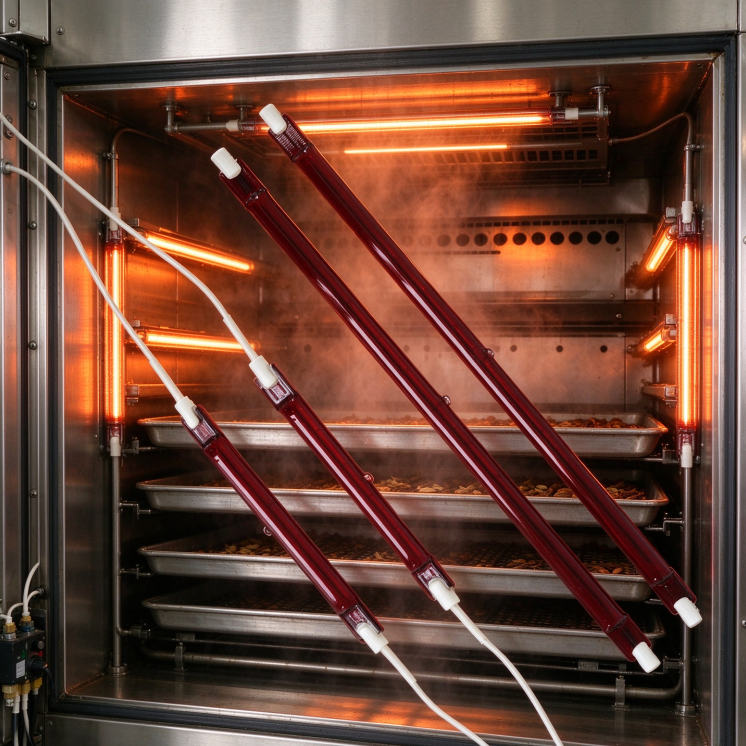
The remarkably low coefficient of thermal expansion (α ≈ 5.5 × 10⁻⁷ / K) allows clear quartz tubes to endure violent temperature gradients that would shatter conventional glasses. An operator can safely remove a red-hot quartz tube heated past 1000°C and instantly immerse it in cold water without inducing structural deformation or stress cracking. In thermal applications such as rapid infrared baking ovens, flash curing stages, and metal casting thermocouple sheaths, this property ensures long cycle lifetimes and dimensional repeatability.
| Physical / Chemical Property | Typical Metric Value | Industrial Significance |
|---|---|---|
| Chemical Purity (SiO2 Content) | ≥ 99.99% (Low trace Fe, Al, Ti, alkali) | Prevents crystallization and high-temperature devitrification |
| Density (ρ) | 2.20 × 10³ kg/m3 | Lightweight yet rigid mechanical integrity |
| Coefficient of Thermal Expansion (0–300°C) | 5.5 × 10⁻⁷ / K | Extreme resistance to acute thermal shock |
| Continuous Maximum Working Temperature | 1100°C (1373 K) | Stable operation under sustained industrial furnace loads |
| Short-Term Peak Softening Threshold | 1450°C (1723 K) | Resists acute flame exposure and transient thermal surges |
| Hydroxyl (OH-) Content | ≤ 15 ppm (Dehydroxylated) to 30 ppm standard | Eliminates absorption bands at 2.73 µm for IR efficiency |
| Spectral Transmission Window | 190 nm (Far UV) to 3.5 µm (Near-to-Mid IR) | Broadest transmission among all commercial glass tubes |
Through strictly controlled continuous electrical fusing or precision gas-oxygen flame refining in our Lianyungang facilities, every clear quartz tube produced exhibits micron-level concentricity, consistent inside and outside diameter (ID/OD) tolerances, bubble-free optical clarity, and fire-polished edges that minimize mechanical stress concentrations.
Localized Application Scenarios Across Montenegro's Industrial Sectors
Montenegro’s industrial landscape, characterized by specialized beverage manufacturing, metallurgy, port logistics, energy infrastructure, and coastal environmental preservation, requires dependable quartz glass components capable of operating under rigorous international standards. As the nation deepens its commercial integration with the European Union and modernizes its manufacturing infrastructure, industrial buyers require transparent sourcing channels for high-spec quartz tubing.
Beverage Bottling & PET Preform Heating
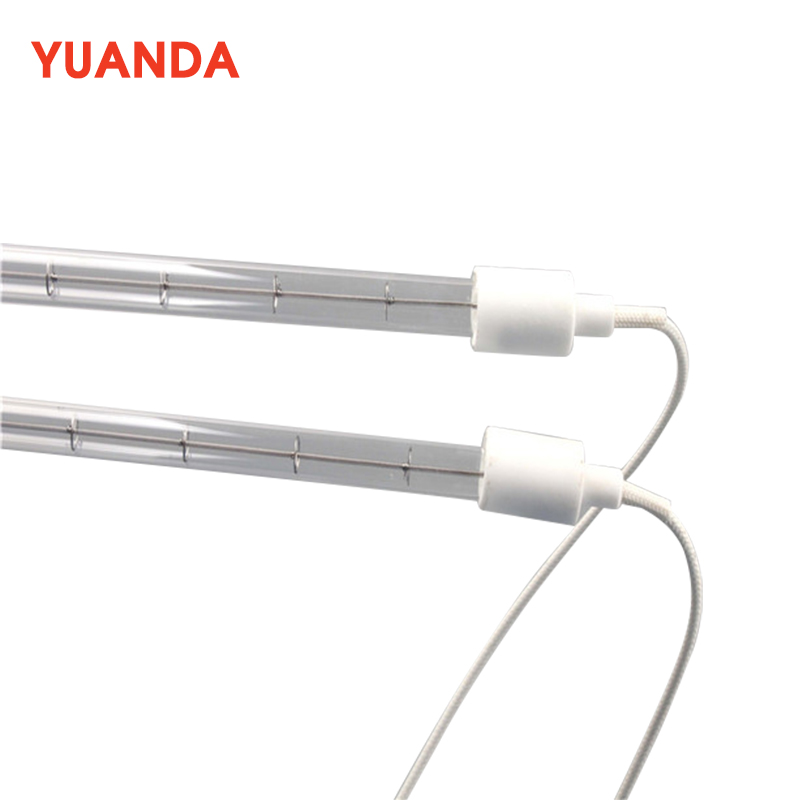
Montenegro’s prominent wine producers (including world-renowned regional vintners in the Plantaže vineyards of the Ćemovsko polje) and domestic mineral water bottling companies (near Kolašin and Bijelo Polje) depend on rotary stretch blow-molding systems. Clear quartz infrared heating tubes and twin-tube halogen emitters ensure uniform preform temperature distribution, reducing wall-thickness defects and minimizing rejected preforms.
Metallurgical Smelting & Foundries
The industrial corridor between Nikšić and Podgorica has long been anchored by metallurgy and aluminum manufacturing (KAP legacy and downstream metal working). Fused quartz protection tubes and heavy-wall quartz sleeves act as thermal barriers for immersion thermocouples and pyrometric sensors inside molten non-ferrous metal baths, resisting chemical slag corrosion and severe thermal shock.
Coastal UV Water Purification & Aquaculture
From the Bay of Kotor to Ulcinj, coastal municipal drinking water authorities, hotel desalination plants, and marine aquaculture operations mandate high-transmission clear quartz sleeves. These sleeves protect UV germicidal lamps (emitting at 253.7 nm) from water temperature variations, biofouling, and hydraulic pressure while providing >90% UVC optical transmission for pathogen destruction.
Photovoltaic & Clean Energy R&D
As Montenegro accelerates solar power generation across Danilovgrad, Cetinje, and the southern plains, laboratory research facilities and solar cell fabricators utilize quartz diffusion tubes, quartz carriers, and vacuum furnace tubes that remain stable during high-temperature wafer processing without emitting contaminating volatile metalloids.
Industrial Screen Printing & Textile Flash Curing
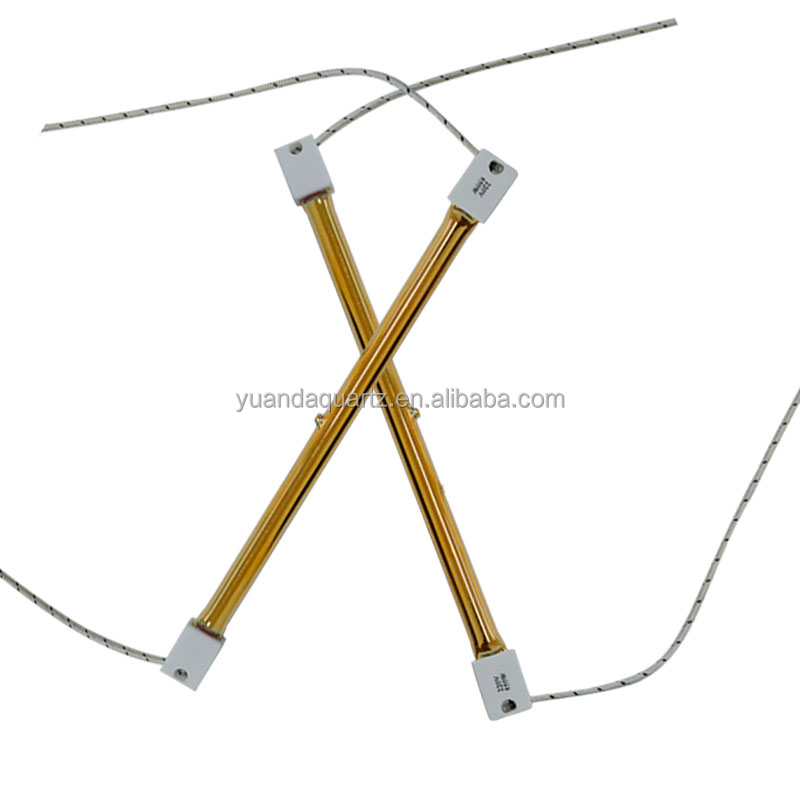
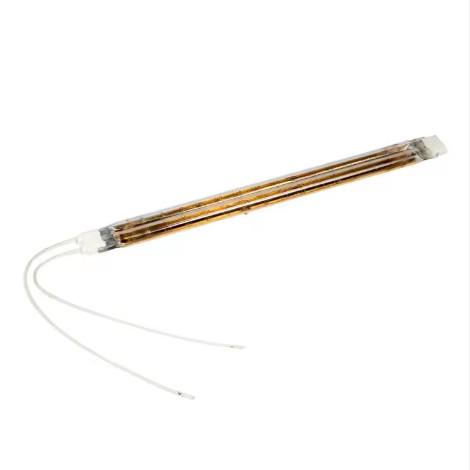
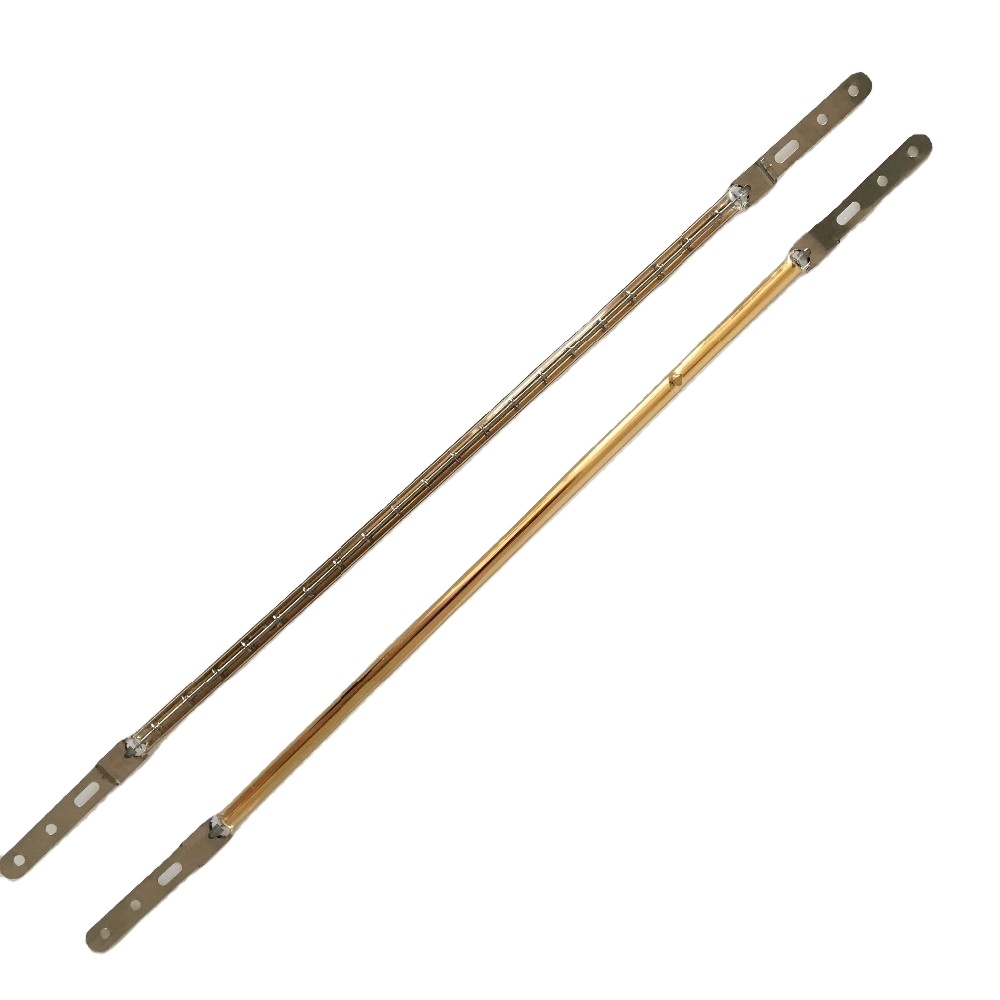
Commercial printers, automotive component refinishers, and garment decorators in Podgorica utilize gold-coated and ruby quartz infrared lamps for flash cure units. The gold reflector redirect radiant energy onto water-based or plastisol inks, eliminating heat loss toward the rear chassis and cutting factory power consumption by up to 28%.
Analytical Laboratories & Environmental Testing
Montenegrin public health laboratories and environmental monitoring institutes testing soil, seawater, and agricultural output along the Adriatic basin employ quartz digestion tubes, combustion boats, and optical flow cells to ensure chemical resilience against aggressive nitric and hydrochloric acid matrices.
Montenegro Industrial Modernization: Decarbonization, Precision, and EU Standards Alignment
The manufacturing and processing landscape in Montenegro is undergoing an essential transformation. Driven by green transition directives, high regional energy tariffs across the Western Balkans, and harmonization with European Union CE, RoHS, and REACH manufacturing frameworks, factories are decommissioning inefficient resistance coil heaters and convection dryers in favor of targeted infrared radiant systems and durable fused quartz optics.
Three dominant technological trends are reshaping how procurement officers in Montenegro source quartz tubing and IR heating elements:
Direct Radiative Efficiency vs. Convection Loss
Convection ovens waste enormous electrical energy heating ambient air within expansive factory volumes. Clear quartz-encapsulated short-wave and medium-wave IR heaters emit direct radiant photon flux absorbed instantly by the substrate. This transition cuts operational energy expenditures by 30% to 50% across plastic preheating, packaging shrink-wrapping, and wood coating lines in regional industrial parks.
Custom Dimensional Geometry & Twin-Tube Profiles
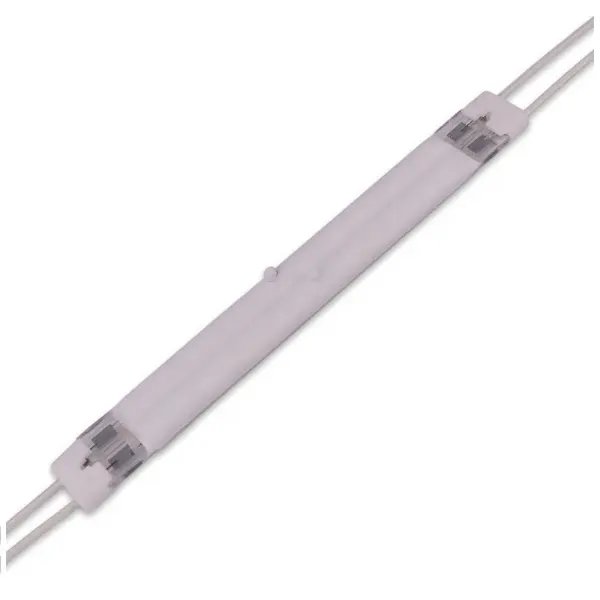
Standard circular quartz tubes are being augmented by 11×23 mm and 15×33 mm cross-section "figure-8" twin tubes. These integrated dual-channel designs house robust tungsten or carbon filaments with an integrated half-coated 24k gold or ceramic reflector, delivering unidirectional high-flux heat without separate external reflector maintenance.
Strict Hydroxyl (OH-) Content Control
For high-temperature processing equipment and UV water treatment, standard commercial quartz with uncontrolled moisture content suffers from thermal devitrification and transmission degradation. Industrial users are specifically demanding dehydroxylated quartz (OH- ≤ 15 ppm) to ensure prolonged optical transmission and structural longevity.
Engineering Selection Guide: Matching Quartz Tubes & Emitter Chemistries
Selecting the optimal quartz tubing configuration requires balancing optical absorption bands, operating ambient pressures, working thermal thresholds, and mechanical mounting geometry. The guide below outlines the structural distinctions across our standard and custom quartz production lines:
| Quartz Product Category | Wall Profile & Dimensions | Peak Transmission / Wavelength | Primary Industrial Use in Montenegro |
|---|---|---|---|
| Standard Clear Fused Quartz Tube | OD 3mm to 300mm | Wall 1.0mm to 10mm | Broad Optical (220nm – 3.5µm) | Furnace sight windows, level gauges, burner sleeves, heating chambers |
| Twin-Tube "Figure-8" Quartz Profile | 11×23mm, 15×33mm (Length to 6000mm) | Direct directional short & medium IR | High-speed PET bottle blowing, continuous coil drying, laminating |
| Ozone-Free UV Quartz Tube | Doped with trace TiO2 to block 185nm line | High 253.7nm line transmission | Municipal & hospitality open-air UV water and air disinfection |
| Synthetic Suprasil-Equivalent Fused Silica | Ultra-low impurity (SiO2 > 99.999%) | Deep UV down to 185nm | Photolithography, university laser R&D, ultra-pure chemical transport |
| Gold-Coated Quartz Reflective Tube | Half-coated 24K gold mirror finish | Directional IR focus (>95% reflection) | Automotive touch-up paint curing, screen printing flash cure stations |
Why Balkan & Montenegrin Buyers Partner with Kavri Quartz
Founded in 2014 and anchored in Lianyungang, Jiangsu Province—home to Donghai, China’s primary hub for natural crystal refining and fused quartz synthesis—Kavri Quartz Product Co., Ltd. serves as a reliable OEM/ODM direct manufacturer. We bridge the gap between high-precision glass engineering and cost-effective bulk procurement for overseas industrial partners.
Integrated Raw Material Supply Chain
Direct proximity to high-grade silica reserves ensures consistent optical raw material quality, eliminating intermediate markups and guaranteeing raw quartz purity (SiO2 ≥ 99.99%). This gives our Montenegrin clients unmatched price-to-performance stability.
Precision Glass Cold & Hot Processing
Our workshop houses CNC quartz cutting, diamond grinding, mechanical and optical fire-polishing, ultrasonic drilling, flange welding, and closed-end dome sealing. Whether ordering a standard 1000mm clear tube or an intricate double-walled cooled vessel, dimensional compliance is rigorously verified.
Strict European Quality Verification & Rapid SLA
Every production batch undergoes stringent testing for outer/inner diameter tolerance, wall run-out, concentricity, filament alignment, vacuum seal hermeticity, and optical spectral transmittance. We answer engineering inquiries within 4 hours and maintain dedicated export packaging protocols.
Montenegro B2B Procurement FAQ: Logistics, Compliance, and Customization
Clear, direct engineering answers to frequently encountered procurement and technical questions raised by plant engineers and purchasing departments across Montenegro and the Western Balkans.
Q: How are fragile clear quartz tubes packaged for safe maritime transport to Montenegro?
A: Quartz glass shipments to the Adriatic corridor (delivered via Luka Bar or overland air freight to Podgorica Airport - TGD) utilize multi-layer shock isolation. Individual tubes are sleeved in dust-free PE film, encased in custom-molded high-density expandable polyethylene (EPE) foam cushioning, placed into thick inner boxes, and secured within reinforced fumigated export wooden crates with anti-vibration corner braces. Shock and tilt sensors can be attached upon request.
Q: Can Kavri Quartz manufacture custom replacement quartz tubes for European machinery?
A: Yes. A substantial portion of our production involves direct reverse engineering of OEM quartz components for blow-molding equipment (such as Sidel, Krones, SIG), UV disinfection reactors (Wedeco, Trojan), and drying tunnels. You only need to share a dimensional drawing, technical nameplate data, or a sample with our engineering team.
Q: What is the standard minimum order quantity (MOQ) for custom quartz dimensions?
A: For standard outer diameter clear quartz tubes and infrared lamps, our MOQ begins at just 8 to 10 pieces, making regular maintenance, prototyping, and line trials highly accessible. For fully custom large-bore quartz tubes (OD > 150mm) or complex glass-blown lab instruments, MOQs are flexible based on engineering drawing reviews.
Q: What customs documentation and trade terms (Incoterms) do you support for Montenegro?
A: We routinely operate under FOB (Shanghai/Qingdao), CIF (Port of Bar - Luka Bar), CFR, and direct DDP/DAP courier terms via DHL/FedEx for urgent component replacements. We provide full commercial invoices, packing lists with detailed HS code classifications (typically 7002.31 for fused quartz tubes), Certificates of Origin, and CE/RoHS material conformity declarations for Montenegrin customs clearance.
Q: How does your dehydroxylation process improve quartz tube longevity in furnace applications?
A: Residual hydroxyl radicals (OH-) inside fused silica lower the glass viscosity at elevated temperatures, leading to premature sagging, warping, and devitrification (hazy crystallization into cristobalite) when operated near 1000°C. Our vacuum thermal dehydroxylation reduces OH- concentration to ≤ 15 ppm, raising the strain point and significantly extending continuous service life.
Q: What lead times can Montenegrin enterprises anticipate for factory orders?
A: Prototype and standard catalog orders are typically manufactured, inspected, and packed within 7 to 10 working days. Production runs of custom-drawn quartz tubes or twin-tube emitters generally require 15 to 20 days. Air transit to Podgorica/Tivat requires 4 to 7 days, while consolidated container maritime freight to Luka Bar averages 28 to 35 days.
Accelerate Your Thermal & Optical Processing Lines
Partner directly with an established high-purity quartz manufacturer. Whether you require custom clear quartz furnace tubes, high-output twin-tube IR lamps, or replacement UV quartz sleeves for facilities in Montenegro, our engineering team will provide detailed drawings, tolerance verification, and competitive factory-direct quotations within 4 hours.
Get Catalog