Precision Radiation Dynamics: The Engineering Utility of Circular Carbon Fiber Emitters
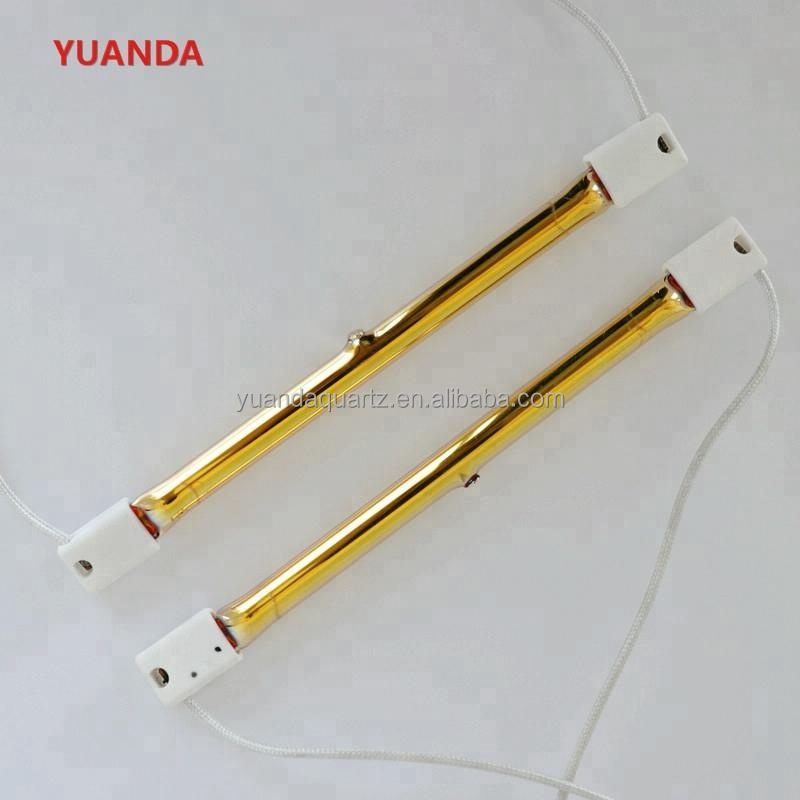
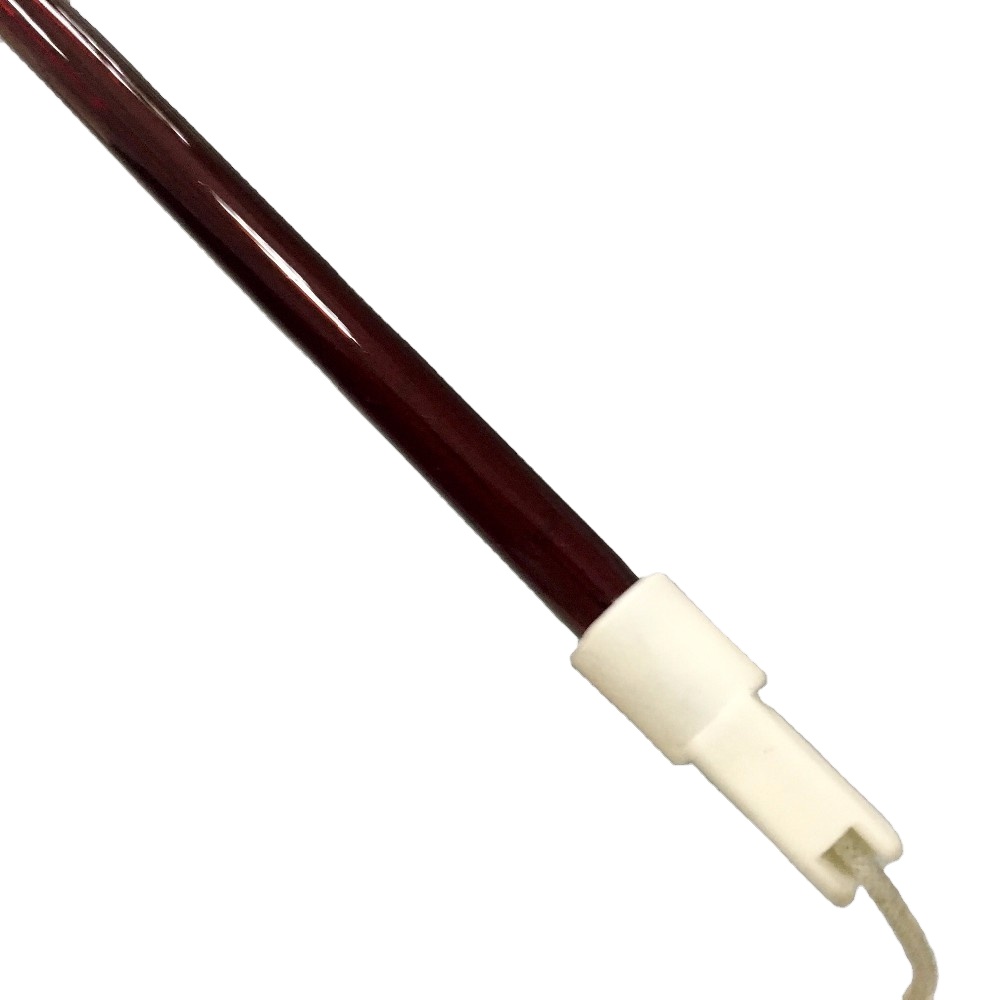
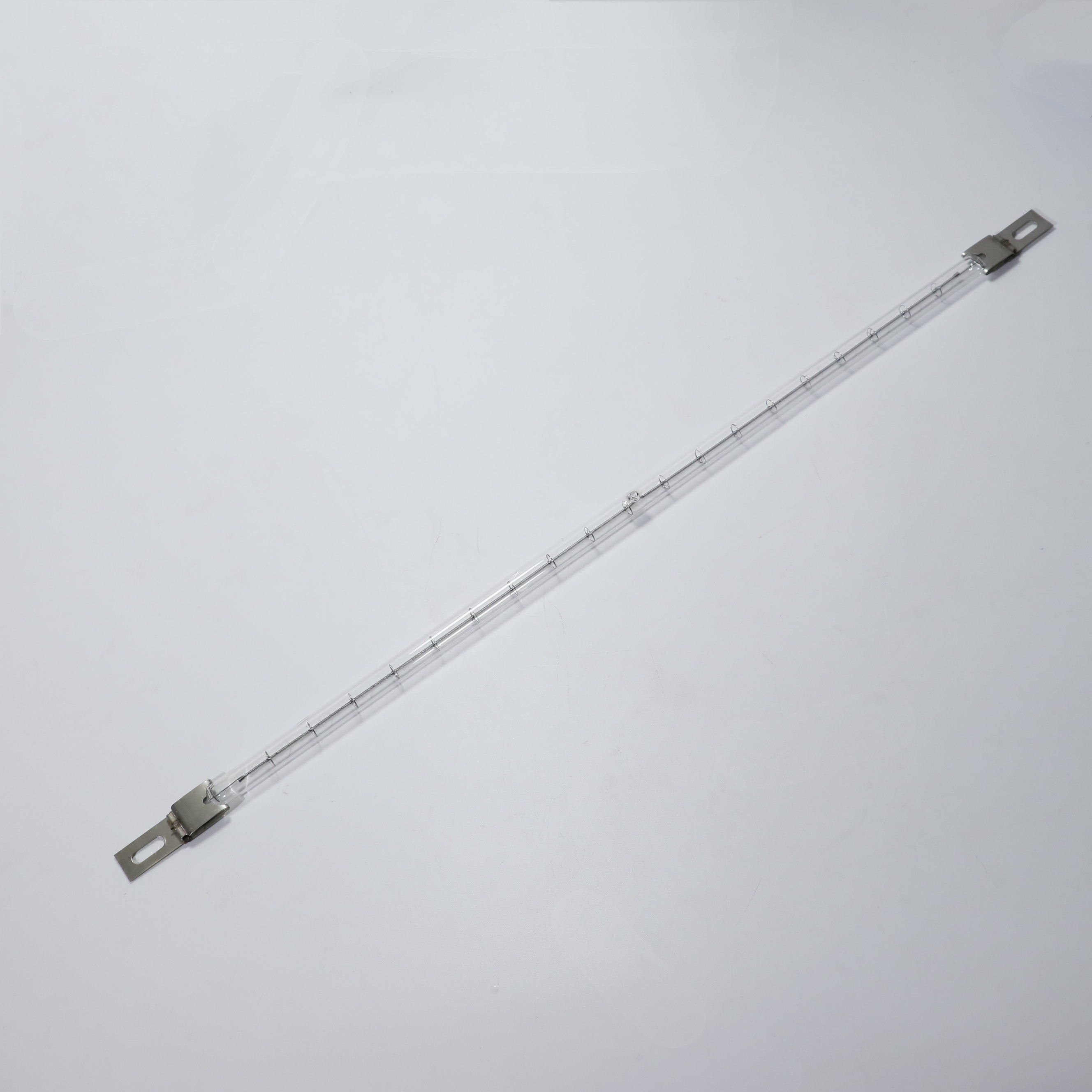
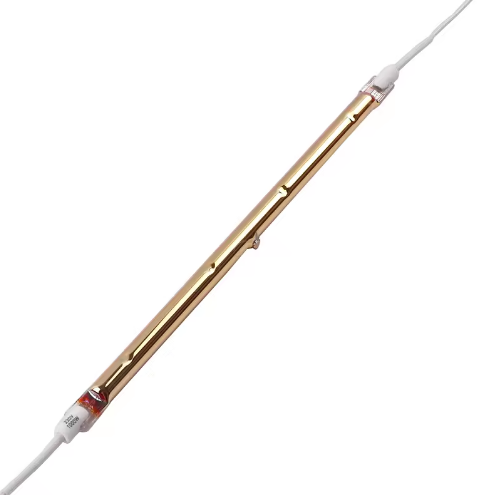
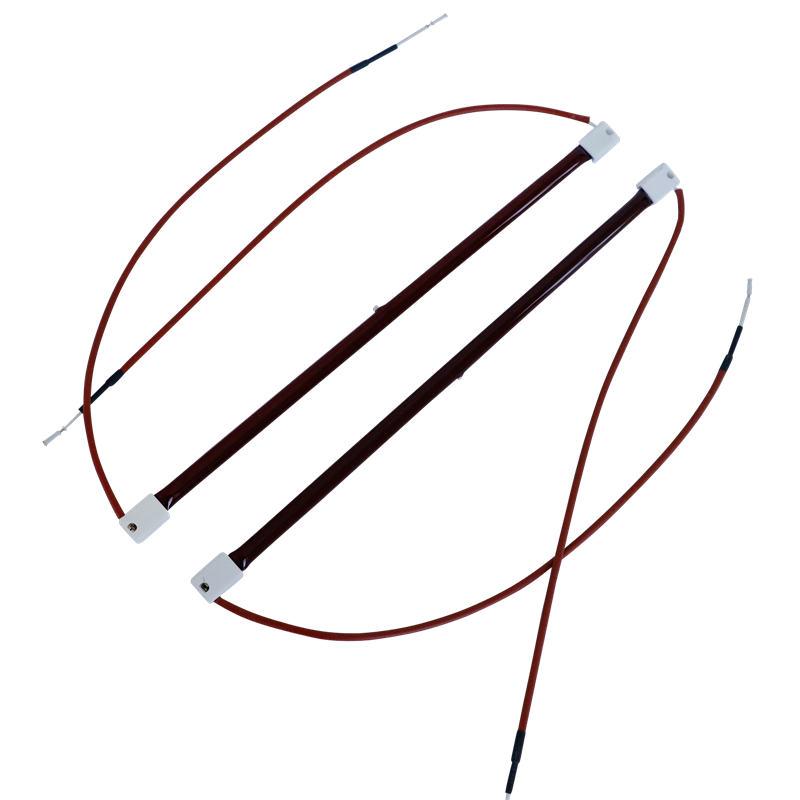
Thermal processing within modern industrial automation demands hyper-focused energy distribution without turbulent airflow or prolonged preheating latency. Circular carbon fiber heat lamps represent an apex development in electromagnetic radiation engineering. Unlike standard linear quartz emitters, a circular or annular filament geometry delivers a symmetrical, radial thermal envelope directed at cylindrical substrates, rotational tooling, thermoforming mandrels, and targeted spot areas. At the microscopic core of this emitter is a woven polyacrylonitrile (PAN)-based carbon fiber ribbon suspended in a high-purity, halogen-free, inert gas environment sealed hermetically inside high-grade fused quartz glass.
When energized, carbon fiber exhibits a distinctive emissivity profile peaking strongly within the medium-wave infrared spectrum (approximately 2.0 to 2.6 µm). This wavelength range is fundamentally critical for high-efficiency processing because it correlates directly with the absorption bands of organic materials, synthetic polymers, water molecules, and thermosetting binders. Radiation emitted within this range does not bounce fruitlessly off the surface, nor does it pass clean through without imparting energy, as short-wave radiation occasionally does in semi-transparent substrates. Instead, it interacts directly with molecular vibration modes (C-H, O-H, and C-O stretching bonds), enabling instantaneous volumetric heat deposition with up to 30% to 40% lower kilowatt consumption compared to traditional metal-sheathed radiant tubes or standard convective ovens.
| Thermal Characteristic | Circular Carbon Fiber (Medium-Wave) | Short-Wave Halogen (Tungsten) | Ceramic Element / Metal Sheath |
|---|---|---|---|
| Peak Emission Spectrum | 2.0 – 2.6 µm (Medium-Wave) | 1.0 – 1.2 µm (Short-Wave) | 3.0 – 6.0 µm (Long-Wave) |
| Thermal Response Time | 1 – 2 Seconds (Rapid On/Off) | < 1 Second (Instantaneous) | 8 – 15 Minutes (High Thermal Lag) |
| Substrate Absorption Affinity | Optimal for Polymers, Wood, Coatings | Optimal for Reflective Metals, PET Preforms | Moderate for Bulk Drying, Broad Spectrum |
| Color Temperature | ~ 1200 K – 1500 K (Soft Glow, Low Glare) | ~ 2200 K – 2600 K (High Visible Lumens) | ~ 600 K – 800 K (Dark / Non-luminous) |
| Filament Rigidity | High Structural Memory; Resists Sagging | Requires intermediate supports on long spans | Heavy Castings or Coiled Resistor Wire |
Jelgava Industrial Landscape: Strategic Drivers for Advanced Medium-Wave IR Heating
Jelgava has consistently reinforced its standing as one of Latvia's premier industrial and technological crossroads. Positioned strategically within the Zemgale region and supported by direct transit infrastructure to the Port of Riga, the Jelgava Business Park, and robust academic research partnerships from the Latvia University of Life Sciences and Technologies (LBTU), the city has emerged as a magnet for advanced engineering, precision woodworking, composite assembly, and automotive component fabrication. In this evolving industrial hub, the adoption of circular carbon fiber heating elements is driven by precise local manufacturing challenges:
Engineered Wood & Furniture Joinery
Local timber processors in Zemgale utilize annular medium-wave lamps for edge-banding, veneer curing, and localized thermo-compression. The 2.4 µm spectrum activates moisture-curable polyurethane adhesives within seconds without parching the surrounding wood grain.
Automotive & Machinery Sub-Assemblies
Drawing on the historical heritage of vehicle manufacture, Jelgava's metalworking and equipment suppliers apply circular carbon emitters for shrink-fitting bearing collars, preheating hydraulic pipe bends, and powder coating cylindrical brackets evenly.
Polymer Extrusion & Thermoforming
For custom packaging and fluid vessel manufacturing, radial circular carbon emitters envelope extruded tubes and sheets to supply instantaneous, omnidirectional thermal soaking without scorching or material wall thickness variation.
Technological Trends Influencing Jelgava Procurement Strategies
Three primary macro trends dominate technical decisions across industrial procurement teams in the Baltic region:
1. Electrification and Decarbonization Mandates: With European Union green transition targets pressing heavily upon Latvian processing plants, shifting away from centralized natural gas convective drying lines toward pinpoint electrical infrared heating has transitioned from an environmental aspiration to a balance-sheet imperative. Carbon emitters allow plants to modulate heat in direct sync with conveyor movement, drawing power exclusively when workpieces pass through the emitter zone.
2. Integration with Industry 4.0 Closed-Loop Controls: Because carbon fiber heating lamps demonstrate negligible thermal latency (achieving operating output within 1.5 seconds and dropping out of radiation nearly as fast), plant automation managers in Jelgava frequently pair them with non-contact optical pyrometers and solid-state relay (SSR) controllers. This enables pulse-width modulated (PWM) or phase-angle thermal control to maintain substrate surface temperatures within strict ±1.5 °C processing windows.
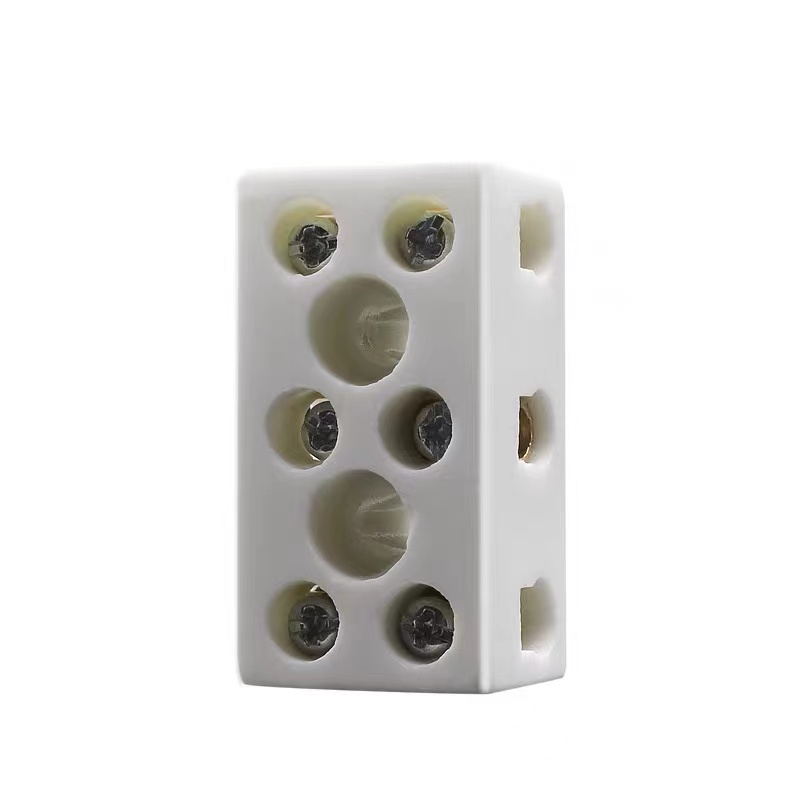
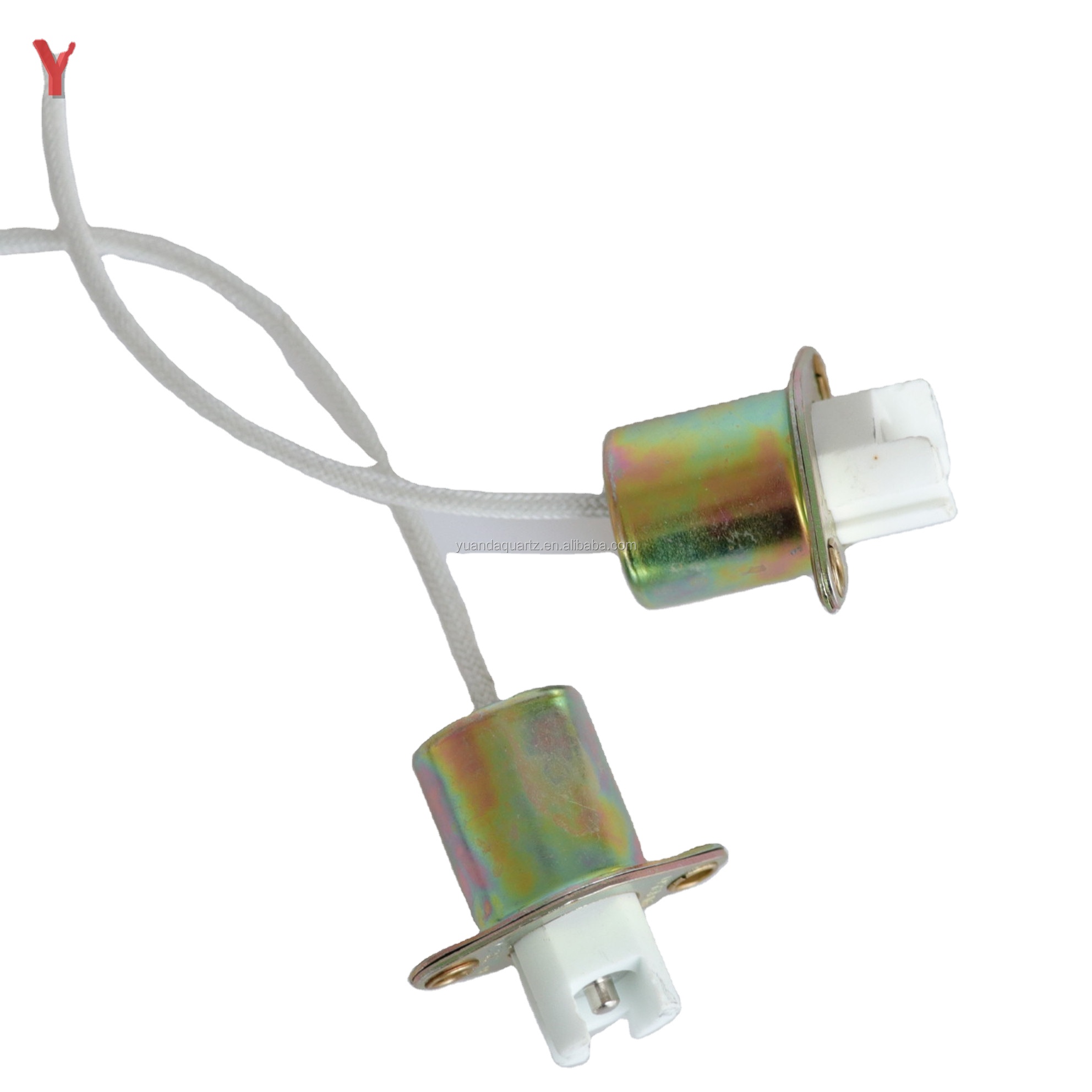
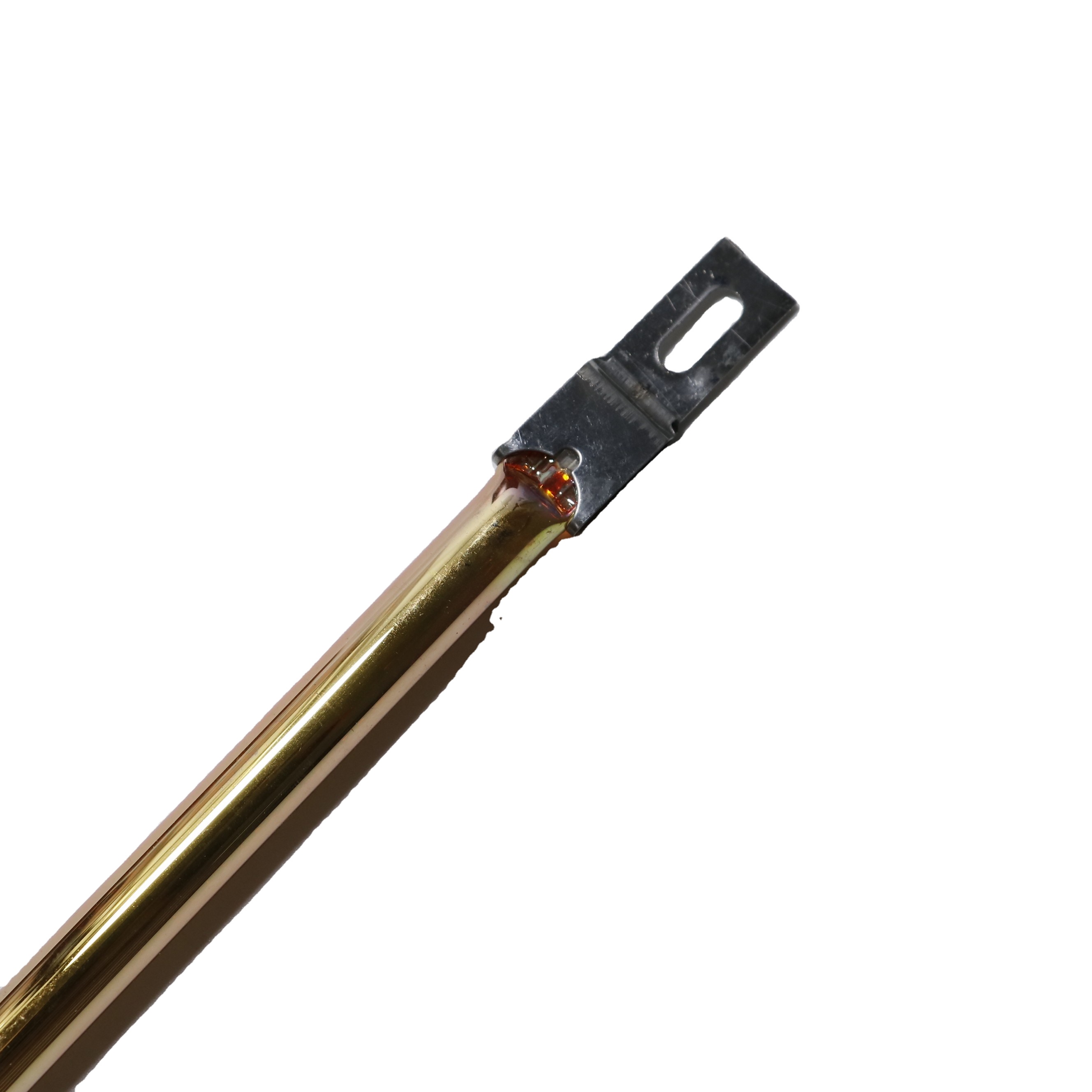
3. Supply Chain Security and OEM Interoperability: Baltic machine builders increasingly mandate standardized mechanical and electrical interfaces. Emitters engineered with gold-plated quartz reflectors or back-fired white ceramic coatings cut ambient machine frame heat absorption, focusing all photonic energy onto the processing plane while protecting sensitive servomotors and pneumatic lines from thermal fatigue.