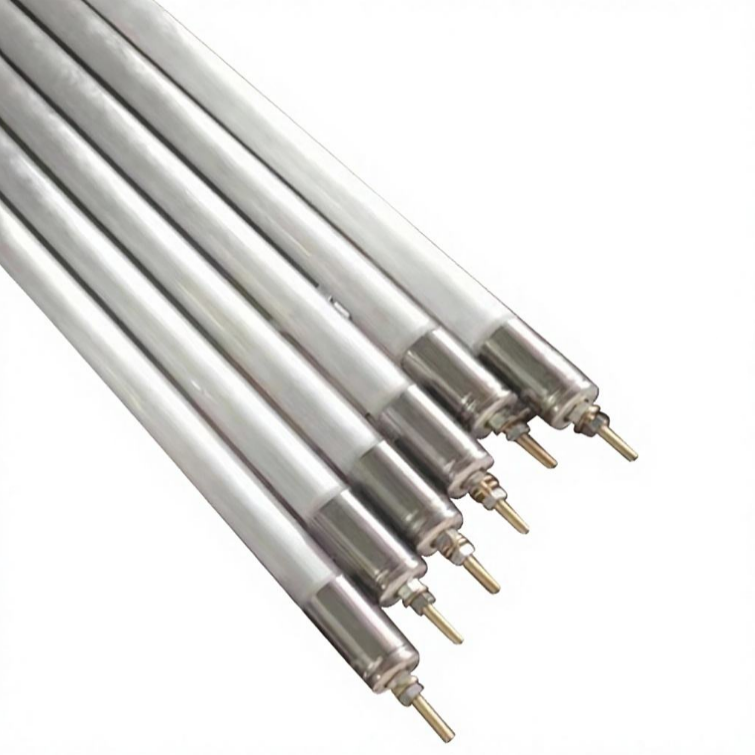
Factory-Direct Catalog
Industrial Curing Emitters & High-Purity Quartz Units
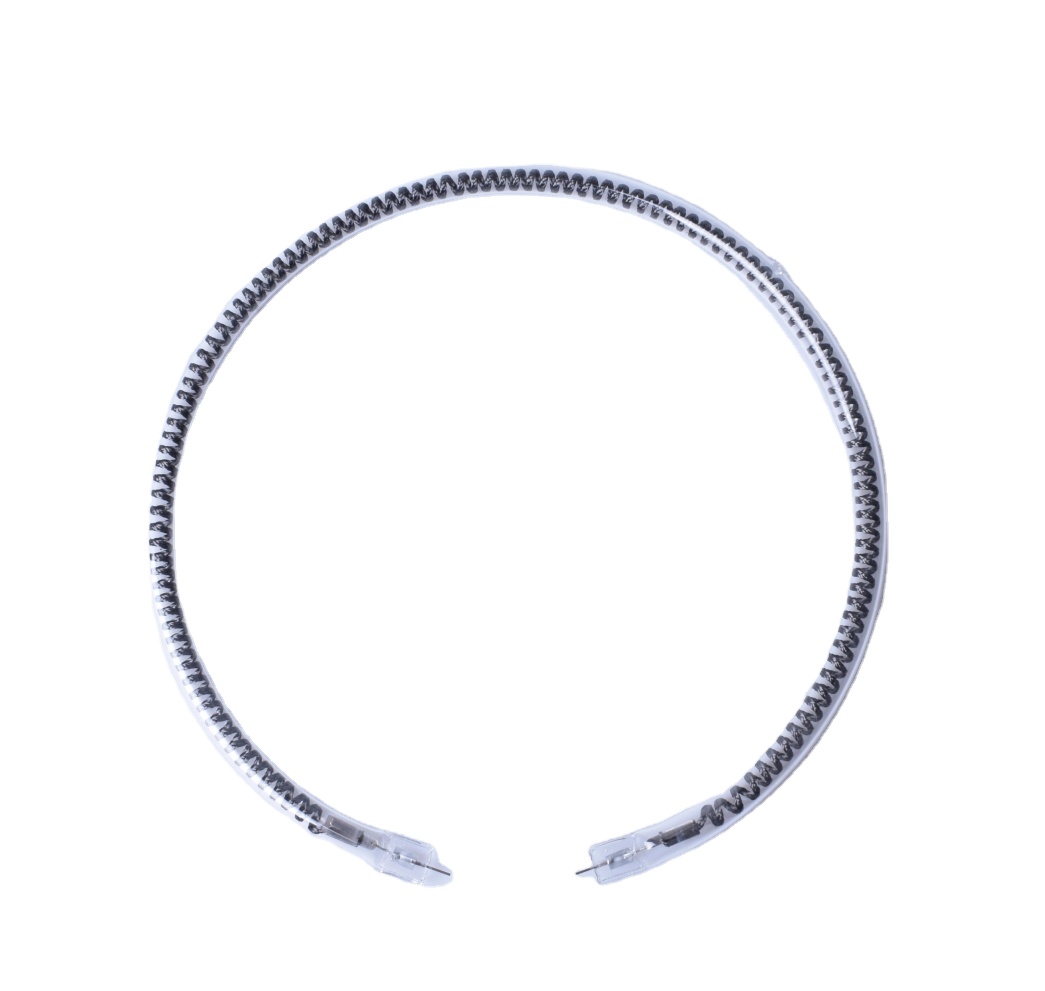
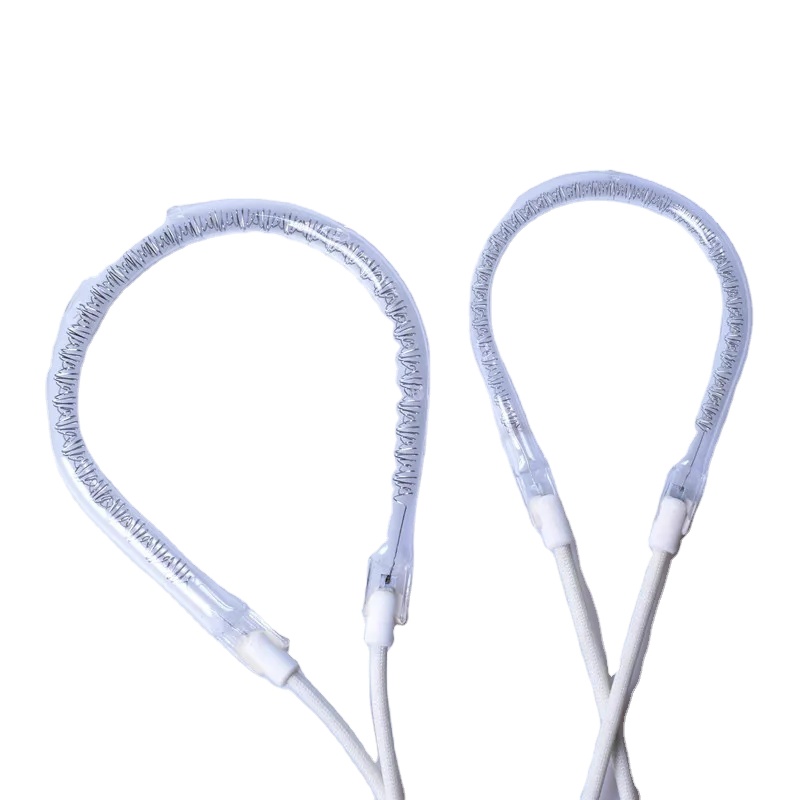
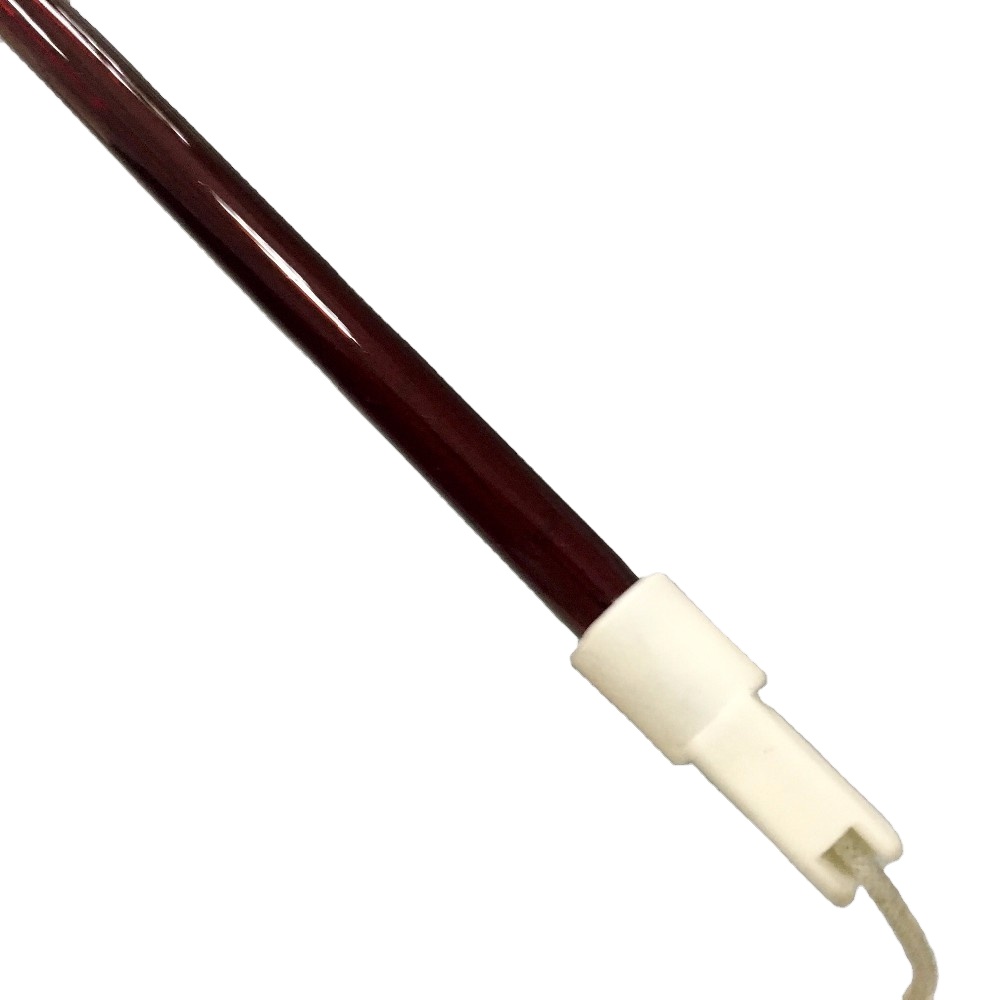
Constructed from semiconductor-grade fused silica and high-stability tungsten or carbon filaments, ensuring instantaneous full-power radiation and uniform thermal curing across cold mountain climates.
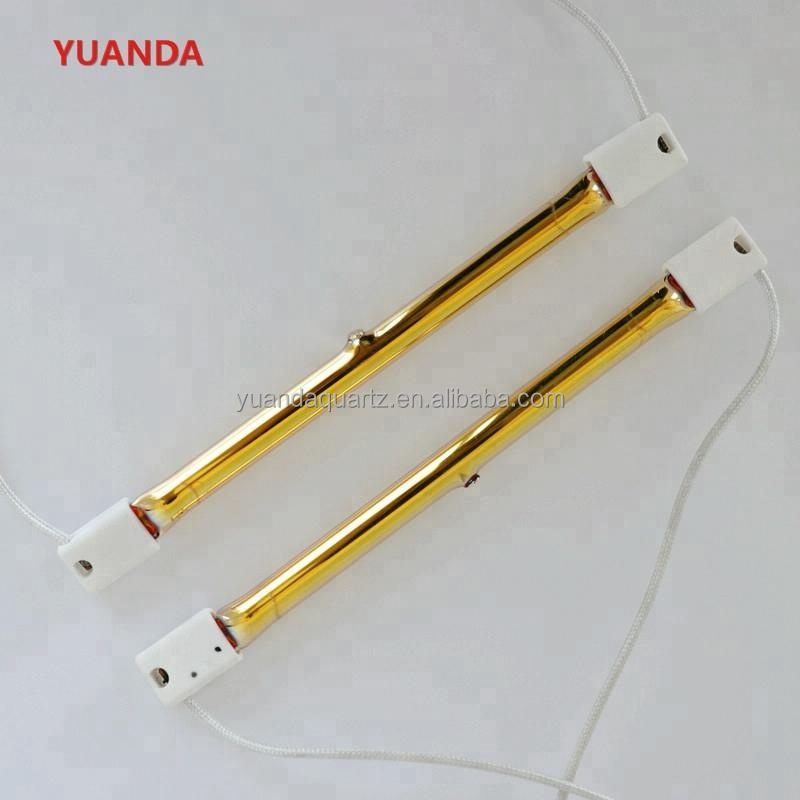
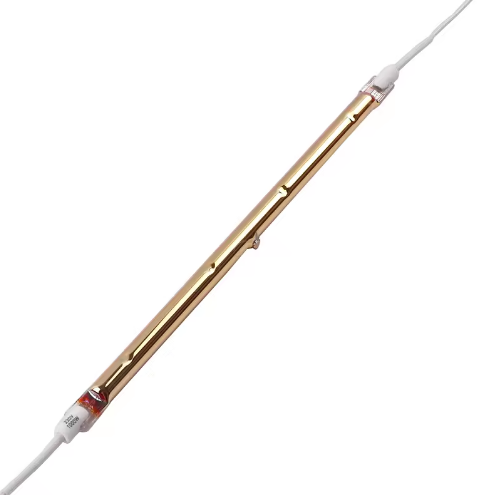
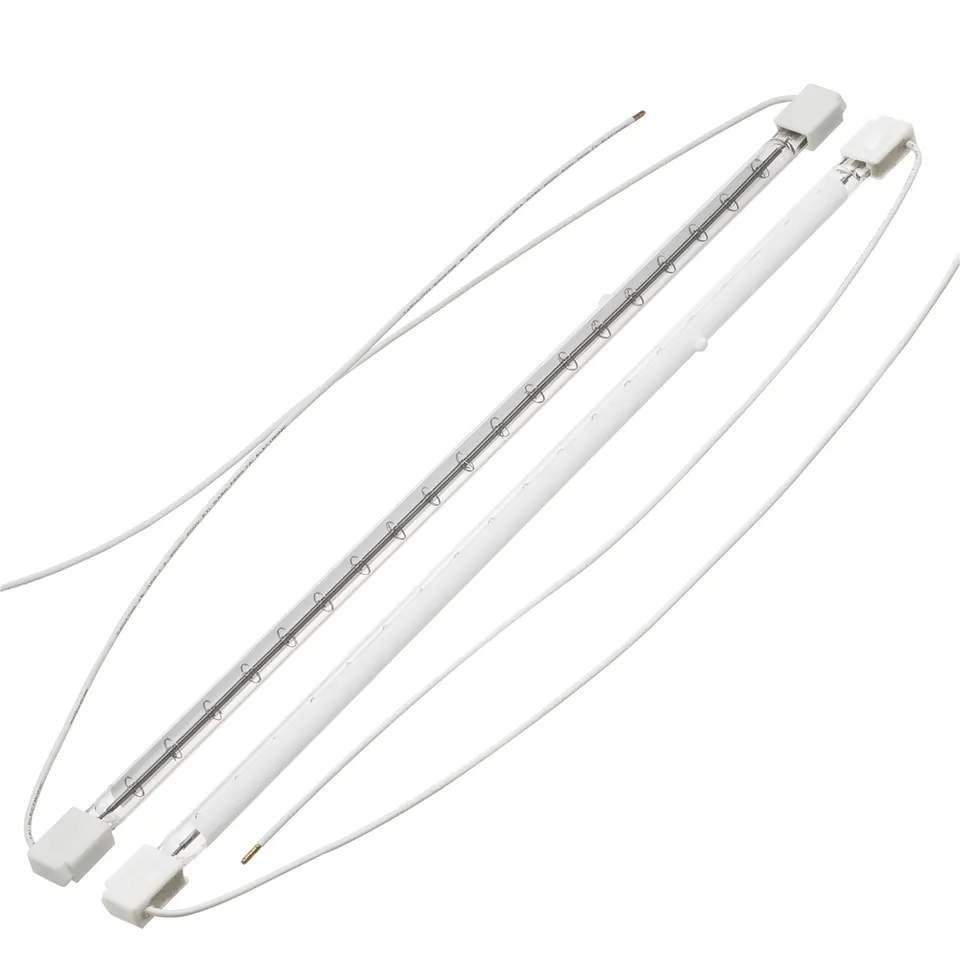
Local Application Scenarios: Thermal Physics of Paint Curing in the Principality of Andorra
Operating an automotive body repair or coating workshop in Andorra—particularly throughout parishes like Andorra la Vella, Escaldes-Engordany, Encamp, and Sant Julià de Lòria—presents a very specific set of thermodynamic hurdles. Positioned in the heart of the Pyrenees mountains with altitudes ranging from 840 meters to over 2,000 meters above sea level, local facilities deal with distinct ambient variables: reduced air pressure, drastically fluctuating relative humidity, and harsh winter sub-zero temperatures.
Under traditional convection oven drying, low ambient shop temperatures force extended cycle periods, resulting in severe energy losses and prolonged surface exposure. In automotive refinishing, conventional air heating causes outer-shell flash-off before the volatile solvents escape the primer or basecoat beneath. This trapped solvent phenomenon triggers solvent popping, pinholing, and reduced cross-linking density in high-solid polyurethane and waterborne clearcoats.
Kavri Quartz short-wave infrared emitters (peaking at 1.0 to 1.2 μm) circumvent air-medium heating completely. Because electromagnetic infrared waves travel without reliance on atmospheric air density, radiant flux passes directly through the wet coating layer, exciting the vehicle metal or composite substrate underneath. Heat propagates from the inside outward. The primer and clear layers cure progressively from the base metal upward, driving volatile organic compounds (VOCs) and water vapor outward without blistering, achieving complete structural polymerization in a fraction of conventional cycle times.
| Curing Metric | Conventional Pyrenean Convection Air | Kavri Short-Wave IR Halogen (Gold Reflector) | Performance Differential |
|---|---|---|---|
| Preheat Ramp-Up Time | 15 – 25 Minutes (Ambient Air Dependent) | ≤ 1 Second Instantaneous Emission | 95%+ Operational Cycle Savings |
| Clearcoat Through-Cure Time | 40 – 60 Minutes at 60°C | 8 – 12 Minutes Direct Exposure | 75% Downtime Reduction |
| Thermal Efficiency via Gold Shield | < 35% Heat Transferred to Body Panel | > 95% Directional Energy Reflection | Dramatic Drop in Kilowatt Consumption |
| Resistance to Solvent Popping | Moderate to Poor (Rapid Skinning) | Superior (Inside-Out Polymerization) | Eliminates Rework & Micro-blistering |
| Mountain Altitude Air Sensitivity | High (Affected by Low Air Density) | Zero (Direct Radiative Photonic Transfer) | Total Process Consistency |
Whether installed in overhead gantry arrays inside automated spray booths, configured on mobile articulated cassettes for spot repair, or mounted in high-throughput commercial fleet bays, our tungsten-halogen emitters deliver consistent cross-linking. The application scenarios cover high-end passenger vehicle restyling, premium commercial SUV fleet maintenance subjected to severe road salting, and heavy transit machinery traversing the Pyrenean passes.
Macro Market Outlook
Refinishing & Smart Curing Trends across Andorra
How ecological directives, mountain transport demands, and modern coatings are shaping the need for localized precision infrared curing.
Electrification of Mountain Body Shops
With Andorra pursuing aggressive sustainability targets and shifting away from carbon fuel oil burners, body shop owners are decommissioning diesel/gas exchange heating cabinets in favor of direct-fired, clean-energy electric short-wave and medium-wave IR heating cassettes that draw power only on demand.
Anti-Corrosion Curing for Severe Road Salt
Winter de-icing salts used on mountain highways require absolute cross-linking density in epoxy primers and clear varnishes. Infrared radiation achieves thorough curing at the metal-primer interface, maximizing corrosion resistance and structural paint adhesion against gravel chip abrasion.
High-Throughput Mobile Spot Repair Systems
Andorran collision centers frequently operate in compact mountain workshop layouts where full-booth bake cycles for isolated panel scratches are economically unviable. High-mobility short-wave halogen lamps allow single-door or bumper curing in under 10 minutes without firing up the central booth.
Direct Manufacturer Strengths
Why Andorra Distributorships Source Kavri Quartz
Based in the global quartz processing capital of Donghai / Lianyungang, Kavri Quartz provides tier-one technical execution directly to overseas auto finishing suppliers.
Raw Material Purity & Thermal Shock Resistance
Every lamp envelope is drawn from high-purity fused silica quartz, boasting a long-term working temperature of 1,100°C, short-term peak tolerance up to 1,450°C, and an ultra-low expansion coefficient of ~5.5 × 10⁻⁷/K to endure instantaneous heating cycles without fracture.
Custom OEM/ODM Engineering Since 2014
Complete structural customization of total length, heated zone, rated voltage (110V, 220V, 230V, 380V, 400V), single or twin tube configurations, gold reflector or half-white ceramic backings, and universal end-cap terminals matching European paint-booth brands.
Verified Manufacturing & Rapid Pyrenean Dispatch
Onsite-verified manufacturing facilities running 3 specialized automated production lines with over 80% export orientation. Inquiries are audited and returned by optical engineers within 4 hours, supported by customized shock-proof air-cushion packaging for safe European transit.
Purchasing & Engineering Clarifications
Frequently Asked Questions by Andorran Buyers
Detailed answers covering technical specifications, electrical parameters, shipping logistics, and custom replacement requirements.
Q1: Can your IR emitters match European replacement specs for Andorran refinishing systems?
Yes. Many repair workshops in Andorra operate equipment manufactured in Spain, France, Italy, and Germany (such as Trisk, IRT, Hedson, or Blowtherm). We customize voltage, wattage, heated length, overall glass length, and terminal terminations (ceramic SK15, R7s, metal leads with insulated eyelets) to serve as plug-and-play drop-in replacements at factory-direct pricing.
Q2: Why is short-wave gold-coated IR superior to medium-wave ceramic emitters for auto paint?
Short-wave radiation penetrates clear and pigment layers to initiate curing at the inner metallic surface. Furthermore, our pure 24K gold mirror coating reflects over 95% of infrared photons outward toward the vehicle body, minimizing wasted heat inside the cassette housing and shielding internal wiring from thermal degradation.
Q3: What is the typical Minimum Order Quantity (MOQ) for custom quartz heating lamps?
For standard industrial and refinishing specifications, our MOQ starts at just 8 to 10 pieces. This low threshold allows collision centers, paint booth installers, and regional distributors across Andorra to run trial validations and maintain spare parts stock without heavy inventory burdens.
Q4: How does high mountain altitude impact emitter life and quartz performance?
Mountain altitudes do not degrade fused silica lamps. Our tungsten filaments are sealed hermetically within fused quartz envelopes evacuated and back-filled with specialized halogen inert gas mixes. Operating temperatures remain completely stable up to 1,100°C continuous use, unaffected by thin mountain atmospheres.
Q5: What shipping terms and transport security do you provide to the Pyrenees region?
We supply shipments under EXW, FOB, CIF, and DDP terms via road freight routes connecting through Barcelona (Spain) or Toulouse (France) straight into Andorra. Every consignment is packed in multi-ply shock-absorbent honeycomb cartons and wooden crates to guarantee zero transit breakage of fragile quartz tubes.
Q6: What information is required to manufacture custom replacement elements?
Simply provide the rated voltage, wattage, overall length, heated length, tube profile (single 10-12mm or twin 11×23mm / 15×33mm), reflector type (gold or white ceramic), and end-cap configuration. A photograph of your existing lamp markings or an engineering drawing accelerates quotation turnarounds to under 4 hours.
Ready to Upgrade Your Auto Refinishing Precision?
Consult with our quartz heating technical team today to source replacement lamps or configure custom OEM curing emitters engineered for severe climates. We reply within 4 business hours.
Send an Inquiry