Featured Industrial Quartz & Thermal Components
Standard and tailor-engineered fused quartz tubing, short-wave halogen emitters, and medium-wave carbon lamps optimized for Philippine semiconductor lines, PET bottling plants, and analytical instrumentation.
SiO2 Purity Level via Donghai High-Grade Quartz
Technical Drawing Review & Quotation Response
Dedicated OEM Precision Glass & Lamp Manufacturing
Direct Maritime Export Ratio across APAC & ASEAN
Engineering Fused Silica Solutions for the Philippine Industrial Archipelago
As the Republic of the Philippines undergoes rapid manufacturing modernization across export processing economic zones—notably within the Calabarzon industrial corridor (Cavite, Laguna, Batangas, Rizal, Quezon), Clark Freeport Zone in Pampanga, and the Mactan Economic Zone in Cebu—access to mission-critical thermal processing materials has become a foundational manufacturing determinant. Kavri Quartz Product Co., Ltd. operates at the nexus of high-precision fused quartz glass synthesis and advanced electric infrared heating systems, serving engineering teams, plant maintenance directors, and industrial procurement managers across Luzon, the Visayas, and Mindanao.
Situated in Lianyungang, Jiangsu Province—anchored directly to the Donghai quartz mineral cluster, historically recognized as China’s capital for silicon dioxide crystallization—our production facilities transform select raw silica into ultra-pure fused quartz tubing (SiO2 content exceeding 99.99%). This material purity profile directly eliminates trace metal contaminants such as iron, titanium, and alkali oxides, which are the root cause of thermal devitrification and premature structural degradation under continuous industrial cycling.
Technical Insight: Fused quartz exhibits an extraordinarily low coefficient of thermal expansion (5.5 × 10⁻⁷ / K). It withstands instantaneous thermal shock from red-hot temperatures (1100°C) down to ice water immersion without micro-fracturing—an essential characteristic for Philippine production facilities navigating heavy equatorial humidity and continuous high-throughput duty cycles.
Localized Industrial Applications Across the Philippines
Understanding the unique operational parameters of Philippine manufacturing facilities is critical to engineering durable quartzware. Rather than offering commoditized, off-the-shelf catalog products, our engineering team supplies specialized components tailored to specific regional industrial clusters:
Semiconductor & Electronics Assembly (PEZA Zones)
The Philippines accounts for a vital share of global semiconductor back-end assembly, testing, and packaging (ATP). In plants across Laguna Technopark and Clark, our high-purity quartz process tubes, wafer carrier boats, and pyrometer sight glasses withstand harsh chemical vapor deposition (CVD), rapid thermal processing (RTP), and precision surface-mount technology (SMT) solder reflow systems.
PET Stretch Blow Molding & Beverage Packaging
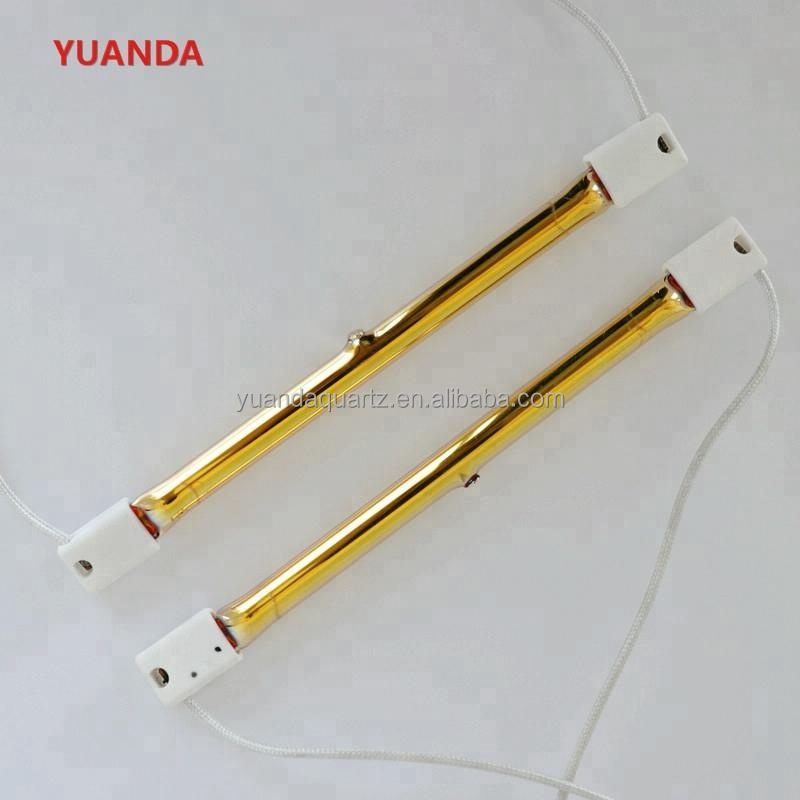
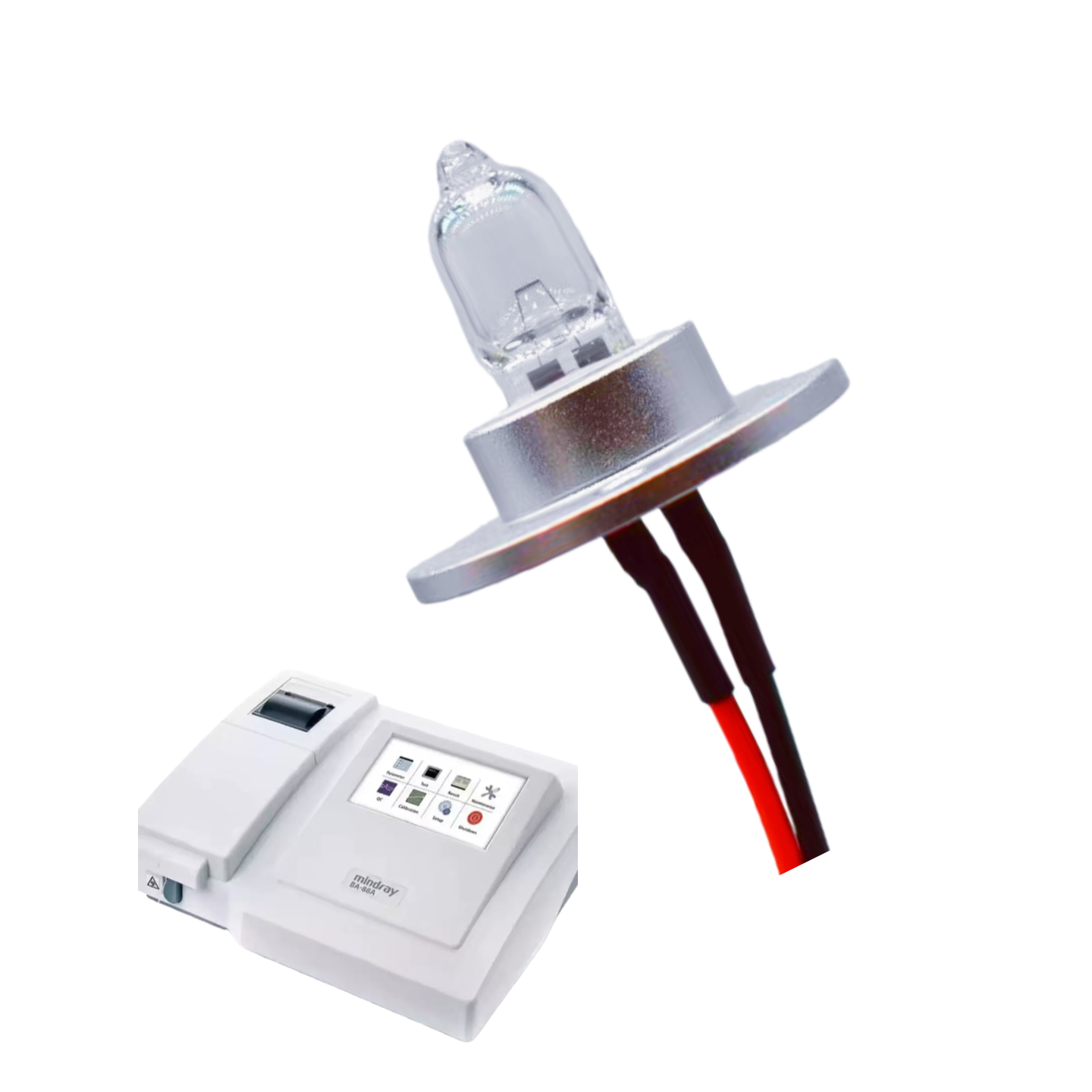
From major bottling plants in San Fernando, Pampanga, to food packaging conglomerates in Valenzuela and Muntinlupa, high-speed rotary stretch blow molding machines (such as Sidel, Krones, and SIG systems) require exact heating profiles. Our tungsten-halogen emitter lamps with custom ceramic half-white reflectors concentrate infrared energy directly into preform cores without blistering neck finishes.
Photovoltaic Cell & Solar Panel Fabrication
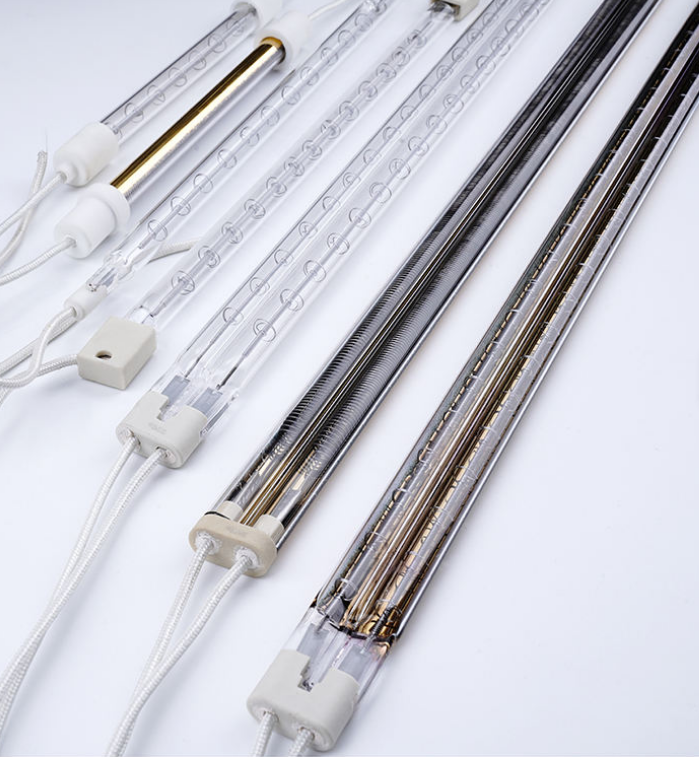
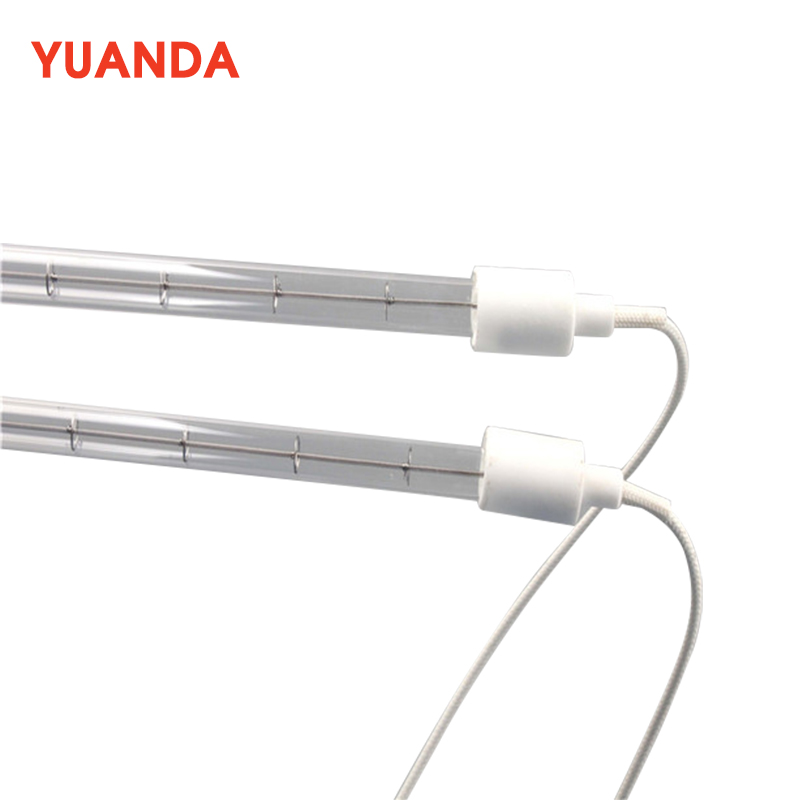
In accordance with the Philippine Energy Plan targeting massive solar capacity expansions, domestic module assembly requires uniform thermal distribution for tabber-stringer soldering and EVA/backsheet lamination. Our 120V/220V clear medium-wave infrared tubes deliver stable, non-contact radiant heating that prevents micro-cracks in fragile silicon solar wafers.
Textile Flash Drying & Screen Printing
The bustling garment industries in Taytay, Rizal, and Bulacan rely on rapid plastisol and water-based ink curing. Kavri ceramic linear quartz infrared heaters provide instantaneous target curing without heating ambient production floors, mitigating the extreme thermal discomfort typical of non-conditioned tropical workshops.
Clinical Diagnostics & Mining Assay Labs
Philippine nickel and gold extraction assay facilities (e.g., in Caraga, Surigao) utilize our thick-walled transparent quartz crucibles and combustion tubes for high-temperature furnace fusing. Simultaneously, medical diagnostic facilities utilize our OEM-grade optical halogen lamps (such as Mindray BA-88A replacements) to secure spectral precision in clinical biochemistry analyzer flow cells.
Municipal & Industrial UV Water Purification
Clean water treatment plants throughout Metro Manila (Manila Water, Maynilad networks) and food processing units require high-transmittance synthetic quartz sleeves. Our envelopes maintain over 90% optical transparency at 254 nm germicidal wavelengths, ensuring effective bacterial disinfection across wet, fluctuating flow streams.
Technical Comparison: Fused Silica vs. Commercial Glass in Tropical Climates
Procuring low-cost glass or sub-standard quartz creates significant systemic risks for Philippine operations. High ambient humidity combined with elevated thermal operating points induces stress fractures and hydroxyl-ion degradation. Below is an engineering comparison matrix showing why high-purity Lianyungang quartz glass outperforms conventional borosilicate and soda-lime alternatives:
| Performance Parameter | Kavri High-Purity Fused Quartz | Borosilicate Glass 3.3 (Pyrex Type) | Standard Commercial Soda-Lime |
|---|---|---|---|
| Silica Purity (SiO2 Content) | ≥ 99.99% Trace metal < 20 ppm | ~ 80 - 81% (High Boron/Alumina) | ~ 70 - 72% (High Alkali Fluxes) |
| Continuous Working Temperature | 1,100 °C (Short peak: 1,350 °C) | ~ 450 - 500 °C | ~ 250 - 300 °C |
| Thermal Shock Resistance (ΔT) | > 1,000 °C (Zero failure in water plunge) | ~ 150 - 180 °C | ~ 50 - 60 °C |
| Coefficient of Thermal Expansion (CTE) | 5.5 × 10⁻⁷ / K (Near-Zero expansion) | 3.3 × 10⁻⁶ / K | 8.5 - 9.0 × 10⁻⁶ / K |
| Optical Transmission Window | 180 nm (Deep UV) to 3,500 nm (Mid-IR) | 320 nm to 2,500 nm | 380 nm to 2,000 nm (High Cutoff) |
| Equatorial Humidity Hydrolysis Resistance | Class 1 Ultra-Hydrophobic | Class 1 / Class 2 Hydrolytic | Class 3 (Susceptible to surface haze) |
Emerging Industrial Macro Trends Across the Philippines
Several macro-economic developments are reshaping the procurement landscape for thermal quartz products across the Philippine archipelago:
1. Expansion of the Corporate Recovery and Tax Incentives for Enterprises (CREATE More) Framework: As tax rationalization incentives encourage higher capital investments in electronics manufacturing services (EMS), local assembly plants are moving toward high-efficiency IR heating components. Switching from outdated resistive convection ovens to directed quartz infrared lamps saves up to 45% in plant electrical overhead—a crucial operational advantage given that Philippine commercial electricity tariffs remain among the highest in the ASEAN region.
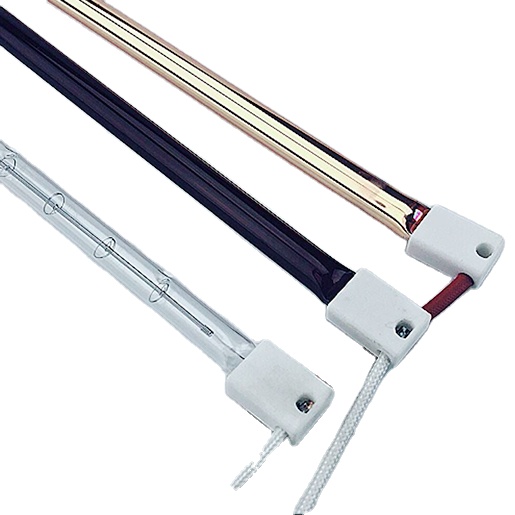
2. Tightening of the Extended Producer Responsibility (EPR) Act (Republic Act No. 11898): Brand owners and bottling contractors must drastically increase post-consumer recycled PET (rPET) utilization. Processing rPET resins requires significantly narrower infrared preheat temperature corridors (±1.5°C) to prevent clouding or structural stress failure during blowing. Kavri's ruby-coated and gold-backed halogen emitters provide targeted spectral energy between 1.0 μm and 1.4 μm, enabling precise energy penetration into rPET preforms without overheating surface skins.
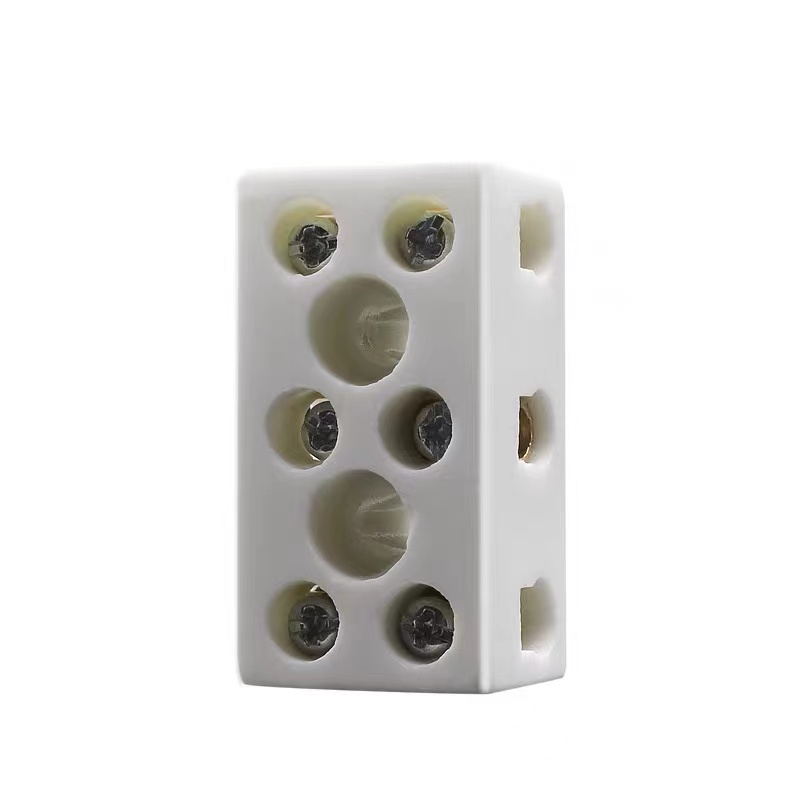
3. Grid Reliability Challenges & Voltage Stabilization: Fluctuations on the Luzon and Visayas grids often present nominal line voltages swinging between 208V and 240V at 60Hz. Our custom manufacturing capabilities ensure that emitters, filament coil wound dimensions, and ceramic terminal connections are specifically engineered for Philippine 220V/230V 60Hz single- and three-phase supplies, eliminating premature filament burnout caused by uneven line surges.
Why Direct Sourcing from Lianyungang Maximizes Procurement ROI
Headquartered in Lianyungang, Kavri Quartz Product Co., Ltd. serves as an end-to-end technical manufacturer rather than an export intermediary. Operating three specialized production lines staffed by seasoned glass blowers and laser-finishing engineers, we bridge the gap between initial OEM drawing validation and scheduled container dispatches to Philippine maritime ports.
Full OEM/ODM Geometry
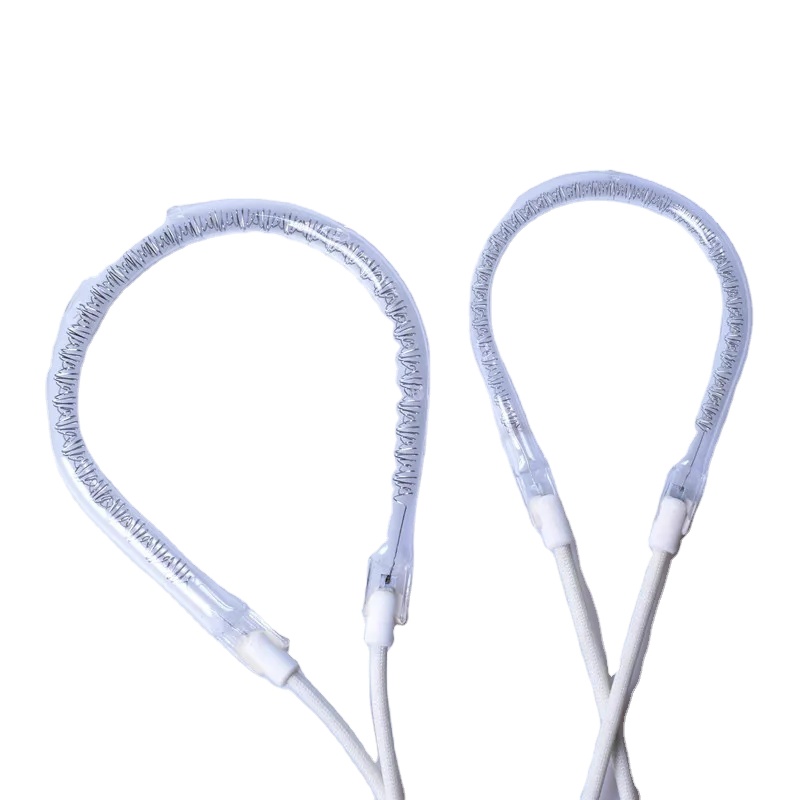
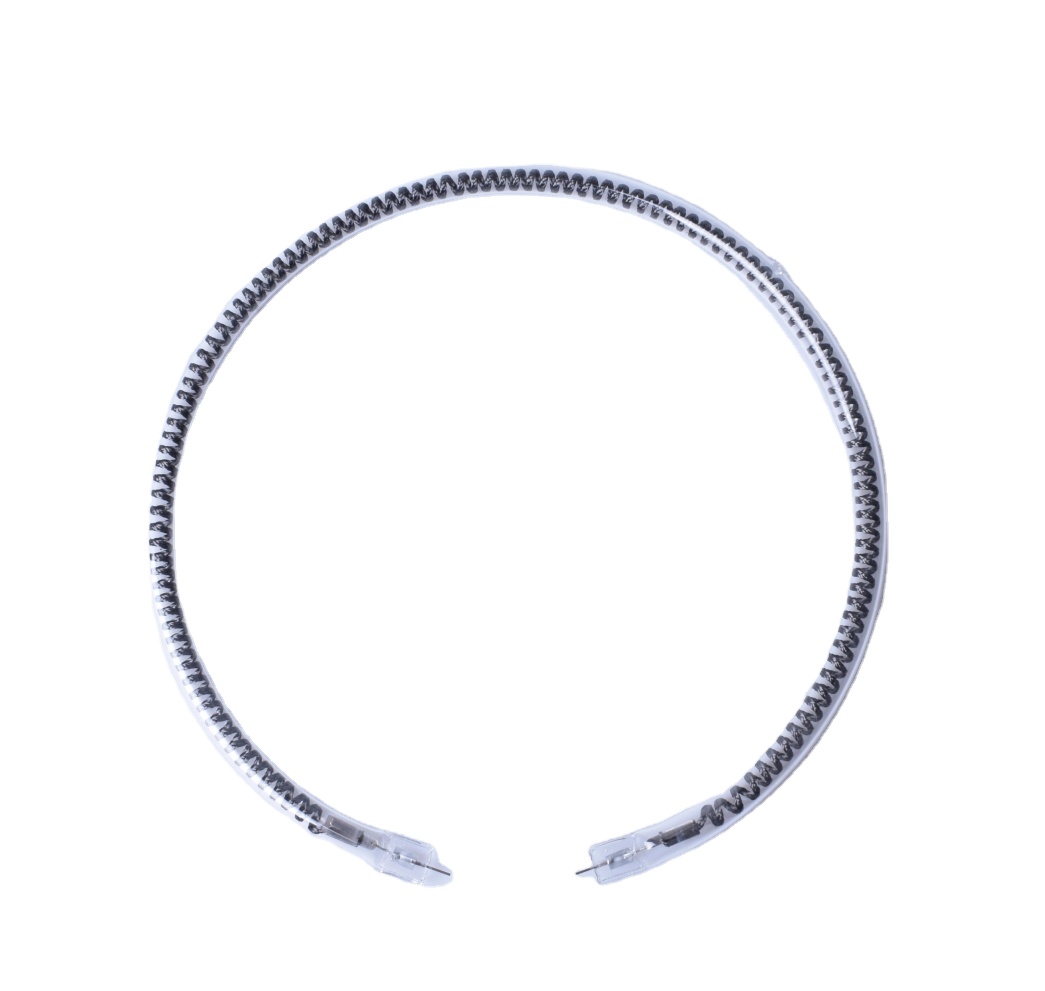
Tubes manufactured from OD 1.5mm to 450mm with variable wall thicknesses. Custom circular rings, twin-tube profiles (11×23mm, 15×33mm), CNC slotting, precision hole drilling, and customized lead wire pinouts.
Strict Metrology Inspection
Every production batch undergoes spectrophotometer transmission verification, mechanical runout eccentricity validation, resistance continuity confirmation, and full-power pre-shipment burnout cycles.
Zero-Breakage Export Crating
Engineered shock-absorbing pearl cotton casing, reinforced honeycomb inner cartons, silica gel moisture desiccant barriers, and export-grade fumigated plywood maritime crating guarantee pristine delivery.
Direct Philippine Logistics
Streamlined logistics routes from Lianyungang and Shanghai ports directly to Port of Manila (South/MICT), Batangas Container Terminal, Subic Bay, and Cebu International Port under FOB, CIF, or DDP terms.
Philippine Buyer FAQ: Customs, Logistics & Specifications
Direct answers to frequent inquiries raised by purchasing directors, PEZA logistics officers, and plant engineers across the Philippines when sourcing custom quartz tubing and infrared lamps from China.
How are import duties and PEZA tax exemptions handled?
For Philippine Economic Zone Authority (PEZA) accredited enterprises operating in Laguna, Cavite, or Clark, shipments qualify for zero-rated customs duty and VAT exemptions. We provide complete commercial documentation, including detailed packing lists, commercial invoices with exact HS Codes (7002.31 for fused quartz tubing, 8539.49 for infrared lamps), and Certificate of Origin Form E under the ASEAN-China Free Trade Agreement (ACFTA) for duty reduction on non-PEZA customs clearances.
What is the typical shipping lead time to Manila or Cebu?
Standard quartz tube cutting and sample lamp prototypes are engineered and dispatched within 5 to 7 business days. Mass production orders (500 to 5,000 units) require approximately 15 to 20 business days. Transit time via ocean freight from Lianyungang/Shanghai to Manila South Harbor or MICT is typically 7 to 10 days. For urgent plant shutdowns (AOG/Breakdown maintenance), air freight shipments via DHL/FedEx to Ninoy Aquino International Airport (NAIA) or Clark arrive in 3 to 4 days.
How do you protect fragile quartz tubes from transit breakage?
We implement a triple-layer protective export packaging protocol. Individual quartz glass tubes and lamps are sleeved in high-density polyethylene protective mesh, suspended in shock-dampening pearl EPE foam cutouts, encased in a multi-wall internal sleeve, and packed within fully braced, fumigation-certified export wooden cases. We maintain a documented transit breakage rate of less than 0.1% across international ocean and air lanes.
Can you replicate obsolete or unbranded replacement IR lamps?
Yes. Many Philippine production plants operate imported European, Japanese, or Taiwanese machinery where original emitter replacements are expensive or obsolete. By sharing technical drawings, digital photos of lamp caps, terminal details, or sending a physical sample, our engineering lab replicates exact filament winding lengths, overall dimensional profiles, reflective coatings (gold or ceramic white), and electrical ratings (e.g., 220V 1000W / 1500W / 2000W).
What is the Minimum Order Quantity (MOQ) for custom components?
To support plant maintenance engineering and pilot prototype trials, our standard MOQ starts at just 8 to 10 pieces for infrared heating lamps and clear quartz process tubes. For specialized laboratory quartzware or custom CNC-drilled quartz plates, small-batch sample production is welcomed prior to commercial batch scheduling.
How do you support Philippine electrical standards (220V/60Hz)?
While domestic Chinese power grids operate at 50Hz, the Philippines standardizes on 60Hz with nominal single-phase voltage of 220V/230V. Because infrared lamps and heating elements represent pure resistive loads, frequency differences do not affect emitter performance directly; however, our engineering department designs tungsten and carbon filament geometries specifically for 220V/230V and 440V 3-phase industrial bus voltages, preventing electrical overstress.