High-Performance Quartz Tubes & Infrared Heating Modules
Direct from our Lianyungang precision manufacturing facility to the industrial zones of Phnom Penh, Kandal, and Sihanoukville. Built to withstand tropical humidity, electrical variations, and continuous manufacturing cycles.
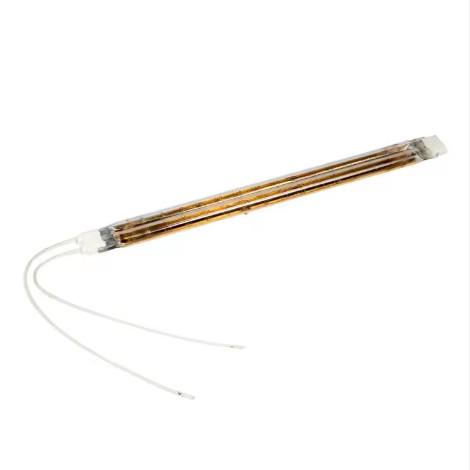
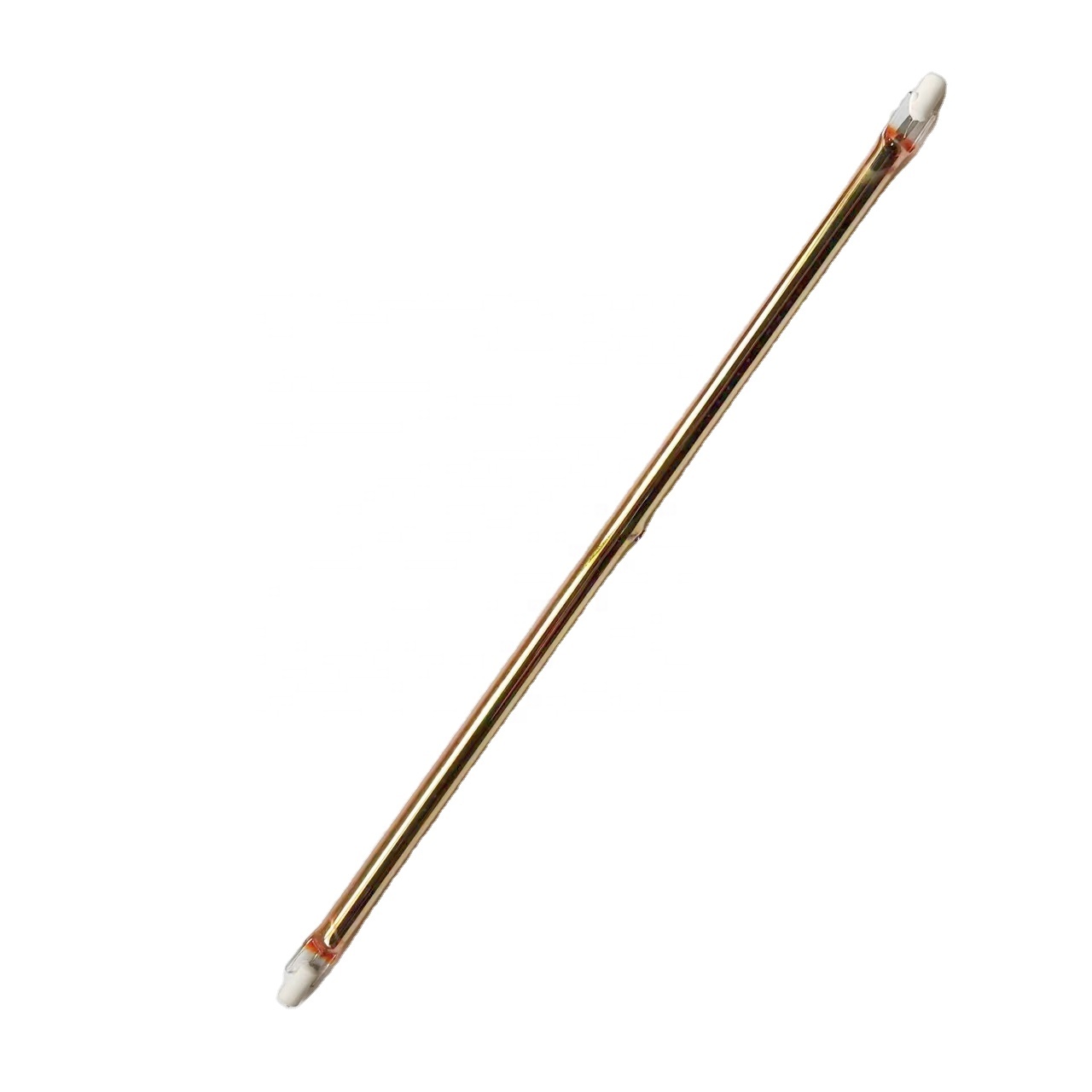
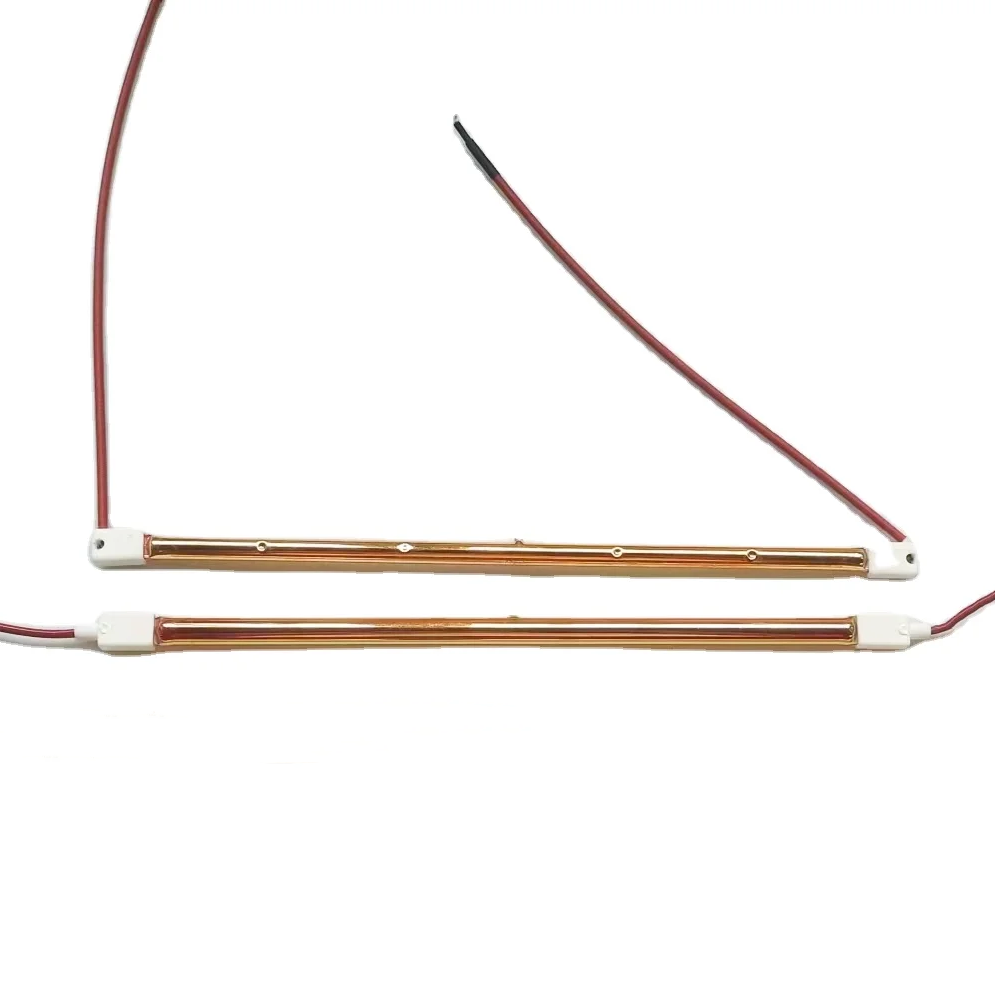
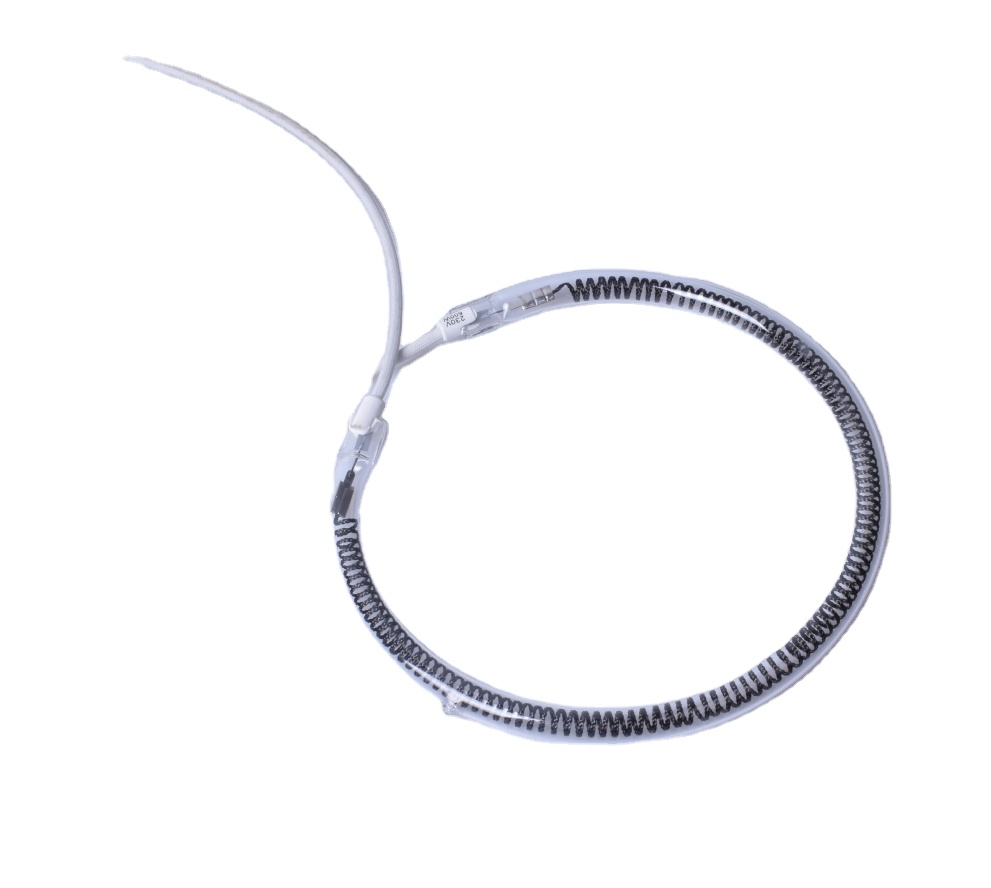
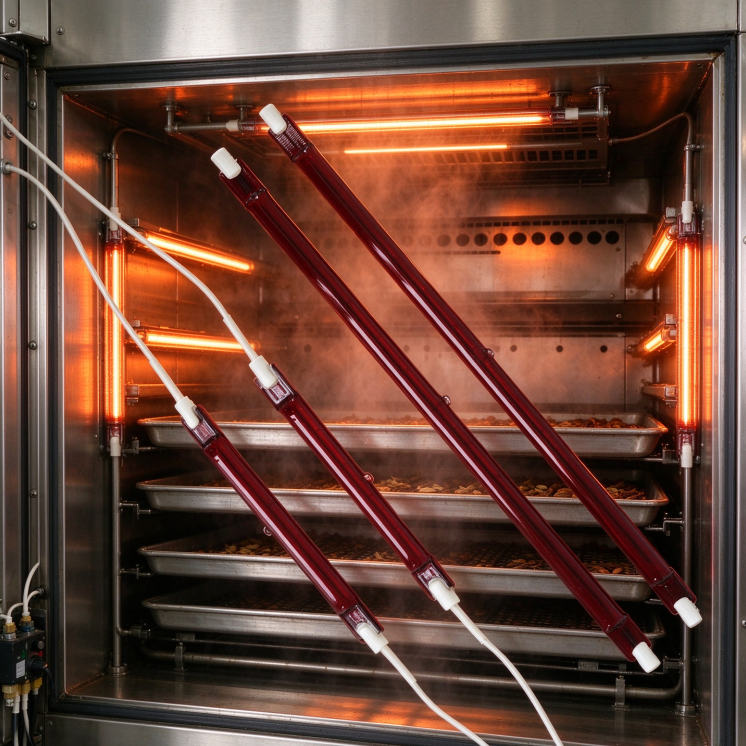
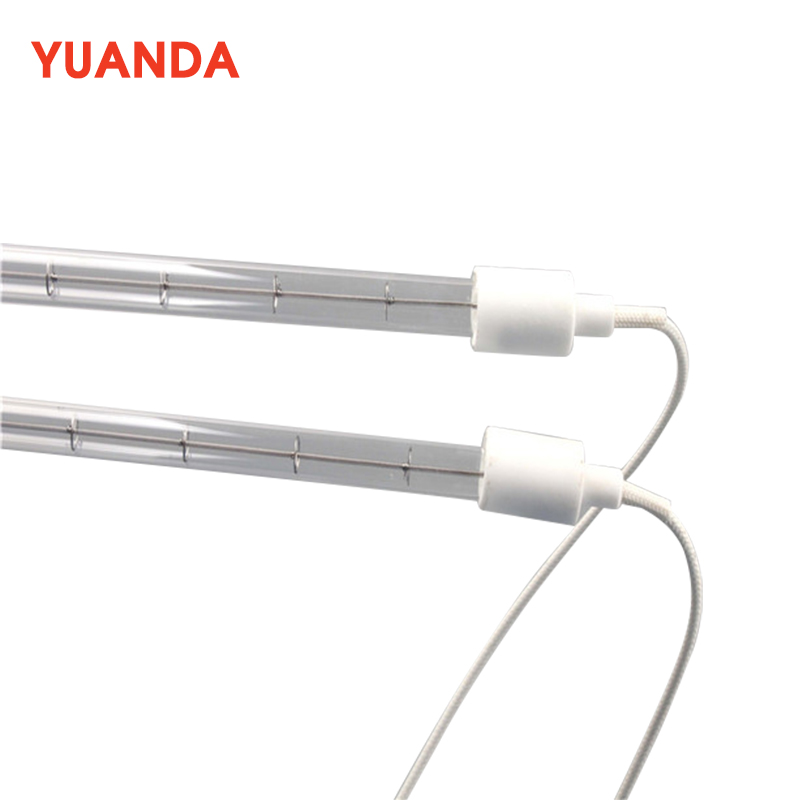
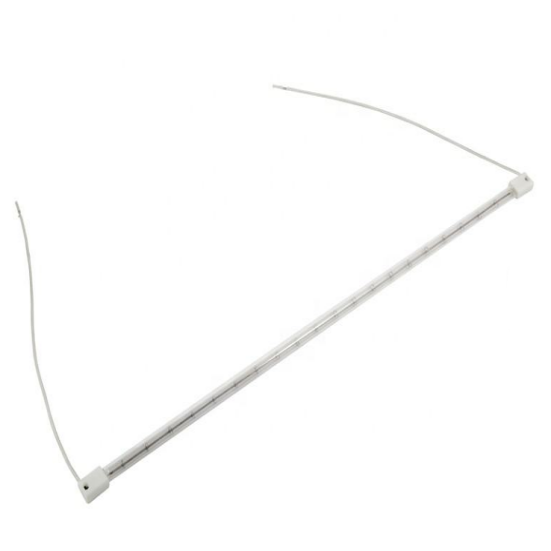
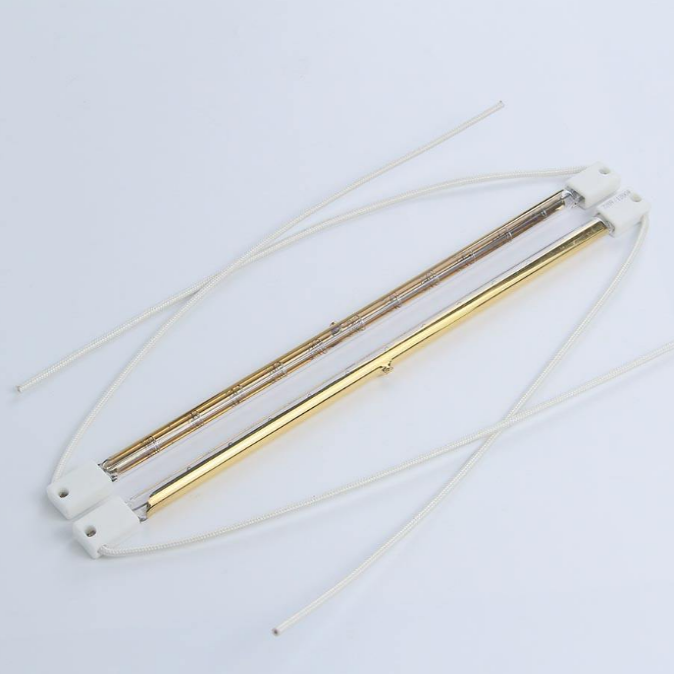
Precision Quartz Tube Engineering & Electromagnetic Radiation Mechanics
Understanding why fused silica glass serves as the critical foundation for modern industrial thermal processing, optics, and chemical containment.
Ultra-High Purity Silica Matrix
Our quartz tubes are manufactured using continuous electric fusion and gas-refining technologies based on Donghai crystal feedstocks. With an amorphous SiO₂ purity exceeding 99.99%, trace hydroxyl ([OH⁻]) levels can be controlled below 5 ppm, preventing early bubble formation and devitrification under intense working temperatures up to 1200°C.
Near-Zero Thermal Expansion
Featuring an exceptionally low coefficient of thermal expansion (α = 5.5 × 10⁻⁷ /°C), fused quartz demonstrates unmatched thermal shock resistance. A red-hot quartz tube heated to 1000°C can be submerged directly into ice water without structural fracture, ensuring absolute reliability in cyclic heating processes.
Broad Optical Transmittance
Clear fused silica provides an exceptionally broad optical window extending from deep ultraviolet (UV-C at 185 nm) through the visible spectrum into short-wave and medium-wave infrared (up to 4.5 μm). This ensures that emitted electromagnetic energy passes through the tube wall with less than 8% convective attenuation.
| Quartz / Emitter Parameter | Short-Wave Halogen | Carbon Fiber Medium-Wave | Standard Ceramic / Metal Sheath |
|---|---|---|---|
| Peak Emission Wavelength | 1.0 – 1.4 μm (Near / Short IR) | 2.0 – 2.6 μm (Fast Medium IR) | 3.5 – 6.0 μm (Far IR) |
| Filament Core Temperature | 1800°C – 2200°C | 900°C – 1200°C | 400°C – 700°C |
| Thermal Rise Time (0 to 100%) | < 1 second | 1 – 2 seconds | 8 – 20 minutes |
| Radiative Energy Efficiency | Up to 92% direct radiative | 85% - 88% direct radiative | 40% - 50% (dominated by convection) |
| Target Material Compatibility | Metals, deep plastic preforms, paint | Water-based coatings, textiles, PET, wood | Bulky non-critical solids, air drying |
| Envelope Quartz Purity | 99.99% Clear Optical Fused SiO₂ | Clear, Ruby, or Satin Fused SiO₂ | Non-optical or standard Pyrex / Incoloy |
Industrial Application Scenarios Across Cambodia's Manufacturing Corridors
From the bustling Special Economic Zones of Phnom Penh (PPSEZ) to industrial clusters in Sihanoukville and Kandal, modern operations demand reliable heating solutions.
Garment & Textile Curing (Veng Sreng / PPSEZ)
Cambodia's primary export sector relies heavily on screen printing, direct-to-garment (DTG), and flocking. Traditional resistive hot-air dryers create excessive ambient heat and uneven ink polymerizing. Our custom medium-wave carbon fiber quartz tubes offer instant flash-curing of water-based inks without scorching delicate cotton, polyester blends, or synthetic athletic fabrics.
PET Blow Molding & Beverage Bottling
With rapid expansion in Phnom Penh’s beverage, purified water, and condiment bottling factories, high-speed rotary blowing machines demand precise preform thermal profiling. Our twin-tube half-gold coated short-wave halogen lamps penetrate deeply into thick-walled PET preforms, ensuring uniform biaxial stretch while shielding bottle necks from distortion.
Food Dehydration & Agro-Processing
Processing agricultural products such as dried mango, cassava starch, pepper, and rice grains requires hygienic, enclosed, contaminant-free drying. Quartz tubes emit pure radiant heat that eliminates combustion fumes and prevents soot deposits, preserving color, nutrients, and moisture equilibrium under strict HACCP food safety standards.
Electronics Assembly & Solar Module Production
In the newly designated technology parks around Phnom Penh and Bavet, electronics manufacturing requires cleanroom-compatible heat. Precision fused silica tubes and quartz plates are utilized for infrared solder reflow ovens, PCB conformal coating drying, and solar cell EVA lamination, providing zero dust generation and clean electromagnetic radiation.
Macro Trends: Cambodia’s Industrial Development Policy (IDP) & Energy Modernization
How the shift from labor-intensive assembly to automated, energy-efficient manufacturing is reshaping industrial component procurement.
The Cambodia Industrial Development Policy (IDP)
The Royal Government of Cambodia's Industrial Development Policy focuses on diversifying manufacturing beyond basic apparel cut-make-trim into higher value-added sectors: automotive sub-assemblies, precision plastics, electrical appliances, and packaging. These upgraded assembly lines run on automated thermal machinery that demands OEM-spec quartz emitters rather than generic resistance wires.
Tackling Electricity Tariffs Through Radiant Efficiency
Industrial electricity in Phnom Penh remains a significant operating cost factor compared to regional neighbors. Conventional resistance ovens waste 50% to 60% of input kilowatt-hours heating ambient air in large chambers. Transitioning to gold-backed directional infrared quartz tubes channels thermal energy straight to workpieces, reducing continuous cycle power consumption by 30% to 45%.
Resilient Supply Chain: China to Cambodia Direct
Phnom Penh manufacturers frequently face severe production bottlenecks when European or Japanese machinery emitters fail, leading to 6-8 week logistics delays. Kavri Quartz bridges this gap by offering rapid OEM replacement engineering in China, delivering custom-matched heating elements to Phnom Penh via sea (Sihanoukville Port) or direct air freight in as few as 5 to 10 days.
Why Global Machine Builders and Phnom Penh Plants Trust Kavri Quartz
Combining world-class raw quartz reserves from Donghai with ten years of specialized vacuum sealing and emitter engineering.
Uncompromising Quality from the Source
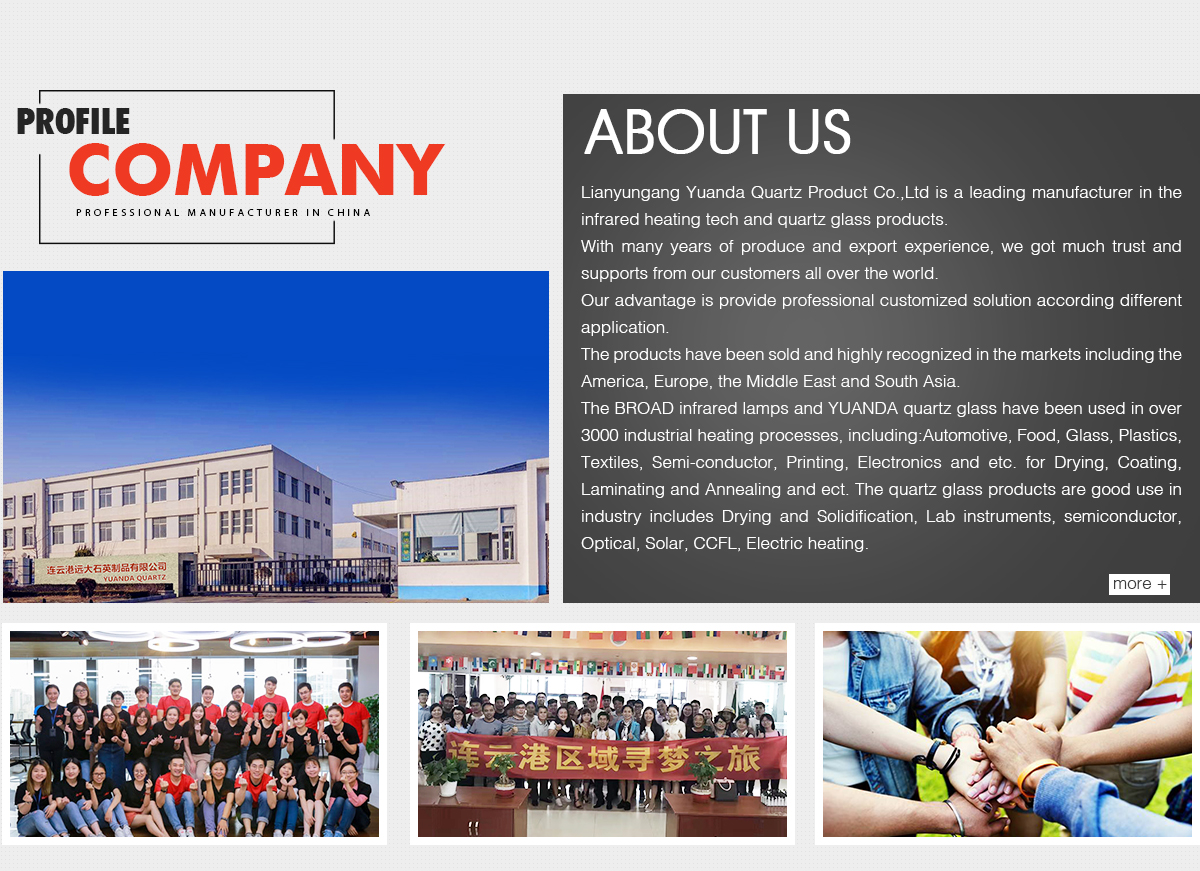
Headquartered in Lianyungang, Jiangsu Province—the core of China's quartz and silicon manufacturing sector—Kavri Quartz Product Co., Ltd. operates 3 dedicated production lines with complete in-house control over raw tube drawing, mechanical flame-working, vacuum pumping, and reflective coating deposition.
- 10+ Years Dedicated OEM/ODM Manufacturing: Supplying customized heaters across Europe, North America, Southeast Asia, and Japan since 2014.
- Verified Reliability: Onsite physical plant verification audited by Alibaba.com and independent third-party certification bodies.
- Rapid Engineering Turnaround: Full drawing generation and electrical matching completed within 4 hours; prototyping within 3 to 5 business days.
- Rigorous Batch Inspection: 100% testing of cold/hot resistance, vacuum hermeticity, filament alignment, and coating adhesion prior to shockproof wooden crate crating.
Fused Silica Processing
Custom fabrication of clear quartz tubing, large-diameter furnace tubes, polished sight glass plates, quartz rods, and custom laboratory quartz apparatus built to millimeter-tight tolerances.
Reflective Coating Technology
High-vacuum magnetron sputtering of gold mirrors (reflecting ~95% of IR rays) and sintered high-temperature opaque white ceramic coatings designed for ambient environments exceeding 800°C.
Flexible Terminal Configurations
Full selection of standardized ceramic bases (SK15, R7S, X-clip, flat metal tags), high-temperature Teflon or nickel braided leads, and silicone-encapsulated water-resistant end seals.
Engineering Checklist: How to Specify Replacement Quartz Heaters
Follow this five-step engineering framework to ensure seamless replacement fitment for machines deployed in Cambodian industrial zones.
1. Electrical Profile
Confirm operating voltage (standard 220V, 380V 3-phase, or customized 110V/480V) and rated wattage (300W to 6000W+). Electrical surges in industrial grids require properly engineered tungsten or carbon ribbon filaments to prevent burnouts.
2. Mechanical Envelope
Measure Total Length (OAL), Heated Length (effective heating zone), and Outer Diameter (OD). For double-tube formats, indicate cross-section (standard 23x11mm or 33x15mm twin profiles).
3. Coating & Reflector
Determine whether a directional reflector is required: Half-Gold (premium efficiency up to 600°C), White Ceramic (for extreme ambient heat exceeding 800°C), or Clear / Ruby (for full 360° radiation or anti-glare needs).
4. Termination & Leads
Specify ceramic cap geometry, terminal clip types, and lead wire length with high-temperature insulation (PTFE, fiberglass, or pure nickel wire) to prevent terminal oxidation in humid Cambodian factories.
Frequently Asked Questions by Purchasing Teams in Phnom Penh
Direct answers addressing technical replacement, shipping, payment terms, and localized Cambodian operating challenges.