Engineered Quartz Glass Pipe & IR Emitter Portfolio
From micro-tolerance clear fused quartz tubes to directional gold-coated radiant emitters, our Lianyungang manufacturing facility delivers high-yield heating elements, diffusion pipeware, and custom laboratory vessels precision-machined for the exacting process lines of Gwangju Metropolitan City.
The Lianyungang-Gwangju Quartz Pipeline: Uncompromising Purity for High-Tech Manufacturing
As industrial processes across Gwangju's high-tech manufacturing ecosystems advance into tighter sub-micron lithography tolerances, high-speed secondary battery electrode drying, and high-intensity photonic device fabrication, basic borosilicate or commercial-grade glass can no longer withstand the operating parameters. Kavri Quartz Product Co., Ltd., based in Lianyungang, Jiangsu—the premier raw natural crystal and fused silica synthesis corridor of China—engineers high-purity quartz glass pipes (silicon dioxide, SiO₂ ≥ 99.99%) built to eliminate cross-contamination, resist intense thermal shocks up to ΔT 1100°C, and deliver uninterrupted spectral transmittance spanning vacuum UV through mid-wave infrared wavelengths.
Through our three continuous gas-refining and continuous electric-fusion production lines, our quartz pipe products achieve strictly controlled internal OH- (hydroxyl) content (down to < 5 ppm for high-temperature water-free optical grades, or controlled ~20 ppm for standard halogen heating tubes). This ensures zero bubble expansion, micro-crack prevention, and resistance against devitrification when subjected to sustained elevated temperatures above 1150°C in industrial vacuum ovens, wafer carrier processes, and chemical vapor deposition chambers.
Tailored Integration Across Gwangju Industrial Complexes
Gwangju Metropolitan City represents South Korea’s leading nexus of photonics research, electric vehicle manufacturing, optical communications, and semiconductor back-end processing. Here is how our specialized quartz glass pipes and radiant heating solutions integrate into local tier-1 facilities.
Photonics Valley & Optical Preform Processing
In the Cheomdan Industrial Complex (광주 첨단국가산업단지), optical fiber preform drawing towers and laser transmission components demand ultra-clear fused silica tubes. Our quartz tubing acts as thermal process jackets and laser pump cavities, offering 92% optical transmittance across UV-Vis-NIR bands and total resistance to thermal expansion distortion.
Automotive Paint Curing & Coating at Bitgreen Complex
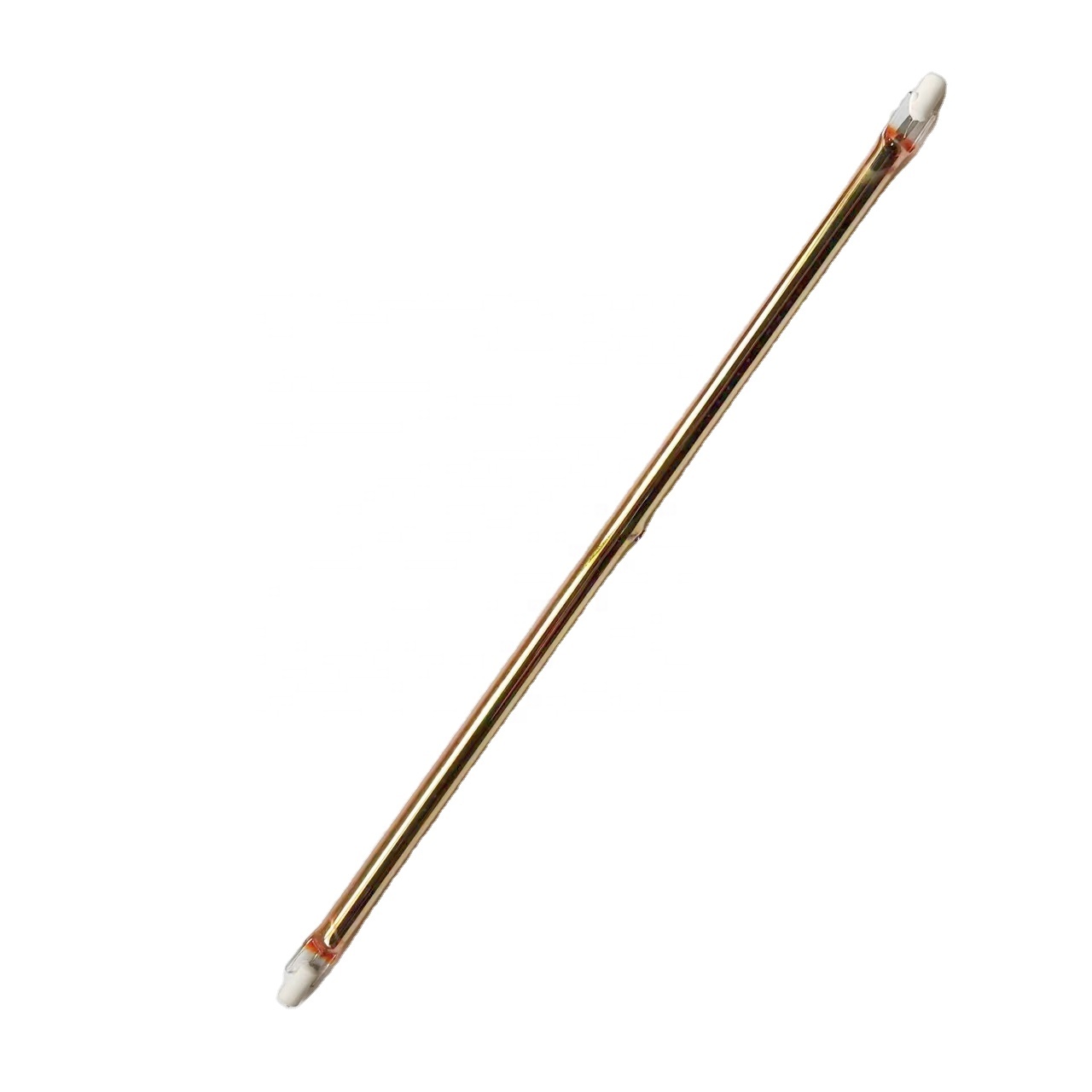
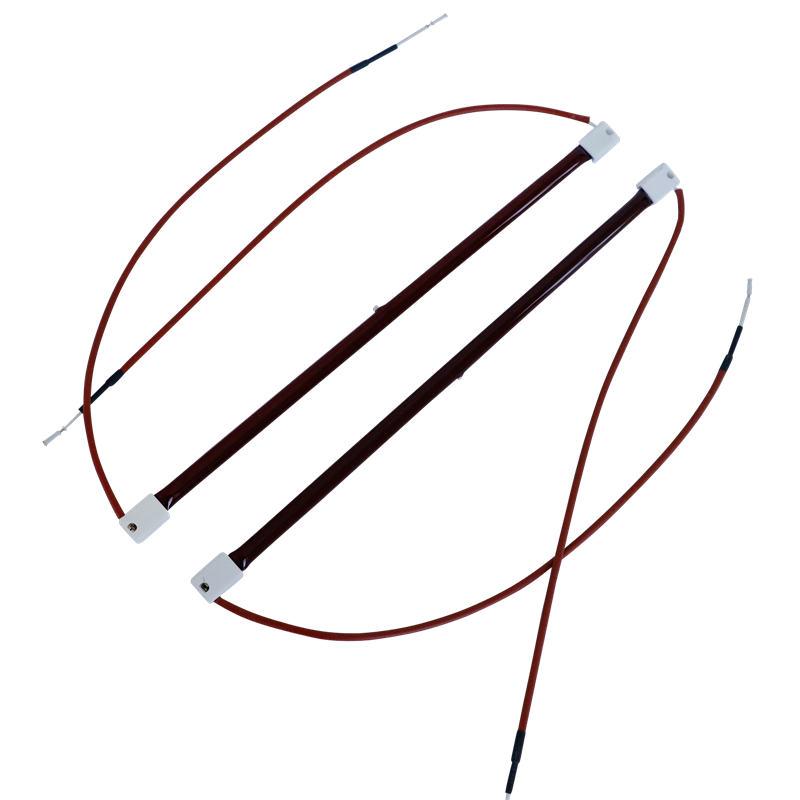
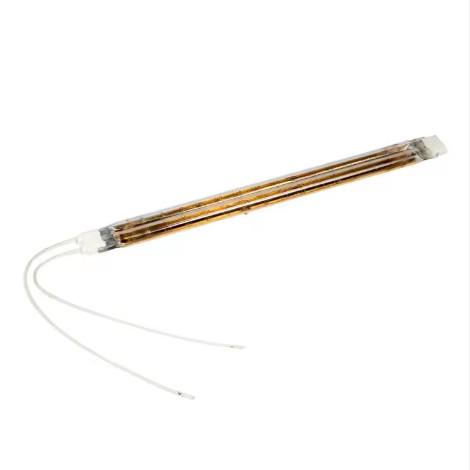
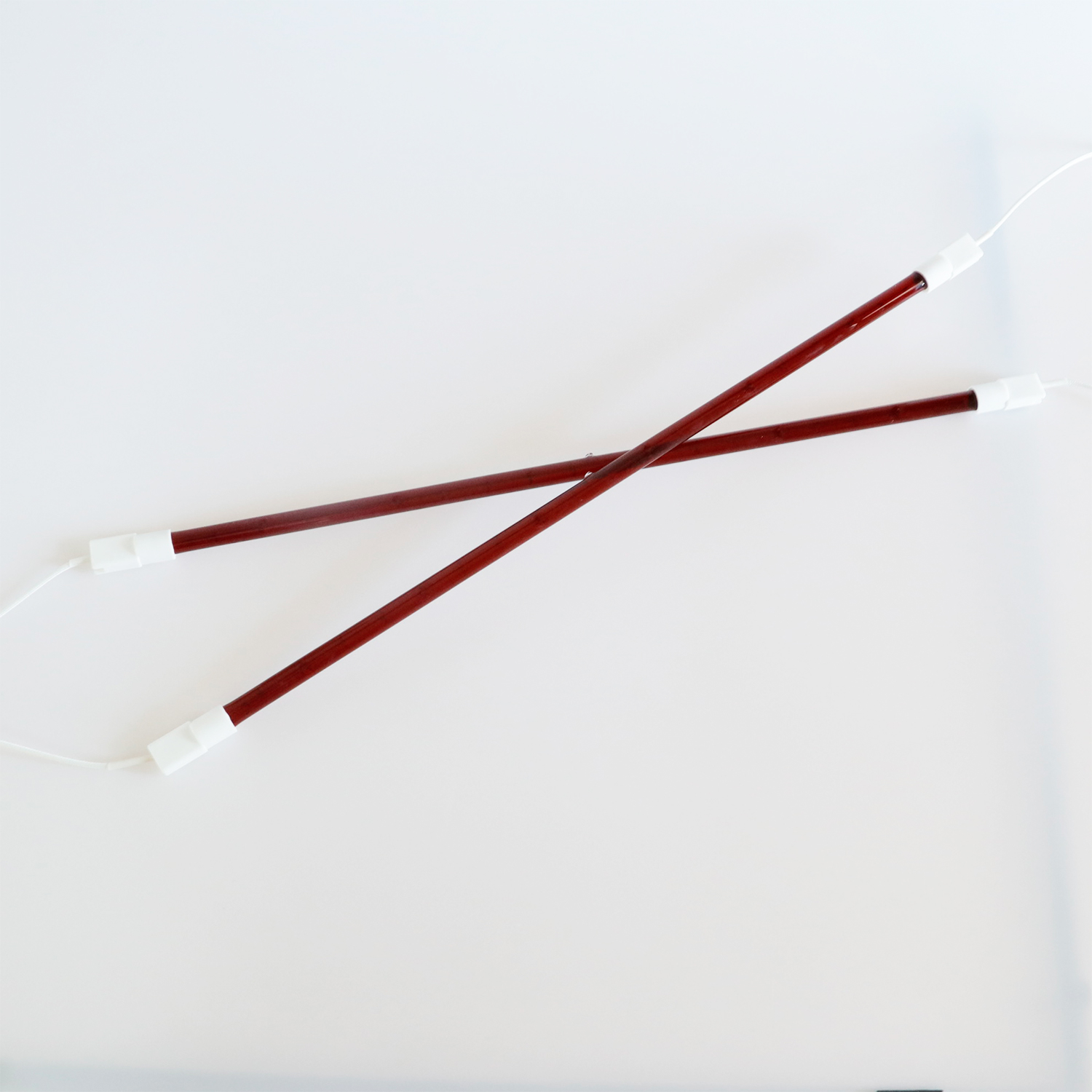
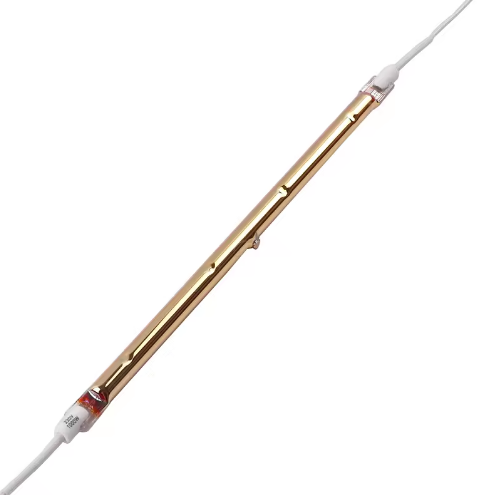
With Gwangju Global Motors (GGM) and local automotive supply networks scaling eco-friendly vehicle output, our 1000W ruby and gold-coated short-wave infrared quartz tubes accelerate robotic spray-booth paint drying. Direct directional radiation cures topcoats from the metal outwards within seconds without blistering or dust adhesion.
EV Battery Electrode & Cathode Slurry Dehydration
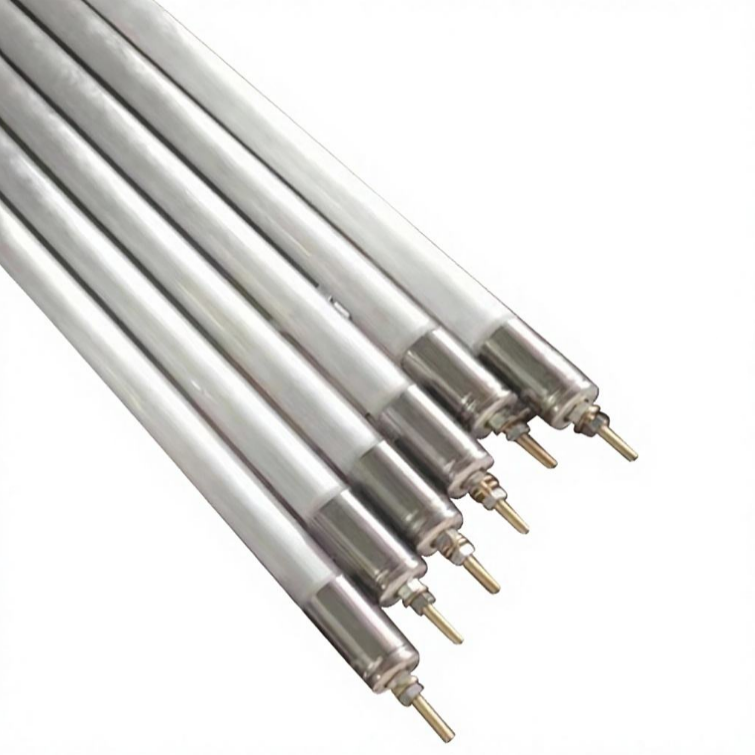
Gwangju’s burgeoning energy storage cluster requires homogenous, moisture-free thermal drying of lithium-ion battery separator sheets and slurry-coated cathode foils. Our custom-length double-tube quartz heaters deliver uniform radiant flux without hot spots, preventing microscopic pinholes and enhancing cell stability.
Semiconductor & Display Annealing Furnaces
Supplying precision equipment builders in Honam’s microelectronics supply chain, our semiconductor-grade quartz diffusion tubes and heating elements maintain dimensional tolerances within ±0.1 mm, operating reliably under extreme vacuum or chlorine/fluorine plasma etching atmospheres.
GIST & Academic Precision Laboratory Instruments
Supporting cleanrooms and research centers at the Gwangju Institute of Science and Technology (GIST) and KOPTI (Korea Photonics Technology Institute), we manufacture micro-volume quartz flow cells, spectrophotometer cuvettes, and reaction boats chemically inert to virtually all acids (except hydrofluoric).
PET Blow Molding & Polymer Thermoforming
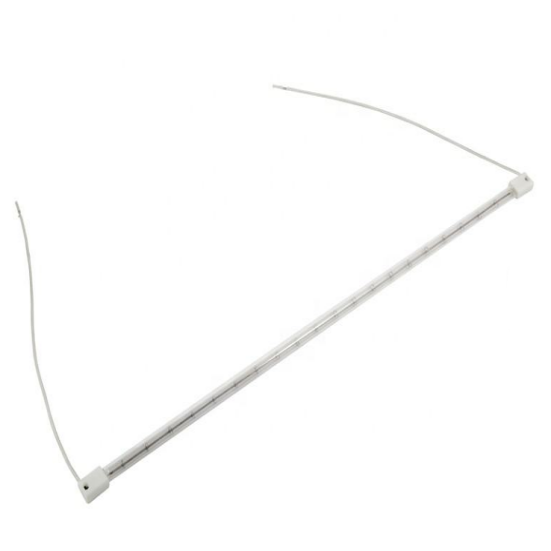
For packaging and industrial container manufacturing lines across South Jeolla and Gwangju, our star-filament and twin-tube half-white quartz heating emitters provide penetrating short-wave energy that uniformly softens heavy preforms in a fraction of standard cycle times, drastically lowering scrap rates.
High-Purity Fused Quartz vs. Industrial Glass Alternatives
Procurement engineers in Gwangju require verifiable material constants to model oven thermal profiles and chemical compatibility. The table below outlines empirical benchmarks achieved by our certified quartz glass pipes.
| Material Parameter | Kavri Fused Quartz Pipe (High Purity) | Borosilicate Glass 3.3 | Impact on Gwangju Industrial Lines |
|---|---|---|---|
| SiO₂ Content | ≥ 99.99% (Spectrographic Verified) | approx. 81% | Eliminates metallic ionic contamination in photonics & semiconductor furnaces. |
| Maximum Working Temperature | 1150°C (Continuous) / 1450°C (Peak) | 450°C (Continuous) / 500°C (Peak) | Permits high-temperature CVD, thermal annealing, and aggressive infrared curing. |
| Thermal Expansion Coeff. (α) | 5.5 × 10⁻⁷ cm/cm·°C (20–320°C) | 33 × 10⁻⁷ cm/cm·°C | Outstanding thermal shock resistance; zero shatter when heated to 1000°C and water-quenched. |
| Optical Transmission Range | 190 nm (Deep UV) to 3.5 μm (Infrared) | 310 nm to 2.5 μm | Maximizes radiant heating efficiency and supports precision UV cure crosslinking. |
| Softening Point | approx. 1683°C | approx. 820°C | Prevents structural sagging or bore distortion in horizontal high-heat process chambers. |
| Dielectric Strength (at 20°C) | 25–40 kV/mm | 15–20 kV/mm | Superior electrical isolation in high-voltage industrial heating cassettes and plasma equipment. |
Navigating Gwangju’s Industrial Transformation: Green Electrification & Photonic Scalability
The manufacturing base of Gwangju is experiencing two simultaneous macroeconomic shifts: first, the rapid modernization of the automotive cluster toward carbon-neutral smart factories and EV component assembly; second, the aggressive expansion of photonics-converged artificial intelligence (AI) chips, next-generation optical transceivers, and green hydrogen equipment in Honam.
Traditional gas-fired or ceramic resistance ovens are rapidly being replaced by directional quartz infrared heating pipes across modern Gwangju plants. Because tungsten-halogen and carbon-fiber quartz tubes reach target operating temperatures in under 1.5 seconds, energy consumption is slashed by 30% to 50% through rapid pulsing. Furthermore, Korean procurement directors require supply chain resilience with fast transit turnaround. Positioned directly across the Yellow Sea in Lianyungang, Kavri Quartz offers dedicated sea-freight channels straight to Incheon, Busan, and Gwangyang ports, drastically reducing safety stock overhead and lead times compared to Western European suppliers.
Why South Korean Industrial Leaders Source From Kavri Quartz
With an onsite-verified track record since 2014, over a decade of OEM engineering expertise, and direct mineral resource integration in Donghai, we combine competitive factory pricing with meticulous quality assurance.
Source Material Advantage (Donghai Cluster)
Located in Lianyungang, we directly access Donghai’s world-renowned high-grade silica mines. This ensures pristine raw quartz sand input, eliminating trace heavy metals (Fe < 0.2 ppm, Al < 14 ppm) right from the primary smelting phase.
Global Export Track Record (81–90%)
The vast majority of our production is exported to highly regulated markets including Germany, the Netherlands, Japan, South Korea, and the USA. Our engineering documentation, dimensional drawings, and certificates of analysis meet rigorous Korean KS standards.
Drawing-to-Part Custom OEM/ODM
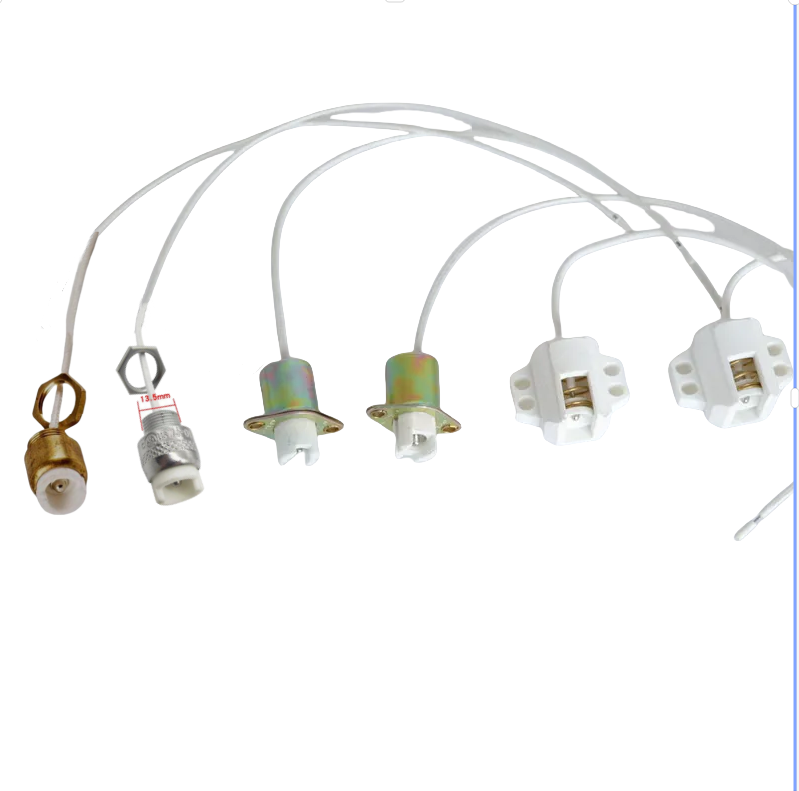
Whether you require single tube, twin tube (11x23mm or 15x33mm), ruby quartz envelopes, 24K gold mirror backing, half-white ceramic reflectors, or custom ceramic end caps (R7S, lead wire, flat blade), we build strictly to your CAD drawing or physical sample.
Multi-Stage Batch Inspection & QC
Every shipment undergoes laser micrometer diameter checks, concentricity measurement, spectrographic transmission verification, and burn-in tests at rated voltages. Video proof and dimensional test reports are supplied prior to dispatch.
Zero-Breakage Export Packaging
Fragile quartz tubing demands specialized packaging. We employ multi-layer shock-absorbing pearl cotton suspended inside reinforced wooden cases with built-in tilt/shock indicators, ensuring flawless arrival at Gwangju logistics docks.
Fast Response Under 4 Hours
Our bilingual engineering and sales teams operate across matching Asian business time zones. Technical inquiries, custom pricing sheets, and feasibility reviews are delivered in 4 hours or less on working days.
Frequently Asked Questions for Gwangju Buyers
Clarifications regarding dimensional tolerance standards, customs tariffs, shipping arrangements to South Korea, and custom manufacturing specs.
What outer diameter (OD) and wall thickness tolerances can you hold on quartz glass pipes?
What shipping terms and delivery transit times apply when exporting to Gwangju?
How do we select between ruby quartz, gold-coated, and clear quartz infrared heating lamps?
• Clear Short-Wave Quartz Lamps: Maximum penetrating power (~1.0–1.2 μm peak), ideal for preform reheating in PET blowing and deep penetration into thick resin substrates.
• Gold-Coated Quartz Lamps: A 24K gold mirror layer is bonded to the rear half of the tube, redirecting over 95% of infrared energy forward. This prevents rear heat loss, protects oven wall insulation, and concentrates radiant flux on automotive finishes or battery foils.
• Ruby Quartz Lamps: The doped red quartz envelope filters out intense glare, retaining short-wave thermal energy while providing a safe visual environment for manual automotive spray booths and comfort heating areas.