Drying IR
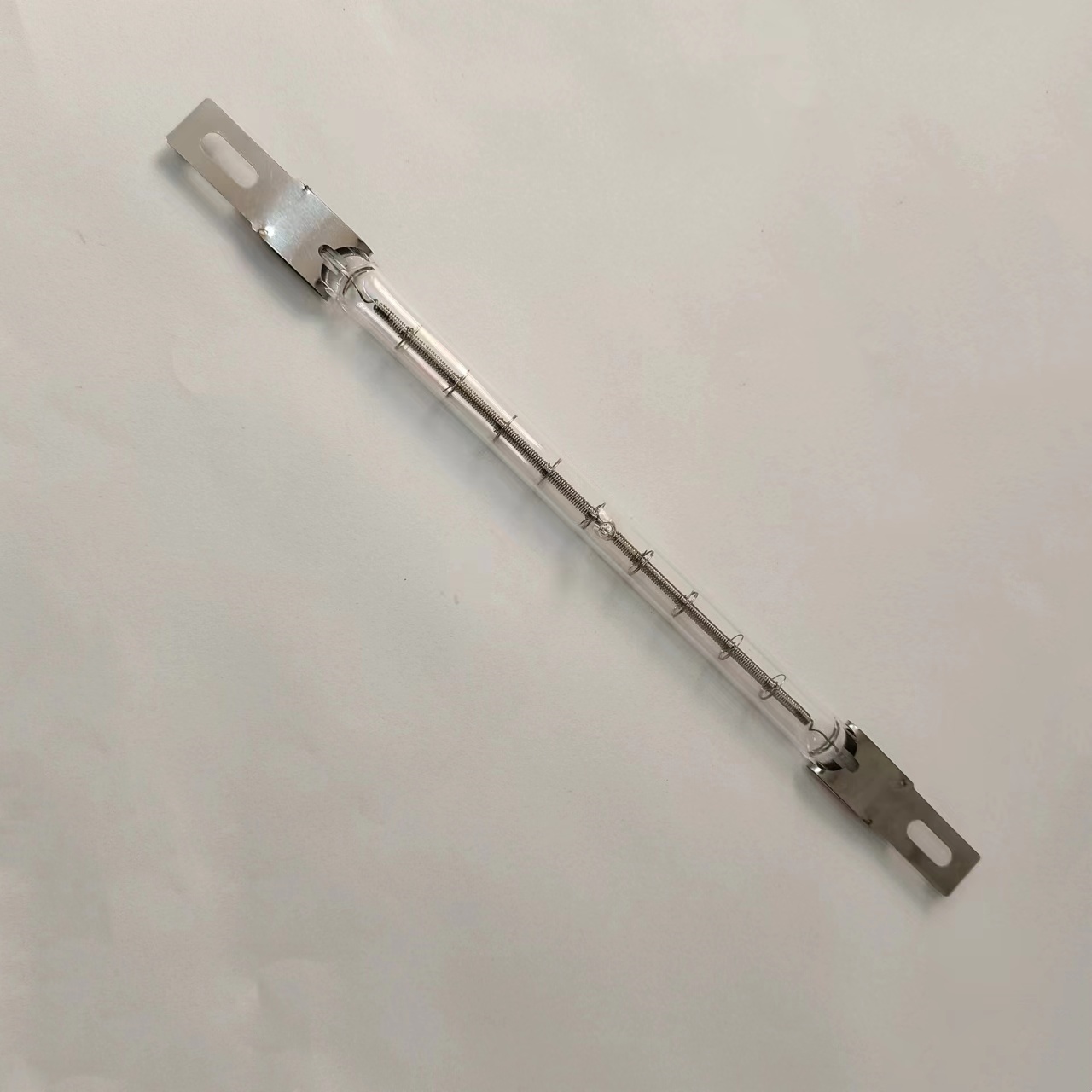
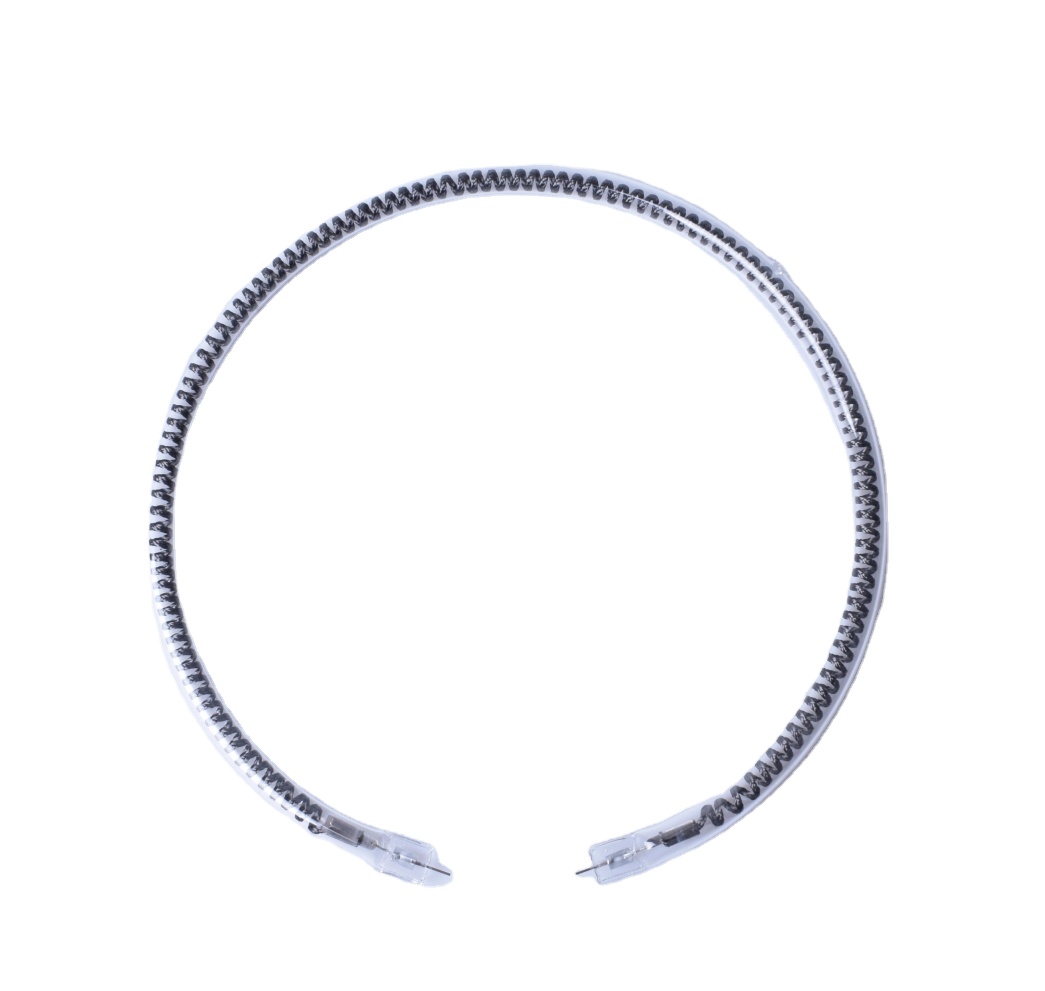
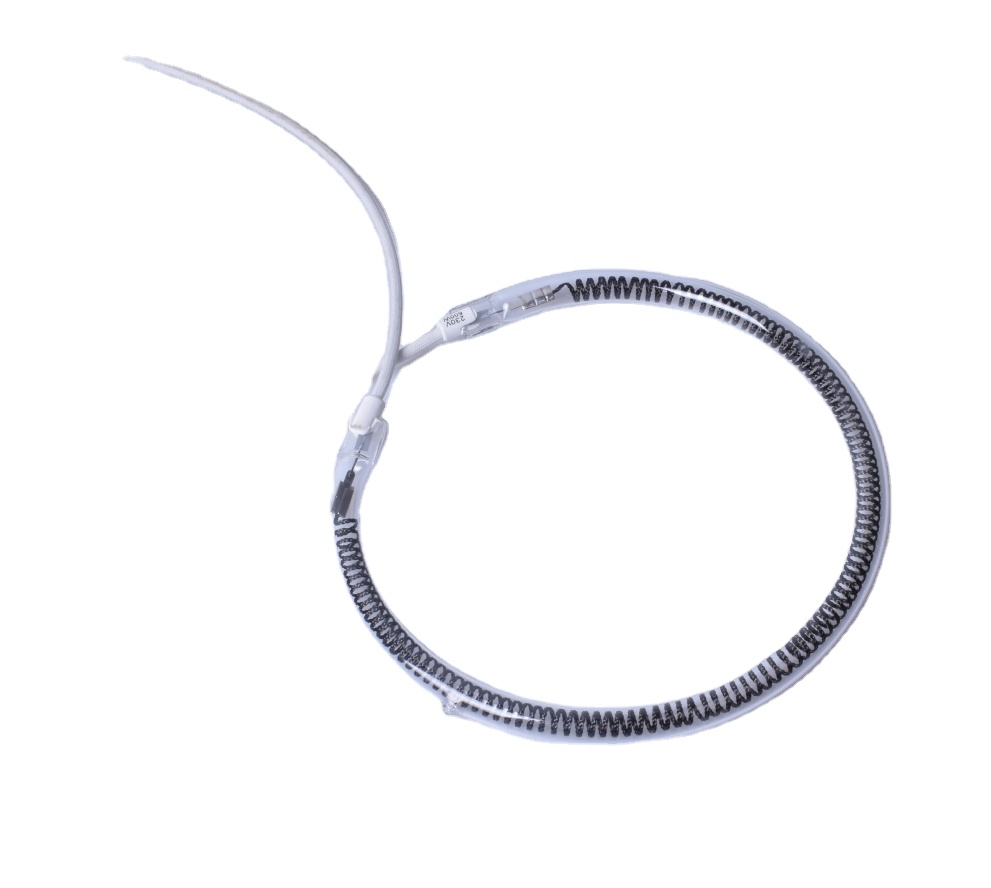
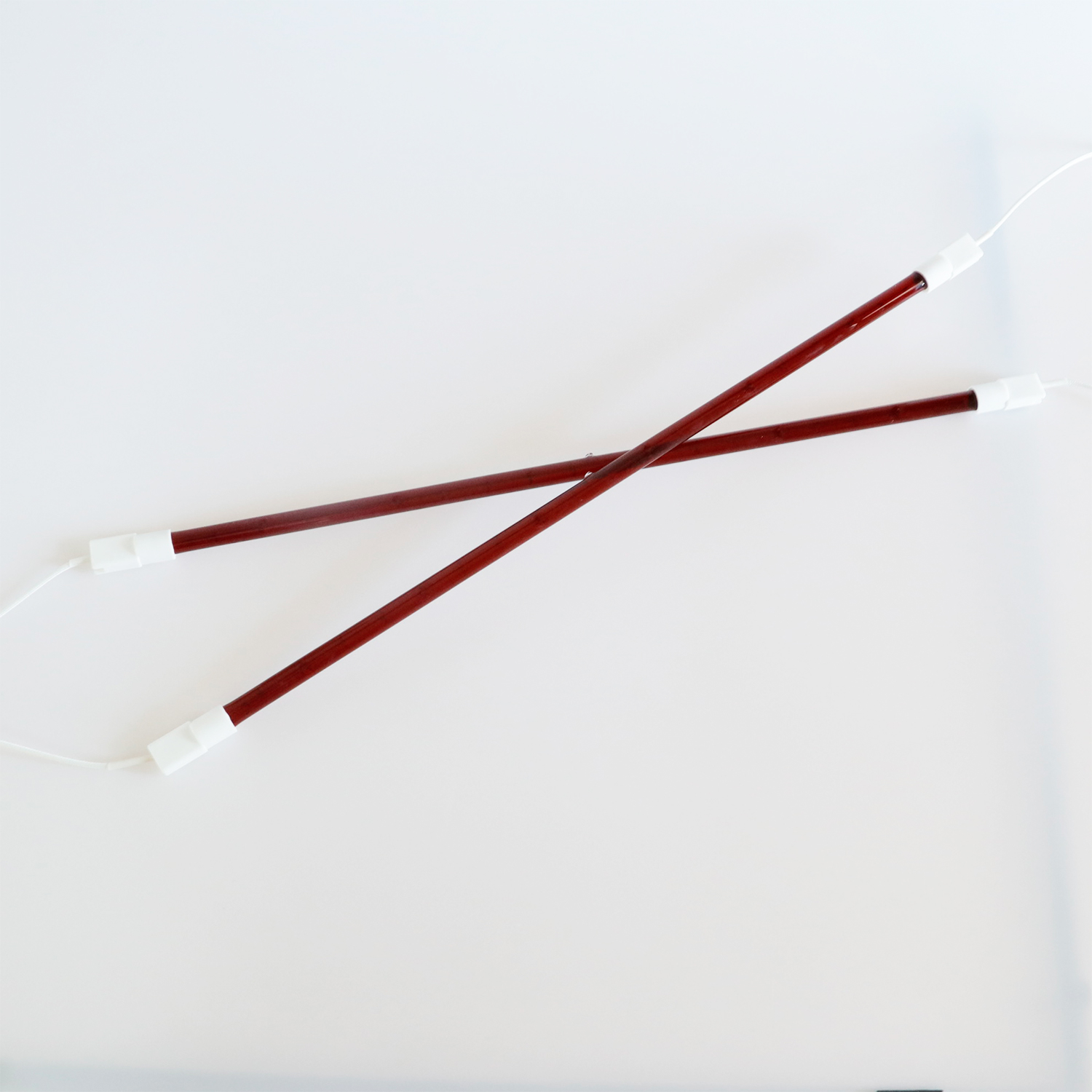
13195X Metal Clip 480mm 220v 1000w clear Infrared Heat Lamp for Printer Drying Machine
- Length: 480mm
- 220V / 1000W
- Tungsten Halogen
A rigorous metallurgical and optical assessment of high-purity synthetic silica (JGS1) and fused quartz flow chambers engineered to satisfy ISO 9001 and CE standards across Czech research universities, biotech incubators, and biopharmaceutical packaging corridors.
Kavri Quartz Product Co., Ltd. integrates direct geological access to Donghai high-purity silicon dioxide (≥99.998% SiO2) with state-of-the-art optical laser slicing, thermal micro-diffusion bonding, and precision annealing ovens. As analytical instrumentation advances within Prague research corridors—from the Institute of Organic Chemistry and Biochemistry of the Czech Academy of Sciences (IOCB Prague) to biotechnology hubs in Vestec (BIOCEV)—instrument engineers demand flow cells with ultra-tight dimensional tolerances, exceptional deep-UV transmission down to 190 nm, zero autofluorescence under continuous 488 nm/532 nm laser excitation, and bubble-free molecular bonds capable of resisting high hydraulic backpressures in continuous-flow capillary systems.
Fabricated using synthetic fused silica (JGS1), our optical windows guarantee >88% internal transmittance at 200 nm and >92% across visible-NIR bands (220–2500 nm), precluding baseline drift during high-performance liquid chromatography (HPLC) gradient elution.
Unlike resin-glued or flux-welded cuvettes vulnerable to solvent erosion from tetrahydrofuran (THF), acetonitrile, or strong acids, Kavri flow cells utilize adhesive-free thermal fusion. Channel surfaces maintain monolithic crystalline integrity up to 50 bar.
Optical path lengths from 10 mm standard analytical configurations down to 0.1 mm micro-apertures are held within ±0.005 mm tolerance, ensuring zero optical aberration in automated blood clinical analyzers, flow cytometers, and spectrophotometers.
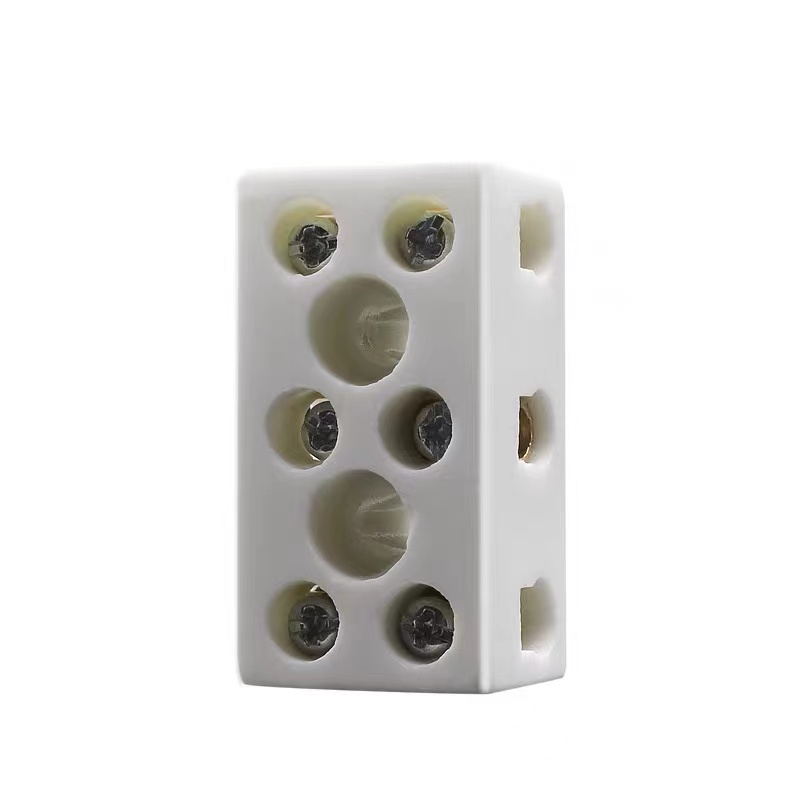
Explore our integrated production program featuring quartz flow components, precision heating lamps, and electrical assemblies designed for European machine builders and laboratory facilities.
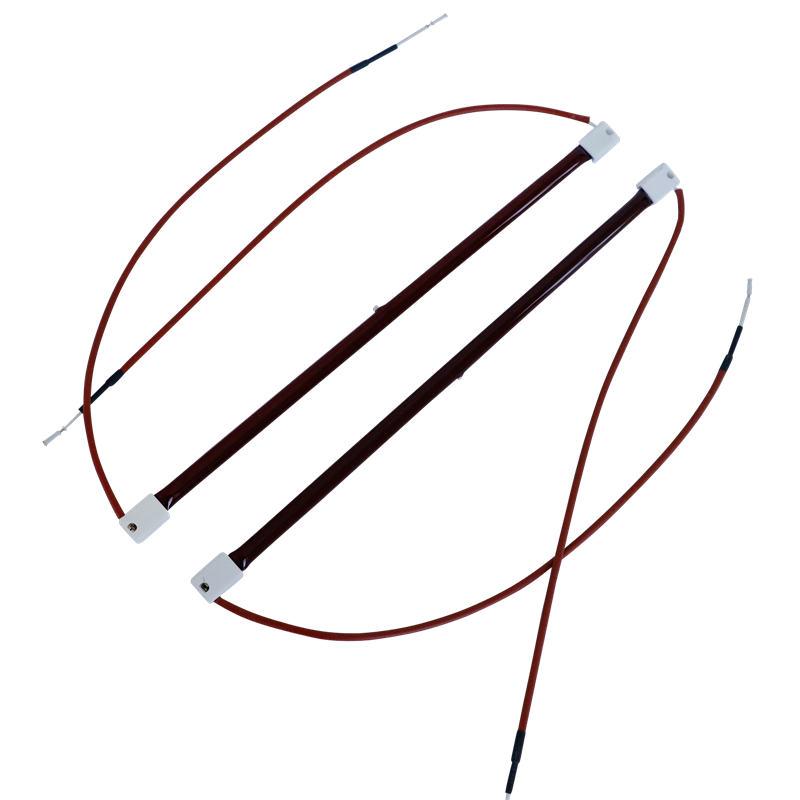
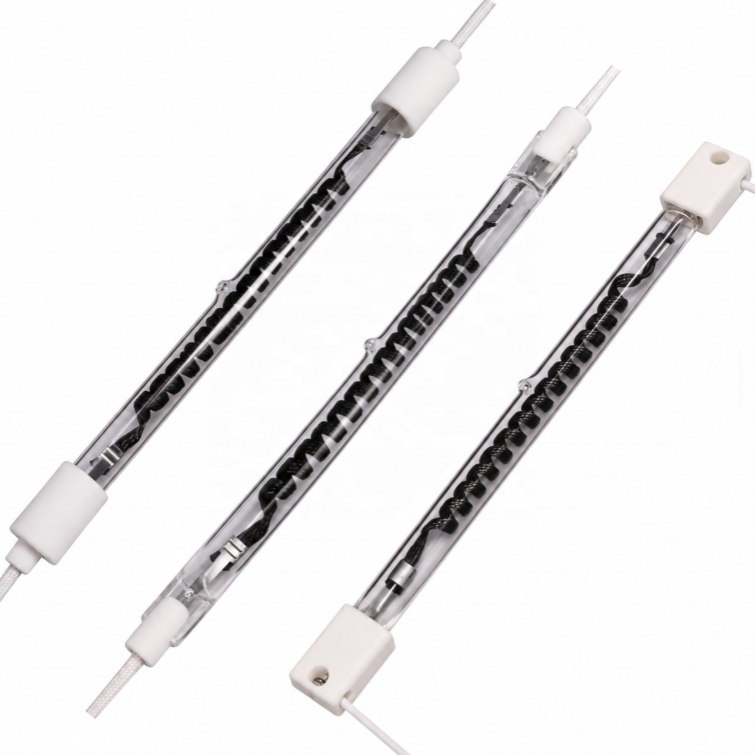
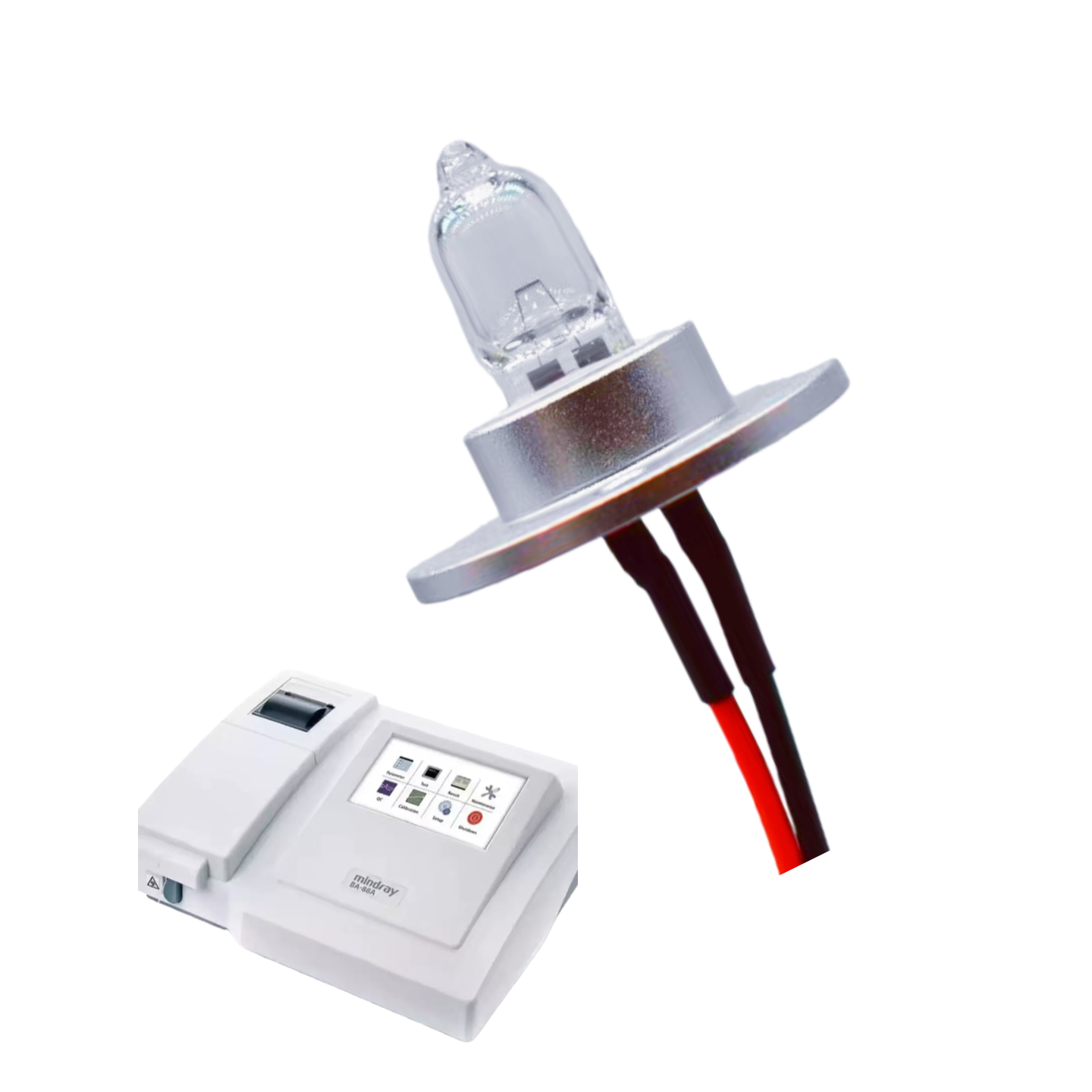
Examining how high-purity quartz flow cells, cuvettes, and matched infrared emitters empower critical laboratories, pharmaceutical synthesis facilities, and process engineering plants across the Czech Republic.
Within the Biotechnology and Biomedicine Center of the Academy of Sciences and Charles University in Vestec, Prague-West, our 32 µL and 10 mm path-length quartz flow cells are deployed in automated flow cytometry, protein crystallization monitoring, and laser-induced fluorescence spectrometry. The superior internal surface polish (scratch-dig 20/10) reduces light scatter to near-zero levels, enabling sub-nanomolar fluorophore detection.
Pharmaceutical facilities in Prague 10 (Dolní Mĝcholupy) and surrounding Central Bohemian cleanrooms utilize our thermal diffusion-bonded quartz flow chambers for process analytical technology (PAT). The cells withstand in-line clean-in-place (CIP) steam cycles at 134°C and aggressive organic matrices like dimethyl sulfoxide (DMSO) and methylene chloride without optical clouding or delamination.
Prague municipal and regional water testing authorities require long-duration optical flow cells for UV-absorbance TOC (total organic carbon) and nitrate analyzers. Engineered with hydroxyl-free JGS1 fused silica, Kavri flow cells exhibit impervious resistance to prolonged solarization under intense 254 nm germicidal UV illumination, maintaining baseline reproducibility over years of unmanned operation.
Prague holds a venerable status in chemical and physical instrumentation, from Jaroslav Heyrovský's Nobel prize-winning polarography at Charles University to cutting-edge virology and nucleotide chemistry at IOCB Prague. Supplying quartz hardware into this discerning market requires adherence to European Pharmacopoeia (Ph. Eur. 2.2.25) spectrophotometric accuracy protocols. Every custom quartz flow cell dispatched from our facility includes traceable interferometric dimensional reports and UV-Vis transmission spectrophotometry curves.
Evaluate technical differences between synthetic silica, natural fused quartz, and borosilicate to select the optimal optical material for your analytical instrument program in Prague.
| Material Designation | Spectral Range (T > 80%) | OH Content (ppm) | Laser Damage Threshold | Chemical Resistance (pH) | Primary Czech Lab Application |
|---|---|---|---|---|---|
| JGS1 (Synthetic Fused Silica) | 190 nm – 2,200 nm (Deep UV) | < 5 – 20 ppm | > 5.0 J/cm² @ 355 nm | pH 1.0 – 11.5 | Capillary Cytometry, HPLC UV Detectors, IOCB Research |
| JGS2 (Optical Fused Quartz) | 220 nm – 2,500 nm (Standard UV-Vis) | < 30 ppm | > 2.5 J/cm² @ 532 nm | pH 1.5 – 11.0 | Clinical Chemistry (Mindray BA-88A), Spectrophotometry |
| JGS3 (Infrared Fused Quartz) | 260 nm – 3,500 nm (NIR-IR) | < 5 ppm (Water-free) | > 3.0 J/cm² @ 1064 nm | pH 1.5 – 11.0 | Process FTIR, Gas Chromatography IR Emitters, NIR PAT |
| Borosilicate Glass 3.3 (Benchmark) | 320 nm – 2,000 nm (Vis Only) | N/A | < 0.8 J/cm² @ 532 nm | pH 2.0 – 9.0 | Standard Teaching Cuvettes, General Industrial Sight Glass |
Standard commercial cuvettes often use low-melting-point glass frit to weld optical plates to side walls. Under ultrasonic cleaning cycles or exposure to basic buffers in Czech biochemical laboratories, these frit lines leach boron, generate microscopic cracks, and fail mechanically. Kavri Quartz implements molecular contact bonding under high vacuum (<10-4 Pa) at 1150°C. The joint surfaces fuse into a single continuous silica crystal matrix, yielding unbroken refractive index continuity across the measurement aperture.
Quartz glass possesses an ultra-low thermal expansion coefficient of 5.5 × 10⁻⁷ / K between -50°C and 900°C. In high-power laser scattering and variable-temperature chromatography setups in Prague laboratories, this prevents thermal lensing and optical focal shifts. Even during sudden wash steps switching between 80°C hot buffer solutions and ambient mobile phase, the flow cell exhibits zero transient baseline refraction.
Strategic analysis of advancing optical instrumentation, continuous micro-reaction architectures, and localized European supply chain transformations.
Czech specialty synthesis labs are migrating from batch stir-tanks to microfluidic flow reactors. This requires transparent quartz flow cells capable of simultaneous photochemical activation (using high-power UV-A/UV-C LEDs) and continuous optical spectroscopy. Our multi-window customized flow chambers feature optical path lengths as small as 50 µm to mitigate strong solvent absorption bands.
With recombinant proteins, antibody-drug conjugates (ADCs), and mRNA therapies being synthesized in micro-quantities within Prague biotechnology incubators, sample preservation is paramount. Kavri's sub-microliter (down to 2.5 µL internal swept volume) quartz Z-cells eliminate fluidic dead space and eddy currents, ensuring laminar flow and rapid peak resolution in ultra-high-performance liquid chromatography (UHPLC).
Rather than purchasing re-branded quartzware at inflated distributor margins across Western European trading houses, Czech procurement teams are connecting directly with Chinese verified primary manufacturers. Direct communication with Kavri's engineering group shortens prototype custom cycles from 16 weeks down to 18 business days, backed by guaranteed spare-part inventory for 10+ years.
Combining primary quartz raw material processing with high-vacuum emitter sealing and CNC optical grinding under one certified ISO manufacturing environment.
Situated in Lianyungang, adjacent to Donghai—the global epicenter for crystalline silica refinement—Kavri controls its raw fused silica boules, ensuring strict purity standards without third-party markups.
Custom drawings submitted via CAD/STEP files are reviewed within 4 hours. CNC optical machining centers and flame-polishing masters produce evaluation prototypes in as little as 10–14 days.
Every cuvette aperture, flow cell face, and infrared envelope is inspected via Zygo optical profilers for flatness (λ/4 @ 632.8 nm), parallelism (≤10 arcseconds), and helium mass spectrometer leak detection.
Complete export customs processing, hazardous-grade high-density custom EPE foam shock protection, and door-to-door delivery straight to your laboratory or plant in Prague within 5–7 transit days via air courier.
Straightforward technical, logistical, and compliance answers addressing the import and deployment of quartz flow cells and optical emitters into the Czech Republic.
Connect directly with Kavri Quartz optical specialists. Send your custom CAD drawings, dimensional parameters, or replacement cuvette model numbers for a detailed engineering feasibility evaluation and formal quotation within 4 hours.
Send an Inquiry