Featured Industrial Heating & Optical Quartz Lineup
OEM and replacement components built to microscopic tolerances, high thermal tolerance (>1100°C), and certified spectral transmission standards for clinical, process, and industrial buyers.
Precision spectrophotometry, continuous-flow microfluidic analysis, and automated chemical diagnostic systems require liquid containment structures with absolute dimensional stability and optical neutrality. For clinical pathologies, industrial process quality control, and environmental assays in Masaya, Nicaragua, procurement teams face a critical challenge: securing high-purity quartz flow cells (celdas de flujo de cuarzo) and custom fused silica thermal consumables without bearing exorbitant Western intermediary markups or enduring extended delivery backlogs.
1. Molecular Sintering & Photometric Metrology: The Engineering Standard
A quartz flow cell is not merely a piece of laboratory glassware; it is an optical component functioning as an integrated window within high-resolution optical pathways. When measuring absorbance in ultraviolet-visible (UV-Vis) or near-infrared (NIR) spectra, any internal micro-fissure, wall thickness disparity, or residual thermal stress induces refraction errors, beam scattering, and baseline drift.
At our specialized production facility in Lianyungang (China's leading quartz and crystal manufacturing zone), each quartz flow cell is constructed using optical-grade synthetic fused silica (JGS1) or high-grade optical quartz (JGS2). Unlike conventional Borosilicate cells, which absorb heavily below 320 nm, JGS1 synthetic silica provides an uninterrupted transmission spectrum from 190 nm through 2500 nm. This characteristic is mandatory for automated clinical analyzers quantifying enzymatic reactions, urea nitrogen, creatinine, and nucleic acid concentrations at 260 nm and 280 nm.
| Material Class | Spectral Usability Window | SiO2 Purity Rating | Coefficient of Expansion (α) | Primary Nicaraguan Application |
|---|---|---|---|---|
| JGS1 (Synthetic Fused Silica) | 190 nm – 2500 nm (Deep UV) | ≥ 99.999% | 5.5 × 10⁻⁷ / K | Clinical Biochemistry, HPLC, Gene Sequencing |
| JGS2 (Optical Fused Quartz) | 220 nm – 2500 nm (Standard UV-Vis) | ≥ 99.99% | 5.5 × 10⁻⁷ / K | Industrial Photometry, Agro-Process QC, Water Testing |
| JGS3 (Infrared Fused Silica) | 260 nm – 3500 nm (Water-free IR) | ≥ 99.98% | 5.5 × 10⁻⁷ / K | Gas Absorption, NIR Spectroscopy, Hydrocarbon Sensing |
| Optical Glass (BK7 Equivalent) | 340 nm – 2500 nm (Visible only) | Multi-component | 7.1 × 10⁻⁶ / K | Basic Colorimeters, Educational Demonstrations |
The manufacturing process replaces conventional high-temperature organic adhesives with proprietary molecular bonding (direct flame fusion and cold optical contact sintering). The individual optical windows and micro-machined fluidic bodies are brought into direct molecular contact under cleanroom conditions and sintered at temperatures exceeding 1200°C. The result is a monolithic quartz structure completely immune to organic solvent dissolution, acid digestion, and cleaning solutions such as sodium hypochlorite, sulfuric-dichromate wash, or ethanol.
2. Localized Industrial & Analytical Scenarios across Masaya and Region IV
Masaya serves as an essential nexus connecting the capital Managua with the productive agricultural and manufacturing centers of Granada, Carazo, and Rivas. Sourcing directors, municipal lab directors, and plant engineers across the Masaya Department deploy quartz flow cells and industrial quartz tubing in several distinct operational environments:
Clinical & Hospital Pathology Automation
Public health facilities, regional health centers under SILAIS-Masaya, and private diagnostic centers require direct-replacement flow cells (18 μL to 32 μL flow chambers) compatible with semi-automated and automated clinical chemistry analyzers (e.g., Mindray, Vitalab, Erba, Rayto).
Agro-Industrial Sugar, Distillation & Juicing
In the agro-industrial belts surrounding Masaya and neighboring departments, spectrophotometric Brix analysis, ethanol purity checks, and enzymatic assay monitoring depend on corrosion-resistant quartz cells that resist continuous hot juice flushes.
Volcanic Hydrology & Water Analysis
Monitoring municipal groundwater around the active Masaya Volcano caldera and Lake Apoyo requires continuous photometric assays for fluorides, sulfates, trace arsenic, and heavy metals with optical cells free of chemical leachates.
PET Packaging & Bottle Blow Molding
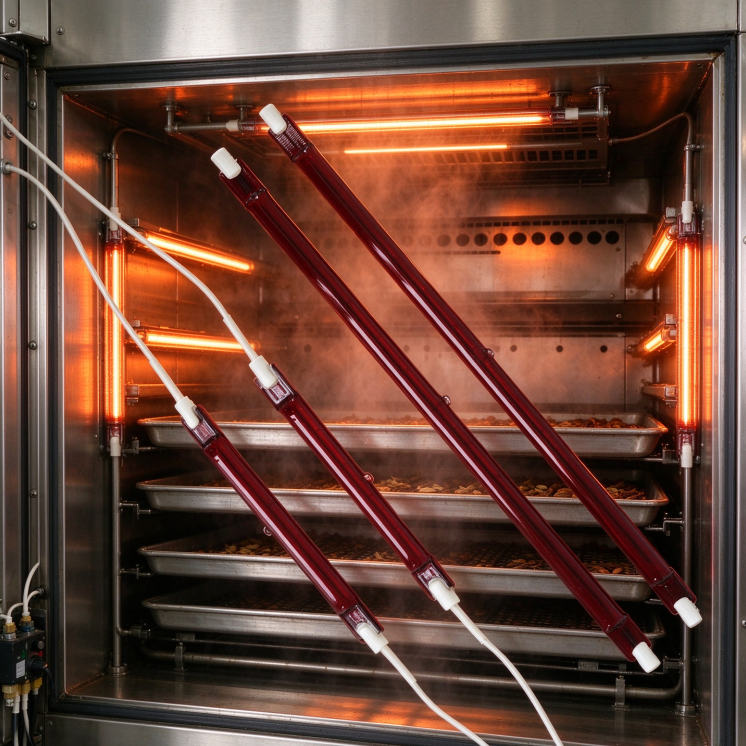
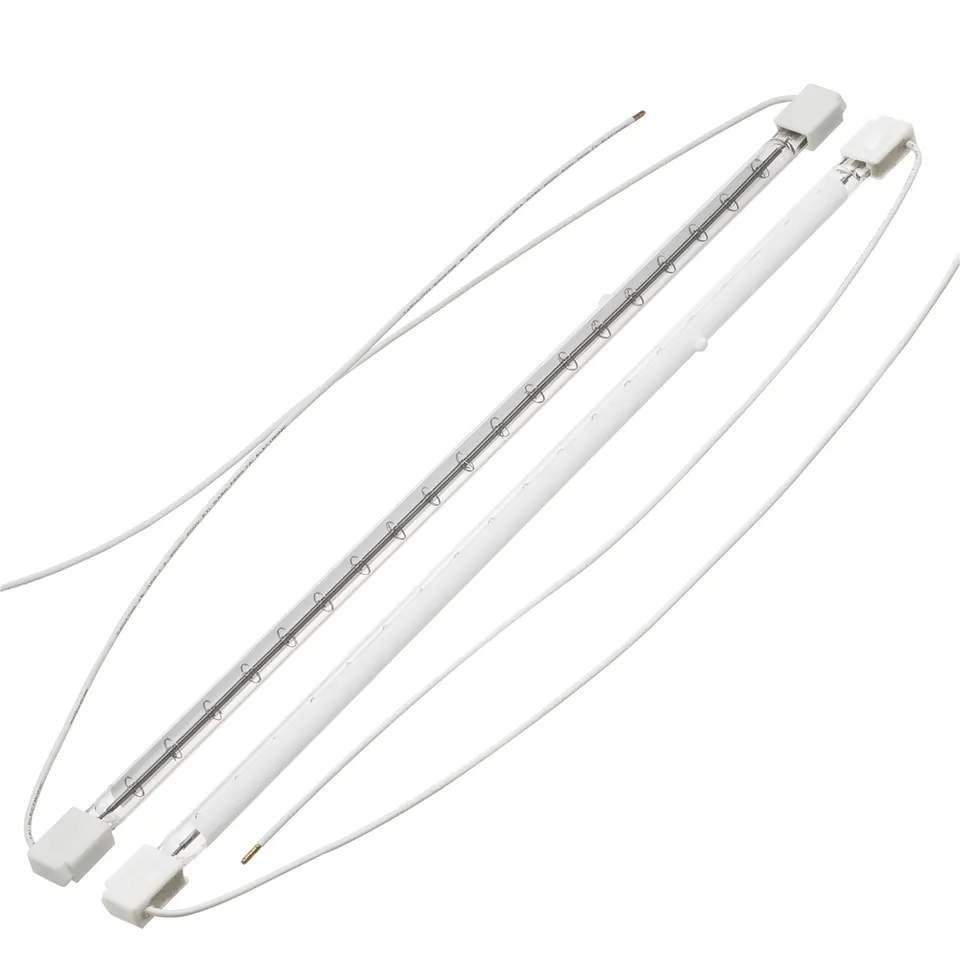
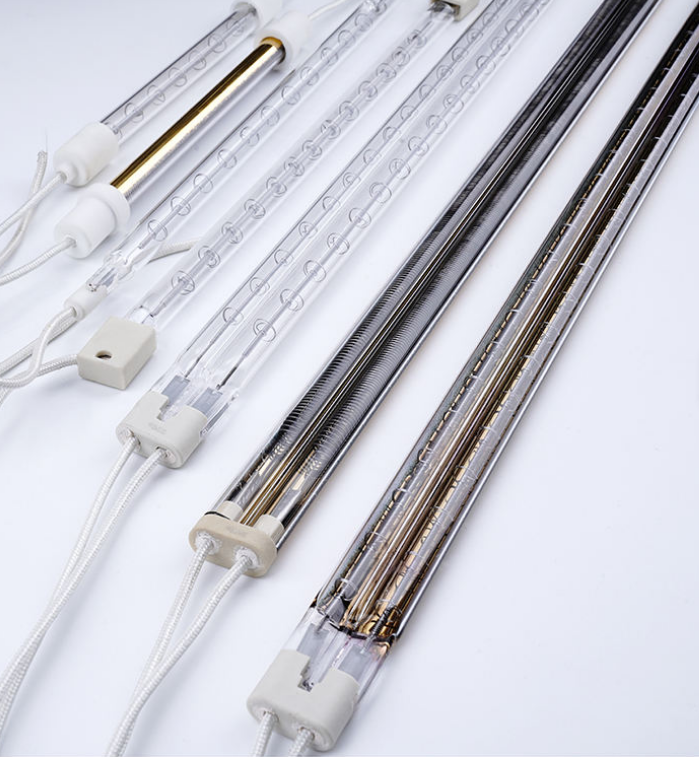
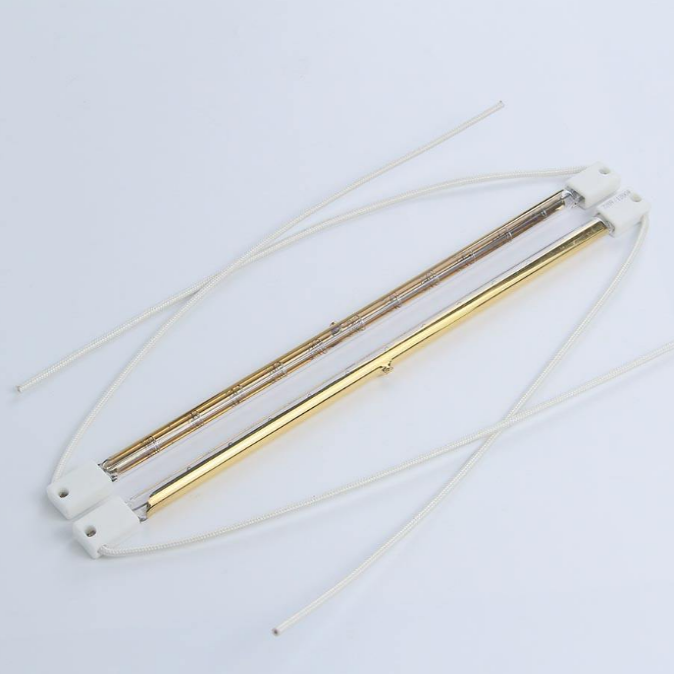
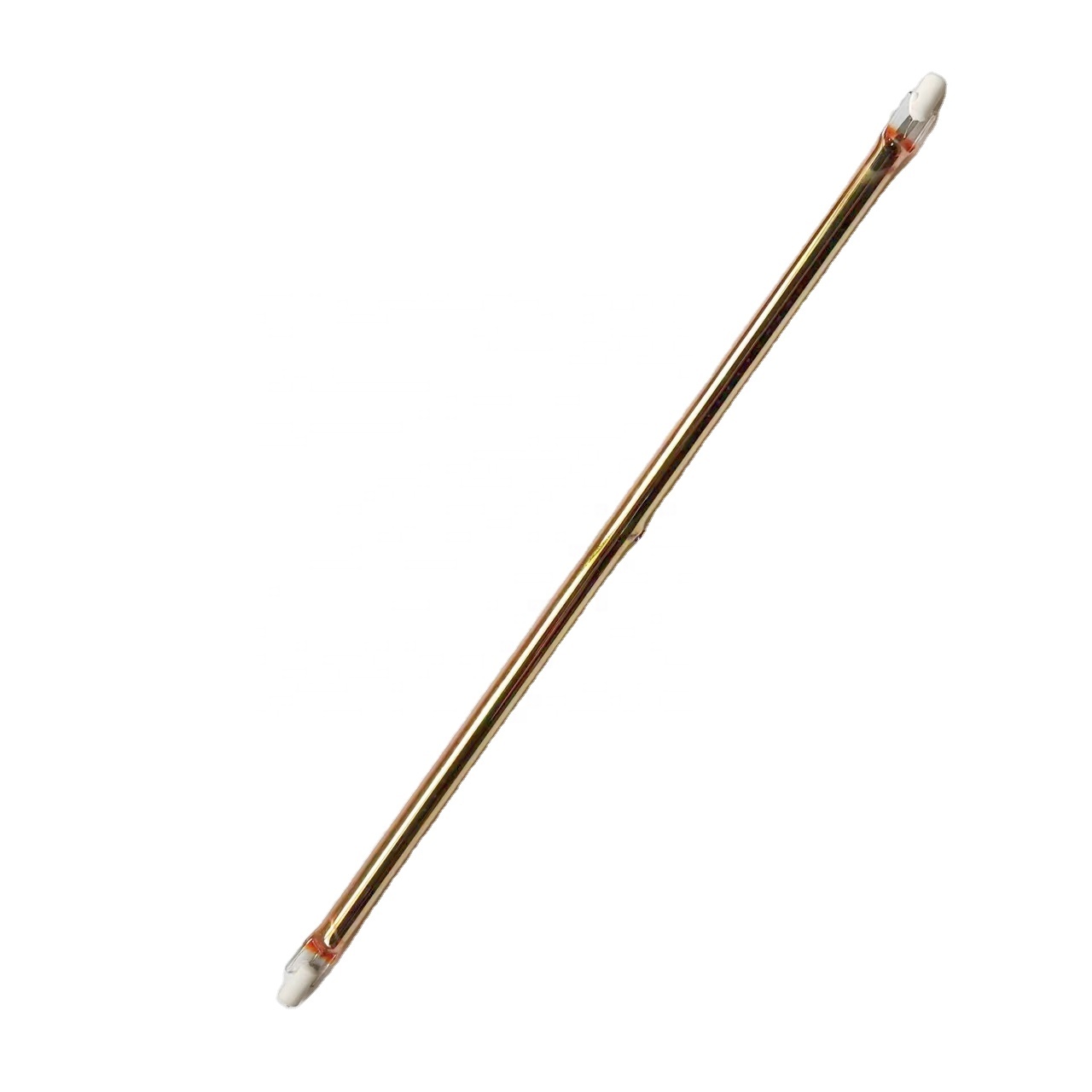
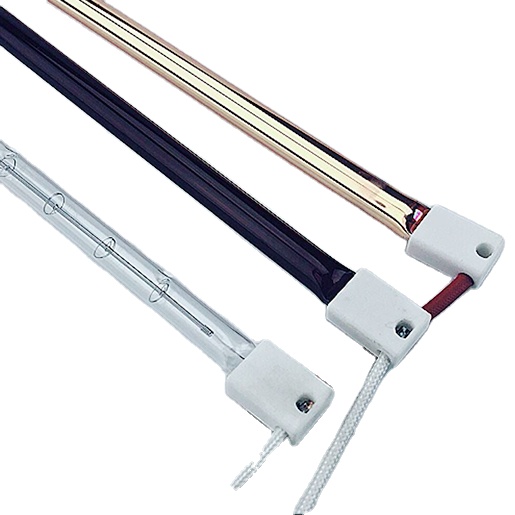
Industrial converters and food packagers along the Masaya Highway utilize short-wave quartz halogen infrared emitters (star filament, gold, and white coated) for uniform preform heating before inflation.
Textile & Screen Print Curing Ovens
Masaya's artisan and light industrial textile workshops rely on ceramic-linear and twin-tube carbon fiber infrared lamps that emit medium-wave energy tuned to water-based ink curing without scorching fabrics.
Academic & Institutional Research Laboratories
Research units under UNAN and regional polytechnic institutes use customized fused silica cuvettes, absorption windows, and precision quartz tubing for biochemical and environmental thesis projects.
3. Regional Trends in Spectrophotometric & Quartz Consumable Procurement
Procurement workflows within the Central American corridor are undergoing three significant structural transitions that directly influence purchasing decisions in Masaya:
A. Transition to Micro-Volume Flow Cells: Diagnostic laboratories are systematically upgrading from standard 10 mm path length macro-cuvettes (which require 1.0 to 3.0 mL of liquid volume) to micro-aperture flow cells with optical apertures of 1 mm to 3 mm and chamber volumes ranging from 10 μL to 32 μL. Due to the high cost of imported analytical enzymatic reagents delivered through Managua airfreight, minimizing reagent consumption directly reduces per-test operating expenses. A custom quartz flow cell with precise path length tolerance ensures signal-to-noise ratios remain robust even with sample volumes below 25 μL.
B. Diversification from Intermediary Importers to Direct OEM Contracts: Historically, laboratory procurement agents in Masaya relied on secondary suppliers based in Costa Rica, Guatemala, or the United States, facing price markups of 300% to 500% alongside multi-week customs delays. With bilateral trade infrastructure between China and Nicaragua expanding under the Free Trade Agreement (FTA), local laboratories, clinics, and industrial plants are increasingly sourcing direct from Chinese manufacturers. Bypassing third parties secures consistent batch matching, certified optical inspection reports, and customized quartz geometries.
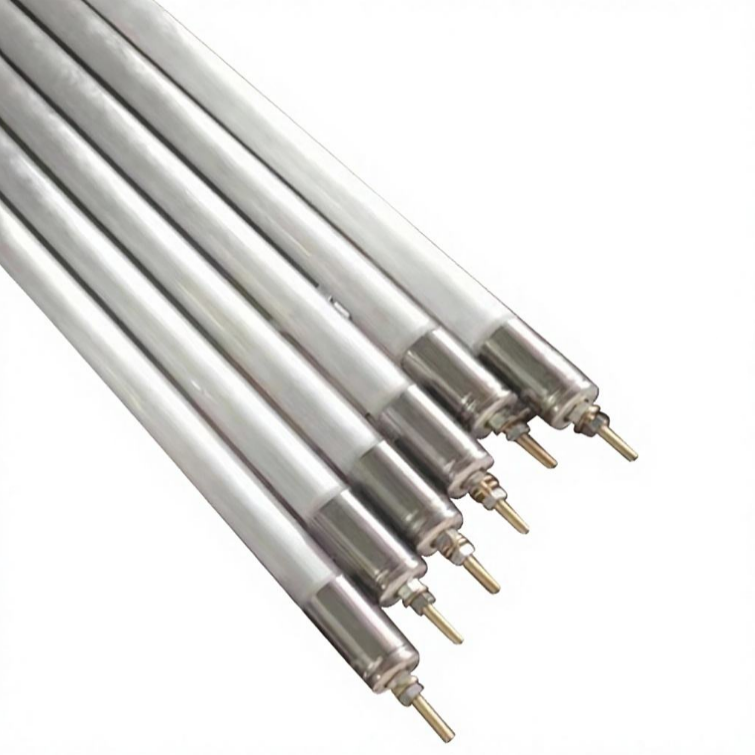
C. Demand for Dual-Spectrum Thermal and Optical Consumables: Industrial facilities running blow molding, drying, or laboratory ovens prioritize suppliers that provide both analytical optical glassware (flow cells, test tubes, crucibles) and process heating components (halogen lamps, carbon emitters, furnace tubes). Sourcing both product categories from a single verified manufacturer reduces shipping paperwork, simplifies import clearing through Corinto or Augusto C. Sandino International Airport, and consolidates vendor liability.
4. Fluid Dynamics & Optical Alignment in Flow Cell Design
Maintaining high reproducibility across hundreds of daily assays requires precise fluid dynamic engineering within the cell chamber. Our manufacturing protocols address two critical failure points in micro-spectrophotometry:
Cavitation and Micro-Bubble Retention: In standard rectangular chambers, sharp interior angles create micro-eddy currents where dissolved air can coalesce into micro-bubbles. When bubbles attach to the optical window, they cause severe light scattering and erratic absorbance spikes. Our precision machining incorporates streamlined, laminar-flow conduit transitions and polished internal flow paths (surface roughness Ra < 0.05 μm) to ensure swept volumes are cleared cleanly with minimal rinse cycles.
Parallelism and Path Length Calibration: Beer-Lambert law calculations ($A = \epsilon \cdot c \cdot l$) assume an exact optical path length ($l$). Our CNC grinding and lap-polishing machines maintain path length tolerances within ±0.005 mm. The opposing optical transmission faces achieve optical parallelism within ≤ 10 arcseconds, eliminating beam steering when cells are inserted into the spectrophotometer housing.
5. Enterprise Advantages: Kavri Quartz's Manufacturing Capability
With operations dating back to 2014, Kavri Quartz Product Co., Ltd. combines technical specialization in high-temperature infrared radiation emitters with advanced fused silica precision instruments. Sourcing buyers in Masaya benefit from the core structural strengths of our factory:
Lianyungang Raw Silica Cluster
Located near Donghai, the hub for high-purity natural and synthetic silicon dioxide crystals, we maintain stable raw material supplies, low production overheads, and traceable chemical composition.
10+ Years Dedicated OEM/ODM
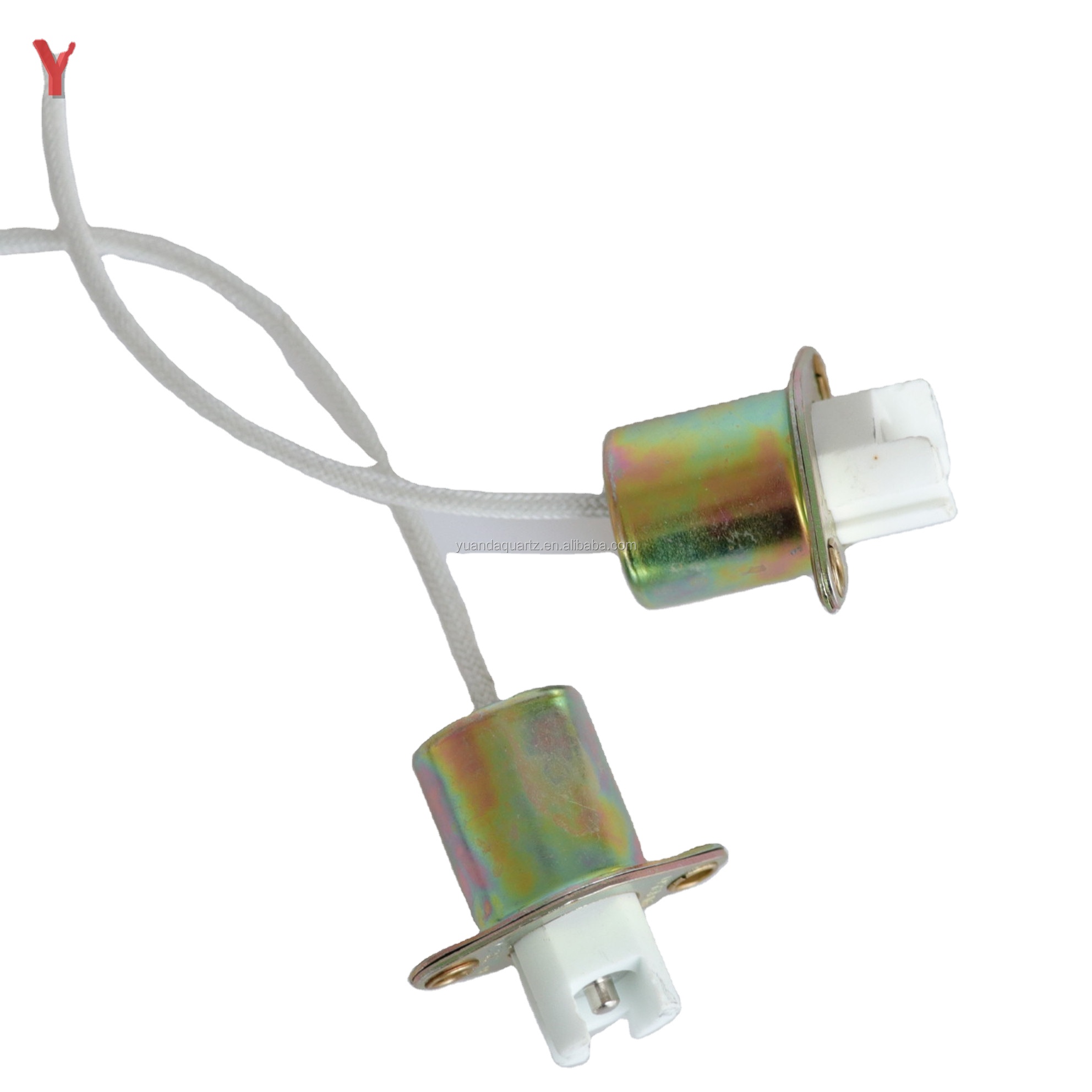
We fabricate custom dimensions, twin-bore designs, custom lead terminations, reflector coatings, and special optical path lengths directly from technical drawings or physical samples.
3 In-House Production Lines
Our facility operates separate specialized lines for automated quartz tube drawing, CNC optical cold-working/polishing, and controlled halogen/vacuum emitter sealing.
Export Packing & Shock-Proof Logistics
Export shipments use multi-stage custom cushioning, anti-static vacuum sealing, and reinforced corrugated crates engineered to withstand multi-port marine routes and rough inland transit.
6. Practical Chemical Resistance & Cleaning Protocol
In biological and analytical testing, cross-contamination between specimens causes baseline deviation. Because Kavri flow cells are manufactured via molecular fusion without polymer glues, laboratories can implement rigorous decontamination protocols without risking window delamination:
- Enzymatic/Protein Contamination: Flush with 0.1M NaOH containing 1% surfactant, followed by an immediate neutral rinse with double-distilled deionized water.
- Inorganic Mineral Deposits: Cleanse using 10% hydrochloric acid (HCl) or dilute nitric acid (HNO3) to dissolve metal and calcium salt build-up without etching the high-purity fused silica.
- Bacterial/Organic Biofilms: Safe for autoclaving up to 134°C or soaking in concentrated hypochlorite solutions; thermal expansion resistance prevents thermal shock fractures during heating cycles.
7. Buyer FAQ: Procurement & Logistics for Masaya Importers
Can you manufacture quartz flow cells matching obsolete clinical analyzer models?
What spectral documentation accompanies each batch of optical quartz cuvettes?
How are fragile quartz items protected during maritime or air shipment to Nicaragua?
What are the supported trade terms (Incoterms) and payment methods for Masaya buyers?
What is the minimum order quantity (MOQ) for custom-engineered quartz elements?
How does high ambient humidity and heat in Masaya affect quartz halogen heating lamps?
Request Engineering Specifications & Factory Quotations
Submit your CAD blueprints, instrument part references, or heating element requirements. Our senior optical and thermal engineers provide technical reviews and commercial CIF/DAP Masaya price proposals within 4 hours.
Send an Inquiry