Engineered Quartz Solutions & Thermal Element Components
Manufactured from ultra-pure SiO₂ raw materials from Donghai cluster. Serving heavy industrial metallurgy, chemical synthesis, and precision heating machinery.
High-Purity Fused Quartz Discs: Material Science & Thermal Robustness
An authoritative engineering assessment of optical transparency, thermodynamic tolerance, and structural integrity for industrial supply chains in Hamhung.
In high-stress industrial thermal processes, material selection dictates mechanical uptime, spectral stability, and energy efficiency. Fused quartz discs engineered by Kavri Quartz are synthesized using refined natural quartz sands characterized by silica purities exceeding 99.99% SiO₂. Unlike conventional borosilicate or soda-lime glass, fused silica features an amorphous silicon-oxygen network without network-modifying flux agents. This pristine lattice generates exceptional thermal shock resistance, minimal thermal expansion coefficient (5.5 × 10⁻⁷ /°C), and negligible dielectric loss across wide operating frequency domains.
For chemical engineering, carbochemical refining, and electrochemical applications in industrial zones like Hamhung, window materials must confront acidic fumes, harsh oxidizing environments, and high-pressure differentials. Fused quartz provides complete chemical inertness to nearly all inorganic acids, halogens, and organic solvents, excluding hydrofluoric and hot concentrated phosphoric acids. This unique chemical passivation ensures that optical inspection viewports and analytical quartzware maintain pristine optical clarity throughout continuous thermal manufacturing cycles.
| Physical / Thermal Parameter | Testing Metric (Kavri Quartz) | Standard Commercial Glass | Significance for Industrial Procurements |
|---|---|---|---|
| Silica Purity (SiO₂) | ≥ 99.99% (Trace impurities ≤ 20 ppm) | 70% – 81% | Eliminates micro-crystallization and bubble bursting under furnace operation. |
| Continuous Working Temperature | 1100 °C | 250 – 450 °C | Survives sustained high-heat exposure in metallurgy and thermal processing ovens. |
| Softening Point | 1730 °C | 820 °C | Retains geometric tolerance and surface flatness under extreme vacuum or pressure. |
| Thermal Expansion (0–300°C) | 5.5 × 10⁻⁷ / K | 33 × 10-7 / K | Zero shatter risk when quenched directly from 1000°C into cold water. |
| Optical Transmission Range | 190 nm – 3500 nm (Deep UV to Mid IR) | 380 nm – 2000 nm | Maximum efficiency for pyrometry, UV curing, and infrared thermal transmission. |
Localized Applications & Heavy Industrial Integration in Hamhung
Navigating the rigorous material demands across the chemical, metallurgical, and regional manufacturing hubs of South Hamgyong.
Hamhung represents a major chemical engineering and manufacturing cluster within the Democratic People's Republic of Korea. With industrial installations focusing on synthetic textiles (vinalon production), nitrogenous fertilizer synthesis, basic chemicals, machinery tooling, and metallurgical processing, demand for specialized fused quartz components remains critical. In these sectors, standard glass substrates crack, corrode, or cloud within weeks of continuous service.
Carbochemical & Fertilizer Plants
Direct exposure to aggressive sulfuric, nitric, and hydrochloric acid gases requires fused quartz inspection sight glasses and disc flanged ports to ensure pressure containment and clear optical monitoring of reaction chambers.
Metallurgical Kilns & Smelting Viewports
In high-temperature electric arc furnaces and sintering ovens, our optical grade quartz discs shield non-contact pyrometric thermal sensors while withstanding continuous temperatures above 1000°C without devitrification.
Precision Laboratory Instrumentation
Analytical chemistry laboratories throughout Hamhung rely on high-precision optical flat quartz discs, spectrophotometer flow cells, and circular combustion boats to guarantee zero reagent contamination.
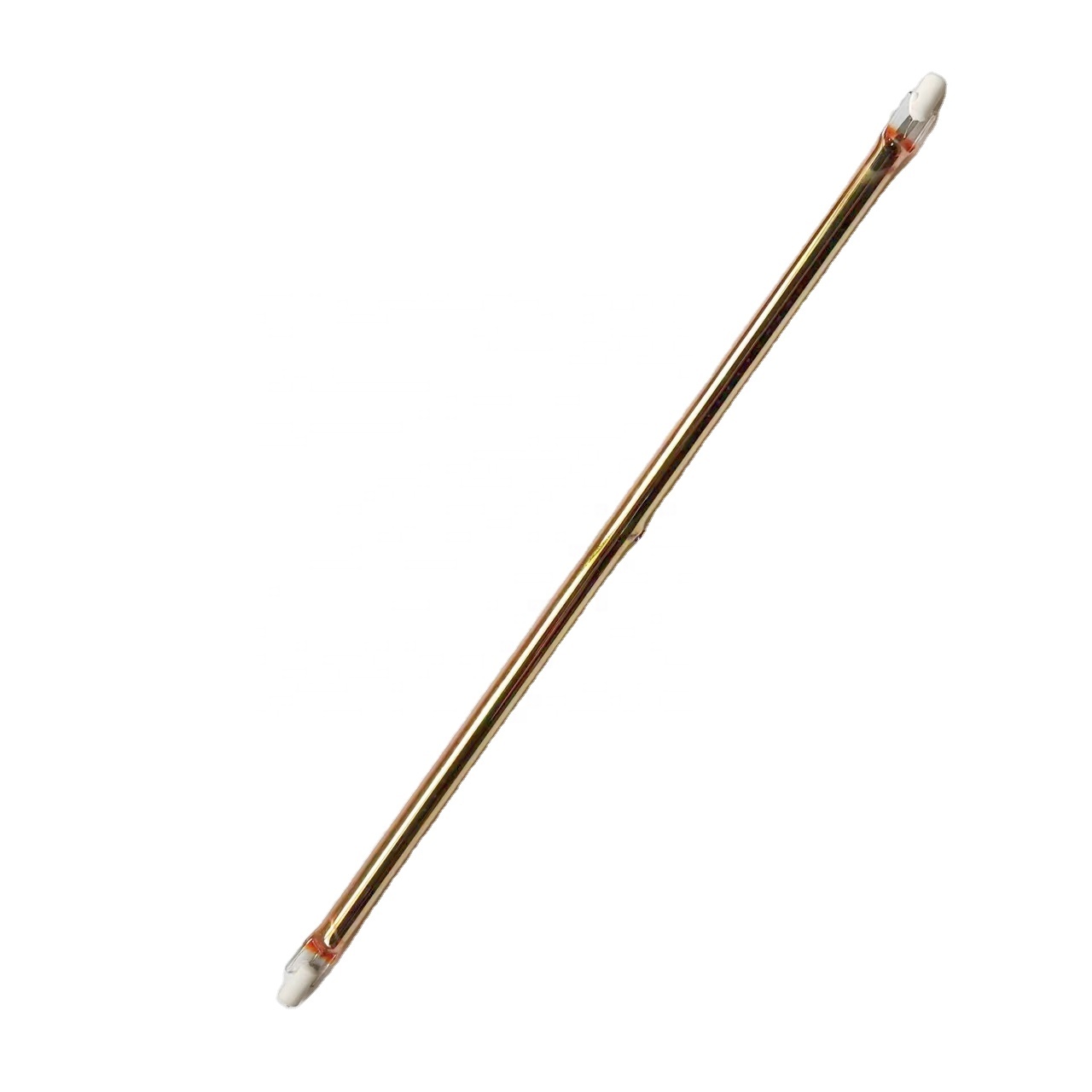
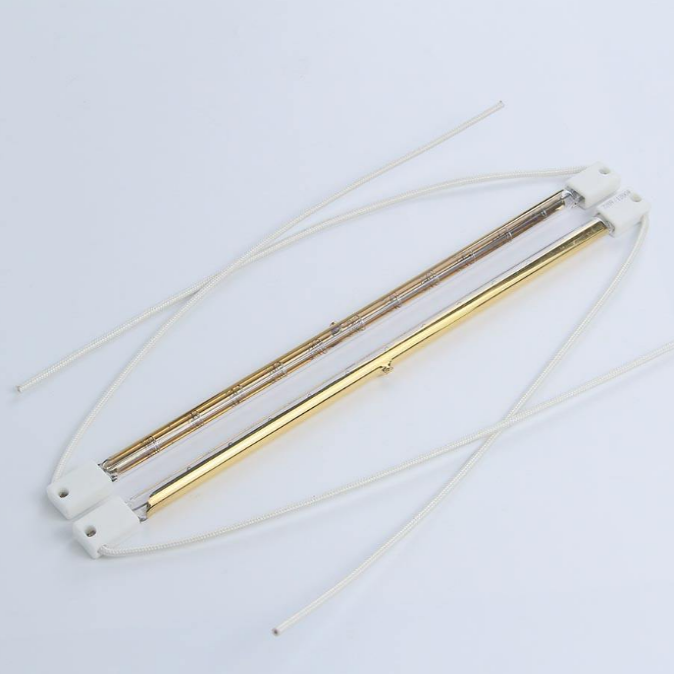
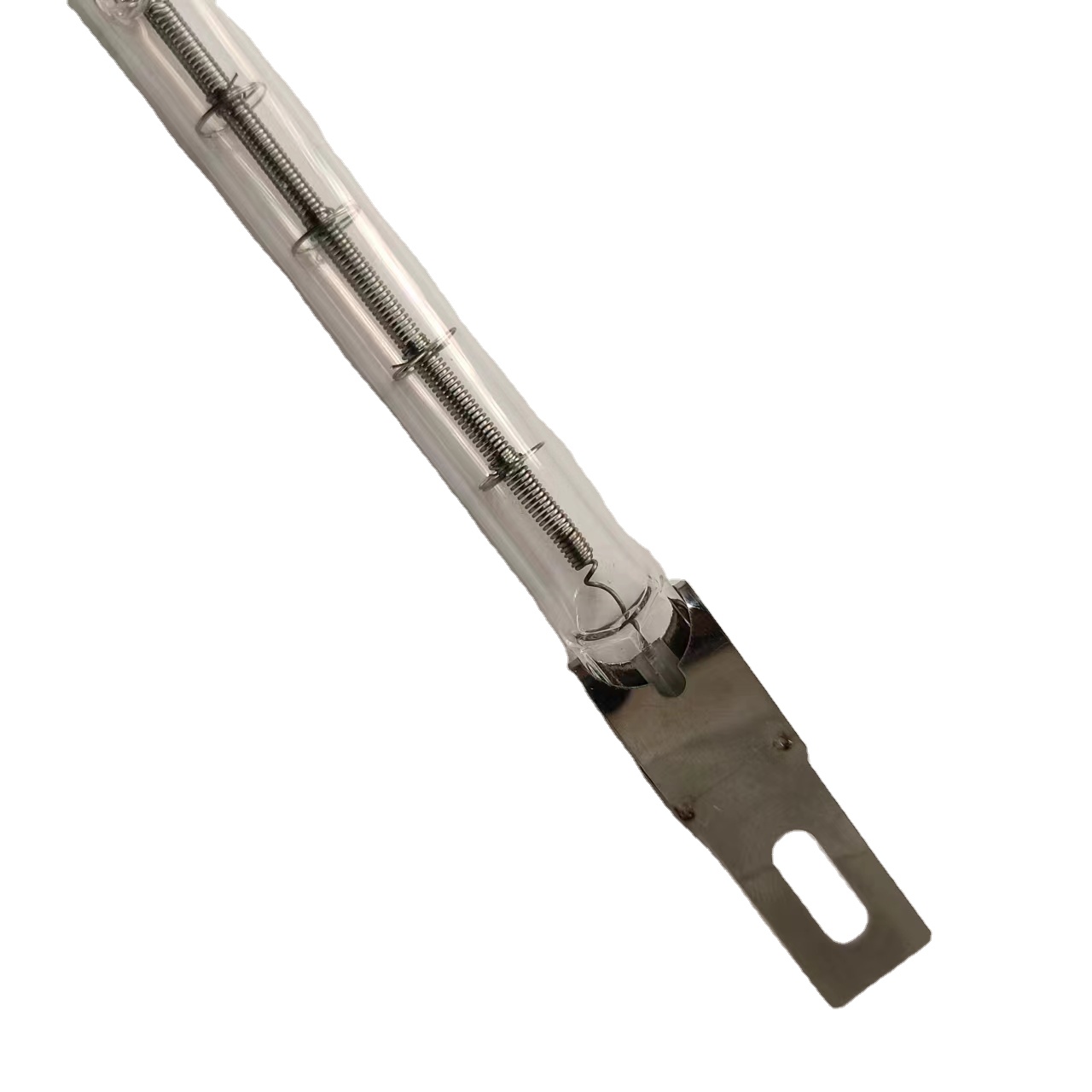
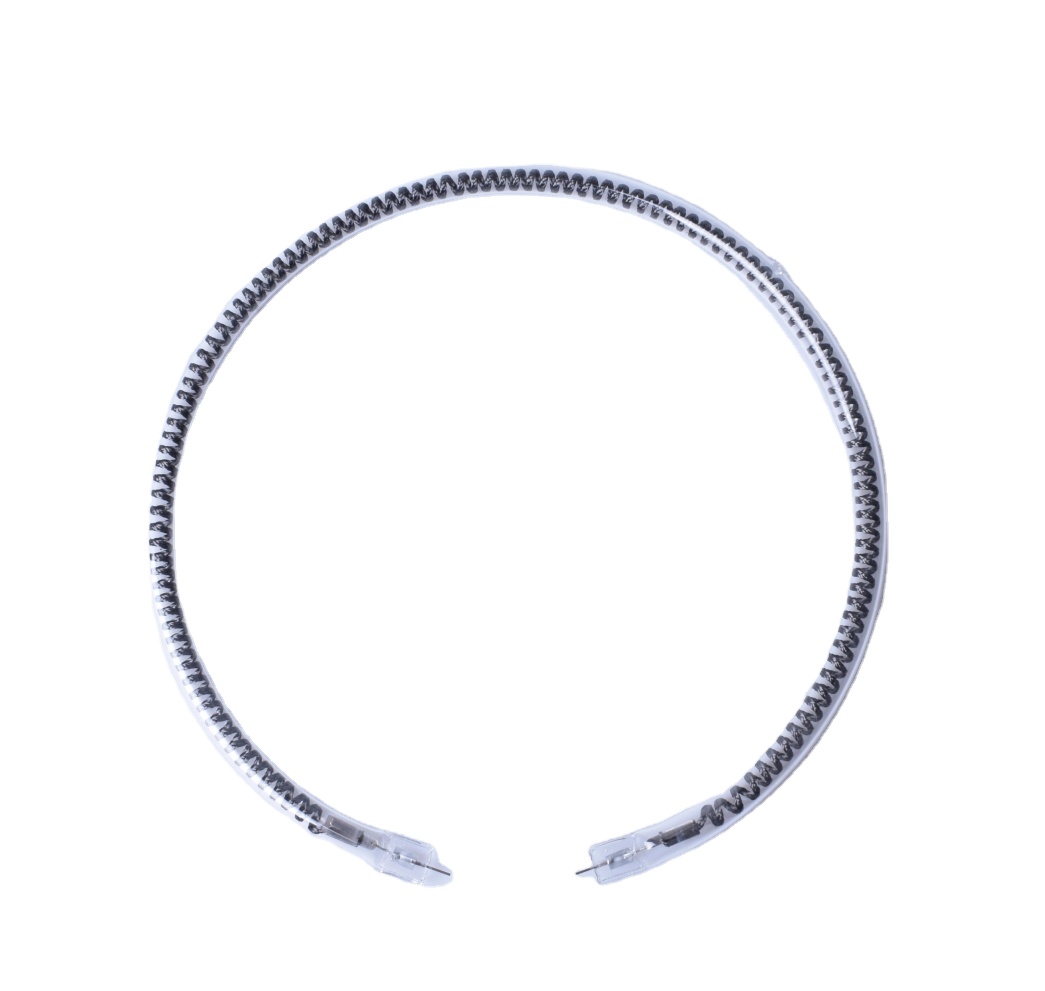
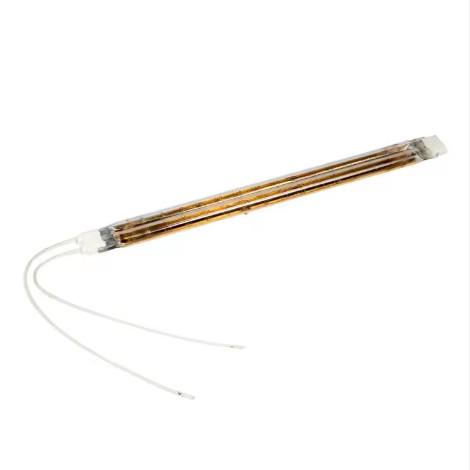
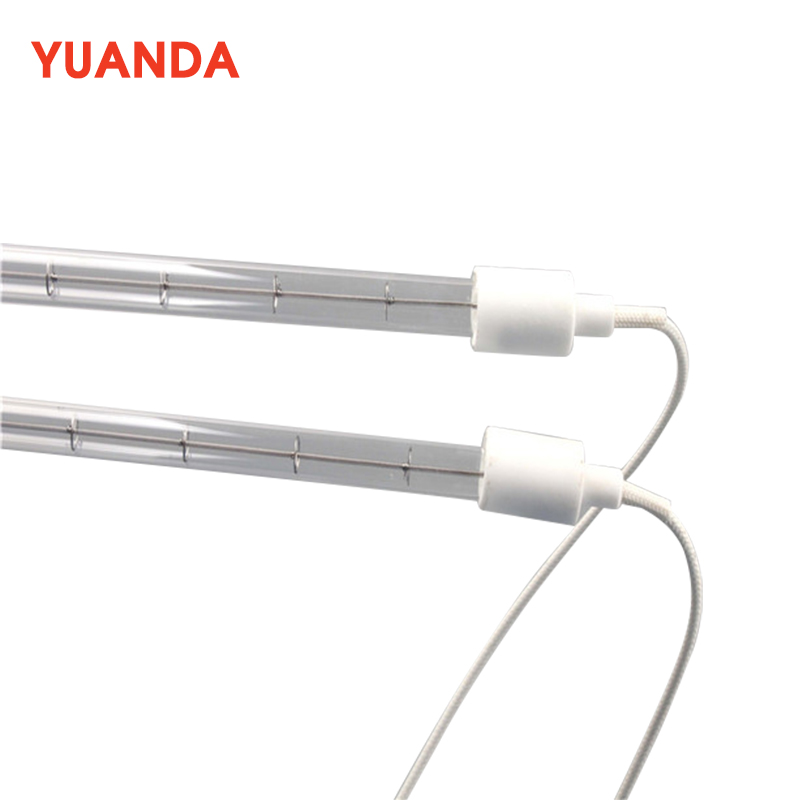
Beyond chemical processing viewports, Hamhung's industrial machinery and polymer assembly lines are steadily adopting high-efficiency infrared heating units. When combined with our gold-coated twin-tube emitters or tungsten-halogen quartz heaters, localized manufacturing facilities reduce energy consumption by up to 35% compared to antiquated resistive metal coils. Thermal energy transmits directly through the specialized clear quartz glass envelope without heat absorption lag, providing instantaneous temperature control on high-speed industrial lines.
Emerging Procurement Trends & Supply Chain Dynamics
How factory managers and engineers in Hamhung are transitioning to direct-from-manufacturer sourcing models from China.
In past procurement cycles, regional manufacturing installations often relied on multiple intermediaries to source standard replacement glass and heater elements. This indirect process generated significant supply chain vulnerabilities: delayed order fulfillment, inconsistent material grade certifications (such as lower-grade borosilicate disguised as quartz), and poor dimension tolerances that caused mechanical stress failure during autoclave sealing. Contemporary industrial directors in South Hamgyong are redefining their procurement strategies along three distinct vectors:
1. Strict Tolerance Engineering Drawings: Modern facility retrofits necessitate customized outer diameters (OD), precision-ground chamfers, and optical double-sided fine polishing to surface roughness tolerances below Ra 0.2 μm. Generic aftermarket components fail under pressurized flange mountings.
2. Direct Factory Partnership via Lianyungang Hub: By contracting directly with primary manufacturers situated in Lianyungang—the global nucleus of high-purity silica processing—purchasing managers secure verifiable material mill sheets, uncompromised quality assurance, and reduced unit costs.
3. Transition from Resistive Heat to Directional Infrared Systems: Faced with industrial energy quotas, plant modernizations throughout Hamhung are migrating from legacy ceramic ovens to localized short-wave and medium-wave infrared quartz emitter modules. These upgrades offer rapid turn-on cycles under 2 seconds, eliminating idle heating cycles and saving vital fuel and electrical resources.
Why Sourcing from Kavri Quartz Co., Ltd. Ensures Industrial Reliability
Decade-long OEM manufacturing mastery anchored in Donghai's world-class raw silica basin.
Geographic Cluster Advantage
Situated in Lianyungang, Jiangsu, alongside Donghai County—the international epicenter of quartz refining. Direct access to premium silica gravel guarantees continuous stock, competitive material pricing, and uncompromised purity.
Complete Cold & Hot Machining
Equipped with high-precision CNC waterjet slicing, laser trimming, optical diamond edge grinding, surface fire-polishing, and annealing furnaces. We execute custom dimensions from 5 mm miniature discs up to 600 mm oversized furnace flanges.
Rigorous Factory QC & Batch Traceability
Every delivery batch undergoes polariscope thermal strain analysis, dimensional micro-caliper validation, and spectrum transmittance testing. Bubble-free optical quality (Class 0/1/2) is strictly verified prior to secure wood crating.
Frequently Asked Questions (Procurement FAQ)
Addressing engineering specifications, customization minimums, and shipping safety for Hamhung buyers.
What dimensional tolerances can Kavri achieve for custom quartz discs and sight glasses?
How do you protect fragile quartz discs and infrared lamps during long-distance transport?
Can your factory replicate discs or heating tubes based on damaged or worn factory samples?
What is the minimum order quantity (MOQ) and production turnaround for specialized orders?
How do fused quartz discs compare to JGS1, JGS2, and JGS3 material standards?
Upgrade Your Industrial Thermal Systems with Direct Factory Quartz
Supply your CAD drawings, required operating temperatures, or replacement specifications. Our engineering team guarantees a detailed technical analysis and quotation within 4 hours.
Inquire Now