High-Performance Fused Quartz & Infrared Heating Systems
Engineered to exact OEM drawings, each solution undergoes thermal stress-relief annealing, precision optical polishing, and automated filament alignment. Click below to inspect individual models or request direct engineering catalogs.
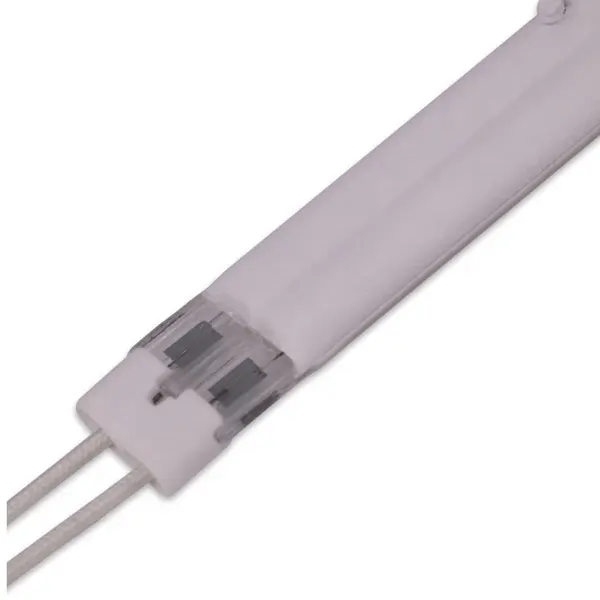
Twin Tube Halogen IR Heating Lamp for Paint Drying Curing
Double-bore fused quartz geometry with gold dichroic or white ceramic reflector. Provides concentrated, directional short-wave radiation for thermoforming and cleanroom drying.
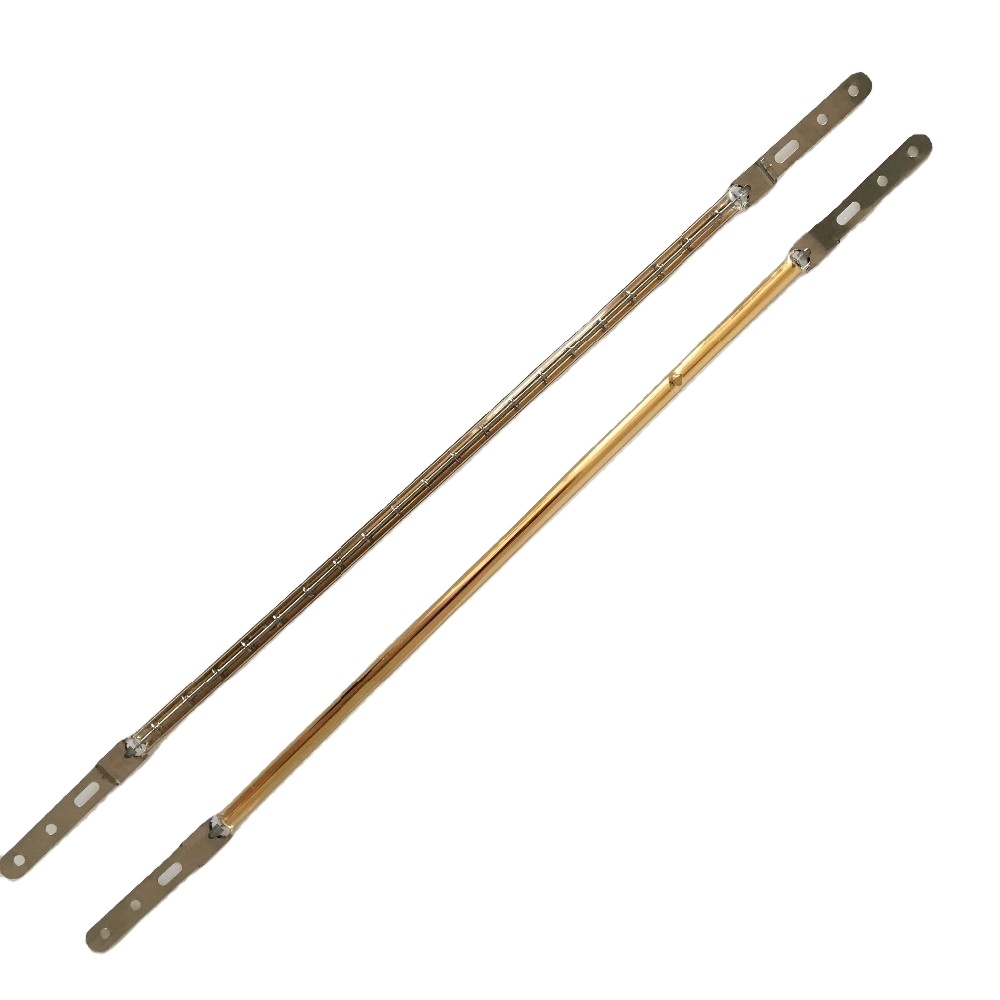
Halogen Quartz Half Gold Infrared Heating Lamps for Flash Dryer
Direct-applied 24K gold rear reflector redirects up to 90% of lost thermal energy toward the substrate, maximizing line velocity in precision textile, medical packaging, and screen printing.
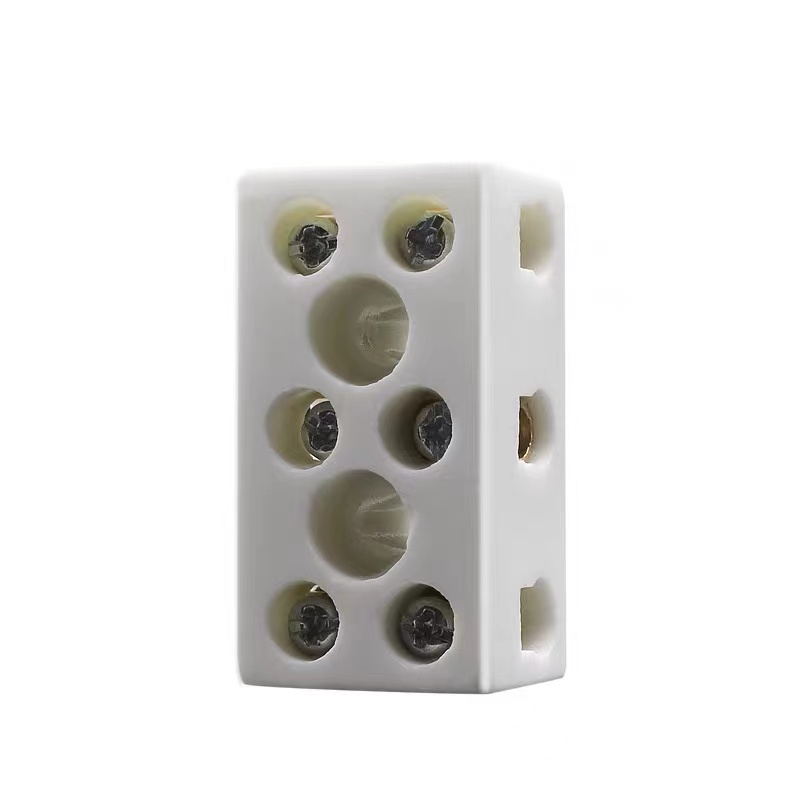
Ceramic Terminal Block Wire Connector Ceramic Wire Connector
Steatite high-dielectric ceramic blocks engineered for industrial heating assemblies. Resists continuous operation beyond 500°C without degradation, arching, or carbonization.
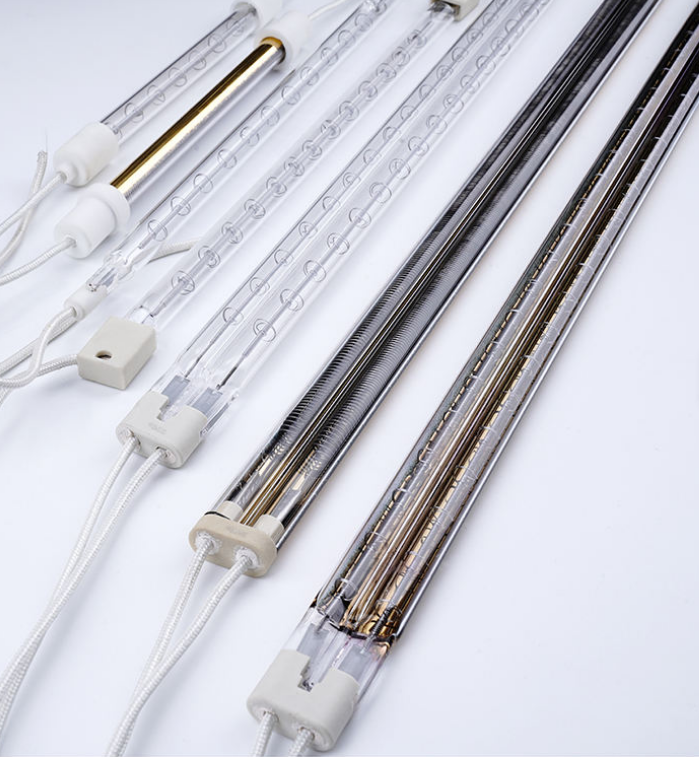
Factory Supply 220v Infrared Heater Lamp for PET Blowing Machines
Equipped with reinforced star tungsten filaments to resist operational vibration on rapid preform blow molding machinery. Delivers deep, uniform core thermal penetration.
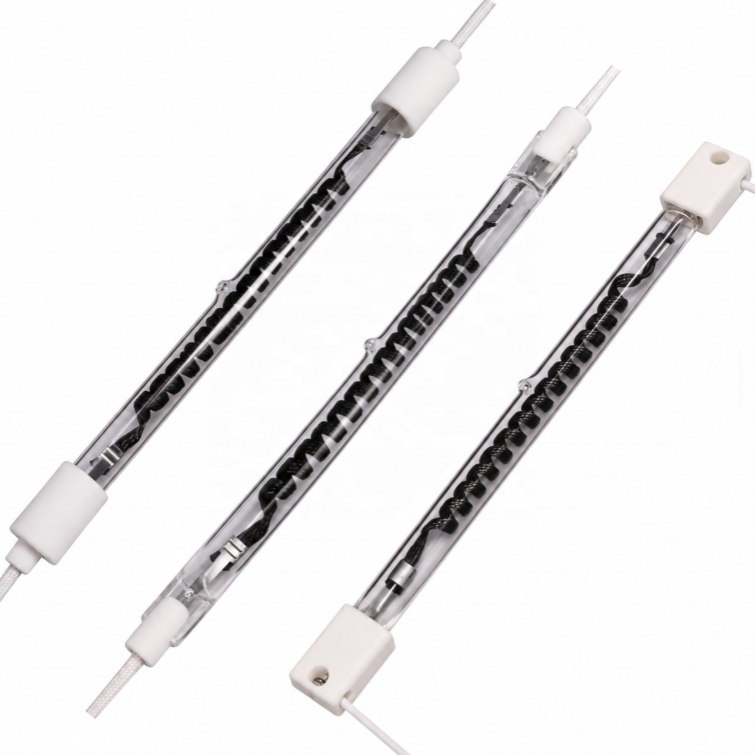
Carbon Fiber Medium Wave Clear Infrared Heat Lamp for Equipment
Emits at 2.0-2.4μm, precisely corresponding to the infrared absorption spectrum of water, biopolymers, adhesives, and coatings. Eliminates skinning and solvent boil bubbles.
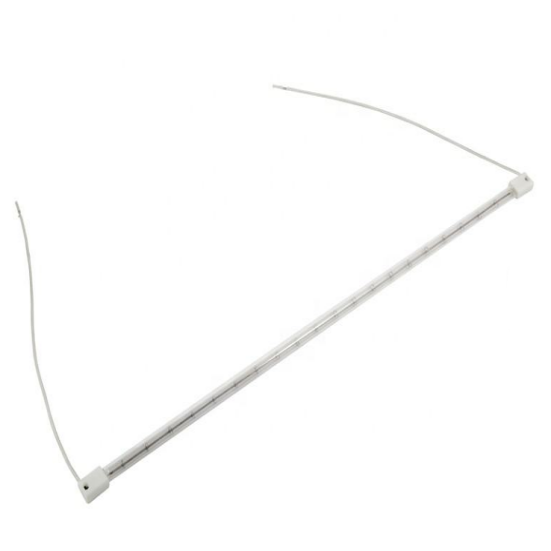
Infrared Halogen Lamp Supports Customization for Textile Industry
Engineered for roll-to-roll web handling, fabric drying, and synthetic polymer heat-setting. Fully customizable heated lengths from 200mm up to 2500mm with tailored watt densities.
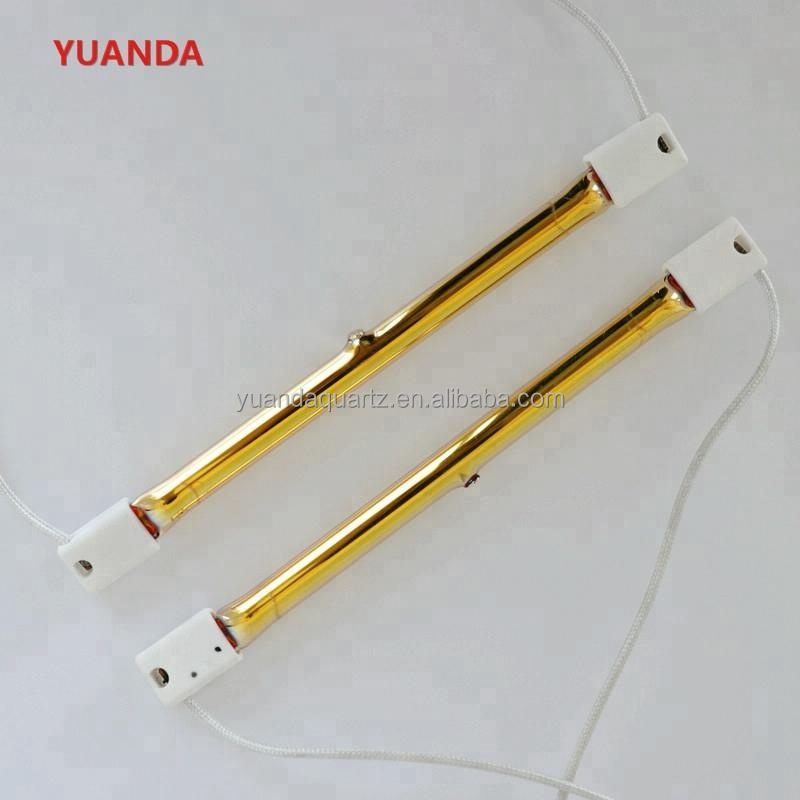
Infrared Heater Halogen Lamp Customization for Drying Systems
Designed for high-speed conveyor ovens, powder coat curing, and precision adhesive activation. Delivers tight temperature gradients (±2°C across active zone) with quick ramp-down.
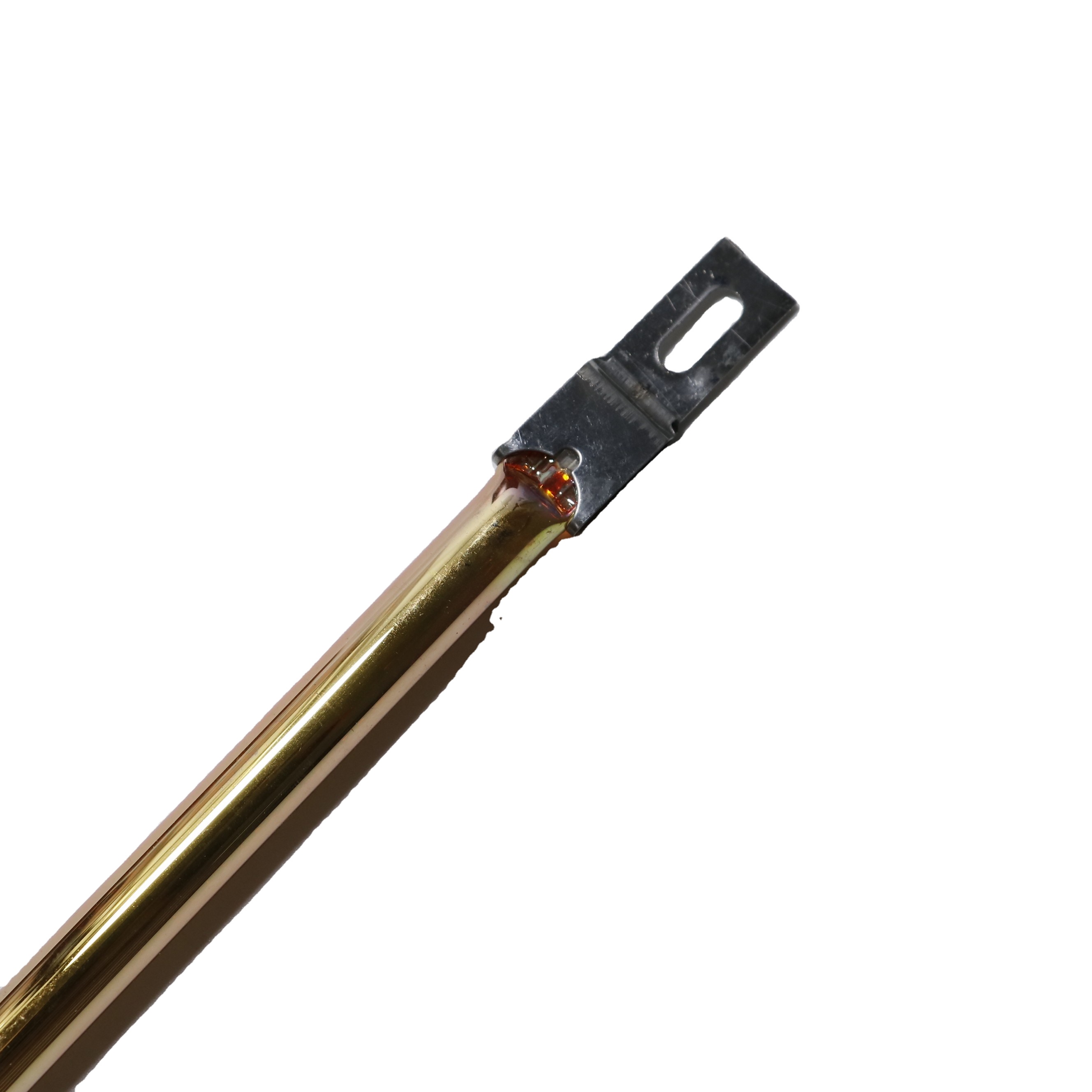
Full Gold Quartz Infrared Heating Lamp for Industrial Processing
Heavy-duty fused quartz emitter with full exterior specular gold deposition. Maximum thermal isolation protects adjacent machine frames while channeling 95% of emission into the target area.
Require Custom Quartz Dimensions or Emitter Prototypes for Galway Projects?
Whether you need clear fused silica windows with lambda/4 wavefront distortion, UV flow cells for analytical devices, or custom twin-tube IR emitters, our engineering team provides complete DFM analysis within 4 hours.
Get CatalogFused Silica vs. Borosilicate: Critical Material Properties in Advanced Engineering
Understanding the molecular, thermal, and optical performance criteria that drive component selection in biomedical cleanrooms, analytical spectroscopy, and precision thermal processing.
Fused silica (amorphous silicon dioxide, SiO2) represents the zenith of optical transparency, thermal shock endurance, and chemical inertness in modern manufacturing. Unlike conventional borosilicate or soda-lime glass, which contain substantial fluxes such as boron trioxide, sodium oxide, and calcium oxide to depress melting temperatures, fused silica is synthesized either through the high-temperature fusion of ultra-pure natural quartz crystal sand (Type II fused quartz) or the vapor-phase chemical hydrolysis of silicon tetrachloride (Type III synthetic fused silica). In high-precision applications—such as those demanded by the biomedical manufacturing cluster in Galway—the near-total absence of impurities dictates dimensional stability, optical transmittance down to the vacuum ultraviolet (VUV) spectrum, and zero outgassing in vacuum cleanrooms.
Material Performance Benchmark: Fused Silica vs. Alternative Glasses
When specifying observation sight glasses, reaction vessels, high-temperature heater envelopes, or UV disinfection sleeves, the choice of material establishes the upper limits of machine reliability, pressure resistance, and transmission efficiency.
| Physical & Optical Property | Kavri Fused Quartz (Natural) | Synthetic Fused Silica (UV) | Borosilicate Glass 3.3 | Soda Lime Glass |
|---|---|---|---|---|
| Chemical Formula / Purity | SiO2 ≥ 99.99% | SiO2 ≥ 99.9999% | ~81% SiO2, 13% B2O3, 4% Na2O | ~73% SiO2, 14% Na2O, 9% CaO |
| Hydroxyl (OH−) Content | 15 – 30 ppm | ≤ 5 ppm (Low-OH) / >1000 (High-OH) | N/A (Complex Oxide Matrix) | N/A |
| Transformation Temp (Tg) | 1075 °C | 1120 °C | 525 °C | 530 °C |
| Softening Point | 1680 °C – 1730 °C | 1600 °C – 1700 °C | 825 °C | 720 °C |
| Thermal Expansion (CTE) | 5.5 × 10&supmin;&sup7; / K | 5.2 × 10&supmin;&sup7; / K | 32.5 × 10&supmin;&sup7; / K | 90.0 × 10&supmin;&sup7; / K |
| Spectral Transmission Window | 260 nm – 3500 nm | 185 nm – 2500 nm | 310 nm – 2200 nm | 380 nm – 2000 nm |
| Dielectric Strength (at 20°C) | 25 – 40 kV/mm | 30 – 50 kV/mm | 15 – 20 kV/mm | 8 – 12 kV/mm |
| Acid Resistance (ISO 1776) | Class 1 (Inert to all except HF) | Class 1 (Superior Purity) | Class 1 | Class 2 – 3 |
Transmission Spectra and Hydroxyl (OH) Absorption Bands
In analytical spectroscopy and medical optical assemblies, the infrared absorption behavior of quartz is governed predominantly by bound hydroxyl (-OH) ions. In conventional natural fused quartz, the fundamental OH stretching vibration introduces strong optical attenuation bands at 1.38 μm, 2.22 μm, and most notably at 2.72 μm. For industrial infrared emitter envelopes—such as those manufactured by Kavri Quartz—controlling the OH concentration to below 20 ppm is mandatory. High OH levels in quartz tubing acting as halogen envelopes lead to premature tube sag, tungsten cycle disruption, and devitrification (crystallization of amorphous silica into cristobalite at elevated working temperatures).
Conversely, for laser optics and ultraviolet flow cytometers deployed in medical research institutions in Galway, high-OH synthetic fused silica is selected to eliminate solarization and transmission decay under deep UV excimer laser exposure (e.g., ArF 193 nm or KrF 248 nm). Kavri maintains multi-tier raw material inventory protocols, allowing clients in Galway to specify exact transmission envelopes from 185 nm deep ultraviolet to 4.0 μm mid-infrared.
High-Purity Quartz Applications Across Galway's Industrial Hubs
From the medical device cleanrooms of Parkmore and Ballybrit to the marine sensor facilities of Galway Bay, our products provide mission-critical thermal and optical performance.
Catheter & Stent Forming
Rapid, non-contact heating of fluoropolymers (PTFE, FEP, Pebax) during balloon forming and tip-forming. Gold-backed twin-tube emitters deliver razor-sharp thermal profiling without thermal spillover into cleanroom ambient air.
Parkmore & Ballybrit EstatesBiochemical Diagnostics
Precision synthetic quartz flow cells (32 μL to microfluidic scale) and fluorescence cuvettes with flame-fused, glue-free optical interfaces. Zero autofluorescence ensures uncompromised signal-to-noise ratios in blood analysis.
Dangan & Mervue Tech ParksMedical Hydrogel Curing
Medium-wave carbon fiber emitters emitting at 2.0-2.4 μm for rapid, deep curing of lubricious, antimicrobial, and drug-eluting coatings on implantable guidewires and drug-delivery catheters without scorching sub-layers.
Medtech Process AutomationMarine & Environmental Optics
High-pressure quartz observation windows and deep-UV sensor sleeves deployed in Galway Bay marine telemetry, ocean salinity/turbidity spectrometers, and harsh offshore optical sensing housings resistant to saline corrosion.
Galway Bay Marine ResearchEmerging Manufacturing & Procurement Trends in the West of Ireland
How cleanroom decarbonization, micromachining integration, and direct supply-chain shortening are redefining fused quartz procurement for Irish manufacturing hubs.
The manufacturing landscape in County Galway and the wider Connacht region is undergoing a structural transformation characterized by three dominant drivers: the drive toward net-zero cleanroom manufacturing, the microminiaturization of life-science analytical devices, and the imperative for direct-from-source engineering procurement to mitigate Tier-2 supply chain bottlenecks.
1. Cleanroom Electrification and Decarbonized Heating
Traditionally, many continuous drying and post-molding curing processes in Irish industrial parks relied on bulky convective hot-air ovens powered by plant-wide heating loops or steam. Convection systems are notoriously inefficient: they require lengthy warm-up cycles (often 30 to 45 minutes), circulate air currents that stir airborne particulates inside ISO Class 7 and Class 8 cleanrooms, and exhibit large thermal inertia. Galway cleanroom engineers are aggressively replacing convection ovens with precision short-wave and medium-wave infrared quartz modules. Because electric quartz infrared emitters reach 100% operational output in less than 1.5 seconds, they can be cycled on and off synchronously with part indexers, eliminating idle energy draw and reducing cleanroom air handling thermal load by up to 62%.
2. Microfluidic and Bio-Photonic Integration
With academic institutions like the University of Galway and national research centers such as CÚRAM driving breakthroughs in point-of-care medical testing, demand has shifted toward fused silica substrates capable of withstanding femtosecond laser micromachining, deep reactive-ion etching (DRIE), and high-pressure fluidic bonding. Fused quartz provides the chemical neutrality needed to prevent leaching of metal ions or plasticizers into biological samples, preserving enzyme kinetics and DNA amplification integrity.
3. Direct Factory Sourcing vs. European Distributor Markups
Galway engineering and procurement teams have historically procured quartz and infrared parts through intermediate European catalog distributors. This practice typically resulted in 200% to 400% price premiums, inflexible standard dimensions, and extended replenishment lead times when non-standard lengths or custom ceramic end-caps were required. By engaging directly with Kavri Quartz at our Donghai manufacturing hub, Galway plant managers secure direct factory-level engineering consultations, bespoke drawing revisions, and pre-scheduled batch delivery straight to Shannon (SNN) or Dublin (DUB) airports under transparent DDP incoterms.
Why Galway Manufacturers Partner with Kavri Quartz
Rooted in China's silicon capital with over a decade of international OEM/ODM manufacturing expertise, we guarantee uncompromised purity, razor-sharp tolerances, and dedicated engineering oversight.
Raw Material Hegemony
Situated in Lianyungang (Donghai), home to China's premier high-purity natural silica reserves. Direct access to raw silica feedstock ensures unbroken supply continuity, trace element consistency, and 30-40% cost advantages over European secondary converters.
Cleanroom-Grade Quality Control
Three automated production lines featuring multi-axis laser diameter monitoring (±0.05mm wall accuracy), optical spectrophotometer batch screening, polariscope stress birefringence validation, and triple-rinse ultrasonic deionized water cleaning prior to Class 100 cleanroom packaging.
Rapid Prototyping & Galway Logistics
Bespoke quartz components and custom infrared emitters sampled in 5 to 7 business days from drawing freeze. Airfreight shipments dispatched under DDP (Delivered Duty Paid) terms to Galway business parks with full customs clearance and zero import tariff surprises.
Frequently Asked Questions by Galway Engineers & Buyers
Addressing regulatory certifications, mechanical machining limits, lead times, and cleanroom delivery protocols for Irish manufacturing facilities.
What typical lead times apply for airfreight deliveries to Galway?
Standard quartz tube profiles and stock IR emitters are packaged and dispatched within 48 hours. Custom CNC-machined quartz discs, flanged tubes, or specialized twin-tube emitters require 7 to 10 manufacturing days. Air cargo transit via Shannon (SNN) or Dublin (DUB) typically takes 4 to 6 business days for door-to-door arrival in Galway.
Do Kavri infrared lamps and quartz parts carry CE, RoHS, and REACH compliance?
Yes. All Kavri quartz envelopes, ceramic end-fittings, high-temperature lead wires, and gold/ceramic reflectors strictly adhere to EU Directive 2011/65/EU (RoHS 2.0) and REACH (EC 1907/2006). Certificates of Conformance (CoC) and material analysis declarations are supplied with every commercial shipment for cleanroom qualification.
Can you manufacture custom quartz parts directly from STEP/CAD files?
Absolutely. Our machine shop operates CNC ultrasonic milling machines, continuous wire saws, and precision planetary polishing tables. We accept STEP, IGES, DXF, and PDF engineering drawings, supporting tolerances down to ±0.01 mm on optical flats and ±0.05 mm on centerless-ground quartz rods and bore tubes.
How do you guarantee zero transit breakage for fragile quartz glass shipped to Ireland?
We employ engineered multi-layer export crating. Every quartz tube or emitter is suspended in high-density, custom-molded EPE foam cells, enveloped inside moisture-barrier bags, and secured within heavy-duty, double-walled export wooden crates equipped with external "Tip-N-Tell" and "Drop-N-Tell" shock impact indicators.
Can your short-wave IR emitters directly retrofit Heraeus, Ushio, or Victory systems?
Yes. Over 70% of our OEM production involves direct form-fit-function replacement of existing European and Japanese emitter brands. Provide the original part number, overall length (OAL), heated length (HL), voltage/wattage, and cap style; we will provide a verified cross-reference drawing with identical or superior operating lifetime.
What is the minimum order quantity (MOQ) for custom quartz prototypes?
To support prototyping, R&D trials, and pilot validation in Galway, our MOQ for custom quartz tubes and IR lamps is just 5 to 10 units. For standard quartz plates and analytical test accessories, samples are available from single pieces to ensure rapid qualification before full-scale volume commitment.
Accelerate Your Galway Manufacturing Line Today
Send our senior engineering team your target dimensions, equipment nameplate markings, or PDF technical drawings. We review thermal budgets, optical transmission requirements, and mechanical fits to return a comprehensive proposal within 4 hours.