Featured Industrial Quartz & Radiant Thermal Systems
Direct from China's primary silica capital in Donghai/Lianyungang to Rome's industrial belt. Explore our precision-fabricated fused quartz systems, heating elements, and short/medium-wave emitters.
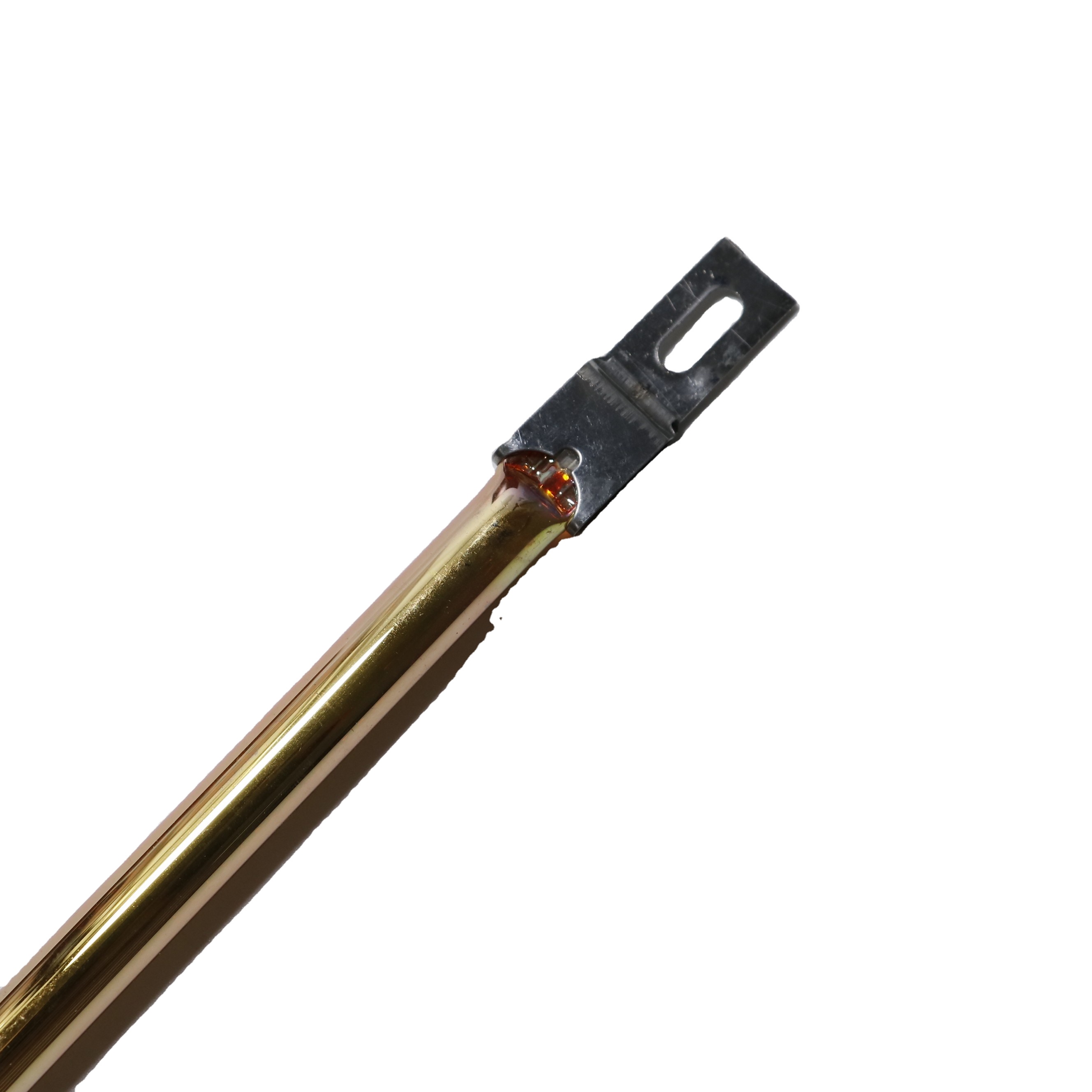
Full Gold Quartz Infrared Heating Lamp for Industrial Processing
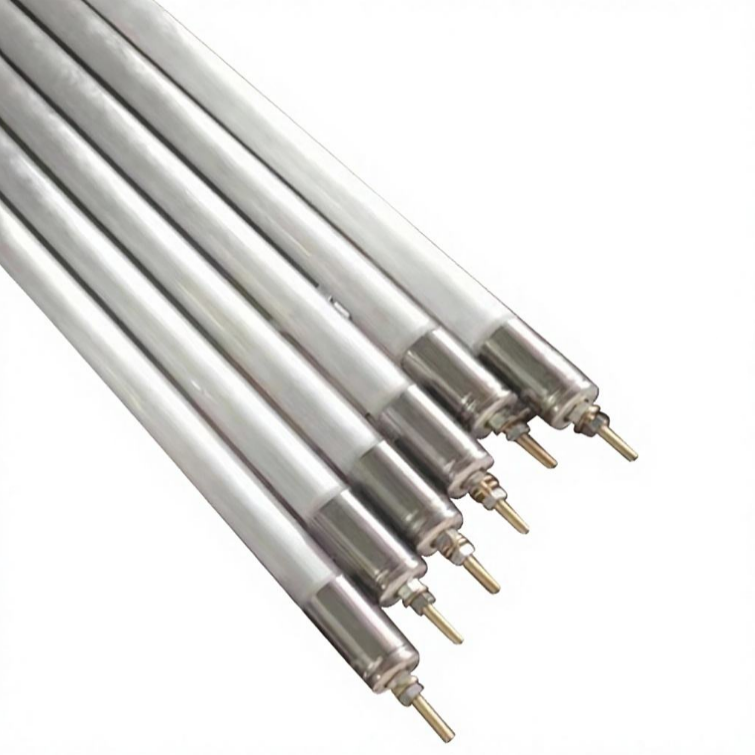
Electric Furnace Wire Quartz 1000w for Machine Equipment
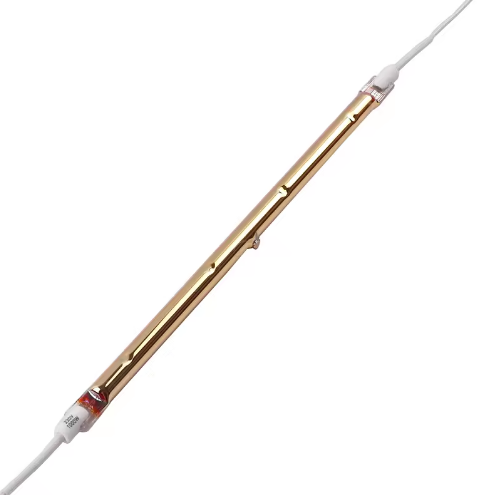
Stable Quality Gold Plated Quartz Infrared Heat Lamps for PET Manufacture
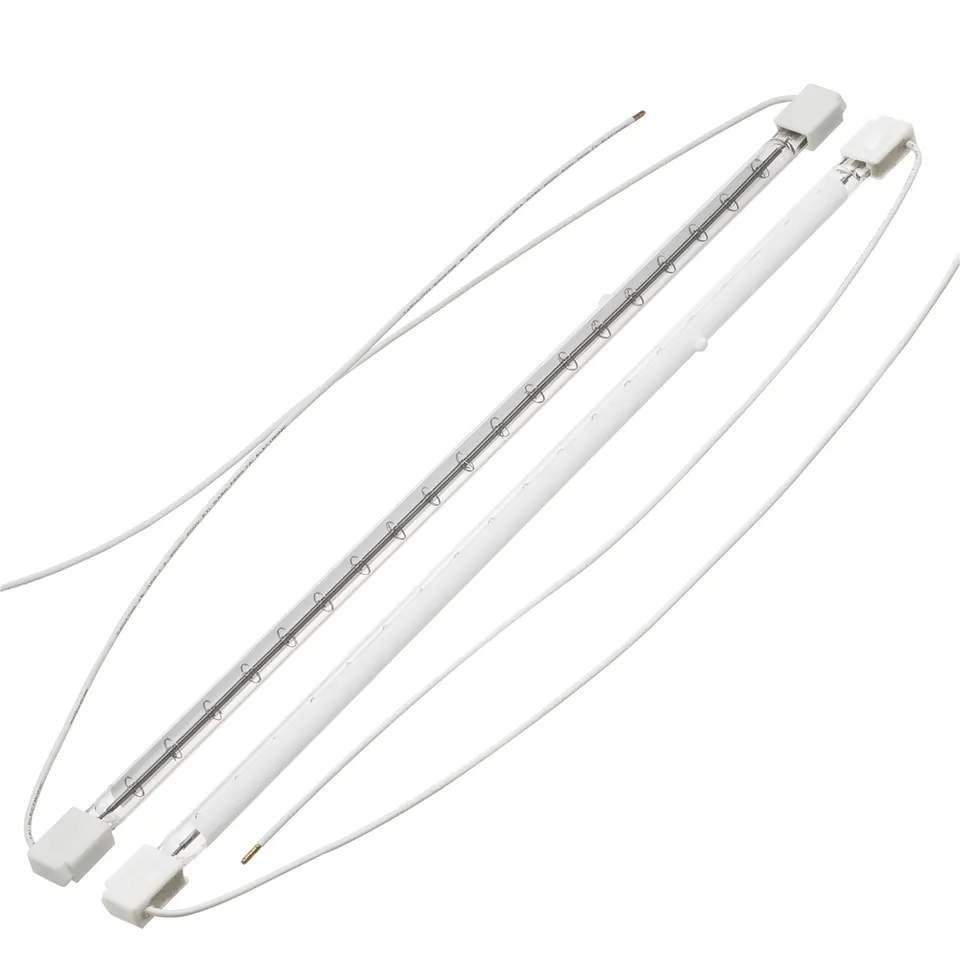
High Quality Shortwave Half White Infrared Heating Radiant Emitter
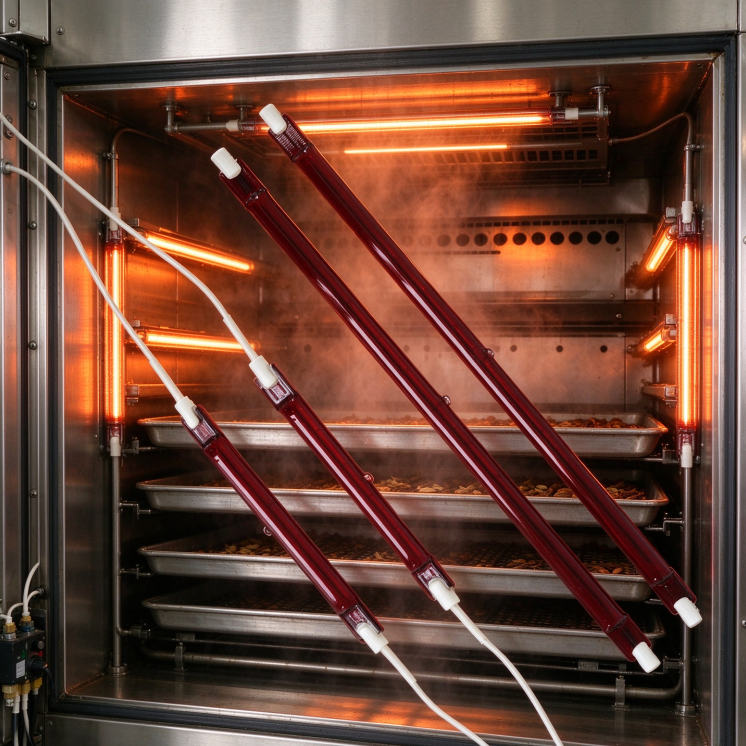
Infra Red IR Quartz Glass Heater Lamp for Drying Oven
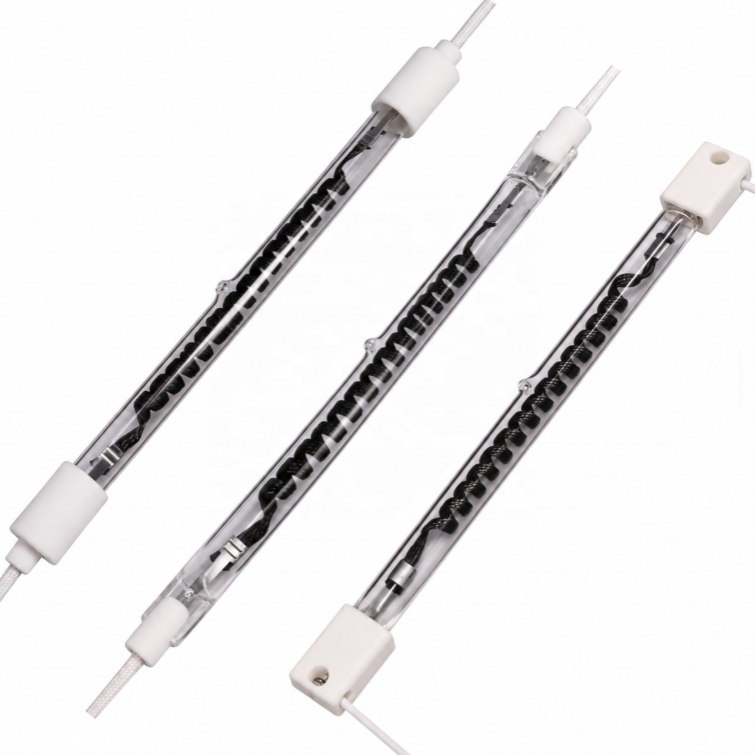
Carbon Fiber Medium Wave Clear Infrared Heat Lamp
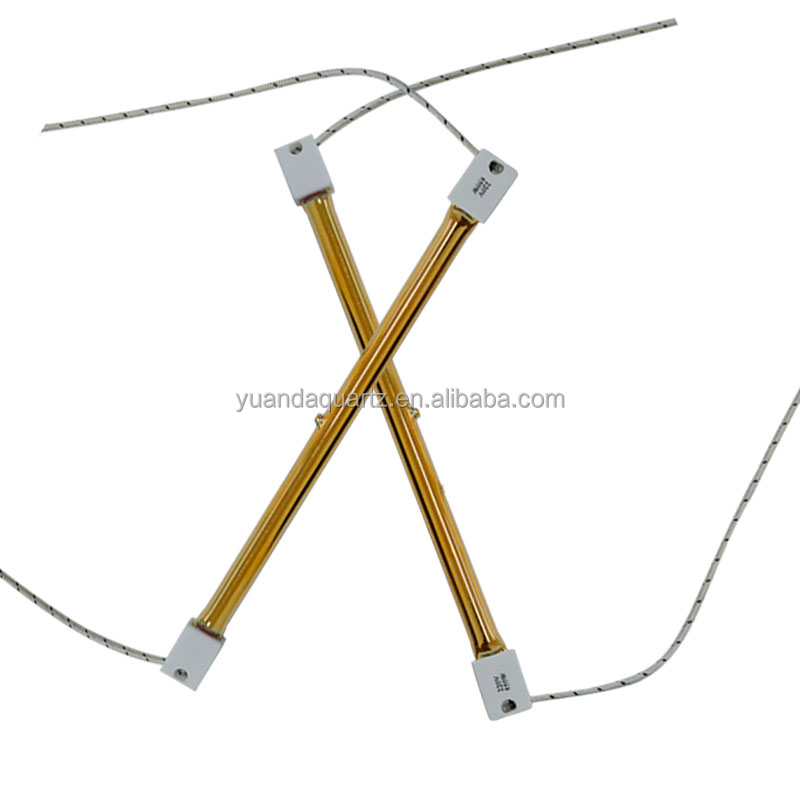
Full Gold Customized IR Lamps for Screen Printing Machine
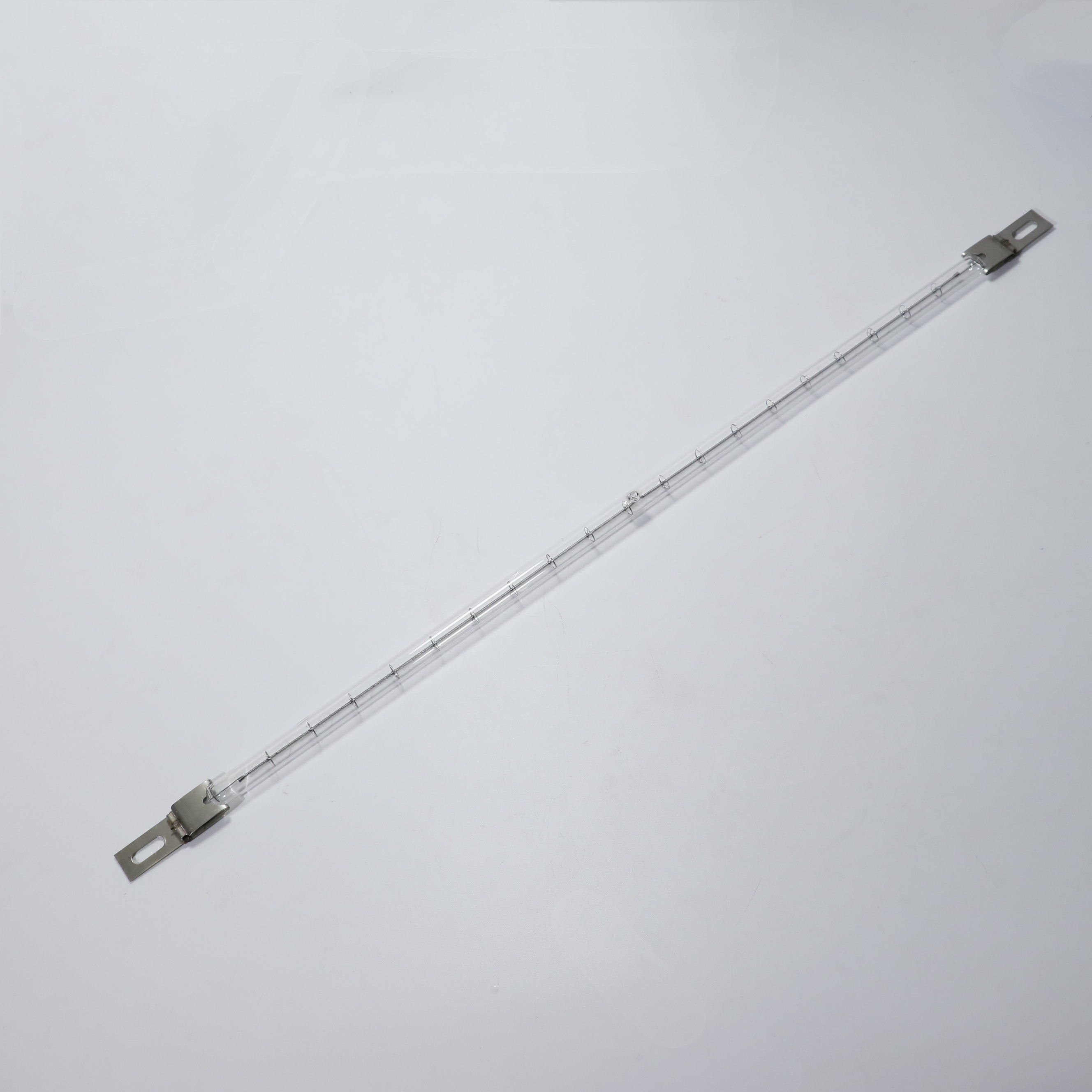
Best Selling 220V 1000W Quartz Infrared Heat Lamp
High-Purity Fused Quartz Rings: Material Science & Structural Kinematics
Fused silica rings (also known as quartz glass rings, ring spacers, optical retaining rings, or plasma containment rings) represent a core functional geometry across advanced thermomechanical engineering. Synthesized through either continuous electrically fused quartz methods or chemical vapor deposition (CVD) high-purity synthetic fusion, these components possess an exceptionally tight network of tetrahedral silicon-oxygen bonds (SiO4). This atomic arrangement is fundamentally free of crystal grain boundaries, conferring exceptional dimensional stability under thermal extremes that cause catastrophic structural failure in standard borosilicate or technical ceramics.
For procurement specialists and mechanical systems architects in Rome, evaluating quartz rings mandates examining trace impurity thresholds. High-purity natural fused silica engineered by Kavri Quartz contains total metallic impurities of less than 20 ppm, with ultra-refined grades dropping below 8 ppm (Al ≤ 12.0 ppm, Fe ≤ 0.2 ppm, Ca ≤ 0.4 ppm, Na ≤ 0.8 ppm, K ≤ 0.5 ppm). Maintaining low hydroxyl (OH-) content (below 5 to 20 ppm in our electrically vacuum-fused series) mitigates thermal softening, significantly raising the strain point to 1070°C, the annealing point to 1180°C, and the softening threshold to 1680°C. This molecular architecture ensures that quartz rings deployed in CVD reaction chambers, epitaxial reactors, or laser cavity holders experience virtually zero outgassing, negligible structural creep, and superior resistance to chemical devitrification.
| Physical & Thermomechanical Property | Standard Testing Protocol | Fused Quartz Ring (Kavri Quartz) | Standard Borosilicate 3.3 |
|---|---|---|---|
| Silicon Dioxide Content (SiO2) | ICP-OES / Chemical Titration | ≥ 99.99% | ~ 81.0% |
| Coefficient of Thermal Expansion (CTE) | 20°C to 320°C (Dilatometry) | 5.5 × 10⁻⁷ / K (Ultra-low) | 32.5 × 10⁻⁷ / K (6x higher) |
| Maximum Continuous Operating Temp | Long-Term Creep Evaluation | 1100°C to 1150°C | 450°C to 500°C |
| Thermal Shock Resistance | Water Quench (1100°C → 20°C) | No Fracture / Zero Spalling | Fractures above 180°C Delta |
| Refractive Index (nd at 587.6 nm) | V-Block Spectrometer | 1.4585 | 1.4730 |
| Dielectric Strength (20°C, 1 MHz) | ASTM D149 breakdown test | 25 – 40 kV/mm | 12 – 18 kV/mm |
Precision Fabrication: Diamond Grinding, CNC Lapping & Fire Polishing
Fabricating a high-precision quartz glass ring is fundamentally distinct from ordinary glass cutting. Because fused silica exhibits extreme hardness (Mohs 6.5 – 7.0, Knoop hardness 450 kg/mm²) paired with inherent brittleness, standard cutting imparts destructive micro-fissures along outer and inner circumferential surfaces. At Kavri Quartz, our multi-axis CNC grinding centers utilize resin-bonded and metal-bonded diamond grinding tools operating under submerged cooling lubrication. Outer diameters (OD) and inner diameters (ID) are machined to precise tolerances of ±0.01 mm, with edge beveling (chamfers of 0.2 mm to 1.0 mm at 45°) applied to prevent edge chipping during installation.
Following CNC geometric sizing, surfaces undergo optical-grade flat lapping and double-sided mechanical polishing with cerium oxide suspensions. For applications in optical inspection, UV spectrometry, or high-vacuum sealing, end faces achieve surface roughness of Ra < 0.2 μm (or even Ra < 0.05 μm for laser optical rings), while parallelism across the annular perimeter is maintained within ≤ 0.005 mm. When structural integrity under intense thermal cycling is required, components undergo flame-working and controlled vacuum thermal annealing at 1150°C. This process eliminates residual internal mechanical stresses (birefringence optical path difference ≤ 5 nm/cm), guaranteeing that sudden thermal gradients encountered in vacuum sputtering chambers or blast heating tunnels do not trigger explosive shatter.
Industrial Application Scenarios in Rome & Lazio
Rome is not merely an administrative capital—it serves as the nucleus of Italy's advanced aerospace technology district, precision optoelectronics, pharmaceutical biotechnology, and industrial automation corridors.
Aerospace & Defense (Tiburtina & Colleferro Corridor)
The Lazio Aerospace Technology Cluster (DTA) demands specialized components capable of withstanding extreme mechanical vibrations, high-vacuum outgassing constraints, and extreme orbital temperature differentials. Kavri's high-purity quartz rings function as thermal barriers, optical sensor retaining rings, and plasma chamber viewports across satellite propulsion testing and guidance telemetry systems.
Optoelectronics, Photonics & Semiconductor R&D
Centered around Tor Vergata and CNR research labs in Rome, our precision polished quartz rings serve as wafer clamp rings, etching chamber collars, and UV beam delivery spacers. Their exceptional deep-ultraviolet (DUV) transmission down to 190 nm enables precise laser harmonic conversion without photo-darkening or solarization.
Pharmaceutical Cleanrooms & Analytical Glassware
From Pomezia to Aprilia, Italy's premier pharmaceutical manufacturing hub requires biologically inert, acid-resistant quartz vessels and custom quartz ring sight-glasses for clean-in-place (CIP) and sterilize-in-place (SIP) bioreactors. Kavri quartz glass offers zero chemical leaching and complete immunity to aggressive solvents, nitric acid, and chlorine compounds.
High-Speed PET Blow Molding & Packaging Automation
Central Italy's food packaging, beverage bottling, and cosmetics facilities deploy rapid reheat blow-molding lines. Our gold-coated quartz infrared heating emitters and circular carbon fiber lamps focus precise infrared radiation profiles on PET preforms, minimizing radiant dissipation and reducing electrical draw across high-output bottling cycles.
Automotive Coating, Curing & Composites (Lazio Belt)
Automotive tier suppliers in Santa Palomba and Frosinone utilize Kavri halogen short-wave and carbon medium-wave infrared assemblies to cure composite carbon panels and high-solids exterior varnishes. Rapid 1-second start-and-stop thermal profiles prevent thermal blistering while reducing cycle times by up to 45%.
Industrial Furnaces & High-Temperature Sintering
Custom coiled electric furnace wire quartz heaters and insulating quartz ring sleeves protect thermocouples and heating mandrels in high-temperature metal processing furnaces. Offering thermal shock resistance from cryogenic levels up to 1200°C, they guarantee zero breakdown under aggressive operational conditions.
Comparative Engineering: Fused Quartz Rings vs. Borosilicate 3.3 vs. Technical Ceramics
When procurement managers and design engineers in Rome specify circular isolators, sealing collars, or sight components, they frequently weigh fused quartz against borosilicate technical glass (e.g., Pyrex/Duran) and high-alumina ceramic rings. The table and technical analysis below detail the performance trade-offs critical to mission failure prevention:
| Critical Performance Vector | Fused Quartz Ring (Kavri) | High Borosilicate 3.3 Glass | Alumina Ceramic Ring (99% Al2O3) |
|---|---|---|---|
| Maximum Continuous Temp | 1100°C – 1150°C | 450°C – 500°C | 1550°C – 1650°C |
| Optical Transparency | Full Spectrum (190 nm – 3.5 μm) | UV-Blocked (> 320 nm visible only) | Opaque / Non-transmitting |
| Thermal Shock Cycling | Near Zero Fatigue (CTE 5.5×10⁻⁷) | Moderate (Spalls at >180°C Delta) | Moderate (Sensitive to shock) |
| Electrical Insulation at 500°C | > 10¹⁰ Ω·cm (High Dielectric) | Degrades rapidly above 250°C | > 10¹¹ Ω·cm |
| Chemical Inertness to Acids | Total (Impervious except HF/H3PO4) | High (Subject to caustic etch) | High (Acid & Alkali resistant) |
| Machining Precision & Flatness | CNC Optical Lap (≤ 0.005 mm) | Standard Press/Molded (±0.2 mm) | Post-sinter Diamond Grind (±0.05 mm) |
While alumina ceramic rings excel in static mechanical compressive strength and survive higher ultra-furnace temperatures (>1500°C), they offer zero optical clarity, are prone to thermal shock fractures under uneven cooling, and cannot serve in laser alignment, optical pyrometry, or UV-activated photochemical reactions. Borosilicate 3.3 provides an economical alternative for basic low-heat sight glasses; however, in high-intensity infrared baking tunnels, semiconductor plasma chambers, or aerospace environmental simulators, borosilicate softens, clouds, and shatters. High-purity fused quartz represents the optimal engineering balance between broad-spectrum optical transmission, structural endurance, electrical insulation, and total thermal-cycling reliability.
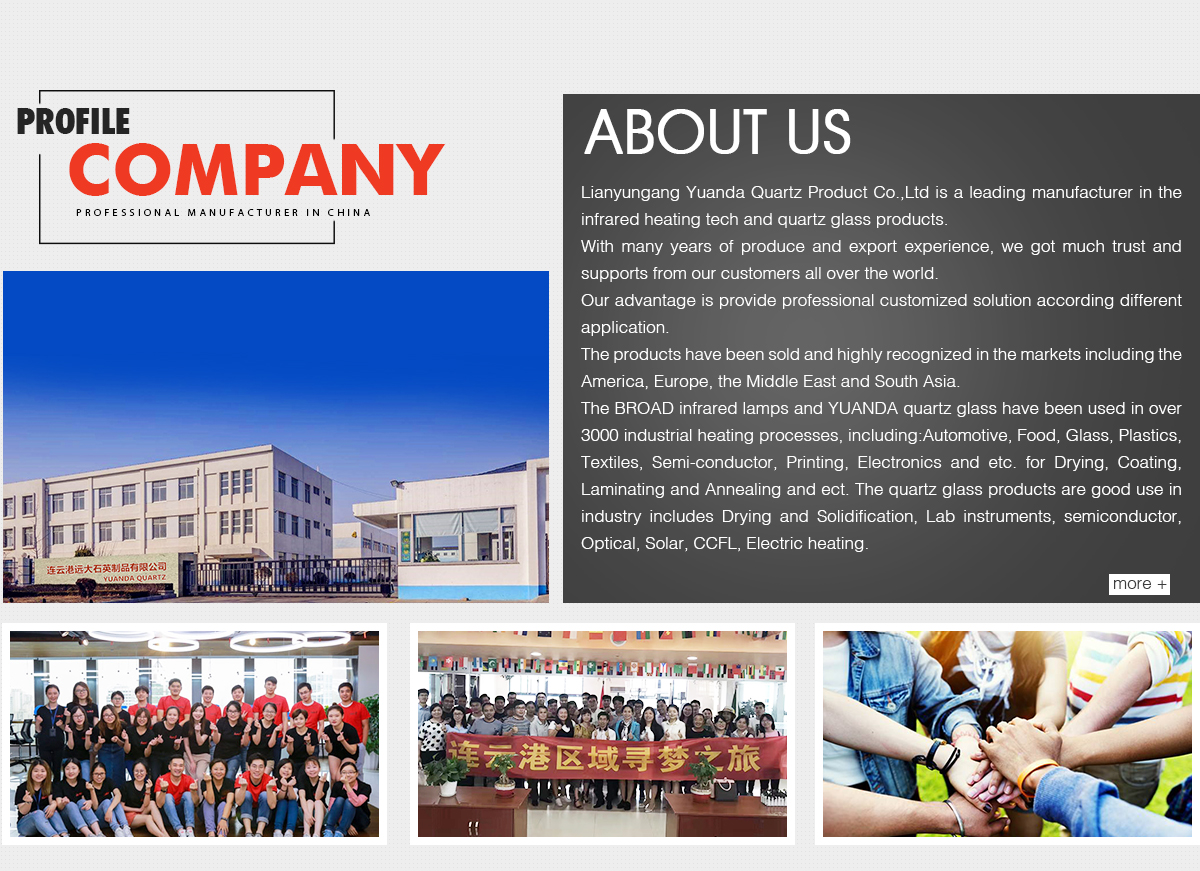
Engineered in Lianyungang: China's Quartz Epicenter to Rome
Kavri Quartz Product Co., Ltd. is strategically situated in Lianyungang, Jiangsu Province—home to Donghai County, globally recognized as the premier natural crystal and high-purity quartz processing basin. Since 2014, we have leveraged direct raw silica supply lines, automated hot-melt drawing furnaces, and specialized glassblowing craftsmanship to produce high-precision quartz rings, tubes, and custom scientific apparatus.
- 10+ Years Dedicated OEM/ODM Experience: Supplying global machinery builders, packaging OEMs, and European component distributors across Italy, Germany, and the Netherlands.
- Alibaba Onsite-Verified Facility: Independent third-party inspection certifications verifying physical manufacturing capacity, legal corporate standing, and cleanroom facilities.
- Three In-House Specialized Production Lines: Continuous automated tube drawing, ultra-precision multi-axis CNC grinding/polishing, and cleanroom infrared emitter filament assembly.
- Rigorous Optical & Dimensional QA: Every batch subjected to optical coordinate measuring (CMM), spectrophotometric transmission validation, and thermal shock testing.
Direct Export Framework: Navigating Rome & Central Italy Import Compliance
Procuring engineered quartz components from China into Rome (Metropolitan City of Rome Capital, Lazio Region) requires adherence to strict European Union directives, customs protocols, and shock-proof maritime/aviation freight standards. With over 81%–90% of our production exported internationally, Kavri Quartz maintains a mature end-to-end global supply pipeline.
Incoterms & Dedicated Freight Channels to Rome
We support standard Incoterms 2020 including EXW, FOB Qingdao/Shanghai, CFR, CIF Rome/Civitavecchia, and full DDP (Delivered Duty Paid) directly to your manufacturing facility, cleanroom warehouse, or university research park in Rome, Pomezia, Latina, or Rieti.
- Air Freight Expedited (Rome Fiumicino - FCO): For prototyping, emergency production shutdown replacement, and critical aerospace/semiconductor runs, scheduled air freight via direct cargo routes ensures customs clearance and factory-floor delivery in Lazio within 5 to 8 working days.
- Consolidated Ocean Freight (Port of Civitavecchia / Genoa / Naples): For container-load orders of standard quartz tubes, mass-produced IR lamps, and large-batch industrial quartz rings, ocean routes provide optimal per-unit economics with an average transit timeline of 26 to 32 days.
Tariff Classification, CE Marking & Chemical Compliance
All quartz products, rings, tubes, and radiant emitters imported into the Italian Republic are accompanied by comprehensive commercial documentation, Certificates of Origin (Form A), material analysis certificates (MTR), and correct Harmonized System (HS) classifications:
- HS Code 7002.31.00: Tubes, pipes and unworked glass rings of fused quartz or other fused silica.
- HS Code 7017.10.00: Laboratory, hygienic or pharmaceutical glassware of fused quartz or fused silica (cleanroom rings, crucibles, flow cells).
- HS Code 8516.80.00 / 8539.49.00: Industrial electric heating elements and ultraviolet/infrared radiant quartz lamps (fully certified compliant with CE low-voltage directive 2014/35/EU, RoHS 2011/65/EU, and EU REACH regulations).
Zero-Breakage Optical Protective Packaging
Fragile optical components and fused silica rings mandate engineered cushioning. Kavri employs a tri-tier export packaging matrix: individual vacuum-sealed PE dust-free wraps, precision high-density CNC contour-cut EPE foam pockets, and heavy-duty, heat-treated plywood export crates meeting ISPM-15 phytosanitary standards. Impact and tilt monitoring indicators are applied to export crates destined for Rome, ensuring full accountability across multimodal transport.
Frequently Asked Questions by Italian & Rome Buyers
Clear, technical answers to streamline engineering evaluation, CAD drawing submissions, and international trade contracting.
Can you manufacture quartz glass rings based on proprietary CAD drawings?
Yes. Kavri specializes in custom OEM/ODM production. You can supply technical drawings in STEP, DWG, DXF, or PDF format detailing Outer Diameter (OD), Inner Diameter (ID), height, chamfer angles, and surface polish (Ra). We confirm dimensional feasibility and thermal parameters within 4 hours.
What is the typical Minimum Order Quantity (MOQ) for custom rings and emitters?
For custom machined quartz glass rings and tailored infrared heating emitters, our MOQ starts at just 5 to 10 pieces for prototyping and validation batches. Standard dimension quartz tubes and catalog replacement lamps can also be ordered in modest test quantities to facilitate initial fit-checks.
How do you verify purity and prevent devitrification in high-heat processes?
Our raw silica originates exclusively from premium Donghai natural quartz deposits, refined to ≥ 99.99% SiO2. We maintain trace alkali metals (Na, K, Li) below 1.5 ppm, which eliminates nucleation seeds that cause cristobalite devitrification, allowing continuous operation up to 1150°C without surface clouding.
How does Kavri handle broken goods if damage occurs during transit to Italy?
Thanks to engineered multi-layer EPE foam and ISPM-15 timber crating, our international breakage rate remains under 0.2%. In the rare event of transit damage, clients provide inspection photos within 72 hours of receipt, and Kavri immediately produces and air-freights replacements free of charge.
Can you match existing European or Japanese IR heating lamp models?
Yes. We regularly fabricate cross-compatible replacement emitters for machines built by European, Swiss, or Japanese OEMs. By providing the burnt-out lamp's overall length, heated length, wattage, operating voltage, ceramic cap style, and reflector type (gold or white ceramic), we provide drop-in retrofits.
What payment methods and trade terms are available for Italian corporations?
We accept standard international commercial payment channels including Telegraphic Transfer (T/T), Letter of Credit (L/C at sight), and Western Union for sample charges. For established long-term Italian partners and corporate framework agreements, flexible milestone payment schedules are accessible.
Ready to Engineer Your Quartz Rings or Radiant Heating Systems?
Submit your CAD blueprints, operational temperatures, or replacement lamp specifications today. Our senior glass engineers provide rapid DFM feedback and competitive factory-direct quotations within 4 hours.