Strategic Procurement of Precision Fused Silica for Houston’s Harsh Environments
As the global energy capital, Houston hosts high-demand industrial clusters across the Houston Ship Channel, Pasadena, and the Energy Corridor. Engineering teams across oilfield services, petrochemical synthesis, downhole measurement-while-drilling (MWD/LWD), and orbital aerospace require optical viewing ports and quartz infrared processing infrastructure capable of enduring extreme pressures (up to 25,000 psi) and elevated operating temperatures exceeding 1,100°C. Sourcing from certified tier-1 direct manufacturers eliminates downstream quality failure, lowers supply-chain friction, and satisfies rigorous API, ASME-PVHO, and ASTM specification audits.
Localized Houston Engineering Applications
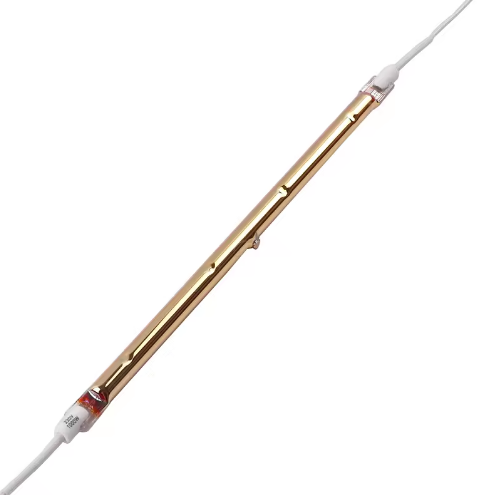
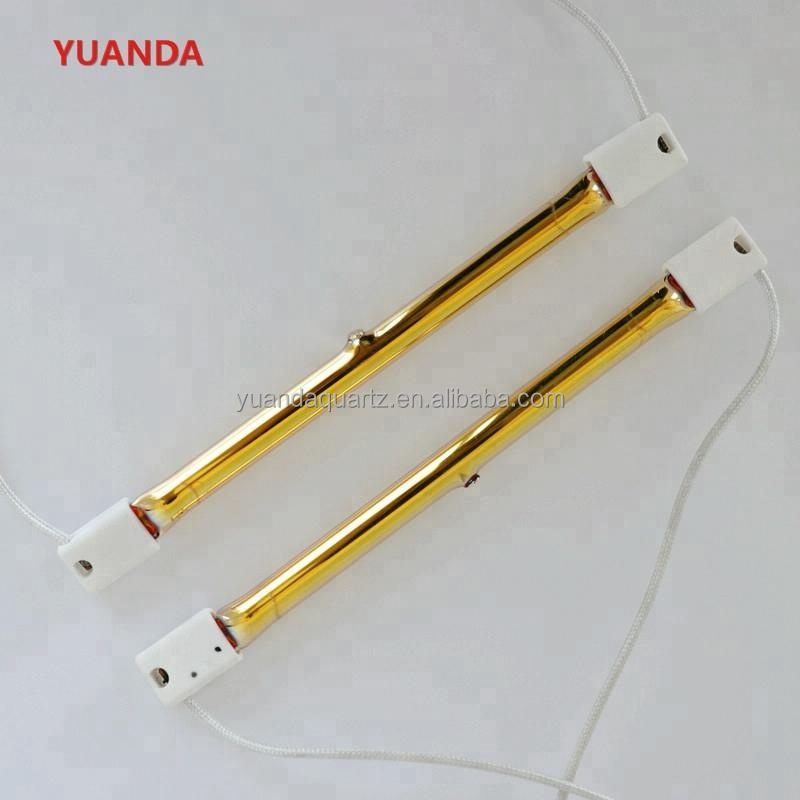
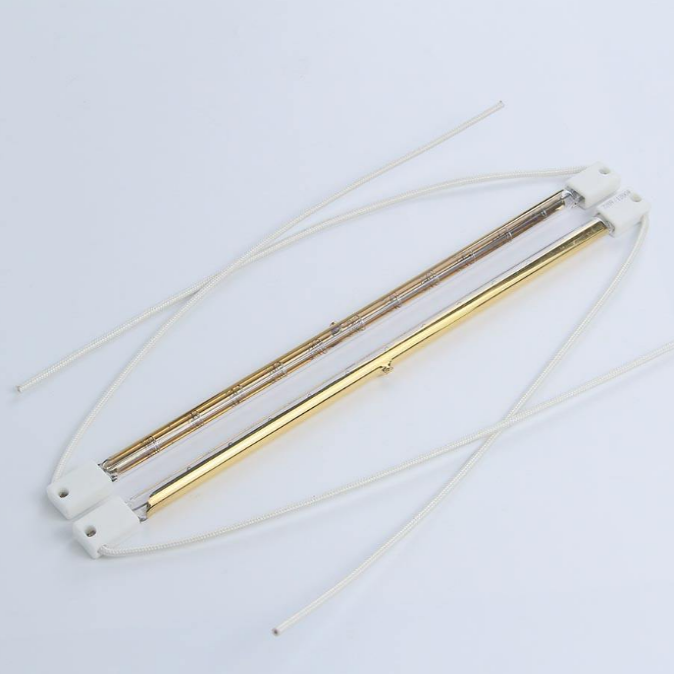
Houston's industrial landscape requires fused silica windows and specialized thermal emitter tubes that meet demanding operational criteria.
Subsea & HPHT Downhole Sight Windows
In offshore Gulf of Mexico and onshore deep-well operations, fused silica sight glasses are installed in pressure-retaining housings, logging instruments, and subsea separators. With a near-zero coefficient of thermal expansion (5.5 × 10⁻⁷/K) and extreme compressive strength, our optical-grade fused silica discs withstand rapid pressure deltas up to 20,000+ psi and continuous temperatures of 1,100°C without structural crazing.
Petrochemical & Refinery Pyrometry
Facilities lining the Houston Ship Channel rely on fused silica viewport flanges for infrared non-contact thermography, ethylene furnace monitoring, and sulfur recovery chambers. Fused silica delivers broadband optical clarity spanning UV (∼200nm) through near-infrared (∼3.5µm), shielding delicate pyrometer detectors from corrosive hydrocarbon vapors and particulate impingement.
Aerospace & Vacuum Chambers
Serving aerospace engineering projects anchored near the Clear Lake region, custom-ground fused quartz and silica plates serve as optical ports for thermal-vacuum (TVAC) test chambers. High structural homogeneity, bubble class standards, and laser-grade surface parallelism (up to 20-10 scratch-dig) ensure non-distorted signal transmission during solar simulation testing.
Material Performance & Engineering Thresholds
Objective performance data contrasting Kavri optical fused silica with standard tempered borosilicate for Houston plant engineers.
| Property Parameter | Synthetic Fused Silica (Grade JGS1/JGS2) | Borosilicate Glass 3.3 | Operational Significance |
|---|---|---|---|
| Continuous Max Temp | 1,100 °C (Peak 1,450 °C) | 450 °C (Peak 500 °C) | Permits direct placement inside cracking furnaces and flare monitoring viewports. |
| Thermal Expansion (CTE) | 5.5 × 10⁻⁷ / K | 32.5 × 10⁻⁷ / K | Survives immediate water quenching from 1,000°C with zero fracture hazard. |
| Spectral Window | 185 nm – 3,500 nm (Deep UV to NIR) | 350 nm – 2,500 nm | Enables downhole spectroscopic analysis and multi-wavelength laser alignment. |
| Compressive Resistance | > 1,100 MPa | ∼ 700 MPa | Essential for deep-water offshore BOP sight ports and subsea manifold enclosures. |
| Purity (SiO2 content) | ≥ 99.99% | ∼ 81% | Immune to solarization, chemical etching, and de-vitrification in acid environments. |
Houston Industrial & Procurement Trends
Key technological transformations impacting quartz and fused silica window procurement across Southeast Texas.
Transition to CCUS & Hydrogen Infrastructure
Houston's push toward Carbon Capture, Utilization, and Storage (CCUS) and clean hydrogen pipelines introduces corrosive supercritical CO2 and high-temperature syngas streams. Industrial viewports require synthetic silica with low trace-element profiles to avoid hydrogen embrittlement and chemical clouding.
Automated Process Thermography
Downstream petrochemical plants are adopting AI-driven, continuous radiometric imaging instead of intermittent handheld inspections. This shift requires standardized, anti-reflective (AR) coated fused quartz viewports that integrate with SCADA and industrial IoT camera clusters.
Direct Factory Reshoring & Dual-Sourcing
Supply chain uncertainties have led Texas-based procurement officers to move away from multi-tier intermediaries. Contracting directly with source manufacturers located in global quartz raw-material hubs secures traceable mill test reports, lower unit costs, and tailored OEM batch production.
Enterprise Manufacturing Strength: Kavri Quartz
Direct manufacturing integration from China's primary quartz production cluster directly to Houston freight terminals.
Donghai Quartz Hub Location
Located in Lianyungang, Jiangsu — home to Donghai, one of the world's primary fused quartz processing hubs — Kavri Quartz maintains direct access to high-purity natural silica sand and synthetic precursors. This direct vertical integration reduces raw material cycle times and guarantees lot-to-lot consistency.
Rigorous QA & Optical Metrology
Every production batch undergoes automated optical inspection, interferometer-based wavefront analysis, micro-crack polarization testing, and power-rating burn-in checks for IR emitters. Full material certs, roughness profiles (Ra < 1nm), and dimensional reports ship with orders.
Turnkey Logistics to Houston
Kavri manages shock-proof vacuum crate exports through flexible trade terms including FOB, CFR, CIF, EXW, and door-to-door DDP directly to Port Houston (Barbours Cut and Bayport terminals) or George Bush Intercontinental Airport (IAH) air-cargo consolidation hubs.
Houston Procurement: Frequently Asked Questions
Direct answers to technical, commercial, and logistics questions from Texas sourcing directors.
FAQ What optical transmission data can you provide for MWD/LWD sensor viewports?
We supply spectrophotometric transmission curves ranging from 190nm to 3500nm. For deep-UV and near-infrared telemetry applications, our synthetic grade fused silica achieves internal transmittance > 99.8% at operational wavelengths, avoiding sensor attenuation in high-temperature downhole conditions.
FAQ What are your standard lead times for custom-machined sight windows shipped to Texas?
Standard prototype and engineering sampling lead times range from 7 to 10 working days. Full volume production runs average 3 to 4 weeks. Utilizing express air freight to Houston (IAH) takes 4 to 6 transit days, while sea freight to Port Houston runs approximately 28 to 35 days under DDP terms.
FAQ How do you package fragile fused quartz tubes and large optical discs to prevent transit breakage?
Our export packaging uses custom EPE shock-absorbent cell-form molds, multi-layer bubble wrap, and hermetically sealed moisture-barrier bags, packed inside heavy-duty multi-wall export plywood crates. With over 10 years of export experience to North America, our shipment arrival loss rate remains under 0.05%.
FAQ Can you manufacture custom shapes, drill holes, and apply metalized coatings?
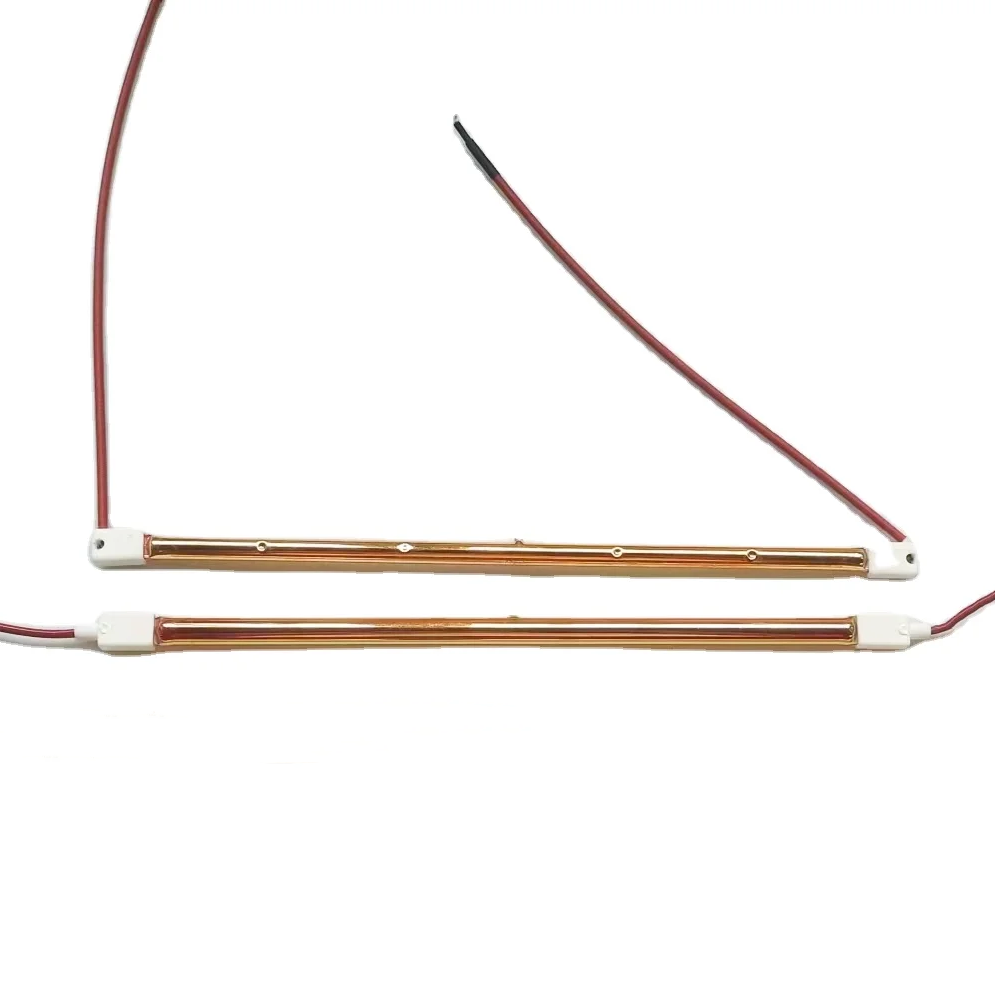
Yes. We offer complete OEM machining: 5-axis CNC edge profiling, beveling, ultrasonic precision hole-drilling, high-reflectance gold plating for infrared directionality, and ceramic half-white reflectors. We build precisely to your engineering CAD drawings (.DXF, .DWG, .STEP).
FAQ Can you supply drop-in replacements for discontinued machine halogen and carbon IR emitters?
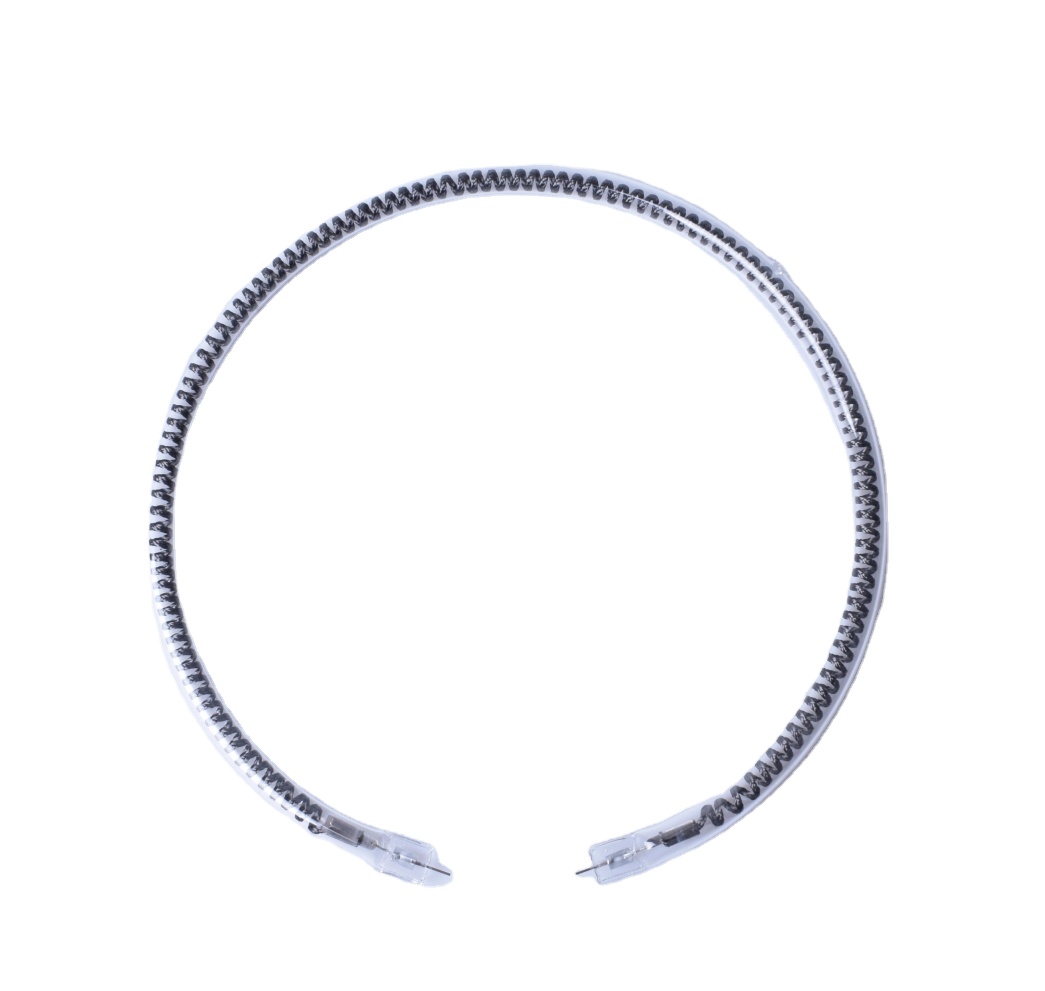
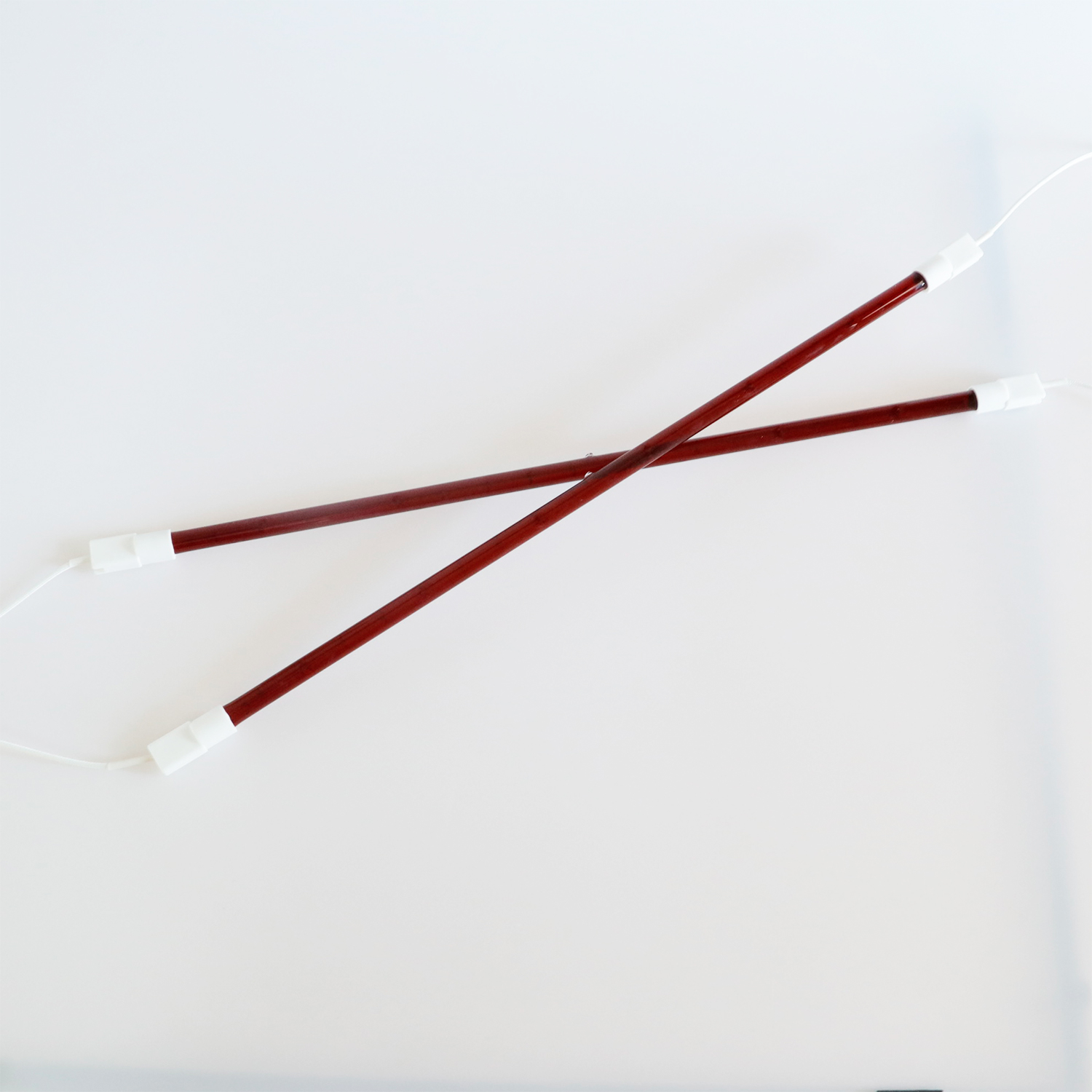
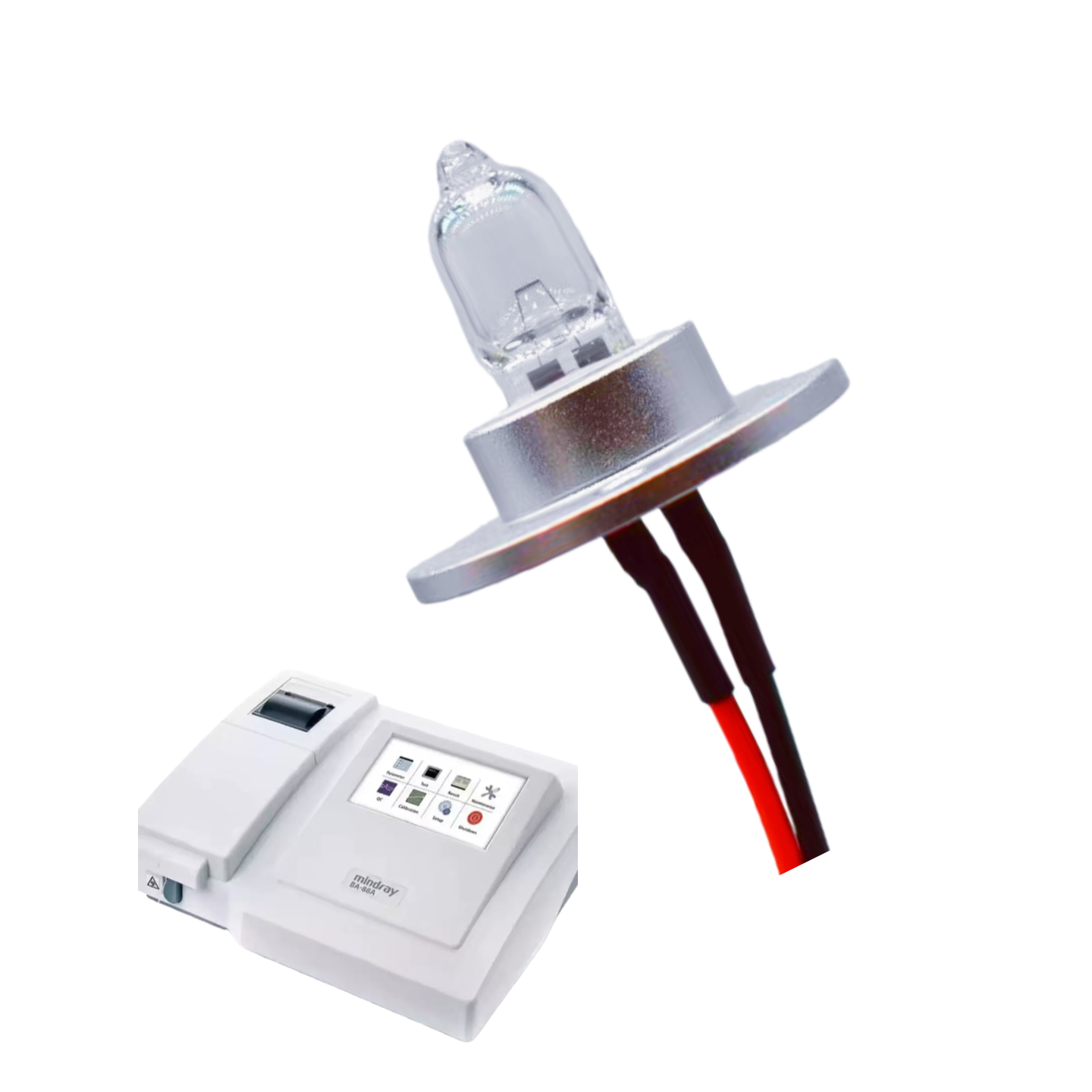
Yes. By providing the rated voltage, overall wattage, heated length, total overall length, and end-cap specifications (or a physical returned sample), our engineering team can replicate the electrical and thermal characteristics of legacy emitters for PET blowing and web curing machinery.
FAQ What is the Minimum Order Quantity (MOQ) for custom-cut fused silica windows?
To accommodate R&D pilots and emergency MRO downtime in Houston refineries, our minimum order quantity starts from just 8 to 10 pieces for standard dimensions, with custom pilot runs reviewed and quoted based on CAD drawing complexity.
Request Custom Fused Silica Windows & Emitters
Consult with our quartz engineering specialists. Provide your dimensions, tolerances, and operating environment to receive an engineering feasibility review and formal quotation within 4 hours.