Featured Fused Silica & Precision Infrared Emitters
Factory-direct engineered fused silica tubes, quartz glass flow cells, and rapid-response industrial thermal emitters manufactured in Lianyungang and customized for industrial automation lines across Hamburg and European hubs.
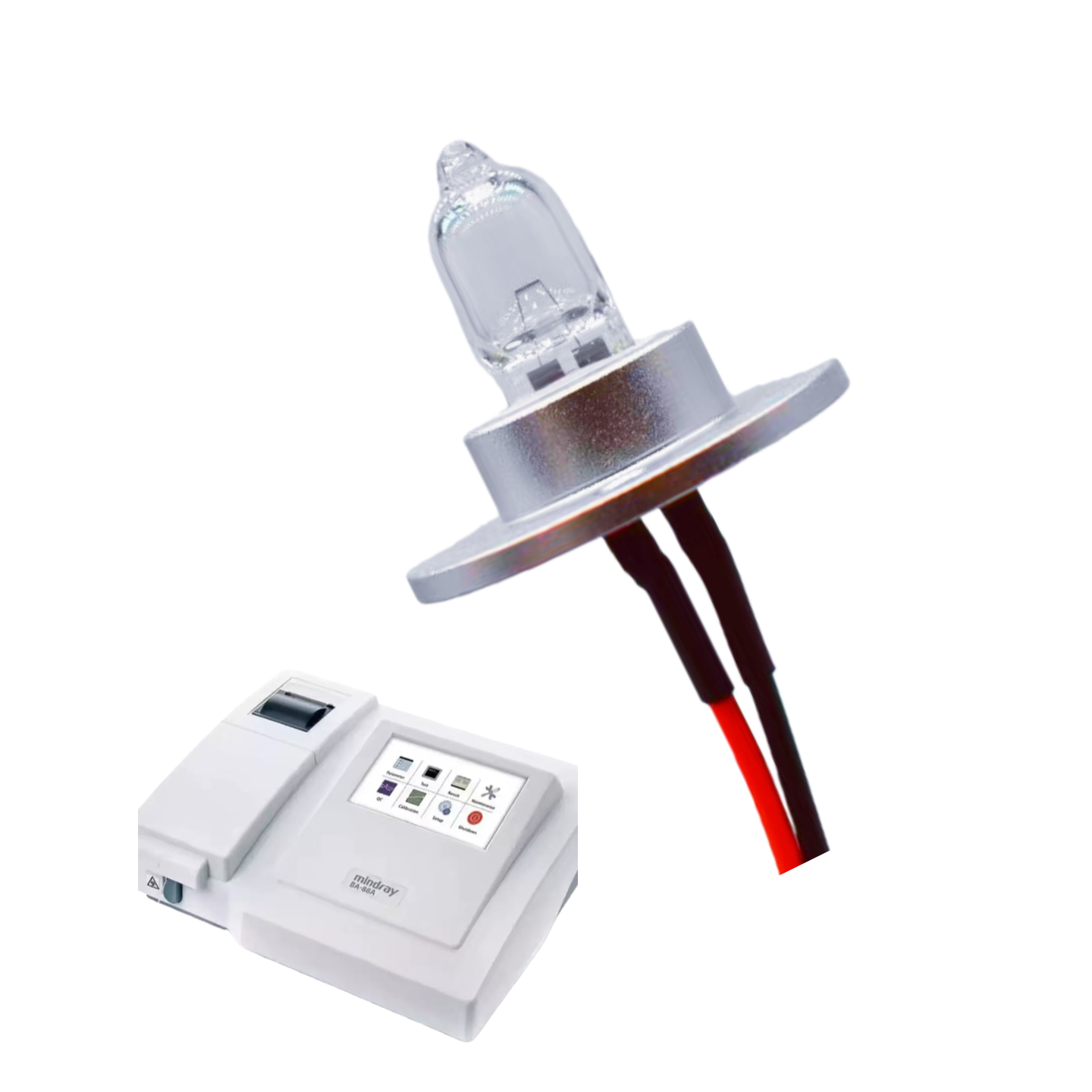
BA-88A Halogen Lamp Bead 6V 10W Mindray Semi-automatic Biochemical Analyzer Light Bulb
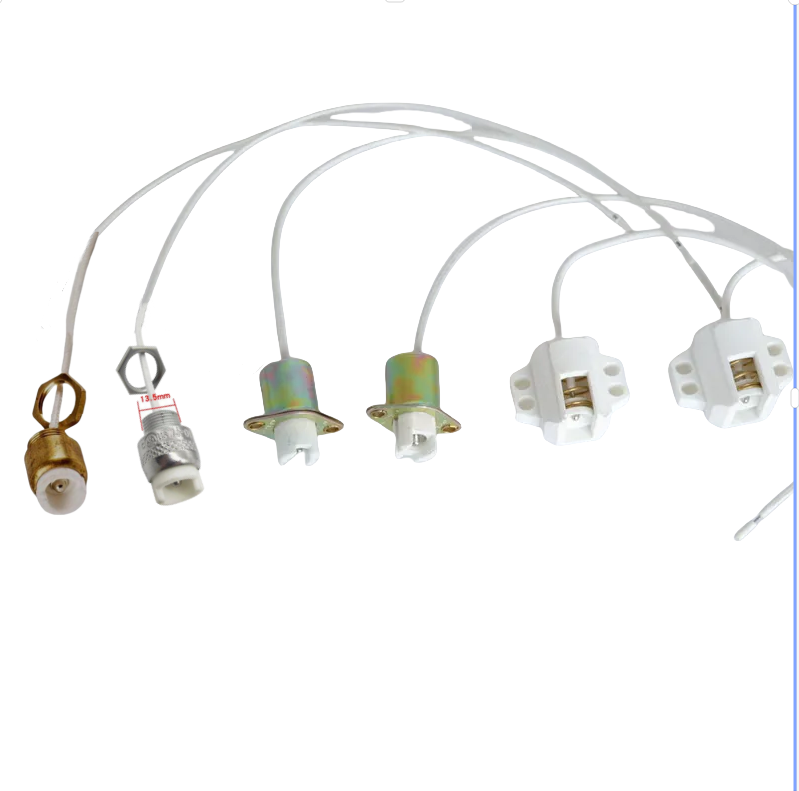
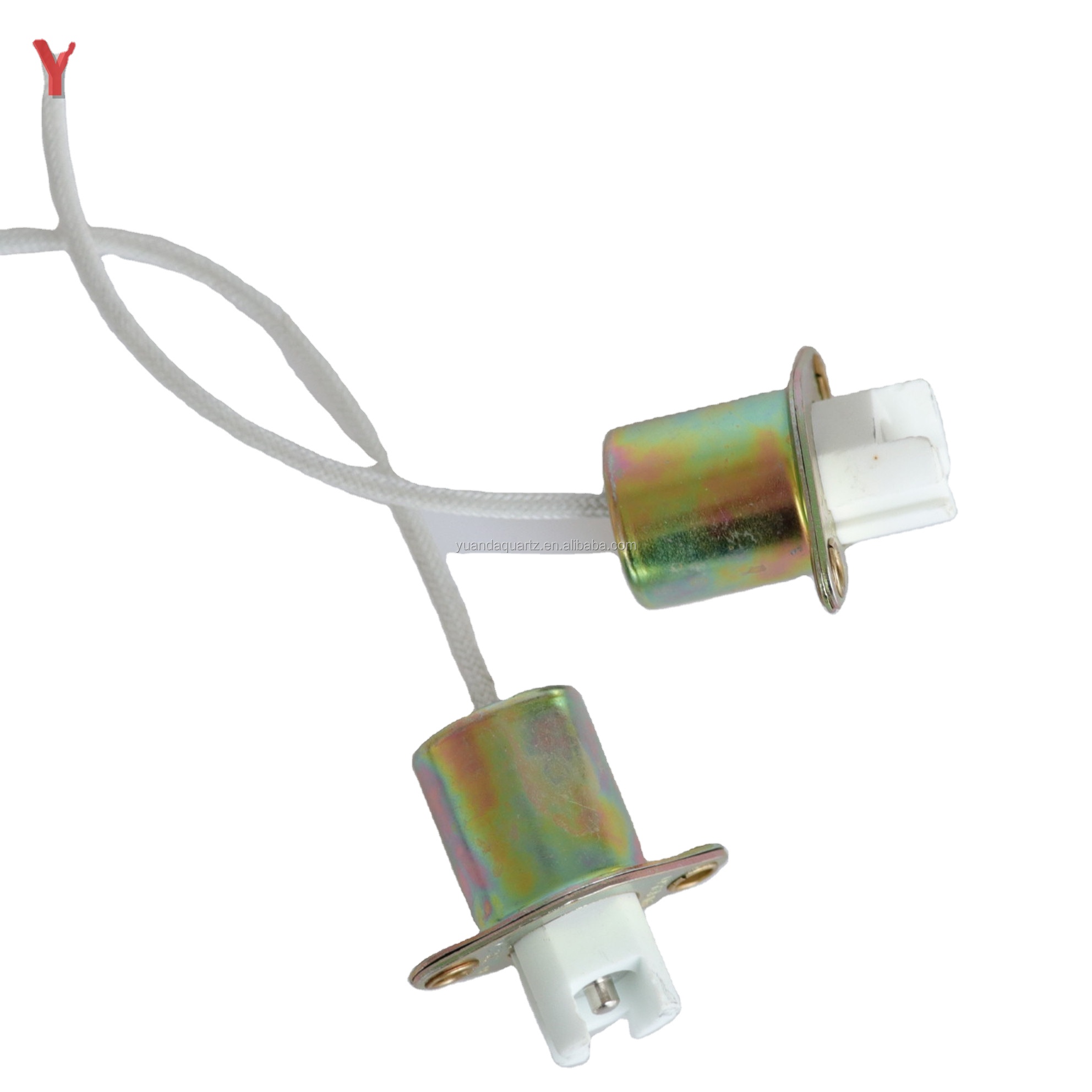
Halogen Infrared Heating Lamp R7S Ceramic Lamp Holder R7S Ceramic Lamp Holder
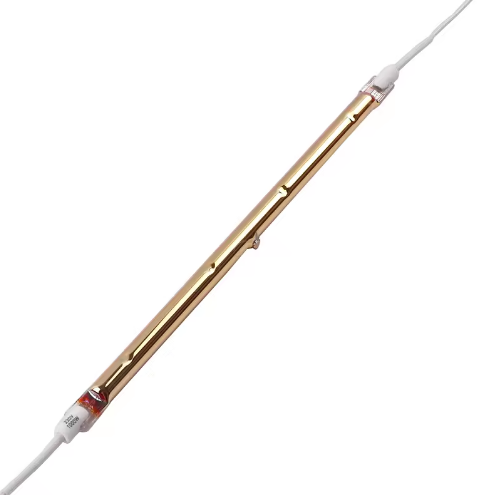
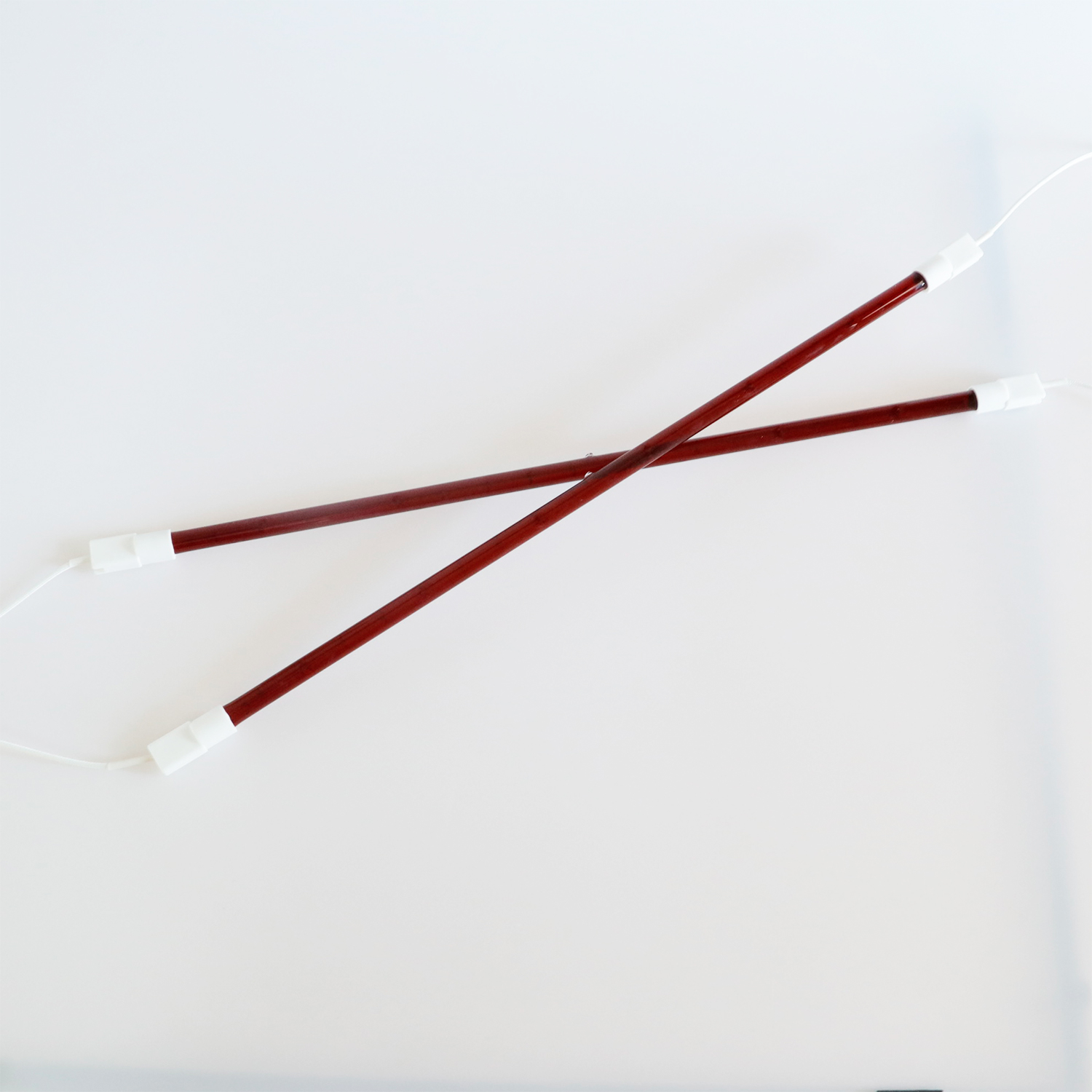
Stable Quality Gold Plated Quartz Infrared Heat Lamps for PET Manufacture
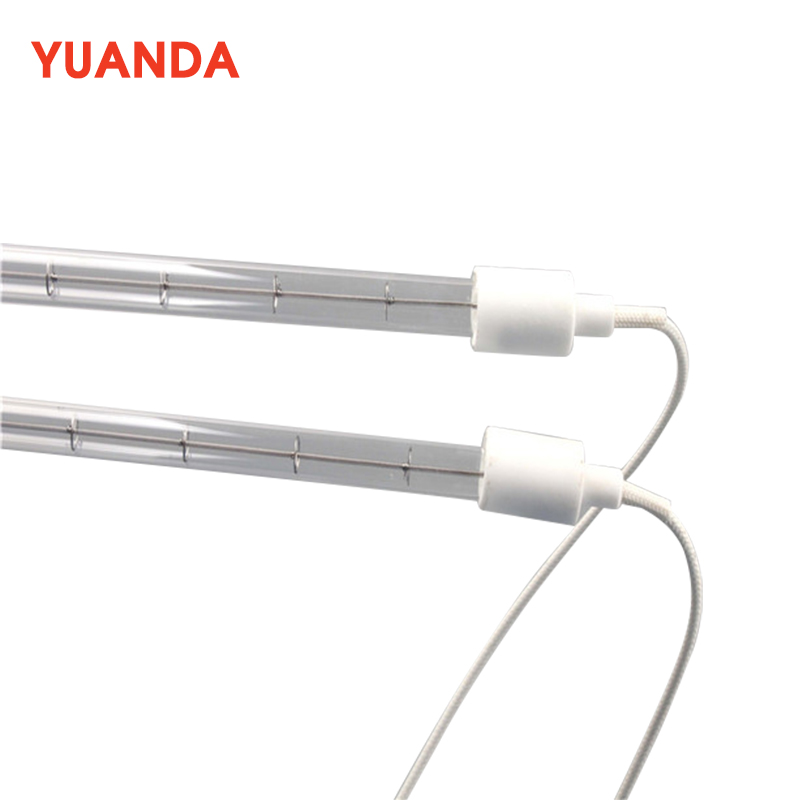
Wholesale Infrared Heater Halogen Lamp Supports Customization for Drying Systems
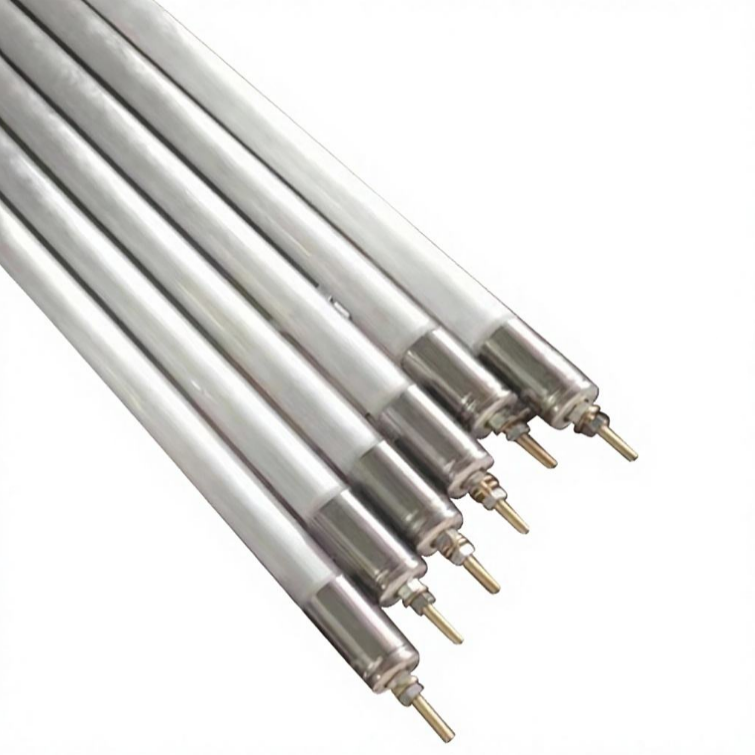
Electric Furnace Wire Quartz 1000w for Machine Equipment
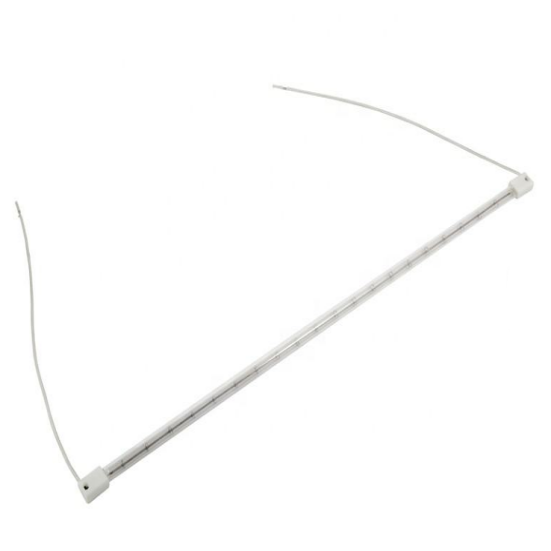
Low Price Infrared Heater Halogen Lamp Supports Customization for Textile Industry
Fused Silica Engineering Fundamentals for European OEM Systems
A detailed examination of vitreous silicon dioxide (SiO2) performance parameters, comparing optical clarity, thermo-mechanical thresholds, and spectral energy transmission against conventional technical glasses.
The Crystallographic Advantage of Vitreous Silica
Fused silica, non-crystalline silicon dioxide synthesized by fusing ultra-pure natural quartz crystal sand (sourced directly from the Donghai mineral belt near Lianyungang, China), exhibits an amorphous three-dimensional network of silicon-oxygen tetrahedra ([SiO4]). Unlike commercial soda-lime or borosilicate formulations that incorporate fluxing alkali metal oxides (Na2O, K2O, B2O3), our electronic and optical-grade fused silica maintains a raw purity exceeding 99.99% SiO2 (4N grade).
This structural purity confers an extraordinarily low coefficient of thermal expansion (α ≈ 5.5 × 10⁻⁷ /K within 20°C to 1000°C). In rigorous industrial conditions across Hamburg's maritime coating and aerospace testing chambers, this material endures sudden temperature shocks exceeding 1100°C followed by immediate liquid quenching without macro-fracturing or micro-fissuring.
Furthermore, the low hydroxyl ([OH-] ≤ 15 ppm in dehydroxylated grades) eliminates infrared absorption bands at 2.72 μm, enabling full-spectrum radiant transfer for short-wave tungsten-halogen emitters, carbon fiber mid-wave systems, and UV ballast-water sterilization reactors.
Spectral Dispersion & Directional Reflection Metallurgy
The optical transmittance of Kavri Quartz fused silica spans unhindered from the deep ultraviolet (180 nm) through the visible spectrum into the mid-infrared region (4.5 μm). For specialized heating systems deployed in Hamburg’s manufacturing facilities, transmission efficiency is reinforced through directional nano-coatings:
- 24K Gold Plating (Specular Mirror): Reflects up to 98% of infrared radiation directly toward the target substrate, reducing energy waste inside machine housings and cutting plant cooling loads.
- Diffuse Ceramic White Reflector: Applied via high-temperature plasma sintering; withstands sustained operating environments up to 900°C without flaking, ideal for cyclic PET blow molding ovens.
- Ruby Doped Fused Quartz: Chemically incorporates rare-earth colorants into the quartz batch to suppress blinding glare while optimizing 1.0–1.4 μm short-wave penetration.
| Material Parameter | High-Purity Fused Quartz (Kavri) | Borosilicate Glass 3.3 | Aluminosilicate Glass | Target Hamburg Application |
|---|---|---|---|---|
| Purity (SiO2 Content) | ≥ 99.99% | ≈ 81.0% | ≈ 60-65% | Biochemical Analyzer Flow Cells, UV Reactor Tubes |
| Thermal Expansion (20-300°C) | 5.5 × 10⁻⁷ /K | 3.3 × 10⁻⁶ /K | 4.5 × 10⁻⁶ /K | Thermal Shock Resistant Furnace Viewports |
| Max Short-Term Temp | 1450 °C | 500 °C | 700 °C | Industrial Quartz IR Heating Envelopes |
| Softening Point | 1680 °C | 820 °C | 910 °C | High-Load Electric Furnace Wire Sheathing |
| Dielectric Strength (20°C) | 25–40 kV/mm | 15–20 kV/mm | 18–25 kV/mm | R7S High-Voltage Ceramic Termination |
| UV-C Transmission (254 nm) | ≥ 90% (10mm path) | ≤ 5% (Opaque) | ≤ 10% (Opaque) | Port of Hamburg Ballast Water UV Disinfection |
Precision Quartz & IR Applications Across the Hamburg Industrial Hub
Hamburg serves as Northern Europe's prime logistics gateway, aviation cradle, and maritime center. Our fused silica components integrate seamlessly into critical local sectors demanding German-standard durability.
Aviation & Composite Curing (Finkenwerder Hub)
Within Hamburg-Finkenwerder’s commercial aviation assembly ecosystem, carbon-fiber-reinforced polymers (CFRP) require uniform, non-contact heating. Kavri’s twin-tube short-wave quartz lamps with micro-engineered gold reflectors deliver targeted radiant profiles, eliminating internal void formation during autoclave-free composite curing and prepreg lamination.
Port Marine Coatings & Ship Maintenance
The Port of Hamburg handles massive maritime traffic where anti-corrosive epoxies and polyurethanes must dry rapidly despite damp North Sea weather. Ruby and short-wave quartz emitters provide immediate 1.0–1.2 μm penetrative heat directly to metal ship hulls and container assemblies, drying coatings from the primer out to stop moisture entrapment.
Life Sciences & Diagnostic Flow Cells
Serving Northern Germany's biomedical corridors and medical device maintenance engineers, our BA-88A halogen quartz sources and custom-machined 32 μL quartz flow cells ensure zero-fluorescence analytical windows, enabling reliable spectrophotometry, blood biochemistry analysis, and microfluidic testing.
Clean Energy & Hydrogen Fuel Cell Production
As Hamburg moves forward with the Green Hydrogen Hub at Moorburg, high-temperature quartz tubes, diffusion furnaces, and sight glasses are vital. Kavri’s ultra-pure silica tubes resist chemical corrosion from acidic and hydrogen-rich atmospheres at 1100°C, offering reliable isolation for gas monitoring sensors and fuel cell ceramic sintering.
Automated Packaging & PET Preform Lines
Northern German beverage bottling plants and polymer converters rely on our ceramic half-white and star-filament halogen lamps for rotary stretch blow-molding equipment. Consistent filament alignment ensures uniform circumferential heating of PET preforms, reducing scrap rates and running reliably under multi-shift operation.
High-Precision Industrial Web & Textile Drying
Supplying converted flexographic, gravure, and specialty technical textile converters in Lower Saxony and Schleswig-Holstein. Our mid-wave carbon and short-wave IR emitters balance water-phase and solvent-phase evaporation without scorching heat-sensitive web materials, maintaining precise automated web-tension lines.
Navigating Northern Europe's Industrial Energy Transition
How evolving EU environmental regulations and energy economics are accelerating the adoption of electrically powered precision quartz heating across Hamburg's industrial sector.
Decarbonization of Process Heat
Under the European Green Deal and Hamburg’s Climate Action Plan (Klimaplan), factories are phasing out fossil-fueled convection ovens. Electric quartz emitters convert up to 92% of input power into direct radiant heat, offering a direct route to zero-carbon manufacturing when paired with offshore wind power.
Supply Chain Reshoring & Dual Sourcing
To reduce dependence on European monopolies with extended lead times, German procurement teams increasingly partner with factory-direct Chinese manufacturers. Direct maritime freight from Lianyungang to the Port of Hamburg offers consistent 28–32 day container transit with 30–50% total cost savings.
Automated Quality & Traceability
Modern German OEM lines require complete traceability. Every batch of our fused quartz tubes undergoes dimensional checking, spectrophotometer transmission runs, and polariscope stress mapping to ensure consistent quality across every production cycle.
Why Hamburg Engineers Partner with Kavri Quartz
Direct factory access in Lianyungang, deep engineering expertise, and strict quality control ensure reliable fused silica parts delivered to international OEM standards.
Lianyungang Cluster Hub
Situated in Jiangsu’s silicon corridor, we source high-grade raw crystal quartz locally. This proximity provides full control over material purity while keeping raw material costs competitive for international buyers.
10+ Years OEM/ODM Customization
Whether manufacturing single-piece prototypes for research institutes or handling 10,000-unit runs for equipment builders, we work directly to your CAD drawings, specifying precise electrical, optical, and mechanical tolerances.
Strict Quality Verification
Every production lot undergoes filament alignment checks, helium mass spectrometer leak testing for hermetic seals, and optical transmission scans. Premises and export operations are verified onsite by independent inspection bodies.
Dedicated Export Support
We routinely manage FOB, CIF, and DDP shipments to European destinations with shock-resistant packaging. Inquiries receive comprehensive engineering and commercial feedback within 4 hours during normal business operations.
Frequently Asked Technical & Procurement Questions
Clear, detailed answers covering international standards, compliance, logistics through the Port of Hamburg, and custom manufacturing parameters.
How do Kavri Quartz products comply with German DIN and EU regulatory standards?
All our fused silica and infrared heating elements comply fully with EU CE directives, RoHS (Restriction of Hazardous Substances), and REACH standards. Raw quartz batches undergo testing for heavy metals and hazardous impurities. For industrial customers in Hamburg requiring specific technical documentation, we provide certificates of conformity, material analysis reports, and spectral test traces on request.
What are the standard shipping timelines and packaging methods for the Port of Hamburg?
Standard sea freight from Lianyungang/Qingdao directly to the Port of Hamburg (Waltershof/Altenwerder terminals) takes 28 to 32 days, while critical samples ship via air freight (Hamburg Airport HAM) in 5 to 7 days. Because quartz glass is brittle, we use multi-layer shock-absorbing EPE foam, reinforced corner guards, and vacuum-sealed inner packaging housed in IPPC heat-treated wooden crates to ensure zero breakage during transit.
Can you reverse-engineer or replace existing Heraeus, Ushio, or Philips infrared emitters?
Yes. A substantial part of our OEM business involves engineering drop-in replacements for European and Japanese emitters. By providing the model code, power ratings (voltage, wattage), heated length, overall length, tube profile (single or twin tube 23×11mm, 33×15mm), and termination style (R7S, ceramic base, flexible leads), our technical team can replicate the dimensional fit and spectral output.
What are your Minimum Order Quantities (MOQ) and sample prototyping terms?
For standard infrared replacement lamps, quartz test tubes, and stock ceramic holders, our MOQ starts at just 8 to 10 pieces, making trial orders and emergency plant repairs straightforward. For custom quartz flow cells, shaped furnace tubes, or tailored lamp configurations, prototype tooling and sample validation runs are available with lead times typically between 7 and 12 business days.
How do short-wave halogen lamps compare with medium-wave carbon fiber emitters?
Short-wave halogen lamps peak at 1.0–1.2 μm with an instant 1-second response time. They excel at deep radiant penetration required for PET preform reheating, thick powder coatings, and metal pre-heating. Carbon fiber medium-wave emitters operate around 2.0–2.5 μm; this wavelength matches the fundamental absorption bands of water and organic polymers, making them ideal for water-based paint drying, textile finishing, and plastics thermoforming.
What payment and Incoterms are offered to corporate buyers in Germany?
We support standard Incoterms 2020 including EXW, FOB, CFR, CIF Hamburg, and full DDP (Delivered Duty Paid directly to your facility door, with German customs duties and EU import VAT handled). Commercial settlement is available via Wire Transfer (T/T), Irrevocable Letters of Credit (L/C at sight), and standard corporate payment terms for verified repeat customers.
Request Direct Factory Pricing & Engineering Specifications
Equip your manufacturing and design teams with complete dimensional blueprints, spectral transmission charts, and volume pricing. Our engineering desk replies within 4 business hours.