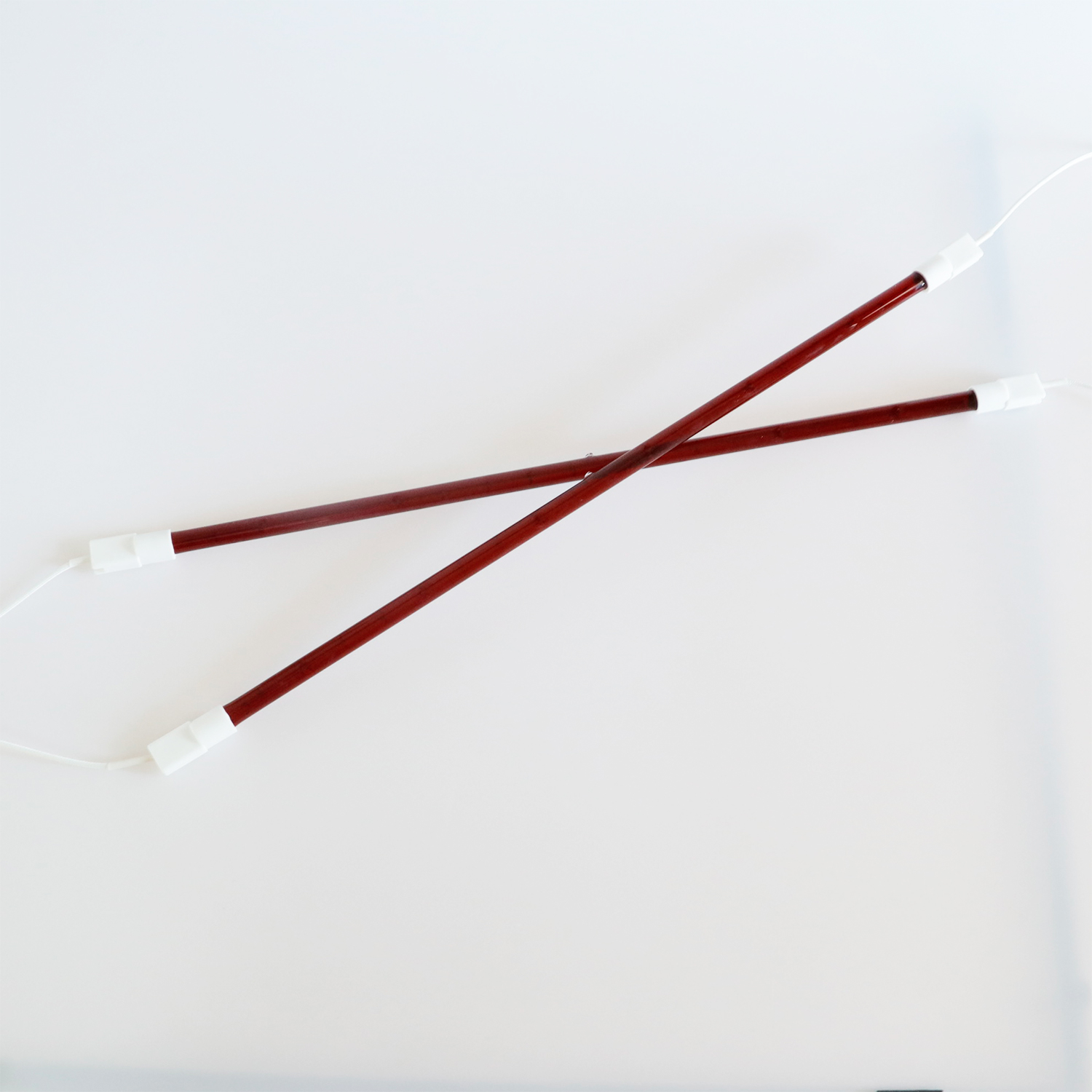
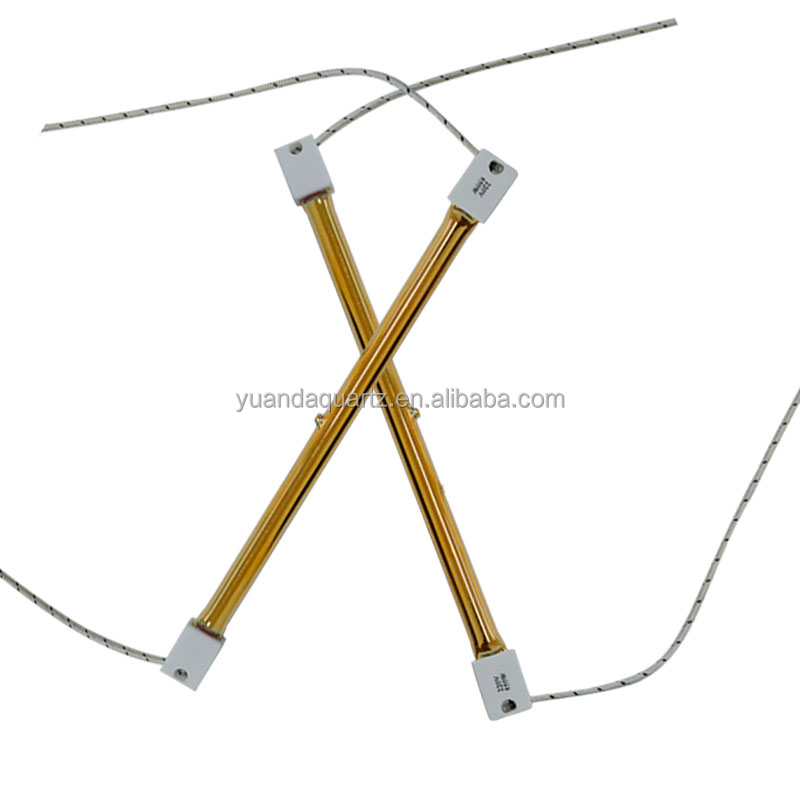
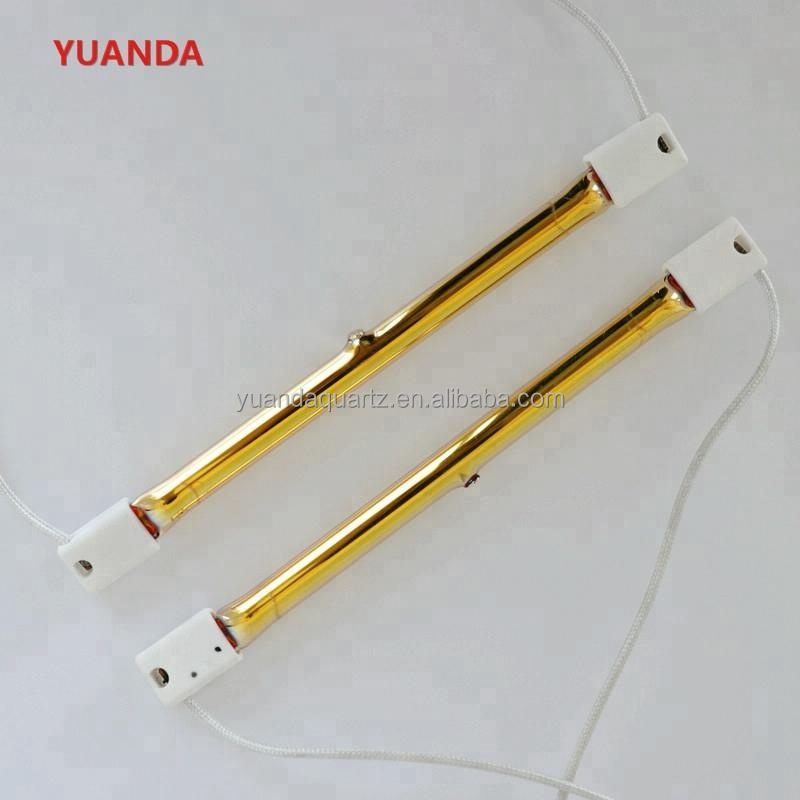
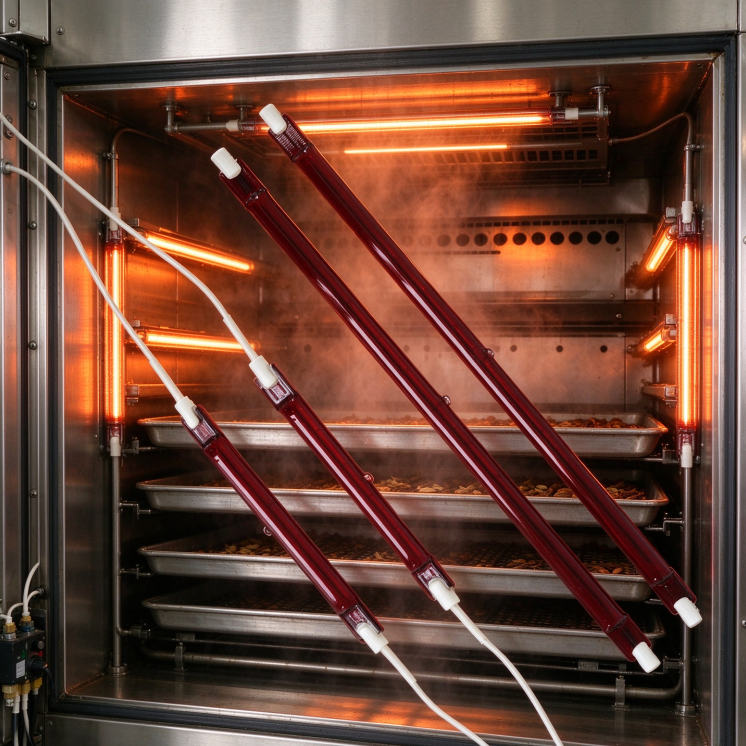
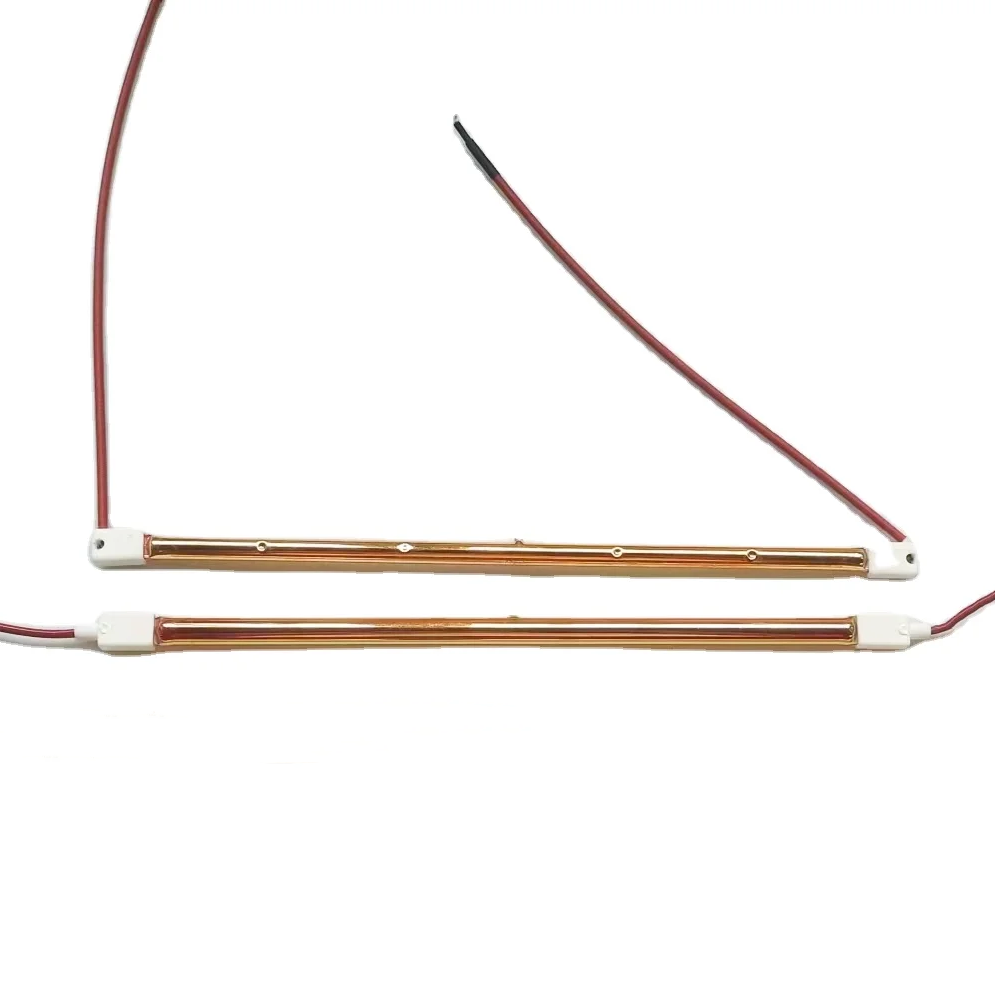
Factory Directly Ruby Short Wave Quartz Tube 1000W Halogen Infrared Heating Lamp for Auto Car Paint Drying
1000W Ruby Tube
Glare Reduction
Instant Response
Send an Inquiry
Our Lianyungang manufacturing cluster designs precision fused quartz crucibles alongside matched halogen and medium-wave carbon infrared processing lamps for industrial drying, metallurgy, and laboratory synthesis in Patras.
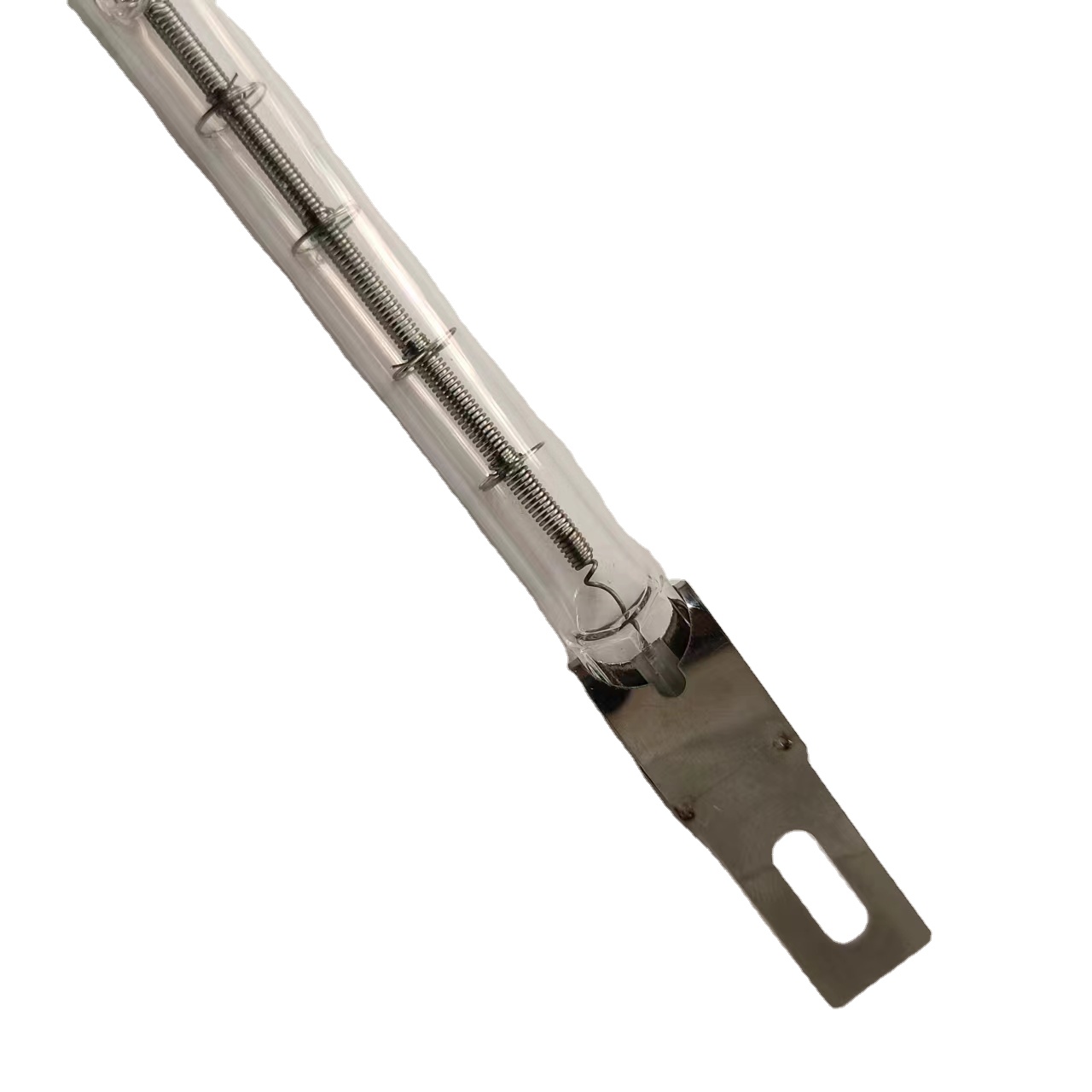
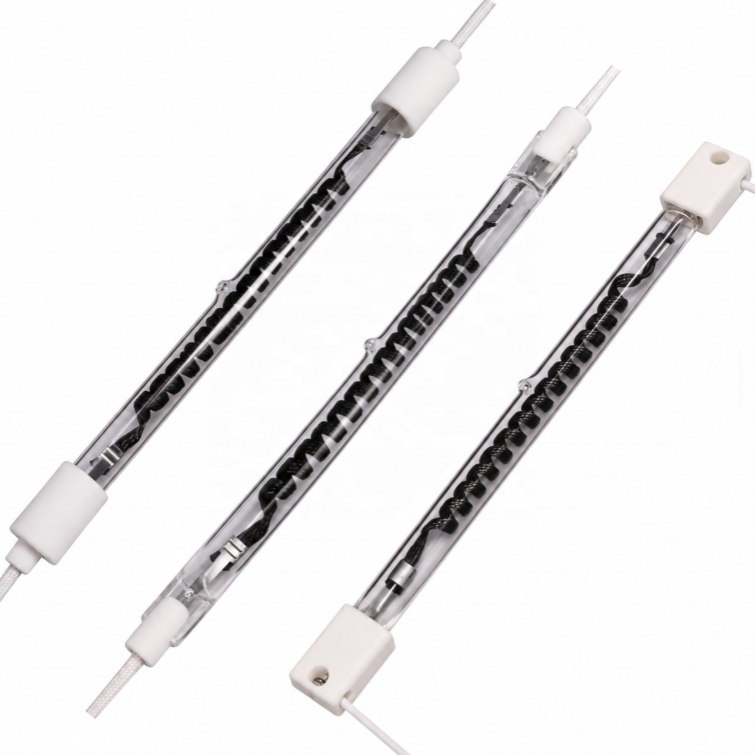
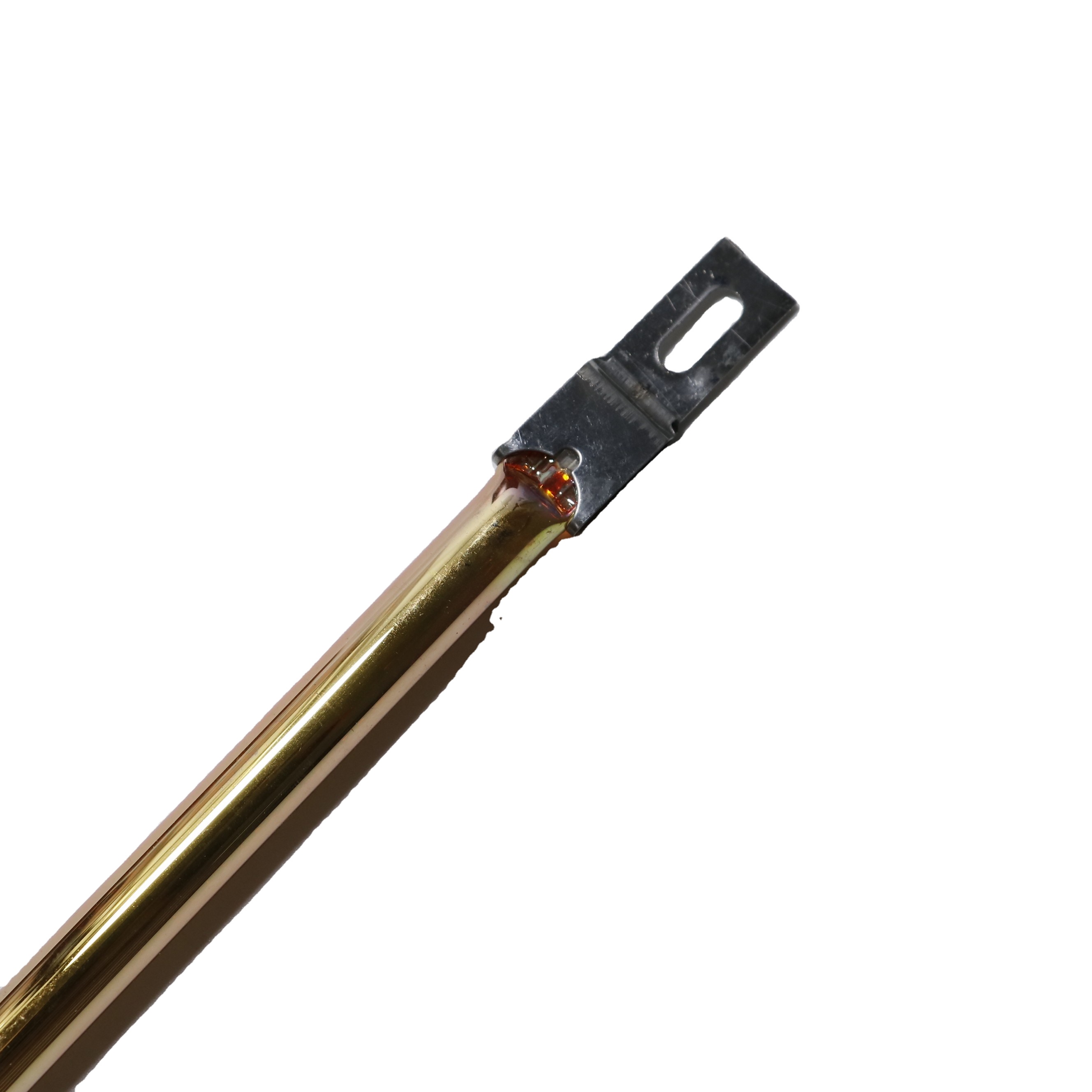
As the premier manufacturing exporter of fused silica and thermal quartz components from China to the Mediterranean region, Kavri Quartz Product Co., Ltd. addresses the rigorous technical standards demanded by Patras-based foundries, advanced research institutes, and semiconductor development laboratories. A fused quartz crucible is not merely a high-temperature receptacle; it is an engineered ceramic-glass crucible formed from amorphous silicon dioxide (SiO2 > 99.99%) that must exhibit structural stability, non-wetting properties against molten non-ferrous melts, and absolute chemical inertness under intense cyclic thermal loads.
In high-precision thermal applications, standard industrial ceramics such as clay graphite, silicon carbide, or low-grade porcelain suffer from chemical spallation, severe thermal creep, or impurity migration that poisons high-purity melts. By contrast, fused quartz vessels produced via our automated electric arc fusion and high-temperature slip-casting routes boast an exceptionally low coefficient of thermal expansion (α ≈ 5.5 × 10⁻⁷ / K). This thermodynamic property enables crucibles and refractory heating components to survive instantaneous thermal shock gradients exceeding 1000°C without catastrophic structural failure or microscopic fracture propagation.
Kavri Quartz produces both clear vitreous quartz crucibles and opaque/translucent arc-fused silica crucibles to match distinct metallurgical and analytical use-cases across Achaea and Western Greece:
Fabricated through precision rotational electric arc melting. The inner wall forms an ultra-dense, bubble-free vitreous layer that prevents chemical erosion, while the micro-porous outer layer serves as an insulating thermal shock buffer for continuous induction melting.
Engineered for large-capacity metallurgical pouring ladles, solar silicon melting, and chemical calcination. Slip-cast bodies achieve isotropic mechanical strength and resist wetting by molten zinc, aluminum, copper, and precious metal alloys without flux contamination.
Flame-worked from optical-grade pure natural quartz tubing. Provides 100% visual monitoring during high-temperature chemical vapor deposition (CVD), trace mineral acid digestion, and analytical optical spectrophotometry in research environments.
| Property Parameter | Kavri Fused Quartz Crucible | Slip-Cast Fused Silica | High-Alumina (99% Al2O3) | Clay-Graphite Crucible |
|---|---|---|---|---|
| Purity (Major Oxide) | > 99.99% SiO2 | > 99.7% SiO2 | 99.0% Al2O3 | Carbon/Silica Composite |
| Thermal Expansion (20-1000°C) | 5.5 × 10⁻⁷ / K | 6.0 × 10⁻⁷ / K | 8.0 × 10⁻⁶ / K | 4.5 × 10⁻⁶ / K |
| Thermal Shock Resistance | Exceptional (Water Quench > 1100°C) | Outstanding | Moderate (Cracks under rapid delta) | High (Susceptible to oxidation) |
| Continuous Operating Temp | 1100°C (Short-term 1450°C) | 1050°C (Short-term 1350°C) | 1600°C | 1200°C - 1500°C |
| Corrosion Resistance to Acids | Impervious to all except HF | Impervious (except HF) | Resistant | Poor in oxidizing acids |
| Dielectric Loss (RF / Microwave) | Extremely Low (< 0.0004) | Very Low | Moderate | Conductive (Not RF Transparent) |
The city of Patras represents an essential commercial and intellectual nucleus in Greece, defined by a vibrant intersection between academic scientific excellence and industrial production in the Patras Industrial Zone (VIPE Patras). Kavri Quartz supplies specialized crucibles, high-temperature thermal quartz rods, tubes, and matched infrared halogen drying systems engineered specifically for the distinct industrial ecosystems found across the Peloponnese region:
Crucibles utilized within the Department of Chemical Engineering and Materials Science for solid-state chemistry, 2D nanomaterial synthesis, and metal halide perovskite calcination. Extreme purity prevents alkali or iron contamination of nanoscale crystal matrices.
Foundries operating inside the VIPE industrial park deploy our opaque quartz crucibles and ladles for continuous induction casting of high-specification copper alloys, zinc casting, and specialty aluminium melts where ceramic inclusions cause mechanical part rejection.
Patras Science Park entities developing next-generation photovoltaic cells require fused quartz ingots, boats, and evaporation crucibles capable of sustaining vacuum chamber environments without outgassing or volatile silicon mon-oxide decomposition.
Furthermore, local packaging, bottle manufacturing, and automated assembly operations adjacent to the Port of Patras regularly combine our fused quartz processing crucibles with our factory-direct tungsten halogen and carbon fiber medium-wave infrared heating lamps. This holistic thermal setup allows Patras plants to automate curing, plastic thermoforming, and ceramic sinter-drying within unified, energy-efficient processing tunnels.
As Greece accelerates its National Energy and Climate Plan (NECP), Patras is cementing its role as a strategic gateway for renewable engineering, high-efficiency industrial electrification, and bilateral Mediterranean trade. Three pronounced market dynamics are driving heightened demand for high-performance fused quartz crucibles and clean-energy thermal processing hardware:
With stringent European Union carbon-pricing mechanisms penalizing legacy gas-fired foundry furnaces, metallurgical processors across VIPE Patras are systematically migrating toward high-frequency induction furnaces and precision electric resistance melting systems. Fused quartz crucibles are the ideal consumable liner for electrical induction melting: because pure vitreous silica is an electrical insulator with virtually zero dielectric loss at standard RF and MF frequencies, electromagnetic energy couples directly with the metal charge without parasitic heating of the crucible vessel itself.
Institutes such as the Institute of Chemical Engineering Sciences (FORTH/ICE-HT) and regional deep-tech spin-offs located in the Patras Innovation Hub are securing major research funding in battery technology, hydrogen storage catalysts, and advanced composite materials. These projects demand specialized batch crucibles, micro-flow vessels, and optical quartz plates manufactured to millimeter tolerances with traceable analytical purity certificates (ICP-MS verification).
Patras operates as the primary western maritime terminal linking Greece to Italy and the wider Adriatic corridor. Consolidated ocean freight originating from our export facilities in Lianyungang, China enters Greece via the Piraeus container terminal or directly through Patras, establishing rapid, duty-optimized import pipelines. Local buyers circumvent expensive European middleman markups by partnering directly with Kavri Quartz as an original equipment manufacturer.
Headquartered in Lianyungang, Jiangsu Province—home to Donghai County, China’s preeminent global hub for high-purity natural silica reserves and precision flame quartz processing—Kavri Quartz Product Co., Ltd. combines raw material sovereignty with deep OEM/ODM manufacturing expertise. Overseas buyers in Patras benefit from concrete manufacturing advantages that ensure competitive landed costs, flawless quality, and uncompromising technical reliability:
Direct supply from Donghai’s crystalline quartz deposits allows us to select high-purity silica raw sand with trace metal contaminants (Fe, Al, Ti, Ca) controlled at parts-per-million thresholds, eliminating crucible discoloration and premature devitrification.
Operating automated rotational arc melting chambers, CNC ultrasonic diamond grinding machinery, and hydrogen-oxygen flame forming benches capable of fabricating custom crucible geometries, spouts, tapered walls, and heavy-wall flanges.
Every export shipment intended for Greece undergoes rigorous dimension verification, polariscope strain analysis to confirm zero residual stress, and ultrasonic thickness mapping, accompanied by formal material purity certification.
Whether you require standard 50ml to 5000ml laboratory quartz crucibles, custom 20-inch industrial melting bowls, or tailored infrared halogen drying assemblies, our engineering department provides rapid CAD review, functional prototyping, and verified export crating designed specifically for multi-modal maritime transport.
Clear, authoritative technical answers addressing customs, performance specifications, logistics, and material handling for procurement officers and laboratory directors in Greece.
Fused quartz has an ultra-low linear thermal expansion coefficient (α ≈ 5.5 × 10⁻⁷ / K), which is roughly 15 times lower than high-purity alumina (Al2O3). When subjected to sudden thermal swings (such as removing a red-hot crucible from an 1100°C furnace directly into ambient air), internal tensile stresses remain far below the critical fracture threshold, preventing catastrophic cracking.
We support standard Incoterms including FOB (Qingdao/Shanghai), CIF (Port of Patras or Piraeus), and full DDP (Delivered Duty Paid directly to your facility in VIPE Patras or University campus). Consolidated sea shipments typically transit in 24–30 days via modern container lines, while urgent replacement batches travel via air cargo into Athens (ATH) or Araxos Airport (GPA).
Yes. With over 10 years of OEM and ODM engineering experience, Kavri Quartz fabricates crucibles according to your exact mechanical CAD drawings or physical reference samples. We can customize vessel diameter, wall thickness, corner radius, pouring lip design, lid configuration, and optical transparency zones.
Devitrification occurs when amorphous fused silica reorganizes into crystalline cristobalite above 1150°C, usually triggered by surface contamination with alkali salts (fingerprints, sodium, potassium). To maximize crucible life, always handle quartzware with clean cotton gloves, wash exclusively with high-purity deionized water or diluted nitric acid, and avoid prolonged idling in the 1200°C–1350°C critical transition range.
We utilize specialized export packaging systems engineered for fragile industrial glass: each crucible is vacuum-sealed in a dust-proof polybag, suspended inside high-density expanded polyethylene (EPE) custom-molded foam inserts, and boxed within heavy-duty, moisture-sealed multi-layer corrugated cartons reinforced inside treated ISPM-15 export wooden crates.
For standard-size lab crucibles and infrared emitter tubes, our minimum order quantity starts at just 8 to 10 pieces to support trial validation runs and replacement cycles. For large-scale industrial slip-cast or arc-fused melting crucibles, order quantities are confirmed following initial technical drawing and mold evaluation.