Short-Wave IR
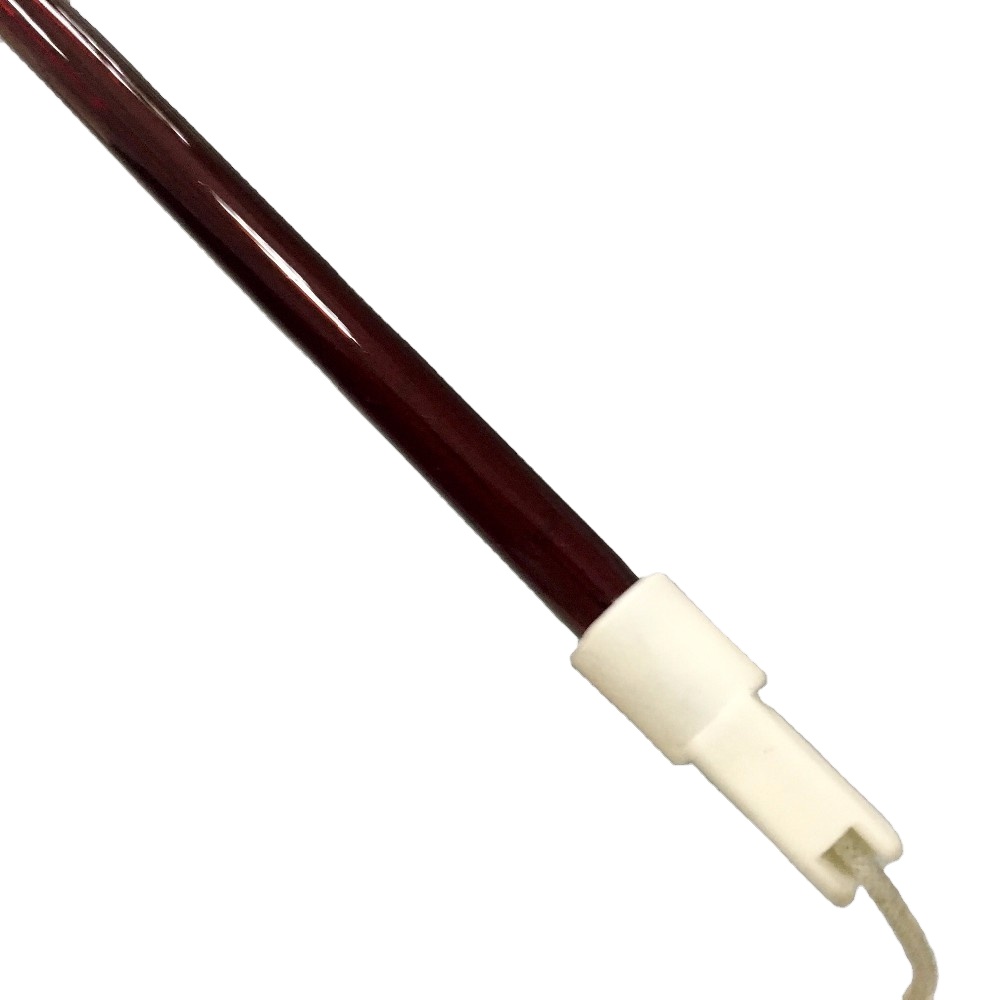
Direct manufacturer supply of CE compliant R7s, tubular ruby, clear quartz, and directional reflector emitters engineered for demanding thermal production cycles.
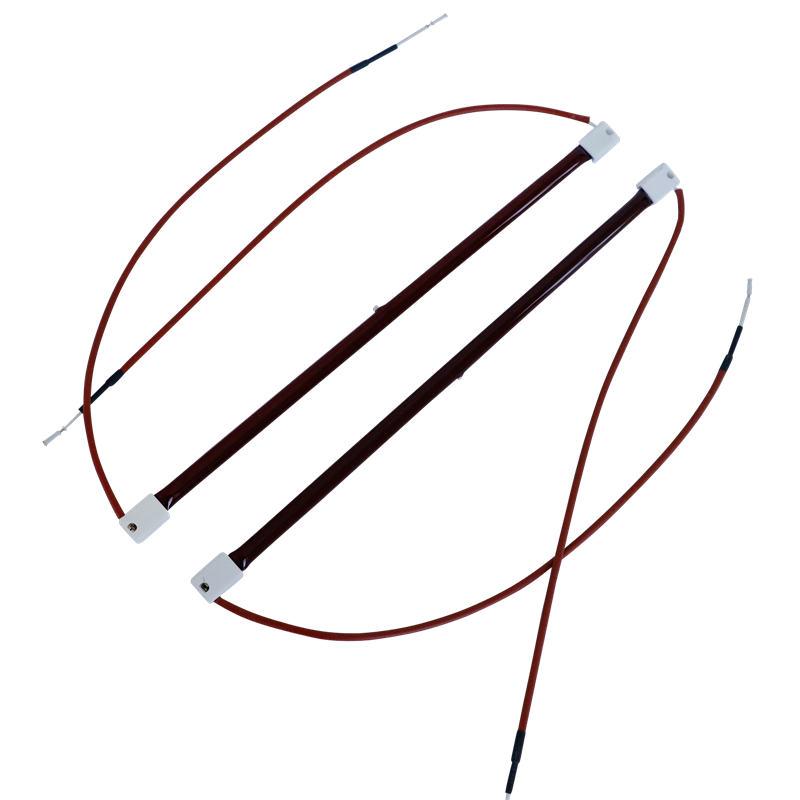
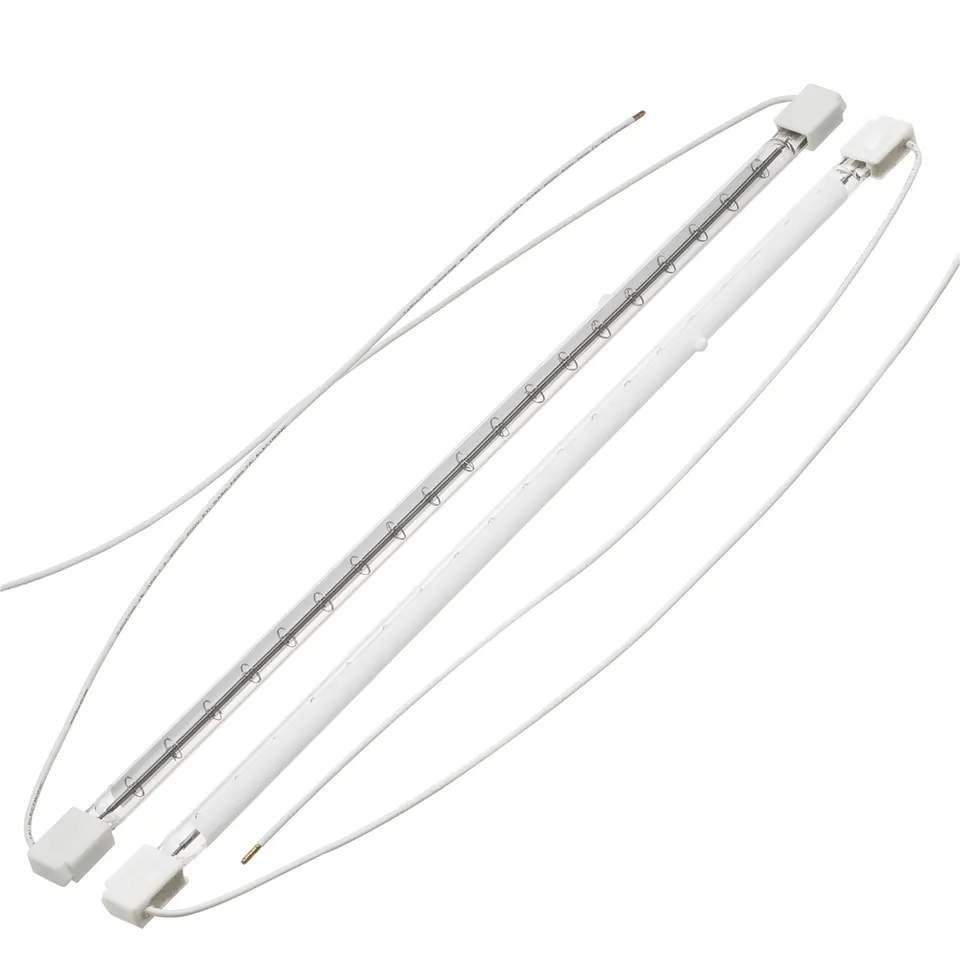
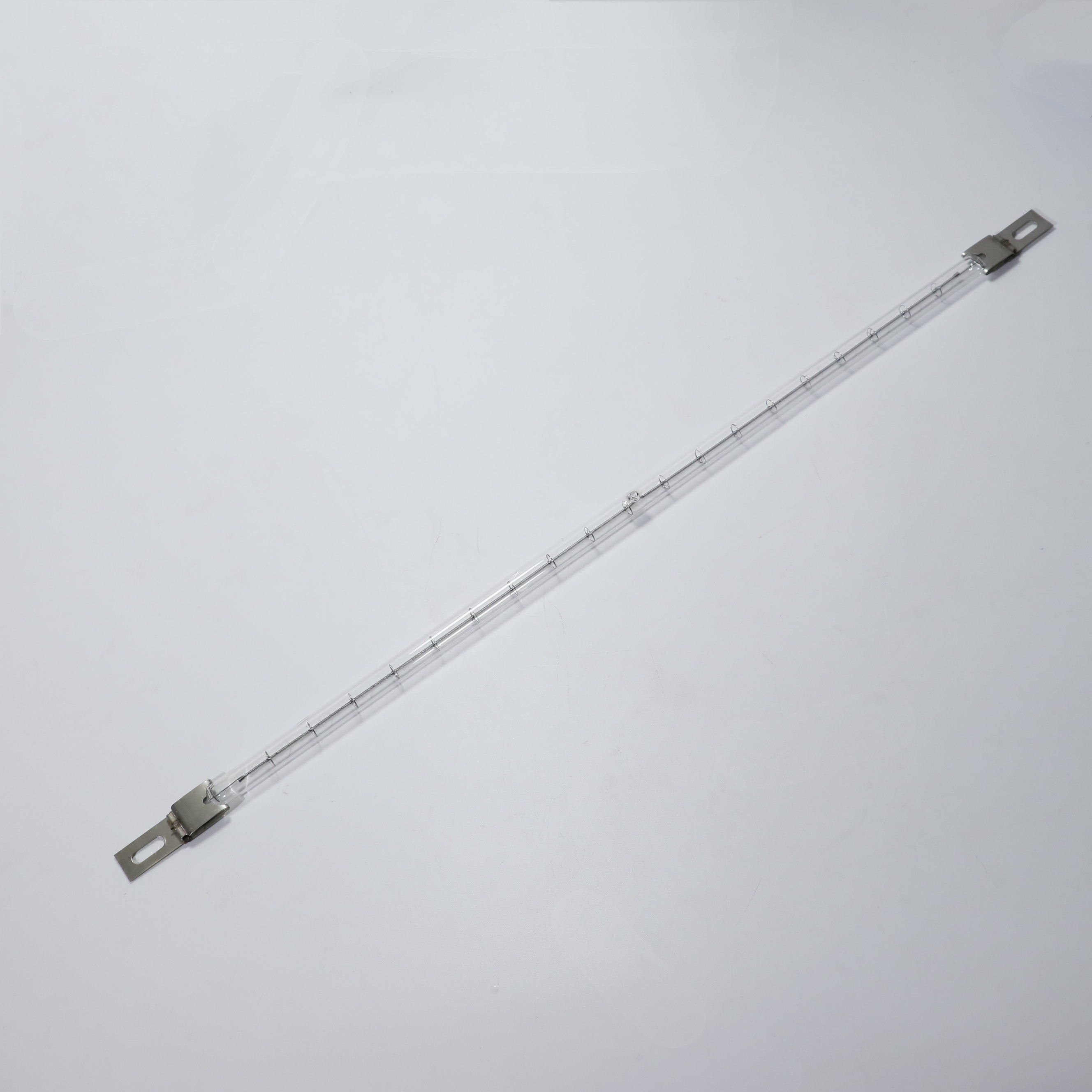
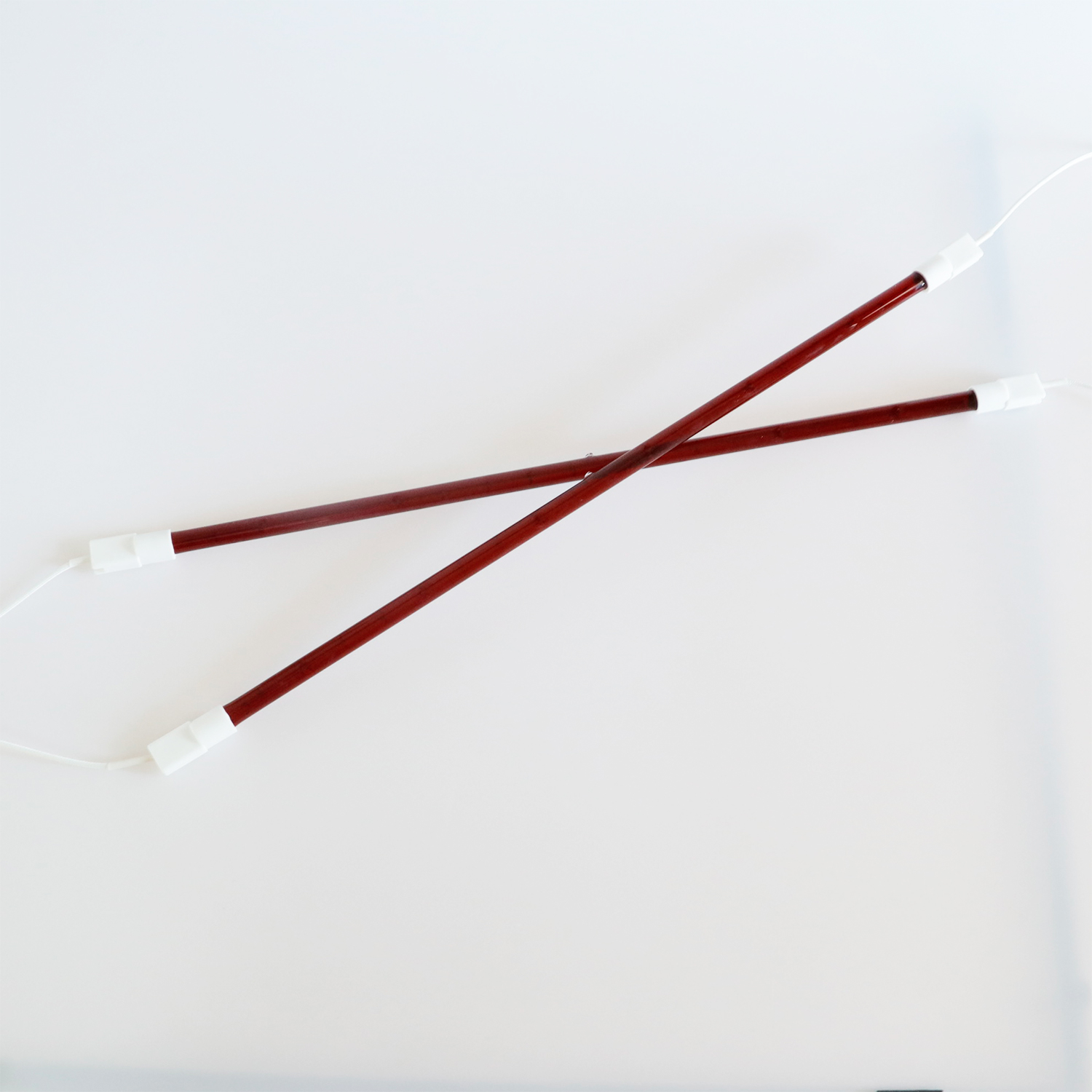
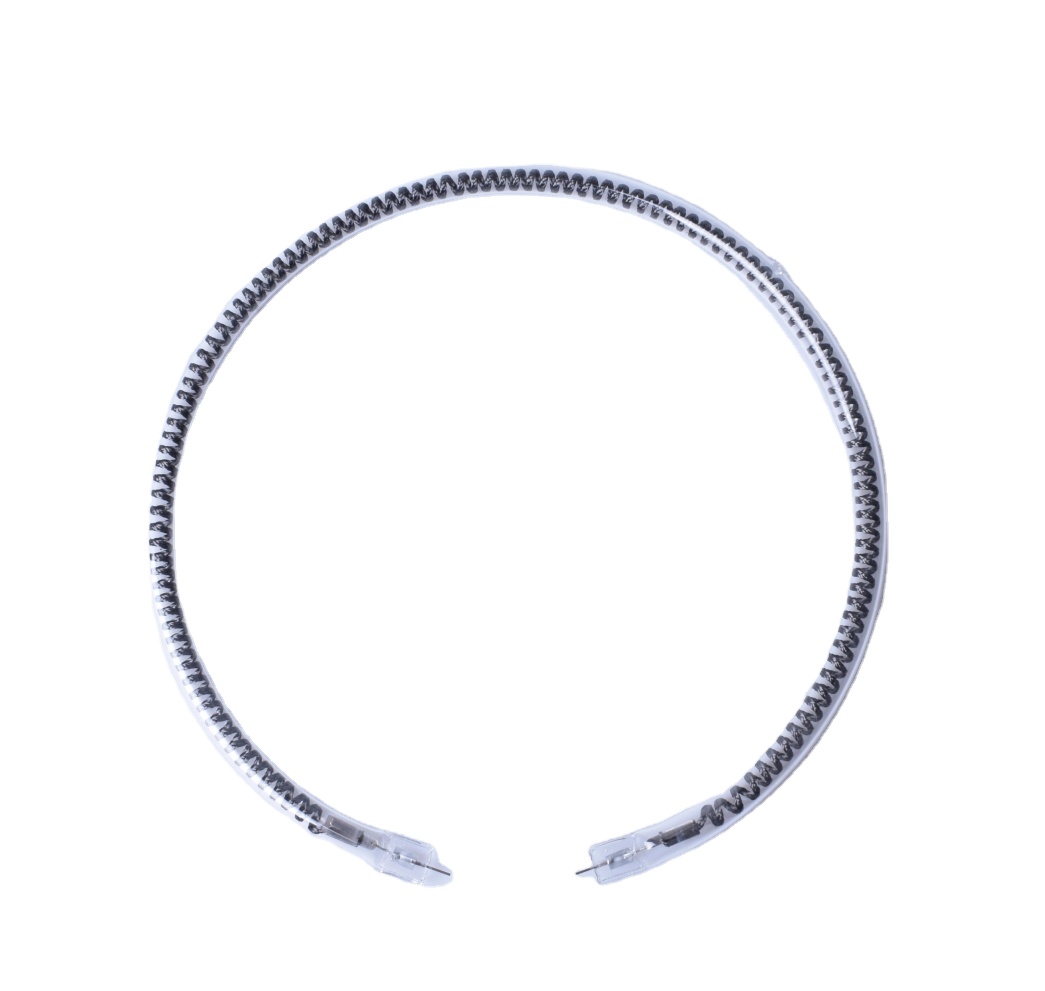
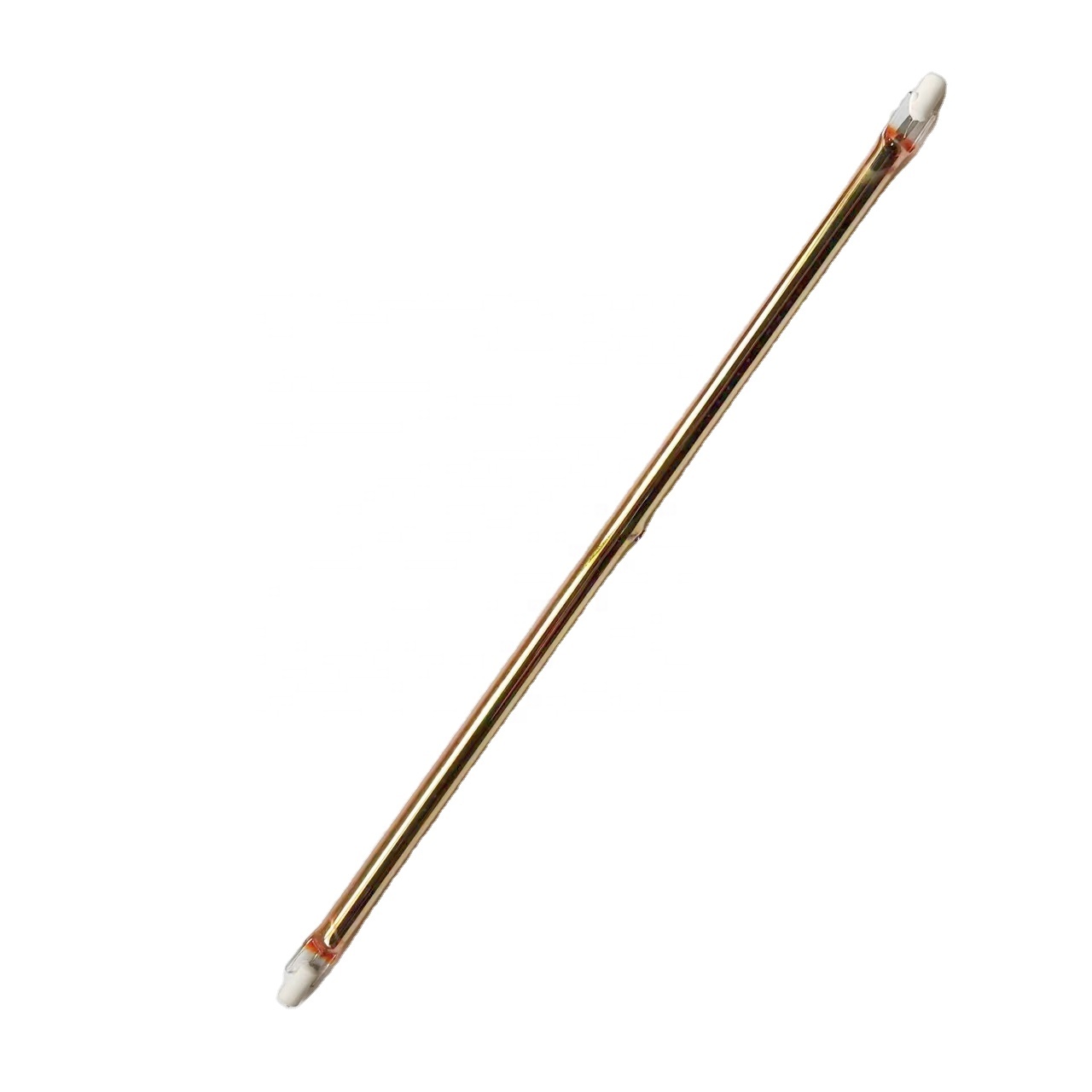
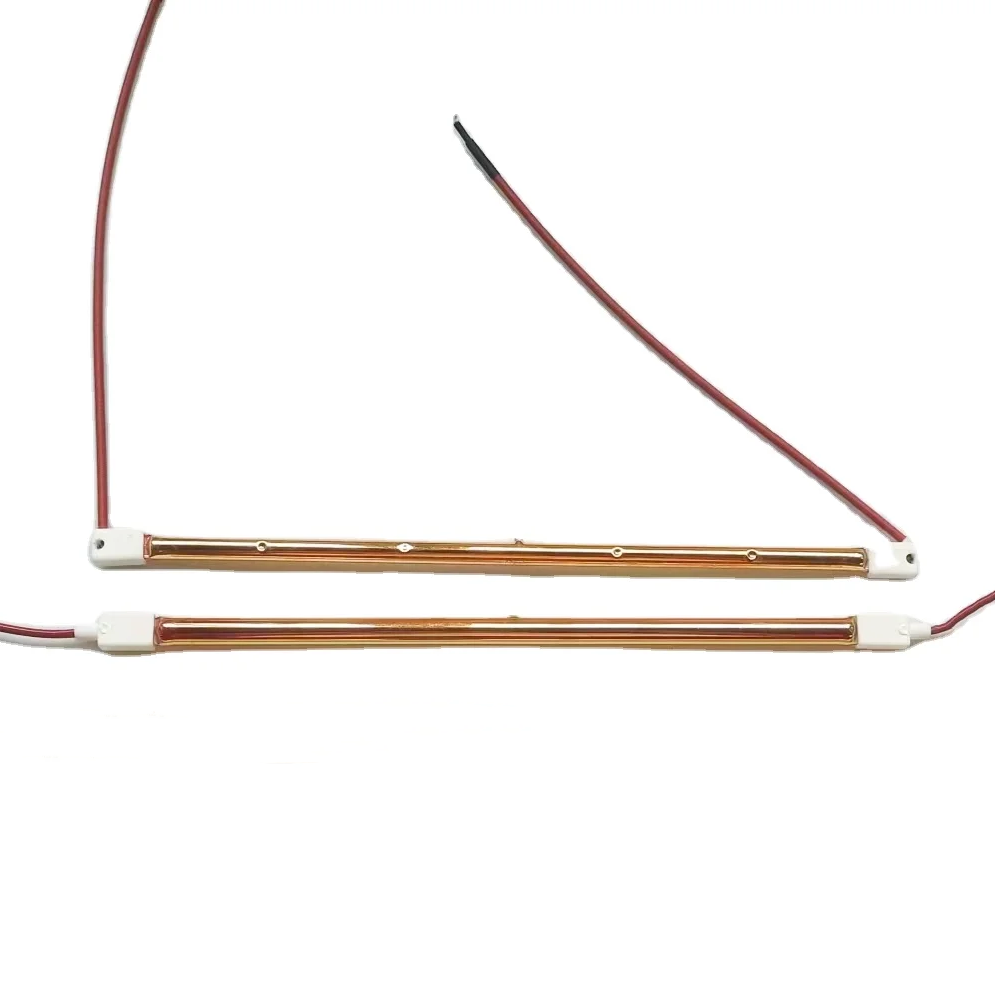
Precision thermoprocessing in southeastern Bulgaria demands reliable, high-yield radiant emitters capable of overcoming fluctuating factory ambient temperatures, coastal humidity, and continuous mass-production cycles. Fused quartz tungsten halogen emitters with standardized R7s ceramic terminal interfaces represent the vanguard of fast-response contact-free heat transfer. Unlike convective hot air arrays or heavy metallic resistance elements that rely on fluid boundary layer conductance, halogen quartz heating elements function primarily via electromagnetic photon radiation governed by the Stefan-Boltzmann law and Planck's spectral distribution.
Inside the hermetically sealed clear, ruby, or reflector-coated fused silica envelope, a wound tungsten filament operates at temperatures between 2,200 K and 2,600 K. Under these conditions, the radiation output concentrates intensely within the near/short-wave infrared spectrum, peaking between 1.0 µm and 1.2 µm. This micro-wavelength band possesses an exceptional transmission depth through industrial clear polymers, lacquers, moisture-laden grain surfaces, and maritime protective coatings, ensuring rapid core excitation without thermal blistering or localized skin degradation.
The lamp envelope is fabricated from semiconductor-grade fused silica (SiO₂ purity ≥ 99.99%), sourced directly through our established raw material refining corridors in Donghai, Lianyungang. The fundamental structural characteristics of our quartz glass include:
An exceptionally low thermal expansion coefficient (α ≈ 5.5 × 10⁻⁷ /K) permits rapid quenching from 1,100°C down to ambient water spray temperatures without micro-cracking or structural implosion.
Continuous maximum operating temperature of 1,100°C, with intermittent thermal tolerance reaching 1,450°C at peak cycle points, precluding sagging across long modular cassettes.
Broad-spectrum transparency spanning from vacuum UV (200 nm) to deep infrared (4.5 µm), ensuring more than 92% of generated radiant flux projects directly onto the target payload.
Burgas functions as southeastern Bulgaria's premier maritime trade and manufacturing powerhouse. Anchorage around the Port of Burgas, paired with high-density production zones such as the Northern and Southern Industrial Zones and the Industrial and Logistics Park Burgas (ILPB), create an environment requiring dependable, high-efficiency electrical process heating. In this region, Kavri Quartz R7s halogen infrared elements are deeply integrated into five major industrial verticals:
Proximity to regional petrochemical feedstocks around Burgas has propelled the local packaging, blow molding, and thermoforming sectors. R7S halogen short-wave emitters provide rapid penetration into polyethylene terephthalate (PET) preform walls. Within linear and rotary blow-molding tunnels, instantaneous 1-second response allows millisecond power modulation, preventing wall thinning, crystal haze, and excessive core-to-surface heat gradients.
Burgas repair shipyards, port maintenance facilities, and transport fleet paint shops require rigorous automotive paint curing under fluctuating coastal humidity. Gold-coated and ruby R7s short-wave lamps drive moisture and volatile organic compounds (VOCs) out from the primer layer outward, effectively curing multi-stage epoxy and clear coats without solvent popping or surface wrinkling.
Grain, bakery, and seafood processing plants across Burgas Oblast implement clear and half-white ceramic R7s quartz elements inside industrial toasters, dehydration conveyors, and pastry roasting lines. The radiant output heats product surfaces uniformly, accelerating caramelization while retaining interior moisture without producing scorched spots or combustion byproducts.
Livestock and commercial poultry facilities operating in the peripheral agrarian districts of Burgas deploy ruby-doped short-wave infrared emitters during brooding cycles. The ruby quartz envelope filters out over 80% of disturbing visible white glare, providing calm, penetrating warmth that stabilizes flock core body temperatures and reduces stress-induced mortality rates.
Black Sea coastal winds create substantial heating challenges across loading docks, ship maintenance bays, and seasonal outdoor resort venues along the Burgas Riviera. Directional ceramic half-white and gold-backed R7s emitters project thermal comfort straight through breezy airstreams, heating bodies and equipment directly without losing energy to ambient convective currents.
Selecting the appropriate thermal wavelength profile directly influences line velocity, cycle throughput, and enterprise energy consumption. Below is an engineering comparison evaluating standard industrial heating technologies against Kavri CE Certified R7S Halogen Quartz Emitters:
| Heating Emitter Technology | Peak Spectral Range | Thermal Ramp-Up Time | Radiation Efficiency (%) | Penetration Profile | Resistance to Black Sea Humidity |
|---|---|---|---|---|---|
| Kavri Short-Wave R7S Halogen | 1.0 – 1.2 µm (NIR) | ≈ 1.0 Second | 88% – 92% | Deep (Polymers, Coatings, Inks) | High (Sealed Fused Quartz) |
| Carbon Fiber Quartz Tube | 2.0 – 2.6 µm (Medium) | 1.5 – 3.0 Seconds | 75% – 82% | Surface to Mid-Depth | High (Sealed Fused Quartz) |
| Ceramic Infrared Emitters | 3.0 – 6.0 µm (Long) | 8 – 15 Minutes | 50% – 65% | Superficial Absorption | Moderate (Glaze Crazing Risk) |
| Calrod / Metal Tubular Elements | 3.5 – 7.0 µm (Far IR) | 10 – 20 Minutes | 40% – 55% | Surface Contact Convection | Moderate (Sheath Oxidation) |
| Direct Convective Gas Burners | Non-Radiative (Fluid Flow) | 15 – 30 Minutes | 30% – 45% | Boundary-Layer Only | Low (Air Moisture Dependent) |
*Data derived from ISO 9001 certified laboratory spectroradiometric assays. Radiant efficiency reflects total input electrical power converted into directional electro-photonic flux within usable absorption bands.
For engineering departments, plant managers, and procurement officers in Burgas, sourcing heating components from outside the European Union requires absolute regulatory compliance, guaranteed electrical isolation, and verified operational safety. Kavri Quartz Product Co., Ltd. builds and exports custom and standard R7s halogen heating elements aligned with mandatory European single-market directives:
Every R7s emitter is engineered and certified to meet harmonized standards EN 60335-1 and EN 60335-2-30. Dielectric withstand testing is executed across high-voltage flash testers at 1,500V–2,500V AC to guarantee ceramic cap-to-quartz barrier isolation, preventing electrical leakage during plant operation.
We enforce rigorous material controls across all components. Our tungsten filaments, molybdenum foil ribbons, nickel-plated contact sleeves, ceramic R7s end blocks, and pure silica glass envelopes remain lead-, mercury-, and cadmium-free, ensuring clean integration into food processing and medical cleanrooms.
The hermetic seal between the molybdenum foil ribbon and the pinched fused quartz is subjected to ultra-sensitive helium vacuum leak testing (< 1 × 10⁻⁹ mbar·l/s). This level of vacuum verification prevents atmospheric oxygen intrusion, preserving the halogen regenerative loop for the full design life.
Kavri Quartz provides comprehensive bespoke prototyping and batch manufacturing tailored to your exact plant layout. With 10+ years of direct OEM/ODM experience and 3 dedicated automated production lines, our technical engineering team configures parameters across the following dimensions:
Standard R7s lengths (118 mm, 189 mm, 254 mm, 331 mm) or custom single/twin tube builds up to 3,000 mm. Voltage ranges encompass 12V, 24V, 110V, 220V, 230V, 380V, and 400V 50/60Hz configurations.
Choose between 24K gold mirror coatings (reflecting over 95% of IR forward, temperature limit ≈ 600°C) or high-temperature ceramic white coatings (reflecting ≈ 85%, surviving oven ambients up to 1,000°C).
Beyond standard R7s ceramic contact caps, we engineer ceramic push-in blocks, faston terminals, nickel leads with high-temperature fiberglass/silicone sleeving, and custom bracketed mechanical fixtures.
Critical engineering considerations, shipping options, and technical questions answered for Bulgarian machinery builders and procurement specialists.
Connect directly with our senior quartz thermal engineering team to discuss technical specifications, request an official quotation, or arrange rapid prototype fabrication for your plant machinery.