1000W Quartz
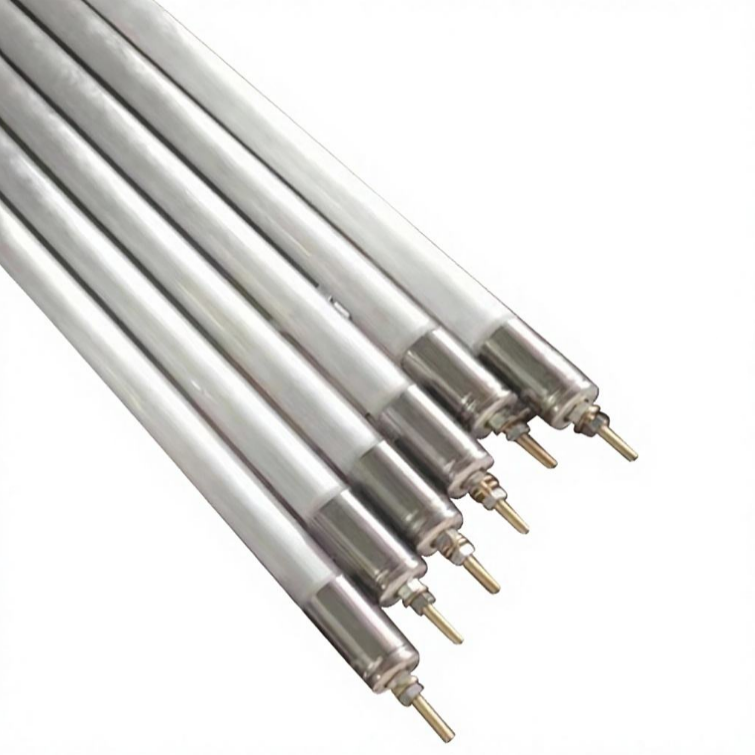
Factory-direct technical solutions for industrial drying, polymer processing, preform blowing, and specialized heating systems.
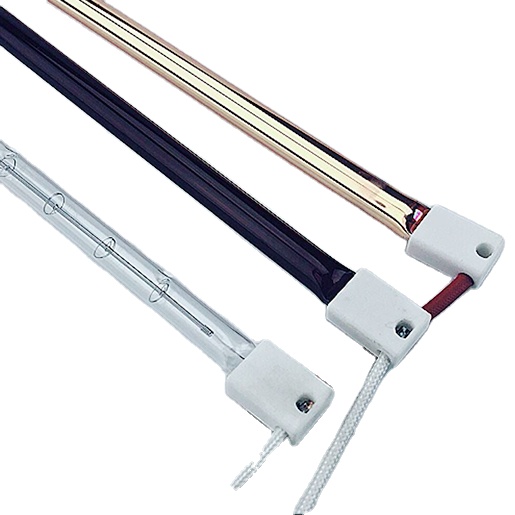
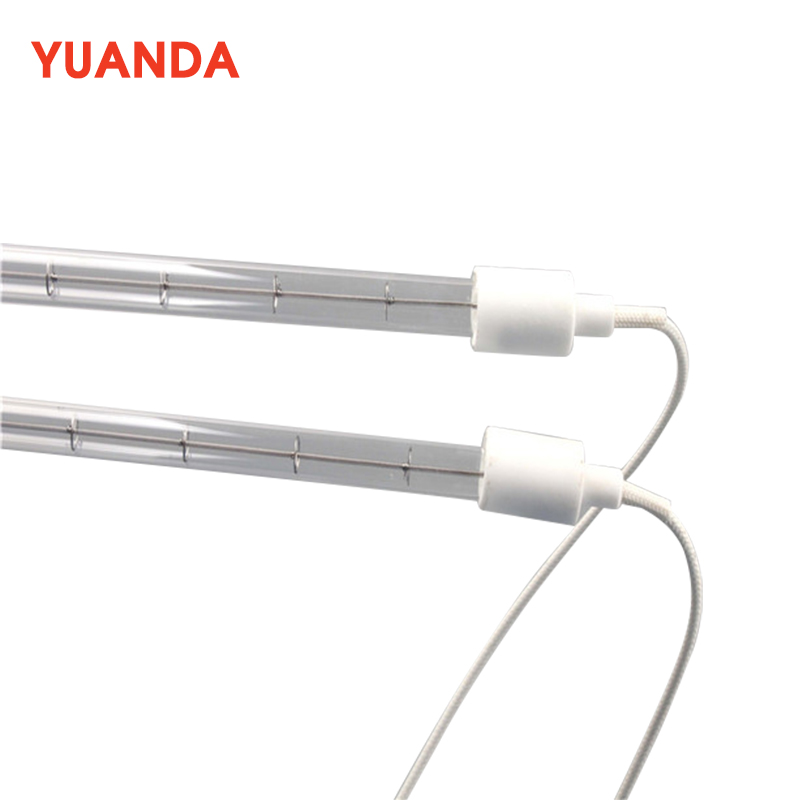
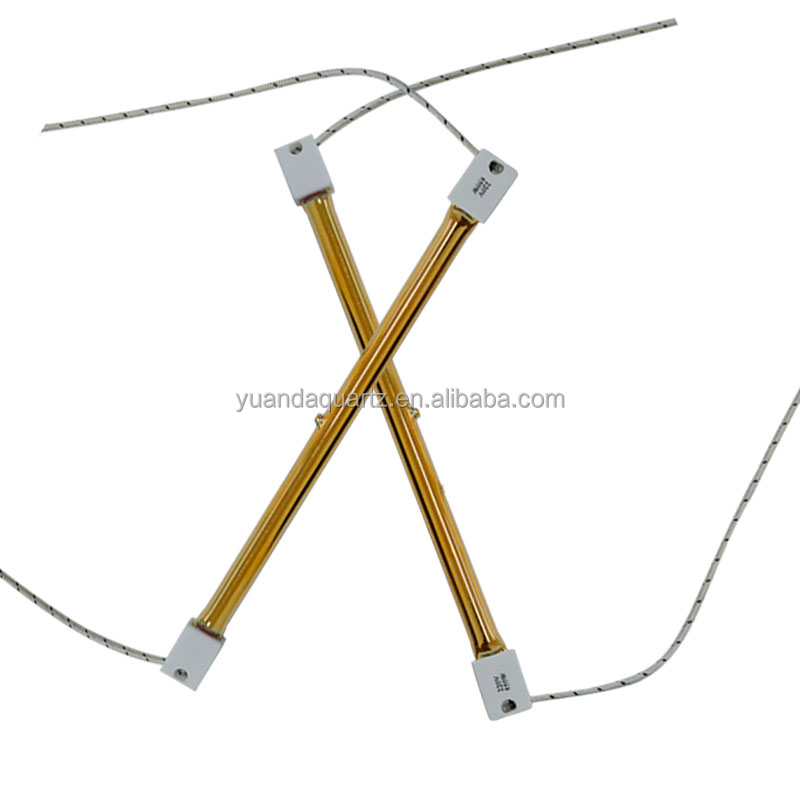
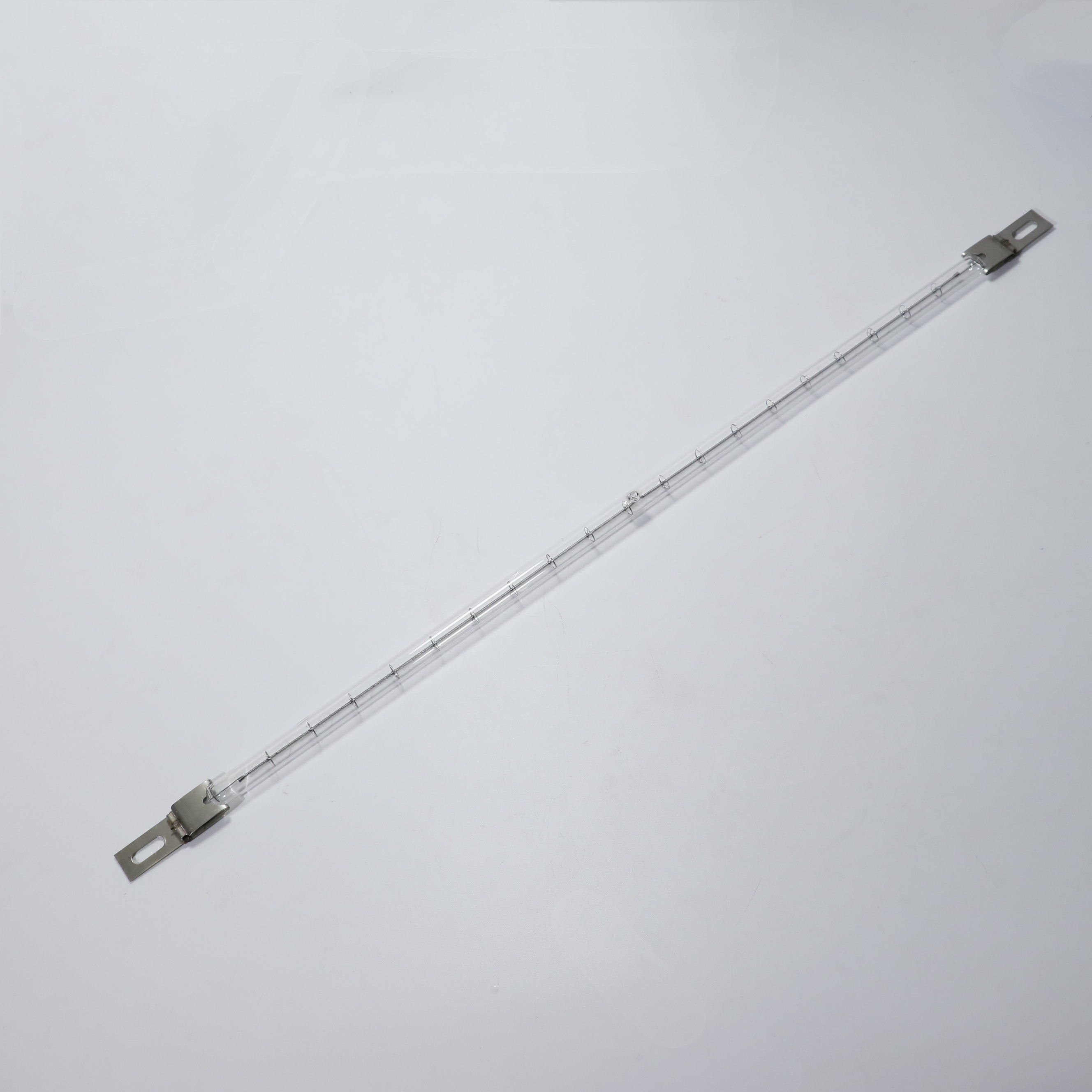
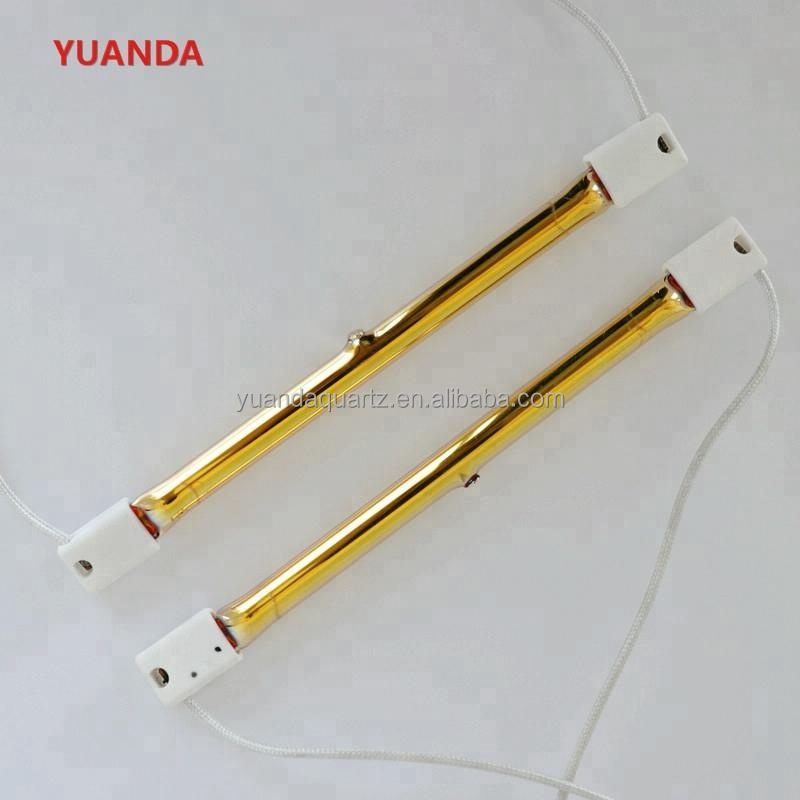
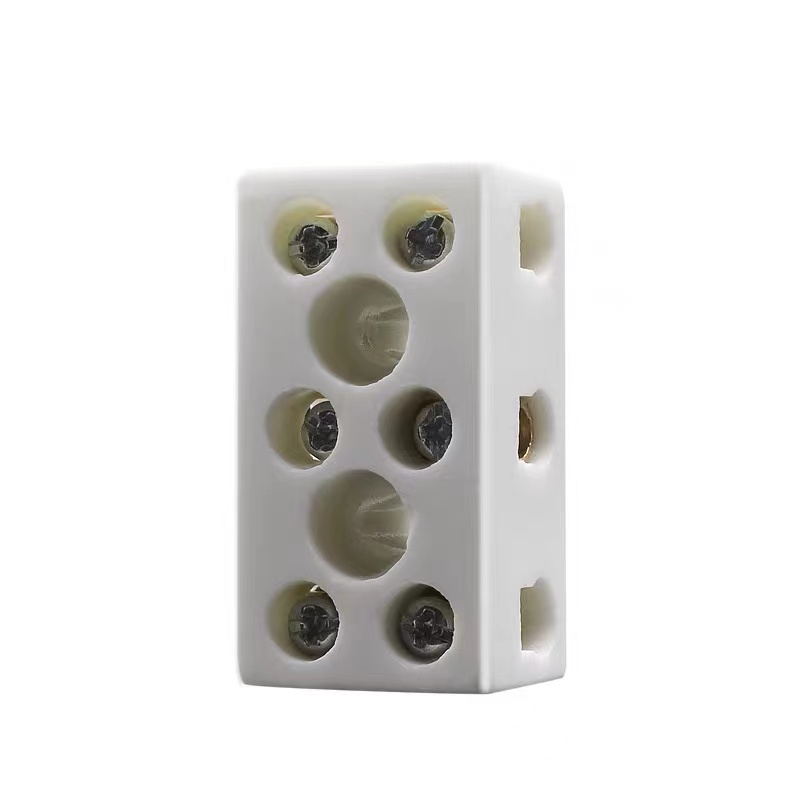
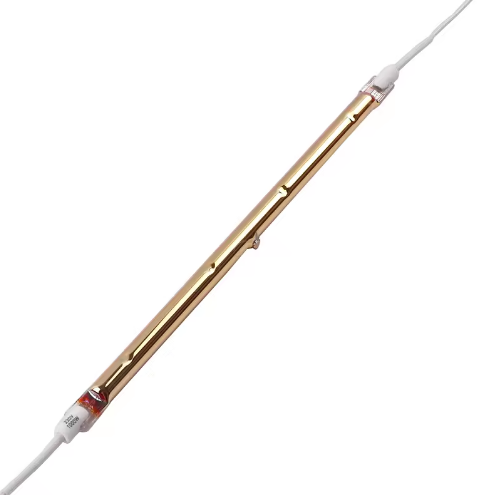
The manufacturing sector along Lithuania's western coastline—centered around the strategic port hub of Klaipėda and the Klaipėda Free Economic Zone (FEZ)—has undergone an aggressive technological transformation. Historically dominated by maritime logistics, the region now stands as a high-density cluster for plastics conversion (notably PET preform extrusion and bottle manufacturing), advanced wood processing, electronics, composite fabrication, and specialized marine equipment repair. Central to these high-temperature, high-precision operations is CE certified quartz glass tubing and custom infrared quartz elements.
As plant engineers throughout Lithuania and the broader Baltic states modernize their thermal assets, standard borosilicate or low-purity technical glasses no longer meet the stringent requirements of continuous thermal duty, chemical resistance, and optical clarity. Fused quartz glass—derived from crystalline silicon dioxide (SiO2) of >99.99% purity—exhibits zero phase transformation at operating ranges that easily destroy alternative industrial minerals.
Fused silica and fused quartz tubing are defined by their ultra-low coefficient of thermal expansion, roughly 5.5 × 10⁻⁷ / K between 20°C and 320°C. This characteristic makes quartz glass virtually immune to thermal shock. A red-hot quartz tube heated to 1100°C can be plunged into freezing water without structural failure or micro-cracking, an essential property for emergency cycling in automated machinery within Klaipėda facilities.
Furthermore, the hydroxyl (OH-) content, dimensional eccentricity, and wall thickness uniformity dictate how quartz tubes function when deployed as heater jackets, photolytic UV sleeves, or furnace core liners. Our factory controls strict tolerances across inner diameter (ID), outer diameter (OD), and wall concentricity via precision automated drawing towers in Lianyungang, providing Lithuanian operations with standardized thermal properties and minimal optical aberration.
| Physical / Chemical Property | High-Purity Fused Quartz | Borosilicate Glass 3.3 | Transparent Alumina (Ceramic) |
|---|---|---|---|
| SiO2 Content | > 99.99% | ~ 81% | Trace / Non-Silica |
| Max Working Temperature (Long-Term) | 1100 °C – 1150 °C | 450 °C – 500 °C | 1600 °C |
| Softening Point | ~ 1680 °C | ~ 820 °C | N/A (Crystalline) |
| Coeff. of Thermal Expansion (CTE) | 5.5 × 10⁻⁷ / K | 33 × 10-7 / K | 80 × 10-7 / K |
| IR Transmission Efficiency | > 92% (1.0 – 3.0 µm) | ~ 75% (Degrades > 2.5 µm) | Opaque / Diffusive |
| Chemical Inertness | Unaffected by acids (except HF) | Moderate acid resistance | High chemical resistance |
Understanding the procurement specifications in Klaipėda requires granular mapping to the region's operational sectors. The industrial ecosystem across Western Lithuania features several demanding environments where our CE certified quartz components play a foundational role:
Klaipėda is home to major European PET resin synthesis and preform manufacturing plants. Infrared quartz heating lamps featuring twin-tube profiles, gold reflectors, and ruby anti-glare filtering deliver short-wave radiant energy that penetrates directly to the core of thick-walled preforms. This ensures uniform stretch blow molding without localized skin scorching, directly optimizing line scrap rates.
In the ship repair facilities and dry docks along the Curonian Lagoon, corrosive saline conditions mandate rapid curing of heavy-duty epoxy coatings and polyurethane barrier layers. High-output quartz halogen emitters provide targeted directional heat in humid coastal environments, accelerating cross-linking times on marine steel surfaces without relying on ambient hot air blowers.
Industrial wastewater plants and Baltic offshore aquaculture installations utilize high-transmission clear quartz sleeves for germicidal UV-C treatment systems. The synthetic quartz purity provides superior transmission of short-wave ultraviolet light (253.7 nm) while withstanding high internal hydro-pressures and aggressive organic cleaners without solarization or clouding.
As industrial enterprises in Lithuania adhere to EU-wide carbon footprint restrictions and high regional energy costs, traditional gas-fired convection tunnels and resistance coils are systematically being superseded by electric infrared systems built upon quartz glass tubes. Several local technological trends govern this migration:
1. Decarbonization via Direct Radiant Transfer: Conventional convective heating wastes up to 60% of heat energy warming the surrounding air mass. Short-wave and carbon-fiber medium-wave infrared quartz emitters transfer radiant heat instantaneously (within 1 to 2 seconds of energization) directly into the substrate. This direct coupling reduces aggregate plant kilowatt consumption by 30% to 50% across continuous coating lines.
2. Adoption of Directional Gold & White Ceramic Reflector Coatings: Instead of relying on external metal reflectors that tarnish in humid Baltic air, Klaipėda operators increasingly order single and twin quartz tubes with integral back-side coatings. Kavri's 24K gold reflector plating transmits up to 95% of rearward infrared radiation back onto the product, lowering machine casing temperatures and preventing electrical harness fatigue.
3. Demand for Turnkey CE and REACH Compliance: Supply chain managers at Klaipėda FEZ require certified supply pipelines. Components must exhibit CE documentation certifying electrical insulation ratings, high-voltage ceramic blocks (steatite terminal assemblies), and compliance with EU RoHS/REACH environmental safety statutes concerning trace heavy metals.
Built on proprietary raw silica deposits, modern manufacturing infrastructure, and decades of OEM supply discipline.
Located in Lianyungang, adjacent to Donghai County—the world’s premier silica refining region. This gives us unmediated access to pure optical silica sand and stable input raw materials.
From single-tube round quartz jackets to complex dual-channel twin-tubes (11x23mm, 15x33mm), lengths up to 3000mm, with tailored end-caps, lead wires, and tungsten coil configurations.
Each production run undergoes spectrophotometer transmission verification, micro-dimensional laser scanning, optical polariscope stress inspection, and high-voltage burn-in testing.
Decades of experience delivering fragile, high-value glassware across the European continent. Multilayer shock-resistant custom crating ensures zero transit micro-fracture incidents.
Detailed technical clarification for process engineers, purchasing agents, and maintenance managers.
Whether you require bulk supply of precision quartz glass tubing, customized replacement infrared emitters, or certified laboratory quartzware, our technical engineering desk will analyze your specifications and reply within 4 hours.
Get a Quote