Featured Export Solutions for Industrial Processing
Each component complies with CE standards and RoHS directives, manufactured from ultra-pure synthetic and natural quartz glass crystals in Donghai/Lianyungang to meet precision Japanese fab specifications.
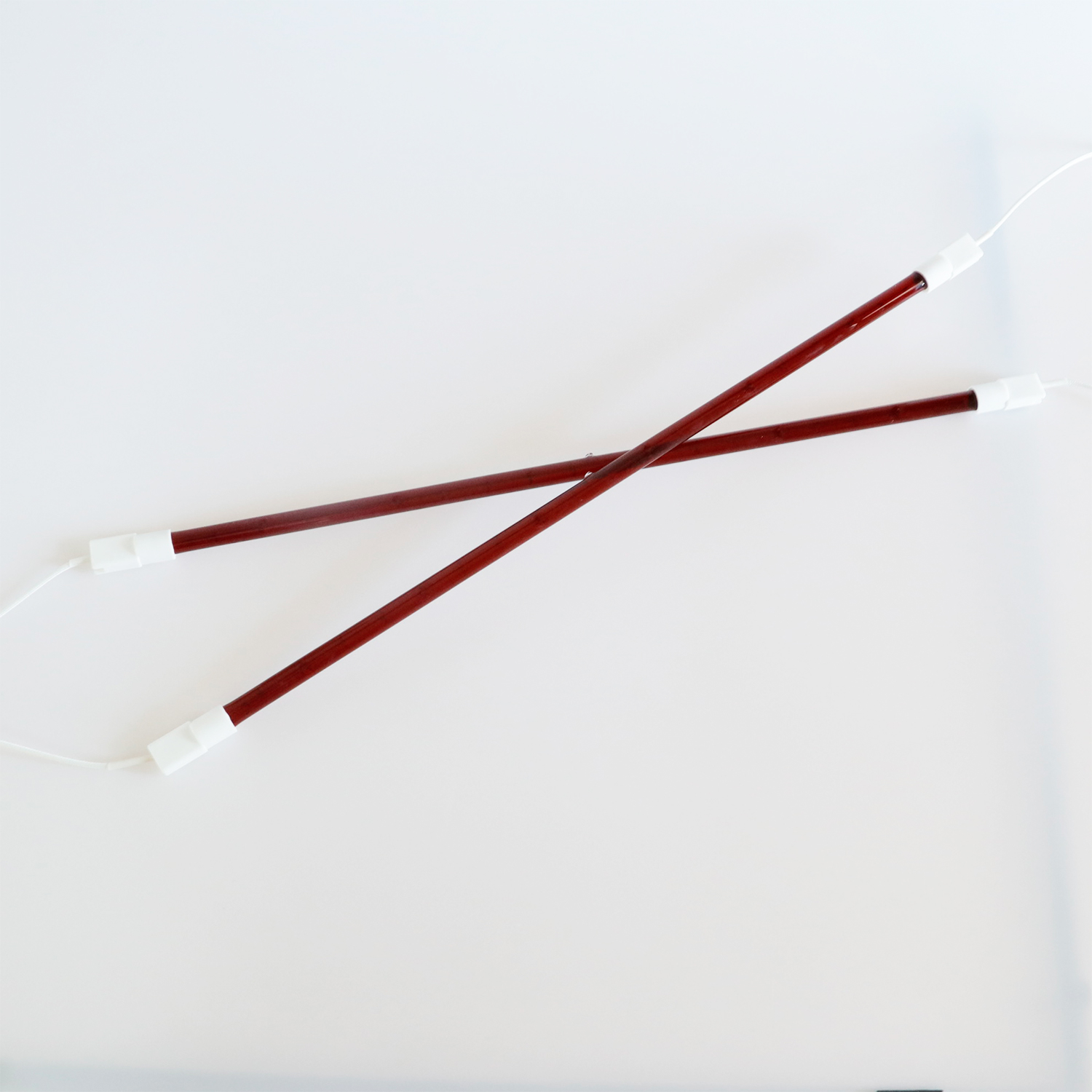
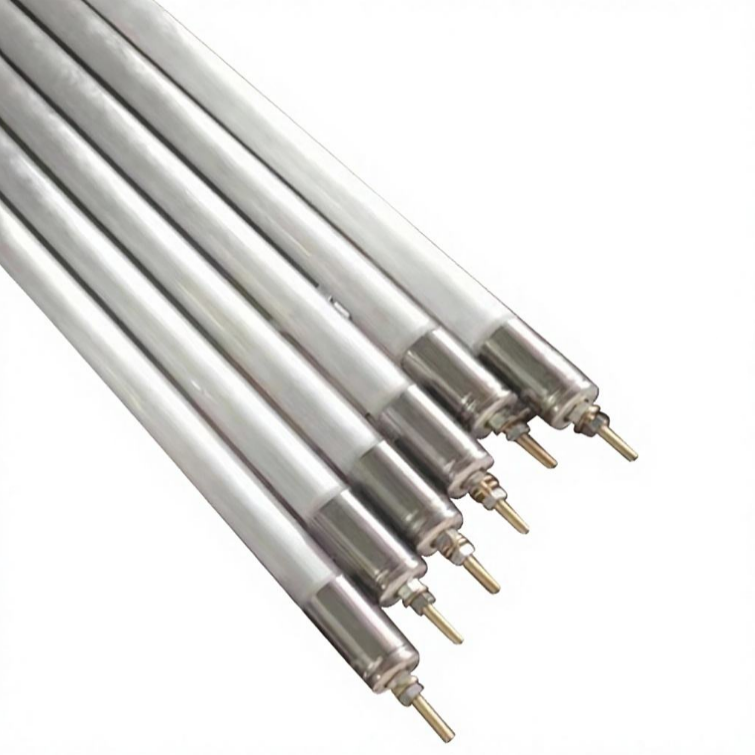
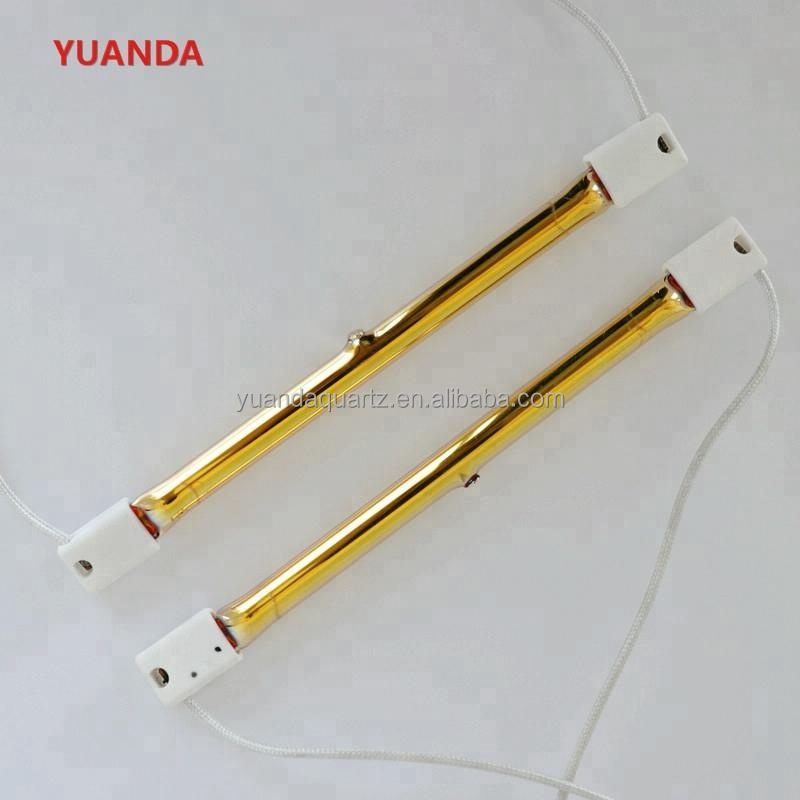
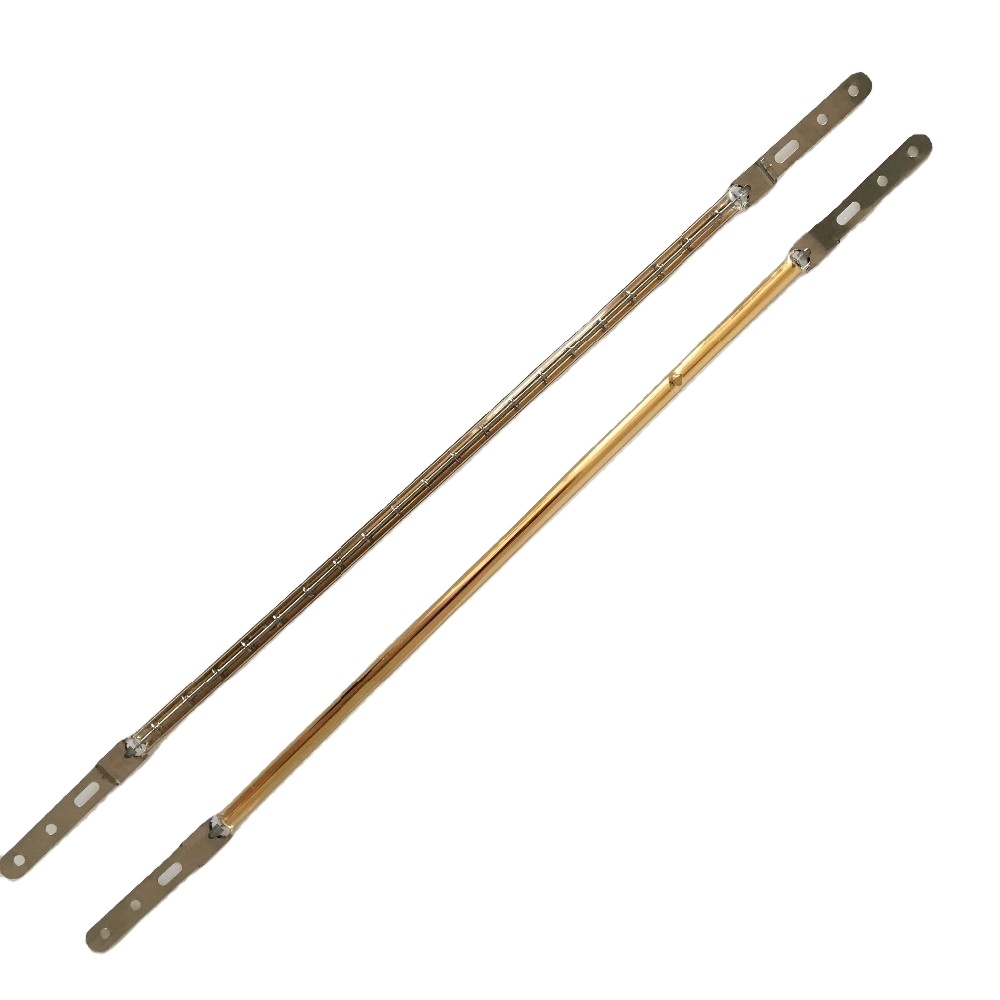
Ultra-High Purity Quartz Capillary Rods: Dimensional Metrology & Thermal Integrity
Precision fused quartz capillary rods and micro-tubular conduits serve as the architectural foundation for advanced optoelectronic couplers, gas chromatography detectors, high-temperature thermocouple protection wells, and microfluidic lab-on-a-chip architectures.
Direct Synthesis from the Donghai Mineral Basin
Manufactured in our dedicated Lianyungang facilities near China's renowned Donghai crystal quartz belt, Kavri Quartz capillary rods are fabricated from pure crystalline silica (SiO2 ≥ 99.998%). Through precision oxy-hydrogen thermal drawing and continuous optical diameter-gauging feedback loops, our capillary rods achieve bore concentricity tolerances within ±0.003 mm and outer diameter uniformity within ±0.01 mm across lengths up to 2,000 mm.
By integrating strict CE certification protocols under EN 61010-1 (Safety requirements for electrical equipment for measurement, control, and laboratory use) and European Pressure Equipment Directive guidelines where applicable, every production batch delivered to Kawasaki's industrial procurement offices undergoes rigid spectrographic purity verification to suppress transit hydroxyl (OH-) content below 5 ppm for demanding Deep-UV (DUV) and vacuum applications.
Inquire Now| Property Parameter | Unit / Condition | Kavri Fused Quartz Capillary Rod | Standard Borosilicate 3.3 | Analytical Relevance for Kawasaki Fabs |
|---|---|---|---|---|
| Purity (SiO2 Content) | wt % | ≥ 99.998% | ~ 81% (with B2O3 / Na2O) | Zero metallic contamination in sub-3nm wafer processing |
| Coefficient of Thermal Expansion (CTE) | 20 °C to 300 °C (1/K) | 5.5 × 10⁻⁷ | 3.3 × 10⁻⁶ | Prevents fracture during rapid thermal annealing (RTA) cycles |
| Softening Point | °C | 1,683 °C | 820 °C | Ensures dimensional stability in high-temp diffusion furnaces |
| Hydroxyl (OH) Radical Levels | ppm (High Purity Grade) | ≤ 5 ppm (Electrically Fused) | N/A (Heterogeneous Oxides) | Eliminates 2.73 µm infrared optical attenuation troughs |
| Refractive Index (nD) | λ = 589.3 nm | 1.4585 | 1.4730 | Consistent numerical aperture in telecommunication fiber splicing |
Localized Application Scenarios Across Kawasaki's Industrial Corridor
Kawasaki represents the manufacturing and R&D heart of the Tokyo Bay Keihin Industrial Zone. From the coastal cleanroom complexes in Kawasaki Ward to the world-renowned biomedical clusters at King SkyFront (Tonomachi), our CE-certified quartz capillary rods solve demanding thermal and optical bottlenecks.
Semiconductor Wet Benches & Etch Tools
In the semiconductor fabrication plants of the Kawasaki Coastal Zone, capillary rods serve as ultra-clean liquid level sensors, chemical delivery probes, and pyrometer viewing rods inside aggressive hydrofluoric (HF) and hot phosphoric acid etching chambers.
King SkyFront Microfluidics & Bio-Sensing
Kawasaki's open innovation hub at King SkyFront (Tonomachi) leverages microbore quartz capillary tubing and solid capillary rods for capillary zone electrophoresis (CZE), DNA sequencer flow cells, and refractive index matched biosensing arrays.
Fiber Optic Connectors & Pigtails
Photonics enterprises located around Musashi-Kosugi and Shin-Kawasaki rely on our precision dual-bore and micro-capillary rods as alignment ferrules and collimating lenses in high-density telecommunication transceivers and DWDM optical combiners.
High-Temp Thermal Furnace Probes
Kawasaki heavy-chemical, environmental, and thermal power research laboratories utilize capillary rods as multi-hole thermocouple sheaths, ensuring precise heat monitoring in excess of 1,200 °C without ionic leakage or electrical shorting.
Technology Trends Shaping Quartz Procurement in Kawasaki
Procurement standards in Kanagawa Prefecture are governed by strict sustainability directives, miniaturization imperatives, and continuous yield optimization in semiconductor production.
1. Transition to Sub-2nm Lithography Cleanliness
With Japanese front-end semiconductor engineering prioritizing sub-2nm and advanced 3D packaging architectures, equipment builders in Kawasaki demand quartz capillary components with ultra-low trace metal impurities (Al < 8 ppm, Fe < 0.2 ppm, Cu < 0.05 ppm). Kavri Quartz satisfies these stringent parameters using synthetic chemical vapor deposition (CVD) silica and acid-leached quartz feedstock.
2. Green Transformation (GX) & Energy Efficiency
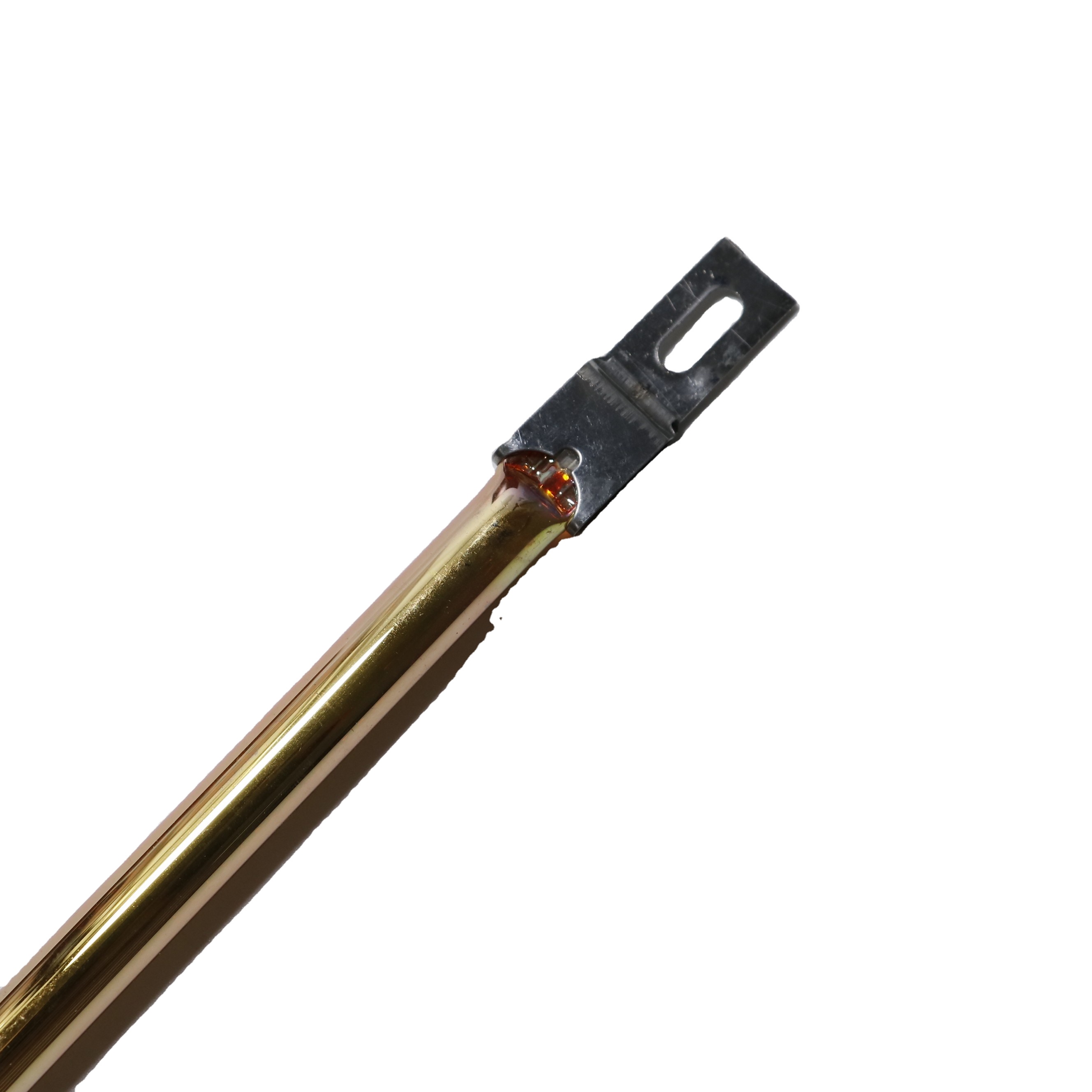
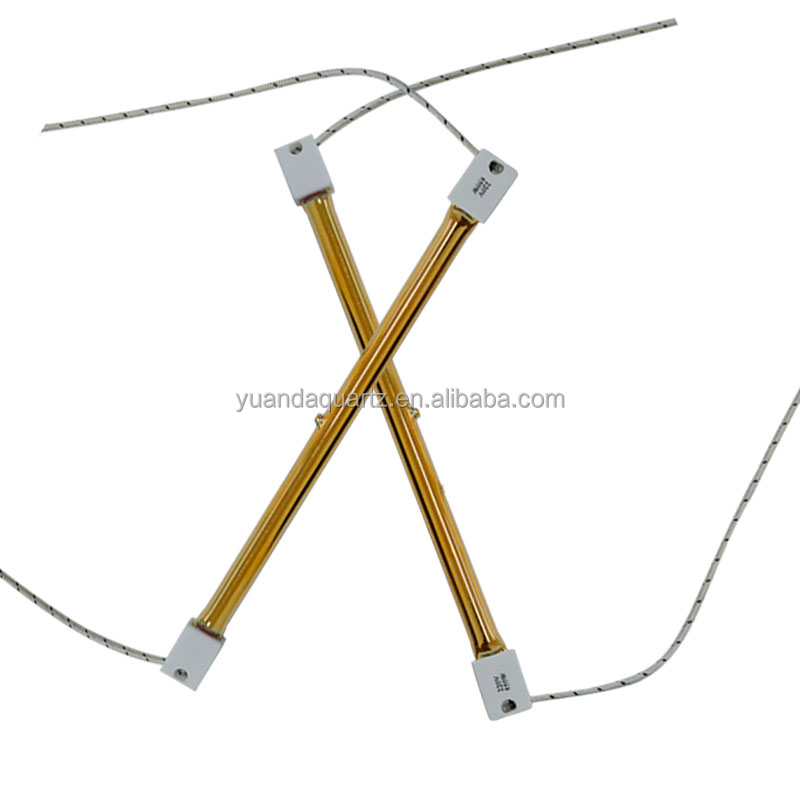
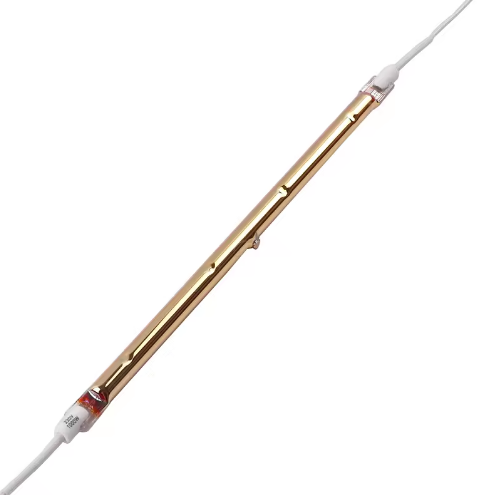
Under Kawasaki City’s "Carbon Neutral Port" initiative, industrial manufacturers must cut carbon footprints across drying, curing, and thermal processes. Pairing our high-efficiency gold-coated directional infrared halogen emitters with custom quartz capillary thermowells maximizes radiation focus directly to the target workpiece, trimming furnace electrical consumption by up to 28%.
3. Demand for Micro-Scale Multi-Lumen Geometries
Analytical instrumentation companies along the Nambu Line corridor are replacing single-channel glass with complex multi-lumen (2-hole, 4-hole, 7-hole) quartz capillary rods. These custom profiles require precision CNC glass machining, ultrasonic drilling, and fire-polishing to achieve inner bore tolerances within ±2 µm.
Why Kawasaki Engineers Choose Kavri Quartz
Since 2014, Kavri Quartz Product Co., Ltd. has delivered precision quartz engineering and infrared thermal solutions to global high-tech markets with complete transparency, traceability, and speed.
Raw Material Hub Advantage
Direct proximity to the Donghai mineral belt guarantees direct factory sourcing of high-purity natural silica sand and synthetic precursors. This localized supply chain insulates our Kawasaki partners from raw material market shocks and volatile lead times.
Full CE & Traceability Compliance
Every batch of quartz capillary rods, heater tubes, and laboratory cells shipped across Tokyo Bay is accompanied by certified dimensional inspection reports, spectral transmittance curves, and Certificates of Conformity (CoC) matching DIN and JIS requirements.
Anti-Shock Cleanroom Packaging
Fragile quartz capillary rods require specialized export care. We deploy vacuum-sealed cleanroom antistatic polyethylene sleeves, custom-machined high-density EPE foam channels, and reinforced tri-wall export crates that eliminate micro-abrasions and handling shock during maritime transit into Kawasaki or Yokohama ports.
Kawasaki Procurement & Engineering FAQ
Direct technical answers addressing the operational, logistical, and standards compliance questions most frequently raised by plant directors, procurement managers, and R&D engineers in Kawasaki.