Industrial Drying
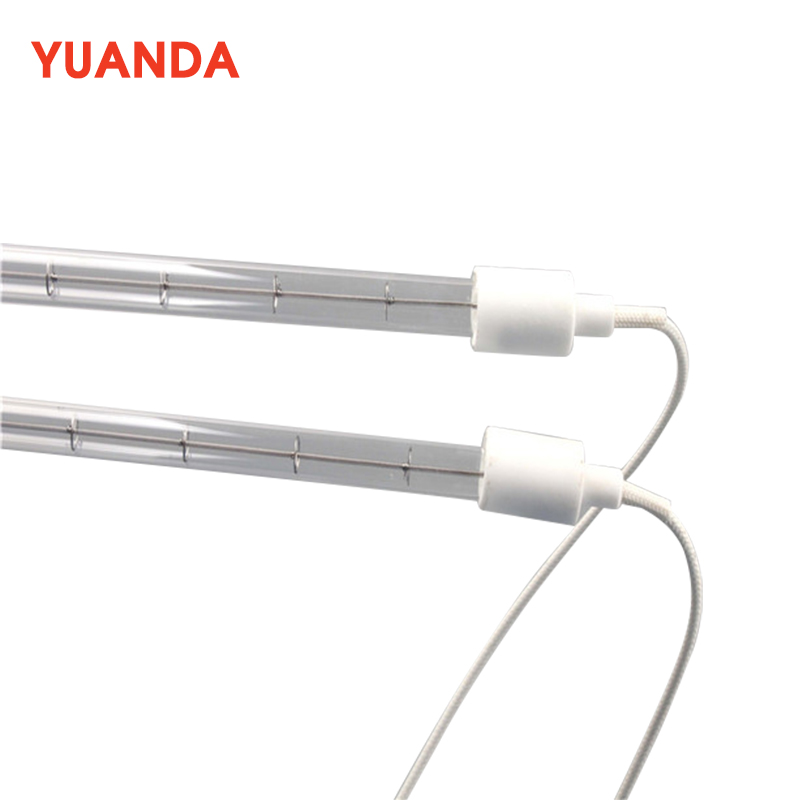
Wholesale Infrared Heater Halogen Lamp Supports Customization for Drying Systems
Halogen Fast Heat
OEM Custom
Drying Line
Manufactured under rigorous optical and dimensional tolerances using fused silica glass from the world-class Lianyungang quartz cluster. Explore our verified industrial solutions below.
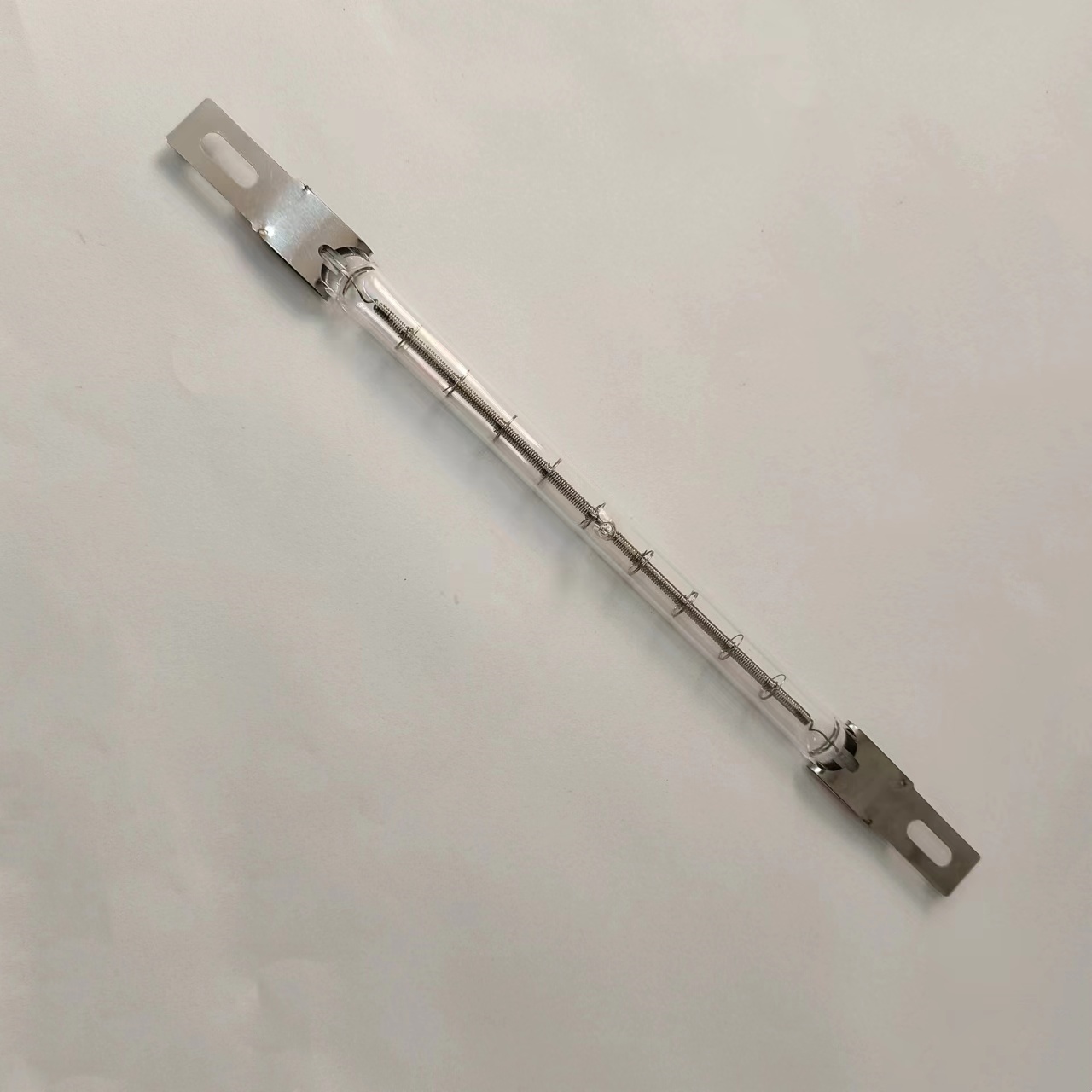
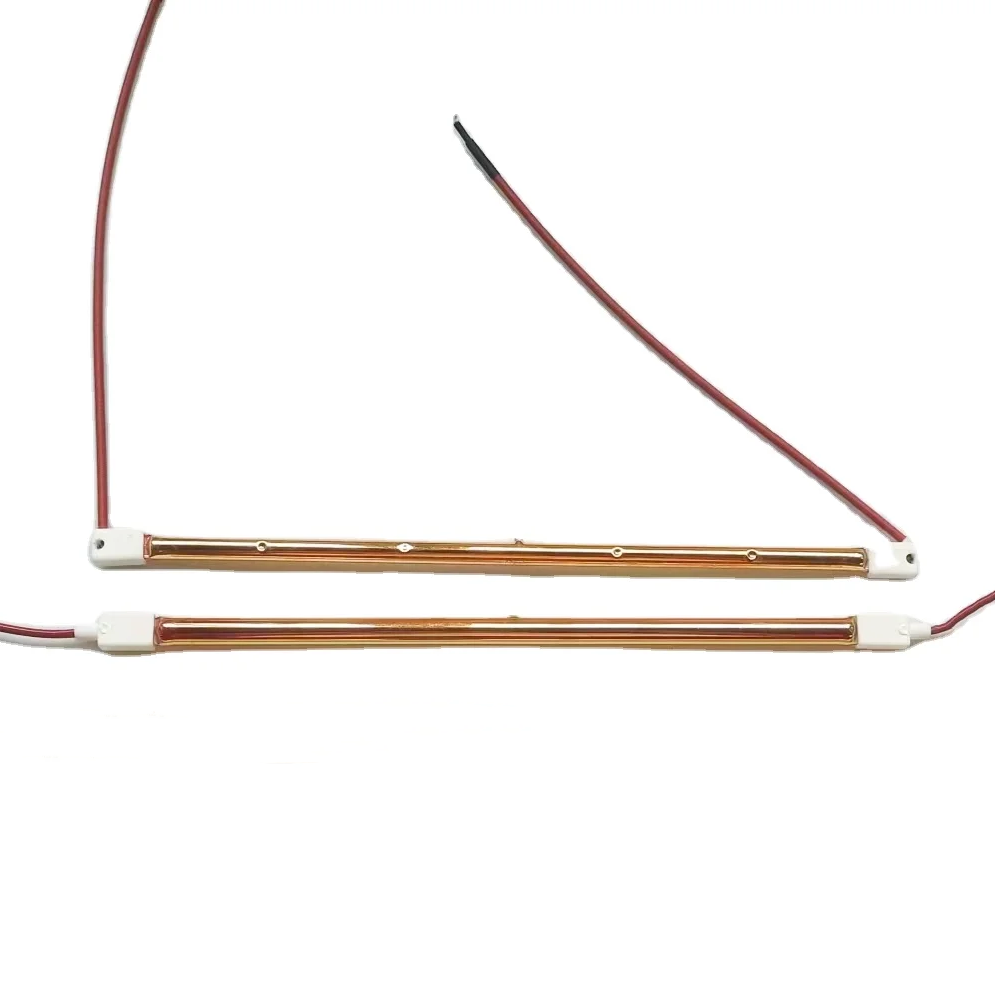
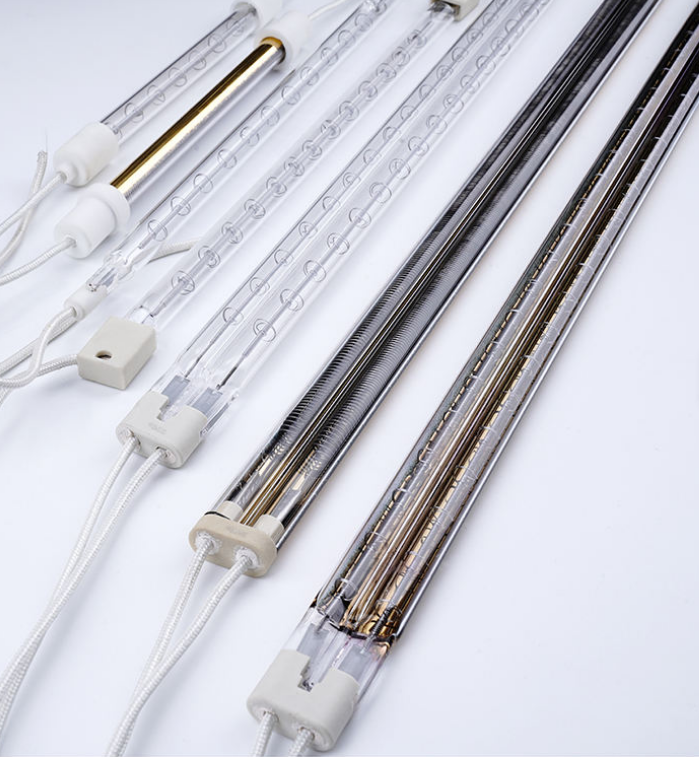
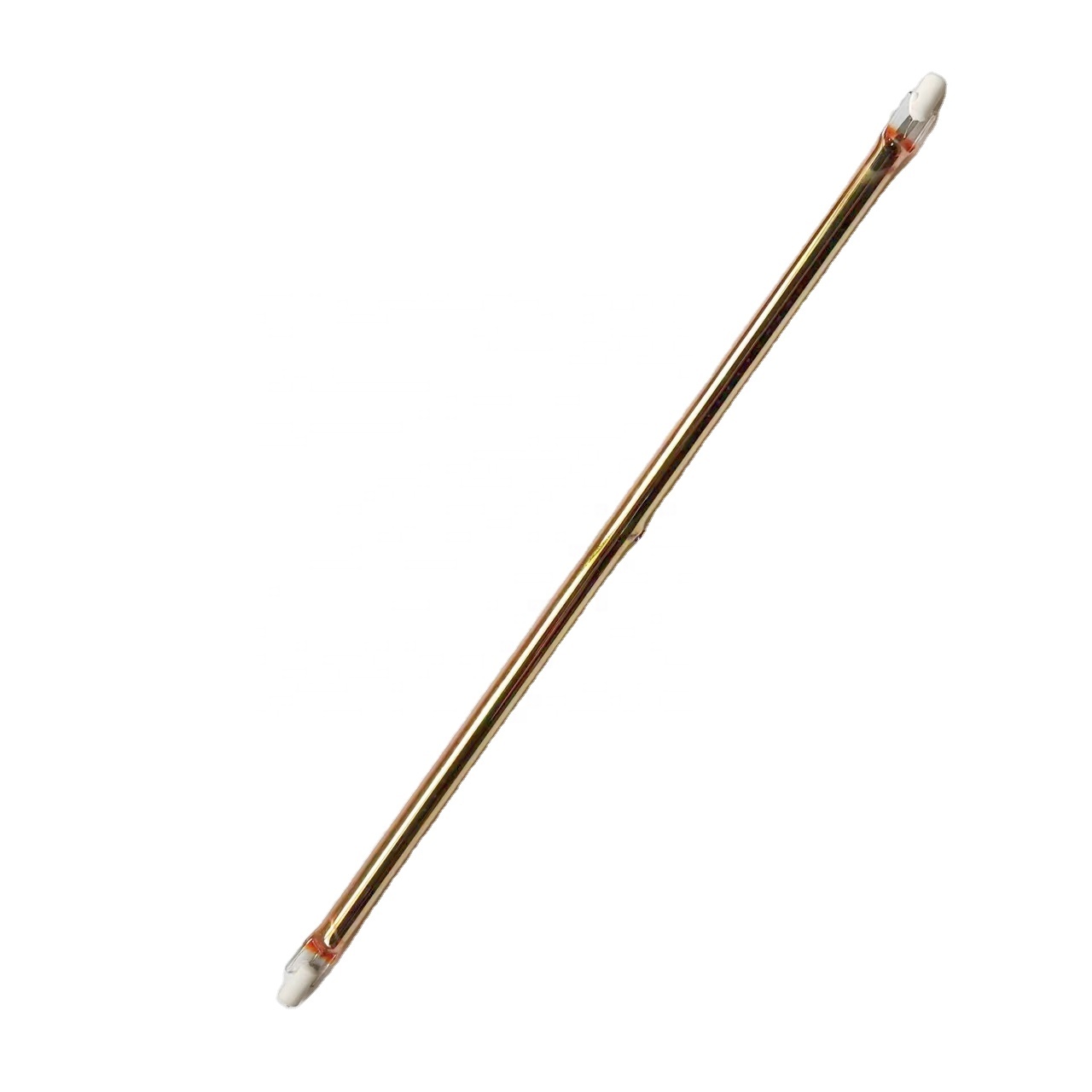
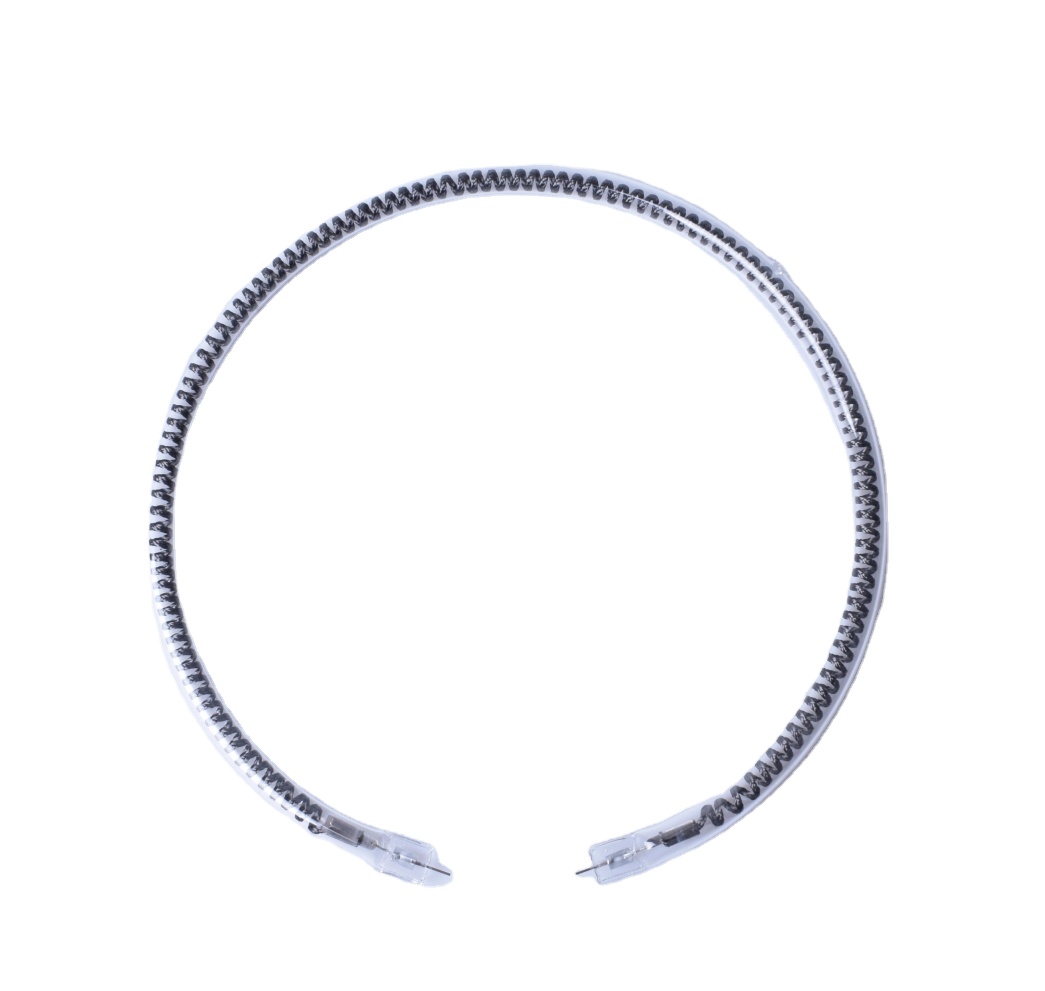
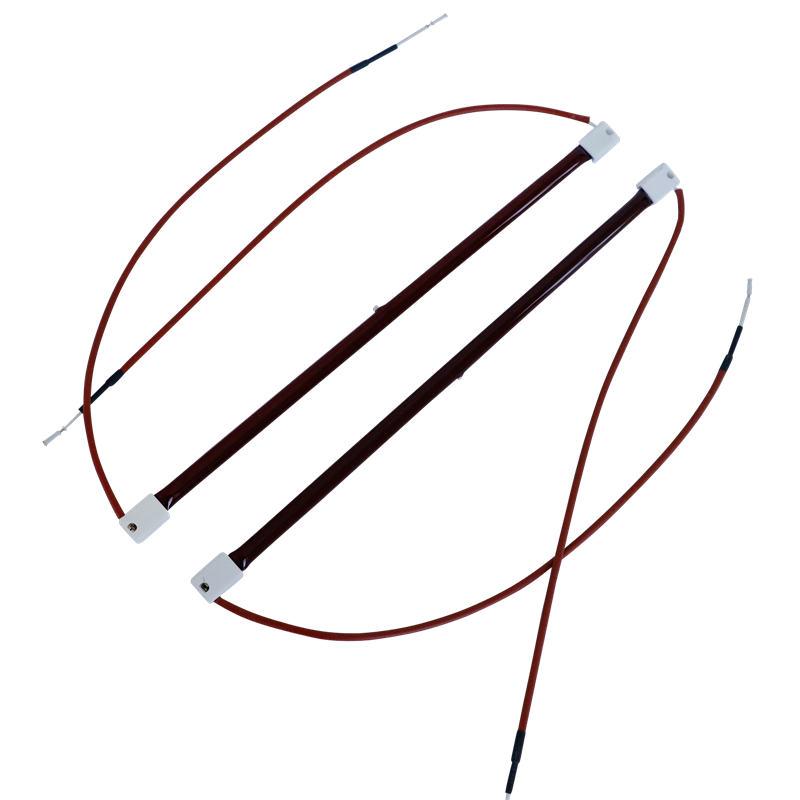
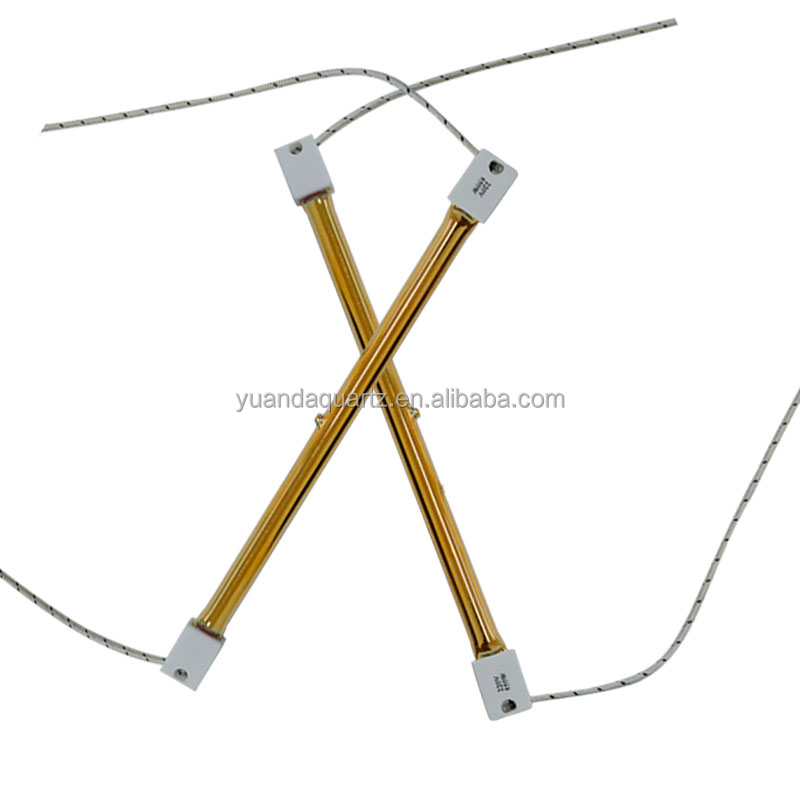
In modern industrial thermo-processing, semiconductor fabrication, and optoelectronic manufacturing, the performance of pure fused silica—predominantly manufactured as solid quartz glass rods, capillary rods, and specialized envelope assemblies—forms the foundational bedrock of operational reliability. Known for their extreme purity, near-zero thermal expansion coefficient, remarkable optical transmission ranging from deep ultraviolet (UV) to far infrared (IR), and exceptional chemical passivity, precision-machined quartz rods serve critical functions. From carrier boats in silicon wafer diffusion furnaces to structural supports in high-intensity infrared emitter tubes, the selection of the right manufacturing partner dictates process yield, downtime intervals, and total procurement expenditure.
Global original equipment manufacturers (OEMs) and Tier-1 procurement engineers face mounting challenges: micro-bubble tolerances within fused silica must be suppressed to near-zero levels, hydroxyl (OH) radical content must be strictly regulated depending on infrared transmission criteria, and geometric runout over meter-long dimensions must remain within sub-millimeter thresholds. As manufacturing tolerances compress across the global semiconductor and photovoltaic landscape, securing a direct connection with vertically integrated quartz processing hubs is paramount.
"Thermal shock resistance in fused quartz is unmatched in industrial metallurgy and glassworking. Because pure silica displays a linear expansion coefficient of just 5.5 × 10⁻⁷ / K, quartz rods can be heated past 1,100 °C and immediately quenched in cold water without catastrophic structural fracturing."
— Advanced Glass & Ceramic Materials White Paper, Kavri Engineering DivisionEvaluating quartz rod manufacturers requires an empirical understanding of raw silica crystal processing. Sourced from high-grade natural pegmatite veins or synthesized through chemical vapor deposition of silicon tetrachloride (SiCl4), the final rod’s physical properties dictate its functional limits. The following engineering matrix outlines the baseline physical and chemical standards applied during Kavri Quartz's production and testing stages:
| Physical / Chemical Property | Standard Metric Value | Engineering Significance | Verification Protocol |
|---|---|---|---|
| Chemical Purity (SiO2 Content) | ≥ 99.99% – 99.999% | Prevents trace heavy metal contamination in chip foundries and furnace tubes | ICP-OES / Mass Spectrometry |
| Hydroxyl (OH⁻) Concentration | < 5 ppm (Dehydroxylated) / ~30 ppm | Mitigates IR absorption bands at 2.73 µm; improves thermal lifespan | FTIR Spectrophotometry |
| Maximum Continuous Service Temp | 1,100 °C (Continuous) / 1,450 °C (Peak) | Withstands extreme vacuum furnace and wafer RTP thermal conditions | High-Temp Pyrometric Soak |
| Coefficient of Thermal Expansion (CTE) | 5.5 × 10⁻⁷ / °C (20 °C – 320 °C) | Guarantees dimensional stability during instantaneous heating cycles | Dilatometric Analysis |
| Softening Point & Annealing Point | 1,680 °C (Softening) / 1,210 °C (Anneal) | Establishes mechanical deflection limits under structural load | Beam Bending Viscometry |
| Dielectric Strength (20 °C) | 25 – 40 kV / mm | Superior electrical insulation for high-voltage heating element cores | ASTM D149 Dielectric Breakdown |
| Refractive Index (nd at 589.3 nm) | 1.4585 | High light guide efficiency, laser beam delivery, and optical sensor clarity | Abbe Refractometer Indexing |
Headquartered in Lianyungang, Jiangsu Province—immediately adjacent to Donghai, universally recognized as the world's most concentrated silicon and natural quartz refining cluster—Kavri Quartz Product Co., Ltd. combines geographical raw-material dominance with over a decade of precision OEM/ODM fabrication experience. Since our establishment in 2014, our specialized factory has continuously expanded its precision lathe capabilities, continuous flame-fusion lines, and computerized polishing facilities.
Unlike simple traders, Kavri Quartz maintains direct control across three dedicated manufacturing lines, handling raw quartz extraction, continuous electric fusion rod drawing, precision centerless grinding, CNC ultrasonic drilling, and oxygen-hydrogen flame polishing. This end-to-end integration delivers three critical competitive differentiators:
We fabricate quartz rods ranging from ultra-fine capillary diameters (Ø 0.5 mm) up to heavy ingot rods (Ø 120 mm), offering ground, clear, and fire-polished finishes. Custom slotting, lathe beveling, end-drilling, and bending are executed precisely against buyer technical drawings.
Time-to-market governs machine assembly and replacement schedules. Our technical engineering division reviews mechanical schematics, thermal specs, and power density requirements, returning complete feasibility feedback and quotes within four business hours.
With 81% to 90% of our products exported to North America, Western Europe (Germany, Netherlands), Japan, and South Korea, every quartz rod batch undergoes strict polariscopic stress detection, dimension verification, and specialized honeycomb shockproof wood-casing.
The global market for advanced quartz materials is entering a period of aggressive technological refinement. The transition toward sub-3nm node semiconductor manufacturing, the expansion of high-efficiency n-type TOPCon and heterojunction (HJT) solar cells, and the industrial decarbonization shift toward rapid infrared electrical curing systems have revolutionized quartz purchasing practices. B2B purchasing agents must align their vendor qualification criteria with five emerging supply-chain imperatives:
Next-generation solar wafer carriers and diffusion pushers require single-piece quartz rods exceeding Ø 80 mm with uniform thermal transmission to support larger, thinner silicon wafers without micro-deflections at 1,200 °C.
Traditional 99.99% purity is yielding to synthetic silica requirements where alkali metals (sodium, potassium, lithium) and heavy transition elements must stay under 5 ppb to eliminate cross-contamination during dry etching and epitaxy.
Industrial lines for automotive paint curing, PET blow molding, and textile drying are replacing gas convection with focused infrared halogen and carbon-fiber quartz emitters, slashing line footprints and driving huge demand for customized reflector-coated quartz components.
The historical method of manually processing quartz glass using handheld torches is now largely replaced by automated, multi-axis computerized plasma systems and automated horizontal pulling draw-towers. In our facility, the integration of automated CNC centerless cylindrical grinders ensures runout straightness tolerances within 0.1 mm per 1,000 mm of length—a metric crucial for rods used in high-speed rotational laser optics or precision medical diagnostic stirrers.
Furthermore, in the field of infrared emitter tubes and quartz heating elements, thermal radiation efficiency is intimately tied to envelope geometry. By combining quartz rods with internal tungsten or carbon fiber elements and applying high-temperature reflective coatings (such as 24K real gold coatings or white high-purity ceramic diffusers), thermal radiant efficiency directed toward the target material increases from 50% to over 90%. This eliminates costly back-radiation, safeguards surrounding machinery framework, and optimizes kilowatt consumption across industrial lines.
| Fabrication Technique | Typical OH Content | Bubble / Inclusions Class | Primary Application Profile |
|---|---|---|---|
| Continuous Electric Fusion | < 5 – 20 ppm | Class 1 (Low bubble density) | Standard heater tubes, furnace carrier rods, sight glass, lighting sleeves |
| Oxy-Hydrogen Flame Fusion | 150 – 400 ppm | Class 0 (Virtually bubble-free) | High-temperature optical rods, semiconductor process flanges, custom quartz labware |
| Plasma CVD Synthetic Silica | < 1 ppm (Dry) / Variable | Defect-Free (Optical homogeneity) | Excimer laser optics, semiconductor photolithography, UV curing envelope systems |
Clear communication reduces engineering errors. Below are detailed answers to the most common inquiries submitted by purchasing directors, equipment designers, and maintenance engineers when sourcing quartz products and custom emitters.
Collaborate directly with our Donghai technical engineering department. We evaluate CAD files, configure custom electrical wattages, and formulate fast sampling schedules with guaranteed factory-direct pricing.