2014
Established & Verified
10+
Years OEM/ODM Expertise
81-90%
Global Export Ratio
≤ 4h
Engineering Response
Precision Manufacturing
High-Purity Quartz Glass & Thermal IR Catalog
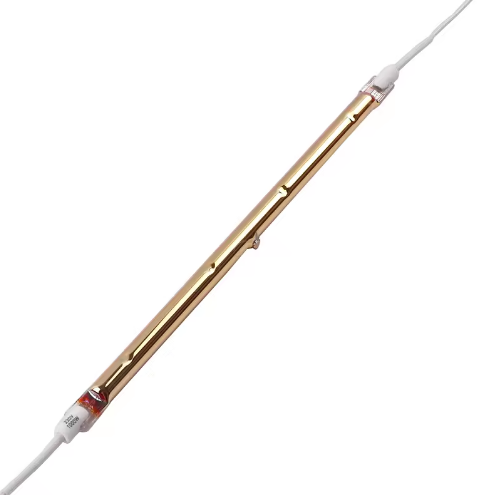
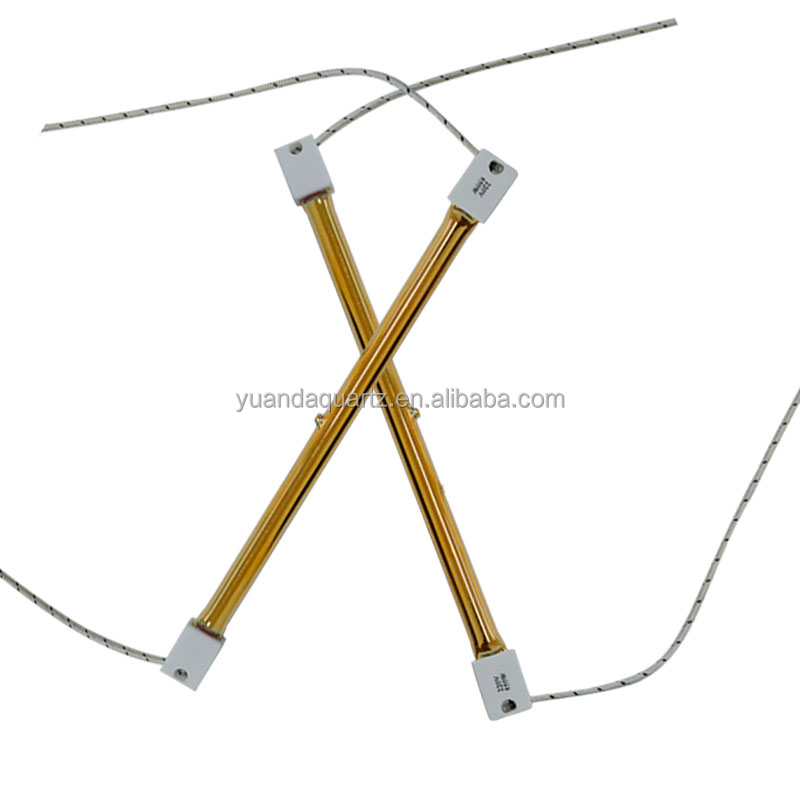
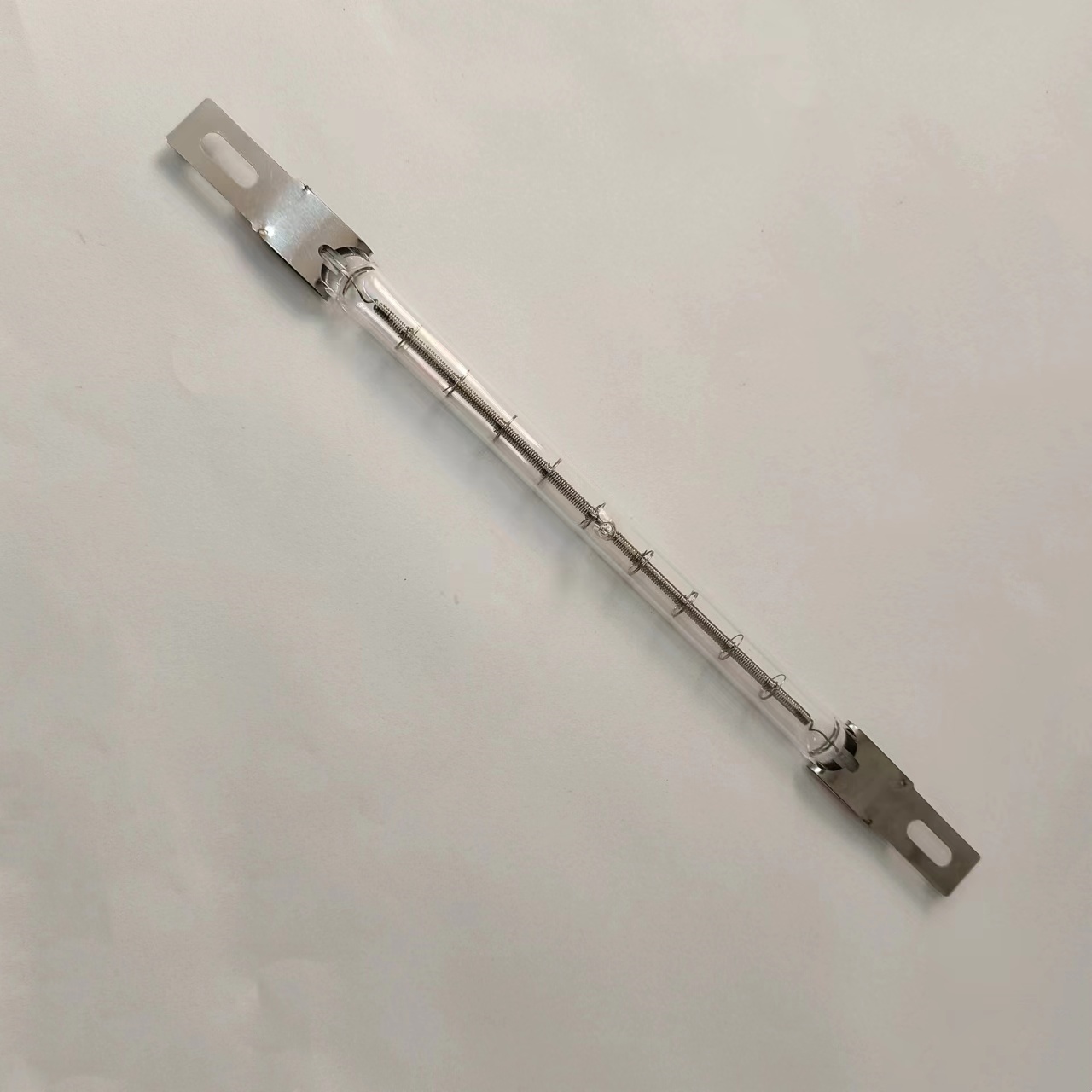
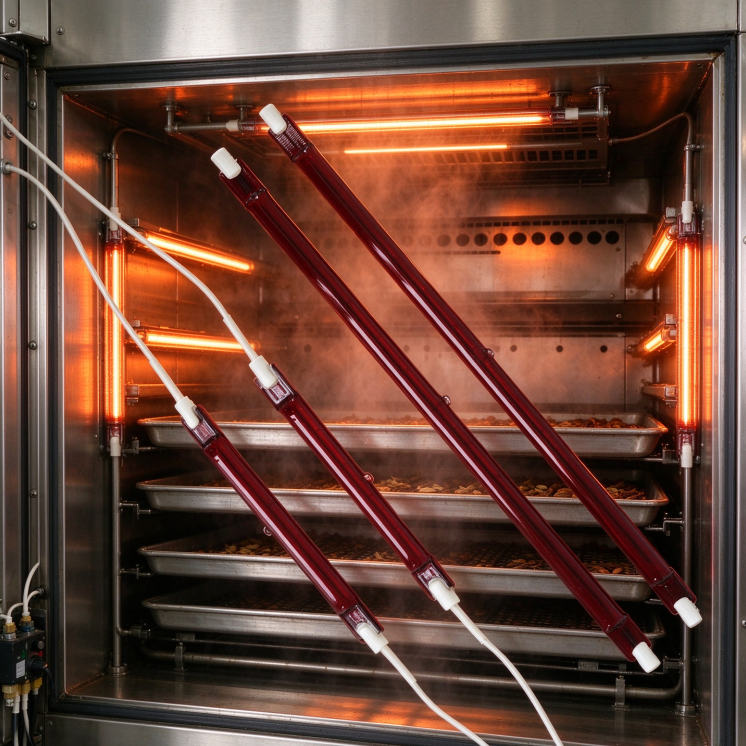
Explore our export-grade portfolio of optical quartz substrates, twin-tube heating elements, and ruby thermal solutions fabricated for high-demand processing environments.
Industry Whitepaper
Precision Quartz Discs: Engineering Purity, Optical Flatness, and Thermal Resilience
In contemporary semiconductor processing, photovoltaic cell fabrication, analytical spectroscopy, and precision laser metrology, the quartz disc is no longer an ancillary consumable; it is a mission-critical optical and physical barrier. As a globally recognized quartz disc factory and exporter headquartered in Lianyungang—China's silicon core hub—Kavri Quartz integrates continuous thermal drawing, CNC double-sided lapping, flame polishing, and laser interferometry to deliver fused silica windows that withstand severe operational stress without devitrification or thermal rupture.
"The mechanical and optical integrity of high-purity quartz discs relies on the precise balance between hydroxyl (OH-) radical concentration, micro-bubble inclusion classes, and anisotropic strain control within the fused silica network."
Selecting industrial-grade quartz components requires an exhaustive comprehension of thermal, optical, and mechanical tolerances. Fused silica discs maintain an exceptionally low thermal expansion coefficient of approximately 5.5 × 10⁻⁷/K, offering unmatched resistance to rapid thermal shock up to ΔT = 1000 °C. Whether functioning as viewports in ultra-high vacuum (UHV) chambers, carrier substrates in chemical vapor deposition (CVD) tools, or protective windows in high-power industrial infrared emitters, precision-engineered quartz discs ensure signal integrity, spectral purity across 190 nm to 3500 nm wavelengths, and extended working lifespans under continuous operational temperatures approaching 1100 °C.
| Material Grade | SiO2 Purity (%) | Transmission Bandwidth | Max Working Temp | Primary Industrial Use-Case |
|---|---|---|---|---|
| JGS1 (Synthetic Fused Silica) | ≥ 99.999% | 185 nm – 2500 nm (Deep UV) | 1100 °C continuous | UV curing windows, laser mirrors, lithography tools |
| JGS2 (Fused Natural Quartz) | ≥ 99.99% | 220 nm – 2500 nm (Optical grade) | 1150 °C continuous | High-temperature viewports, optical instruments, sight glass |
| JGS3 (Infrared Fused Quartz) | ≥ 99.98% | 260 nm – 3500 nm (IR Optimized) | 1200 °C continuous | Semiconductor furnace carriers, IR emitter sleeves, pyrometry |
| Opaque / Sintered Quartz | ≥ 99.95% | Diffuse / Thermal barrier | 1250 °C continuous | Heat shields, thermal flange rings, furnace baffles |
Procurement Forecasting
Emerging Procurement Trends in Quartz Substrates & IR Emitters
Global procurement teams are shifting priorities from basic cost-per-unit metrics to total cost of ownership (TCO), defect-free supply chains, and specialized fabrication standards.
Transition to Ultra-Low OH Content
High-power NIR heating and fiber-coupling applications mandate hydroxyl levels under 5 ppm to prevent parasitic absorption bands around 2.73 µm. B2B procurement managers increasingly demand certifiable FTIR transmission charts per production batch to guarantee process predictability.
Near-Net Shape CNC Machining
To reduce downstream fabrication labor, buyers specify custom CNC-machined quartz discs featuring beveled perimeter chamfers, drilled counterbore mounting holes, and micro-grooves. These near-net shape discs install directly into automation modules without requiring secondary fitting operations.
Coating-Integrated Assemblies
Standard quartz components are rapidly being superseded by factory-deposited surface functionalization. This includes selective dichroic coatings, reflective gold layers (reflecting >95% IR forward), and ceramic back-reflectors that drastically increase heating system efficiency while preserving machine chassis lifetime.
Technology Horizons
The Evolution of Quartz Disc & Thermal Emitter Manufacturing
Technological advancement is accelerating the intersection of quartzware and industrial automation across cleanroom and thermal applications.
As semiconductor wafer dimensions advance and high-speed packaging requires sub-micron tolerances, quartz disc fabrication is shifting away from manual flame manipulations toward fully automated, multi-axis cold laser cutting and computer-controlled polishing tables. Chemical-mechanical planarization (CMP) techniques originally developed for silicon wafers now produce quartz disc surface finishes with Ra values below 0.5 nm and optical flatness measuring λ/10 per 25 mm diameter.
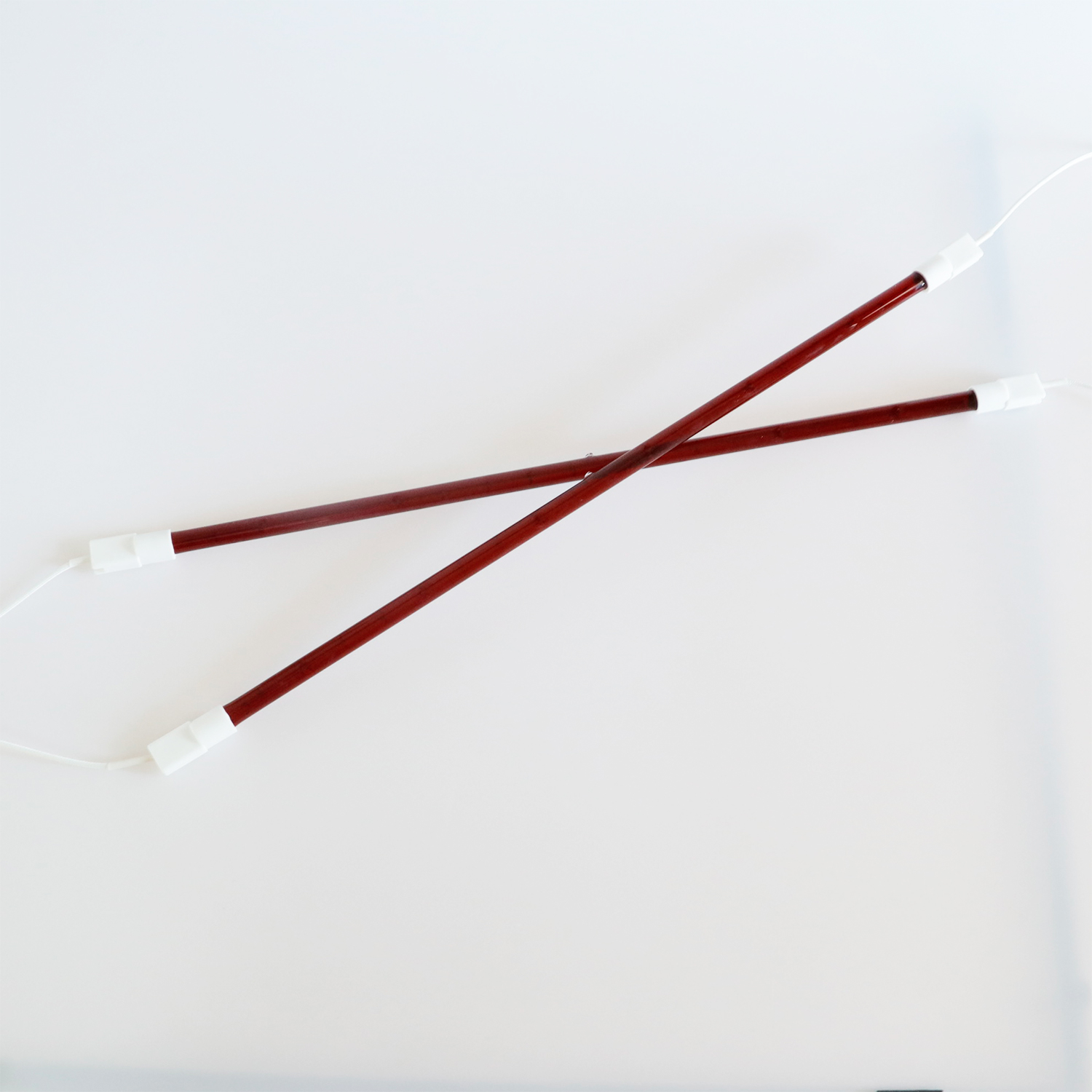
Simultaneously, environmental regulations across the European Union and North America are reshaping high-temperature thermal assemblies. Industrial heating lines that historically relied on convection or ceramic gas elements are transitioning to precision quartz infrared systems. Tungsten halogen single- and twin-tube emitters deliver peak radiative response times under one second, eliminating energy-intensive continuous preheating cycles. When housed in custom-engineered quartz jackets, these systems reduce power usage by 30% to 50% across PET stretch-blow molding, automotive powder baking, and semiconductor rapid thermal annealing (RTA).
Factory Direct Authority
Enterprise Advantages: The Kavri Quartz Benchmark
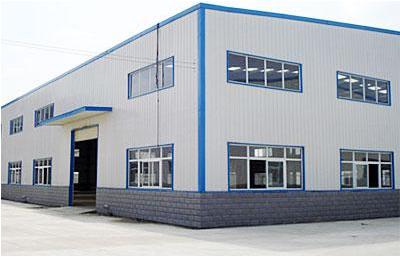
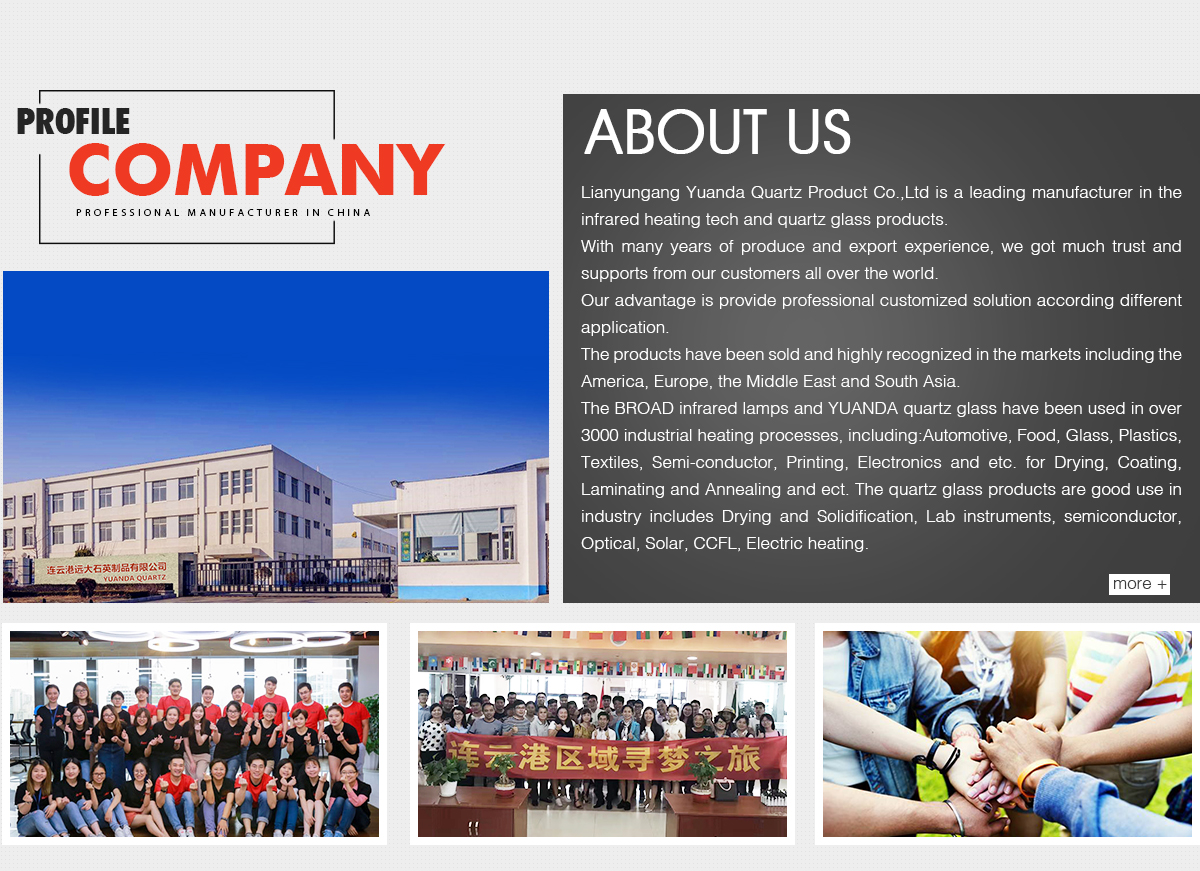
Operating since 2014 from Lianyungang, Jiangsu—the premier raw silica processing capital—Kavri Quartz bridges pure raw materials with sophisticated custom glass fabrication.
Direct Geographic Synergy
Our proximity to the Donghai silica hub gives us first-priority access to ultra-high purity natural crystal quartz and synthetic quartz sand. This regional advantage lowers raw material procurement overhead and guarantees uninterrupted batch consistency for high-volume export contracts.
Three Dedicated Production Lines
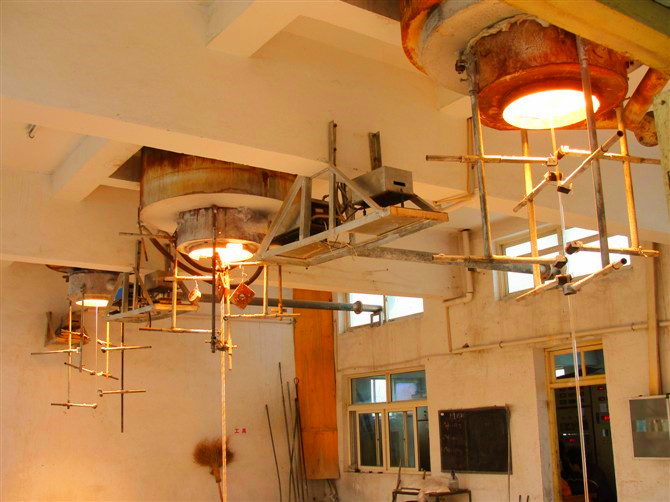
We maintain separate, specialized cleanroom-adjacent processing lines for: (1) precision fused quartz tube and rod drawing, (2) CNC cutting, surface grinding, and laser polishing of quartz plates/discs, and (3) automated filament assembly, vacuum sealing, and coating for industrial IR/UV lamps.
Rigorous Pre-Shipment Validation
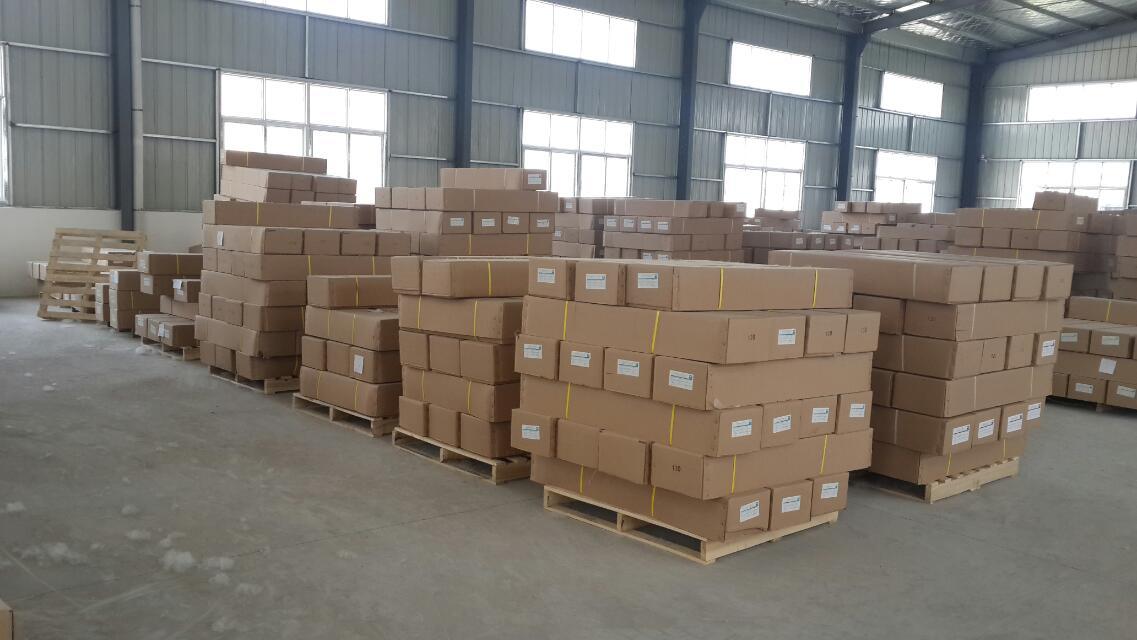
Every export delivery undergoes laser micrometer dimensional validation, optical transmission checks via UV-Vis-NIR spectrophotometer, electrical load tests, and vacuum-leak verification. Onsite verification by Alibaba.com and independent third-party audits confirms our international quality standard.
Procurement Guidance
Frequently Asked Questions: B2B Quartz Disc & IR Emitter Sourcing
In-depth technical answers addressing engineering constraints, tolerances, custom configurations, and global trade terms.
What engineering tolerances can Kavri Quartz hold for custom quartz discs and plates?
For optical and semiconductor applications, our CNC double-sided lapping and polishing machinery routinely holds diameter and thickness tolerances within ±0.05 mm. On specialized requests, we achieve ±0.01 mm with parallelism under 30 arcseconds and surface optical flatness of λ/4 per 25 mm diameter. Edge finishes include clean-cut, ground chamfer, or fire-polished per your exact drawing.
How do I determine whether my application requires JGS1, JGS2, or JGS3 quartz material?
Material selection depends directly on the operating spectrum and thermal profile:
JGS1 (Synthetic Fused Silica): Free of bubbles, exceptional transmission across the deep ultraviolet spectrum (185 nm – 2500 nm). Ideal for UV lithography, high-power excimer lasers, and analytical flow cells.
JGS2 (Fused Natural Quartz): Excellent visual optical performance across the standard visible spectrum (220 nm – 2500 nm). Widely utilized in high-temperature furnace sight glasses and industrial viewports.
JGS3 (Infrared Fused Silica): Stripped of hydroxyl groups (OH ≤ 5 ppm), eliminating the typical water absorption dip at 2.7 µm. Provides maximum transmission from 260 nm up to 3500 nm, making it the premier choice for infrared emitters, pyrometer windows, and thermal sensor barriers.
What parameters are mandatory for quoting a customized OEM infrared heating element?
To engineer an emitter tailored to your machinery, our design engineering team requires:
- Electrical parameters: Rated operating voltage (e.g., 220V, 380V, 480V) and total wattage (e.g., 1000W, 1500W, 3000W).
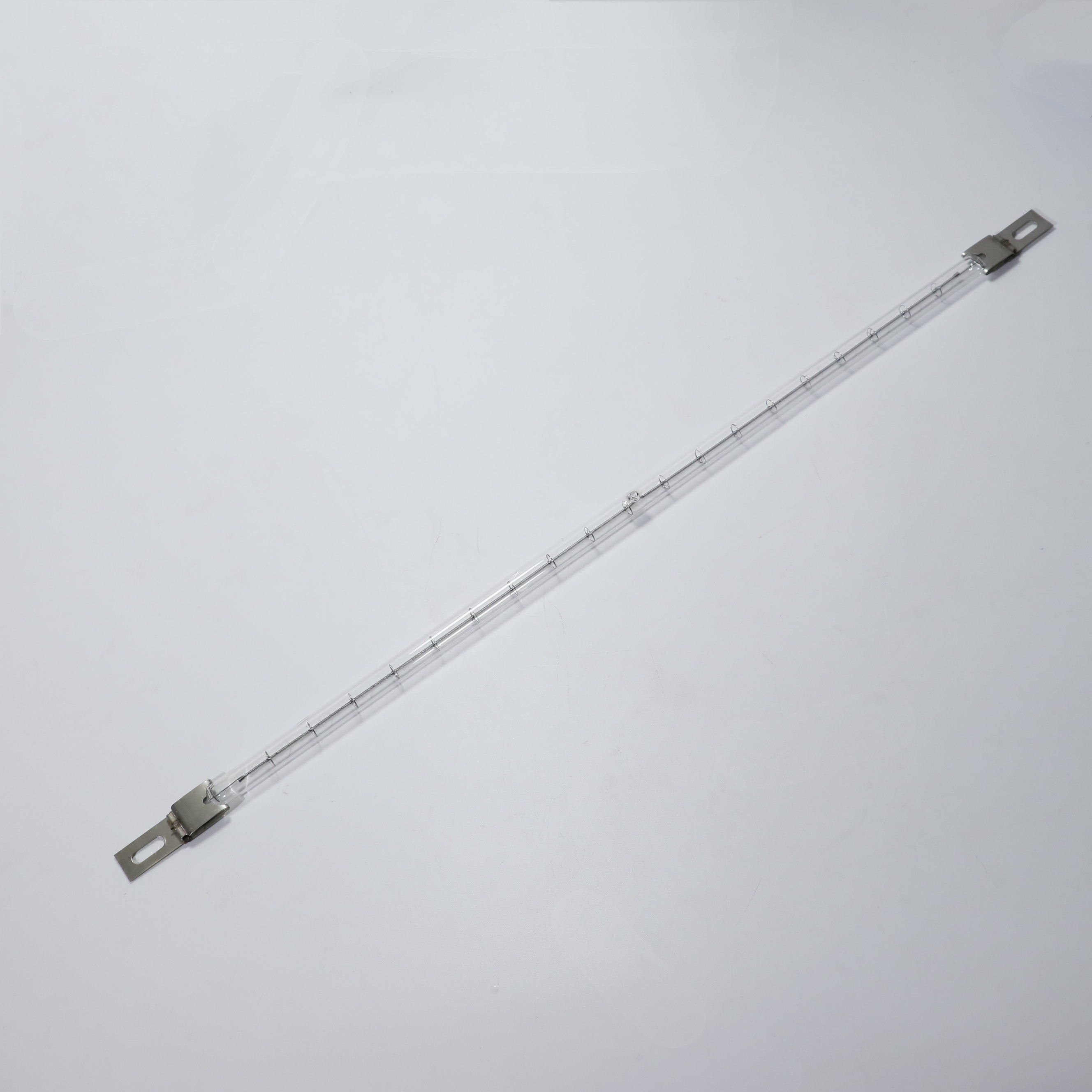
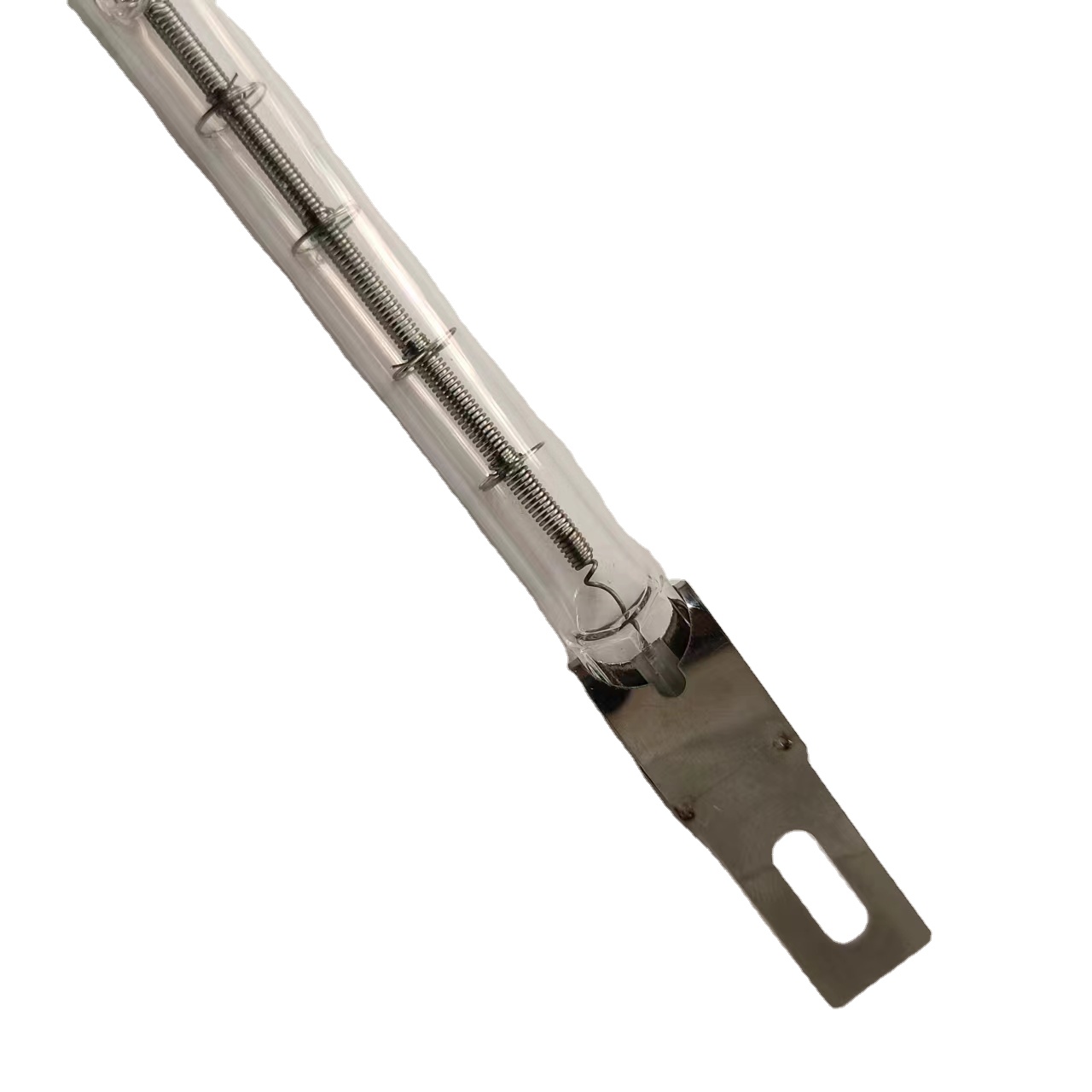
- Dimensional specs: Total overall length (OAL), heated effective length, and cross-section (single tube OD 10–19 mm or twin tube 23×11 mm / 33×15 mm).
- Filament technology: Tungsten halogen (short-wave NIR) or woven carbon fiber (medium-wave).
- Reflector coating: Clear, gold-plated (high directional recovery), or half-white ceramic.
- Terminations: Metal clips, ceramic end caps, cable leads, or quick-disconnect tabs.
What is your Minimum Order Quantity (MOQ) and standard lead time for bespoke components?
Standard quartz tubes, rods, and common IR replacement lamps carry a low prototype MOQ starting from 8 to 10 pieces. For custom CNC-machined quartz discs or custom-tooled twin-tube emitters, prototype validation orders of 5 to 10 pieces are welcomed before mass batch release. Production lead times range between 7 to 12 working days for standard specifications, and 15 to 20 days for complex optical-grade polishing or custom coating runs.
How does Kavri Quartz prevent transit damage during international export shipping?
Exporting high-purity glass requires rigorous packaging protocols. Quartz discs are wrapped individually in lint-free optical paper, enclosed in shock-absorbing EPE foam pockets, and nested into reinforced corrugated boxes. For heavy shipments and long infrared emitters, products are placed in customized internal shock-suspension tubes and secured inside fumigated non-coniferous wooden export crates. We handle logistics via FOB, CFR, CIF, EXW, and DDP to Europe, North America, Southeast Asia, and worldwide.
Can you manufacture laboratory quartzware and analytical flow cells to custom schematics?
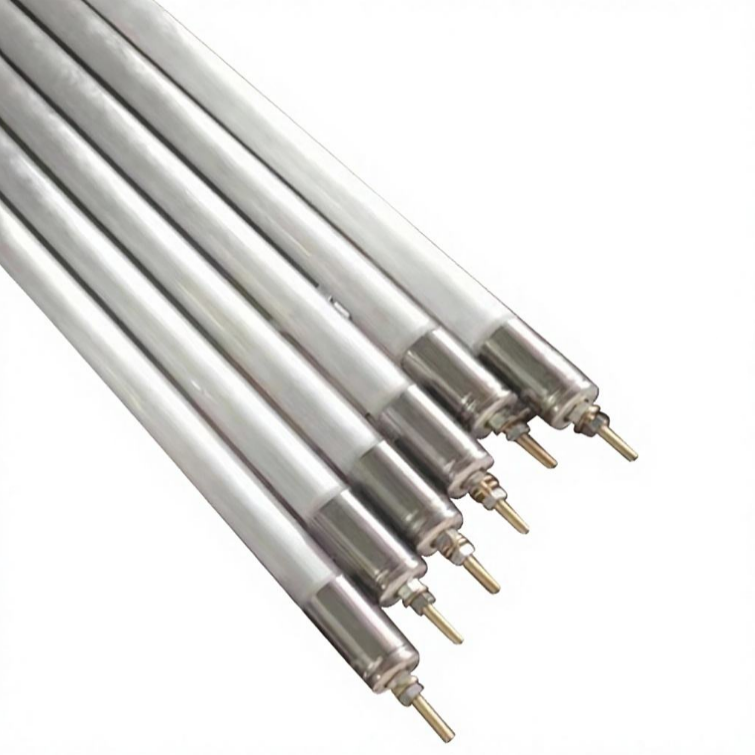
Yes. In addition to flat optical discs and industrial heater envelopes, our master glassblowers produce micro-volume quartz flow cells (including 32 µL cells for biochemistry auto-analyzers), quartz combustion tubes, boats, crucible containers, and specialized manifolds built strictly to customer CAD designs.