Precision Fused Silica & Radiant Quartz Engineering

Top Trusted Fused Silica Tube Manufacturers & Suppliers

Comprehensive B2B Engineering Whitepaper & Strategic Sourcing Guide: High-Purity Fused Quartz Tubing, Custom Emitter Fabrication, Mechanical Tolerances, and Direct Manufacturer Supply Chain Dynamics.

Factory-Calibrated Quartz Hardware

Precision Fused Silica Heating & Process Tubes

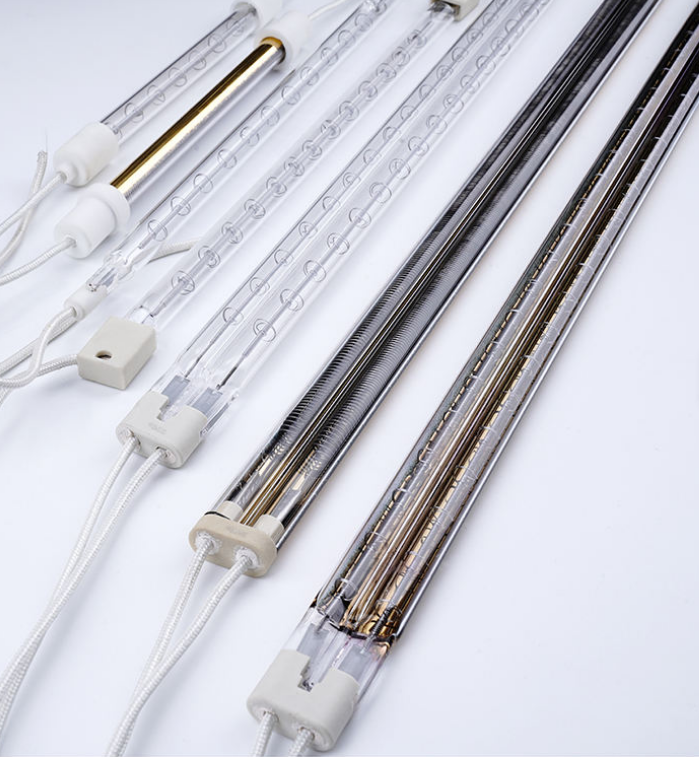
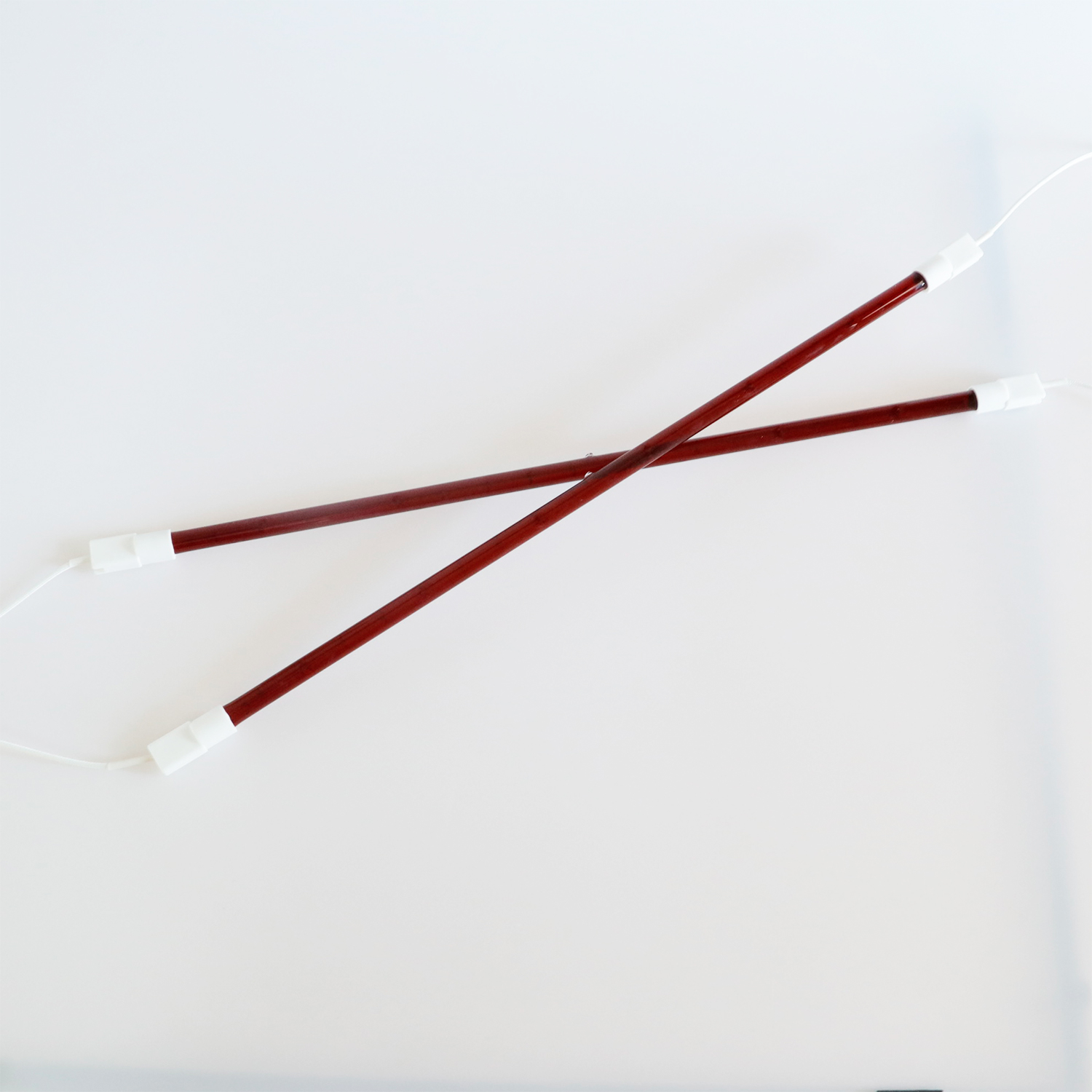
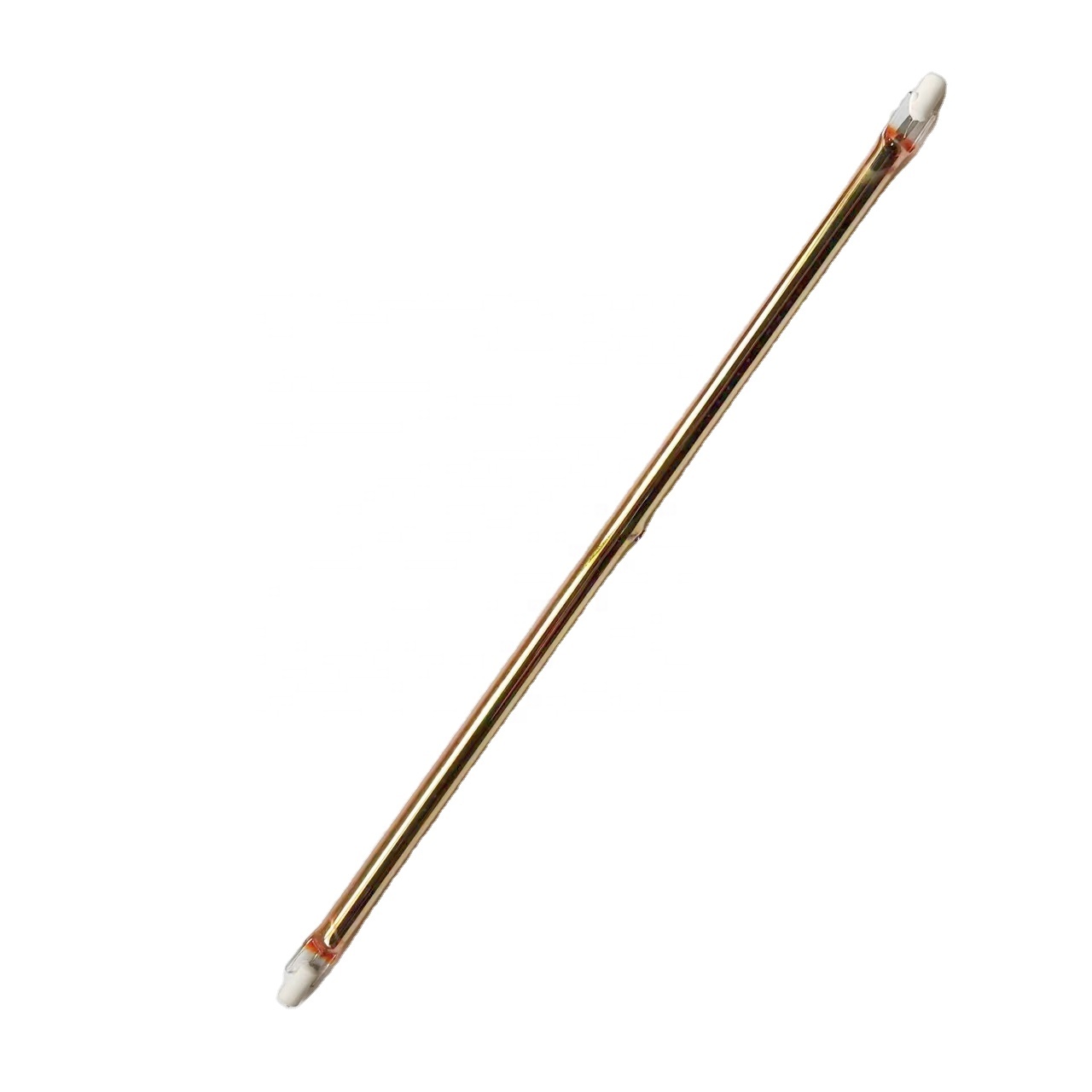
Industrial-grade fused quartz clear tubes, directional infrared emitters, and halogen heating components manufactured with strict geometric tolerances and ultra-high thermal resistance.

Get Catalog
Technical Whitepaper: Engineering Guide

Fused Silica Tubing: Material Purity, Thermal Kinetics & Manufacturer Evaluation

In high-temperature thermal processing, semiconductor diffusion, ultraviolet sterilization, and industrial infrared heating, fused silica (fused quartz) stands as an indispensable engineering material. Unlike standard borosilicate glass or soda-lime formulations, high-purity fused silica glass is composed almost entirely of amorphous silicon dioxide (SiO2 ≥ 99.99%). This atomic architecture yields unique physical properties: an extraordinarily low coefficient of thermal expansion, virtually nonexistent thermal shock sensitivity, remarkable optical transparency spanning from deep ultraviolet (UV) to mid-infrared (IR), and exceptional dielectric isolation at temperatures exceeding 1000°C.

Critical Sourcing Criterion: The operational lifespan of a fused silica tube in cyclic thermal loading is governed primarily by trace alkali metal impurities (Lithium, Sodium, Potassium). Contamination levels as low as 5–10 ppm act as nucleation sites for devitrification, inducing crystalline phase transition to cristobalite and triggering micro-fractures above 1150°C.

1. Material Science: Fused Silica vs. Standard Quartz Glass

Industrial procurement teams frequently encounter ambiguous nomenclature between "Fused Quartz" and "Fused Silica". While both are vitreous silica materials, their manufacturing route and trace impurity spectrum dictate their application boundaries:

Natural Fused Quartz: Produced by electrically fusing or oxy-hydrogen gas-fusing high-purity natural quartz crystal sand (derived from Donghai or Spruce Pine pegmatite veins). Characterized by high mechanical strength, trace metal levels < 15 ppm, and moderate hydroxyl (OH) content. Ideal for infrared heater envelopes, furnace process tubes, thermocouple protection sheaths, and sight glasses.

Synthetic Fused Silica: Synthesized by vapor-phase hydrolysis of high-purity silicon tetrachloride (SiCl4) or organosilicon precursors in a specialized oxy-hydrogen flame. This results in ultra-pure amorphous glass with metallic impurities typically < 0.1 ppm, providing zero bubble inclusions and high deep-UV transmission down to 185 nm. Critical for excimer laser optics, semiconductor photolithography, and analytical biochemistry flow cells.

5.5 × 10⁻⁷/K
Thermal Expansion (CTE)
~1100 °C
Continuous Working Temp
~1450 °C
Peak Softening Exposure
≥ 99.99%
SiO2 Chemical Purity

2. Thermal and Optical Performance Metrics

The operational value of fused quartz tubes stems directly from their ability to survive rapid cycling without mechanical deformation. While conventional glass fractures when subjected to a 100°C differential, a fused silica tube heated to 1100°C can be quenched into 20°C water without structural compromise. This thermal resilience stems from the rigid tetrahedral Si-O-Si bonds forming an isotropic random network.

Physical / Chemical Property Standard Borosilicate Glass Kavri High-Purity Fused Quartz Synthetic Fused Silica Engineering Relevance
SiO2 Purity Content ~81% ≥ 99.99% ≥ 99.9999% Chemical inertness & contamination prevention
Thermal Expansion (20–300°C) 3.3 × 10⁻⁶ / K 5.5 × 10⁻⁷ / K 5.2 × 10⁻⁷ / K Thermal shock tolerance under cyclic surges
Maximum Continuous Temp 450 °C 1100 °C 1150 °C Furnace diffusion, PET blowing, lamp longevity
Strain Point Temperature 510 °C 1070 °C 1080 °C Dimensional stability during high-load wattage
Transmission Spectrum Band 320 nm – 2.5 µm 260 nm – 3.5 µm 185 nm – 3.8 µm Optical clarity for UV curing and IR radiant flux
Hydroxyl (-OH) Concentration Variable < 30 ppm (Dry) to 180 ppm < 5 ppm to 1200 ppm Determines 2.73 µm IR absorption band behavior
Dielectric Breakdown Field 15 kV/mm 25 – 30 kV/mm 35 kV/mm Electrical safety in corona & high-voltage lamps

3. Hydroxyl (OH) Content Management in Lamp & Tube Manufacturing

A crucial consideration often neglected by non-specialist suppliers is the OH radical concentration within the quartz matrix. Hydroxyl groups (-OH) act as network terminators within the amorphous silica web. A higher OH content lowers the viscosity of the quartz, reducing its strain point and softening threshold by up to 80°C. For short-wave halogen infrared emitters operating at filament temperatures of 2200–2600 K, Kavri employs vacuum-baked "dry" quartz tubes (OH < 20 ppm) to prevent bubble formation, tube sagging, and water vapor re-emission that rapidly degrades tungsten coils.
Factory Integration & Proven Track Record

Why Direct Sourcing from Lianyungang Kavri Quartz Lowers TCO

Direct manufacturer capabilities, located in China's quartz silicon cluster, providing seamless OEM/ODM customization, rapid prototype iteration, and rigorous factory-level quality assurance.

Rooted in China's Silicon Epicenter: Lianyungang Quartz Cluster

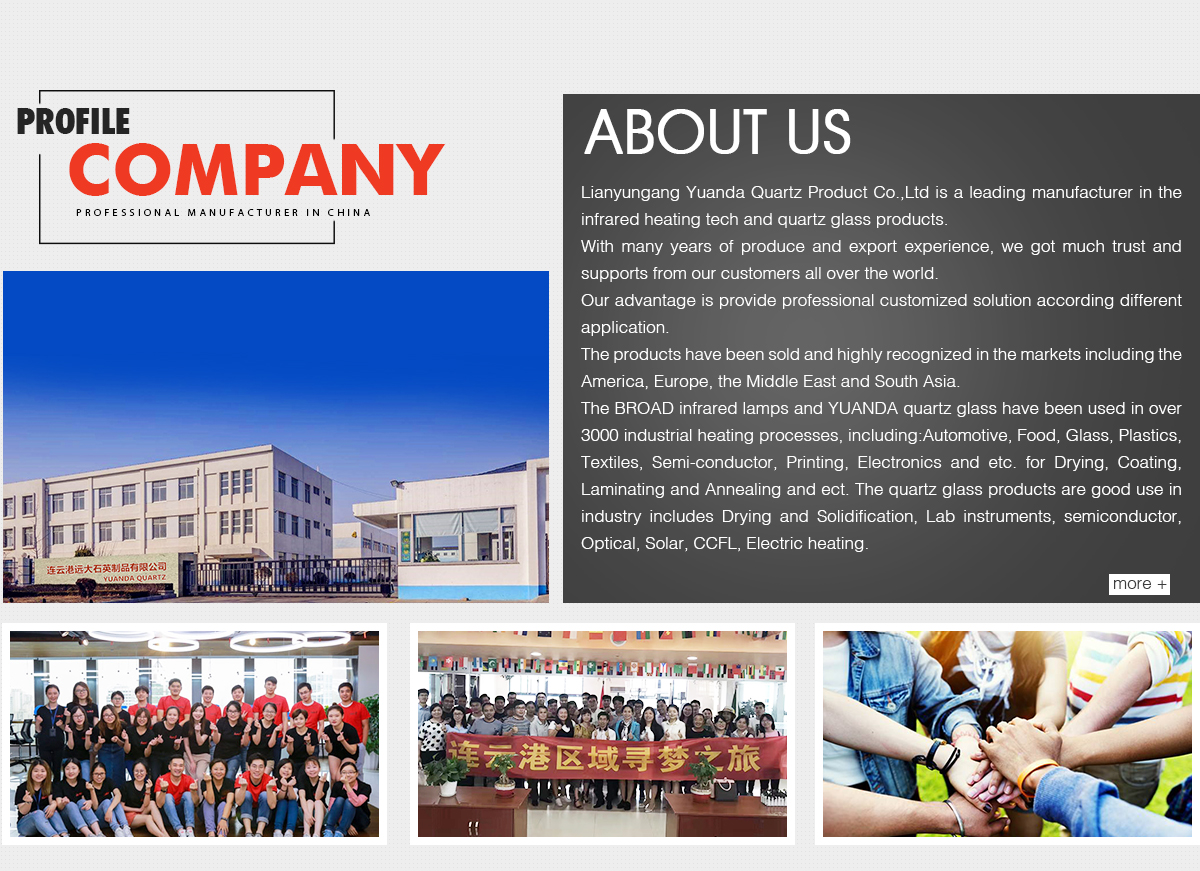
Kavri Quartz Product Co., Ltd. (established in 2014) is headquartered along Jingdu Avenue, Niushan Street, Lianyungang, Jiangsu. Situated immediately adjacent to Donghai County—the globally recognized capital of crystal and natural fused silica extraction—we command unmatched raw supply stability, crystal sorting purity, and specialized thermal glassblowing talent.

  • 10+ Years Dedicated OEM/ODM Manufacturing: Complete fabrication tailored to engineering drawings, CAD samples, custom voltages (12V to 480V), and lengths up to 3000mm.
  • 3 Specialized Production Lines: Dedicated hot-working lines for single-tube bending, twin-tube (11x23, 15x33) fusion drawing, and reflective coating sintering (Gold & White Ceramic).
  • Rigorous Inspection Protocol: 100% checks on wall thickness concentricity, polarimetric residual stress verification, power load validation, and vacuum hermetic seal testing.
  • 81%–90% Global Export Ratio: Proven logistics fulfillment spanning Germany, Netherlands, USA, Japan, South Korea, and Southeast Asia under FOB, CIF, and DDP terms.
  • Rapid Technical Engineering Response: Buyer response rate exceeding 92.65% with initial engineering validation delivered in under 4 hours.
Kavri Quartz manufacturing facilities and quartz tube drawing shop floor

Precise Geometric Tolerancing

Our computer-guided continuous redraw and mechanical sizing equipment guarantees outer diameter (OD) and inner diameter (ID) tolerances down to ±0.05 mm, with wall eccentricity kept strictly within ≤8% for uniform heating profile delivery.

High Adhesion Reflector Coatings

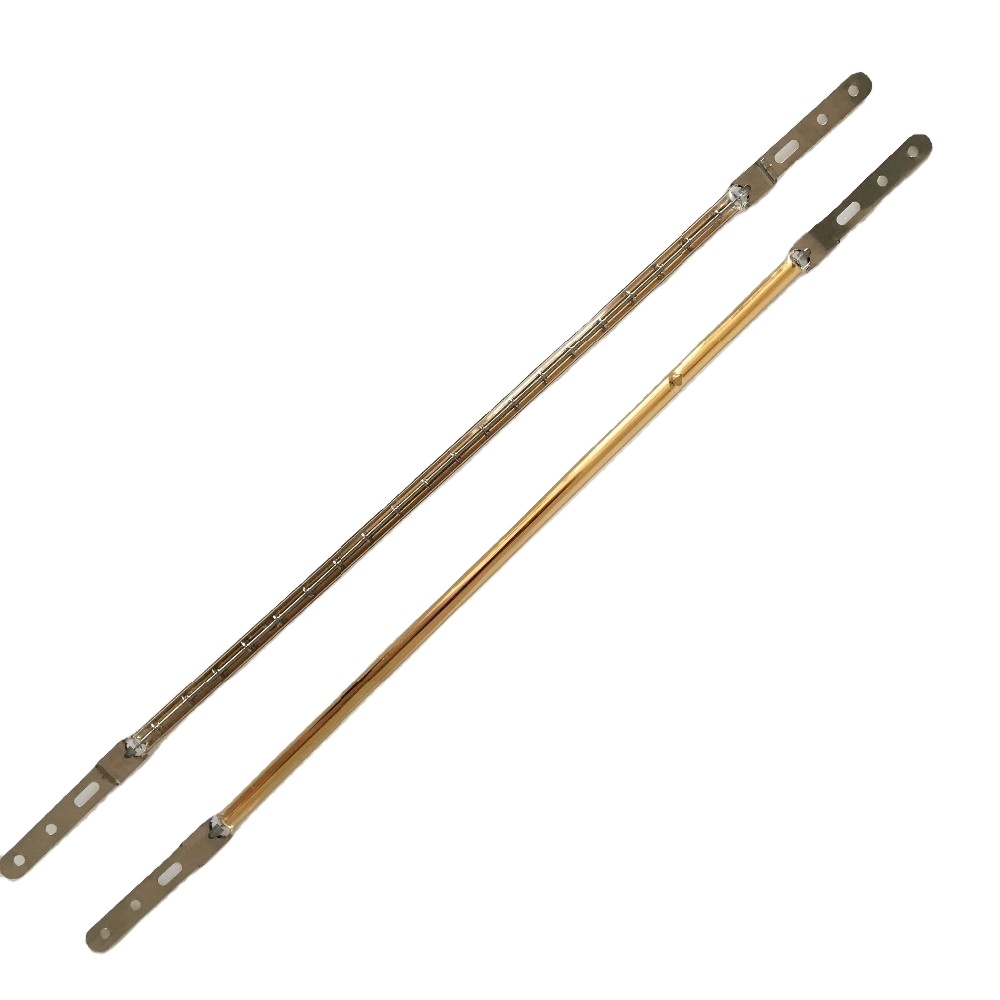
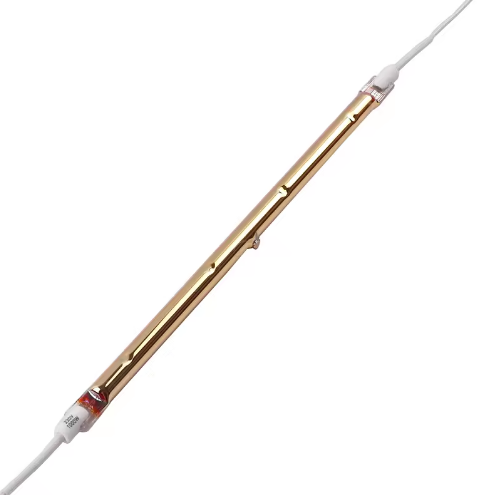
Utilizing high-temperature sintering techniques, our 24K gold mirror coatings and high-purity white ceramic diffuse layers maintain structural adhesion without flaking, peeling, or carbonization during extended 1000°C emitter cycles.

Custom Terminal Assemblies

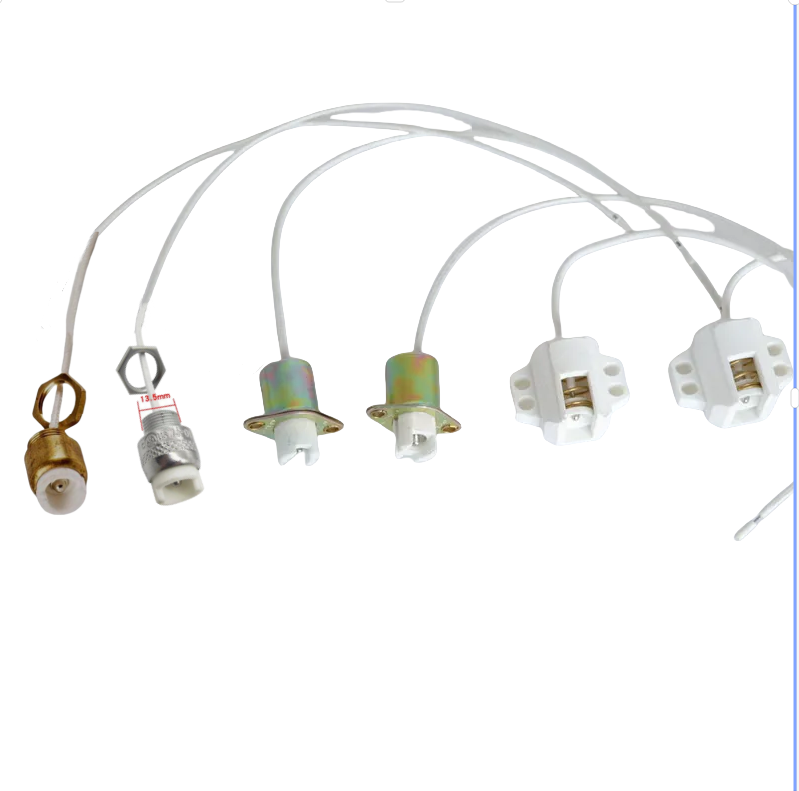
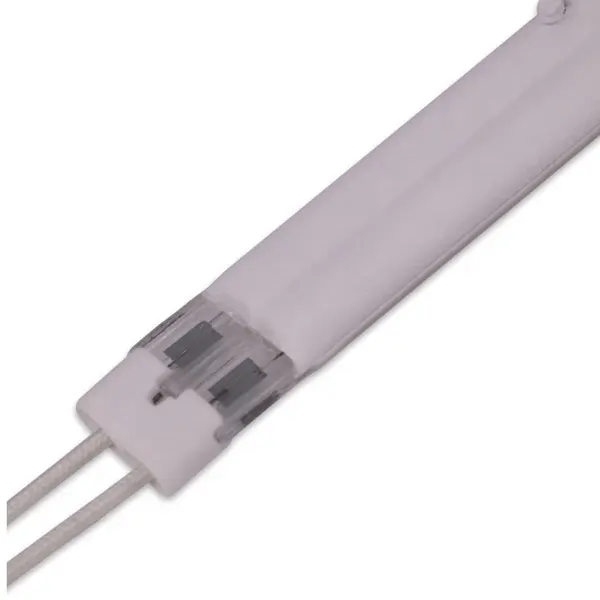
From standard R7s, metal push-in leads, and ceramic crimps to custom water-resistant silicone insulated terminal caps, we build end-fittings engineered specifically to slip directly into existing OEM manufacturing frames.

2025–2030 Market Outlook

Strategic Fused Silica Procurement Trends

How automation, decarbonization, and advanced semiconductor packaging are reshaping global technical quartz specifications and buyer procurement criteria.

01

Semiconductor Purity Migration

Demand for trace elements below 1 ppm (specifically Copper, Iron, and Zinc) is driving adoption of plasma-purified fused quartz for 300mm wafer diffusion boats, furnace inner process tubes, and etch rings.

02

Industrial Electrification Shift

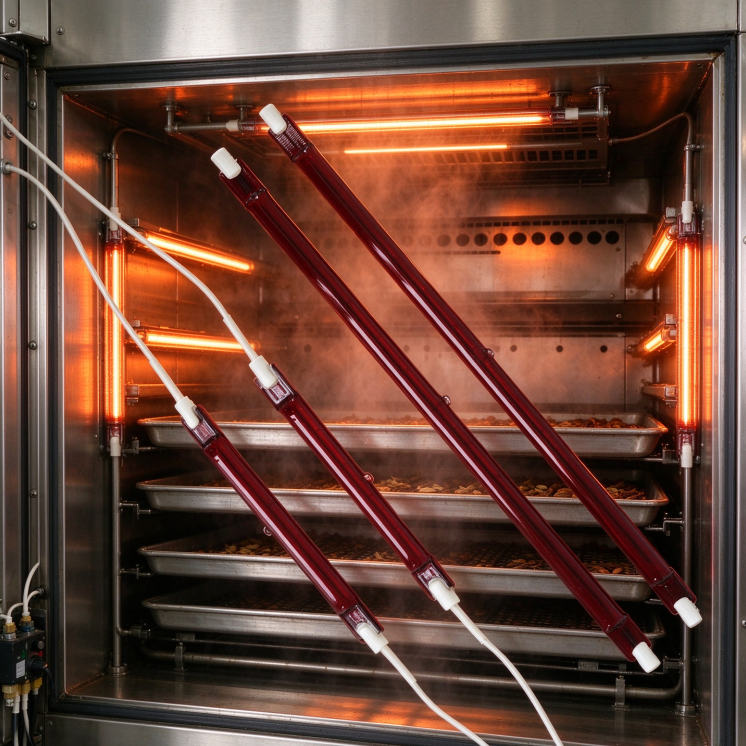
Global net-zero regulations are forcing industrial drying ovens from natural gas combustion to electrified high-flux infrared quartz systems, delivering 30–45% energy conservation and zero onsite emissions.

03

Structural Twin-Tube Dominance

Twin-tube geometries (figure-8 profile) are rapidly superseding conventional round tubes in high-speed web presses and automotive coating lines due to double mechanical resistance against thermal deflection over spans > 2 meters.

04

Integrated Directional Reflectors

Buyers are eliminating secondary external stainless steel or aluminum reflectors in favor of fused silica tubes with baked gold or ceramic backings, eliminating oxidation maintenance and reducing installation space.

Procurement & Engineering Intelligence

Frequently Asked Questions on Fused Silica & Quartz Emitters

Detailed technical, dimensional, and logistical clarifications for plant engineers, OEM purchasing managers, and equipment maintenance teams.

What is the structural difference between natural fused quartz and synthetic fused silica?

Natural fused quartz is melted directly from high-purity natural silica sand (SiO2 ≥ 99.99%). It contains trace mineral elements (Al, Fe, Ti, Na) in the low parts-per-million range and has exceptional dimensional strength at elevated temperatures (up to 1100°C). Synthetic fused silica is created via vapor synthesis of silicon precursors, yielding >99.9999% chemical purity, complete absence of bubbles, and transmission down to 185 nm, making it essential for UV lasers and semiconductor wafer handling.

Why is devitrification critical and how does Kavri mitigate it?

Devitrification is the unwanted phase transformation of amorphous fused quartz into crystalline cristobalite when exposed to temperatures exceeding 1150°C. Cristobalite has a different density, inducing internal stresses that cause spalling and micro-fractures upon cooling. Devitrification is catalyzed by surface contaminants, especially fingerprint oils and alkali salts (Na, K). Kavri strictly controls cleanroom annealing, acid-washes tubes with high-purity HF/HNO3, and vacuum seals packaging to guarantee pristine surfaces ready for firing.

How does gold coating compare to white ceramic reflective coating?

Both coatings eliminate the need for cumbersome external metal reflectors. A 24K gold mirror reflects up to 90–95% of infrared energy in the short-wave and fast-medium wave bands directly forward toward the workload. However, gold layers degrade if the outer quartz tube wall exceeds 800°C. White ceramic coatings (fused opaque silica oxide) have slightly lower initial reflection (~75–80%) but withstand continuous surface temperatures up to 1050°C, making them the preferred choice for dense PET blow-molding tunnels.

Can you customize voltages, wattage, and physical dimensions for non-standard equipment?

Yes. OEM and ODM customization represent over 80% of Kavri's total output. We engineer single-tube round profiles (OD 8mm to 300mm), twin-tube profiles (11x23mm or 15x33mm), and complex Omega or U-bend geometries. Operating parameters can be matched to any single-phase or three-phase supply (110V, 220V, 230V, 380V, 400V, 480V) with custom heated spans from 50 mm to 3000 mm. Buyers can supply drawings, nameplate specs, or simply ship a spent sample tube for reverse engineering.

What is the standard Minimum Order Quantity (MOQ) and production lead time?

For standard clear quartz tubing and catalog infrared emitters, our minimum order quantity starts at just 8–10 pieces, accommodating prototype validation and maintenance replacements. Fully customized items or precision-machined laboratory quartzware typically carry a small trial batch threshold. Standard turnaround is 7–10 working days for prototyping and 15–20 days for commercial container lots, supported by in-stock mother tubes at our Lianyungang factory.

How are fragile quartz tubes secured against breakages during international transit?

Long fused silica tubes require robust anti-harmonic packaging. Every Kavri tube is individually encased in high-density EPE foam buffering sleeves, packed inside reinforced honeycomb interior cartons, and placed in multi-ply export wooden crates with internal suspension rails. We maintain an international shipping breakage rate of less than 0.2% and provide full replacement insurance coverage on all DDP and CIF export orders.