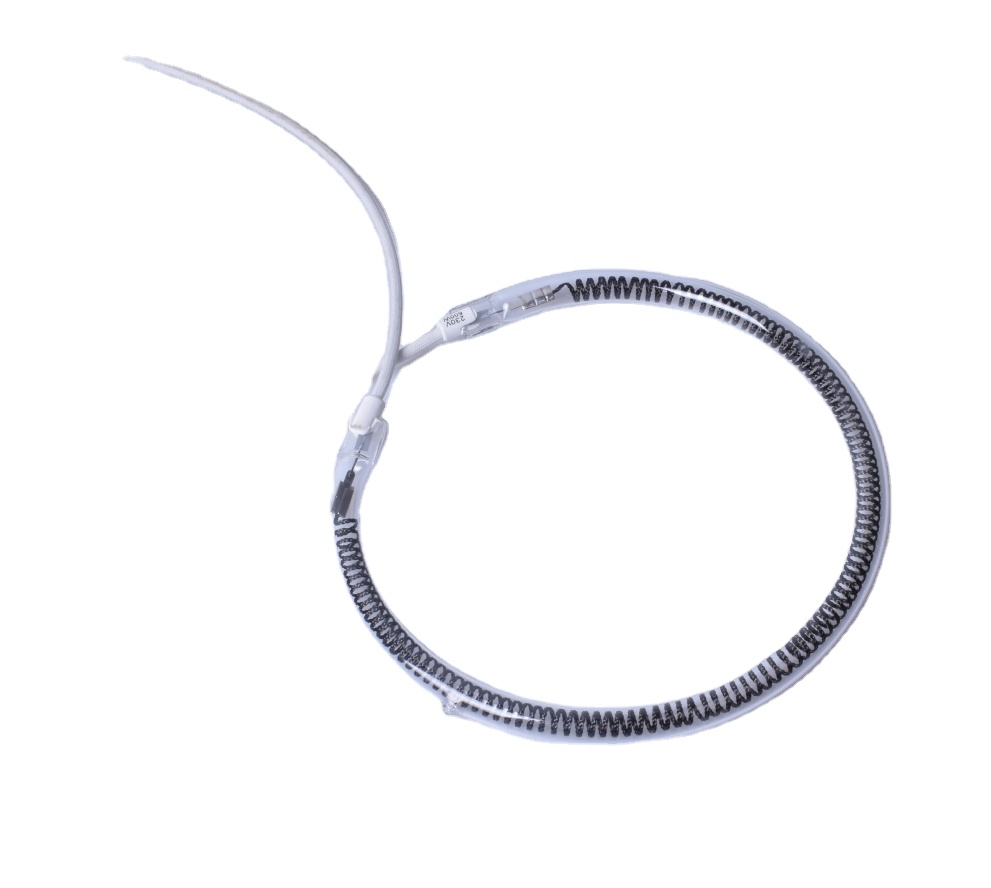
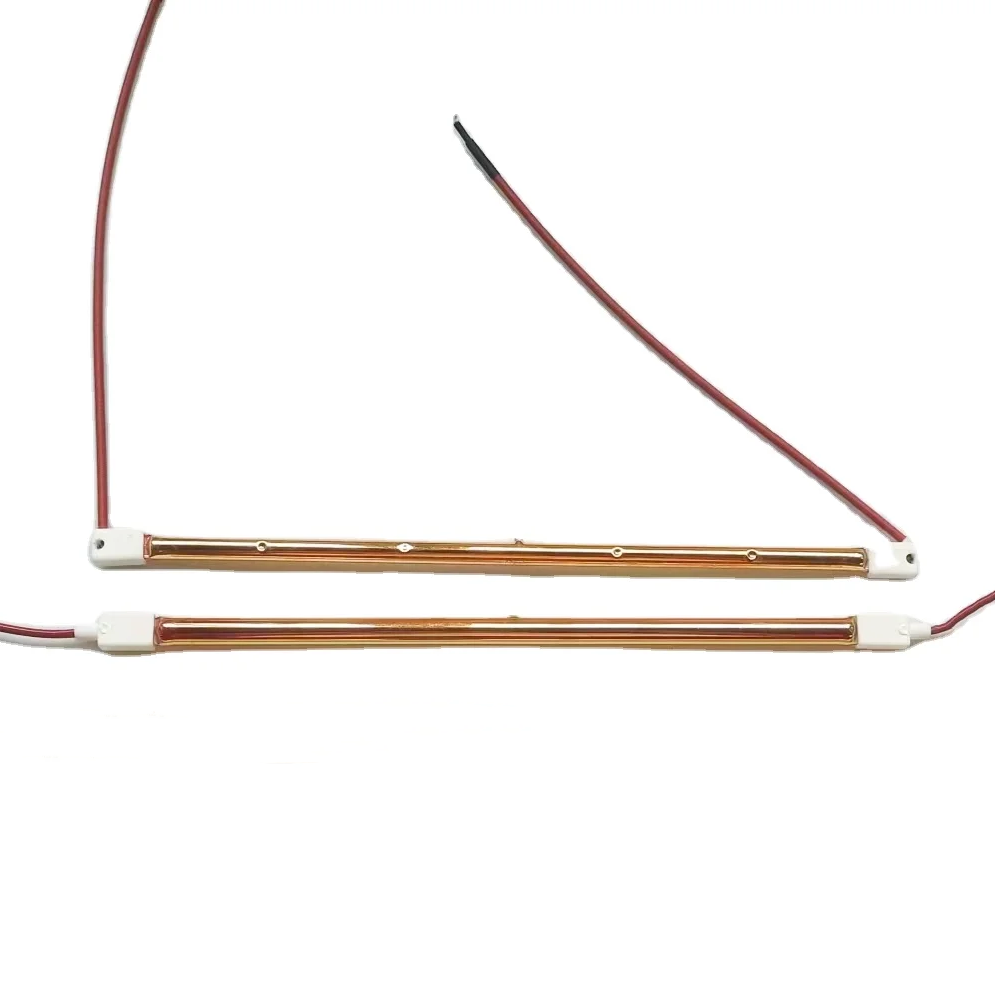
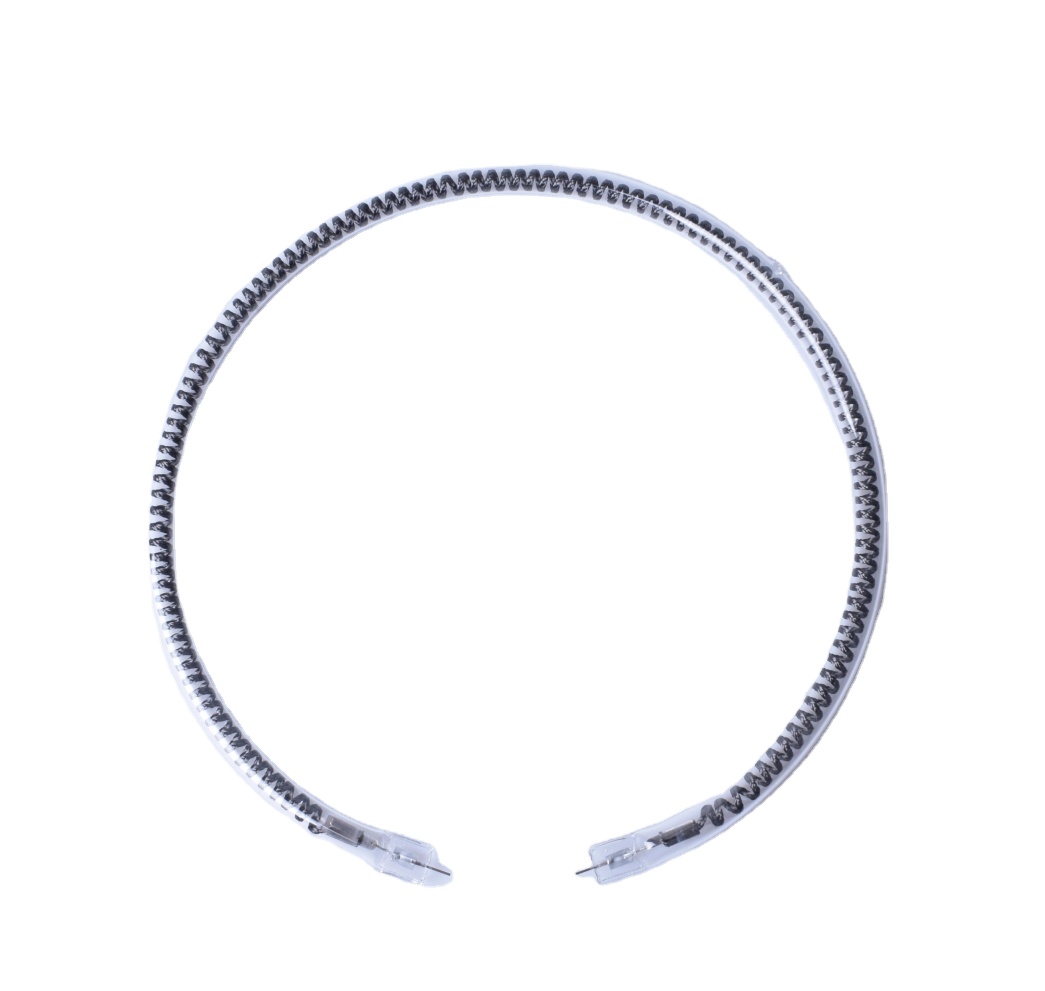
Medium-WaveCarbon Ribbon1000W
Engineered for exacting semiconductor processing, PET bottle blow-molding, thin-film curing, and analytical optoelectronics. Fully customizable dimensions, coatings, and electrical ratings.
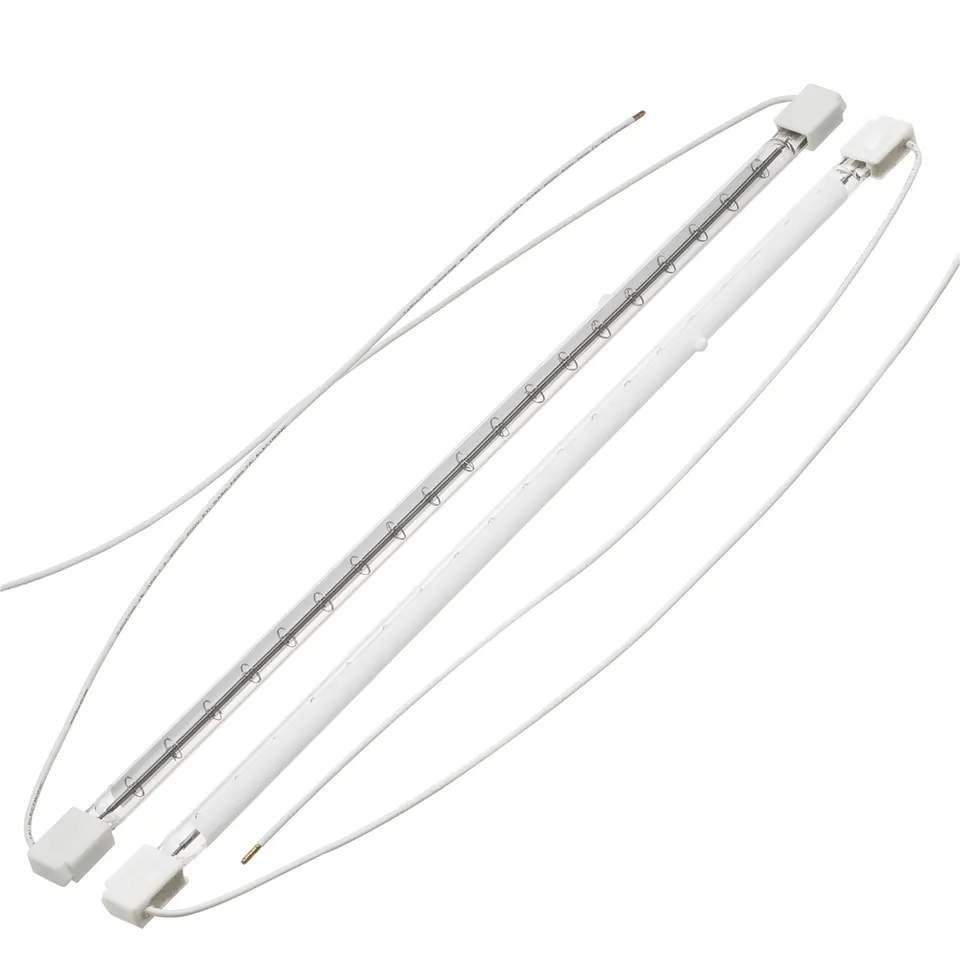
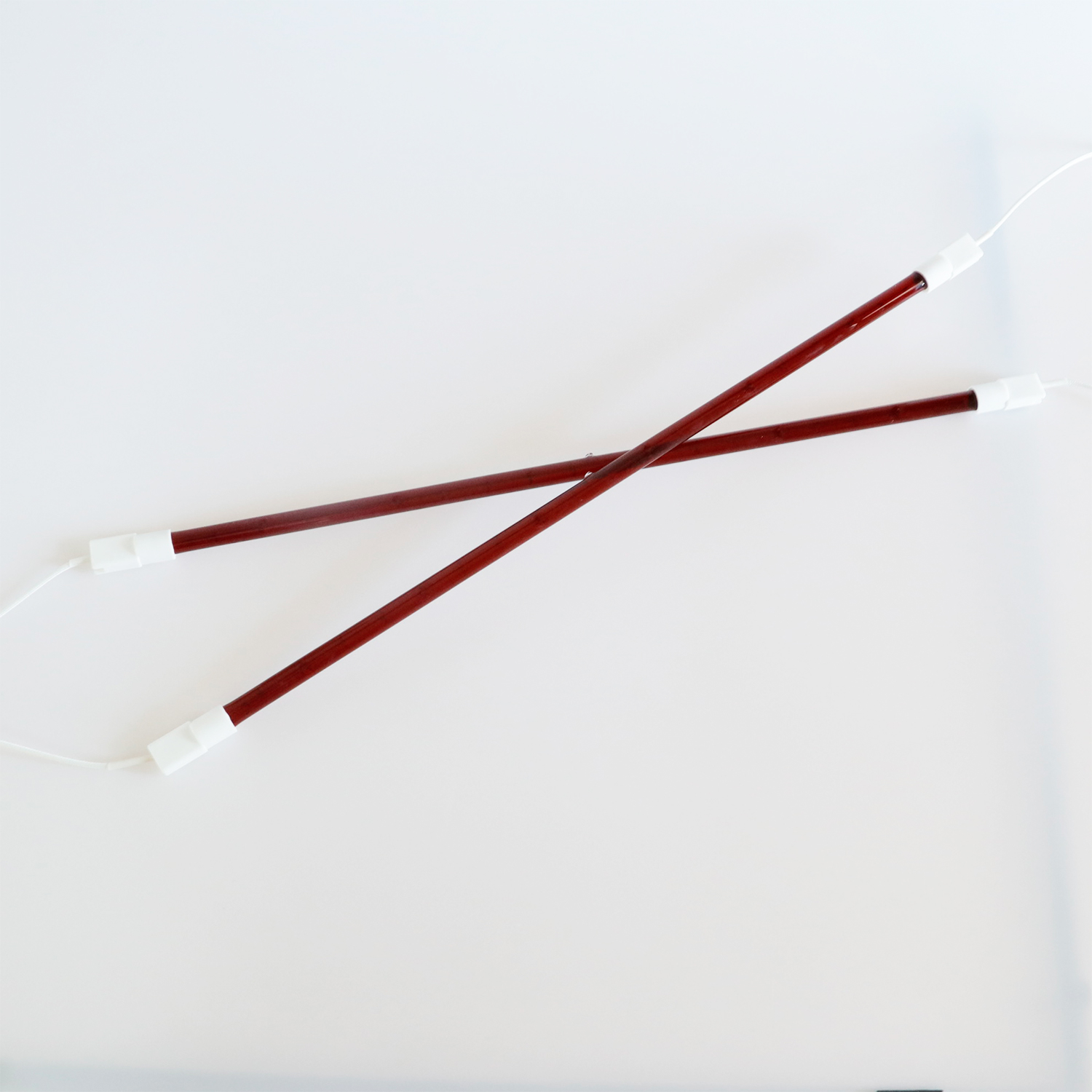
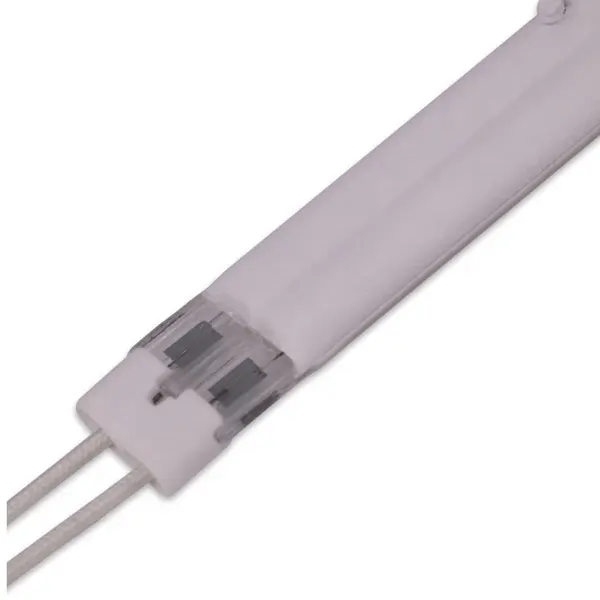
An authoritative breakdown of amorphous silica thermodynamics, mechanical resilience, and dielectric stability across modern semiconductor, optical, and high-temp industrial environments.
Industrial fused silica sheets (frequently categorized synonymously with optical fused quartz plates) represent the pinnacle of vitreous ceramics engineered for extreme operational environments. Unlike soda-lime or borosilicate glass architectures, which incorporate alkali fluxing agents that degrade thermal thresholds and optical transparency, synthetic and natural fused silica consists almost exclusively of pure silicon dioxide (SiO₂ ≥ 99.99%). The fundamental advantage of fused silica originates from its randomly oriented, three-dimensional tetrahedral network interconnected by covalent Si-O-Si bridging bonds. This amorphous structural arrangement produces virtually zero crystalline grain boundaries, providing an almost completely uniform molecular matrix.
When procurement managers specify material matrices for lithography windows, chemical vapor deposition (CVD) process tubes, or thermal observation ports, thermal expansion coefficient (CTE) parameters dictate operational lifespan. Kavri Quartz leverages raw materials extracted directly from the renowned Donghai quartz deposit cluster in Lianyungang, ensuring that fused silica sheets exhibit an exceptionally low linear thermal expansion coefficient of approximately 5.5 × 10⁻⁷ / K across thermal gradients spanning 20°C to 1,000°C.
"Unlike conventional technical glasses that shatter upon localized temperature differentials, premium fused silica plates tolerate an immediate water quench from 1100°C without micro-fracturing or catastrophic structural failure."
Furthermore, the optical transmission band of polished fused silica substrates extends continuously from the deep ultraviolet (DUV ≥ 190 nm) across the entire visible spectrum up through the mid-infrared threshold (≤ 3.5 μm). For specialized applications demanding ultra-low hydroxyl (OH⁻) radicals—such as laser output windows, high-intensity discharge lamp envelopes, and UV-C disinfection manifolds—controlled electric fusion (electrically fused quartz) and vapor-phase axial deposition reduce OH levels below 5 ppm, preventing spurious absorption bands at 2.73 μm.
| Physical / Thermal Parameter | Fused Silica Sheet Value | Standard Borosilicate |
|---|---|---|
| Chemical Purity (SiO₂) | ≥ 99.99% (Electronic Grade) | ~ 81% |
| Softening Point (°C) | 1,683 °C | 820 °C |
| Continuous Service Temp | 1,100 °C | 450 °C |
| Thermal Shock Resistance | ΔT > 1,000 °C Rapid Quench | ΔT ~ 150 °C |
| Thermal Expansion (CTE) | 5.5 × 10⁻⁷ cm/cm·°C | 32.5 × 10⁻⁷ cm/cm·°C |
| Dielectric Constant (1 MHz) | 3.75 (Extremely Low Loss) | 4.60 |
| Spectral Transmission Range | 190 nm – 3,500 nm | 320 nm – 2,500 nm |
Combining vertically integrated raw quartz access in Lianyungang with precision CNC glass shaping, robotic vacuum furnace deposition, and certified cleanroom handling.
Situated in Niushan Street, Lianyungang—adjacent to Donghai, the premier silica hub of China—Kavri Quartz controls mineral feedstock consistency, keeping lead times minimal and eliminating raw material supply disruptions.
Our 3 specialized production lines utilize CNC edge profiling, double-sided optical lapping, and laser micrometer verification. We maintain strict plate thickness tolerances down to ±0.05 mm and parallelism within ≤ 10 arcseconds.
Over 81–90% of our manufactured volume reaches overseas assembly lines in Germany, the US, the Netherlands, and Japan. Precision parts ship in bespoke cleanroom-grade, shock-dampened packaging supporting FOB, CIF, and DDP terms.
How technological convergence in photovoltaics, electric vehicle battery drying, and advanced packaging is transforming global sourcing protocols.
The acceleration of Chiplet architectures and high-density interposers mandates ultra-flat, synthetic fused silica carrier sheets with minimal total thickness variation (TTV < 1 μm) to mitigate thermal expansion mismatch during wafer bonding.
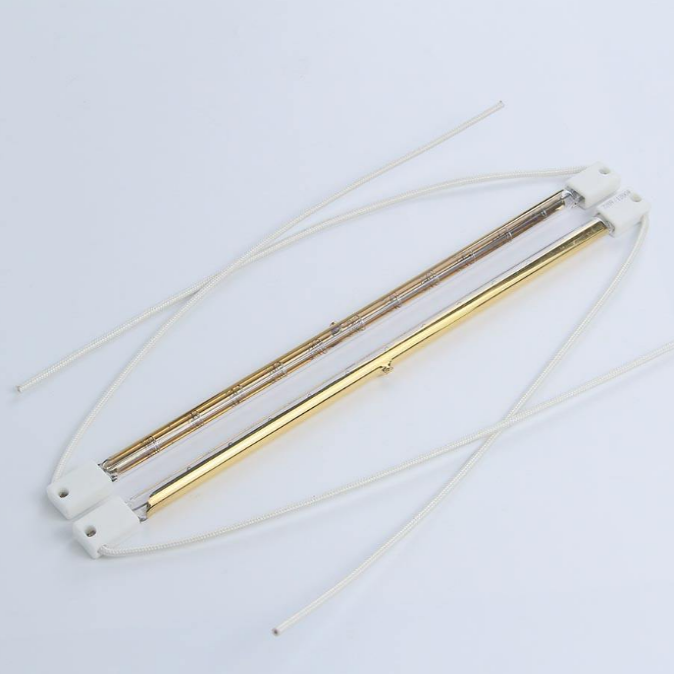
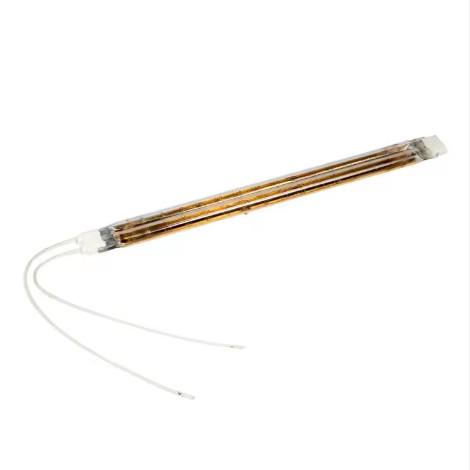
PV manufacturing is moving from convection ovens to wavelength-matched infrared radiators. Clear fused quartz envelopes combined with half-gold reflective mirrors provide instant-response thermal flux, drying conductive silver pastes in seconds.
International buyers now enforce complete raw-material chemical purity certifications (ICP-MS testing). Ensuring alkali metal trace elements (Fe, Na, K, Li) remain below 1.0 ppm is essential to prevent ionic contamination during high-temperature thermal cycling.
Procurement directors are shifting from low unit-cost components to extended lifespan parts. High-purity quartz envelopes and precision-drawn tungsten/carbon filaments decrease downtime in 24/7 automated PET and industrial drying lines.
Industrial engineers frequently face unexpected equipment failures due to thermal degasification or micro-fracturing in optical viewports and heating chambers. This often stems from selecting lower-tier borosilicate or alumina-silicate formulations to trim initial capital outlay. While borosilicate functions adequately up to 450°C, applications involving rapid thermal annealing (RTA), epitaxial silicon deposition, or intensive UV curing push temperature deltas far beyond borosilicate's physical limits. Under these stresses, thermal stress concentrations cause catastrophic breakage.
Procurement teams must evaluate suppliers on three core competencies: purity verification, dimensional cutting methodology, and optical polishing refinement. Slicing raw quartz ingots with wire saws without thermal relief annealing introduces internal micro-stresses that make the finished plate prone to failure under cyclic heat loads. At Kavri Quartz, every fused silica sheet undergoes rigorous post-machining hydrogen-oxygen flame stress relief, accompanied by optical polariscope stress birefringence verification prior to final ultrasonic cleaning.
A common engineering oversight in radiant heating design is the mismatch between the emitter's output spectrum and the target substrate's absorption characteristics. For instance, PET preforms used in stretch blow-molding absorb infrared energy primarily in the 1.0–1.6 μm near-infrared band, whereas water-based inks and structural polymers respond best to medium-wave radiation around 2.0–3.0 μm.
Kavri Quartz provides single and twin-tube quartz emitters paired with custom half-coated reflectors (pure 24K gold or high-temp ceramic white). By reflecting backward-radiating energy forward, our lamps deliver over 90% directional thermal flux directly onto the target, lowering electrical consumption across industrial drying tunnels by up to 35%.
Submit your CAD drawings, dimensional parameters, or replacement specifications. Our technical engineering team in Lianyungang reviews and responds with comprehensive quotes within 4 business hours.
Detailed engineering and logistical answers to help procurement directors make informed sourcing decisions.