High-Precision Quartz Emitters & Optical Components
Direct factory configurations manufactured from refined silica stocks in Donghai/Lianyungang. Built to exact electrical, physical, and optical tolerances.
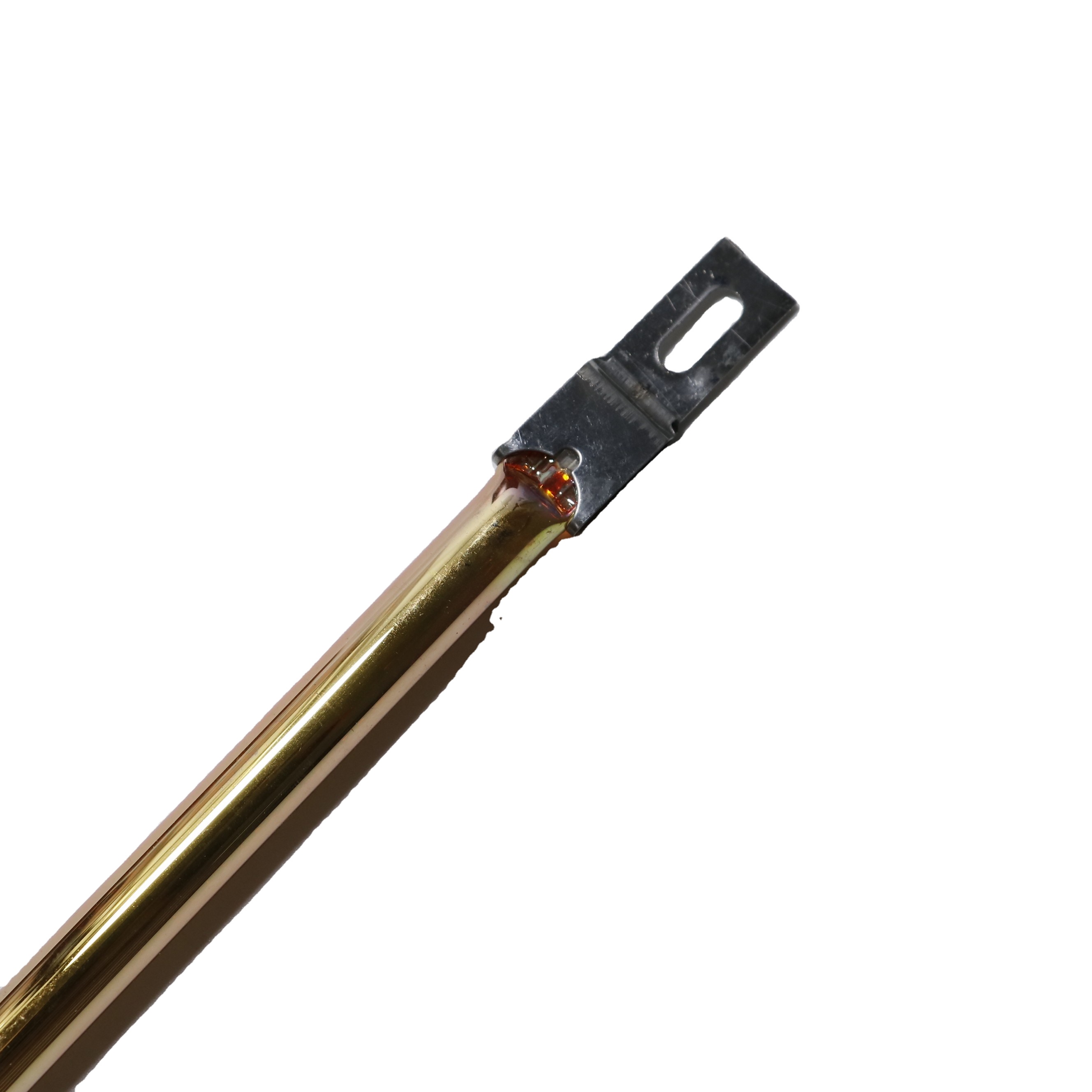
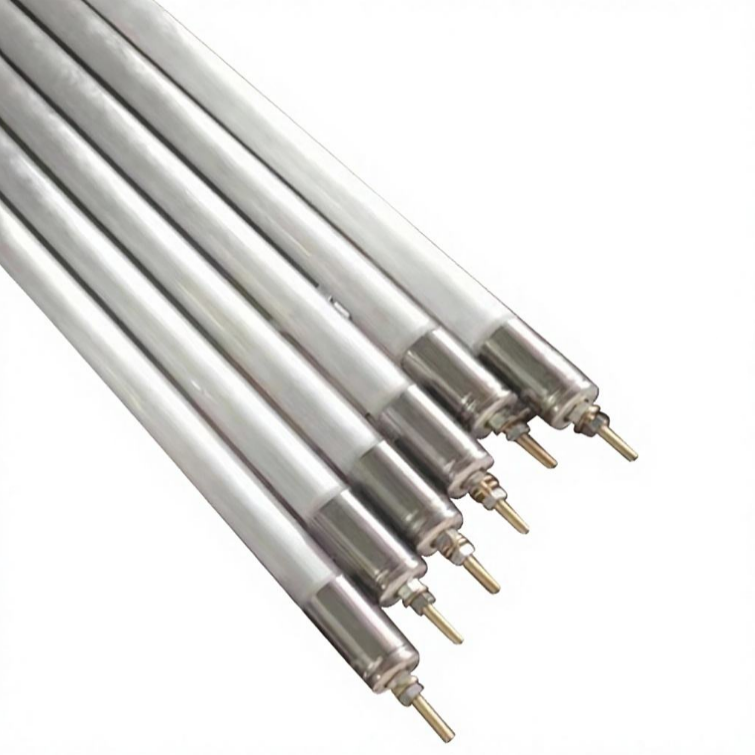
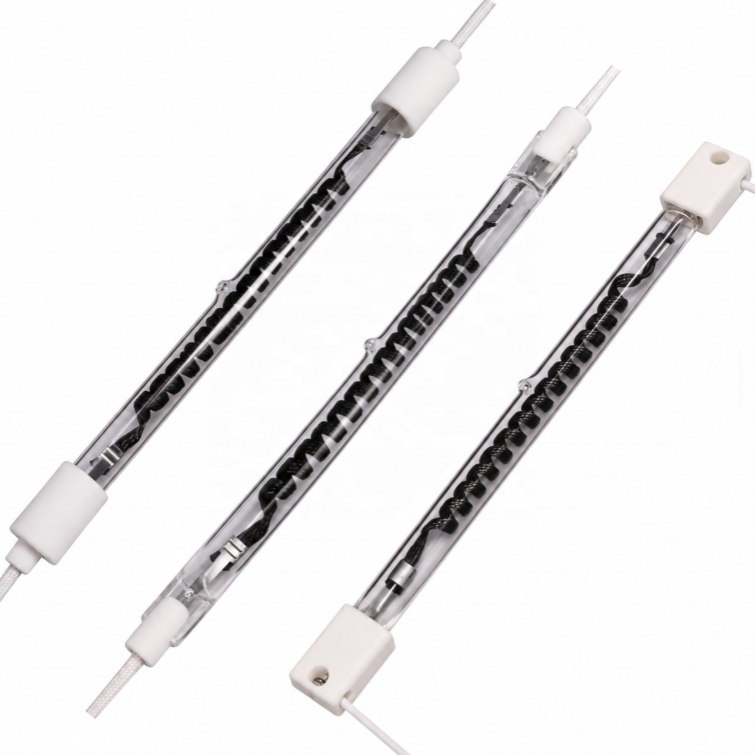
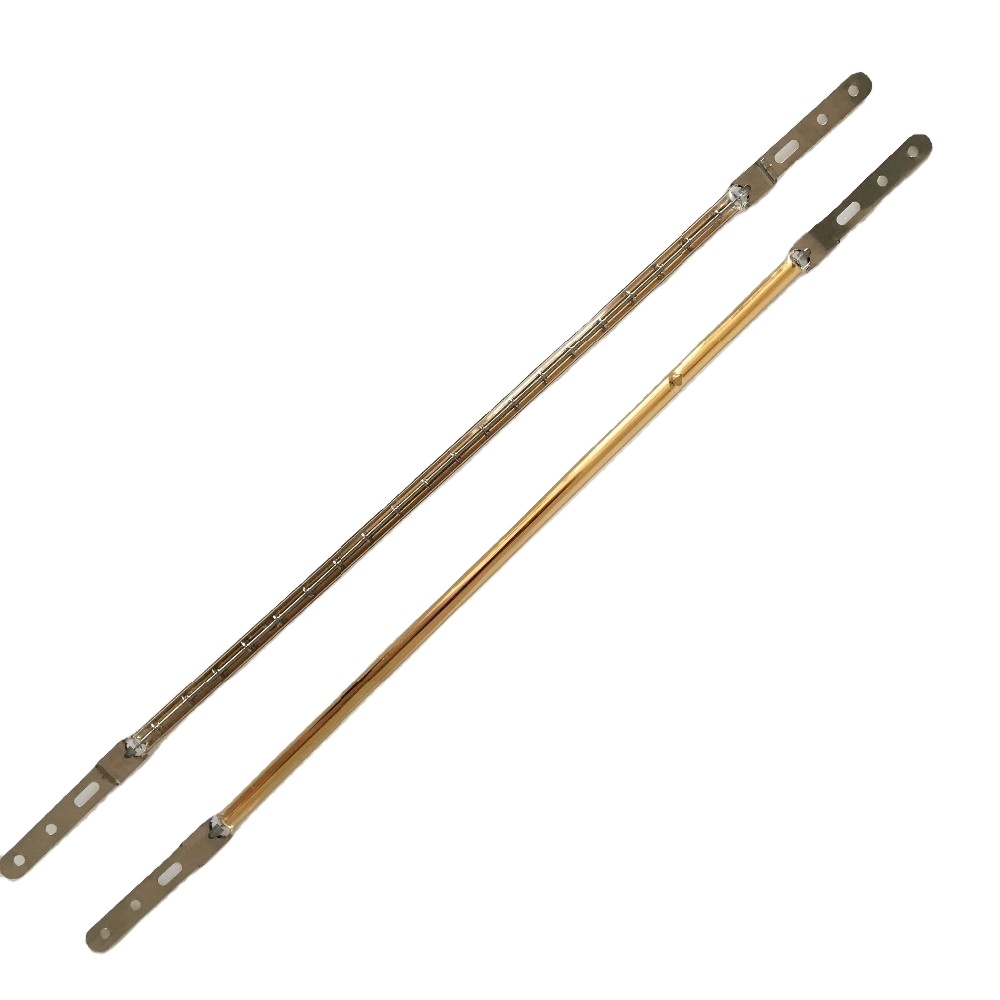
Fused Silica Material Science: Purity Grades, Transmittance, and Thermal Mechanics
Fused silica plates and quartz optical components represent the pinnacle of high-temperature glassy substrates. Unlike standard borosilicate or soda-lime glass, fused silica consists of non-crystalline silicon dioxide (SiO₂) in an amorphous form. Fabricated through the high-temperature fusion of natural monocrystalline quartz sand (electrically fused or gas-refined), these substrates exhibit structural cohesion capable of maintaining dimensional integrity up to continuous working environments of 1100°C, with intermittent survival thresholds exceeding 1450°C.
From a thermal engineering standpoint, the operational value of fused quartz resides in its extraordinarily low coefficient of thermal expansion (CTE), precisely rated at approximately 5.5 × 10⁻⁷ / K between 20°C and 320°C. This micro-expansion characteristic makes fused silica virtually immune to severe thermal shock. A typical optical-grade plate can be heated to 1000°C and plunged directly into cold water without manifesting mechanical fractures or micro-fissuring.
| Material Category | SiO₂ Purity Level | Transmission Bandwidth | Max Continuous Temp | Typical Industrial Target |
|---|---|---|---|---|
| JGS1 (Synthetic Fused Silica) | > 99.999% | 185 nm – 2500 nm (Deep UV) | 1100°C | Excimer Laser Windows, UV Lithography, Metrology |
| JGS2 (Fused Quartz) | > 99.99% | 220 nm – 2500 nm (Optical Standard) | 1100°C | High-temp Sight Glasses, Diffusion Furnace Windows |
| JGS3 (Infrared Fused Quartz) | > 99.98% | 260 nm – 3500 nm (Low OH Content) | 1050°C | IR Radiant Heaters, Thermal Imaging, Gas Pyrometry |
| Opaque Fused Silica | > 99.8% | High Thermal Insulation Diffuse | 1150°C | Crucibles, Flange Rings, Semiconductor Thermal Shields |
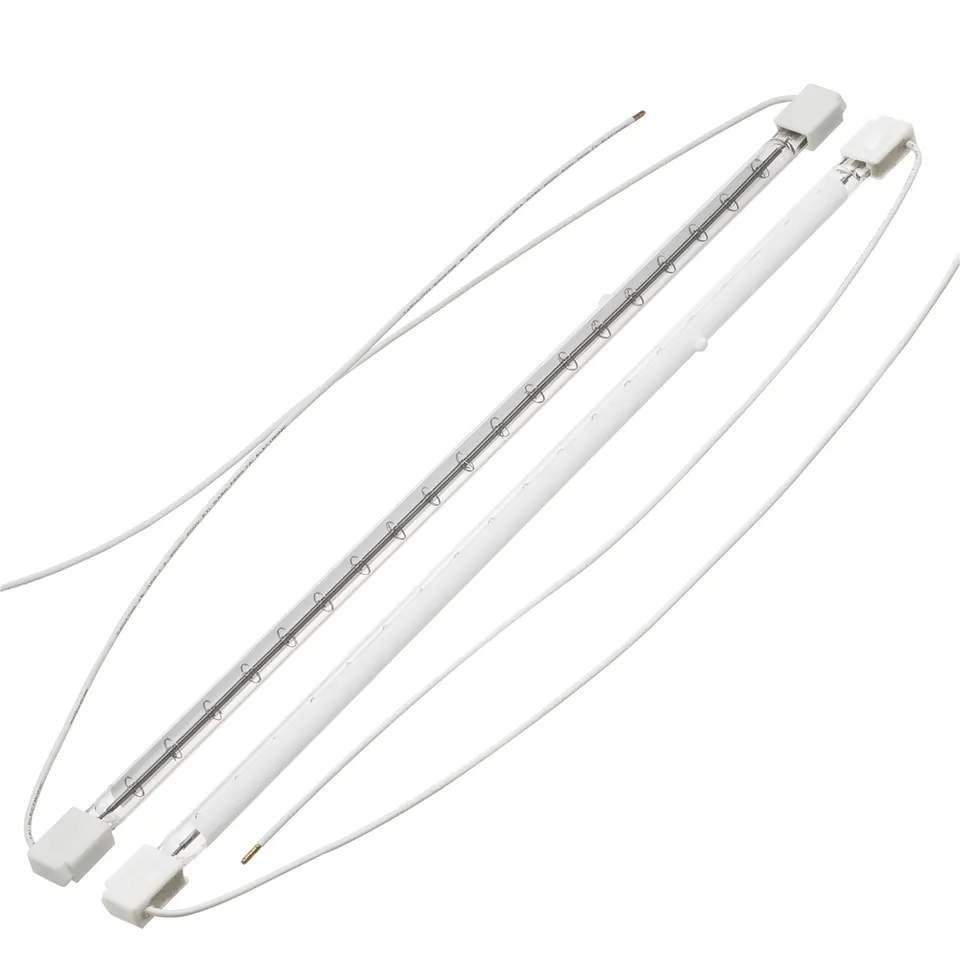
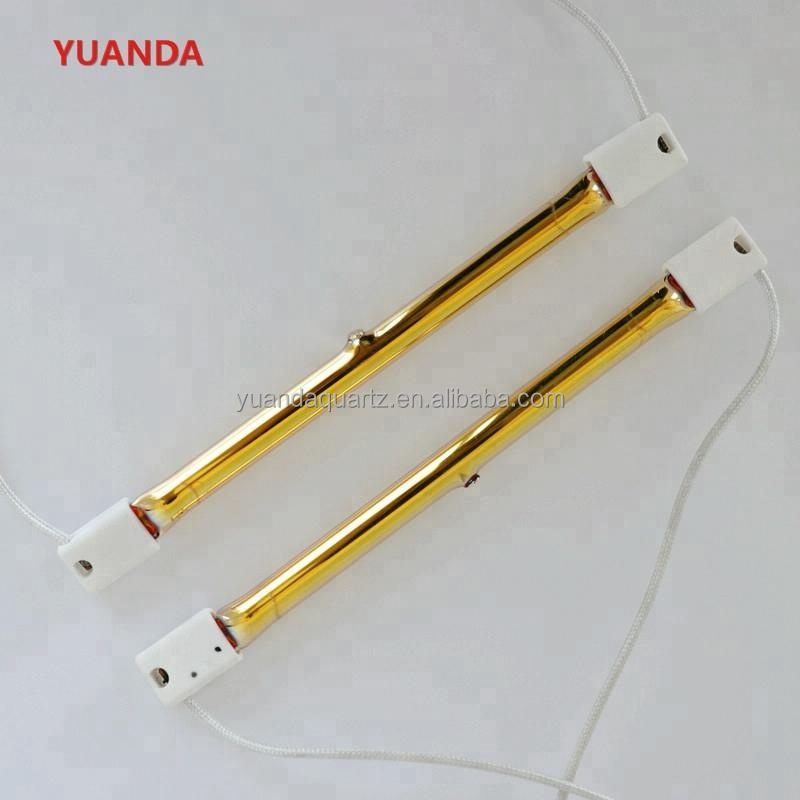
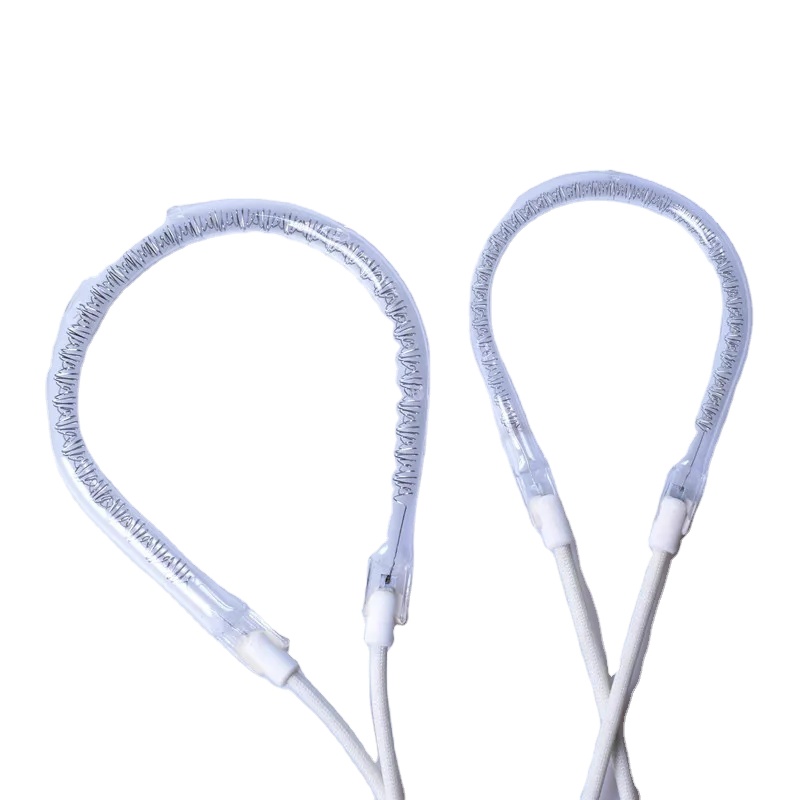
When coupled with infrared heating technologies—such as the short-wave halogen and medium-wave carbon fiber emitters detailed above—fused quartz envelopes serve not only as structural boundaries, but as functional optical filters. The presence of internal hydroxyl ions (OH⁻ content) determines the depth of the 2.72 µm absorption band. Kavri’s manufacturing processes incorporate specialized vacuum dehydroxylation, yielding raw tubes and plates optimized for peak radiative flux transfer and minimum localized thermal stress.
Future Procurement Trends in Industrial Fused Silica
Anticipate shift dynamics across global manufacturing corridors to secure resilient, cost-effective supply agreements.
Semiconductor Supply Traceability
Original Equipment Manufacturers (OEMs) demand comprehensive elemental analysis verifying parts-per-billion (ppb) transition metal thresholds (Fe, Cu, Ni, Cr) to avoid wafer micro-contamination during plasma etch and rapid thermal processing (RTP).
Precision CNC Flame-Polishing
Procurement is transitioning away from conventional rough-cut components. Contemporary specifications demand sub-micron dimensional tolerance (DIN ISO 2768-m) and chamfered edges polished through robotic multi-axis oxy-hydrogen burners.
Electrification of Curing Lines
Global decarbonization mandates are driving converting industries (flexo, screen printing, automotive coil coating) away from natural gas convection ovens toward targeted short-wave and carbon-fiber quartz electric radiation systems.
Technological Trajectories: Where Fused Silica Manufacturing Is Headed
Over the next decade, market dominance in fused silica and specialty quartz fabrication will hinge on three core manufacturing innovations:
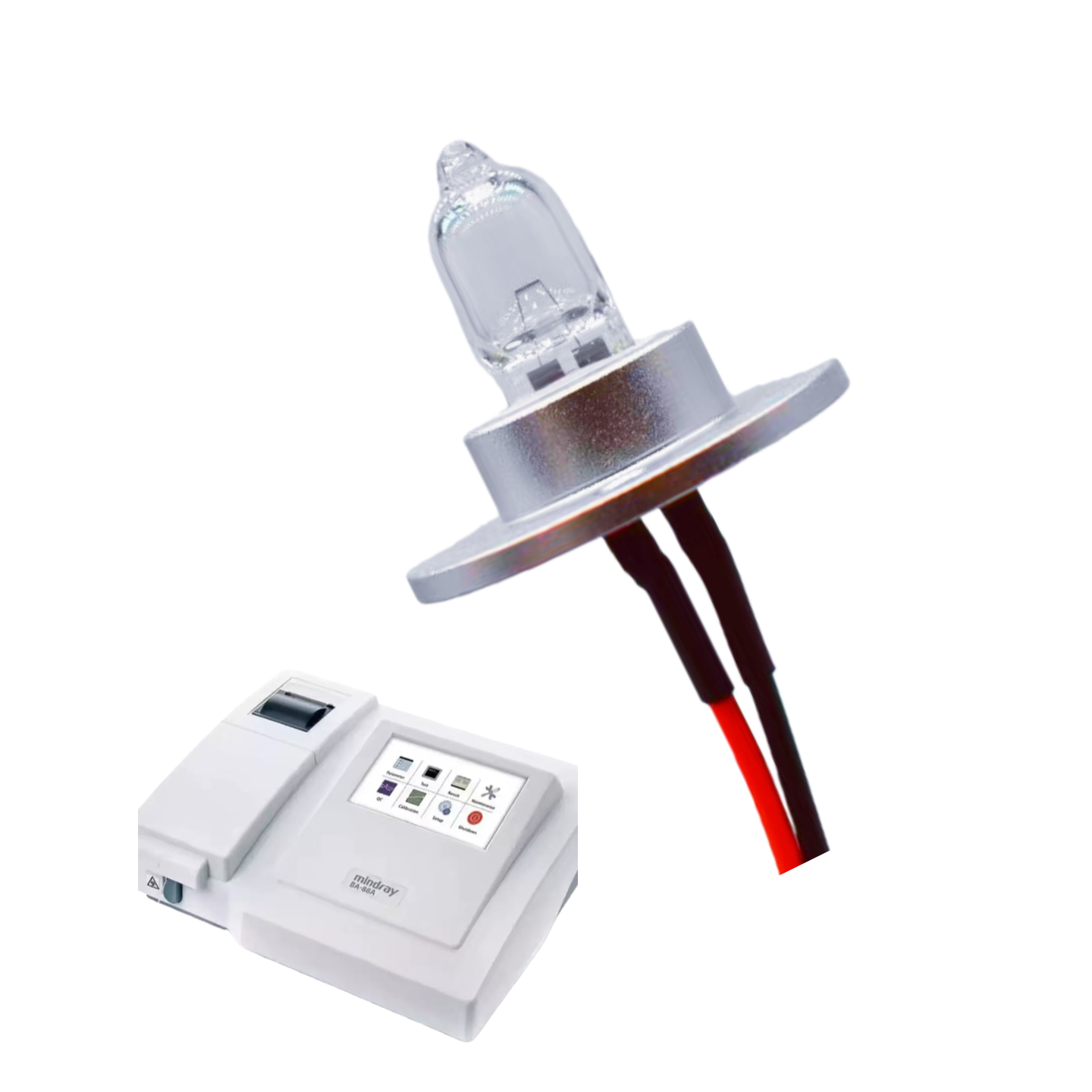
- Continuous Electrically Fused Micro-Tubing: Developing thin-walled quartz tubes down to micron-level inner diameters for advanced biochemical capillary sensors, flow cells, and automated clinical analyzers.
- Selective Dichroic and Ceramic Reflectors: Refining high-adhesion ceramic and nano-gold coatings applied directly to fused quartz envelopes. These thin films reflect more than 95% of rearward infrared radiation forward, maximizing line heating efficiency while reducing system chassis thermal loads.
- Additive Manufacturing of Transparent Silica: Direct 3D laser-sintering of high-purity silica nanoparticles to produce complex geometric manifolds and cooling channels without labor-intensive manual glassblowing.
Why Engineering Teams Partner with Kavri Quartz
Rooted in Lianyungang's premier quartz cluster, backed by verified factory infrastructure and direct access to pure raw materials.
10+ Years Dedicated OEM
Operational since 2014, engineering custom wattage, length, voltage, and terminal variations for machine builders worldwide.
Cluster Raw Material Edge
Located in Donghai/Lianyungang, giving us direct access to high-grade crystalline quartz and advanced cold/hot processing craftsmanship.
Rigorous Quality Control
Pre-dispatch inspections covering filament concentricity, vacuum seal integrity, thermal cycling tolerance, and optical finish.
Export-Grade Logistics
Exporting over 85% of total capacity to Europe, North America, and East Asia via customized impact-absorbing packaging.
Frequently Asked Procurement & Engineering Questions
Critical answers addressing tolerance, spectral selection, MOQ, and international supply frameworks.
What is the primary difference between fused quartz and synthetic fused silica (FS)?
How do I select between short-wave halogen and medium-wave carbon fiber emitters?
What dimensional tolerances can be guaranteed on custom cut and ground plates?
What is your minimum order policy for custom engineering prototypes?
How do you safeguard fragile quartz plates and lamps during sea and air transit?
Need Custom Fused Silica Plates or Specialty IR Emitters?
Share your technical drawing, operating temperature requirements, or emitter replacement part number. Our engineering support desk responds within 4 business hours.