Engineered Quartz Solutions for Advanced Thermal Systems
High-purity fused silica (fused quartz) stands at the pinnacle of industrial heating, semiconductor furnace infrastructure, photovoltaic processing, and high-performance optical manufacturing. Operating with an extraordinarily low coefficient of thermal expansion (α ≈ 5.5 × 10⁻⁷ / K) and an operational threshold extending past 1100°C continuous and 1450°C peak, fused silica components provide structural integrity where borosilicate, ceramic, and metal alloys catastrophically warp or undergo crystallization.
Kavri Quartz Product Co., Ltd., strategically centered within the mineral refining hub of Lianyungang, Jiangsu, leverages direct access to superior natural silica reserves and cutting-edge electric vacuum fusion processing. Our OEM and ODM manufacturing integrates precision tungsten filament coil windings, carbon ribbon filaments, selective optical reflector deposition (including pure 24K gold and half-white high-reflectance alumina-zirconia ceramic), and airtight molybdenum-foil vacuum sealing to deliver infrared thermal emitters and laboratory quartzware optimized for extended duty cycles.
Featured Industrial Heating & Fused Silica Series
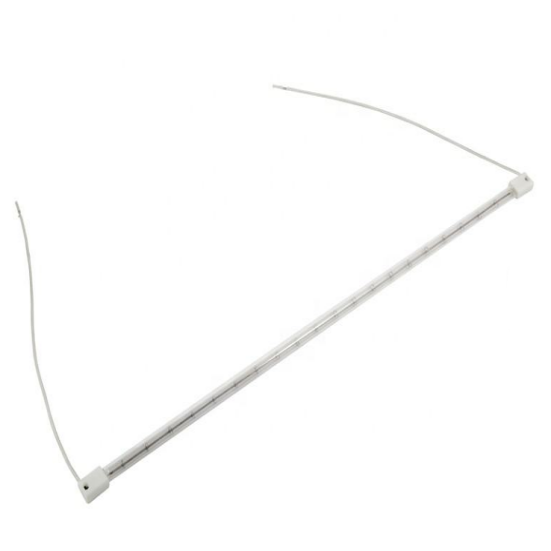
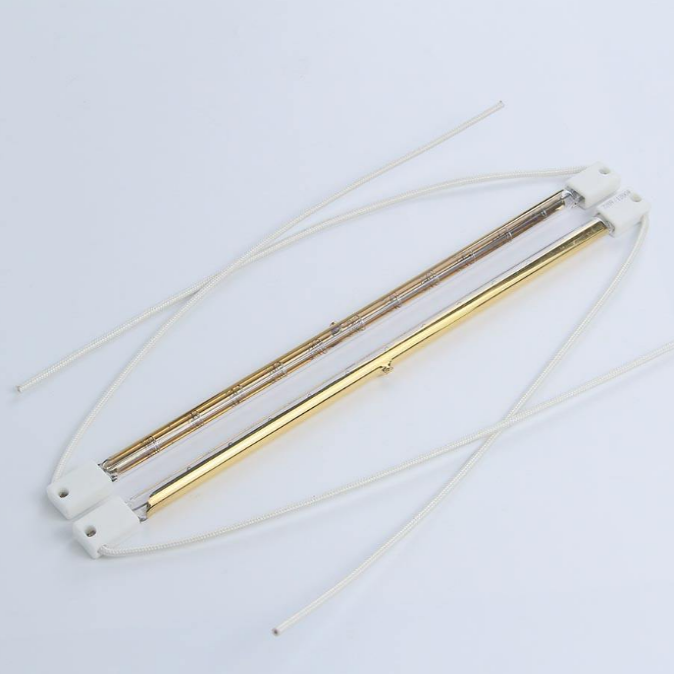
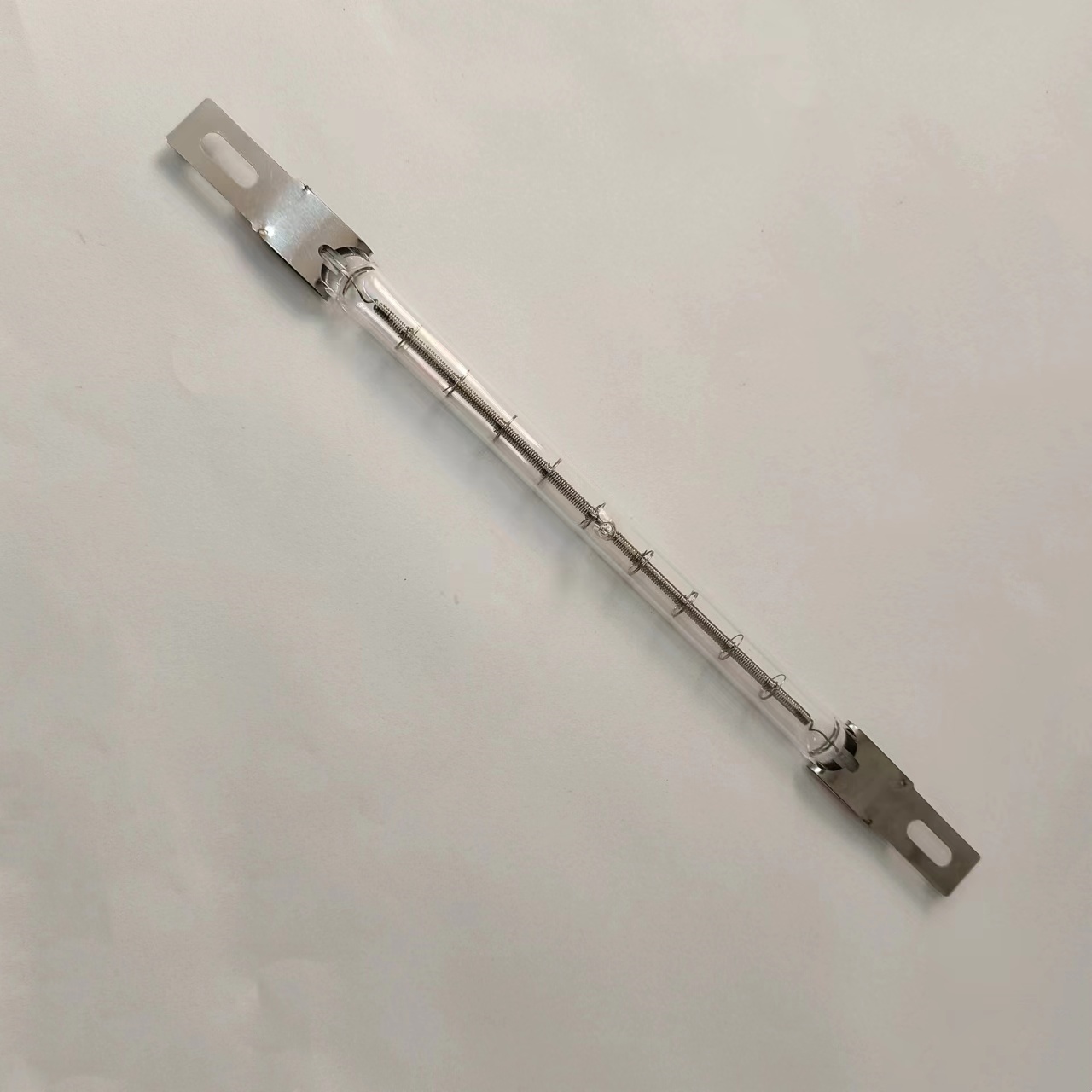
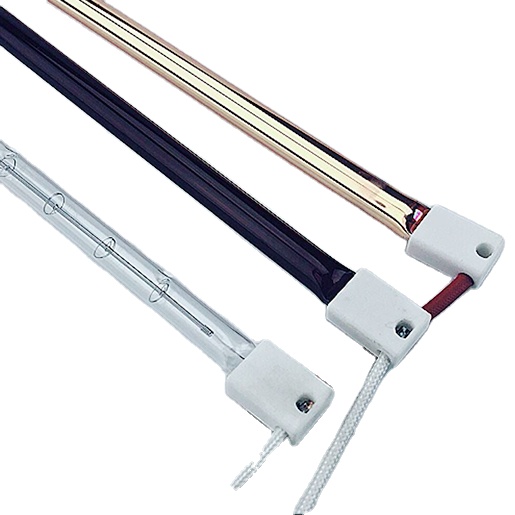
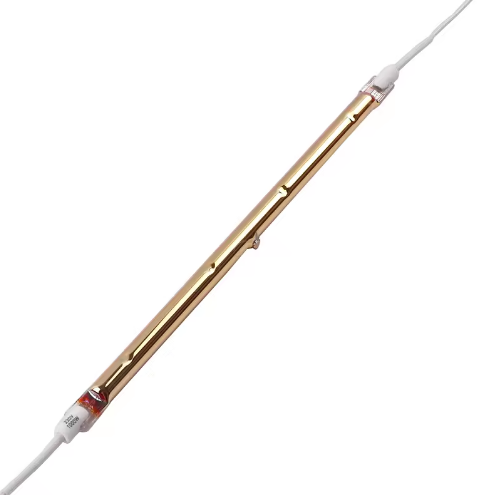
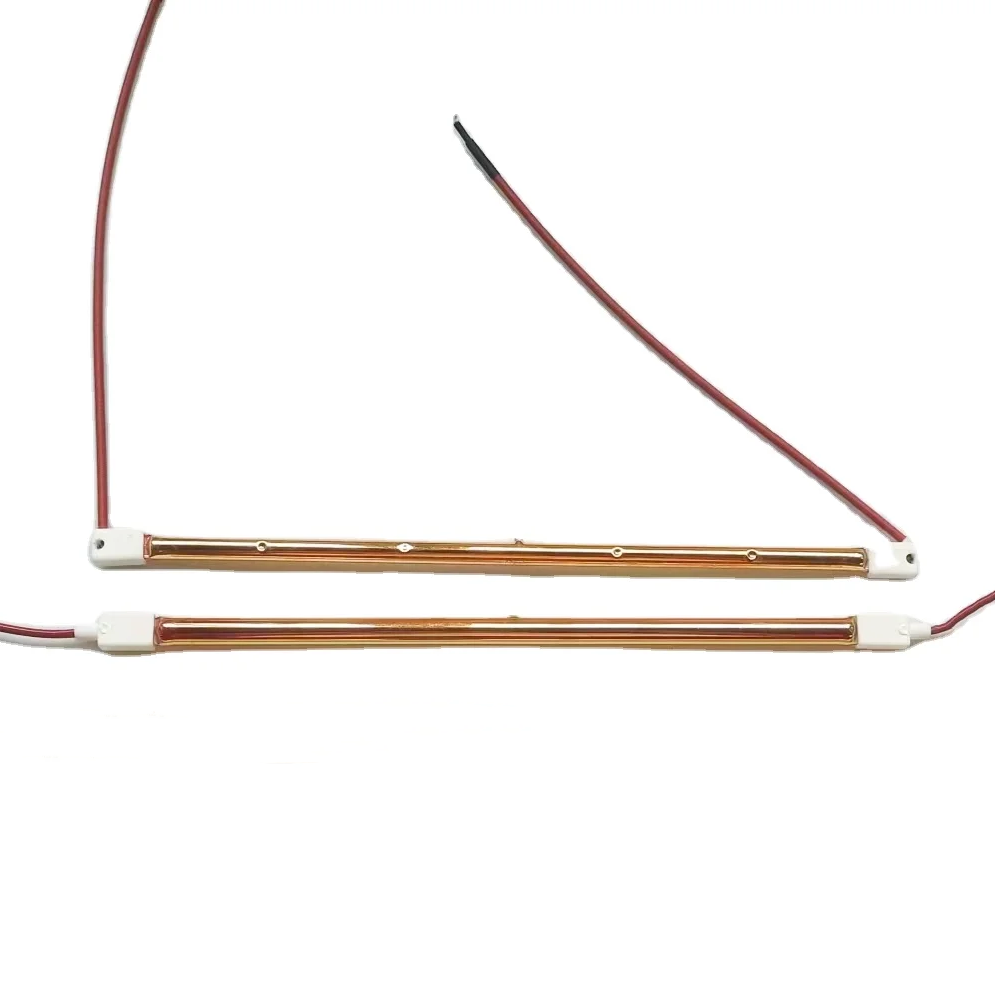
Direct factory-manufactured short-wave, medium-wave halogen, carbon emitters, and industrial-grade high-purity fused quartz hardware.
Fused Silica & Quartz Science: Structural Metallurgy & Optical Behavior
A rigorous engineering framework evaluating fused silica grade selections, spectral transmission, and thermodynamic performance in automated manufacturing lines.
Broadband Spectral Purity
Unlike standard soda-lime or borosilicate materials, high-purity synthetic and natural fused quartz exhibits an extensive spectral transmittance band extending continuously from deep ultraviolet (185 nm) across the visible spectrum up to the mid-infrared threshold (3.5 µm - 4.0 µm). This allows optimal thermal radiation transmission without unwanted energy trapping within the glass substrate.
Unrivaled Thermal Shock Resilience
With an ultra-low linear thermal expansion coefficient (5.5 × 10⁻⁷ / K), fused silica tubes and plates withstand immediate quenching from 1100°C directly into cold water without micro-fracturing or structural failure. This thermal stability prevents destructive line stoppages in high-speed PET blowing, automotive thermal spray booths, and high-temperature vacuum sintering ovens.
Dielectric & Chemical Stability
Silica envelopes feature zero ionic migration and high electrical resistivity even at elevated ambient temperatures exceeding 800°C. Completely inert to almost all concentrated acids (with the sole exception of hydrofluoric acid), fused quartz safeguards critical laboratory analyzers, continuous flow cells, and chemical reaction chambers from contamination.
Future Procurement Trends in High-Performance Quartz & IR Systems
Key market transitions shaping capital expenditure, component replacement cycles, and energy optimization through 2026-2030.
Directional Reflector Efficiency
Procurement teams are shifting away from plain transparent emitters in favor of 24K gold mirror coatings and high-purity alumina-zirconia ceramic half-coatings. These internal/external reflective shields redirect over 90% of lost back-radiation directly to target substrates, reducing total system energy draw by 18% to 32%.
Twin-Tube Mechanical Rigidity
As continuous processing lines in flat glass bending, PCB drying, and textile finishing extend span lengths past 2000mm-3000mm, single-tube sagging under high heat has triggered demand for welded figure-8 twin-tube quartz geometries, offering superior moment of inertia and segregated dual-filament circuits.
Sub-Second Dynamic Modulation
Next-generation automated curing conveyors utilize programmable logic controllers linked with fast-response halogen and carbon filament emitters. These systems switch from standby to 100% rated thermal output in less than 1 to 2 seconds, eliminating idle energy drain during conveyor gaps.
Direct Factory Traceability
Supply chain vulnerabilities have led international engineering buyers to bypass regional distributors, creating direct OEM vendor arrangements with integrated manufacturers who manage both raw fused silica fabrication and filament assembly under unified ISO quality control.
Technological Evolutions: Next-Generation Fused Silica Fabrication
As semiconductor wafer fabrication moves into sub-2nm nodes and photovoltaic lines scale n-type TOPCon and heterojunction (HJT) architectures, impurities within fused silica are scrutinized down to parts-per-billion (ppb) thresholds. Kavri Quartz aligns its development roadmap with these micro-contamination challenges:
- Synthetic Chemical Vapor Deposition (CVD) Fused Silica: Providing zero bubble inclusions, superior homogeneous OH content customization (low-OH < 1 ppm for deep infrared laser windows vs. high-OH for extreme excimer UV damage resistance), and pristine transmittance.
- Advanced Oxy-Hydrogen Precision Fire-Polishing: Automated multi-axis lathe flame polishing ensures micro-crack-free surfaces, dramatically reducing surface micro-stress and boosting the burst pressure thresholds of quartz tubes subjected to aggressive vacuum or internal pressurization.
- Specialized Spectral Doping: Integration of titanium-doped quartz to completely inhibit ozone generation in open-atmosphere UV curing arrays, alongside cerium-doped quartz barriers designed to block destructive solarizing ultraviolet wavelengths while maintaining unhindered thermal transmission.
By engineering every stage—from silica sand sizing and refining to high-vacuum electrode pinch sealing—Kavri guarantees precision fitment, minimal resistance variance across heating elements, and extended operational lifespans exceeding 5000+ service hours.
Why Industry Leaders Partner with Kavri Quartz
Decade-long manufacturing excellence located at the epicenter of China's silica production cluster.
Strategic Geographic Cluster
Situated in Lianyungang, adjacent to Donghai—the globally recognized epicenter of quartz refining. This location secures pure raw silica supply chains, eliminates domestic transit overheads, and guarantees access to generations of skilled high-temperature glass blowers.
10+ Years Dedicated OEM/ODM
Over a decade of manufacturing proprietary short-wave, ruby, carbon fiber, and medium-wave IR lamps matched precisely to customer blueprints. We customize voltages, active heat zones, ceramic base configurations, terminal clips, and private white-label branding.
Verified Quality & Global Delivery
Onsite-audited by leading global verification institutions and trusted across 50+ countries. 81%-90% of our production reaches demanding markets in Germany, Netherlands, USA, Japan, and Korea under flexible FOB, CIF, CFR, and door-to-door DDP arrangements.
Fused Silica & IR Emitter Procurement FAQ
Detailed technical and commercial answers addressing common engineering challenges, lead times, and customization specifications.
Q: What is the operational distinction between short-wave halogen and carbon medium-wave emitters?
Short-wave halogen lamps operate with a filament temperature of approximately 2200°C-2600°C, producing peak radiant emission at 1.0-1.2 µm. This deep-penetrating radiation is optimal for non-absorbing materials, high-speed PET blow molding preform heating, and powder/automotive paint curing. Carbon fiber emitters generate medium-wave radiation peaked around 2.0-2.5 µm, a spectral band matched to the absorption resonances of polymers, water-based finishes, textiles, and paper webs, providing efficient drying without excessive surface scorching.
Q: What engineering parameters are mandatory to commission an OEM replacement or custom quartz build?
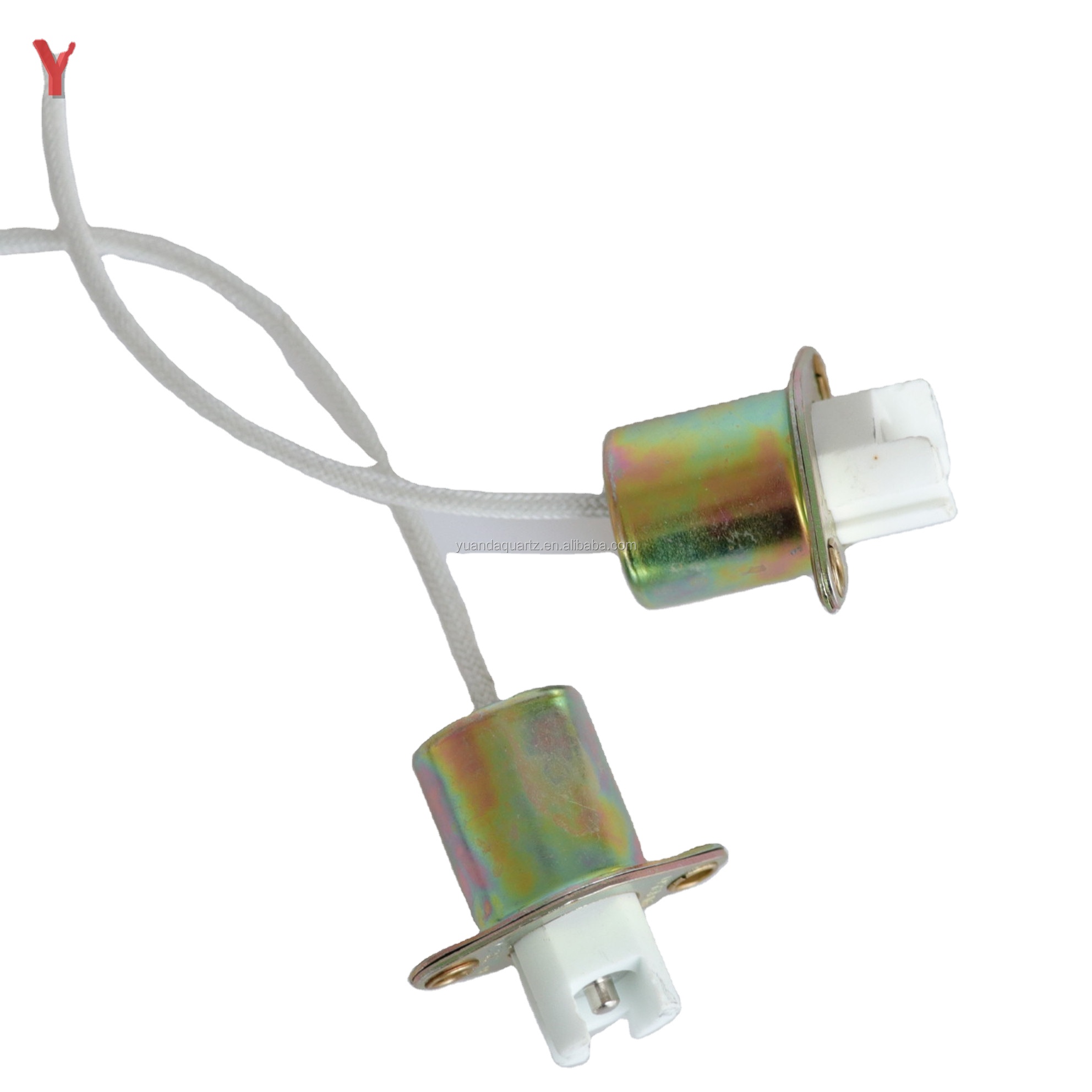
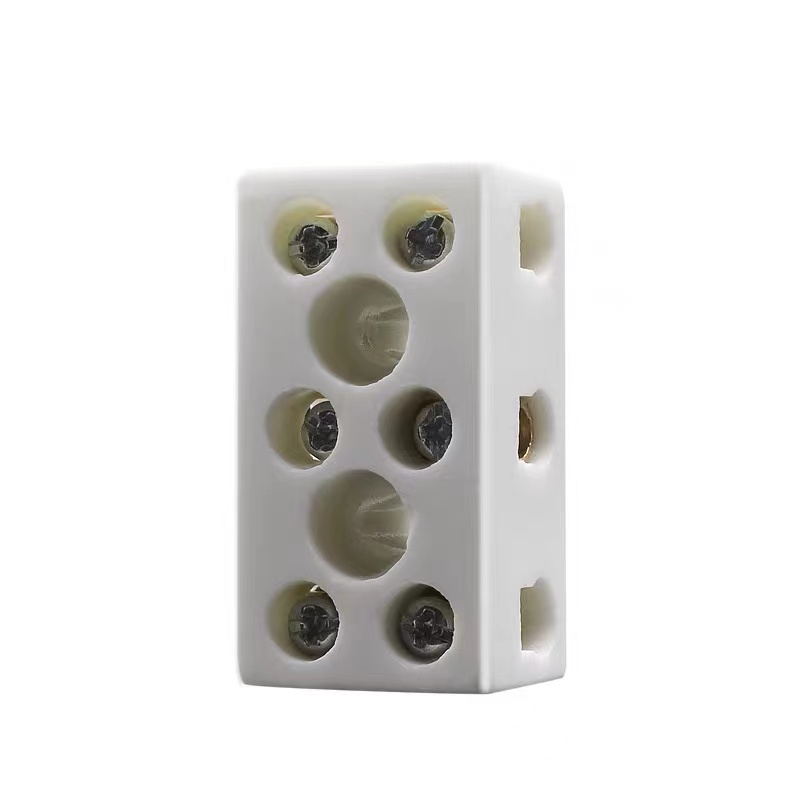
To fabricate your required component with pinpoint dimensional accuracy, provide: (1) Total overall length (OAL) and heated active zone, (2) Tube diameter / profile (single round OD/ID or twin-tube 23×11mm / 33×15mm), (3) Electrical rating (voltage & wattage), (4) Reflector coating type (gold, white ceramic, or bare clear), (5) Terminal connection type (ceramic caps, R7s, metal clip, flying PTFE or pure nickel lead wires), and (6) Approximate target substrate distance and working ambient temperature.
Q: How does high-purity quartz mitigate thermal sag in long-span horizontal furnaces?
Standard silicate glass softens between 500°C-600°C, while pure fused silica features a strain point of 1070°C and an annealing point of 1180°C. In horizontal furnace runs exceeding 1500mm, selecting high-viscosity quartz with minimal alkali contamination (< 20 ppm total trace elements) ensures filament concentricity without sag. For extreme spans, Kavri engineers dual-channel twin-tube configurations with reinforced central structural bridges.
Q: What is Kavri's standard production turnaround and Minimum Order Quantity (MOQ)?
To support prototyping, research initiatives, and emergency machine maintenance replacements, our baseline MOQ starts at only 8 to 10 units for standard infrared emitters and basic quartz tubing/plates. Custom prototypes and drawing-based samples typically ship within 7 to 10 working days, while full containerized volume orders complete production within 3 to 4 weeks depending on raw tubing tolerances.
Q: Can Kavri manufacture custom laboratory analytical quartzware and flow cells?
Yes. Beyond emitter tubes, our precision glassblowing division manufactures spectrophotometer optical flow cells (such as standard 32µL biochemical analytical cells), quartz reaction crucibles, high-temperature combustion boats, spiral condensation tubes, and precision-polished UV fused silica discs with optical surface finishes conforming to MIL-PRF-13830B scratch-dig tolerances.
Q: What export packaging safeguards fragile fused quartz shipments against transit damage?
We deploy certified export packaging engineered specifically for shock-sensitive quartz filaments. Each tube is enclosed in a protective shock-absorbing sleeve, set within high-density expanded polyethylene (EPE) custom foam cutouts, packaged in heavy-wall reinforced cartons, and secured within non-fumigation plywood crates with internal dampeners and tip-and-tell shock indicator sensors for international ocean or air cargo.
Connect Directly with Our Technical Engineering Team
Submit your design blueprints, legacy lamp codes, or custom quartz specifications for rapid technical validation and direct factory pricing within 4 hours.