Halogen Emitter
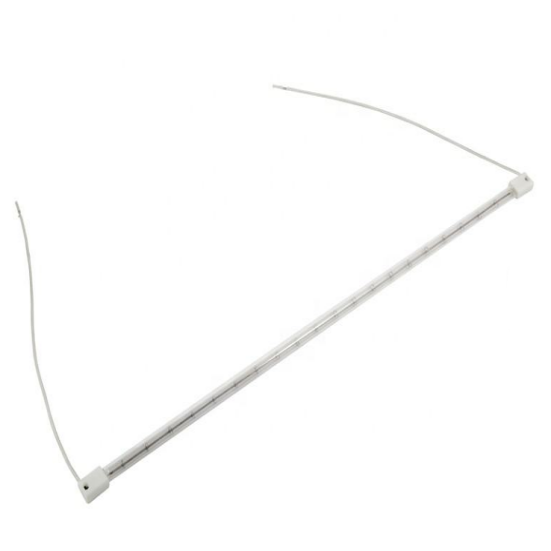
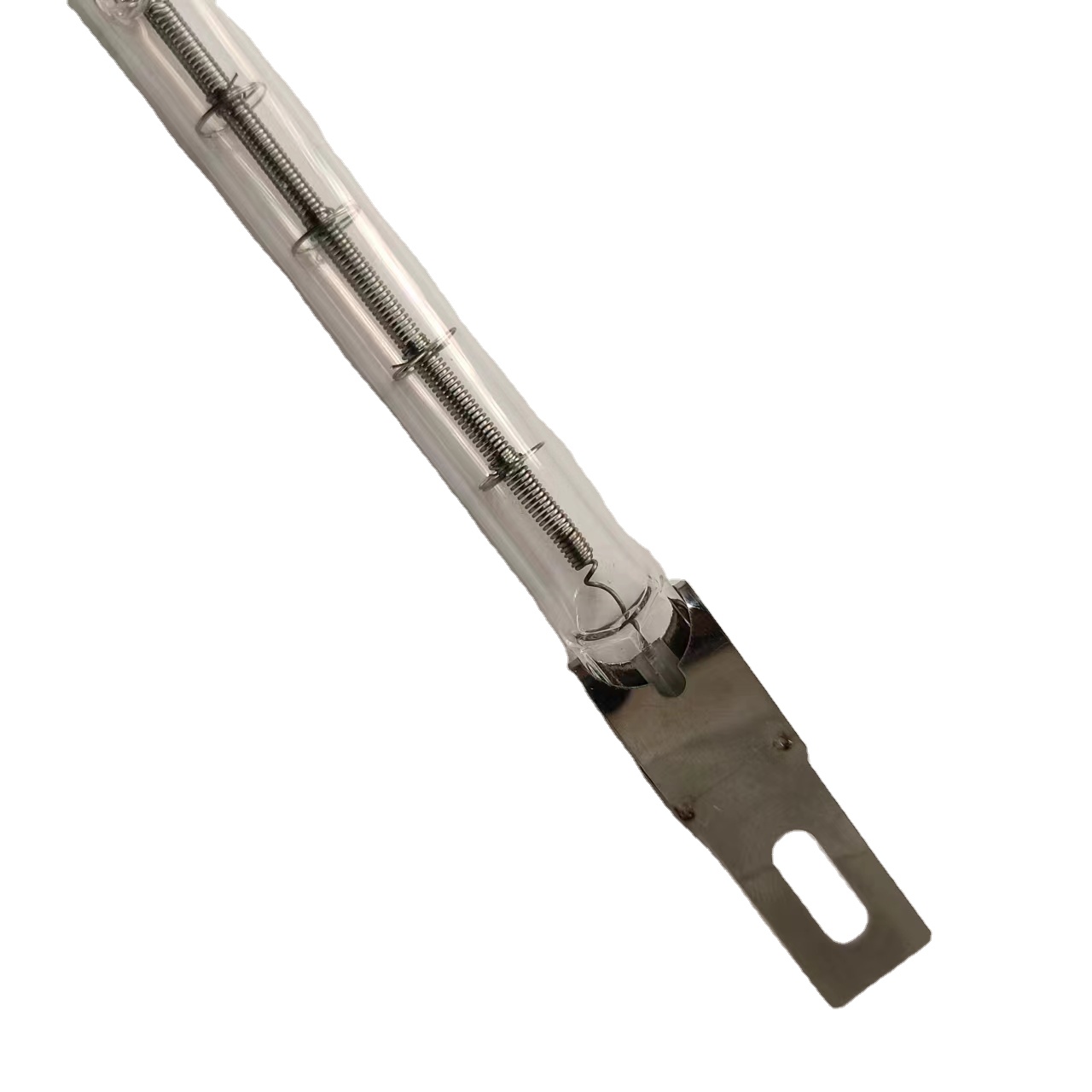
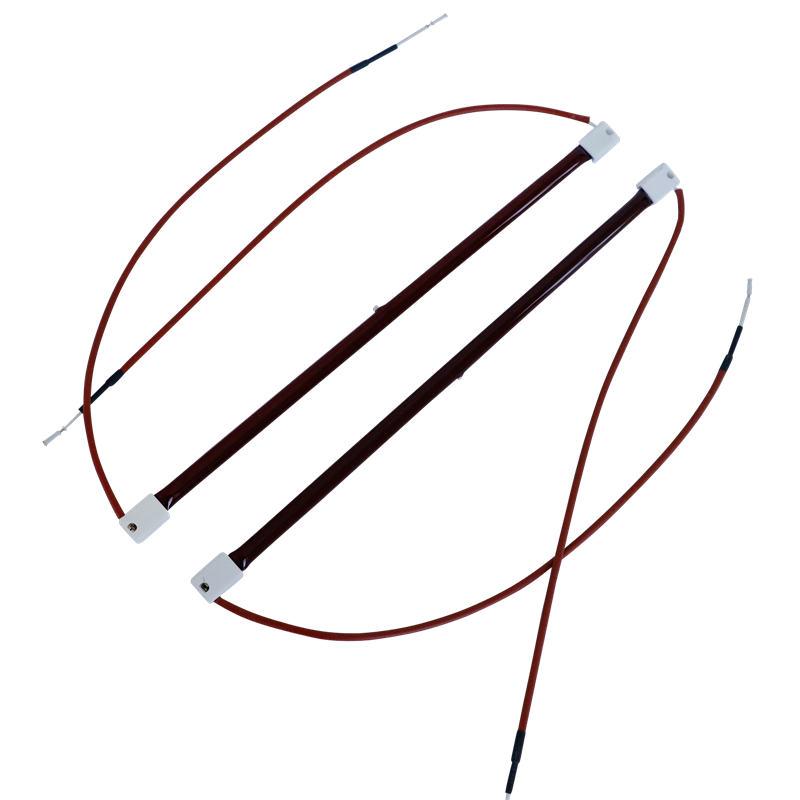
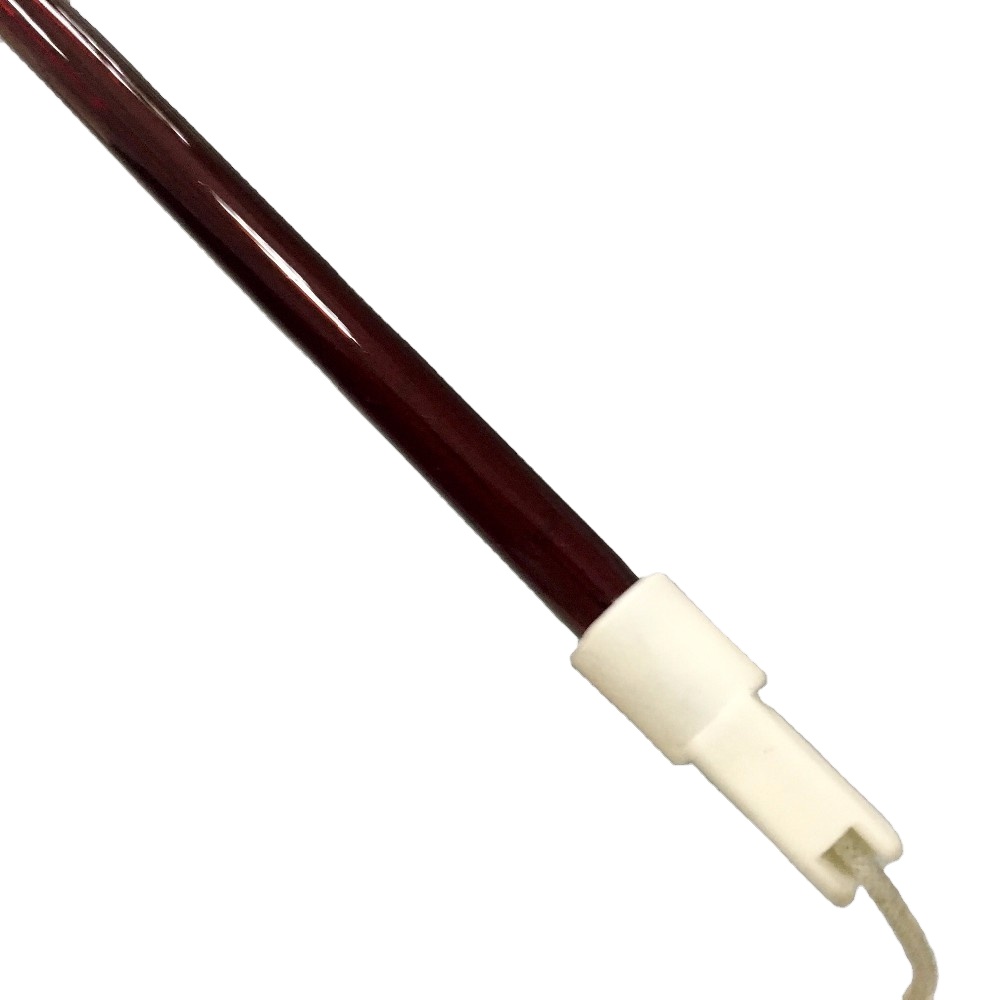
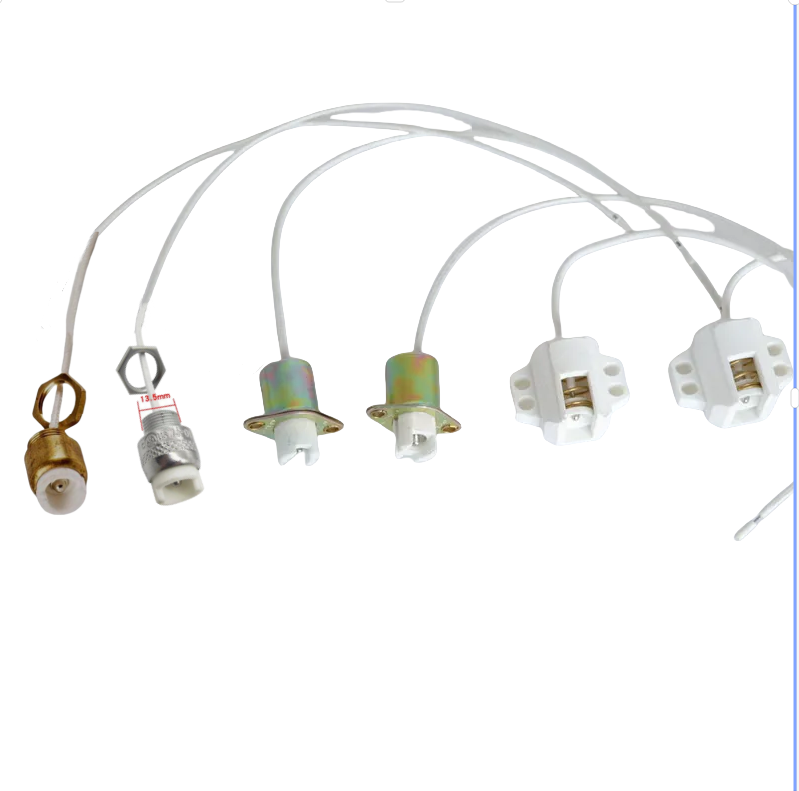
Low Price Infrared Heater Halogen Lamp Supports Customization for Textile Industry
- Textile Drying
- Rapid Response
- OEM Custom Length
Explore core precision quartz hardware, vacuum-sealed infrared emitters, and high-temperature furnace tubes manufactured in compliance with international semi-grade mechanical and optical tolerances.
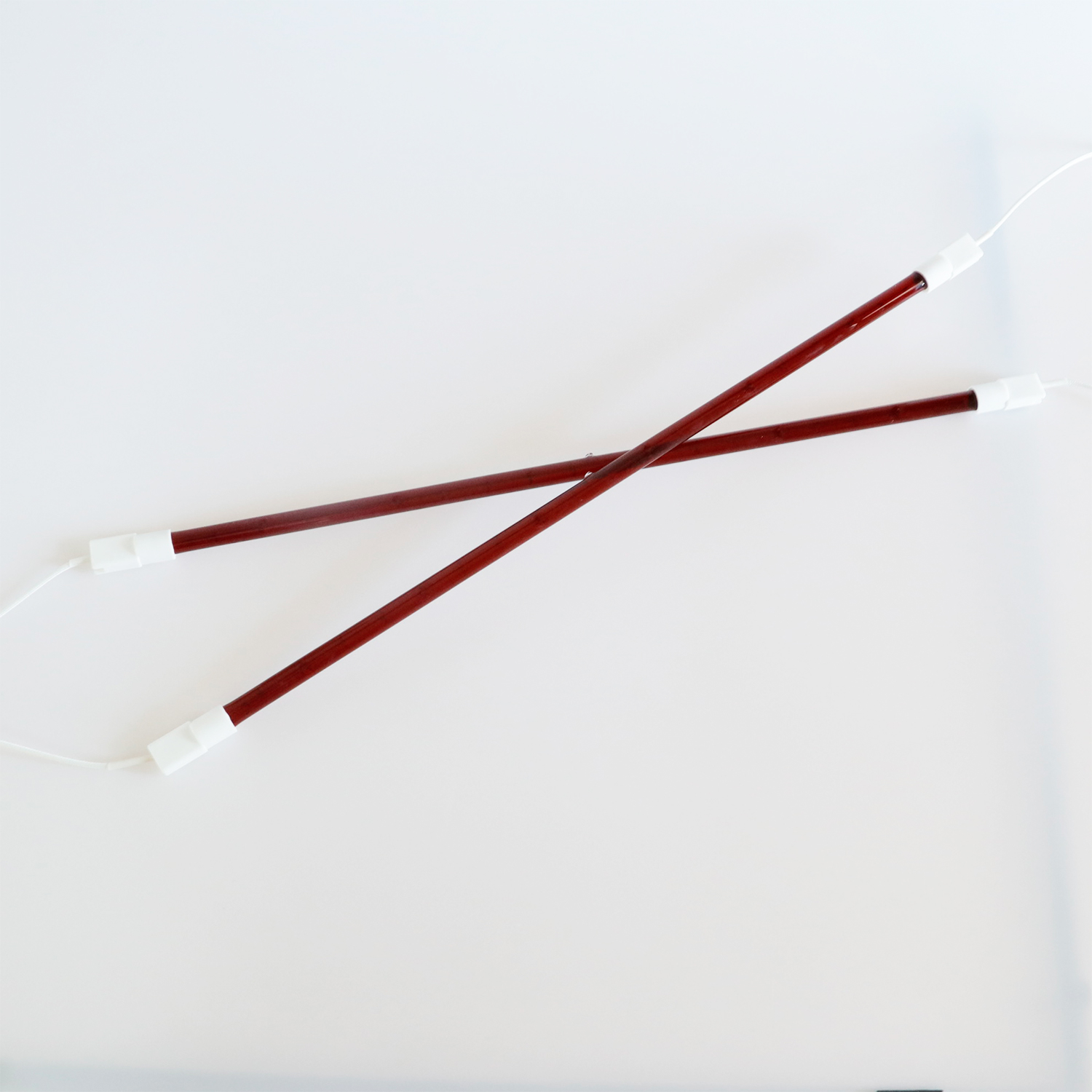
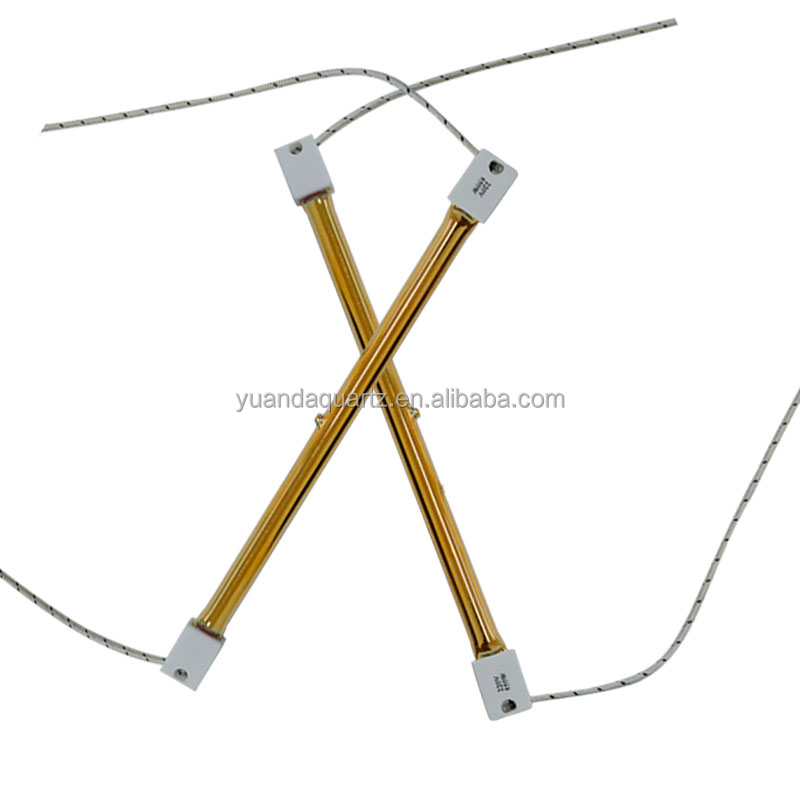
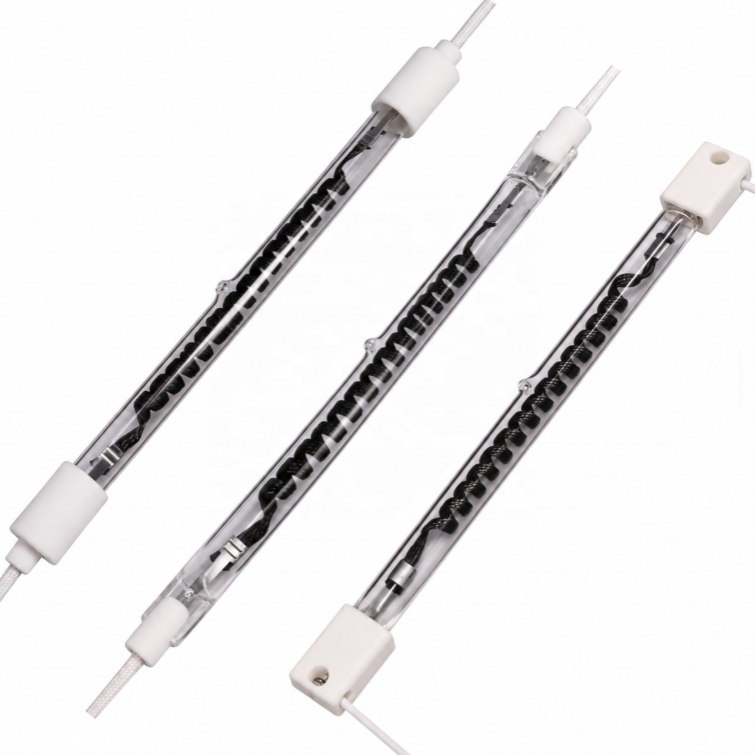
In high-temperature thermal processing, chemical vapor deposition (CVD), plasma-enhanced epitaxy, and rapid thermal processing (RTP), the junction between a pure fused silica process tube and the vacuum chamber intake manifold represents the most critical failure point in the mechanical envelope. A quartz tube flange is not simply a decorative mechanical collar; it is a high-tolerance, hermetically sealed electro-mechanical gateway designed to resolve profound disparities in thermal physics.
The primary engineering hurdle governing quartz tube flange manufacturing is the massive mismatch in the Coefficient of Thermal Expansion (CTE). Fused quartz exhibits an extraordinarily low thermal expansion coefficient of approximately 5.5 × 10⁻⁷ K-1 between 20°C and 1000°C, whereas standard vacuum metallurgy alloys such as Austenitic Stainless Steel (AISI 304/316L) expand at approximately 16.0 × 10⁻⁶ K-1. Without sophisticated mechanical decoupling and thermal dissipation protocols, clamped interfaces will suffer catastrophic micro-fracturing, hoop stress failure, or complete vacuum collapse during thermal ramping.
Critical Engineering Principle: Quartz tube flange assemblies must isolate mechanical clamping shear from pure silica while simultaneously ensuring helium-tight hermetic seals capable of holding Ultra-High Vacuum (UHV) thresholds down to 10-9 mbar under cyclic thermal loads exceeding 1150°C.
China's top-tier manufacturers, centered in the Donghai silica corridor, deploy three distinct engineering paradigms to address quartz tube termination:
Engineered for high-purity ultra-high vacuum applications. Uses specialized copper or elastomeric intermediate gaskets with knife-edge geometry adapted for precision quartz ground faces.
Standardized vacuum fittings (KF16 to KF50) applied to process furnace exhaust lines and sensor viewports, offering tool-less replacement and high modularity in cleanroom environments.
Designed for semiconductor diffusion and photovoltaic wafer tubes with outer diameters exceeding 150 mm up to 450 mm, equipped with dual circumferential O-ring seals.
Selecting the optimal quartz tube flange configuration requires understanding pressure thresholds, mechanical tolerances, and thermal mitigation schemes. The following matrix illustrates primary engineering configurations manufactured by certified Chinese suppliers:
| Interface Standard | Compatible Quartz Tube OD | Helium Leak Rate | Max Operating Temp | Sealing Mechanism | Primary Process Applications |
|---|---|---|---|---|---|
| KF / NW (16 to 50) | 10 mm – 50 mm | < 1 × 10⁻⁸ mbar·l/s | 150°C (Flange) / 1150°C (Tube) | Viton Centering Ring / Quick Clamp | Gas exhaust ports, sensor feedthroughs, laboratory benchtop reactors |
| CF (ConFlat) | 19 mm – 150 mm | < 1 × 10⁻¹⁰ mbar·l/s | 450°C (Bakeable) / 1200°C (Tube) | OFHC Copper / PEEK / FKM | Ultra-high vacuum physics, molecular beam epitaxy, synchrotron beamlines |
| ISO-K / ISO-F (63 to 320) | 60 mm – 300 mm | < 1 × 10⁻⁸ mbar·l/s | 180°C (Flange) / 1100°C (Tube) | Elastomer with Outer Retaining Ring | Industrial LPCVD, polysilicon chemical processing, tube furnaces |
| Custom Quartz O-Ring Face | 25 mm – 450 mm | < 5 × 10⁻⁹ mbar·l/s | 260°C (Kalrez) / 1250°C (Tube) | Precision CNC Machined Quartz Groove | Dry oxidation, ALD wafer processing, corrosive semiconductor etch |
| Water-Cooled Double Jacket | 80 mm – 400 mm | < 1 × 10⁻⁹ mbar·l/s | ≤ 60°C (Outer Flange) / 1300°C (Core) | Continuous Chilled Water Recirculation | High-temperature horizontal diffusion, SiC crystal growth reactors |
Not all fused silica tubes exhibit equivalent life cycles under continuous vacuum draw at elevated temperatures. Premium Chinese manufacturers utilize natural high-purity quartz crystal rocks originating from Donghai or refined synthetic precursors (SiCl4) to guarantee physical reliability. Mechanical deformation, commonly known as tube devitrification, occurs when trace alkali contaminants (Sodium Na, Potassium K, Lithium Li) catalyze the phase transformation of amorphous silica into crystalline cristobalite above 1000°C.
To qualify for advanced semiconductor wafer manufacturing and precision thermal optics, raw silica profiles must comply with rigorous chemical containment criteria:
The global industrial quartz procurement environment is experiencing structural realignments driven by semiconductor reshoring, the rapid ramp of Silicon Carbide (SiC) and Gallium Nitride (GaN) wide-bandgap fabs, and large-scale solar photovoltaic expansion (N-Type TOPCon and Perovskite-Tandem lines). Technical buyers and OEM system designers are optimizing their supply networks based on three fundamental vectors:
Global equipment builders increasingly avoid sourcing bare quartz tubes and metal flanges independently. Procurement teams now order pre-tested, vacuum-certified quartz flange units complete with cooling channels and integrated pyrometer viewports directly from China.
Rather than evaluating upfront piece price alone, procurement directors measure MTBF (Mean Time Between Failures) and cycle yield. Minimizing micron-level flange seal warping directly prevents expensive vacuum downtime and wafer scrap.
Tier-1 procurement professionals bypass intermediaries and establish direct supply partnerships with audited factories in primary quartz hubs (Jiangsu/Lianyungang), gaining access to local raw silica mines and skilled master glassblowing artisans.
To sustain leadership in global high-precision fabrication, leading Chinese quartz manufacturers are modernizing their processing infrastructure with next-generation machining and inspection capabilities:
Headquartered in Lianyungang, Jiangsu Province—adjacent to the globally renowned Donghai quartz reserve—Kavri Quartz Product Co., Ltd. represents the pinnacle of Chinese high-tech glass engineering and OEM emitter manufacturing. Established in 2014, the company has integrated raw material sourcing, optical cold processing, hot glass fabrication, and technical export logistics into a seamless global manufacturing engine.
Direct geographical integration with natural high-purity quartz reserves guarantees low impurity profiles (SiO2 ≥ 99.99%) and continuous raw material availability without supply chain volatility.
Over a decade of customized engineering from technical CAD/STEP drawings. Bespoke single/twin tube designs, custom heating lengths, specialized gold/ruby/ceramic coatings, and tailor-made flanges.
Onsite-verified by Alibaba and international third-party inspection firms. Operating 3 dedicated cleanroom manufacturing lines backed by an experienced technical workforce and ≤ 4-hour response protocol.
Extensive export footprint with 81–90% of production supplied to Germany, the Netherlands, USA, Japan, and South Korea under FOB, CFR, CIF, EXW, and DDP terms with certified shockproof packaging.
Submit your CAD blueprints, process specifications, or replacement part numbers. Kavri Quartz's engineering division will review your thermal requirements and provide a fully validated manufacturing quotation within 4 hours.