Engineered Thermal & Optical Spectrum
Featured Industrial Heating Lamps & Engineered Quartz Ware
Direct factory production lines deliver optimized spectral emission efficiency, mechanical precision, and extended operational lifespans for high-speed manufacturing environments.
Technical Whitepaper & Empirical Data
Physics-Driven Material Evaluation: Fused Silica Substrates
A comprehensive comparative evaluation of why pure synthetic fused silica and high-purity quartz substrates outperform alternative borosilicate and standard glass configurations under harsh cyclic conditions.
Industrial heating and high-precision optical containment demand extreme molecular resilience. Standard industrial glass grades suffer from significant thermal expansion stress under repetitive thermal shocks. In contrast, fused quartz glass engineered with >99.99% SiO2 purity exhibits an exceptionally low thermal expansion coefficient of 5.5 × 10^-7 / K. This allows custom sheets, inspection sight-glasses, and tubular heating envelopes to survive rapid temperature swings exceeding 1,000°C without catastrophic structural fatigue or micro-fissuring.
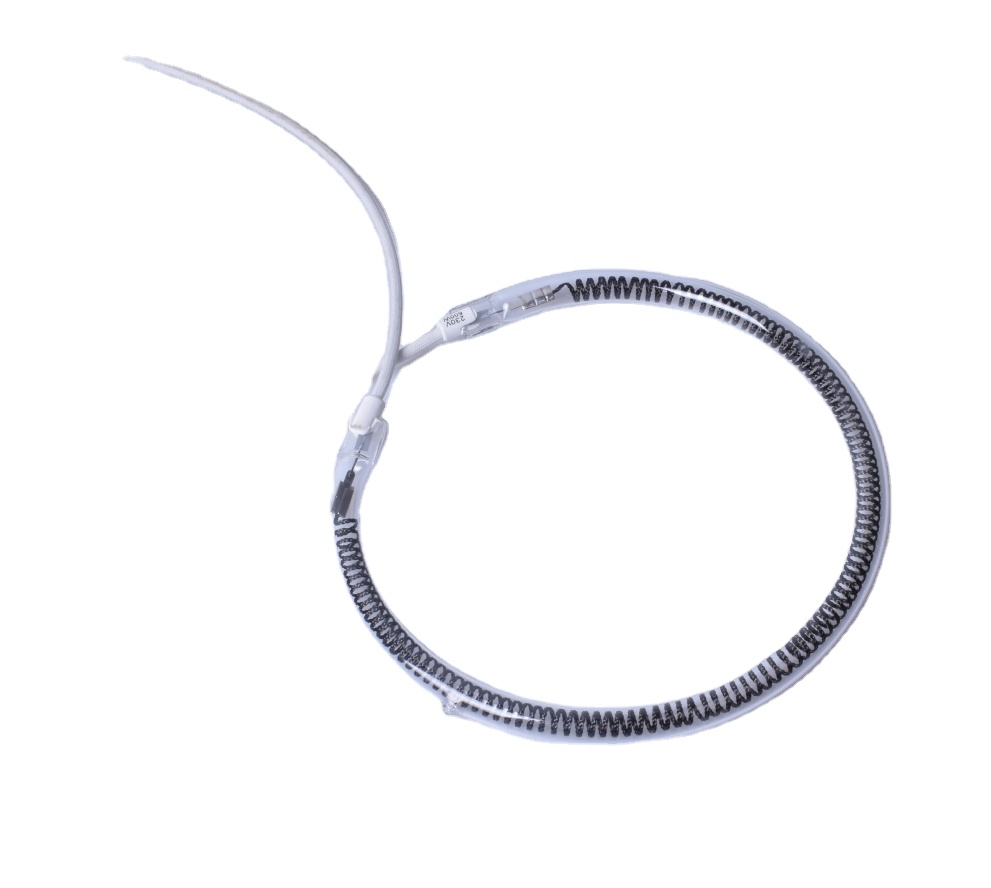
From an emissivity standpoint, matching the radiator's output curve directly to the physical absorption bands of polymers, aqueous matrices, or semiconductors is crucial. Tungsten halogen systems focus energetic short-wave radiation between 1.0 μm and 1.2 μm, making them optimal for deep penetration into thick materials like PET preforms. Alternatively, carbon fiber heating elements radiate medium-wave spectral outputs peaking around 2.0 μm to 2.5 μm—the precise resonance absorption zone for molecular water and complex polyurethanes.
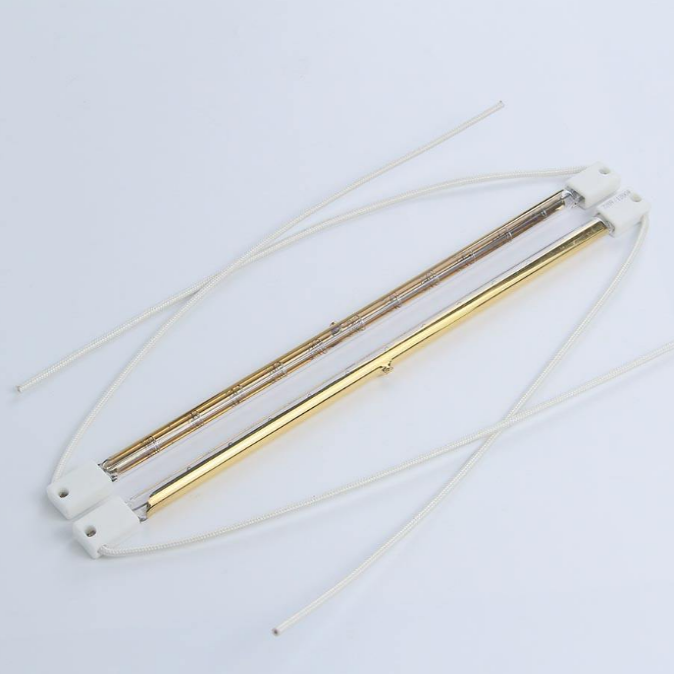
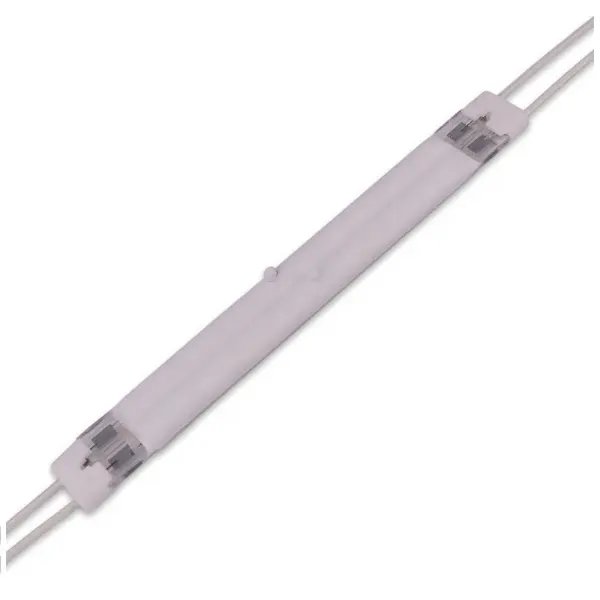
By pairing high-transmission fused silica sheets with selective reflective coatings—such as nano-deposited directional gold or sintered diffuse ceramic white backings—thermal energy is redirected toward targets with up to 95% directional radiation efficiency, significantly lowering factory power consumption.
| Physical Property | Fused Quartz Value | Industrial Relevance |
|---|---|---|
| SiO2 Purity | ≥ 99.99% | Eliminates structural devitrification at high temperatures |
| Thermal Expansion | 5.5 × 10⁻⁷ / K | Withstands direct quenching from 1100°C into cold water |
| Continuous Temp | 1,100 °C | Resists sagging inside continuous vacuum sintering furnaces |
| Peak Strain Temp | 1,450 °C | Short-term emergency thermal overload margin |
| Transmittance Spectrum | 200 nm – 3,500 nm | From deep UV curing lines to far-infrared processing |
Strategic Procurement Horizons
Future Procurement Trends: Where the Industry Is Heading
Key industry shifts that procurement teams, process engineers, and plant managers must incorporate into their supply-chain sourcing strategy.
Accelerated Electrification & Zero-Gas Mandates
Global manufacturing clusters in Europe and North America are actively replacing gas-fired convection drying tunnels with modular, instantaneous electric infrared emitter arrays. Quartz electric systems eliminate on-site combustion emissions, reduce warm-up times from 45 minutes to under 2 seconds, and reduce factory floor energy consumption by up to 35%.
Directional Reflective Engineering Over Bare Emitters
Procurement teams are moving away from traditional, unbacked round heating tubes. Sourcing is shifting toward engineered twin-tube profiles with integrated 180-degree vacuum-bonded gold or micro-ceramic backings. These reflectors focus radiated heat directly onto process materials, avoiding heating ambient machine frames and eliminating the need for bulky external reflector assemblies.
Tightening Micro-Tolerances in Custom CNC Quartz Ware
Driven by semiconductor sub-fab assemblies, photovoltaic cell manufacturing, and automated biochemistry analyzers, procurement contracts now require tighter tolerances on quartzware. Ground and polished optical windows, rectangular sight-sheets, and flow cells must meet sub-millimeter tolerances (±0.05 mm) and high surface flatness to ensure leak-proof fluid seal integrity.
Manufacturing Modernization
Technological Evolution of Fused Quartz & Emitter Metallurgy
How material science innovations are redefining component lifespans, efficiency thresholds, and high-heat stability.
Nano-Crystalline High-Purity Silica Fusion
Modern electrical arc continuous fusion technology has drastically reduced inner hydroxyl (OH-) radical concentrations to below 5 ppm. Lower OH content prevents early quartz crystallization (devitrification) when operating near 1,150°C, significantly extending tube life in continuous industrial thermal processes.
Carbon-Ribbon Textile Woven Filaments
Transitioning from loose carbon filaments to dense, woven carbon ribbons provides higher structural integrity under vertical orientation. This eliminates internal filament sag, prevents local hot-spot degradation, and ensures uniform thermal distribution across conveyor lines.
Automated Laser Scribing & Precision Flame-Polishing
Modern CNC 5-axis laser cutting replaces manual diamond saw scoring for quartz plates and specialized viewing ports. Laser scribing leaves microscopic edge profiles free of micro-cracks, increasing dynamic burst pressure limits by over 40% in high-pressure processing lines.
Direct Manufacturing Authority
Verified Export Advantages: Kavri Quartz Co., Ltd.
Based in Lianyungang, China—the world’s premier silica extraction and crystal processing center—we provide verified production capabilities, competitive raw material costs, and proven export engineering.
Lianyungang Quartz Cluster
Direct supply-chain integration with the Donghai quartz basin ensures immediate access to high-purity natural silica sand, minimizing transit costs and lead times on large volume plate and tube runs.
10+ Years OEM/ODM Precision
Over a decade of customized engineering: custom voltages (110V to 480V), wattages (200W to 10kW), twin or single tubes, and exact cap configurations matching existing factory machinery footprints.
3 Independent Production Lines
Dedicated processing lines for halogen tube sealing, carbon ribbon assembly, and CNC mechanical quartz machining guarantee consistent lead times and rigorous batch inspection standards.
Verified Export Trade Metrics
With an annual trade volume of US$1–2.5 Million, 81–90% direct global export distribution, and a verified customer response metric within 4 hours, we guarantee streamlined, reliable communication.
Procurement Knowledge Base
Frequently Asked Technical & Sourcing Questions
Objective, engineering-backed answers addressing the practical challenges encountered when sourcing quartz sheets and industrial heating emitters.
What specific parameters are required to fabricate custom replacement infrared emitters or quartz sheets?
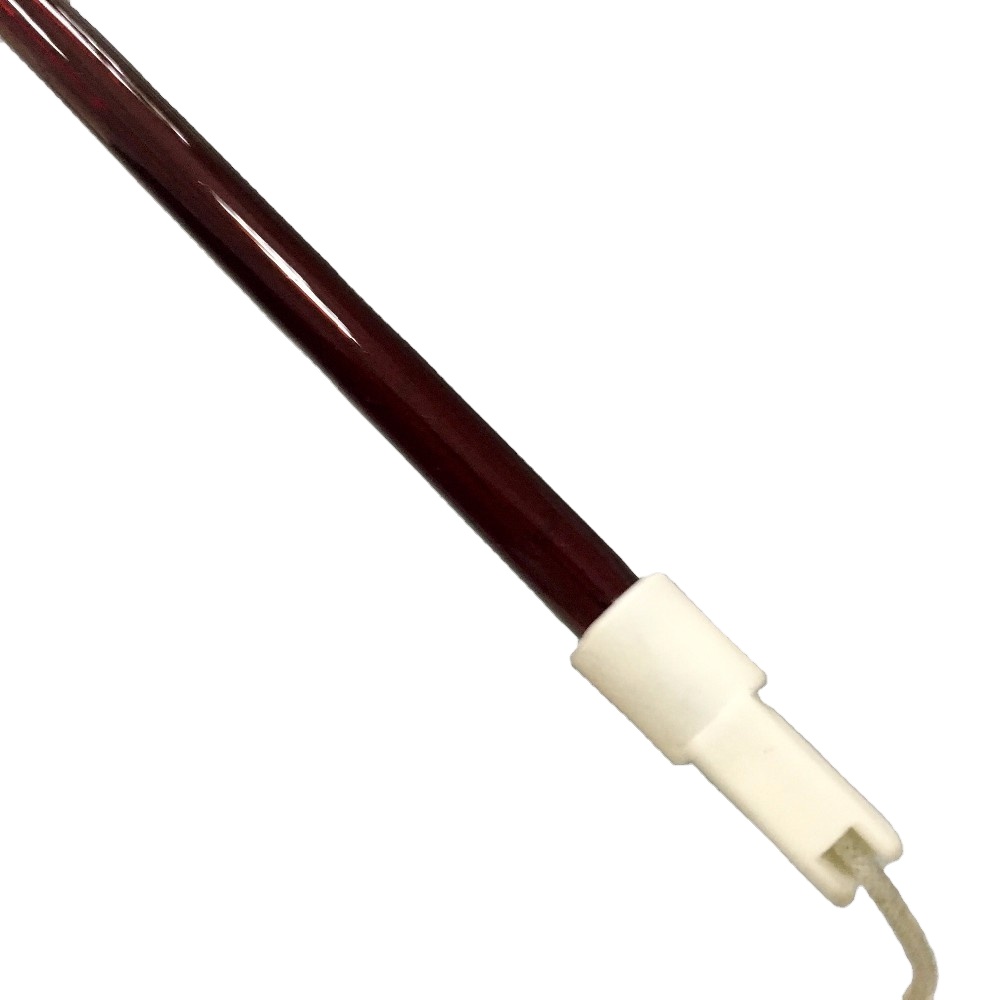
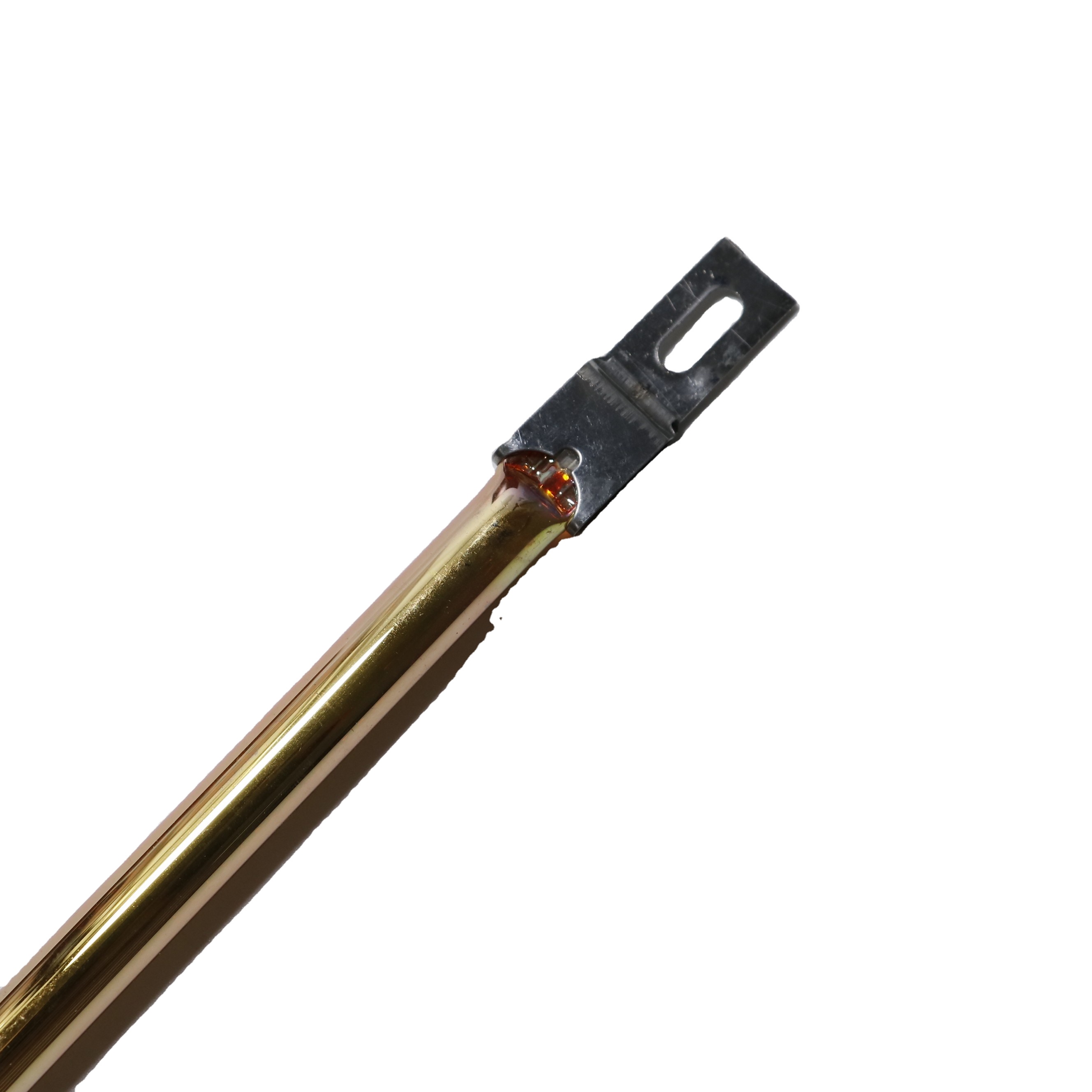
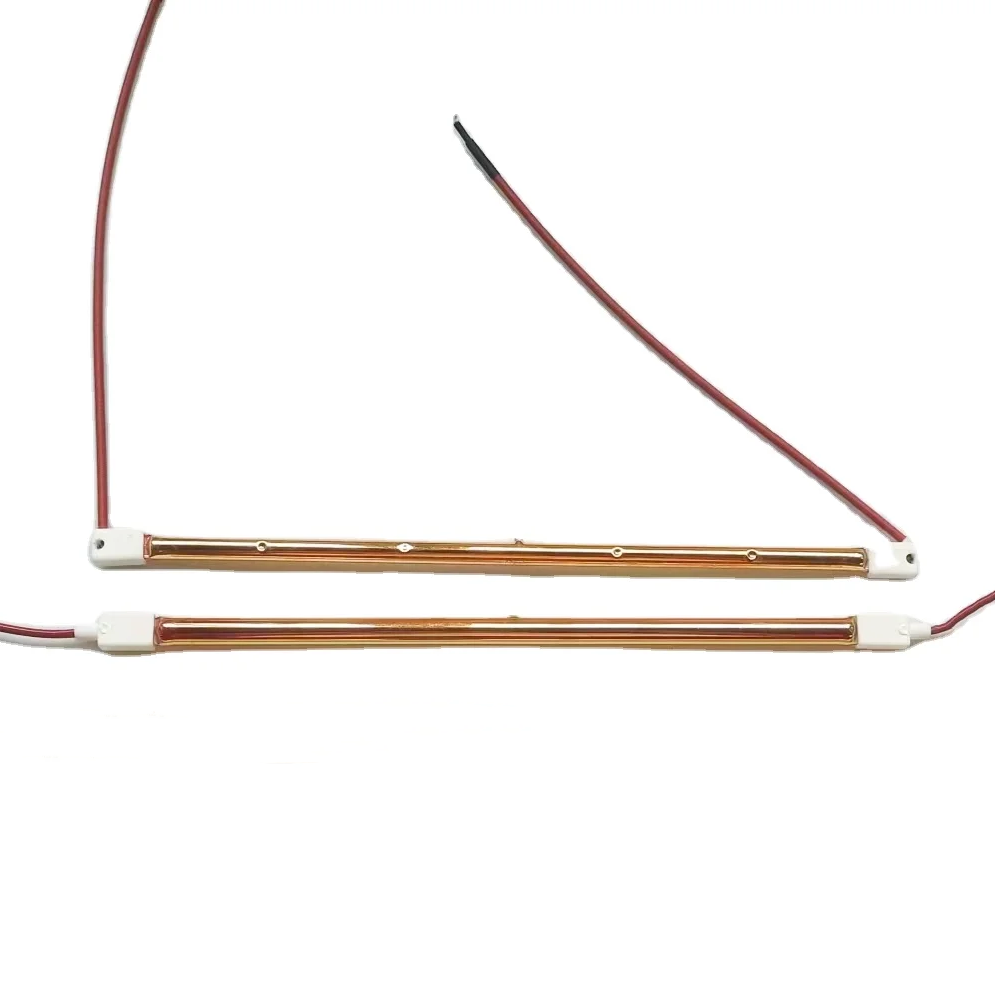
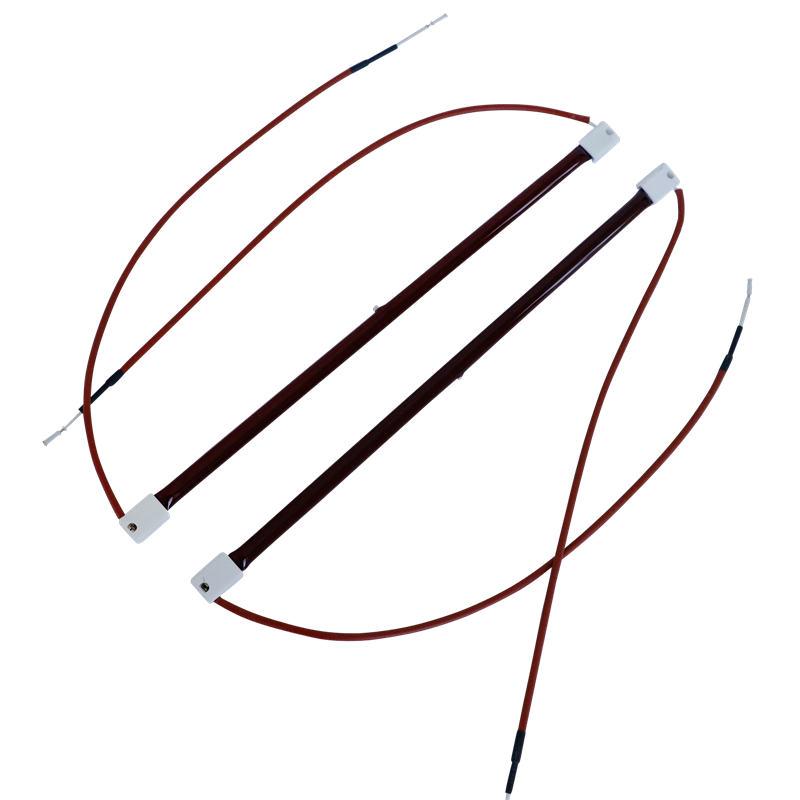
To engineer an identical or upgraded replacement, provide: (1) Total length (OAL) and heated active length; (2) Cross-section profile (single tube diameter or twin-tube dimensions like 23×11 mm or 33×15 mm); (3) Operating electrical characteristics (Voltage, Wattage); (4) Reflective coating finish (Clear, Half-Gold, or Half-White Ceramic); (5) Terminal connection type (ceramic caps, insulated flex leads, R7S, metal tab, or push-in fittings). For flat quartz sheets, specify length, width, thickness, surface optical finish (commercial vs. high polish), and operating temperatures.
How does one select between Halogen Short-Wave and Carbon Fiber Medium-Wave heating emitters?
The choice depends on the substrate's absorption spectrum. Halogen short-wave emitters emit high-intensity radiation peaking around 1.0–1.2 μm, enabling deep penetration for thick plastics, PET preform reheating, and multi-layer automotive paint curing. Carbon fiber medium-wave emitters peak around 2.0–2.5 μm, which is strongly absorbed at the surface of water-based inks, paints, paper, thin plastic films, and textile webs. Medium-wave heating reduces skin burning, blistering, and energy consumption.
Why choose gold reflector coating over standard white ceramic reflectors?
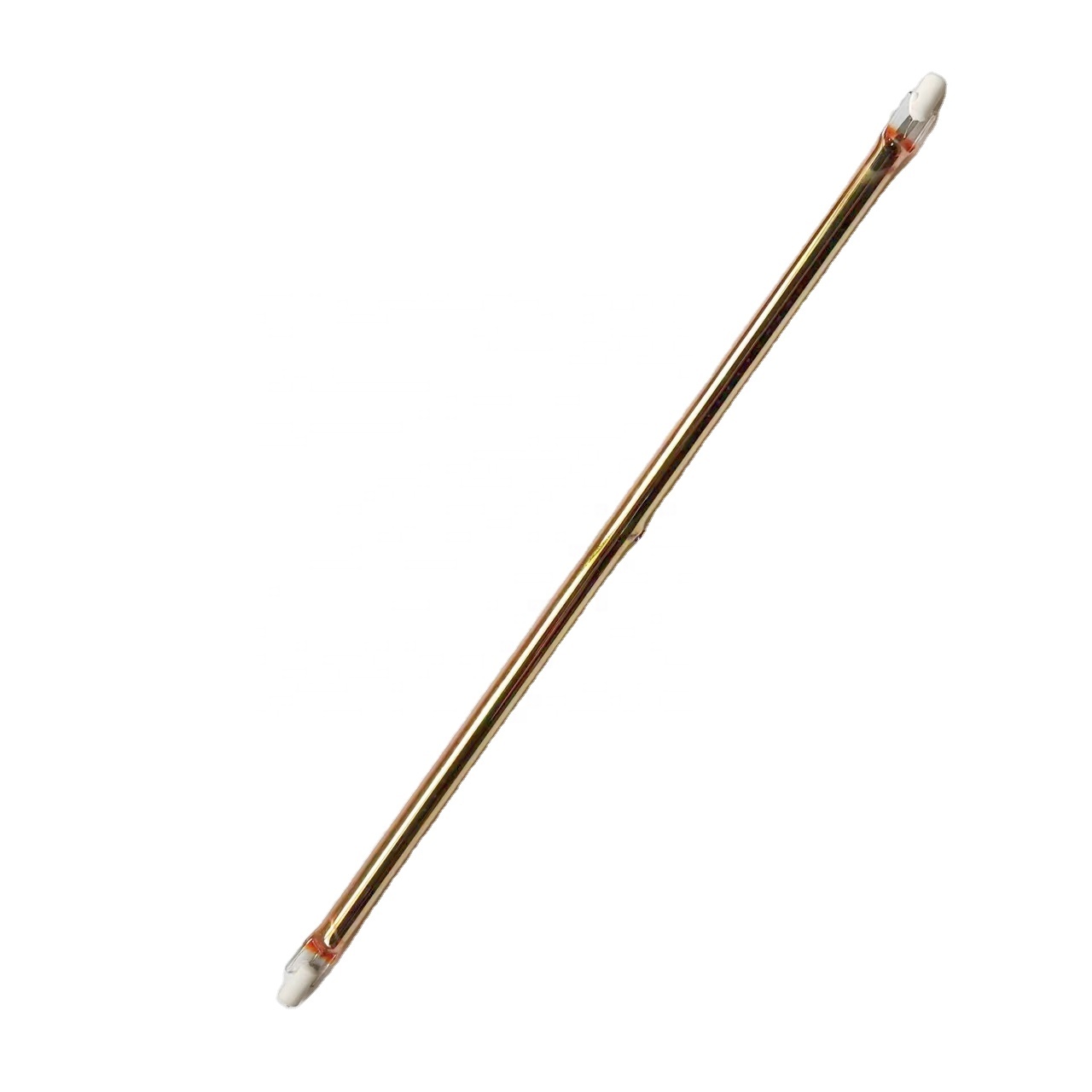
Gold coatings offer a reflection efficiency up to 95% in the infrared spectrum. Gold provides specular (mirror-like) directional focus, directing nearly all backward-directed energy forward onto the target. However, gold layers should be kept below ~600°C to prevent oxidation or degradation. White ceramic coatings provide diffuse reflection (~85–90% efficiency) and withstand higher ambient operating temperatures (up to 900–1,000°C), making them ideal for high-density oven arrays and enclosed PET blowing tunnels.
What are the minimum order quantities (MOQs) and standard lead times for custom runs?
Standard production configurations and replacement lamps start at modest MOQs of 8 to 10 units to support machine maintenance, testing, and pilot engineering evaluations. Custom OEM batch orders or unique CNC-machined quartz glass plates typically require 10 to 50 pieces depending on geometry. Prototype samples generally ship within 5 to 7 business days, while volume container production runs ship within 15 to 25 business days.
How are fragile quartz sheets, tubes, and heating lamps packaged for international ocean and air freight?
We employ export-grade drop-tested protective packaging. Each quartz lamp or plate is wrapped in protective pearl cotton foam, encased in high-density customized EPE suspension sleeves, and secured within reinforced multi-wall cardboard cartons. Large or long-tube orders are placed inside heat-treated export wooden crates with internal shock absorption to eliminate transit vibration damage across air and ocean shipping routes (FOB, CIF, CFR, DDP).