Engineered Quartz Tubing & Industrial Infrared Emitters
Built with synthetic & natural fused silica, offering zero-bubble consistency, rigorous wall concentricity, and precision thermal dissipation for critical processes.
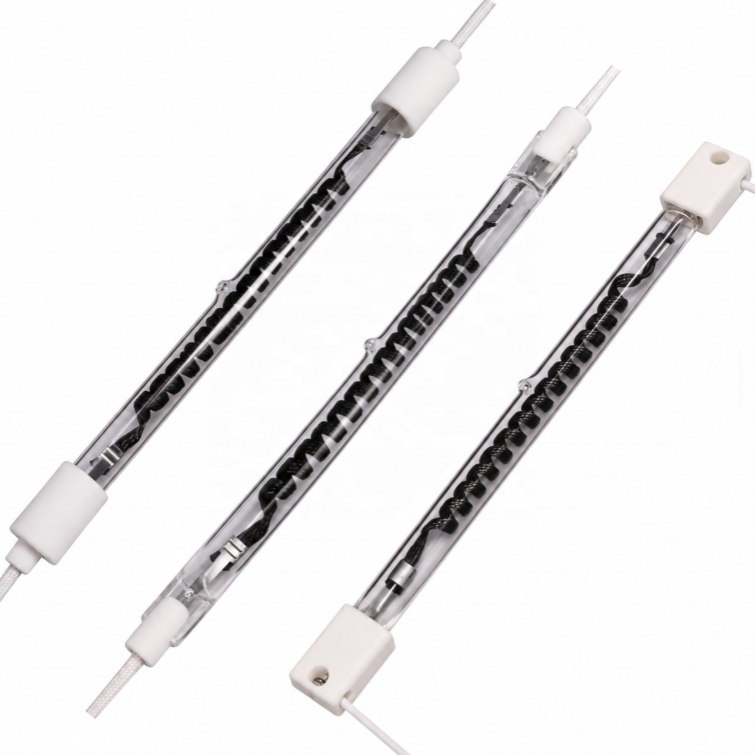
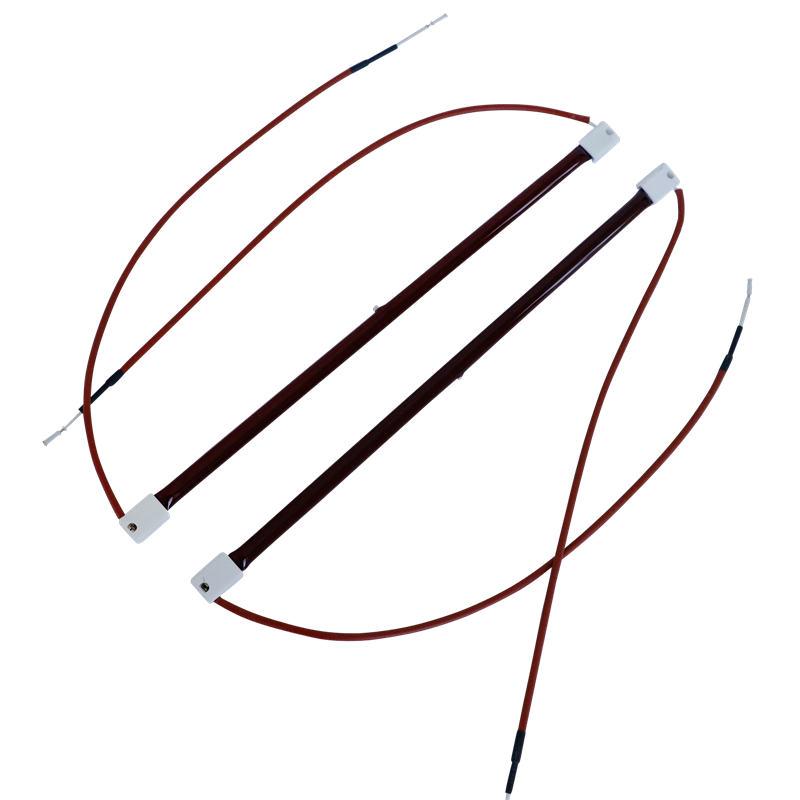
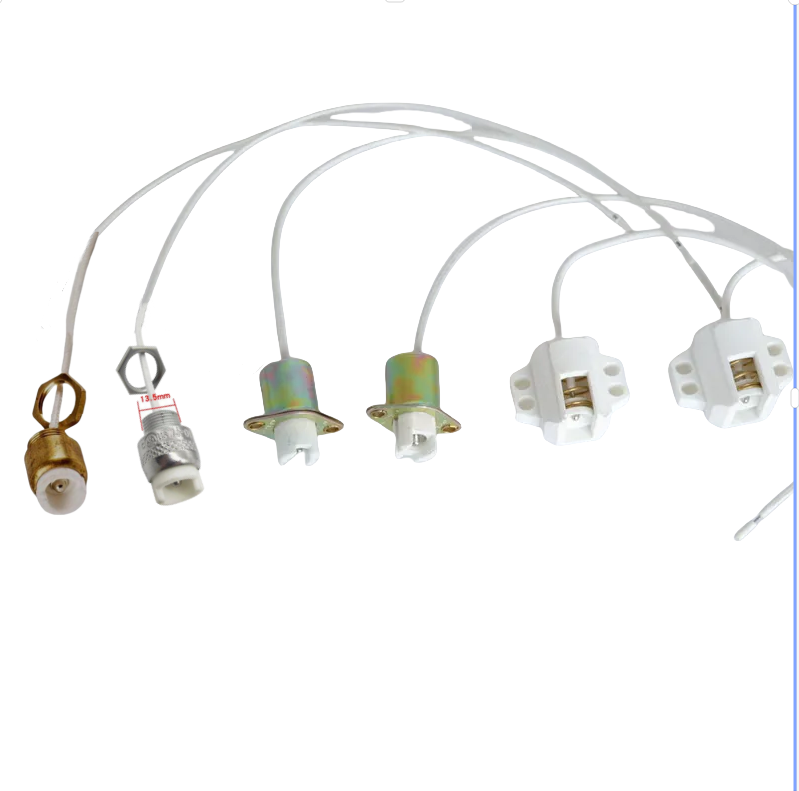
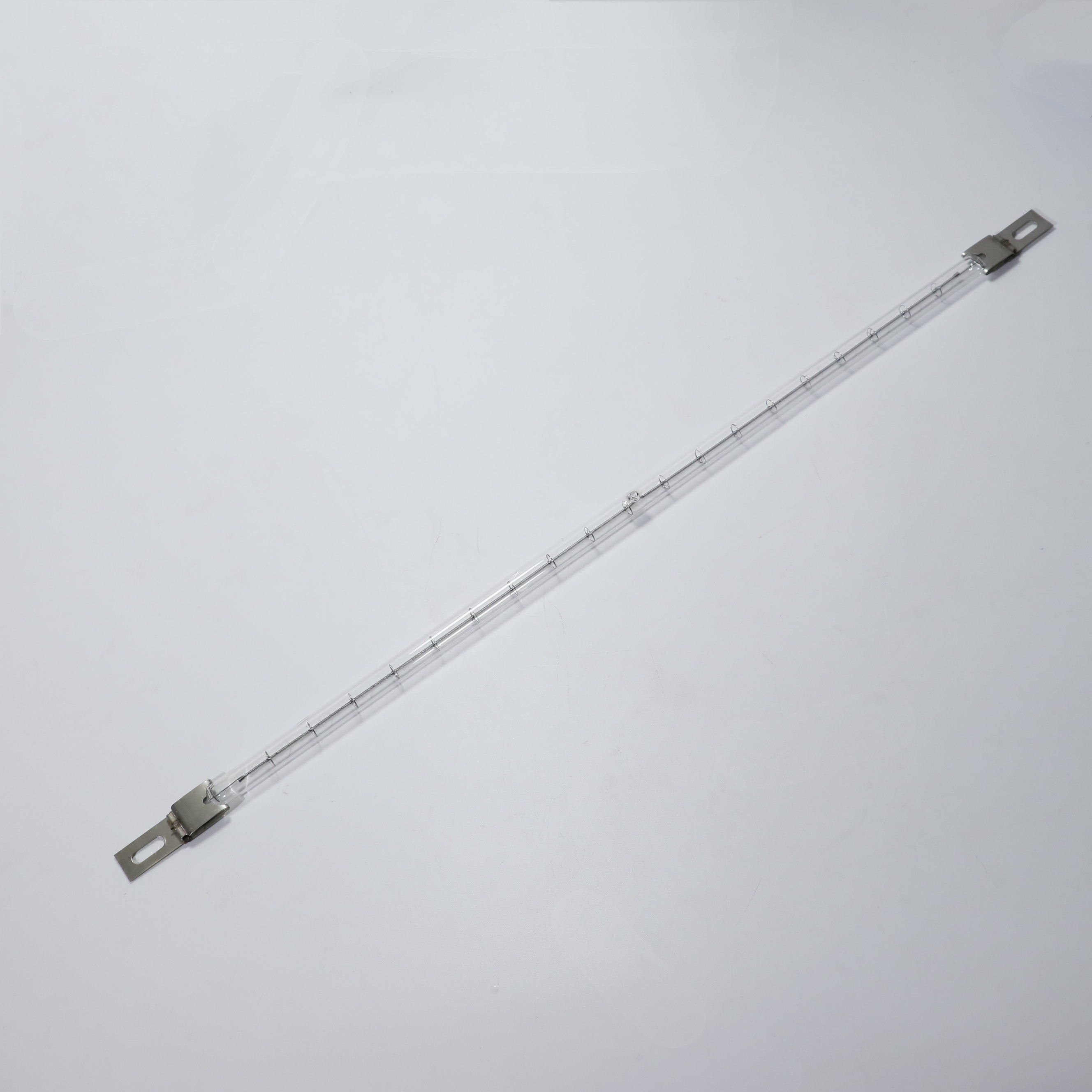
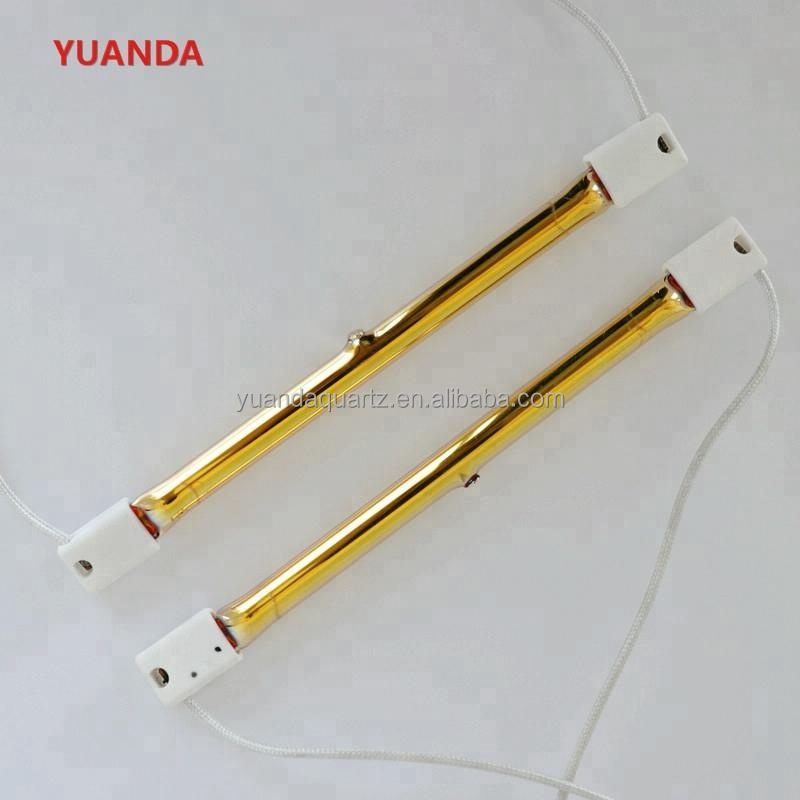
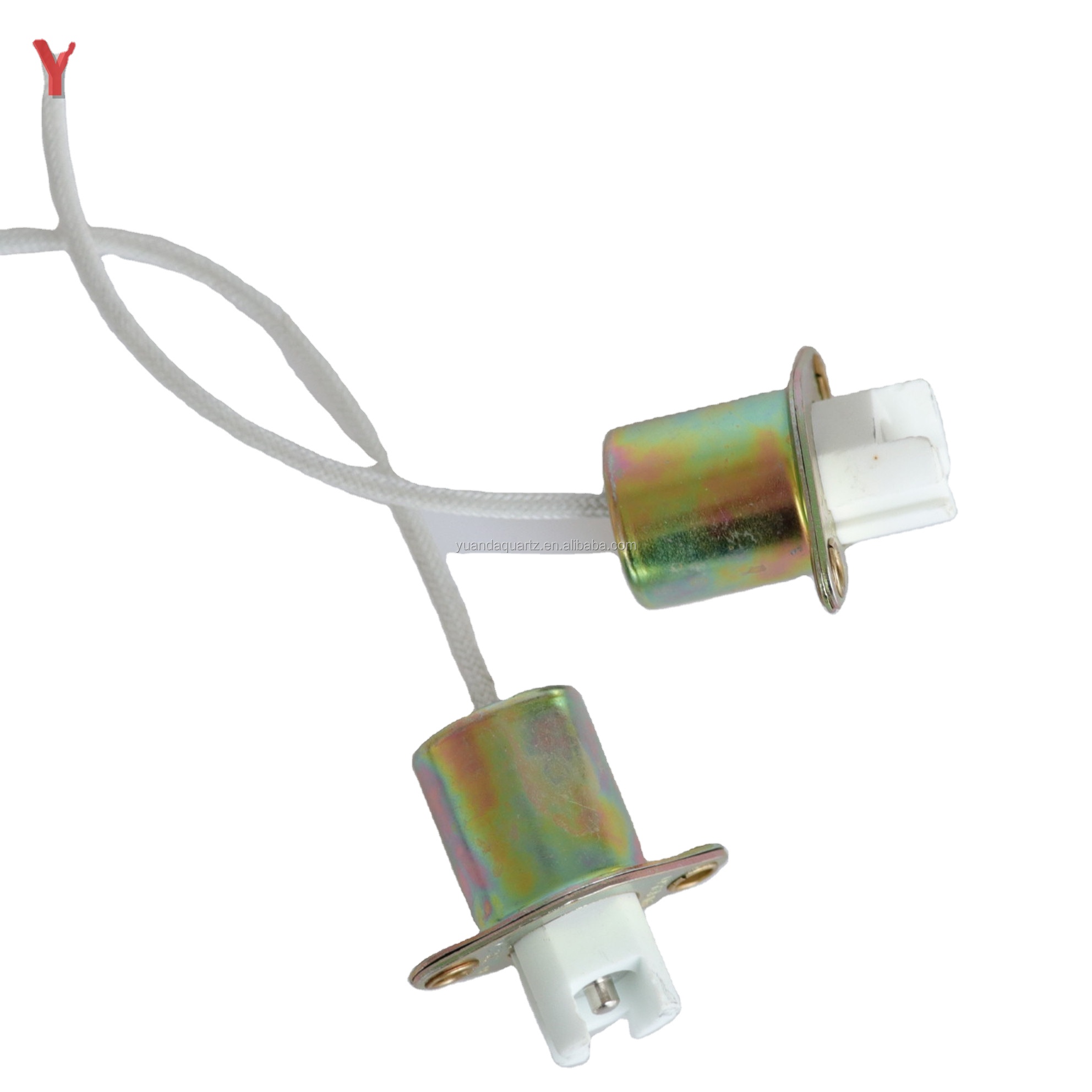
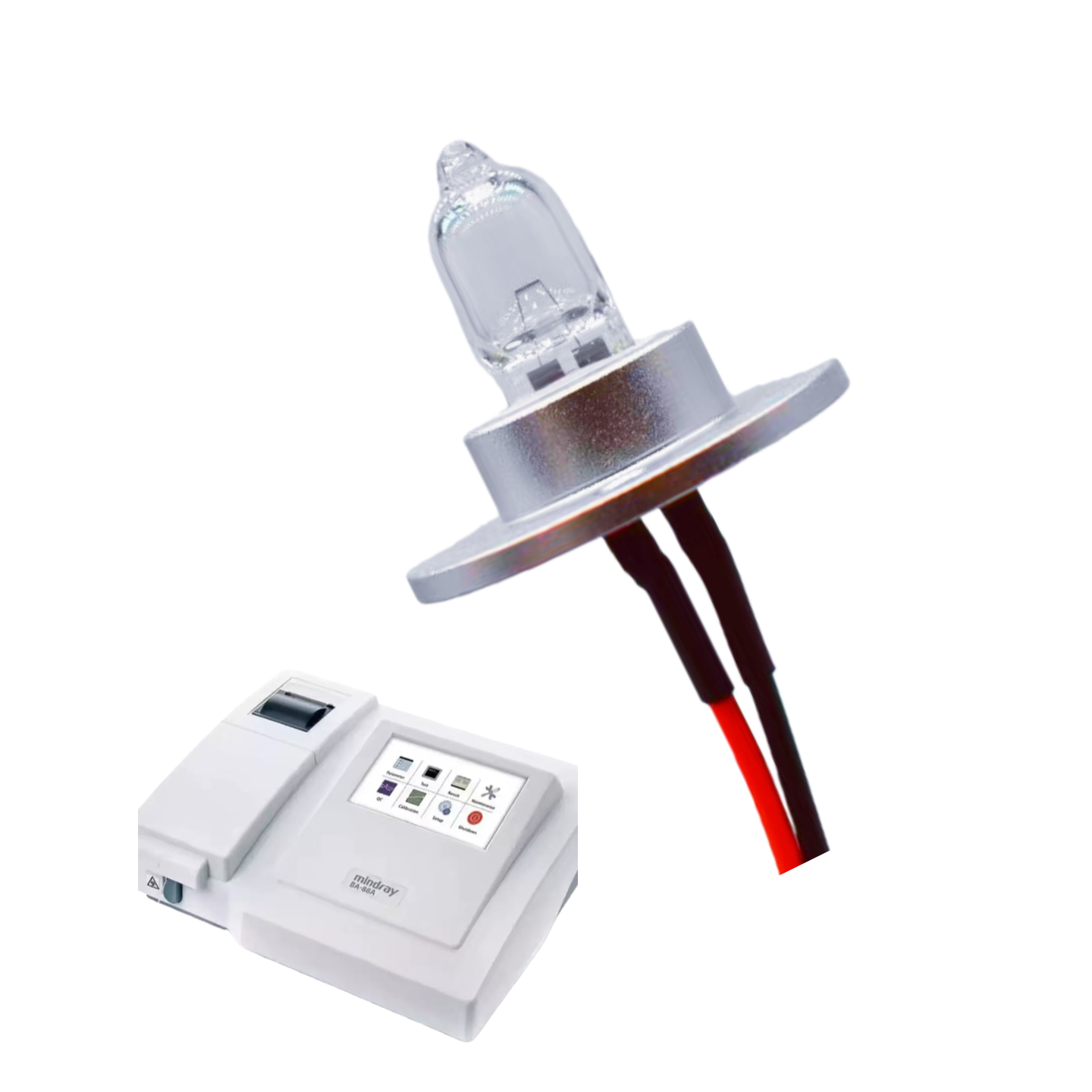
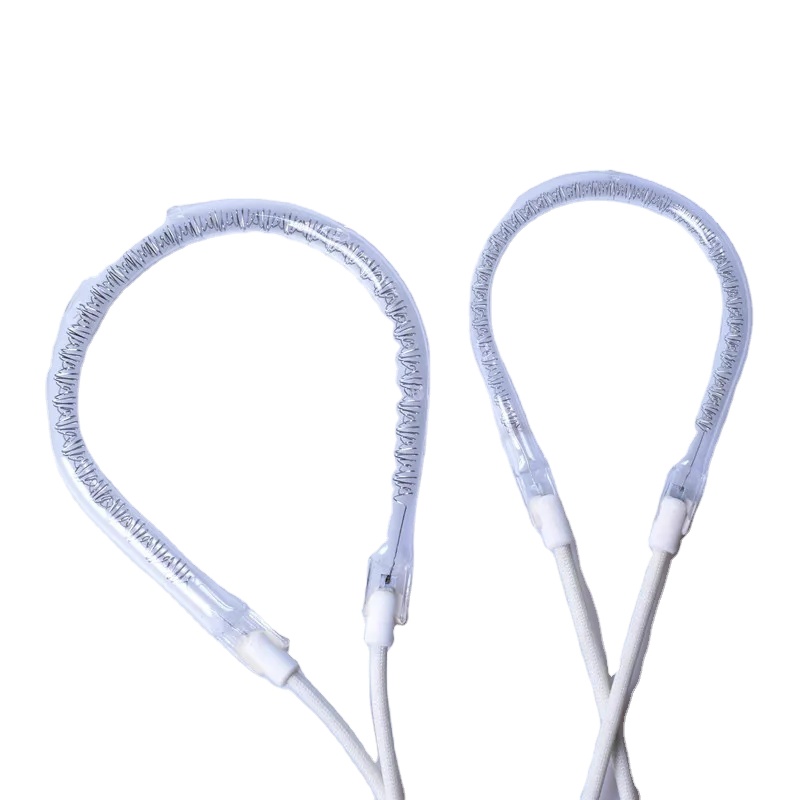
Top 10 Quartz Tubing Manufacturers & Suppliers in the World
An authoritative industry comparison evaluating raw material synthesis, chemical purity levels, thermal shock tolerance, dimensional accuracy, and supply chain scalability.
Fused silica and high-purity quartz tubing serve as foundational structural materials for mission-critical modern engineering. From semiconductor wafer diffusion furnaces and epitaxy reactors to photovoltaic PECVD processing, UV sterilization systems, and high-intensity infrared radiant heating modules, the quality of the quartz envelope dictates process stability, thermal survivability, and contamination yield. Industrial buyers navigating the global market must distinguish between natural electric-fused silica, gas-fused tubes, and plasma-refined synthetic silicas.
Engineering Core Insight: The differentiation in quartz tube performance stems primarily from trace alkali metal contaminants (lithium, sodium, potassium) and hydroxyl radical [OH⁻] concentrations. In semiconductor and high-temperature furnace operations (>1000°C), alkali impurities accelerate devitrification into cristobalite, provoking premature mechanical fracturing, while high [OH⁻] diminishes thermal viscosity and softens tubes at lower operating thresholds.
Global Manufacturing Benchmark: Leading 10 Quartz Suppliers
The following evaluation matrix consolidates key operational benchmarks across the top ten international manufacturers, highlighting specialized process lines, typical purity grades, and regional production hubs:
| Manufacturer / Supplier | HQ / Primary Hub | Purity (SiO₂) | Core Specialization | Market Classification |
|---|---|---|---|---|
| Heraeus Quarzglas GmbH | Germany / Global | 99.999% (5N) - Synthetic | Semiconductor diffusion tubes, optical fiber preforms | Tier 1 Global Leader |
| Momentive Technologies | United States | 99.998% (4N8 - 5N) | Fused quartz tubing, large-bore diffusion, crucibles | Tier 1 Global Leader |
| Kavri Quartz Product Co., Ltd. | Lianyungang, China | 99.99% - 99.995% | OEM/ODM custom quartz tubes, IR emitters, laboratory glassware | Top Direct OEM Hub |
| Tosoh Quartz Corporation | Japan | 99.999% (Synthetic) | Photolithography quartzware, microelectronic wafer carriers | Specialized Semiconductor |
| Shin-Etsu Quartz Products | Japan | 99.999% | Vitreous synthetic quartz, high-heat furnace process tubes | Specialized Semiconductor |
| QSIL SE (Quarzschmelze Ilmenau) | Germany | 99.99% - 99.998% | Plasma-fused quartz tubes, customized optical components | High-Precision European |
| Saint-Gobain Quartz | France | 99.995% | Fused silica tubing, thermal reactor shields, aerospace | Tier 1 Advanced Materials |
| CoorsTek Inc. | United States | 99.99% | Engineered quartz envelopes, structural furnace assemblies | Industrial Engineering |
| Jiangsu Pacific Quartz Co., Ltd. | China | 99.99% - 99.995% | High-purity quartz sands, continuous drawn quartz tubing | Mass Volume Producer |
| Technical Glass Products (TGP) | United States | 99.99% | Custom scientific quartz fabrication, test tube arrays | Fabrication Specialist |
While top-tier Western European and Japanese suppliers excel in ultra-pure synthetic substrates catering to sub-7nm semiconductor lithography, their protracted lead times (often 20 to 36 weeks) and premium pricing structures create severe friction for machine builders, industrial dryer manufacturers, and scientific labs. This dynamic has accelerated international partnerships with Kavri Quartz, situated in Lianyungang, Jiangsu—the epicenter of China's high-purity natural quartz refining district. By integrating raw material synthesis, continuous electric drawing, and custom secondary glassworking within a vertically consolidated footprint, Kavri delivers 99.99% purity tubing with bespoke tolerances in 2 to 3 weeks.
Physical, Chemical & Thermal Performance Parameters
Understanding the thermomechanical boundaries and spectral transmission profiles that dictate quartz tubing lifespan and operational stability.
Thermal Shock Survivability
Featuring a near-zero coefficient of thermal expansion (CTE) of approximately 5.5 × 10⁻⁷ / K (20°C to 320°C). Kavri quartz tubes endure repeated rapid thermal cycling—such as plunging red-hot 1100°C glass directly into ice-cold water—without experiencing micro-cracking or structural catastrophic breakdown.
Broad-Spectrum Transmission
From deep ultraviolet (185nm UV-C for ozone-generating sterilizers) through visible wavelengths to extended mid-infrared (up to 4.5µm for carbon-fiber radiant heating), optical transmission consistently exceeds 90% to 92% in clear fused variants, maximizing radiant photon coupling.
Chemical Inherent Inertness
Quartz tubing exhibits nearly total inertness to aggressive acids (hydrochloric, nitric, sulfuric) across elevated temperatures, dissolving solely when exposed to hydrofluoric acid (HF) and hot concentrated phosphoric acid (>150°C), making it the gold standard for corrosive laboratory analytics.
Critical Purity Benchmarks: PPM Contamination Thresholds
In high-temperature semiconductor processing and halogen heating elements, the presence of metallic impurities at parts-per-million (PPM) thresholds causes premature darkening, devitrification, and electrical leakage. Standard industrial clear quartz tubing vs. optical/semiconductor-grade material demonstrates distinct purity architectures:
| Impurity Element | Symbol | Standard Heating Grade (PPM) | Kavri High-Purity Grade (PPM) | Semiconductor Grade (PPM) |
|---|---|---|---|---|
| Aluminum | Al | 15.0 - 20.0 | ≤ 8.0 | ≤ 4.0 |
| Calcium | Ca | 1.5 - 3.0 | ≤ 0.5 | ≤ 0.4 |
| Iron | Fe | 0.8 - 1.5 | ≤ 0.2 | ≤ 0.1 |
| Sodium | Na | 2.0 - 4.0 | ≤ 1.0 | ≤ 0.3 |
| Potassium | K | 1.8 - 3.5 | ≤ 0.8 | ≤ 0.3 |
| Hydroxyl Content | OH⁻ | < 30 ppm (standard) | < 15 ppm (dehydroxylated) | < 5 ppm (vacuum treated) |
Emerging Trends in Industrial Quartz Tubing Procurement
How automation, green decarbonization mandates, and tighter dimensional tolerances are reshaping the purchasing roadmap for OEMs and plant engineers.
Electrification & Industrial Decarbonization
Manufacturing plants worldwide are phasing out natural gas-fired convection drying ovens in favor of high-efficiency, instant-response electric short-wave and carbon-fiber quartz radiant emitters. Because quartz IR lamps transfer energy directly via electromagnetic waves with zero preheating delay, drying systems in textile, automotive paint, and paper coating achieve 30% to 50% energy consumption reductions, directly lowering operational carbon footprints.
Twin-Tube & Asymmetrical Profile Geometry
Standard circular quartz tubing is increasingly yielding market share to 23×11mm and 33×15mm figure-8 twin-tube quartz envelopes. Twin-tube designs offer superior mechanical bending rigidity across lengths up to 3000mm, permitting internal placement of back-to-back tungsten coils or integrated gold/ceramic reflectors that project 95% of radiant energy unidirectionally onto process targets.
Doped Quartz for Spectral Filtering
Modern applications demand specialized quartz compositions beyond raw clear silica. Titanium-doped (TiO₂) quartz blocks 185nm wavelengths to create completely ozone-free germicidal lamps, whereas cerium-doped (Ce) quartz effectively attenuates dangerous UV emissions while transmitting maximum visible light, serving medical phototherapy and poultry brooding environments.
Micro-Tolerance CNC & Fire-Polished Fabrication
Procurement contracts now rigorously enforce strict dimensional limits: outer diameter (OD) tolerances within ±0.10mm, wall thickness variation under 8%, and camber (bowing) ≤ 1.5mm/m. Achieving these parameters requires continuous laser non-contact measurement gauges on draw towers coupled with programmable multi-axis glass-blowing lathes.
Enterprise Strengths: Kavri Quartz Product Co., Ltd.
Operating from Donghai, Lianyungang—the global capital of crystal and silica glass processing—we bring a decade of engineering prowess to international procurement teams.
Direct Raw Material Cluster Access
Located along Jingdu Avenue in Lianyungang, Jiangsu, our facility sources premium refined quartz directly from domestic mines. This eliminates transit surcharges and intermediary margins, securing consistent raw material availability even during global supply contractions.
End-to-End OEM/ODM Engineering
From drawing review and thermal calculations to custom gas-flame lathe blowing, ruby or gold reflective coating sputtering, and end-cap termination (ceramic, metal sleeve, cable leads), our team builds custom emitters and glass parts precisely to client machine specifications.
Rapid Technical Support (≤ 4h)
Maintaining an Alibaba-verified buyer inquiry response rate of 92.65% with replies under 4 hours, our bilingual engineering group validates electrical ratings, heated lengths, and mounting geometries seamlessly across European, American, and Asian time zones.
Frequently Asked Questions on Quartz Tubing Sourcing
Clear, definitive answers addressing technical criteria, quality assurance, order batching, and fragile transit logistics.
What is the difference between natural fused quartz and synthetic fused silica tubing?
How does hydroxyl [OH⁻] content affect quartz tube performance at elevated temperatures?
Why choose gold or ceramic reflectors coated directly onto quartz infrared tubes?
What is the typical Minimum Order Quantity (MOQ) and sample lead time?
How does Kavri ensure zero breakage during international freight transit?
What parameters must buyers provide for a custom quartz tube or replacement emitter?
Accelerate Your Quartz & Emitter Supply Chain
Partner directly with Kavri Quartz Product Co., Ltd. for factory-direct cost efficiency, reliable raw material provenance, and custom engineering support on all your quartz tubing and infrared requirements.
Get a Quote