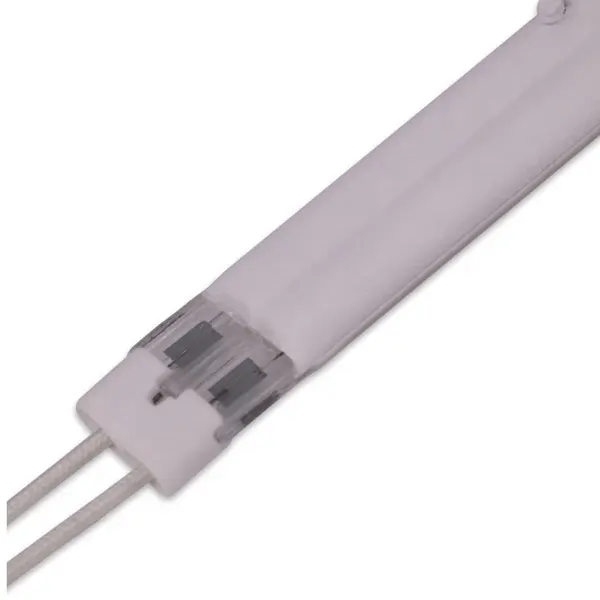
Twin Tube Series
Factory-direct configurations engineered for analytical instrumentation, high-speed PET blow molding, industrial curing ovens, and semiconductor thermal processing.
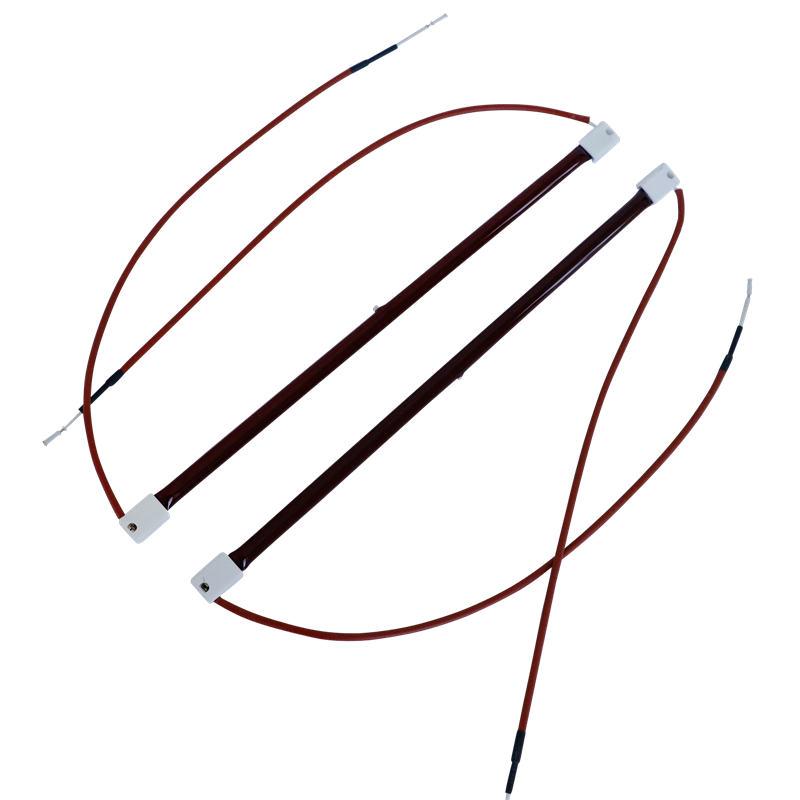
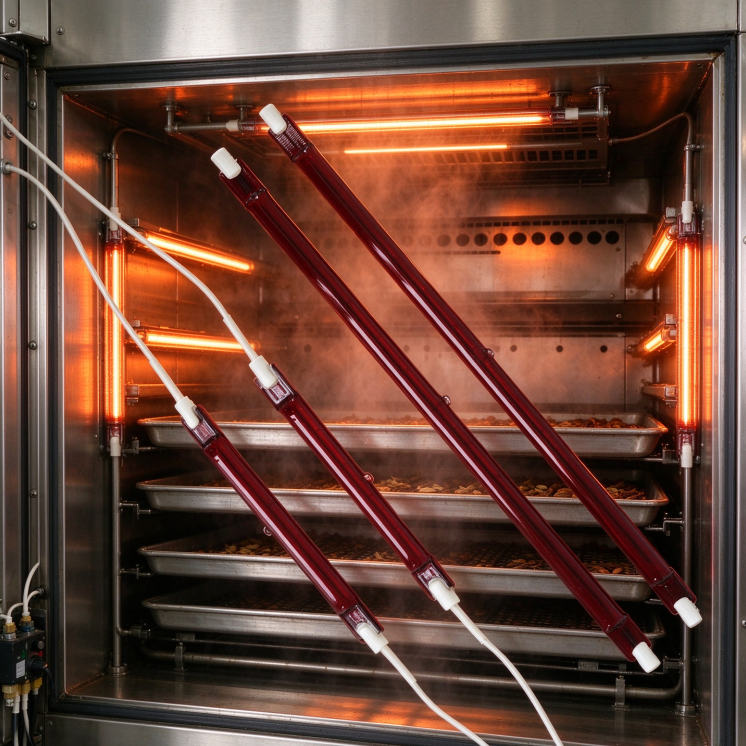
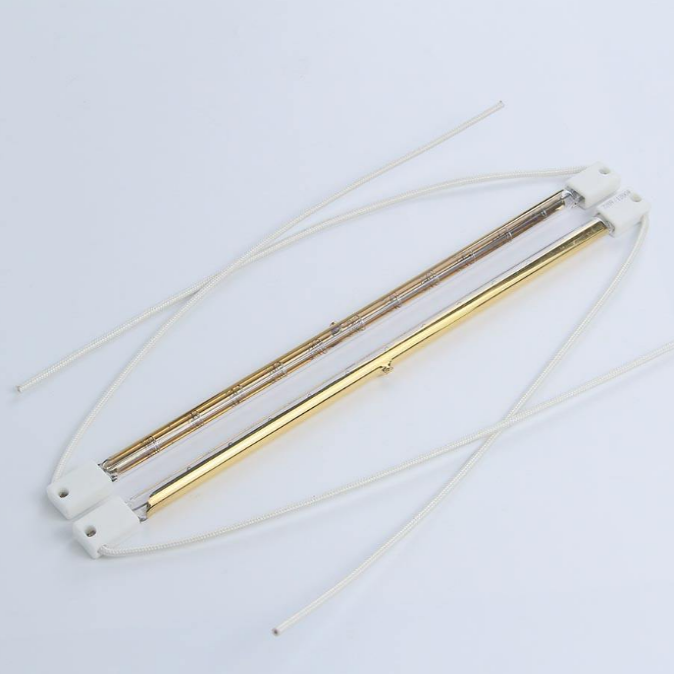
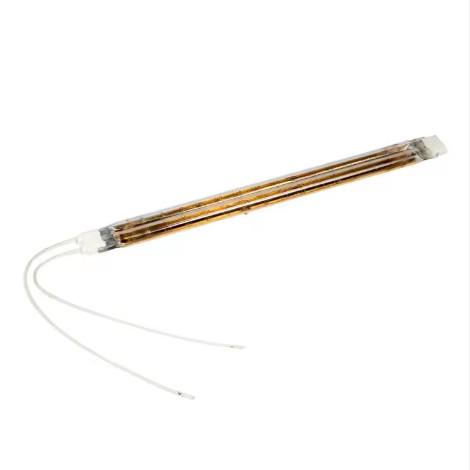
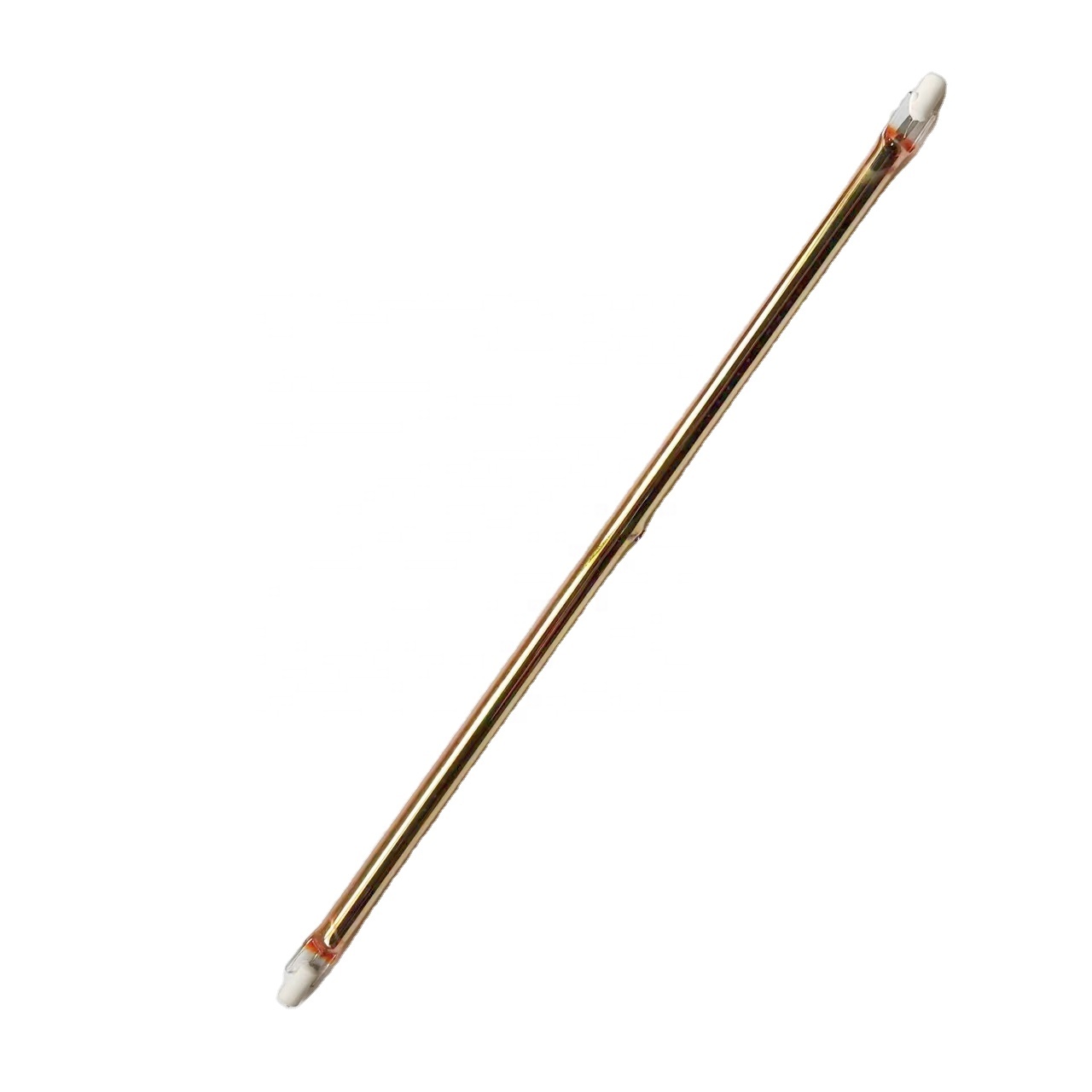
In high-precision analytical sciences, optical fiber communications, chromatography, and high-temperature thermal engineering, fused silica quartz capillary tubing and micro-bore quartz components represent the pinnacle of dimensional precision and material purity. Capillary quartz channels, characterized by internal bore diameters ranging from sub-micrometer dimensions up to several millimeters, require extreme uniformity in concentricity, ovality, and wall thickness. Leading international manufacturers distinguish themselves by their mastery of ultra-high purity gas-phase synthetic silica (VAD/CVD) and thermal drawing processes utilizing vertical drawing towers with automated laser micrometer feedback control.
The global quartz capillary manufacturing ecosystem is characterized by specialized regional clusters. Leading producers in Germany, the United States, and Japan have historically dominated specialized analytical capillary columns for gas chromatography (GC) and capillary electrophoresis (CE). Concurrently, premier integrated manufacturers based in Donghai, Lianyungang (China)—the world's most dense high-purity natural silica mineral and vitreous silica processing basin—have achieved global leadership in precision OEM redraw processing, mass production of industrial capillary sleeves, customized multi-bore capillary arrays, and rapid integration with advanced emitter hardware. These tier-one exporters deliver an optimal convergence of raw mineral purity, tight dimensional tolerance (±0.002 mm), zero-defect thermal annealing, and scalable pricing structures for international procurement divisions.
Engineers evaluate quartz capillary suppliers based on crystallographic homogeneity, trace hydroxyl (OH-) content, and resistance to devitrification under severe operational dynamics. Vitreous silica maintains a virtually zero coefficient of thermal expansion (5.5 × 10⁻⁷ /K), conferring unmatched thermal shock resilience: a quartz capillary heated to 1,100°C can be immediately quenched into iced water without catastrophic mechanical structural fracture.
| Physical / Chemical Property | Standard Fused Quartz | Synthetic Fused Silica | Engineering Implication |
|---|---|---|---|
| Silica Purity (SiO2 Content) | ≥ 99.99% | ≥ 99.9999% | Eliminates analyte adsorption; prevents metal trace contamination. |
| Hydroxyl (OH-) Concentration | < 5 - 20 ppm | < 1 ppm (Dry) / 1200 ppm (Wet) | Determines transmission cutoff in UV (<200nm) and NIR (2.73μm). |
| Softening Point | 1,683 °C | 1,730 °C | Ensures structural rigidity during severe heating lamp processing. |
| Thermal Shock Resistance | ΔT > 1,000 °C Rapid Cycle | ΔT > 1,100 °C Rapid Cycle | Zero fracture risk under millisecond pulsed infrared duty cycles. |
| Dielectric Strength (20°C) | 25 - 40 kV/mm | > 40 kV/mm | Exceptional insulation for electrophoresis and high-voltage sensors. |
Procurement directors and mechanical systems integrators in Europe, North America, and East Asia are shifting their supply chain frameworks from transactional, spot-market sourcing toward long-term technological partnerships. Three key trends define modern procurement decisions:
The manufacturing technologies driving high-end quartz capillary fabrication are progressing through rapid technological advancements:
Precision Laser Drawing & Direct Micro-Machining: Traditional oxy-hydrogen torch thermal drawing is being augmented by stabilized CO2 laser furnace drawing systems. Laser heating ensures an exceptionally uniform circumferential temperature field, eliminating asymmetric thermal convection and keeping wall thickness concentricity within 0.5% of total diameter. Simultaneously, ultrafast femtosecond lasers allow crack-free drilling of micro-holes, channel micro-grooving, and selective surface functionalization on capillary walls without producing micro-fractures.
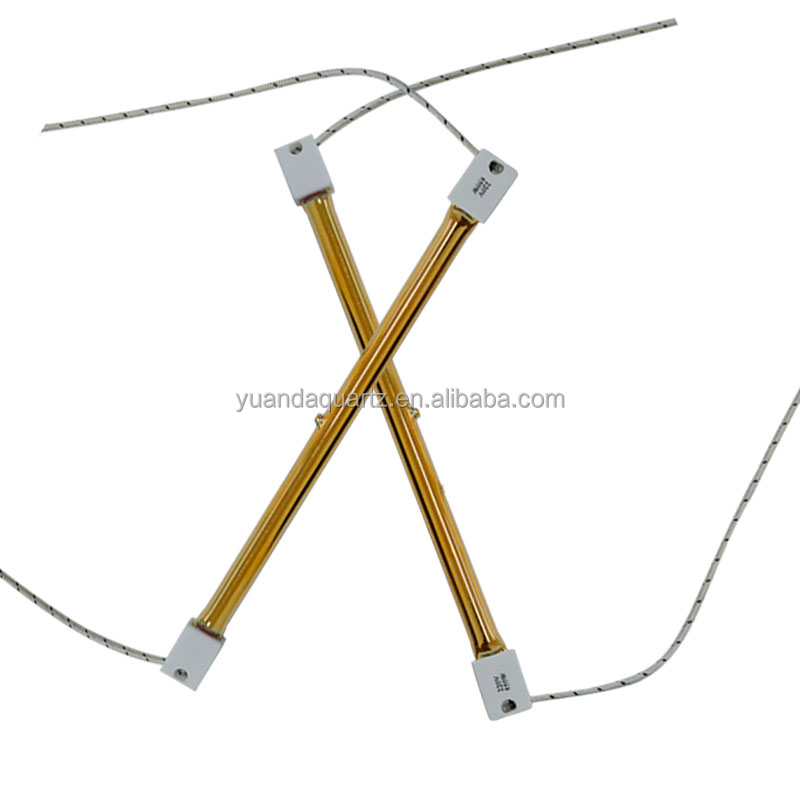
Advanced Thin-Film Reflector Deposition: In emitter and thermal envelope applications, modern quartz capillaries utilize magnetron sputtering or direct pyrolytic ceramic fusion to apply half-gold or opaque ceramic white reflectors. Direct-deposited gold reflectors direct up to 95% of infrared radiation onto the target workpiece, reducing rearward thermal loss and optimizing energy efficiency in cleanrooms and vacuum environments.
Our engineering team in Lianyungang designs custom internal diameters, wall configurations, selective coatings, and specialized capillary fittings to match your exact CAD files.
Operating from Lianyungang, China—the epicenter of high-purity silica glass technology—since 2014, Kavri Quartz pairs raw material vertical integration with advanced glass processing expertise.
Direct supply partnerships in Lianyungang provide uninterrupted access to top-tier fused silica mineral resources. This geographical proximity cuts raw material lead times and stabilizes bill-of-materials costs against global market fluctuations.
With 3 dedicated lines, we produce custom prototype runs in 5 to 7 days. Full production orders scale smoothly up to hundreds of thousands of units with end-to-end batch tracking.
Every delivery batch undergoes 100% optical dimensional inspection, wall thickness concentricity checks, filament alignment verification, and high-temperature vacuum leak-integrity testing.
Over a decade of turnkey OEM support. We manufacture directly from your engineering CAD drawings or physical samples, including custom base fittings, customer logos, barcodes, and shock-resistant export crates.
Exporting 81%–90% of total production to Germany, the Netherlands, the United States, Japan, Korea, and Latin America. We support FOB, CFR, CIF, EXW, and door-to-door DDP air and sea shipping.
Our technical team responds with commercial quotes, drawing confirmations, or manufacturing feasibility assessments within 4 hours during business operations, keeping your project timelines on track.
Technical clarifications, tolerance standards, and logistics guidance for international sourcing and supply chain teams.
For specialized fluidic, chromatographic, and sensor assemblies, we achieve bore tolerances of ±0.002 mm (±2 μm) with laser drawing towers. Standard industrial capillary envelopes generally hold ±0.05 mm to ±0.02 mm depending on outer diameter and wall thickness.
We use a triple-layer protective system: high-density cushioning sleeves, shock-absorbing cellular foam separators, moisture barrier wraps, and heavy-duty reinforced wooden export crates. This keeps transit breakage well below 0.1% across thousands of international shipments.
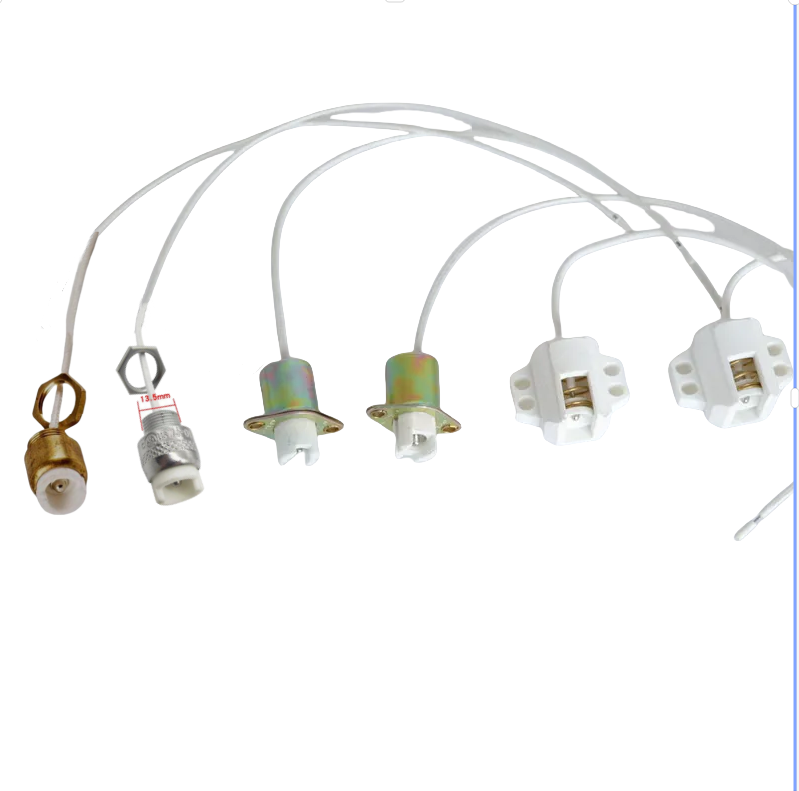
Please provide internal diameter (ID), outer diameter (OD), total length, cut end finish (flame-polished, flat ground, or bevel cut), application temperature profile, and estimated batch volumes. For infrared heating lamps, specify rated voltage, wattage, heated length, and base termination type (e.g., R7S, leads).
Standard items start from just 8 to 10 pieces to support evaluation and maintenance spares. Fully customized redraw runs or tailored OEM profiles are quoted after engineering review, maintaining accessible trial minimums for new qualifications.
Yes. We apply pyrolytic ceramic white reflective backings or high-purity gold reflective coatings along specified tube lengths. These coatings direct up to 95% of thermal energy toward your product while keeping base temperatures low.
Yes. In addition to high-power heating elements and capillary tubes, our workshop produces 32 μL biochemistry flow cells, fluorometer cuvettes, combustion boats, test tubes, and customized analytical glassware built to custom micro-tolerances.
Submit your specifications, CAD drawings, or reference part numbers for an expedited feasibility assessment and transparent factory quotation.