99.99%
SiO2 Purity Rating
1100°C
Continuous Working Temp
10+ Yrs
OEM/ODM Tooling Mastery
≤ 4h
Rapid Technical Turnaround
Precision Thermal Catalog
Factory Precision-Engineered Process Emitters & Envelopes
Explore our standardized and custom-engineered quartz components, manufactured with optical-grade fused silica to survive extreme thermal shocks, aggressive vacuum envelopes, and sustained mechanical loads.
Engineering Authority
Material Science & Comprehensive Product Selection Strategy
In thermal processing environments, process tube stability is determined by crystal phase purity, hydroxyl radical (OH-) concentrations, and structural envelope geometry. We break down the exact parameters driving industrial performance.
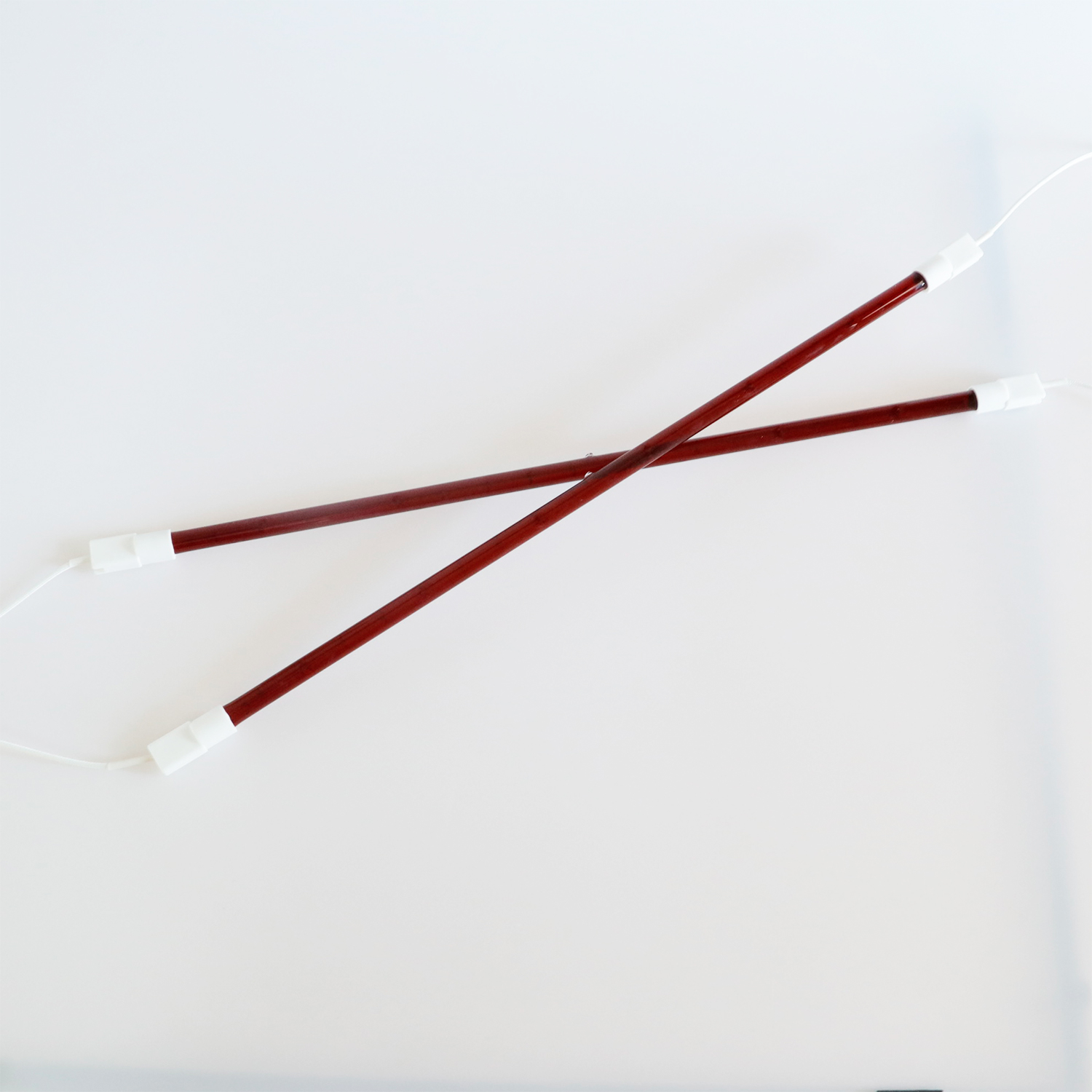
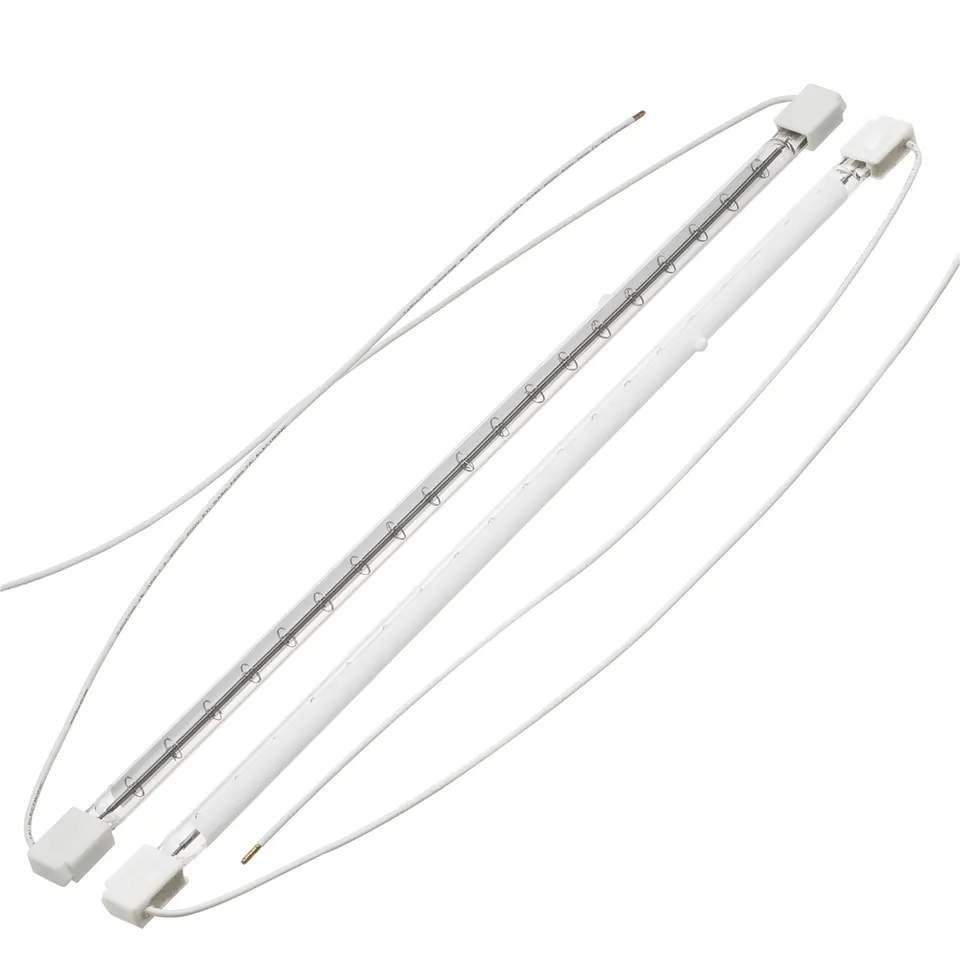
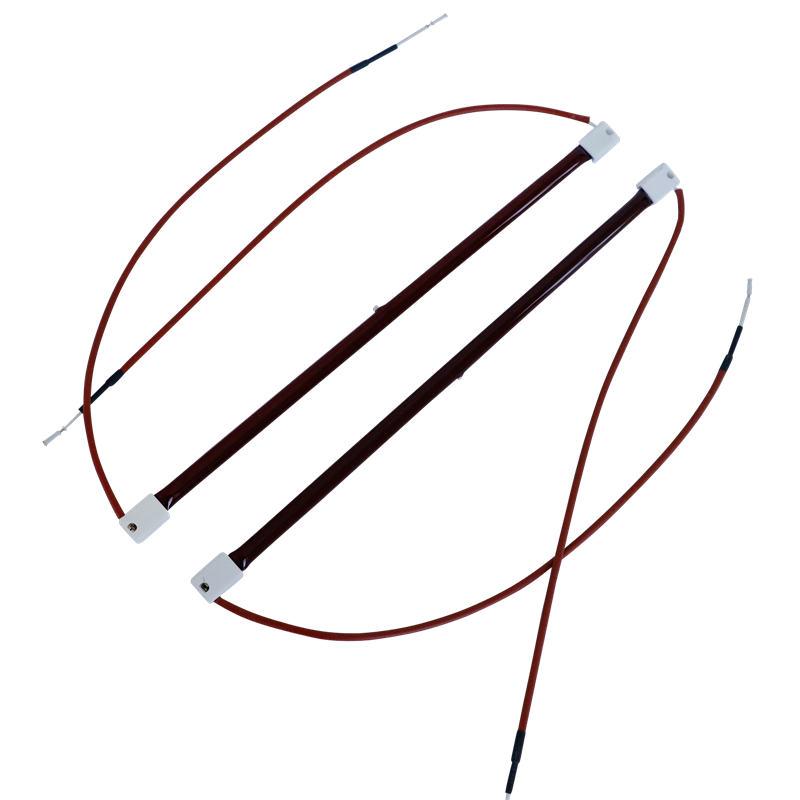
Short-Wave Halogen Process Envelopes
Fabricated for rapid thermal processing (RTP) and high-speed dynamic lines where heating response needs to occur in under 1 second.
- Peak Emission: 1.0 – 1.2 µm Near-IR spectrum
- Thermal Resistance: Low wall strain down to 10⁻⁷/K thermal expansion
- Optimal Scenarios: High-speed PET preform blowing, coil coating flash-off, and automotive body curing ovens
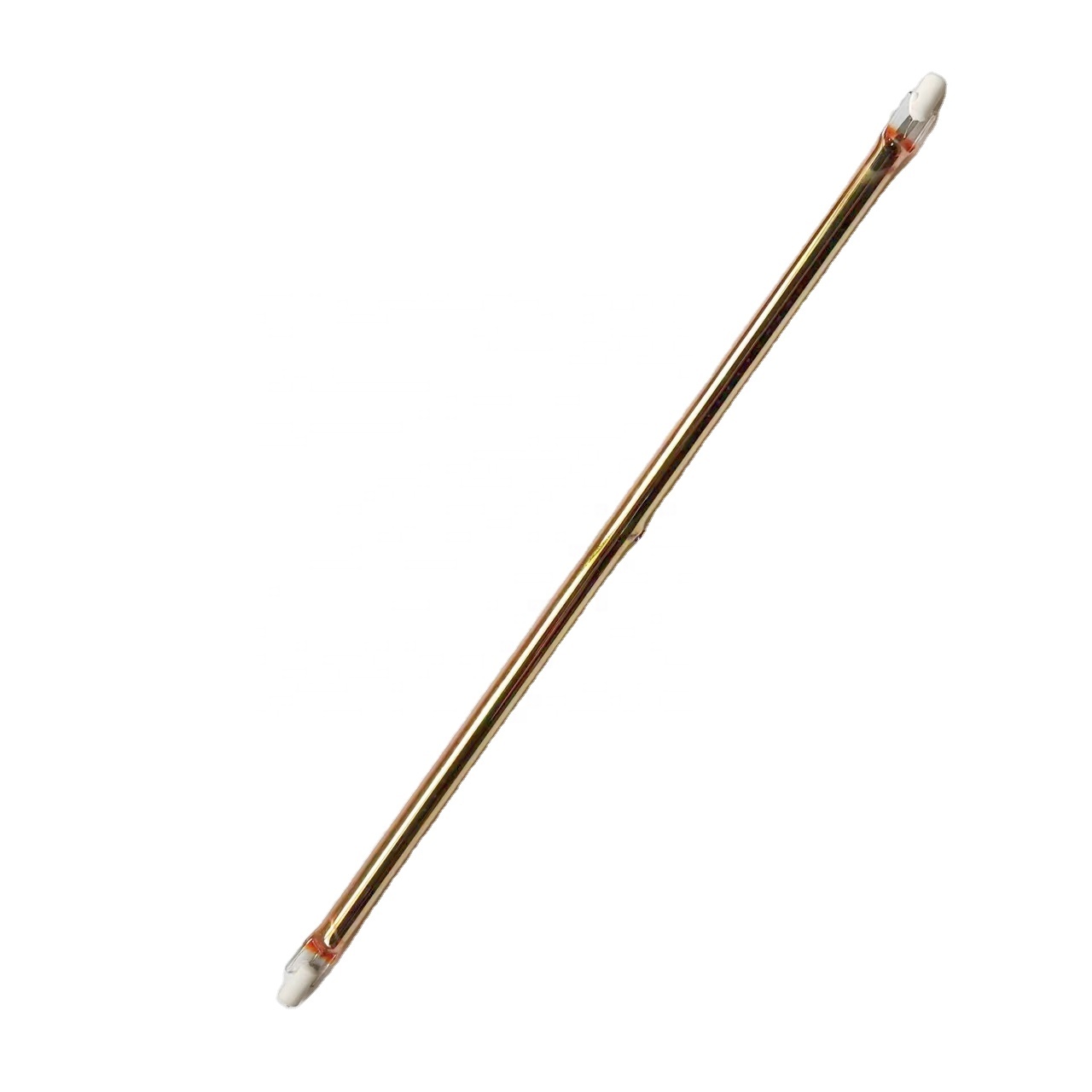
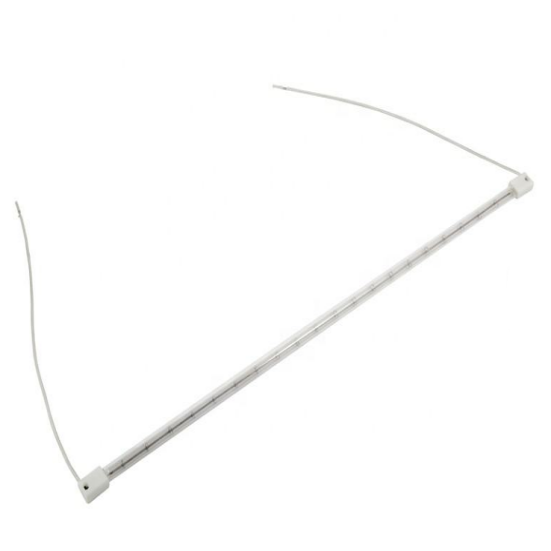
- Reflector Integration: Direct fused ceramic white or high-vacuum vaporized gold back-coatings
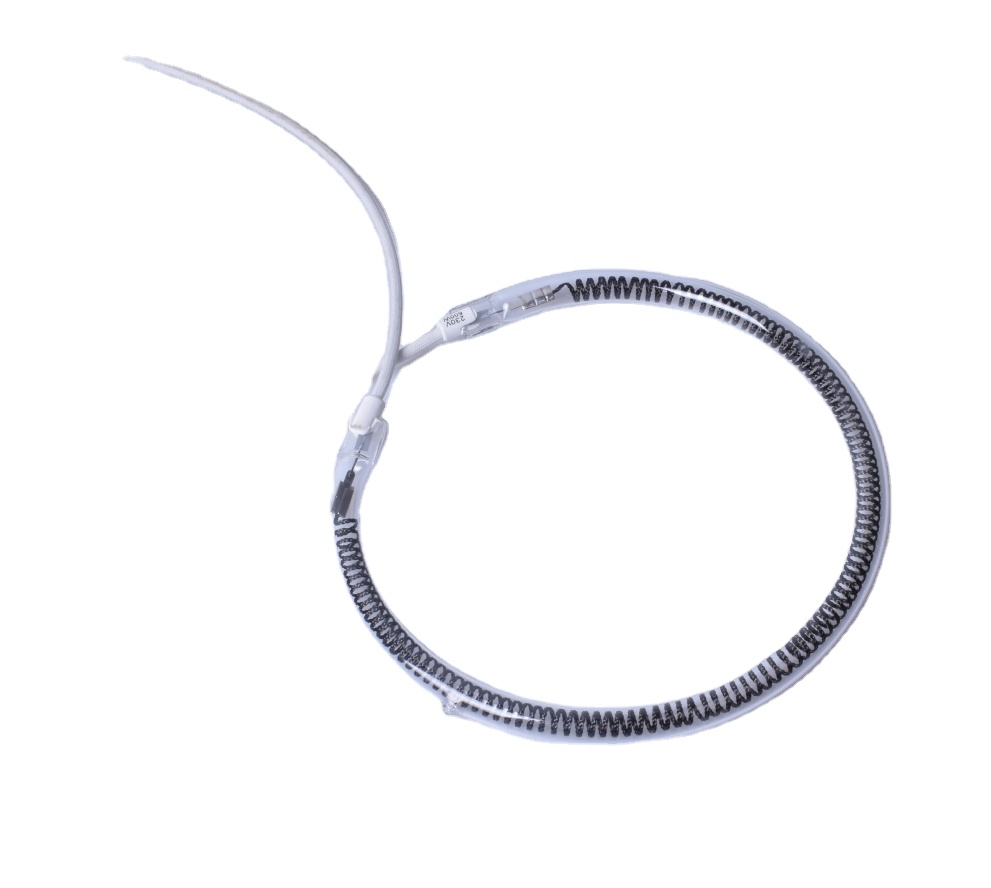
Medium-Wave Carbon Fiber Emitters
Configured using high-density braided carbon ribbons contained in low-hydroxyl quartz sleeves for sensitive chemical layers.
- Peak Emission: ~2.0 – 2.5 µm optimized molecular matching
- Absorption Efficiency: High efficiency for aqueous finishes, polymer chains, and organic compounds
- Longevity Metrics: > 8,000 to 10,000 continuous operation hours
- Structural Profiles: Circular, single-tube, and twin-tube continuous cross sections
High-Purity Diffusion & Furnace Tubes
Heavy-duty fused silica process tubes constructed for cleanroom semiconductor diffusion, chemical vapor deposition (CVD), and metallurgical sintering.
- SiO2 Purity Level: > 99.995%, negligible trace metal contamination (Fe ≤ 0.2 ppm)
- Maximum Softening Point: Up to 1680°C, continuous service at 1100°C
- Bore Uniformity: Tight tolerance control (±0.15mm OD/ID tolerance)
- End-Effector Customization: Flanged ends, ground joints, spiral cooling jackets
| Quartz Tube Series | SiO2 Content | Max Working Temp | Primary Industrial Vector | Structural Advantages |
|---|---|---|---|---|
| Semiconductor Process Tubes | ≥ 99.998% | 1150°C (Continuous) / 1450°C (Peak) | LPCVD, Oxidation, Wafer Annealing | Ultra-low OH levels (< 5 ppm), Zero devitrification nucleation points |
| Halogen Heating Envelopes | ≥ 99.95% | 950°C - 1100°C | PET Bottle Lines, Automotive Primer Drying | Extreme internal pressure containment, withstands cyclic heating spikes |
| Carbon Ribbon Tubes | ≥ 99.95% | 900°C - 1050°C | Textile Processing, Powder Coating, Thermoforming | Matches spectral absorption bands of polymers to eliminate thermal hot spots |
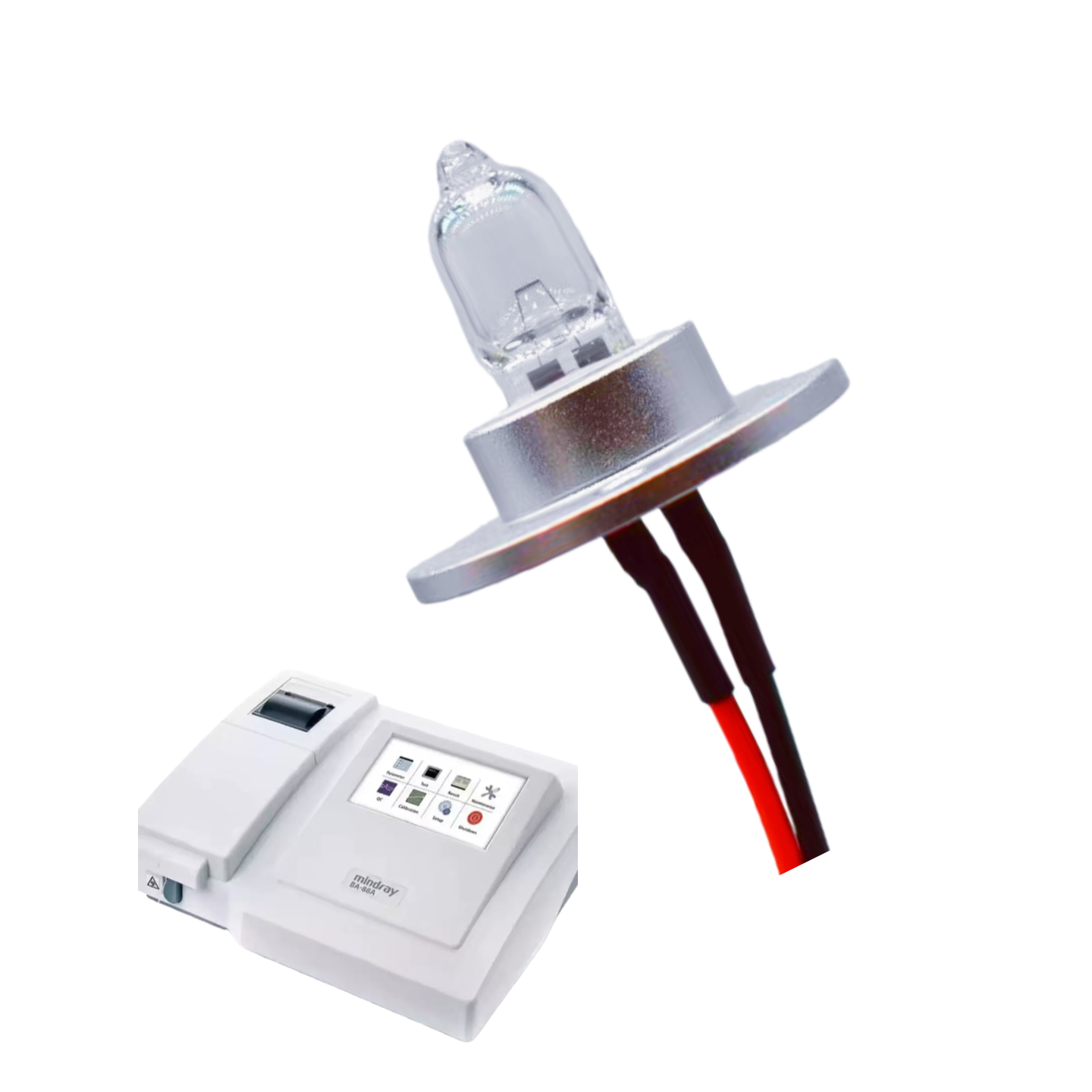
| Laboratory Analytical Quartzware | ≥ 99.99% | 1050°C | Spectroscopy, Flow Cells, Biochemical Analyzers | Broadband optical transmission (190 nm to 3500 nm UV-VIS-IR) |
Forward Analysis
Global Procurement Trends & Next-Gen Quartz Technology
Procurement directors and system architects are experiencing massive shifts in performance standards. As microelectronics, renewable photovoltaics, and battery drying infrastructure expand, OEM tube specifications have shifted from basic glass blowing to rigorous metallurgical physics.
Procurement Trends Driving 2025–2030 Contracts
International procurement frameworks are moving toward end-to-end trace elements reporting and precision life-cycle tracking. Buyers no longer evaluate suppliers solely on piece-part costs:
- Trace Element Fingerprinting: Demand for ICP-MS (Inductively Coupled Plasma Mass Spectrometry) testing sheets validating trace levels of alkali metals (Li, Na, K) below 1 ppm to eliminate wafer contamination.
- Direct-to-Assembly OEM Sourcing: Industrial equipment builders are bypassing middlemen to procure ready-to-mount assemblies—combining quartz process tubes with precision ceramic terminals, leads, and custom reflective coatings.
- Carbon Neutrality & Thermal Efficiency: Moving from convective ovens to directional infrared heating tubes reduces plant power consumption by up to 42%, directly lowering scope 2 manufacturing emissions.
Technological Evolution: Advanced Quartz Doping & Surface Treatment
Material research into high-purity silica is unlocking higher mechanical thresholds and custom optical filtering capabilities:
- Ozone-Free Doped Silica Envelopes: Titanium-doped fused silica tubes eliminate ozone generation (< 240 nm band cutoff) in high-intensity UV curing, protecting line personnel and avoiding secondary ventilation costs.
- Synthetic Fused Silica for Deep UV/Semiconductor: Fabricated via silicon tetrachloride (SiCl4) chemical vapor deposition, reaching optical transmission through 160 nm with virtually undetectable metallic impurities.
- Robotic Flame-Polishing & Dynamic Dimensional Measurement: Transitioning from manual glassblowing to automated CNC lathe processing reduces wall-thickness variation down to within ±0.05 mm on diameter scales up to 400 mm.
The Kavri Advantage
Integrated Manufacturing Infrastructure in Donghai / Lianyungang
Kavri Quartz Product Co., Ltd. sits at the heart of China's premier silica basin. We leverage direct mineral access, automated hot-working fabrication, and advanced metallurgical validation to power critical thermal applications worldwide.
Direct Cluster Supply Chain
Located in Lianyungang, Jiangsu, adjacent to the famous Donghai quartz corridor. We enjoy uncompromised access to high-purity crystal ore, reducing base raw material supply lead-times and insulating our partners from market price swings.
Our dedicated facility operates three high-output automated production lines with multi-shift flexibility for quick delivery.
Full OEM/ODM Customization Scope
We do not lock partners into static part libraries. We build lamps, reactor jackets, and tubes to custom drawings, physical samples, or application parameters:
- Custom overall length, heated length, and internal filament pitch
- Custom quartz profiles: Twin-tube (11x23mm, 15x33mm), round, half-round, omega, circular
- Reflector options: High-purity sintered white ceramic or 24K vacuum gold coating
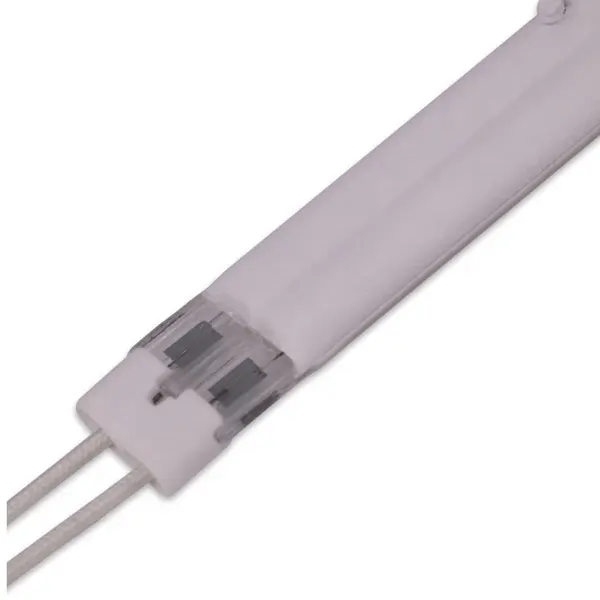
- Lead wire configurations, bespoke ceramic caps, quick-connect terminals, and customer branding
Certified Export & Quality Control
Onsite-verified by Alibaba.com and international auditing bodies. Over 80% to 90% of our production volume ships directly to tier-1 OEMs and distributors across Germany, the Netherlands, Japan, Korea, and North America.
Every shipment undergoes multi-point optical profiling, polariscope stress tests, pinhole leak evaluations, and electrical parameter burns before export packaging.
Procurement Direct Answers
Frequently Asked Questions: Technical & Logistics Procurement
Straightforward technical answers for purchasing agents, procurement managers, and mechanical system engineers.
Q1: What exact mechanical parameters must be specified for custom quartz tubes?
To deliver an accurate quote and custom tooling plan, please submit Outer Diameter (OD), Inner Diameter (ID) or wall thickness, overall cut length, end finishing (fire polished, ground flat, or flanged), operating atmospheric pressures, and continuous operating temperature. If the tube acts as an emitter envelope, clarify voltage, total wattage, cold-end length, and lead terminations.
Q2: How do you prevent devitrification (thermal crystallisation) at sustained 1000°C+ loads?
Devitrification typically originates from surface contamination (dust, fingerprints, alkali salts like Na and K) acting as nucleation seeds for cristobalite crystalline transition. Our tubes undergo strict high-temperature de-hydroxyl baking and continuous chemical pickling (acid-wash stages). We advise cleanroom-compatible unpacking and alcohol wiping prior to initial ramp-up.
Q3: Ceramic White Reflector vs. Vacuum Gold Coating: Which is ideal for our process?
Vacuum gold coatings yield maximum infrared reflectivity (~95% in the IR band), directing heat forward and dropping rear temperature. However, gold layers degrade if the tube wall exceeds ~600°C–800°C. Sintered ceramic white reflectors deliver ~85–90% directional reflection, can survive up to 1000°C continuously, and are the standard for high-temperature ovens and compact PET blow molding arrays.
Q4: What is your factory's Minimum Order Quantity (MOQ) and sample lead time?
For standard tube sizes and common emitter specifications, our minimum order quantity starts as low as 8 to 10 units to support replacement maintenance and R&D proof-of-concept testing. Custom tooling and prototype samples are typically fabricated within 7 to 12 working days, followed by swift mass manufacturing backed by our three active assembly lines.
Q5: How do you package fragile long-format quartz products to ensure zero transit breakage?
We employ specialized, export-proven crating techniques. Individual tubes or lamps are encased in high-density customized Pearl Cotton (EPE) shock-absorbent sleeves, isolated inside heavy-wall internal boxes, and secured inside export-grade fumigated wooden crates or steel-banded pallets. Our international breakage rate remains below 0.3% over hundreds of sea and air freight dispatches.
Q6: Can you fabricate integrated laboratory quartz instruments and cuvettes?
Yes. In addition to high-load heating elements, our skilled flame-working and optical-polishing technicians produce clinical biochemistry flow cells (such as 32 µL micro-flow cells compatible with Mindray BA-88A analyzers), fused quartz crucibles, combustion boats, spiral distillation columns, and flat multi-layer optical plates with flawless transmission across UV-VIS-IR wavelengths.
Ready to Precision-Engineer Your Thermal Process Tubes?
Submit your custom technical drawings, machine nameplate specifications, or dimensional envelope targets. Our engineering teams review technical files and reply within 4 hours on working days.