Precision OEM Quartz Sleeves & Infrared Quartz Tubes
Explore our factory-engineered standard and custom fused silica sleeves, twin-tube configurations, and gold-reflector infrared processing solutions directly sourced from our Lianyungang manufacturing facility.
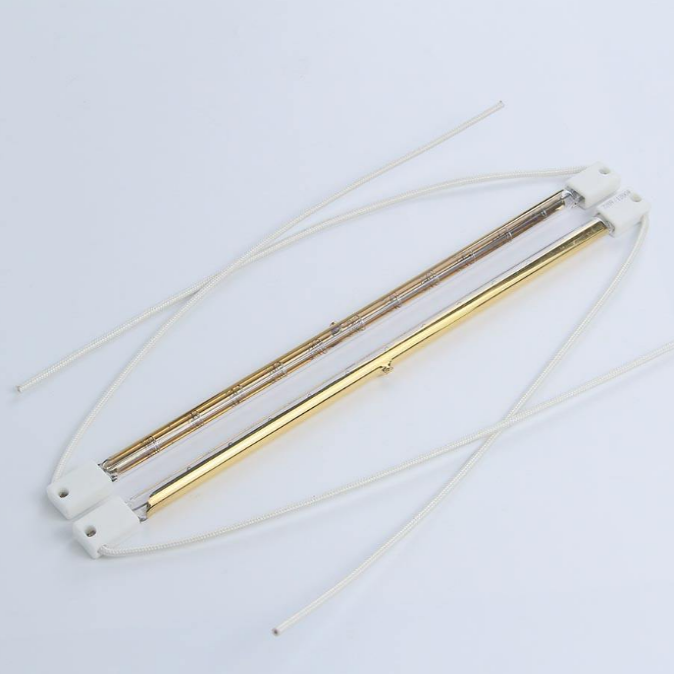
Halogen 220V 1000W Half Gold Coated Infrared Heat Lamp
- 220V / 1000W
- Fused Quartz Sleeve
- 90% Directional IR
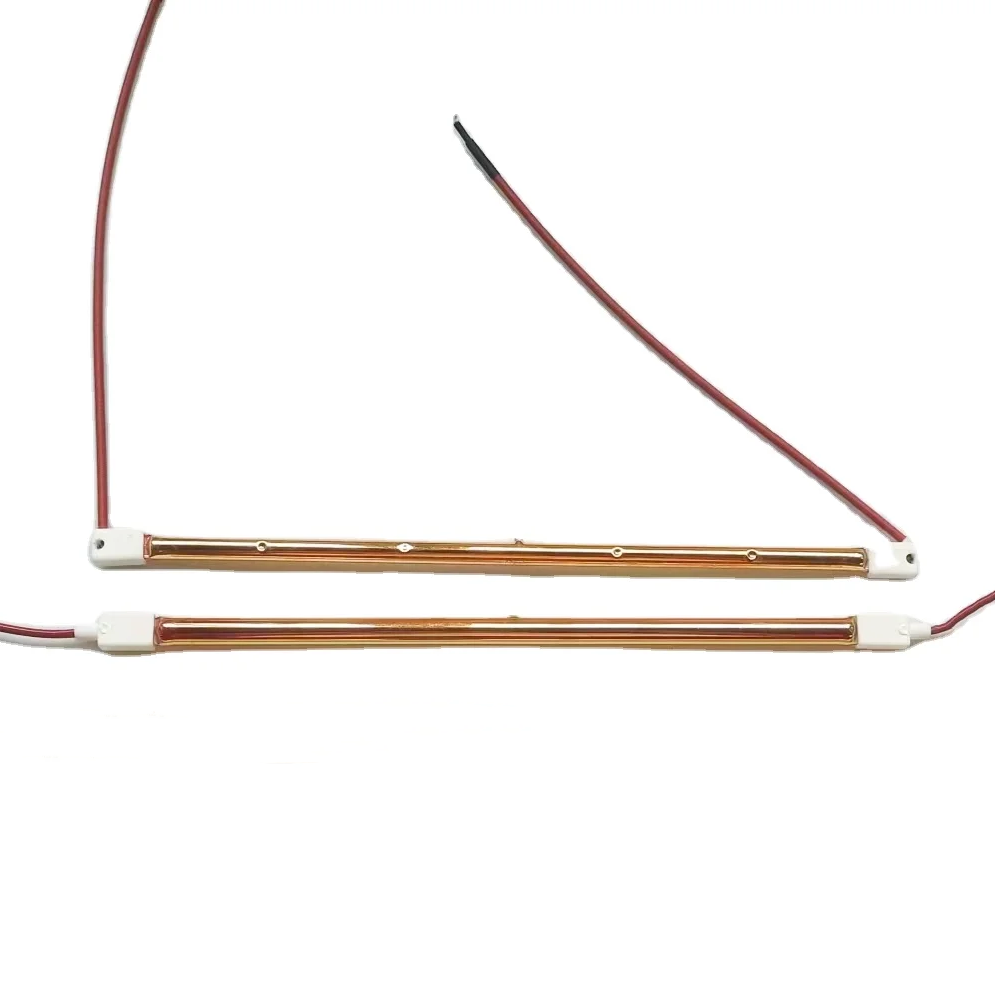
Direct Sells Industry Gold Coated Infrared Heating Lamp
- Short Wave
- Pure Quartz Tube
- Gold Plated
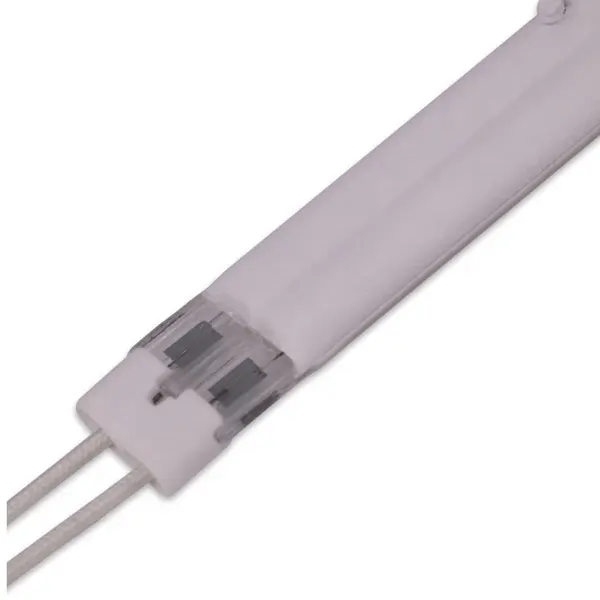
Low Prices Twin Tube Halogen IR Heating Lamp for Curing
- Twin Tube Profile
- 11x23 / 15x33mm
- Paint Drying
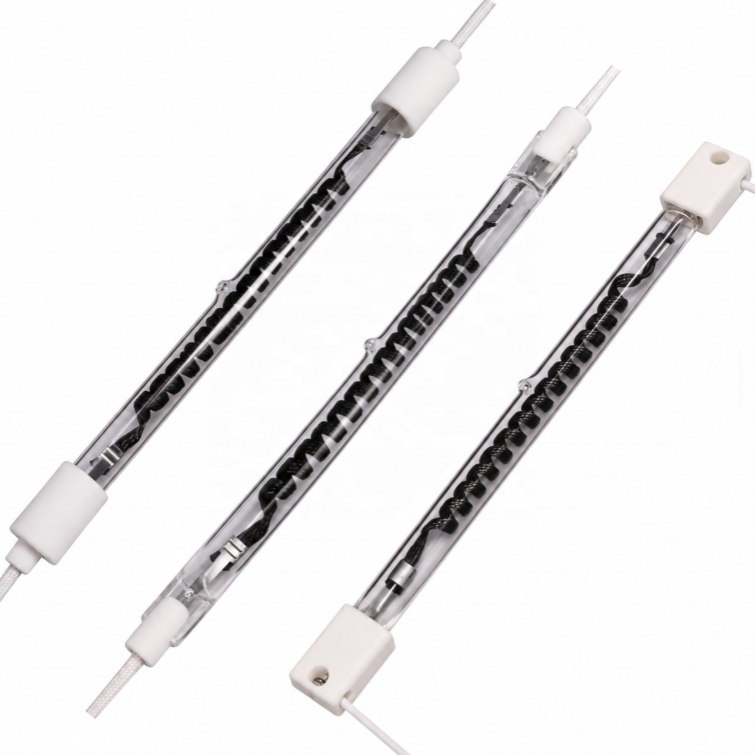
Carbon Fiber Medium Wave Clear IR Heat Lamp for Machines
- Medium Wave ~2.0µm
- Clear Silica Sleeve
- Rapid Response
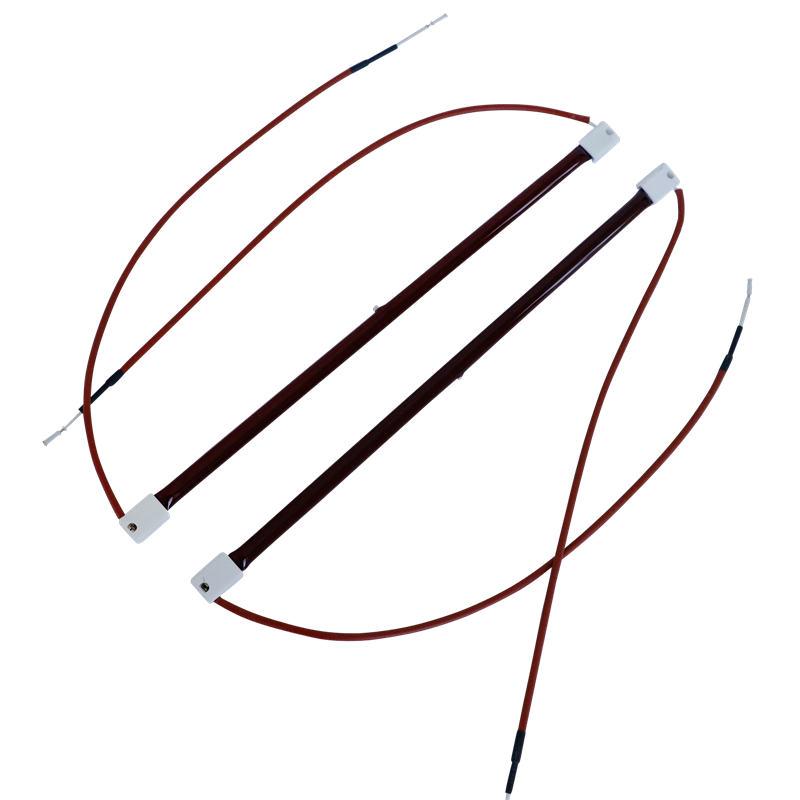
500W 220V High Quality Ruby Infrared Heating Lamp
- Ruby Doped Quartz
- Anti-Glare
- Thermal Uniformity
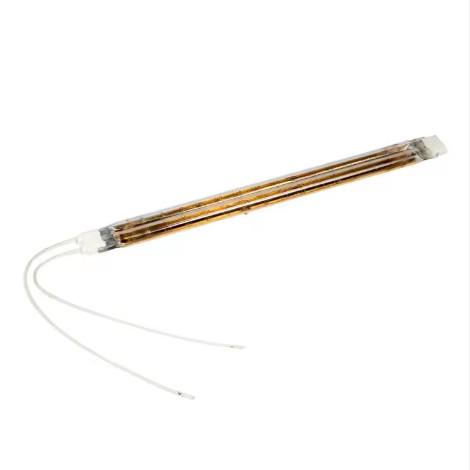
Halogen Double Tube Half Gold IR Lamp for Blow Molding
- Dual Channel Quartz
- Heavy-Duty Wall
- PET Preforms
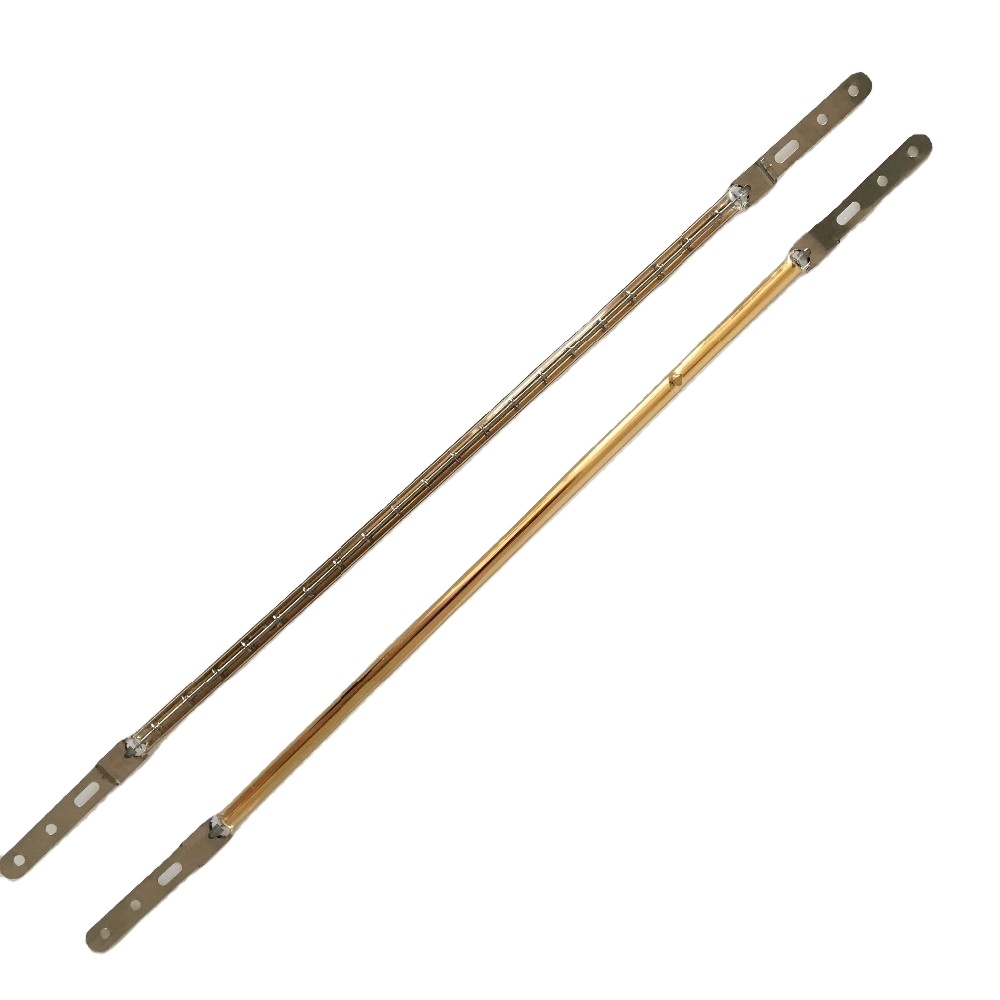
Halogen Quartz Half Gold IR Lamps for Flash Dryers
- Gold Back-Coated
- Textile Printing
- Zero Thermal Lag
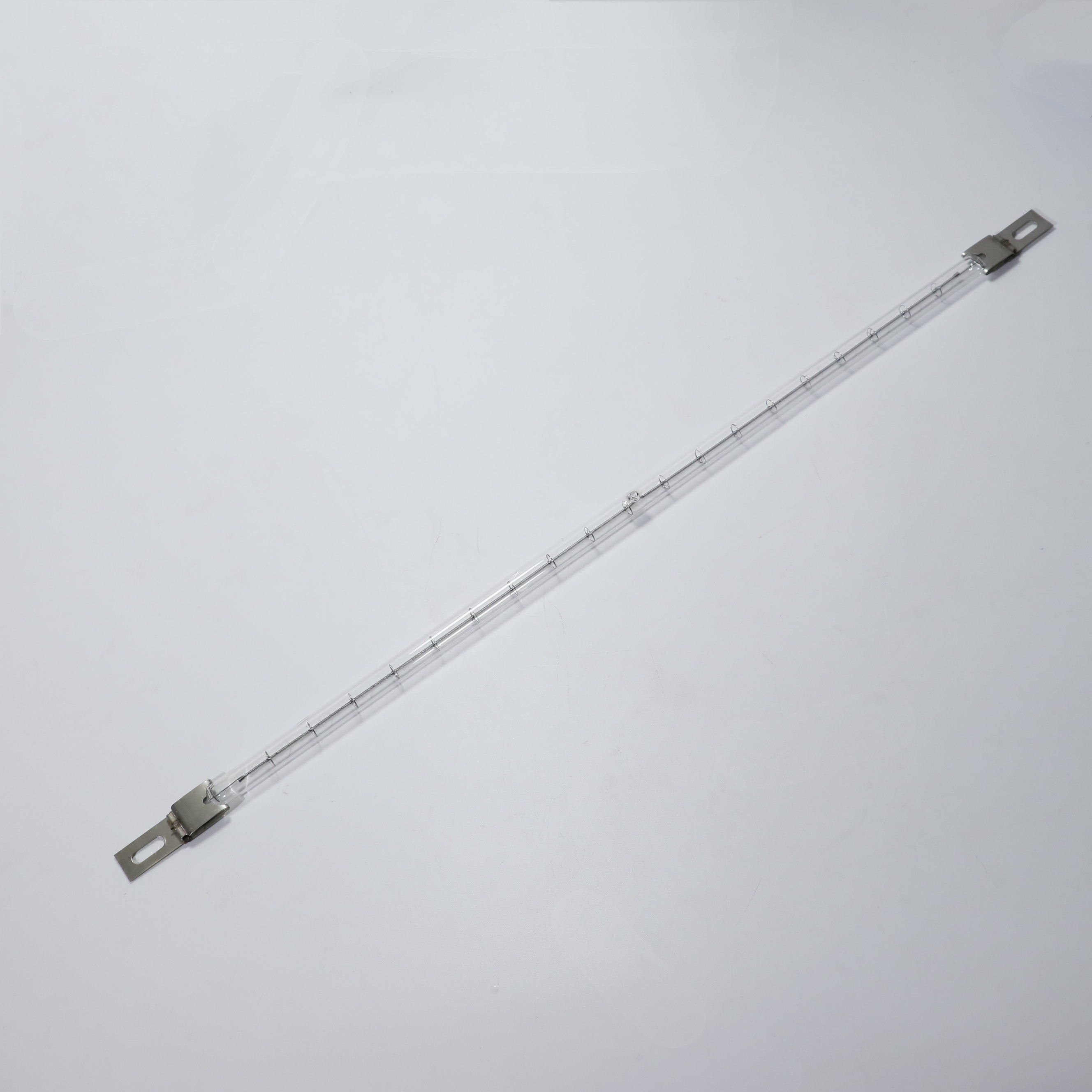
Best Selling 220V 1000W Quartz IR Lamp for Industry
- High-Temp Fused Silica
- Custom Terminals
- 1100°C Resistant
High-Purity Quartz Sleeves: Material Physics & Critical OEM Parameters
A comprehensive engineering guide for thermal system architects, UV reactor designers, and industrial procurement executives navigating fused silica specifications.
Industrial quartz sleeves represent the premier structural and optical containment barrier across high-temperature thermal processing, photochemical disinfection, semiconductor manufacture, and water treatment systems. Manufactured by fusing high-purity natural quartz crystals (predominantly silicon dioxide, SiO₂) at temperatures exceeding 2000°C, a genuine OEM quartz sleeve delivers physical, chemical, and optical characteristics unmatched by borosilicate glass, sapphire, or conventional engineered ceramics.
In thermal radiative heating applications—such as tungsten halogen infrared emitters, twin-tube drying fixtures, and carbon fiber curing arrays—the quartz sleeve acts as both a protective vacuum-tight pressure vessel and a precision optical filter. It preserves the integrity of internal filaments, isolates elements from corrosive ambient fumes, withstands dramatic thermal shock (from 1100°C down to ambient water quench without micro-fracturing), and transmits up to 92% of peak spectral irradiance across near-to-mid infrared or germicidal UV-C wavelengths.
Engineering Core Insight: Hydroxyl (OH⁻) content governs high-temperature viscosity and mid-infrared absorption. For UV disinfection and short-wave IR, low-OH fused quartz (< 5 ppm) eliminates detrimental water absorption bands at 2.72 µm and maintains structural geometry up to its softening point at 1683°C.
Critical Material Properties of Fused Silica Quartz Sleeves
When engineering an OEM quartz sleeve for high-demand industrial systems, material purity, linear thermal expansion, dielectric strength, and wall uniformity directly dictate mean time between failures (MTBF). The technical metrics detailed below represent our baseline production tolerances at Kavri Quartz:
| Physical & Thermal Property | Standard Engineering Metric | Fused Quartz Performance Baseline | Operational Impact on OEM Equipment |
|---|---|---|---|
| Silica Purity (SiO₂ Content) | Weight Percentage (%) | ≥ 99.99% (Low trace metals: Fe < 1.5 ppm, Al < 14 ppm) | Prevents high-temperature devitrification, minimizes solarization, and eliminates thermal runaway. |
| Coefficient of Thermal Expansion (CTE) | 10⁻⁷ / K (20°C to 320°C) | 5.5 × 10⁻⁷ / K | Near-zero expansion provides extreme resistance to rapid thermal shocks (ΔT > 1000°C instantaneous quenching). |
| Continuous Working Temperature | Degrees Celsius (°C) | 1100°C (Short peak exposure up to 1450°C) | Allows uninterrupted continuous operation inside heavy-duty industrial furnaces, PET ovens, and drying tunnels. |
| UV-C / IR Spectral Transmittance | Percentage @ 254 nm / 1.0–2.5 µm | ≥ 89% @ 254 nm (UV-C) | ≥ 92% @ 1000–2200 nm | Maximizes photochemical inactivation of pathogens and delivers ultra-fast thermal radiative flux to process substrates. |
| Dielectric Strength | kV / mm (@ 20°C, 1 MHz) | 25 – 40 kV/mm | Provides superior electrical isolation for high-voltage spark ignitions and high-wattage heater terminations. |
| Hydroxyl (OH⁻) Ion Concentration | Parts Per Million (PPM) | Standard: < 20 ppm | Dry Grade: < 5 ppm | Guarantees dimensional stability under heavy mechanical loads at elevated temperatures without sagging. |
Beyond raw quartz purity, structural failure in quartz sleeves rarely stems from tensile stress alone; it occurs at mechanical transition points—specifically cut edges, end closures, or mounting flanges. At Kavri Quartz, every raw cut quartz tube undergoes precision flame-polishing, ultrasonic micro-particle bath cleaning, and optical polariscope stress inspection to ensure zero micro-fissures or residual wall stress before dispatch.
Future Procurement Trends in Industrial Quartz Sleeves (2025–2030)
How progressive supply chain directors, machine OEMs, and EPC contractors are restructuring quartz tube and sleeve purchasing to derisk lead times and lower total cost of ownership (TCO).
Transition to Direct-from-Source Quartz Clusters
Procurement departments are bypassing intermediate Western resellers and sourcing directly from premier manufacturing clusters like Lianyungang (Donghai), China. Direct factory engagement slashes component acquisition expenditures by 35% to 55% while granting engineering direct access to master glassblowers and raw ingot feedstock supplies.
Stringent Geometric Tolerance Audits
Automated high-speed packaging machinery, semiconductor wafter processing, and high-pressure UV reactors mandate outer diameter (OD) and wall thickness tolerances within ±0.05 mm. Modern procurement agreements now enforce statistical process control (Cpk ≥ 1.33) data and laser-micrometer runout certification with each production consignment.
Pre-Fabricated Turnkey Assemblies
Instead of ordering raw cut sleeves, OEM buyers increasingly procure turnkey modular subassemblies. This includes factory-fused round dome bottoms, pre-attached stainless steel or ceramic flanges, custom ground joints, and precision internal reflective coatings (such as half-gold or ceramic white), eliminating post-handling yields and assembly labor.
Technological Innovations Shaping Quartz Sleeve Manufacturing
From advanced laser cutting techniques to spectrally selective doping, explore how our factory drives process performance forward.
Laser Micro-Machining & Cold Cutting
Traditional diamond saw cutting induces micro-cracking and jagged edge profiles that degrade structural strength under thermal cycling. The adoption of CO₂ laser cutting and automatic fire-polishing stations produces perfectly planar, chamfered sleeve terminations with zero micro-fracturing and heightened burst pressure tolerances.
Ozone-Free & Doped Quartz Compositions
For UV disinfection equipment installed in occupied areas, titanium-doped quartz sleeves chemically inhibit the transmission of 185 nm VUV radiation while permitting 100% transmission of the 254 nm germicidal line. This completely eliminates hazardous ambient ozone formation without diminishing biocidal efficacy.
High-Adhesion Dual-Layer Reflective Coatings
Standard sputtered gold reflectors degrade when operating in atmospheric ovens above 600°C. Advanced chemical deposition techniques applied to quartz envelopes bond gold and ceramic reflective matrices directly into the silica surface lattice, retaining over 95% directional reflectivity without flaking or discoloration over 5,000+ operating hours.
Why Industrial Leaders Partner with Kavri Quartz
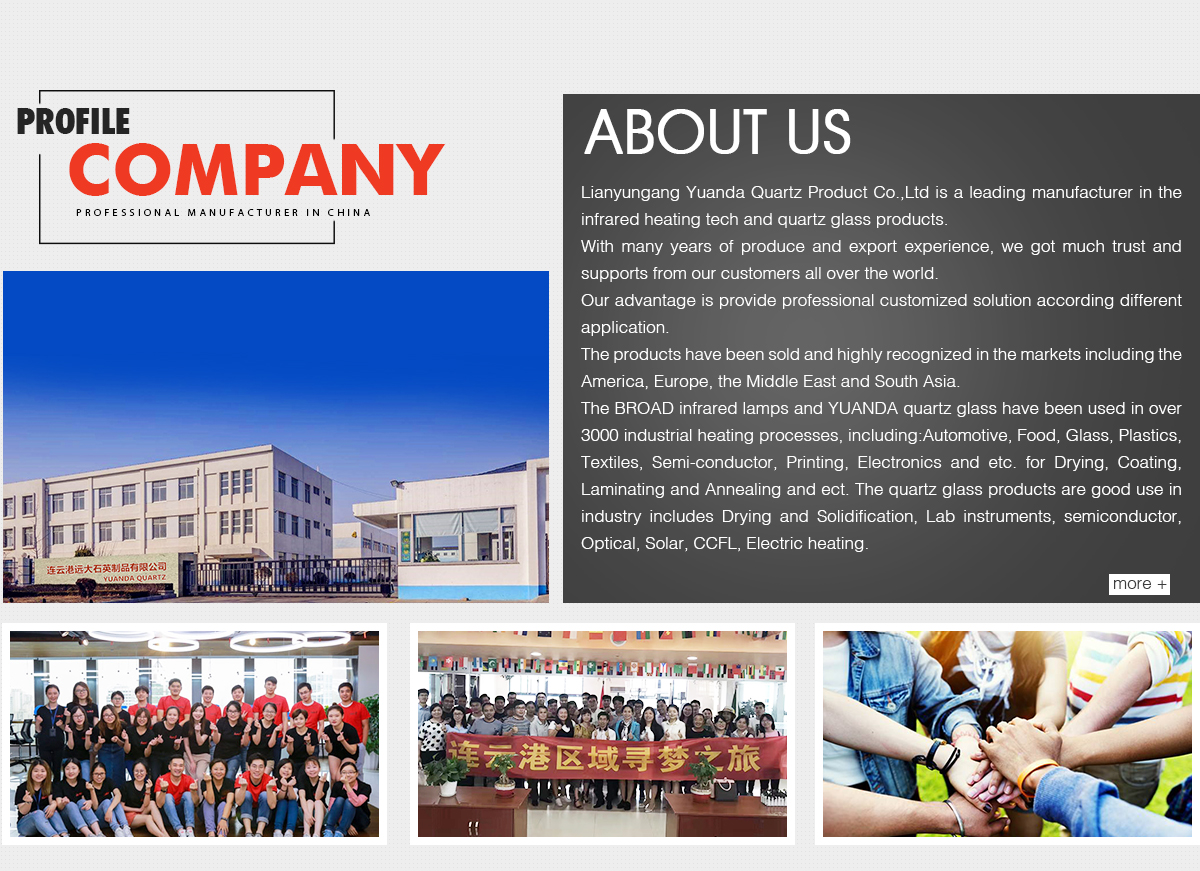
Founded in 2014 in Lianyungang, Jiangsu—the epicentre of China's world-renowned Donghai silica cluster—Kavri Quartz Product Co., Ltd. combines sovereign quartz ingot resources with master scientific glassblowing capabilities. As an onsite-verified manufacturer, we supply tier-1 machinery builders, commercial distributors, and technical research laboratories across Germany, the USA, the Netherlands, Japan, Korea, and over 50 global destinations.
- Complete In-House Value Chain: From high-purity natural quartz melting and tube drawing to CNC slicing, hot-forming doming, and gold-reflector sputtering.
- Guaranteed Lead Times & Response: Fully dedicated production lines ensure prototyping within 5-7 days and consistent order reply within 4 hours.
- Exhaustive Quality Assurance: 100% laser OD calibration, polariscope thermal stress analysis, and hydraulic pressure testing prior to shipment.
- Worldwide Drop-Tested Export Packaging: Specialized honeycomb suspension cartons and custom wood-crated pallets with proven <0.2% transit loss.
Frequently Asked Questions on Custom Quartz Sleeves
Comprehensive engineering and procurement answers covering tolerances, material selections, and custom production specifications.
What dimensional tolerances can Kavri Quartz hold on custom OEM quartz sleeves?
What is the difference between open-ended (both ends open) and domed (test tube end) sleeves?
How does fused silica compare to high-borosilicate glass 3.3 for heating and UV sleeves?
Can you apply reflective coatings directly to quartz sleeves, and what are their temperature limits?
What are your minimum order quantities (MOQ) and sample lead times for custom drawings?
What engineering details are required to provide an immediate OEM quotation?
How does your factory ensure fragile quartz sleeves survive international sea and air shipping?
Can Kavri Quartz manufacture complete heating elements and laboratory quartzware?
Ready to Engineer Your Custom Quartz Sleeves or IR Lamps?
Submit your CAD drawings, old equipment markings, or application requirements directly to our Lianyungang engineering team. We review thermal, optical, and mechanical specifications and provide factory-direct quotations within 4 hours.
Inquire Now