2014
Established & Onsite-Verified
10+ Yrs
Precision OEM/ODM Experience
92.65%
Rapid Response (≤ 4 Hours)
81-90%
Export Volume to US, EU & Asia
Precision Quartz Elements & Industrial Heating Assemblies
Directly sourcing OEM precision quartz glass components and infrared radiative thermal tubes eliminates intermediary markups and guarantees dimensional, thermal, and optical compliance for automated manufacturing lines.
Technical Whitepaper
Custom OEM Quartz Sheets & Thermal Quartz Glass: Material Science Overview
In modern industrial applications ranging from advanced semiconductor wafer processing to precision optoelectronic manufacturing, the performance of thermal components is bounded strictly by the chemical purity, thermal stability, and mechanical precision of their quartz substrates. As a dedicated Custom OEM Quartz Sheet Manufacturer & Factory, Kavri Quartz utilizes high-purity fused silica (SiO₂ content exceeding 99.99%) sourced directly from the globally recognized mineral reserves of Donghai, Lianyungang. The fundamental difference between ordinary borosilicate glass and fused quartz lies within the amorphous tetrahedral network of silicon and oxygen atoms, which provides fused quartz with an exceptionally low thermal expansion coefficient and unparalleled optical clarity across ultraviolet, visible, and infrared spectra.
When selecting quartz sheets, substrates, and infrared radiative sheaths, thermal engineers must evaluate trade-offs among spectral transmission ranges, hydroxide ion (OH⁻) content, and surface micro-roughness. Synthetic fused silica provides optimal deep ultraviolet (DUV) transmission down to 190 nm, whereas electrically fused and flame-fused quartz sheets exhibit exceptional thermal performance up to 1100°C continuously, with thermal shock resistance capable of surviving instantaneous quenching from 1100°C to room temperature without catastrophic failure.
| Property Parameter | Metric Value | Operational Significance for OEM Engineers |
|---|---|---|
| Purity (SiO₂) | > 99.99% (Optical/Semiconductor Grade) | Prevents metal ion contamination in etching, epitaxy, and lab analyzers. |
| Thermal Expansion (0–300°C) | 5.5 × 10⁻⁷ cm/cm·°C | Immune to extreme thermal gradients; eliminates warping in high-wattage ovens. |
| Continuous Working Temp | 1100°C (Softening point at 1730°C) | Stable housing for resistance coils, halogen lamps, and high-temp furnaces. |
| Spectral Window | 260 nm – 3500 nm (> 90% transmission) | Maximizes radiant heating efficiency across short- and medium-wave IR bands. |
| Dielectric Strength (20°C) | 25–40 kV/mm | Exceptional electrical insulation inside high-voltage electronic assemblies. |
Procurement Intelligence
Strategic Procurement Trends in the Global Quartz & IR Emitter Market
Analyzing global manufacturing shifts toward tight-tolerance specifications, supply chain regionalization, and high-efficiency radiative systems.
Procurement directors and supply chain managers in the industrial heating, solar photovoltaic, and electronic manufacturing sectors are navigating rapid shifts in component lifecycles. Drawing on comprehensive sales volume analytics and cross-border trade flow datasets, three definitive procurement trends have emerged for OEM quartz sheets, customized plates, and radiative lamps:
📈
1. Sub-Millimeter Dimensioning & CNC Surface Polishing
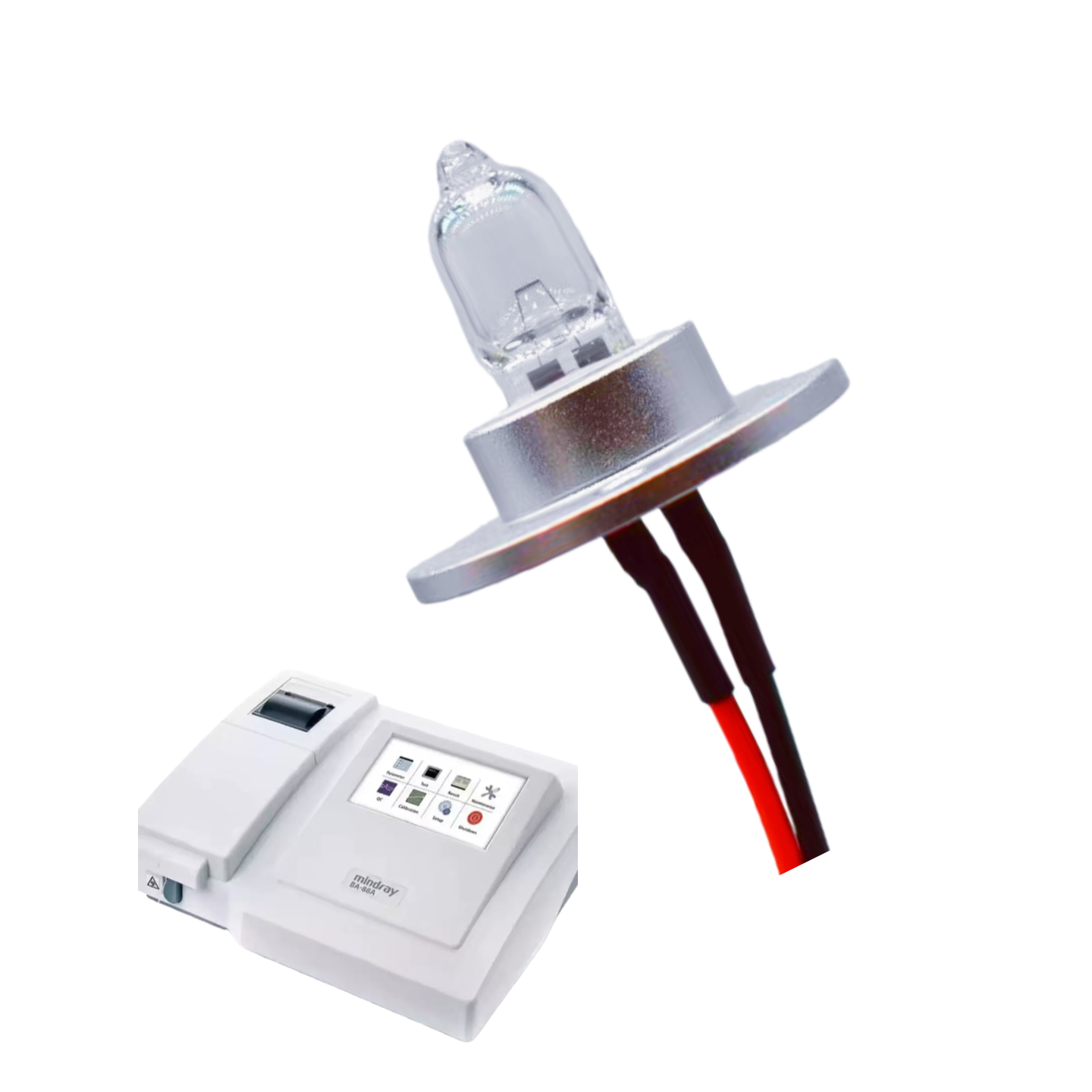
Standard cutting tolerances (±0.5mm) no longer satisfy modern automated wafer-handling systems or analytical biochemical spectrometers (such as the BA-88A flow cells). Purchasing contracts increasingly demand CNC multi-axis contour milling, double-sided optical lapping with surface roughness Ra < 0.2 µm, and laser-verified edge beveling to prevent mechanical edge chipping under repeated thermal stresses.
⚡
2. Directional Reflective Surface Integration
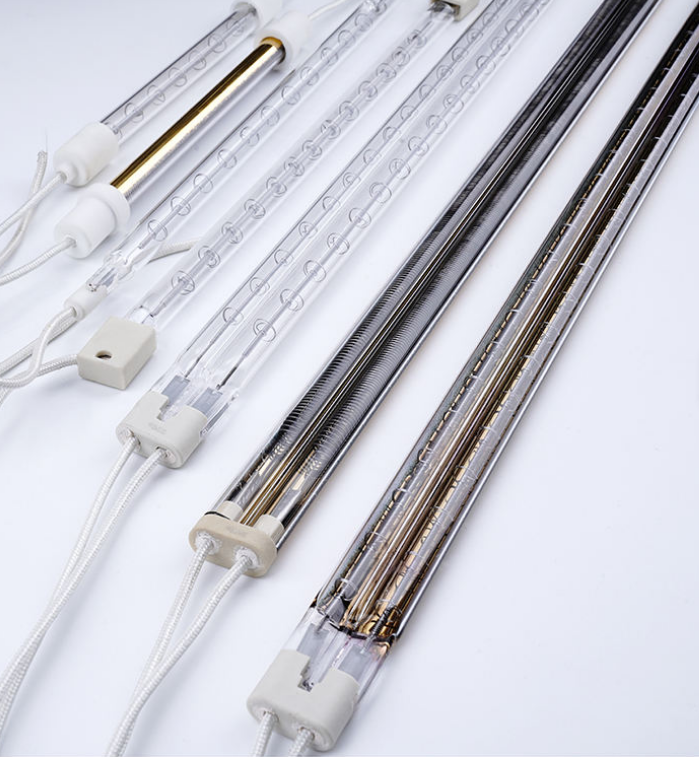
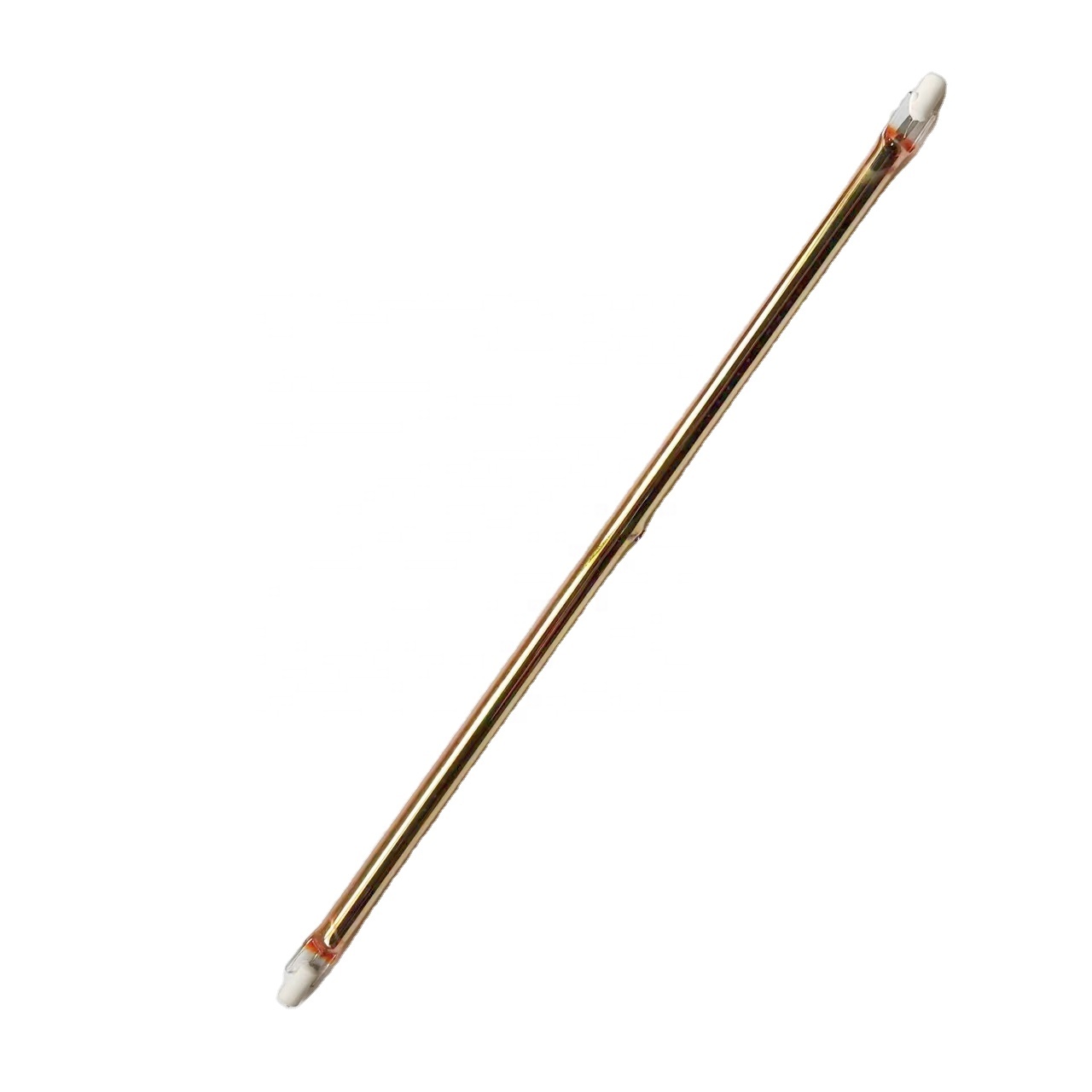
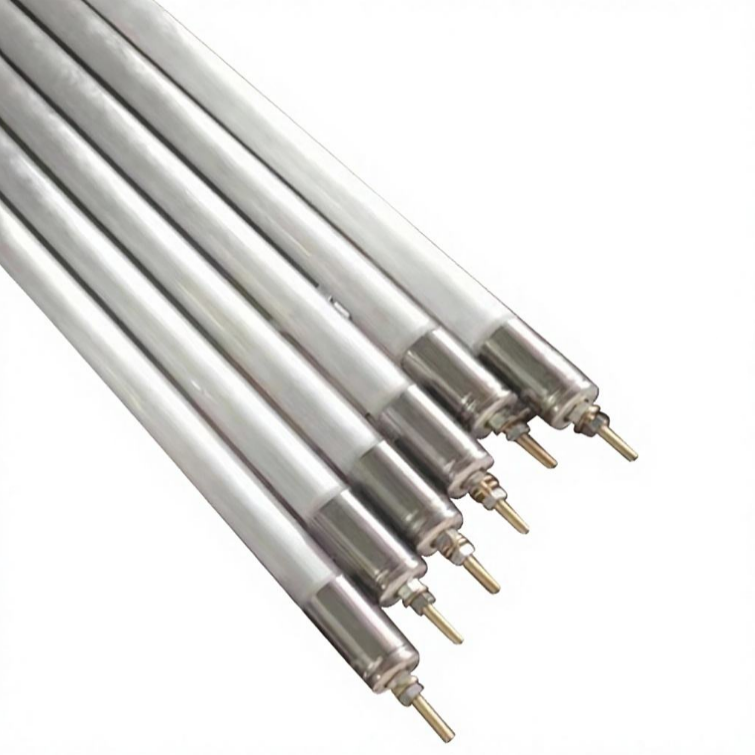
Rising energy costs have accelerated the shift away from unbacked quartz tubes toward custom-coated emitters. Specifying factory-applied, high-purity gold or half-white ceramic reflectors directly on the quartz envelope directs up to 95% of thermal energy toward the workpiece. This eliminates auxiliary mechanical reflector maintenance and reduces system electrical power consumption by 15% to 30% across large paint-drying and PET blow-molding tunnels.
🌐
3. Factory-Direct Cluster Sourcing (Donghai Advantage)
Procurement strategies have transitioned toward direct relationships with ISO-compliant manufacturing plants in regional resource clusters. Sourcing from Lianyungang gives OEM buyers direct raw silica cost indexing, rapid prototype lead times of under 5–7 days, and batch-to-batch chemical homogeneity, avoiding intermediaries and trading markups.
R&D Roadmap
Technological Development Trends: Fused Quartz & Emitter Innovations
How advanced materials engineering and custom fabrication meet the demands of next-generation industrial manufacturing.
🔬
Doped Quartz Compositions
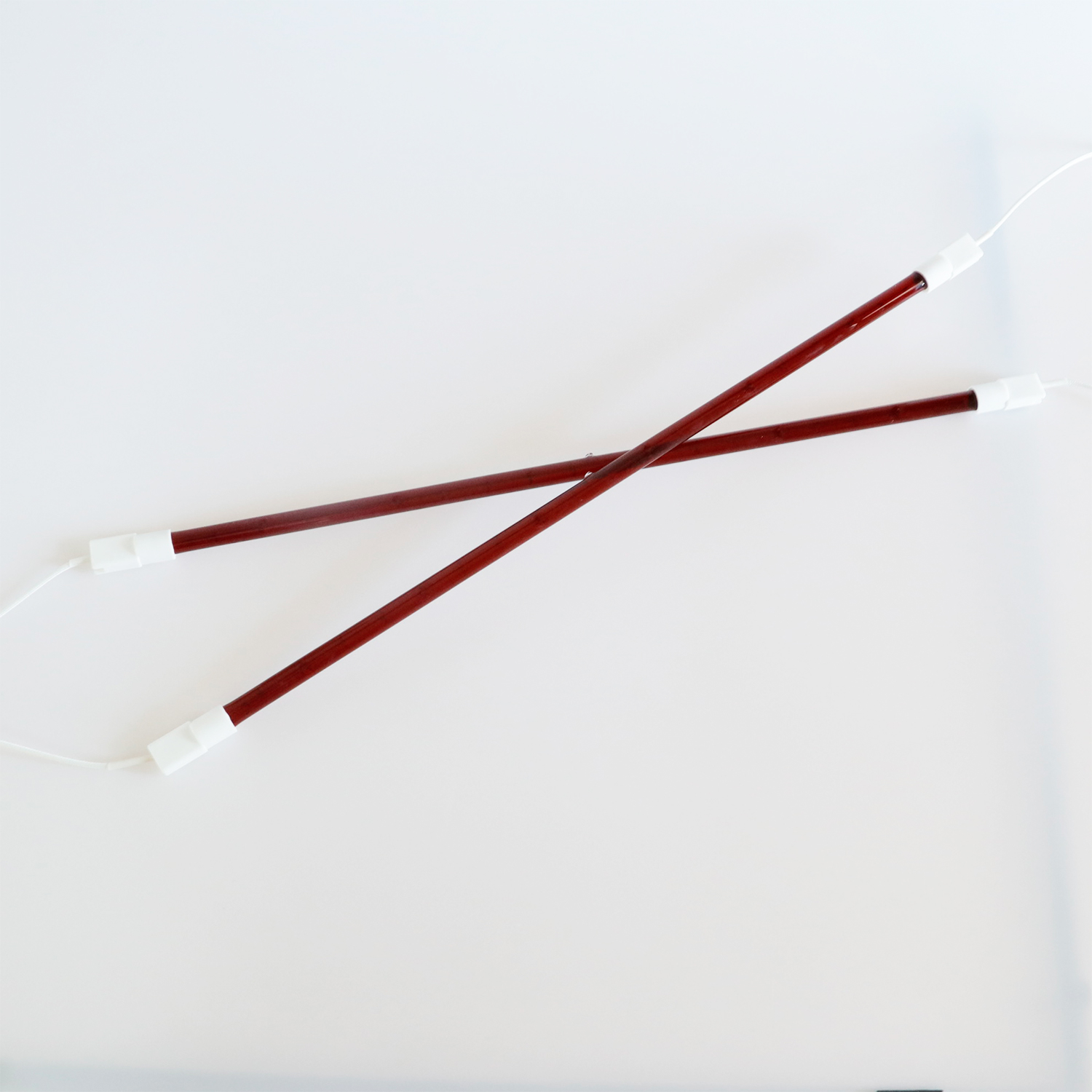
Development of transition-metal and rare-earth element doping (such as ruby-tinted and cerium-doped quartz) filters out undesirable glare and blocks ozone-generating ultraviolet wavelengths without reducing thermal transfer efficiency.
🚀
Twin-Tube Geometry Engineering
Twin-tube cross-sections ('figure-8' geometries) constructed from fused silica provide superior mechanical rigidity over long spans (up to 3000 mm), preventing tube sagging under high continuous watt densities.
🛡️
Ultra-Low OH Content
Thermal fusion techniques now lower hydroxyl (OH⁻) concentrations below 5 ppm. This minimizes internal infrared absorption bands at 2.73 µm, prolonging lamp service life and preventing envelope devitrification.
⚙️
Microfluidic & Analytical Integration
Precision thermal bonding of quartz sheets allows fabrication of complex microfluidic channels and flow cells, replacing polymer substrates in medical biochemical analyzers requiring superior chemical inertness.
Manufacturing Strengths
Why Global Tier-1 Buyers Partner with Kavri Quartz
Consistently delivering verifiable manufacturing expertise, rapid engineering turnarounds, and rigorous quality inspection frameworks.
🏭
Cluster Manufacturing Base
Located in Lianyungang, Jiangsu, alongside China's premier silica reserves. We maintain direct control over ingot selection, slice machining, and lamp assembly across 3 dedicated production lines.
🎯
Full OEM/ODM Flexibility
Over a decade of custom manufacturing from CAD drawings or physical samples. We adjust voltage, wattage, heated lengths, terminal leads, ceramic bases, and custom sheet cuts to your machine envelope.
🔍
100% Quality Verification
Every production batch undergoes spectrophotometer transmission evaluation, helium mass spectrometry leak testing for sealed envelopes, and dimensional CMM verification before packaging.
📦
Export-Grade Shockproof Logistics
With 81–90% of output exported to Europe, North America, and East Asia, we use reinforced suspended wooden crates and custom foam inserts to ensure zero transit breakage.
Standardized OEM/ODM Production Protocol
01
Technical Review
We review your CAD drawing, physical sample, or machine nameplate to confirm electrical, dimensional, and thermal requirements within 4 business hours.
02
Rapid Prototyping
Precision CNC cutting, edge beveling, filament coiling, and reflector coating for initial testing on your manufacturing line.
03
Line Validation
Sample testing for thermal consistency, spectral emission, and mechanical fit. Upon approval, technical parameters are locked in our ERP.
04
Batch Production
Volume manufacturing on our 3 production lines with batch QC inspections, complete with testing documentation prior to global export shipping.
Buyer Knowledge Base
Frequently Asked Questions for Quartz & IR Component Procurement
Direct answers to the most common engineering and commercial questions raised by technical purchasing teams.
What technical parameters are required to quote custom quartz sheets and heater tubes?
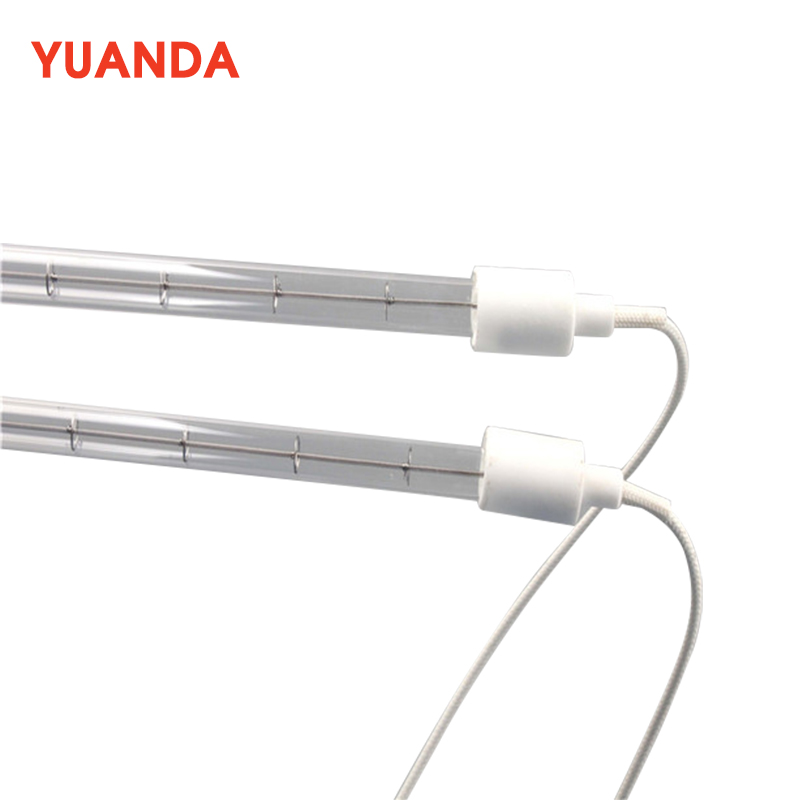
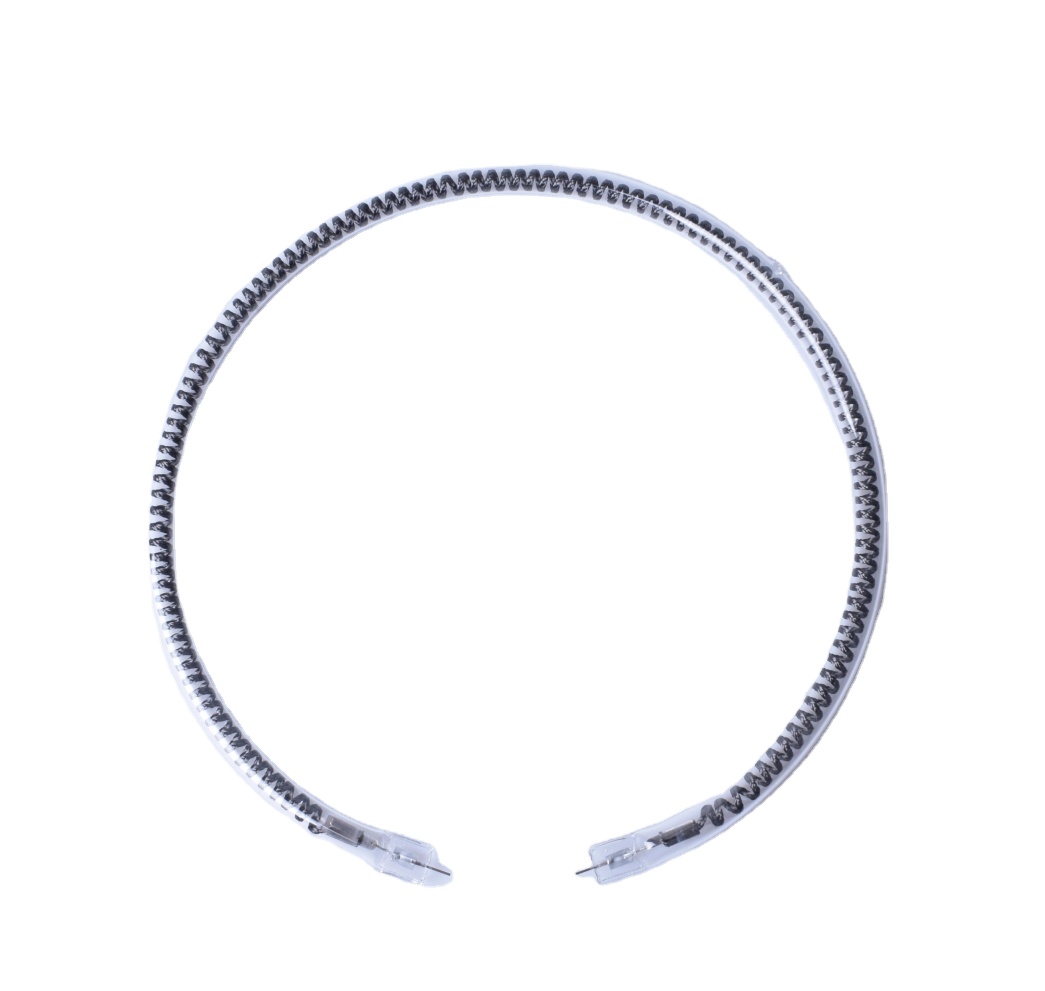
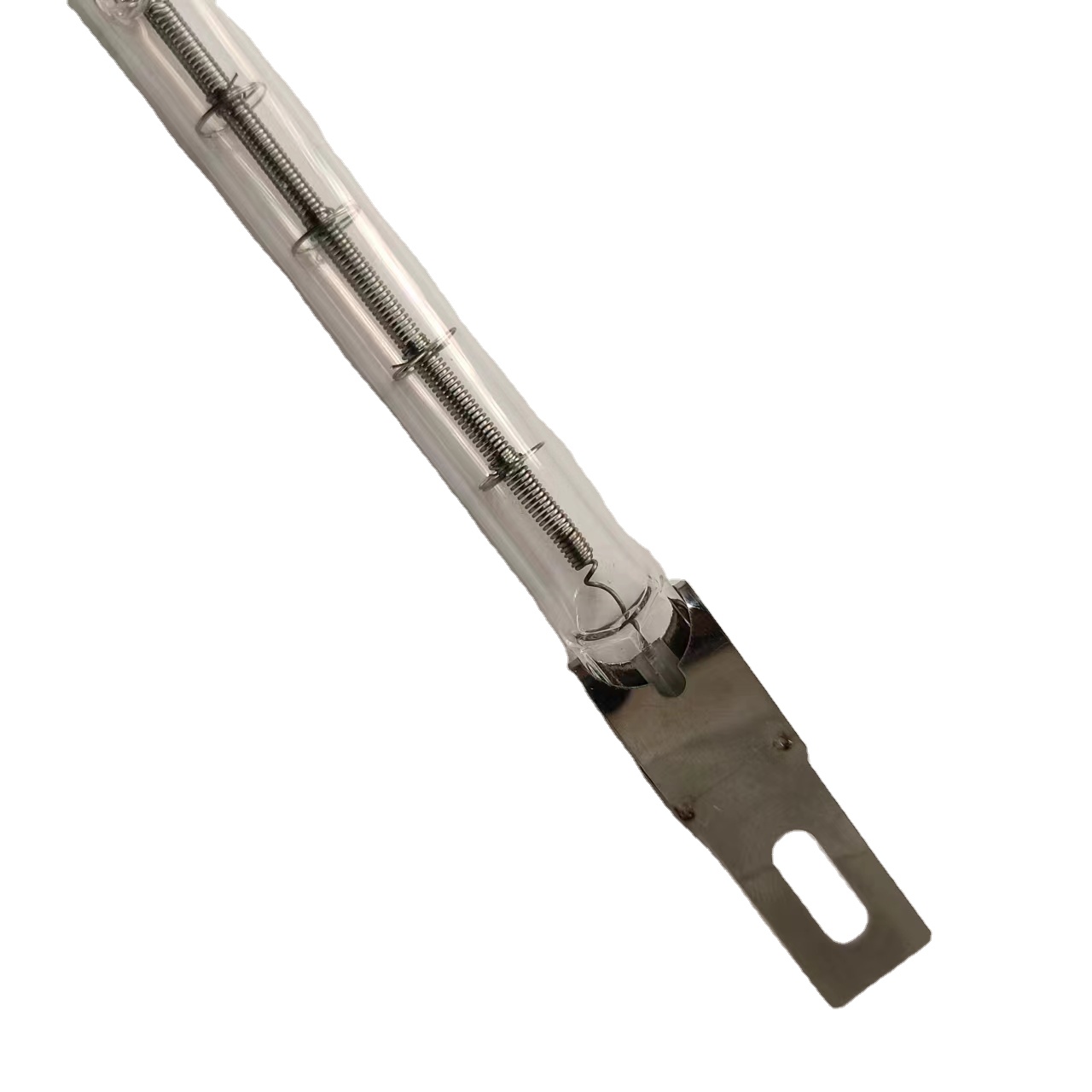
To provide an accurate engineering quote, our factory needs the dimensional specifications (thickness, width, length, or outer/inner diameters), optical requirements (clear fused silica, opaque, ruby, or synthetic grade), operating temperatures, and mechanical tolerances. For infrared lamps, please also specify rated voltage, wattage, heated filament length, reflector type (clear, gold, or ceramic white), and end-cap termination (e.g., R7S, ceramic leads, screw terminals).
How do short-wave halogen lamps compare to carbon fiber medium-wave emitters?
Short-wave halogen lamps feature tungsten filaments operating between 1800°C and 2400°C, emitting peak radiation at 1.0–1.2 µm with near-instantaneous thermal response (~1 second). They are well-suited for processes requiring deep heat penetration, such as PET blow-molding and metal paint curing. Carbon fiber emitters generate medium-wave radiation (peak at ~2.0–2.5 µm), matching the absorption bands of water, plastics, textiles, and adhesives, delivering faster surface curing with lower total electrical consumption.
What are your standard Minimum Order Quantities (MOQ) and production lead times?
For standard infrared tubes, R7S lamps, and off-the-shelf quartz plates, our baseline MOQ starts at 8–10 pieces to support prototyping and spare-part maintenance. Custom-machined quartz sheets or specialized OEM twin-tube assemblies are confirmed upon CAD drawing review. Prototype samples are typically completed within 5–7 working days, while volume batch orders ship within 12–18 days.
How do you protect fragile quartz sheets and tubes from transit damage?
We use multi-layer export-grade packaging engineered for high-value quartz. Components are individually wrapped in anti-static PE film, encased in high-density customized EPE pearl cotton grooved molds, sealed into heavy-duty corrugated cartons, and strapped into export-standard wooden or plywood crates. Every consignment includes shock/tilt indicators and is insured under CIF or DDP Incoterms.
Can you supply quartz components for biochemical diagnostic instruments?
Yes. We produce high-precision micro-flow cells, cuvettes, test tubes, and calibrated light sources (such as the BA-88A 6V 10W halogen assembly) tailored for Mindray and other clinical diagnostic brands. These feature optically polished inspection windows with minimal bubble inclusions to ensure stable spectral absorbance readings.
What shipping terms and international certifications do you support?
We regularly ship under FOB, CFR, CIF, EXW, and DDP terms, coordinating with international forwarders by air, express courier (DHL/FedEx/UPS), and ocean freight. Our factory operations adhere to ISO 9001 quality management guidelines, with raw materials compliant with RoHS and REACH standards.
Need Custom Quartz Sheets or Engineered IR Heating Elements?
Consult with our engineering team for technical evaluations, material selection, and competitive factory-direct pricing on OEM/ODM production runs.
Contact Us