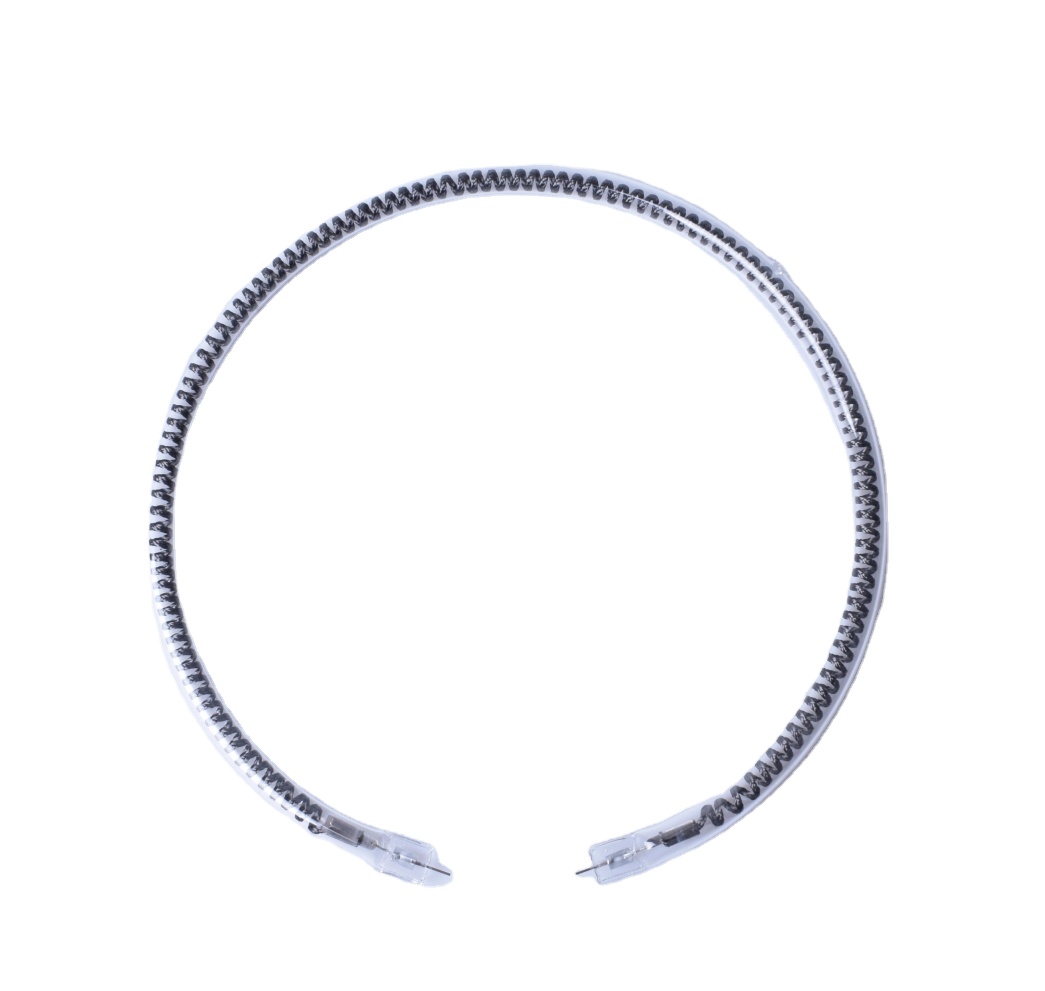
Industrial Product Portfolio
Precision Quartz Process Tubes & Thermal Emitters
Direct OEM manufacturing matching standard OEM footprints, strict tolerances (±0.05mm), and customized thermal configurations.
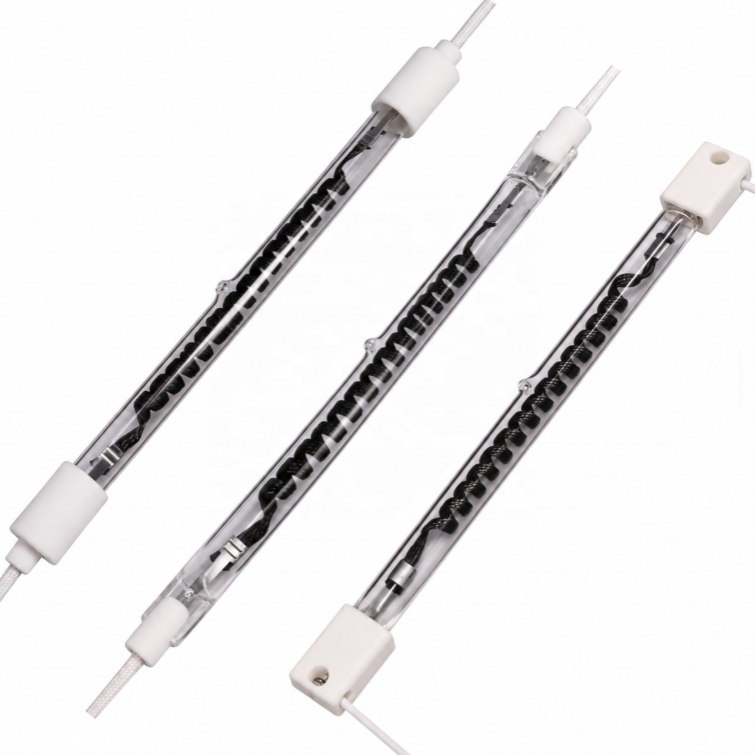
Carbon Fiber Medium Wave Clear Infrared Heat Lamp for Machine Equipment
View Details →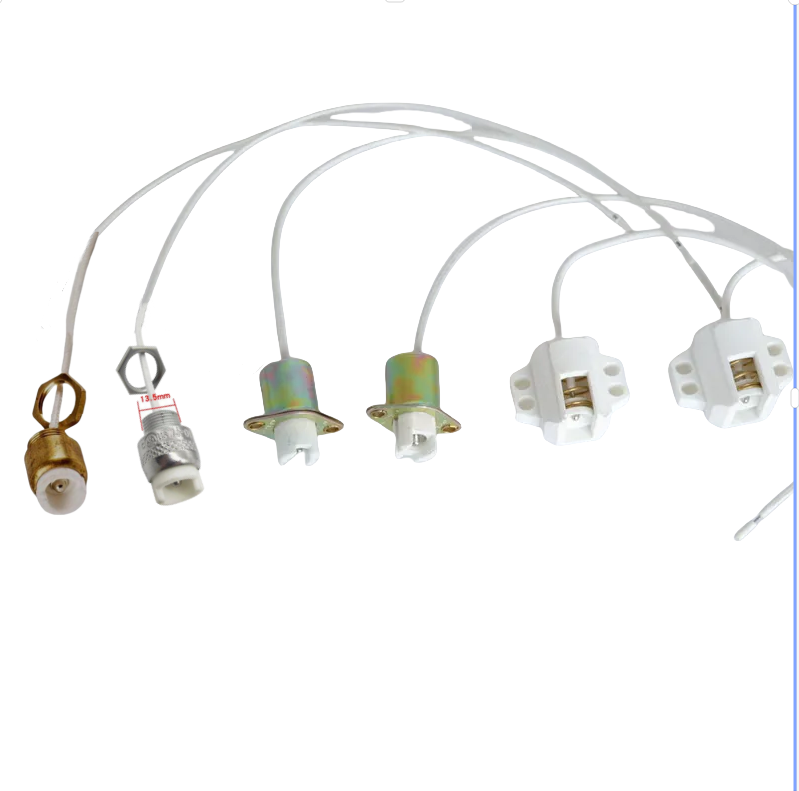
Halogen Infrared Heating Lamp R7S Ceramic Lamp Holder Assembly
View Details →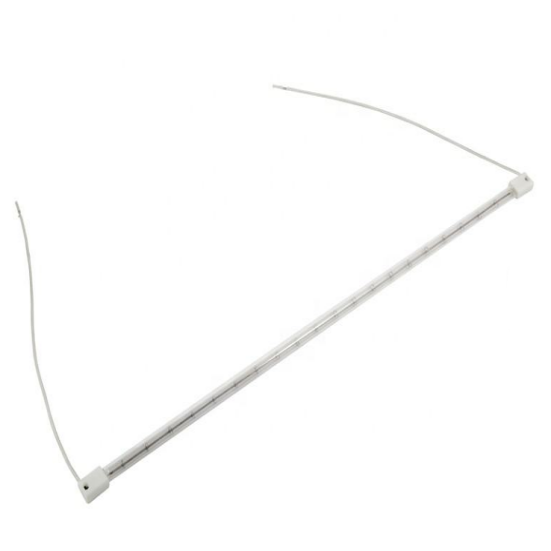
Infrared Heater Halogen Lamp with Support Customization for Textile Processing
View Details →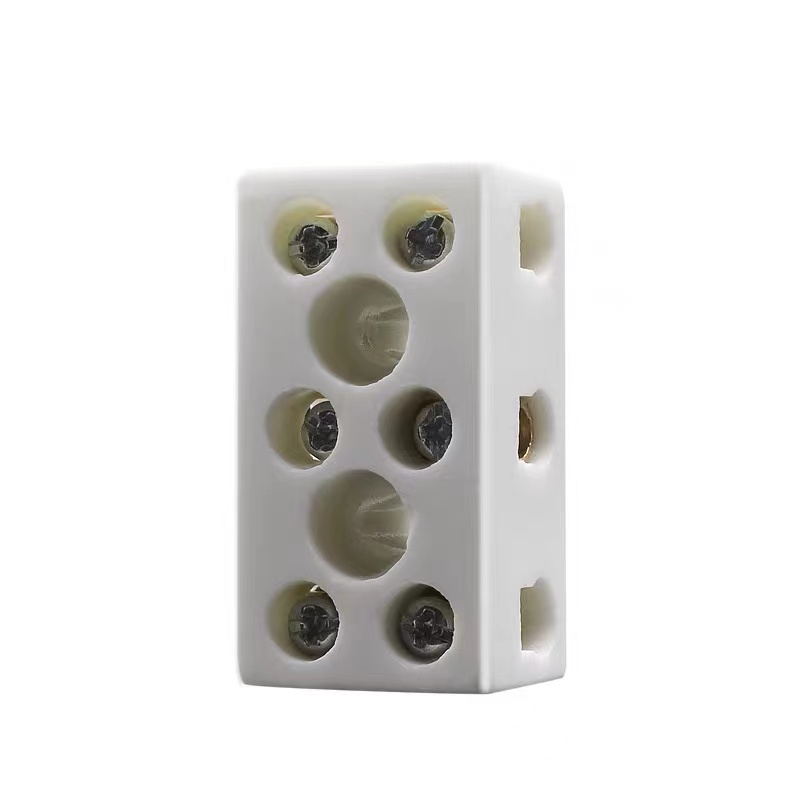
High-Temperature Ceramic Terminal Block & Industrial Wire Connector
View Details →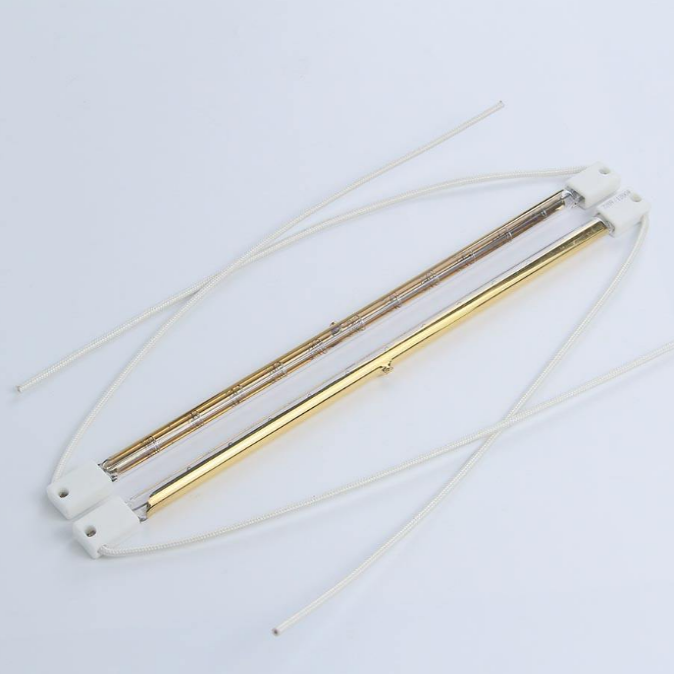
Halogen 220V 1000W Directional Half Gold Coated Infrared Heat Lamp
View Details →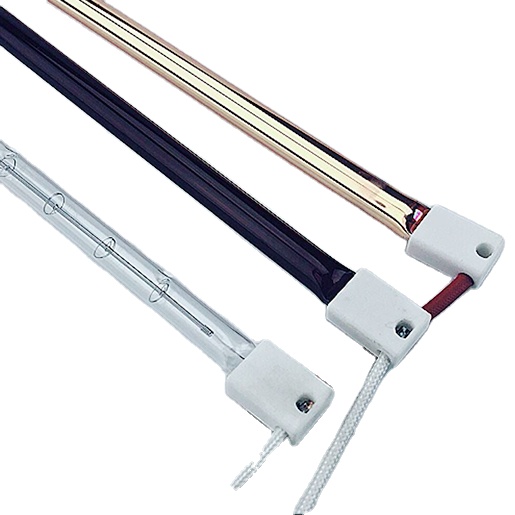
Ceramic Linear Quartz Infrared Heating Lamp for High-Speed Flash Dryers
View Details →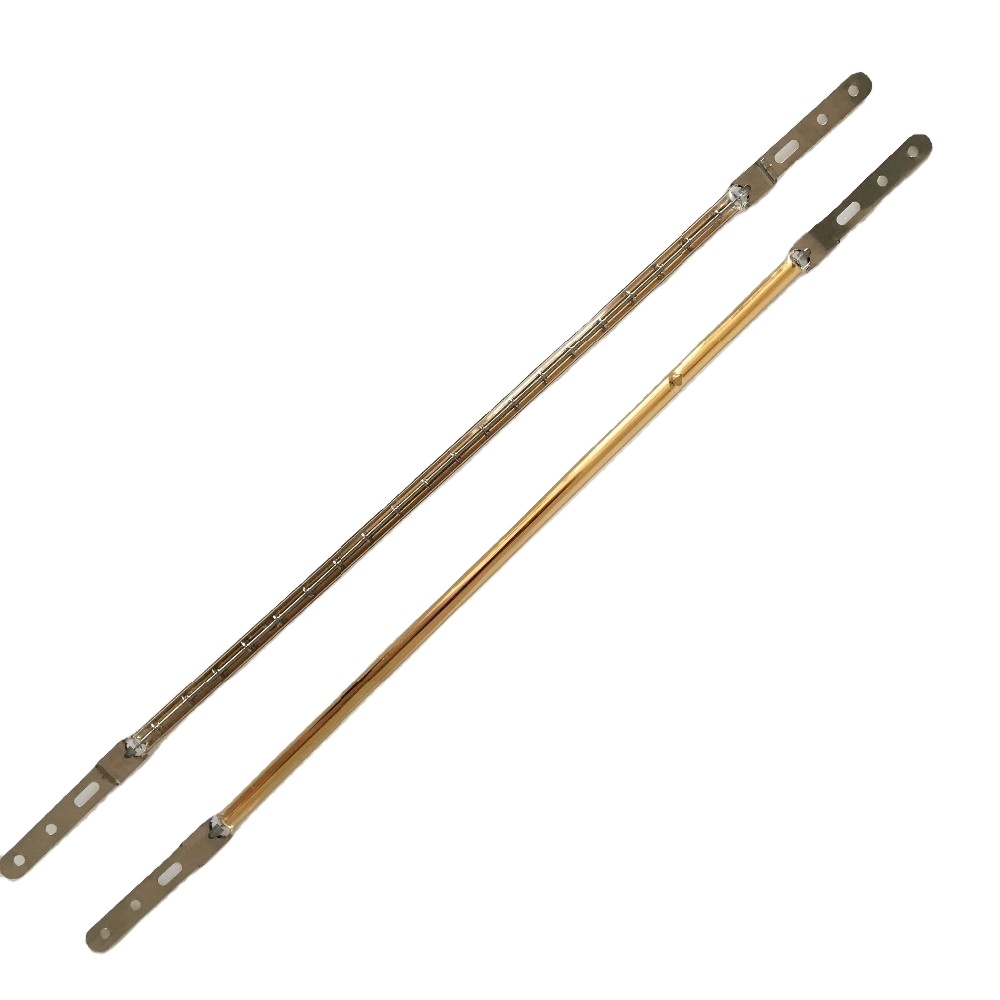
Halogen Quartz Half Gold Reflector Infrared Heating Lamps for Screen Printing
View Details →
99.995%
SiO2 Purity Rating
1,450°C
Peak Thermal Stability
10+ Yrs
Precision OEM Heritage
≤ 4 Hours
Engineering Response Time
Comprehensive Engineering Guide: Custom Quartz Reactor Tubes in Extreme Environments
In high-temperature chemical vapor deposition (CVD), atomic layer deposition (ALD), diffusion oxidation, and epitaxial processing, custom OEM quartz reactor tubes operate as the primary boundary layer between aggressive chemistry and ultra-clean thermal processes. Manufacturing a reactor chamber vessel capable of resisting de-vitrification, sag, structural micro-fractures, and chemical leaching requires profound knowledge of fused silica thermodynamics and mechanical geometry. Standard commercial borosilicate or low-grade glass compositions break down instantly at critical processing temperatures; only high-purity continuous fused silica (SiO2 exceeding 99.99%) delivers the structural resilience necessary for contemporary wafer fabrication, photovoltaics, and high-performance laboratory synthesis.
Our OEM fabrication facility, strategically located in Lianyungang, Jiangsu—directly beside Donghai, the global nucleus of raw quartz refining and thermal glassblowing—combines vertical raw material integration with precision CNC cold processing and torch hot-working. When choosing a manufacturing partner for industrial reactor tubes, semiconductor engineers must account for wall thickness concentricity, dimensional stability, hydroxyl ([OH-]) concentration levels, and precision welding of complex geometries such as thermocouple wells, ball joints, NW flanges, and slotted exhaust ports.
Procurement Analysis
Future Procurement Trends in High-Purity Quartz Vessels
Strategic purchasing criteria are shifting across semiconductor, solar cell, and fine chemical supply chains.
Supply Chain De-Risking via Direct OEM Tier-1 Fabrication
Procurement directors are shifting away from intermediate brokerage houses. Sourcing directly from verified Chinese production facilities with internal cold-working and hot-firing workshops eliminates markups of 35-50% while shortening lead times for specialized furnace tubes from 20 weeks to under 4 weeks.
Large-Bore Diameter Scaling & Flawless Uniformity
Next-generation solar cell manufacturing (TOPCon, HJT, and Perovskite-Silicon tandems) requires ultra-wide diameter reactor vessels (OD 300mm to 550mm) spanning lengths beyond 2.5 meters. Maintaining strict wall thickness tolerance within ±0.2mm along such profiles prevents thermal shock failure under recurring 1,200°C heat cycles.
Transition Toward Low-Hydroxyl ([OH-]) Gas-Phase Fused Silica
Standard quartz containing high OH levels softens prematurely at prolonged exposure above 1,050°C. Modern procurement contracts now mandate electric-fused or gas-refined quartz tubing with [OH-] levels strictly controlled below 15-30 ppm to prevent structural distortion and extend operational campaign longevity.
Technological Evolution: Next-Generation Quartz Reactor Architecture
The manufacturing landscape for custom quartz glassware is evolving from manual flame-working toward integrated high-precision robotics and automated thermal annealing furnaces. Key developmental trajectories include:
- Integrated Direct Mirroring & Thin-Film Surface Coatings: Integrating high-efficiency gold or micro-porous white ceramic reflectors directly onto fused quartz shells eliminates external cooling requirements and re-directs forward over 90% of thermal infrared radiation.
- Advanced Cold-End Ultrasonic Machining: Cutting, milling, and grinding quartz components with 5-axis ultrasonic CNC machinery allows for micro-apertures, complex planar O-ring seal grooves, and quick-disconnect flanges without introducing micro-fractures into the brittle silicate matrix.
- Cleanroom Acid Pickling and High-Vacuum Dehydroxylation: Finished OEM reactor bodies undergo 1,150°C thermal dehydroxylation followed by class-10,000 multi-stage HF/HNO3 acid baths and 18.2 MΩ·cm DI water rinsing to remove every trace of metallic contamination (Fe, Cu, Na, K < 0.1 ppm).
Factory Advantage
Why Global Buyers Partner with Kavri Quartz
Established infrastructure, raw material synergy, and strict inspection standards built over a decade of continuous global exporting.
Strategic Geographic Sourcing
Situated in Lianyungang, Jiangsu, adjacent to Donghai's world-leading raw quartz crystal processing center, securing direct access to highest-grade fused silica sand and premium ingot stock.
3 Integrated Production Lines
Specialized lines covering automated IR emitter assembly, CNC planar and cylindrical cold-cutting/polishing, and manual bench torch-welding for bespoke scientific instruments.
Over 10 Years OEM/ODM Heritage
Custom designs built to client CAD/CAM prints, physical reverse-engineering samples, or technical specifications. Buyer private labeling, custom laser etching, and tailored packaging provided.
Export Compliance & Safe Logistics
Over 80-90% of volume exported across the USA, Germany, Netherlands, Japan, and Korea. Custom reinforced timber crating with high-density EPE shock absorption guarantees zero breakage.
E-E-A-T Verification
Frequently Asked Questions on Custom Quartz Procurement
Authoritative technical clarification on specifications, material grades, production parameters, and delivery workflows.
Q1: What are the fundamental differences between clear fused quartz and opaque silica?
Clear fused quartz is synthesized by melting high-purity natural silica sand or synthetic silicon tetrachloride using gas-oxygen or electric fusion methods. It offers optical clarity across UV, visible, and IR spectrums (190nm to 3,500nm) and withstands continuous 1,100°C operations. Opaque (translucent) silica contains minute gas micro-bubbles, which scatter radiation and provide excellent thermal insulation for outer furnace shrouds and diffusion collars.
Q2: What dimensional tolerances can Kavri achieve on custom reactor tube orders?
For standard drawn tubing, outer diameter (OD) and wall thickness tolerances range between ±0.1mm and ±0.5mm depending on diameter. When precision CNC cold-grinding, honing, and optical flat polishing are requested, tolerances can be tightened to ±0.05mm, with surface parallelism held within ≤0.02mm for vacuum flange interfaces.
Q3: How does hydroxyl ([OH-]) content impact high-temperature vacuum performance?
Hydroxyl ions act as network terminators within the amorphous silica lattice, lowering viscosity and accelerating structural de-vitrification (crystallization into cristobalite) above 1,000°C. For high-vacuum diffusion or long-dwell reactor cycles, we utilize low-[OH-] electrically melted quartz (<5-20 ppm) to ensure shape retention and structural life.
Q4: Can you reverse-engineer damaged, unlabeled, or discontinued quartz components?
Yes. If technical engineering drawings are unavailable, clients can provide photographs with calipers, physical remnants, or original machine nameplate references. Our engineering department handles coordinate dimension verification, reconstructs precise CAD schematics, and generates an approval print prior to initiating prototype tooling.
Q5: What quality control documentation accompanies overseas quartz reactor shipments?
Every industrial order undergoes multi-point optical and dimensional inspection. Upon request, we provide Spectrographic Chemical Analysis reports (certifying SiO2 purity and trace element parts-per-million limits), dimensional CMM reports, surface roughness certifications, and optical transmission curve graphs.
Q6: What is the Minimum Order Quantity (MOQ) and sample prototyping turnaround?
Standard profile quartz tubes and heating elements start with low MOQs (typically 5 to 10 units) to support pilot testing, R&D trials, and MRO maintenance. Customized sample turnaround typically takes 7-10 working days, while standardized configurations ship within 3-5 days.
Ready to Engineer Your Custom OEM Quartz Reactor Tube?
Submit your CAD blueprints, process specifications, or custom dimensional requirements. Our technical engineering team in Lianyungang reviews and responds with pricing and lead times in under 4 hours.