Auto Paint
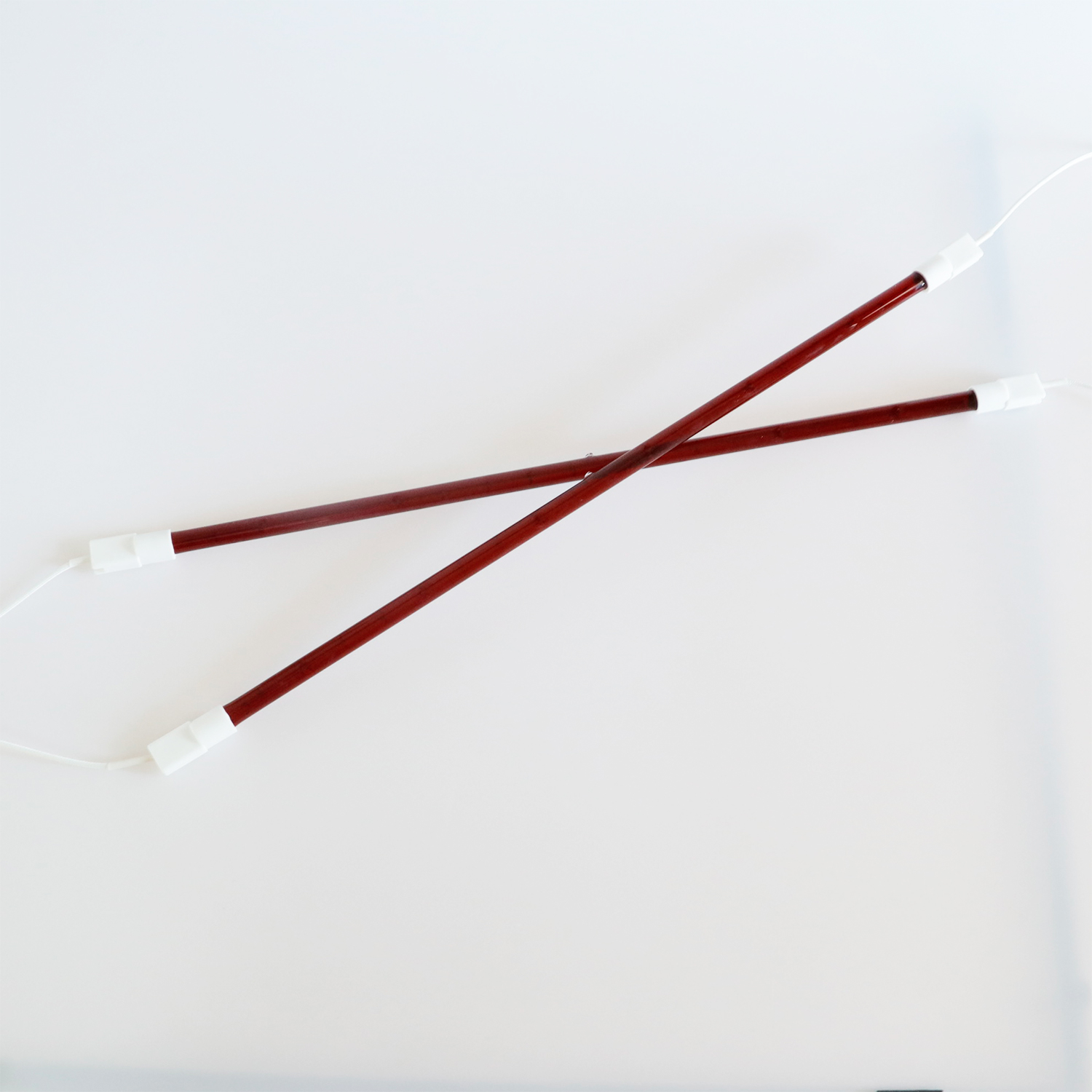
Ruby Short Wave Quartz Tube 1000W Halogen IR Lamp
- 1000W / 220V
- Ruby Low-Glare
- Paint Curing
Explore our industrial heating lamps, precision configured for high radiant flux, rapid response time, and maximum thermal conversion efficiency.
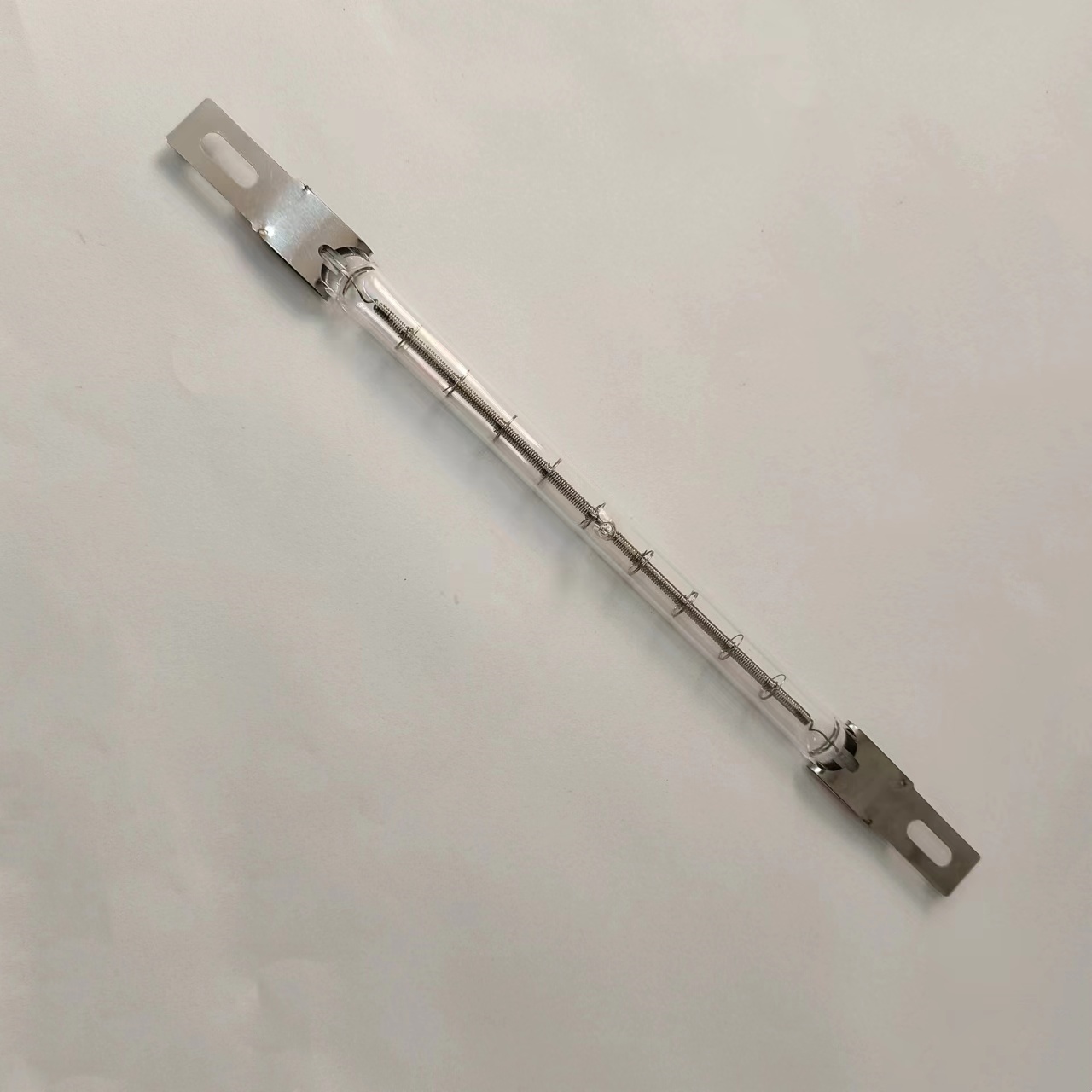
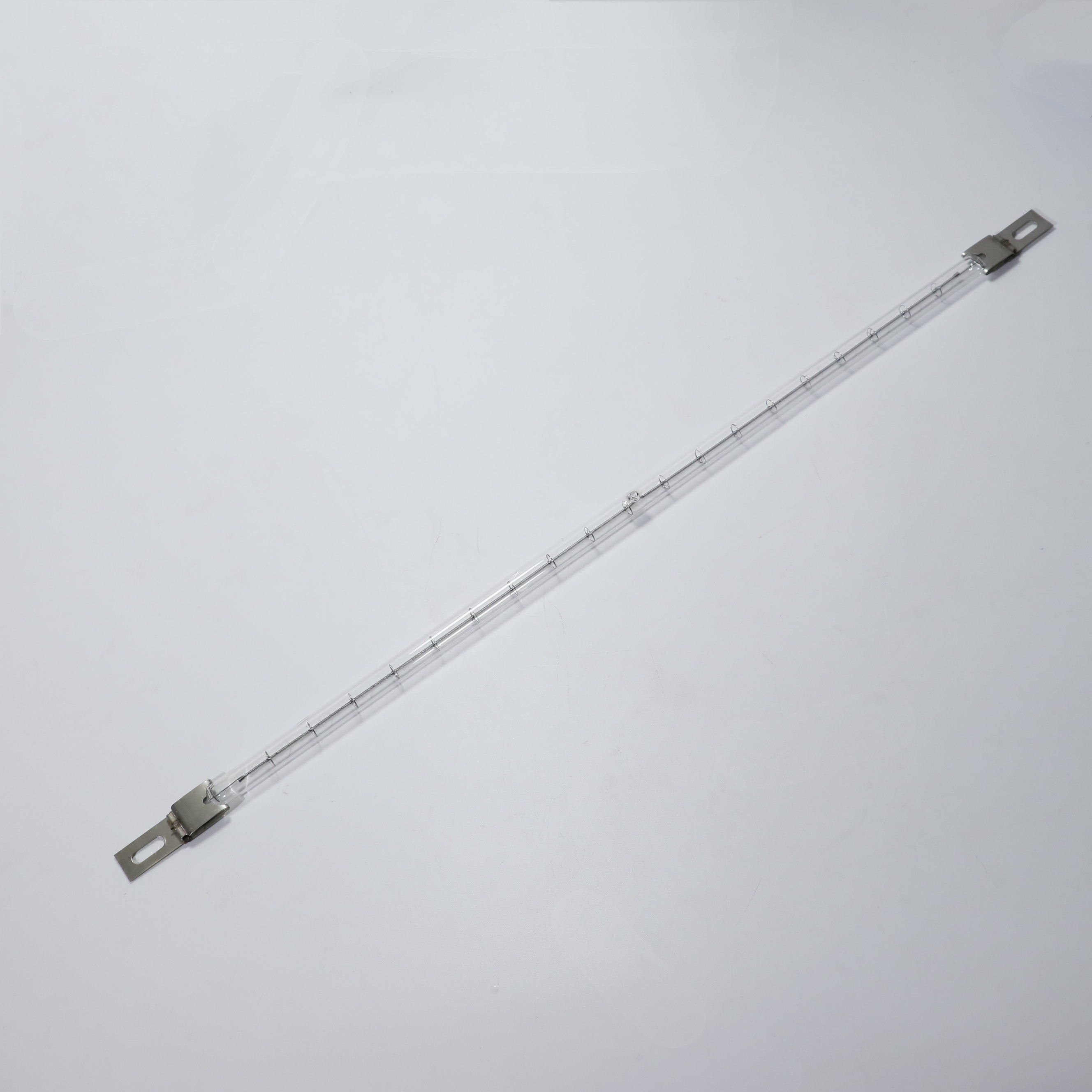
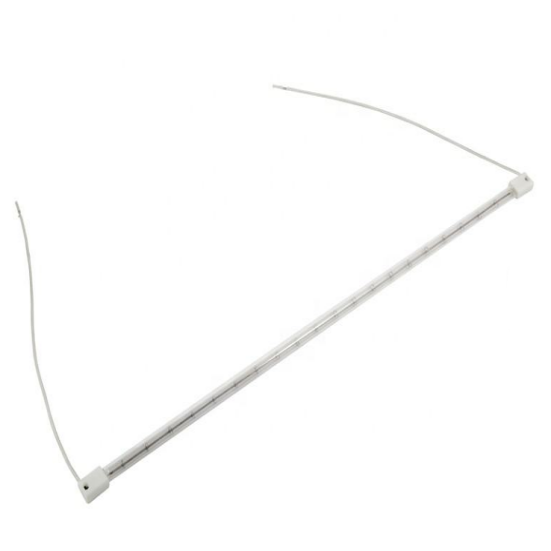
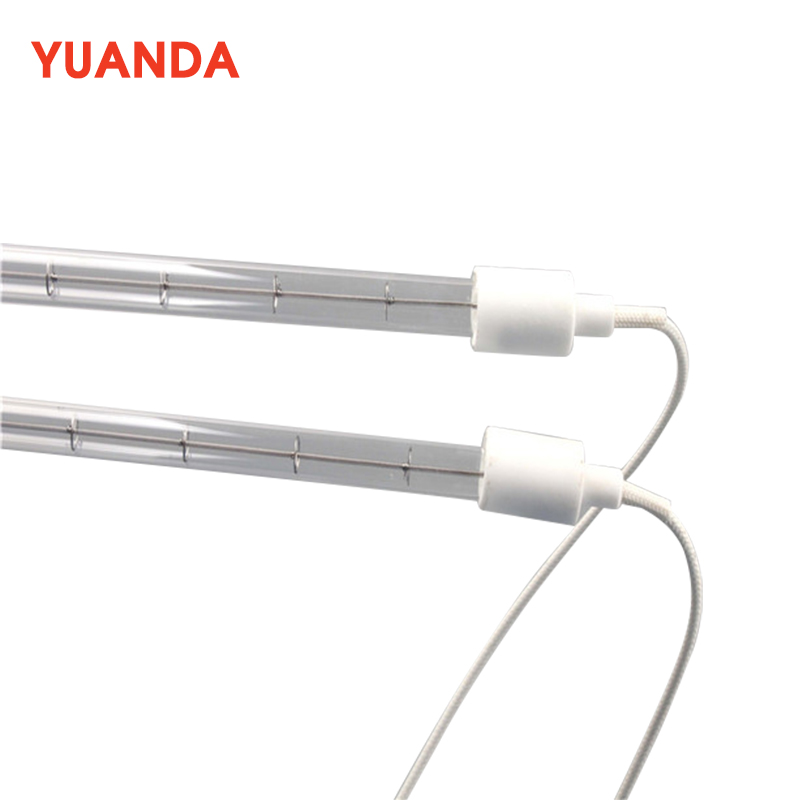
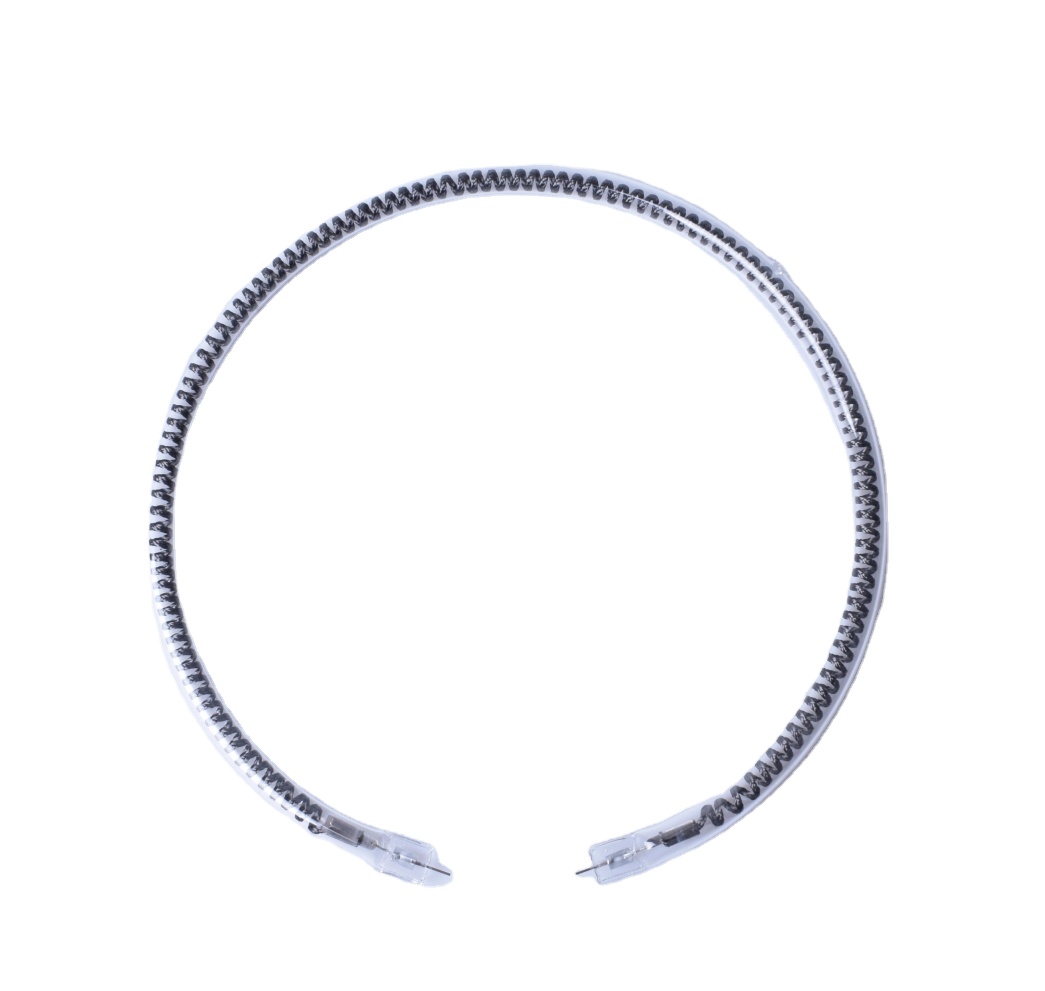
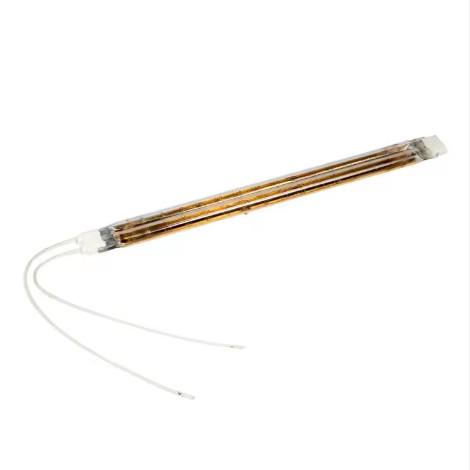
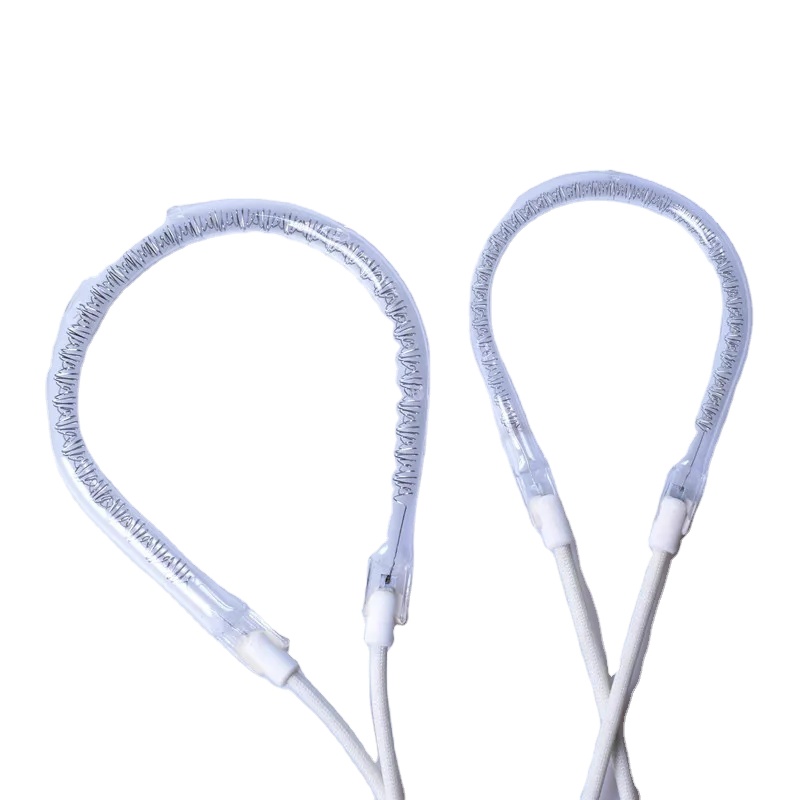
Maximizing optical transmission and spectral absorption coefficients while minimizing secondary convective losses.
| Emitter Architecture | Spectral Peak (µm) | Filament Core Temp | Thermal Latency | Primary Industrial Utility | Custom Coatings Available |
|---|---|---|---|---|---|
| Short-Wave Tungsten Halogen | 0.8 – 1.4 µm | 1,800 – 2,400 °C | ≤ 1.0 Second | PET blow stretch molding, high-speed paint curing, paper drying | Pure Gold Reflector (90% directional), White Ceramic, Ruby Red |
| Fast Response Medium-Wave | 1.4 – 2.0 µm | 1,400 – 1,800 °C | 1.5 – 2.5 Seconds | Coil coating, continuous plastic thermoforming, textile fixation | Half-Gold, Translucent Quartz Reflector, Diffuse Satin Finish |
| Carbon Fiber Medium-Wave | 2.0 – 2.6 µm | 900 – 1,200 °C | ≤ 2.0 Seconds | Water-based ink drying, polymer annealing, organic lacquer flash-off | Backside White Ceramic, Clear High-Purity Fused Silica |
| Standard Medium-Wave (Ni-Cr) | 2.2 – 3.5 µm | 700 – 950 °C | 3.0 – 5.0 Minutes | Bulk glass preheating, slow drying tunnels, curing thick composite resins | Ceramic coating, external quartz shroud tubing |
Optical Transmission Fundamentals: Industrial quartz heater tubes act as thermal transmitters with spectral transparency spanning from 190 nm (deep ultraviolet) up to approximately 3.8 μm (infrared spectrum). Kavri Quartz uses electronic-grade, gas-refined fused silica containing less than 15 ppm of structural hydroxyl (-OH) radicals. Low -OH content prevents internal molecular absorption bands within the crucial 2.6 to 2.8 μm window, preventing tube envelope devitrification and maintaining mechanical stability at operational temperatures up to 1,100 °C.
Reflective Coating Physics: By depositing a 24-karat gold or alumina-titania (Al2O3/TiO2) ceramic reflective backing directly onto the quartz envelope, our emitters redirect over 90% of backside radiant energy directly toward the substrate. This eliminates the need for external parabolic reflectors, reduces thermal load inside machine housings, and cuts kilowatt-hour energy demand by up to 34% per operating station.
Headquartered in Lianyungang (Donghai County)—the world's capital of high-purity natural silica synthesis.
Situated in Lianyungang, Jiangsu, our plant operates directly adjacent to the largest raw silica reserves in Asia. We benefit from uninhibited supply stability, zero regional transport markup, and access to three generations of specialized glassblowing artisans.
Equipped with computerized coil-winding benches, ultra-high vacuum pinch seal stations, and programmable inert-gas purge ovens. We produce single-tube, twin-tube (11x23mm & 15x33mm), and custom circular contours with repeatable mechanical tolerances (±0.5mm).
Every single batch undergoes spectral emission verification, resistance calibration, helium leak testing down to 10-9 mbar·l/s, and high-voltage dielectric breakdown checks. Third-party verified on Alibaba.com with 13-year platform standing.
Beyond emitters, we produce high-purity clear fused quartz plates, rods, and complex labware (flow cells, test tubes, quartz boats). With an annealing point of 1,215 °C and a thermal expansion coefficient of 5.5×10⁻⁷/K, our glass withstands extreme thermal shocks without fracturing.
Over 81% to 90% of our products are delivered to precision machinery plants across Germany, the Netherlands, the United States, Japan, and South Korea. We handle certified shock-proof packaging, export documentation, and custom OEM labeling.
In-house tooling and custom prototyping capabilities enable us to produce custom sample runs within 7 to 10 working days. Our bilingual technical team maintains an average inquiry response window of under 4 hours on business days.
How decarbonization, modular factory setups, and smart production lines are reshaping global quartz emitter specifications.
Manufacturers are replacing conventional gas-fired convective ovens with electric quartz infrared tunnels. Quartz IR systems reduce Scope 1 direct emissions to zero, decrease startup preheat delays from 45 minutes down to 3 seconds, and yield up to 40% lower overall BTU footprints.
Modern PET blow-molding and composite curing applications require tighter radiant footprints. 23x11mm and 33x15mm twin-tube geometries with integrated half-gold coatings allow engineers to pack twice the wattage into the same linear footprint without risking tube distortion.
Industrial lines increasingly deploy optical pyrometers and SCR thyristor power controllers that modulate IR lamps in millisecond bursts. Tungsten-halogen lamps with specialized inert gas fills are replacing slow-response metallic elements to enable closed-loop heat profiling.
Photovoltaic cell sintering and semiconductor wafer baking demand envelopes that emit zero volatile impurities. We provide synthetic fused silica tubes with Fe, Cu, and Na trace contamination below 0.1 ppm, preventing wafer contamination in high-temperature processes.
International procurement departments are bypassing distributor markups by partnering directly with verified Chinese OEM producers who provide cross-reference interchangeability with European brands, cutting operational spare-part replacement budgets by 30% to 50%.
Comprehensive engineering clarifications to streamline your design, validation, and purchasing workflow.
To deliver an accurate quotation and CAD review, we require: rated operating voltage, total wattage, heated filament length, total overall length, tube profile (single 10mm/12mm/14mm or twin 11x23mm/15x33mm), ceramic cap style or wire lead configurations, reflector preference (gold, white ceramic, ruby, clear), and your target application environment.
Gold coating provides higher IR reflectivity (approx. 90-95%) in the short-wave range and operates reliably at quartz wall temperatures up to 600 °C. White ceramic coating has slightly lower reflectivity (approx. 75-80%), but withstands continuous wall temperatures up to 900-1,000 °C, making it ideal for compact, high-ambient ovens where gold can oxidize.
Our tungsten-halogen short-wave lamps maintain an average rated life of 5,000 operating hours when installed with appropriate convective or air cooling at the pinch seals (≤ 350 °C). Medium-wave carbon fiber and FeCrAl elements achieve lifespans from 8,000 up to 12,000+ hours under nominal operating voltage.
Yes. A significant portion of our business involves reverse engineering and direct cross-referencing of legacy lamps from Heraeus, Ushio, TOSHIBA, GE, and Dr. Fischer. You can send us your broken sample, dimensional sketch, or model code, and our engineers will verify the exact electrical resistance, gas fill, and mounting geometry.
For standard tube configurations and replacement emitters, our MOQ starts at just 8 to 10 units. Custom OEM prototype runs are delivered within 7 to 10 working days, while recurring mass production batch orders typically ship within 15 to 20 working days under EXW, FOB, CIF, or DDP terms.
We employ a multi-tier protective packaging system: individual soft EPE foam sleeves, heavy-duty rigid cardboard tubes, high-density shock-absorbing honeycomb partitions, and heat-treated wooden export crates. Fragility transit survival rate consistently exceeds 99.8% across ocean, rail, and air express lanes.
Whether you require standard replacement lamps or an end-to-end custom quartz heating configuration for a new machine project, our Lianyungang engineering team will review your application requirements within 4 business hours.
Inquire Now