Integrated Quartz Glass & Thermal Processing Systems
Explore precision-fabricated thermal elements, quartz glass assemblies, and analytical optical components built directly to rigorous industrial drawings and cleanroom specifications.
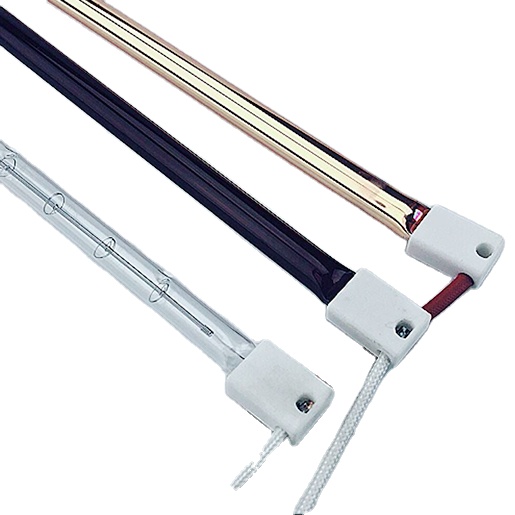
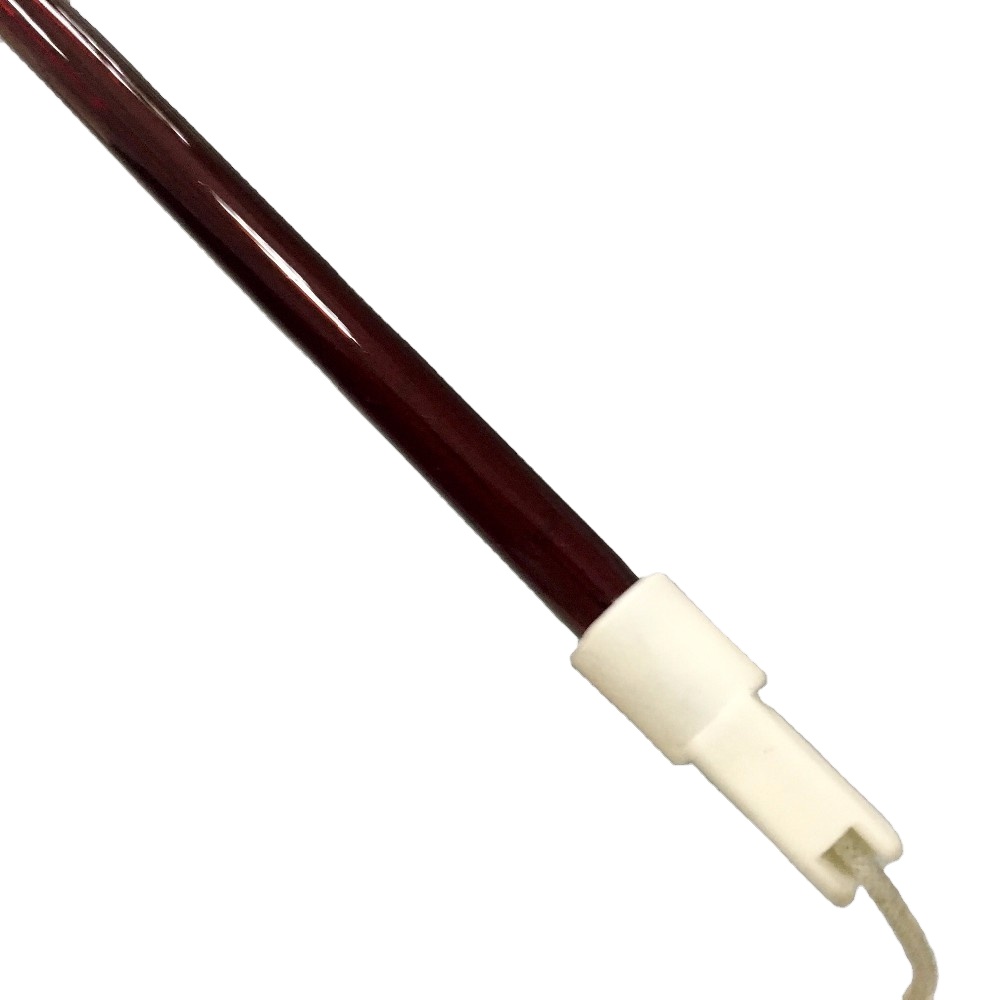
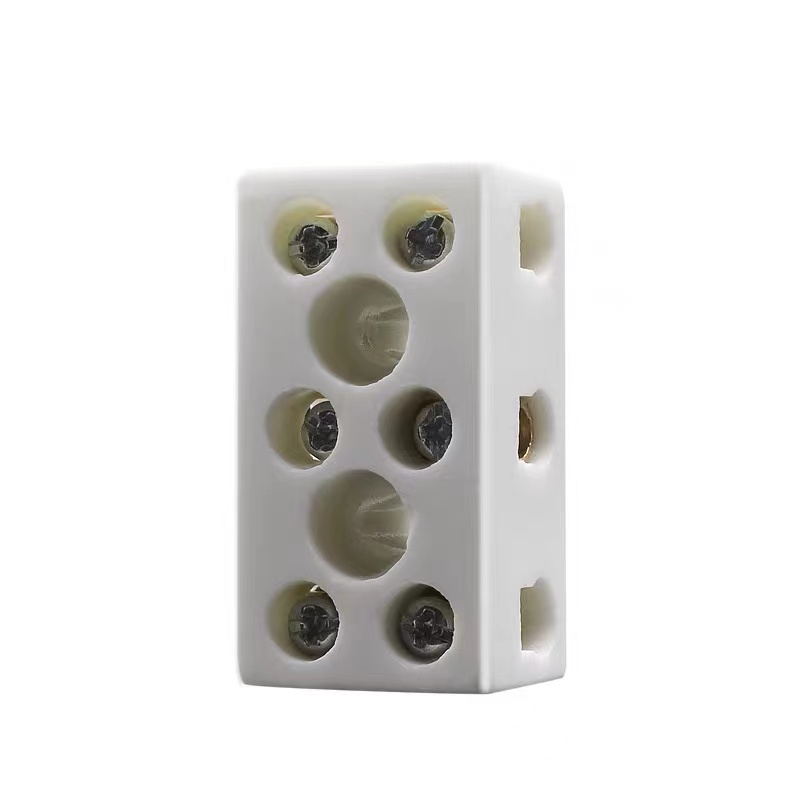
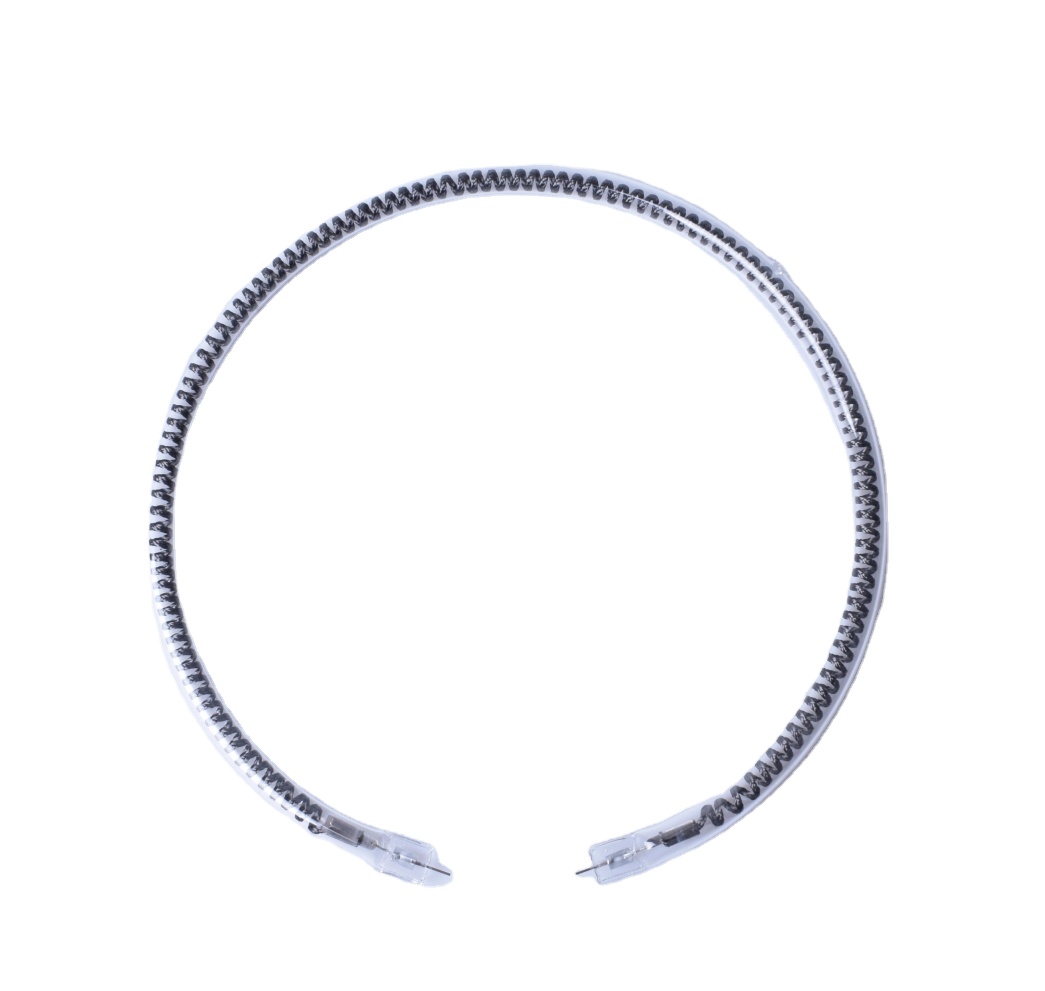
Custom OEM Quartz Capillary Rod: Architecture, Materials & Precision Calibration
In analytical chromatography, fiber-optic splicing sleeves, microfluidics, and semiconductor diffusion, custom quartz capillary rods and micro-tubing represent the foundational boundary where physical stability meets optical transparency.
Synthetic vs. Natural Fused Silica
Choosing between natural quartz crystal feedstock and synthetic fused silica (chemical vapor deposited SiCl4) establishes baseline performance. For deep UV transmission down to 190nm and ultra-low fluorescence in laser analysis, high-purity synthetic capillary rods eliminate transition metal absorption bands, keeping bubble and inclusion counts within ISO 10110 standards.
Controlled Dimensional Thermal Drawing
Fabricating uniform capillary structures demands ultra-stable draw tower controls with vertical servo feedback loops. Whether formulating single-bore fluid delivery rods, multi-lumen capillary tubes, or D-shaped optical profiles, continuous optical micrometer scanning maintains internal bore diameter (ID) tolerances to within ±0.005mm across draw runs exceeding 500 meters.
End-Face Metrology & Surface Finishing
Capillary functionality is constrained by end-face integrity. Mechanical dicing produces micro-fractures; therefore, state-of-the-art factories employ laser cleaving, diamond edge polishing, and localized hydrogen-oxygen flame annealing to deliver 80/50 scratch-dig end faces with edge chips under 5 microns, maximizing optical transmission and fluid flow dynamics.
| Material Property | Natural Fused Quartz Grade | Synthetic Fused Silica Grade | Impact on Capillary System Performance |
|---|---|---|---|
| Purity (SiO2 Concentration) | ≥ 99.99% | ≥ 99.9999% | Prevents ionic leaching in microfluidic and trace metal elemental analysis. |
| Hydroxyl (OH-) Content | < 5 ppm to 30 ppm | < 1 ppm (Low OH) / > 1000 ppm (High OH) | Controls infrared transmission attenuation and water absorption bands at 2.73µm. |
| Thermal Expansion (CTE, 20-320°C) | 5.5 × 10⁻⁷ / K | 5.2 × 10⁻⁷ / K | Extreme thermal shock resistance; prevents micro-cracking across cycle surges. |
| Annealing Point | 1215 °C | 1180 °C | Maintains rigid geometry during high-temperature thermal deposition processes. |
| Bore Concentricity & Ovality | ≤ 1.5% of outer diameter | ≤ 0.8% of outer diameter | Guarantees concentric beam matching in optical fiber connectors and ferrules. |
Global Sourcing Trends & Next-Gen Technology Horizons
Procurement directors and mechanical systems engineers are facing shifting macro dynamics in fused silica fabrication. Discover the four major developments reshaping custom quartz capillary procurement through 2026-2030.
1. Near-Cluster OEM Integration
Global equipment assemblers are decoupling from single-source Western fabrication houses in favor of verified manufacturing clusters in Lianyungang (Donghai), China. Direct proximity to raw quartz feedstocks reduces lead times by 40% while preserving strict ISO and CE electrical compliances.
2. Digital Bore Metrology (SPC)
Procurement audits increasingly mandate continuous Statistical Process Control (SPC) documentation. Leading OEM factories utilize real-time laser diffraction interferometers to measure bore ovality, wall taper, and concentricity at continuous 500Hz intervals during vertical drawing operations.
3. Capillary-to-Metal Hermetic Seals
Next-generation vacuum instrumentation demands direct transition from quartz capillary structures to Kovar or titanium ferrules. Advanced manufacturers now provide selective metallization (Titanium/Platinum/Gold sputtering) directly on capillary ends for vacuum brazing.
4. Multi-Lumen Microfluidic Geometry
Beyond traditional single concentric bores, microfluidics and DNA electrophoresis equipment rely on multi-channel capillary arrays. Modern OEM extruders draw 4-bore, 7-bore, and honeycomb micro-structures with cross-bore dimensional variation controlled within 1.5%.
Kavri Quartz: Lianyungang Industrial Hub Advantage
Founded in 2014 and onsite-verified by Alibaba.com and third-party inspection agencies, Kavri Quartz Product Co., Ltd. combines raw fused silica access with high-precision hot glass working. Operating 3 dedicated production lines with exports reaching 81–90% across Germany, the Netherlands, the United States, Japan, and South Korea, we provide end-to-end drawing, grinding, polishing, and custom electrical packaging for mission-critical components.
Get CatalogFrequently Asked Questions: Quartz Capillary Rods & OEM Sourcing
Straightforward technical answers to the most common engineering and commercial questions posed by OEM purchasing agents and research lab technicians.