Short-Wave
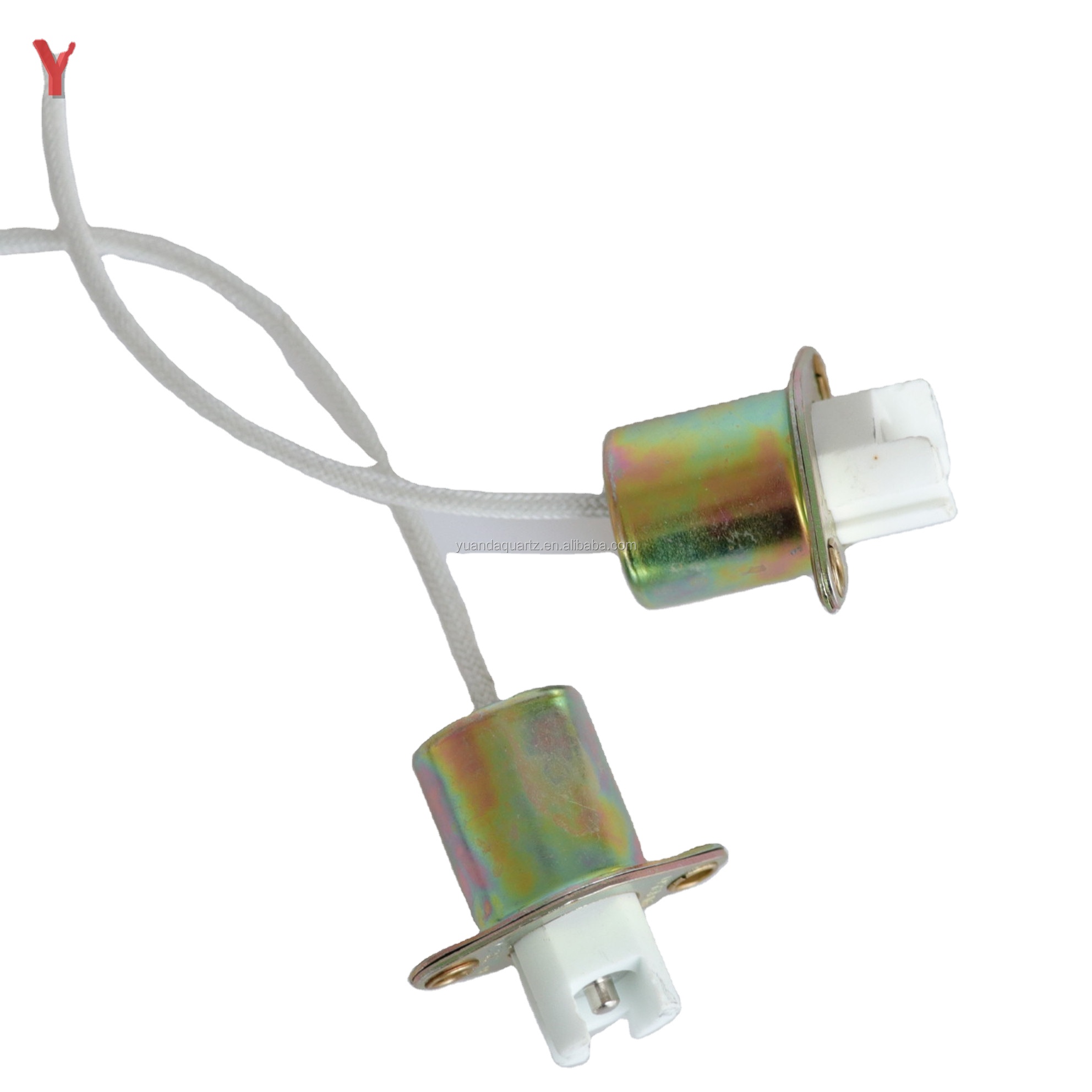
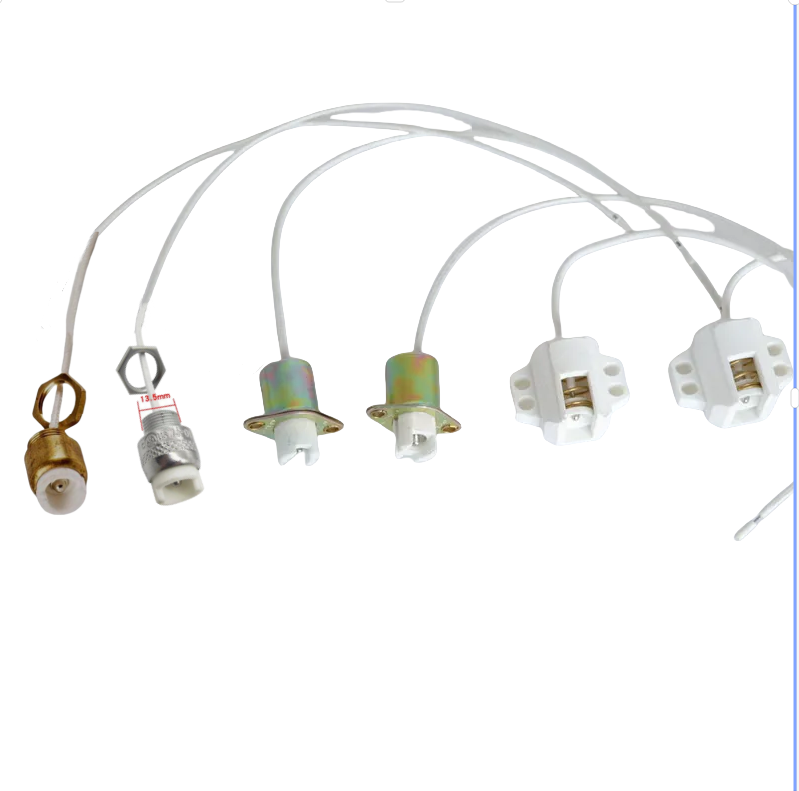
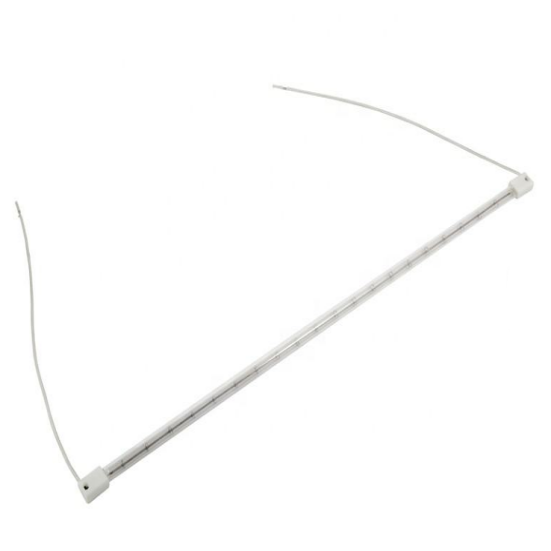
R7S Halogen Infrared Lamp Ceramic Lamp Holder
- Peak Wavelength: 1.0 – 1.2 µm
- Base Type: Standard R7S Steatite
- 1-Second Response Heating
Our factory combines ultra-pure fused quartz envelopes with specialized precision filaments, gold reflectors, and custom terminations for demanding industrial manufacturing lines.
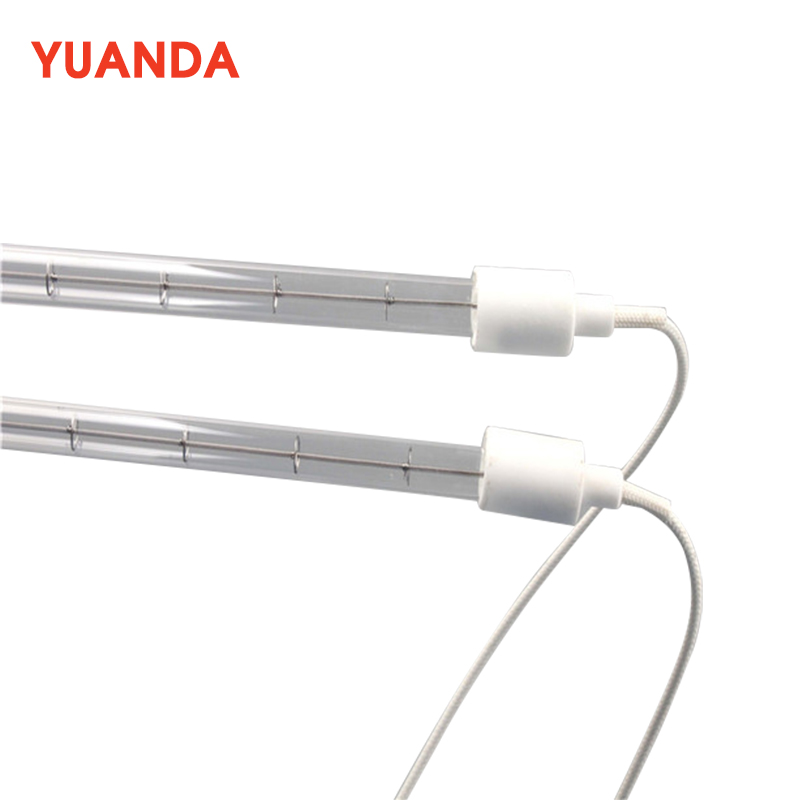
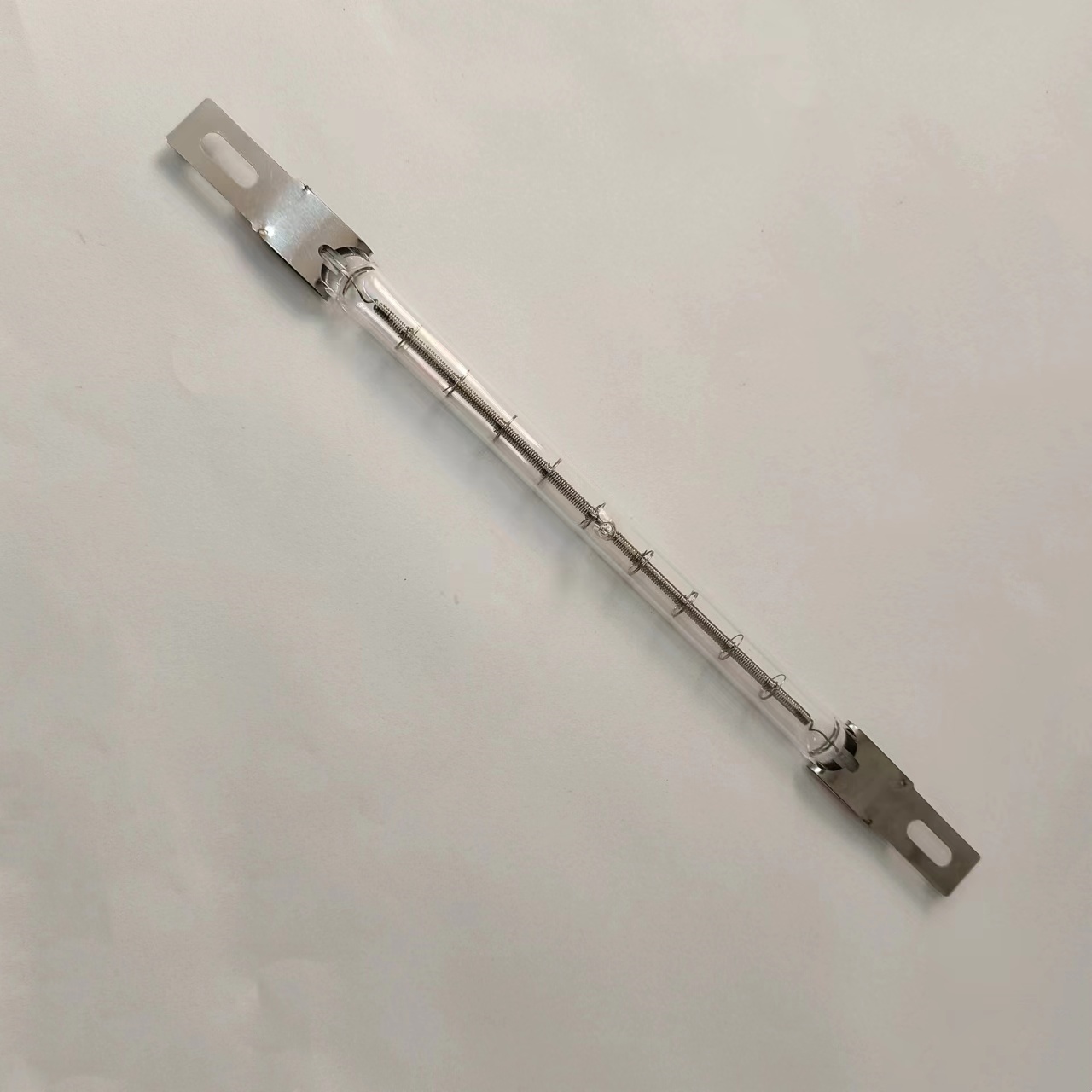
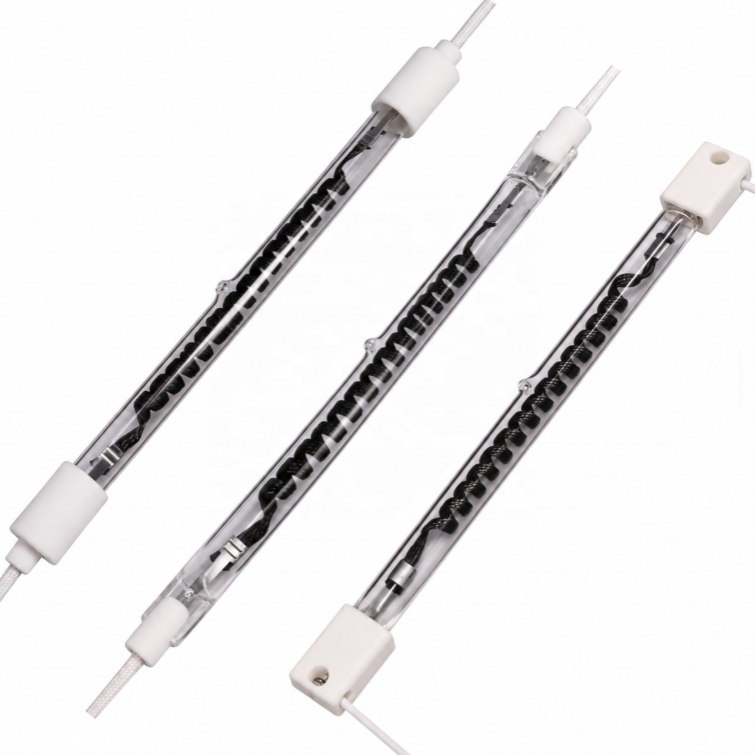
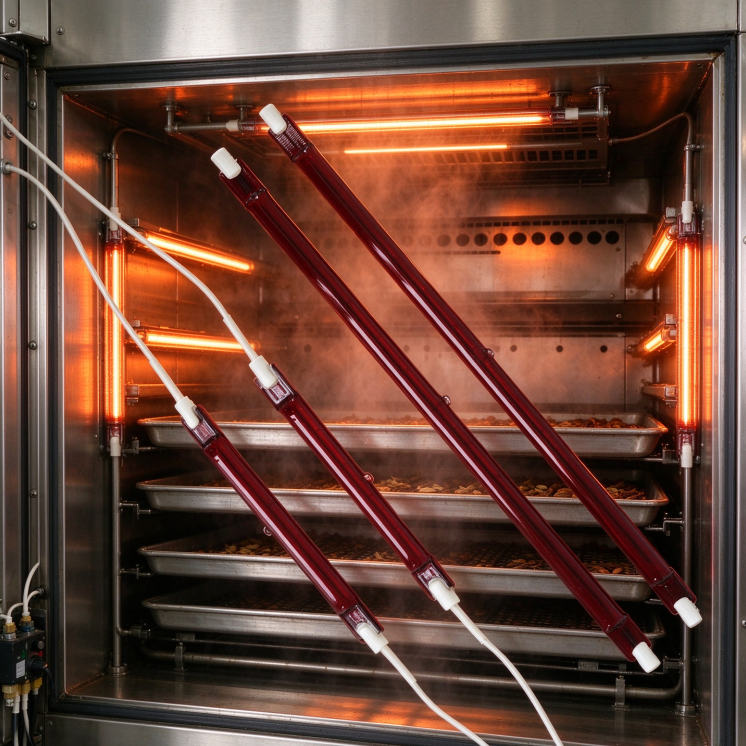
Industrial engineers choose fused quartz glass over borosilicate or standard aluminosilicate glasses because of its near-zero coefficient of thermal expansion, unmatched UV-to-NIR spectral transmission, and chemical inertness under corrosive conditions.
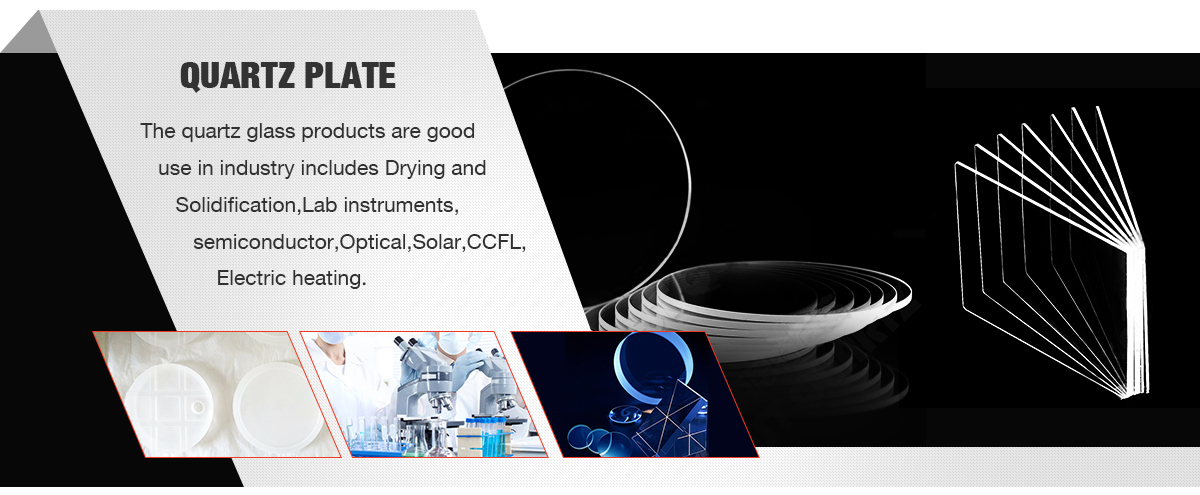
Fused silica is an amorphous vitreous material created by melting naturally occurring high-purity quartz sand or synthetic silicon precursors (SiCl4) at temperatures exceeding 2000°C. The tightly cross-linked three-dimensional silicon-oxygen tetrahedral network provides profound thermodynamic stability.
For custom OEM manufacturing, understanding the concentration of hydroxyl groups (OH-) and metallic impurities (Al, Fe, Ti, Na, K, Li) is vital to mitigate thermal devitrification (cristobalite crystal growth) at elevated sustained temperatures.
| Optical Quartz Grade | Typical Manufacturing Process | Transmission Bandwidth | OH Content (PPM) | Dominant Industrial Use-Cases |
|---|---|---|---|---|
| JGS1 (Synthetic Silica) | Chemical Vapor Deposition (SiCl4) | 185 nm – 2500 nm (Deep DUV to NIR) | < 10 – 200 (Grade dependent) | Semiconductor photolithography, laser windows, deep UV lamps |
| JGS2 (Fused Natural Quartz) | Electric Arc / Oxy-hydrogen Fusion | 220 nm – 2800 nm (Near UV to NIR) | < 30 – 150 | Infrared heater tubes, furnace sight glasses, optical blanks |
| JGS3 (Infrared Fused Quartz) | Vacuum Electric Furnace Fusion | 260 nm – 3500 nm (Extended IR Spectrum) | < 5 (Ultra-dry IR Grade) | Mid-wave & Carbon IR emitters, military optronics, gas sensors |
| Opaque / Milky Quartz | Porous fusion with micro-air bubbles | Diffuse scattering / thermal barrier | N/A | Thermal insulation baffles, semiconductor diffusion furnace sleeves |
Transforming raw silica ingots into high-tolerance industrial instruments demands tight integration of mechanical CNC cold-working and cleanroom oxy-hydrogen flame-working.
Computerized profile diamond grinding and micro-drilling achieve dimensional tolerances within ±0.02 mm. We engineer custom bevels, complex internal flow cells for biochemistry analyzers, laser-slotted cooling holes, and stepped optical discs with pristine surface uniformity.
Every welded joint, flange, and bent tube undergoes computer-controlled thermal annealing at 1150°C followed by progressive cooling. This process dissolves internal residual mechanical strain, verified by polarized stress polariscopes, preventing spontaneous shattering during cycling.
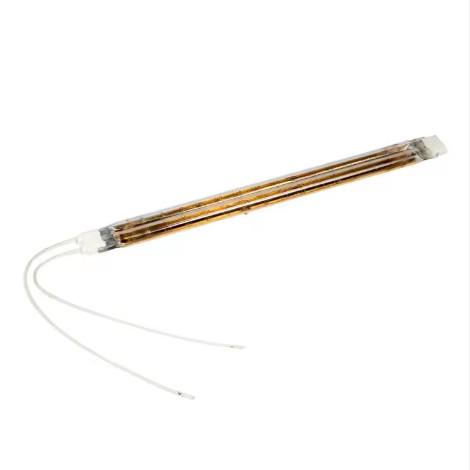
State-of-the-art physical vapor deposition applies sub-micron high-purity gold and high-temperature white ceramic reflectors directly onto the quartz envelope. Gold coatings yield up to 98% infrared reflectivity, lowering back-side thermal dissipation by 40%.
Strategic supply chain directors are re-evaluating sourcing channels due to surging semiconductor fab construction, photovoltaic cell expansion, and aggressive decarbonization mandates across thermal processing industries.
The push toward smaller transistor nodes is driving stricter impurity tolerance levels. Procurement officers now require trace metal contents below 5 ppb for sodium and potassium to prevent mobile ion migration in fab furnaces, making certificate-of-analysis (CoA) validation standard practice.
Fossil gas-fired drying tunnels are converting to electrified infrared quartz systems to eliminate Scope 1 emissions. Precision short-wave halogen and carbon fiber lamps deliver instant heating on demand, reducing power usage by up to 35% compared to convection ovens.
Buyers are bypassing Western intermediaries and partnering directly with regional quartz hubs like Donghai in Lianyungang. Sourcing from regions with integrated mineral refinement and glass-blowing capacity reduces unit procurement costs by 30% to 50% while speeding up custom prototypes.
High-output bottle blowing equipment operating at 80,000 bottles per hour requires specialized twin-tube emitters with consistent filament centering. Emitter lifespan consistency is now prioritized over base purchase price to prevent costly line stoppages.
With high-purity natural silica sand deposits concentrated in a few global locations, manufacturers with secured supply chains and synthetic silica conversion lines offer better price stability and consistent lead times for multi-year OEM programs.
System integrators are requesting standardized end-cap architectures (e.g., universal R7S, wire-lead strain reliefs, customized snap brackets) to simplify maintenance for industrial customers operating diverse machine fleets.
Established in 2014 in Lianyungang, China, Kavri Quartz bridges high-grade silica raw material access with experienced hot-glass craftsmanship to supply OEM components across five continents.
Located in Lianyungang, our manufacturing hub provides immediate access to regional raw silica deposits, dedicated gas infrastructure, and master glass-blowers. This concentration cuts raw material procurement lead times and allows cost-effective production runs.
We maintain independent, specialized workshop lines for short-wave tungsten halogen lamps, carbon fiber medium-wave infrared elements, and cold-worked fused quartz glassware. This dedicated structure maintains clean batch separation and steady output.
Every production batch passes strict inspection: optical transmission profiling, polarimetric stress validation, vacuum seal helium leak detection, electrical resistance auditing, and dimensional coordinate measurement (CMM) before dispatch.
We build precisely to your engineering prints, DXF CAD files, or returned worn-out field samples. From voltage adjustments (12V to 480V) to custom twin-tube profiles, lead wire lengths, and private-label ceramic print branding, our custom OEM engineering delivers.
Exporting high-precision quartz glass demands specialized packaging. We use custom-molded high-density EPE foam, shock-absorbing internal PVC structural sleeves, and vacuum-sealed inner wraps housed in reinforced composite wooden cases for damage-free transit.
With 81% to 90% of our products exported to Germany, the Netherlands, the USA, Japan, and South Korea, our freight desk supports EXW, FOB, CIF, and full door-to-door DDP terms, managing all export documentation and customs clearance.
Answers to common technical, commercial, and operational questions asked by equipment designers, procurement agents, and plant maintenance managers.
Send us your drawings, machine models, or performance specifications. Our engineering team will review your application requirements and provide an initial design evaluation and quotation within 4 hours.
Get a Quote