Ceramic Base
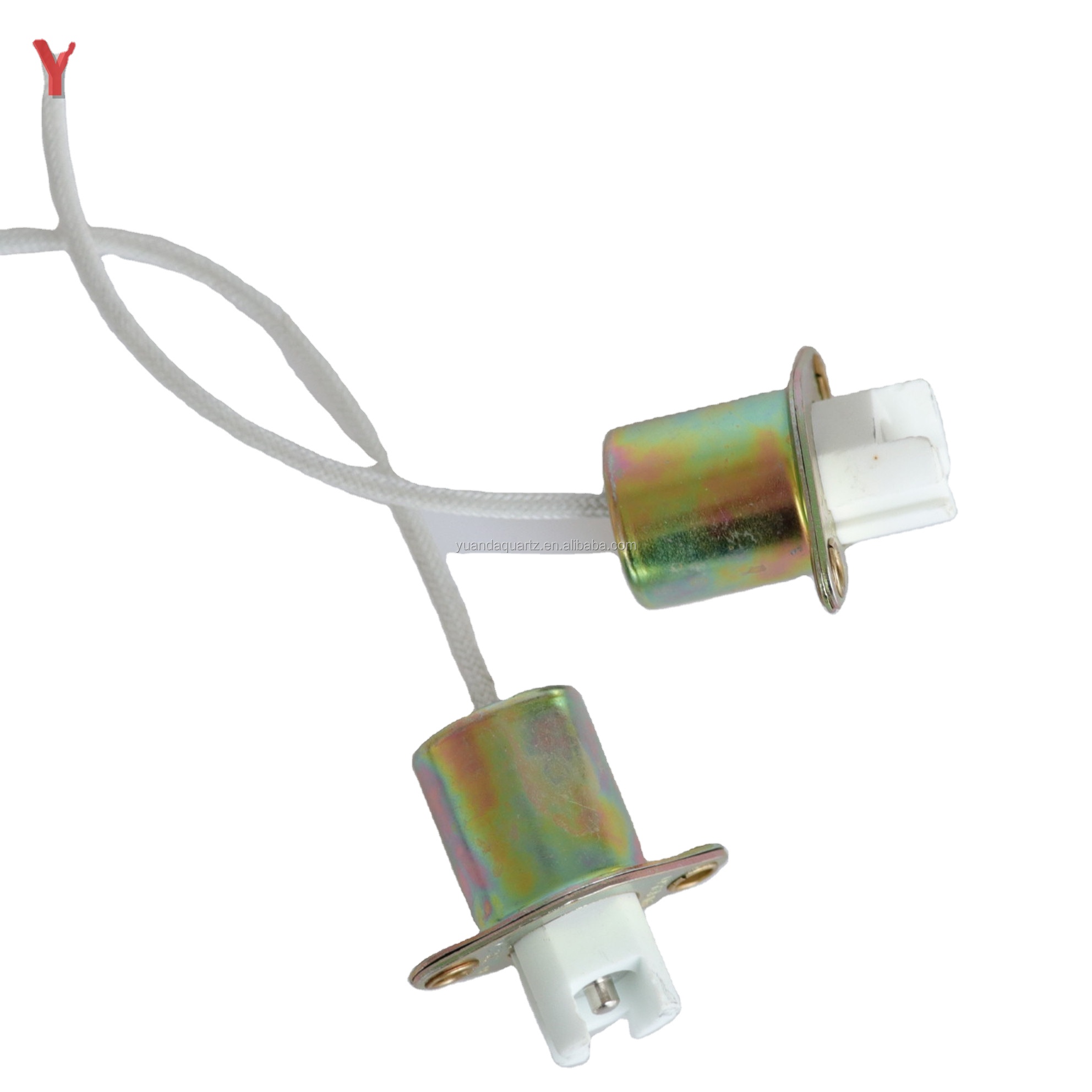
R7S Halogen Infrared Lamp Ceramic Lamp Holder
Standard R7S End
High Dielectric
Tungsten Coil
Direct OEM manufacturing from our specialized quartz facility in Lianyungang (Donghai cluster). All rods, infrared tubes, and precision assemblies are calibrated to your CAD drawings, thermal profiles, and mechanical criteria.
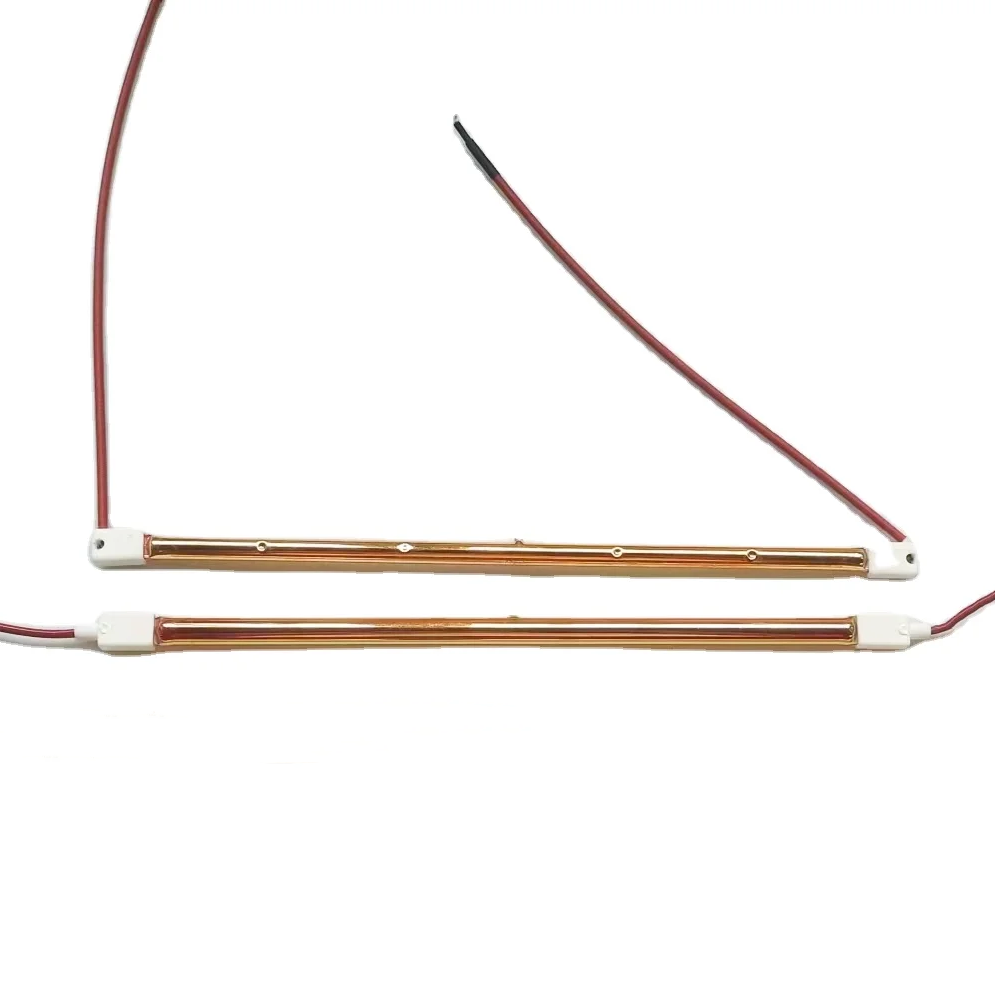
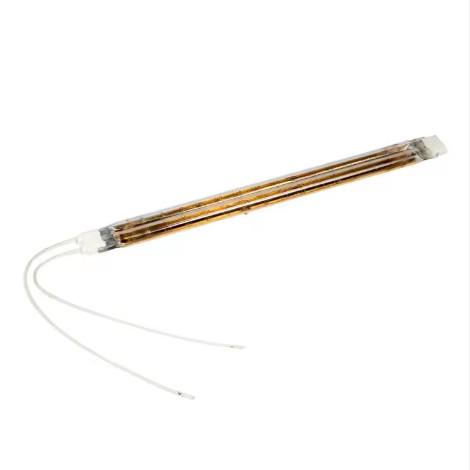
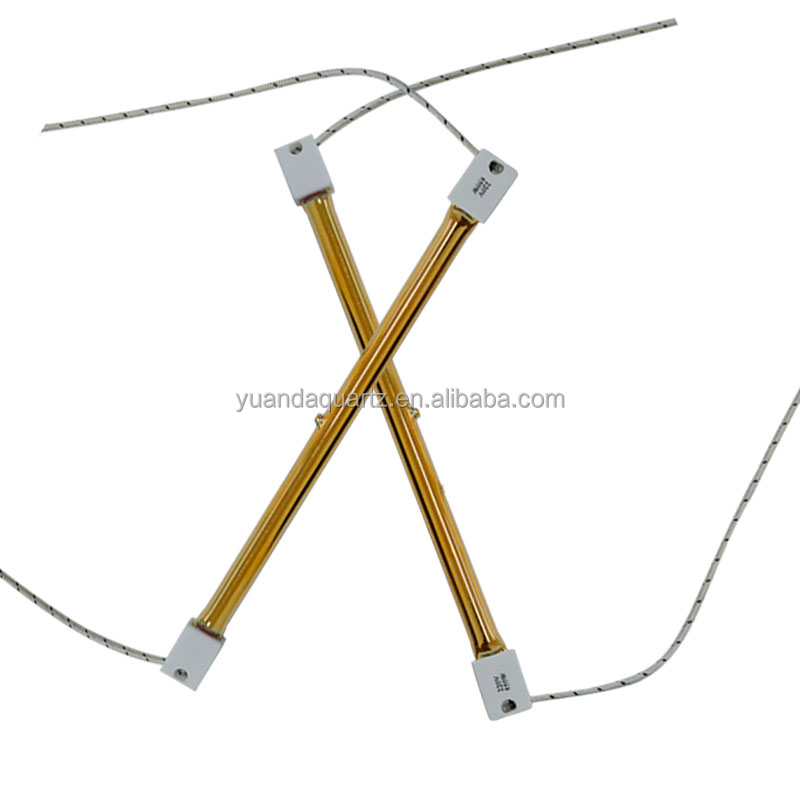
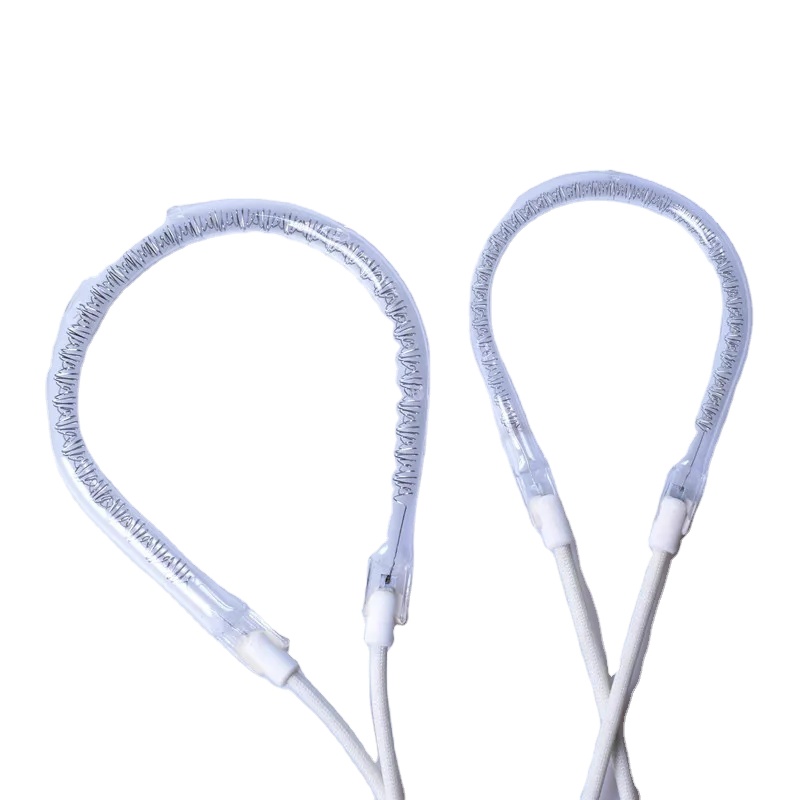
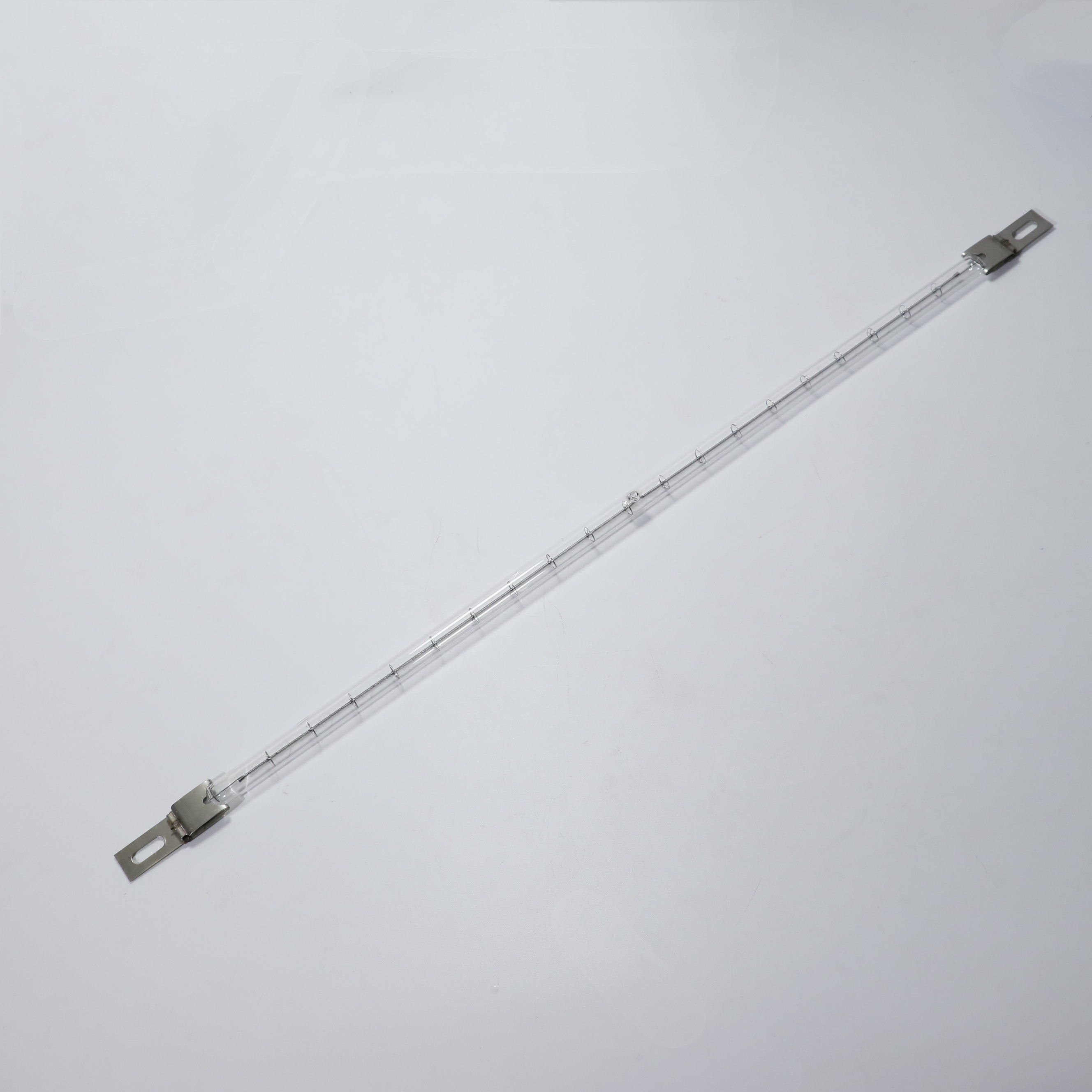
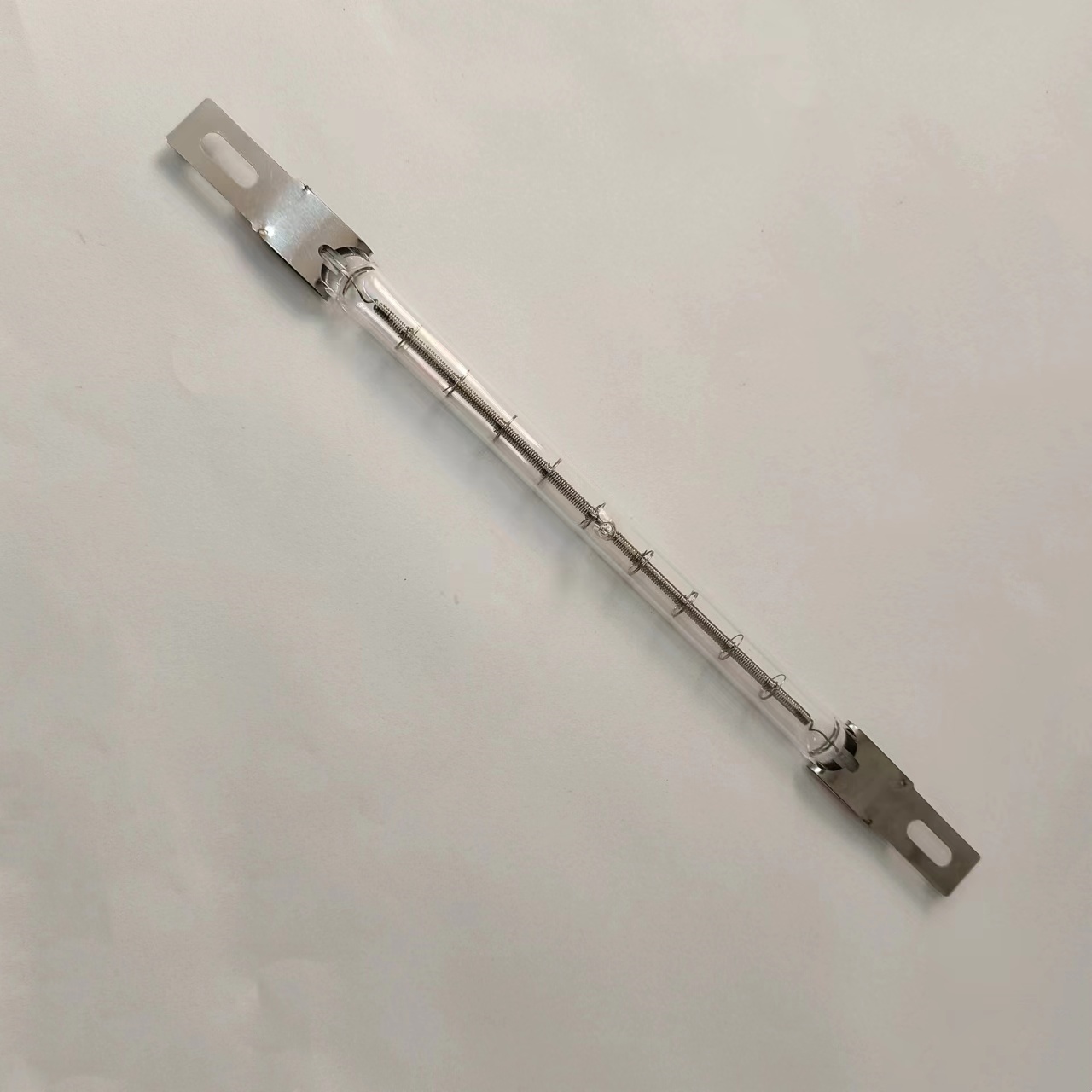
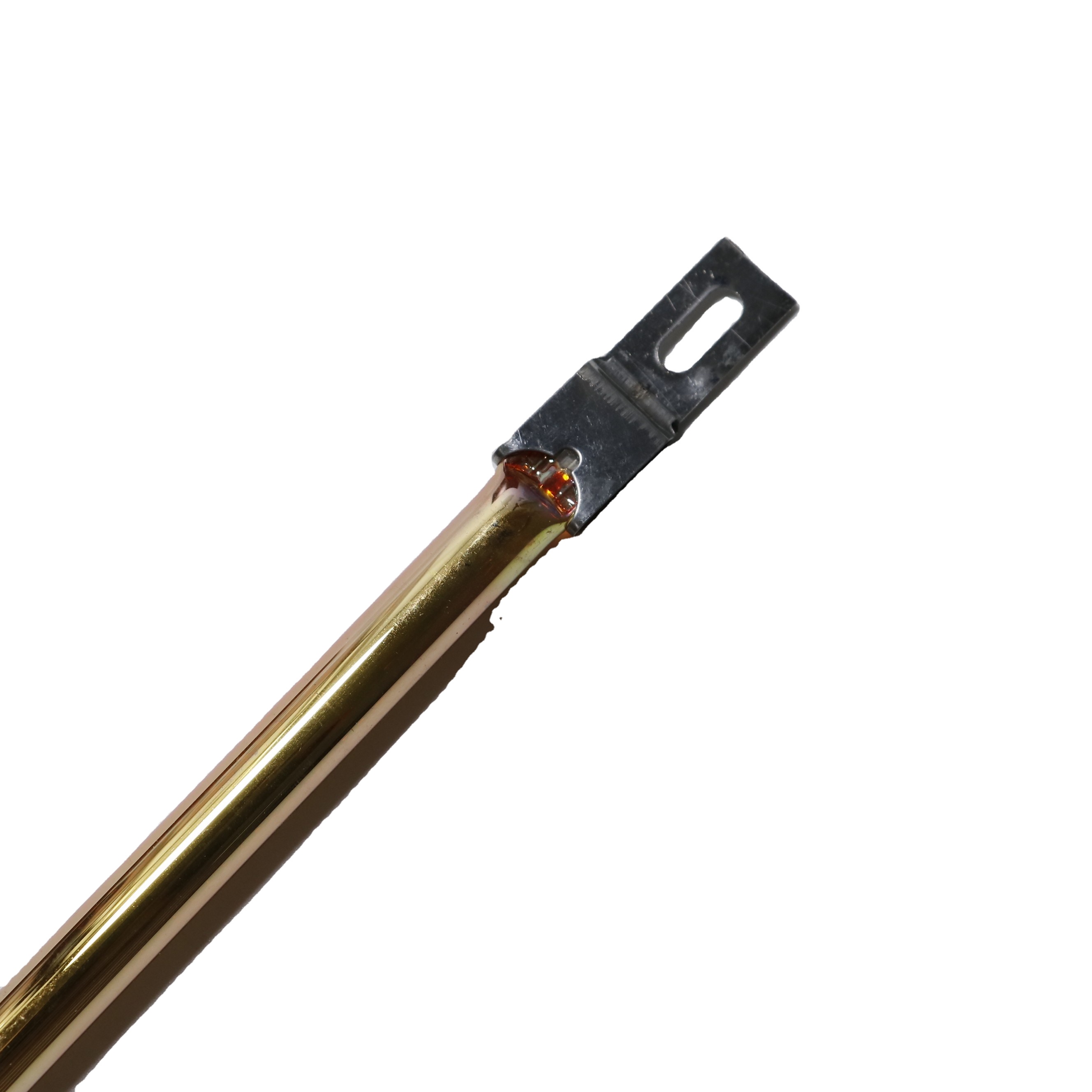
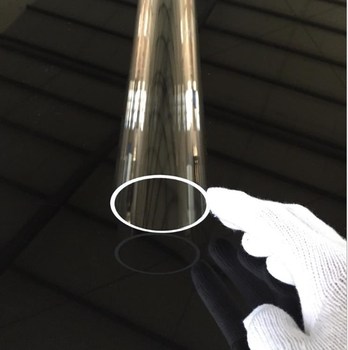
Fused quartz rods (amorphous Silicon Dioxide, SiO₂) represent the pinnacle of high-temperature structural ceramics and dielectric light-transmitting elements. Manufactured via continuous electrical fusion or oxy-hydrogen flame fusion of natural high-purity crystalline quartz sands mined in the geological belts of Donghai, these rods offer unprecedented chemical inertness against harsh acids and halogens at extreme thermal profiles.
Unlike borosilicate or aluminosilicate glasses, the network structure of pure SiO₂ possesses an extraordinarily low coefficient of thermal expansion (α = 5.5 × 10⁻⁷ /°C). This characteristic makes custom quartz rods virtually immune to thermal shock, enabling an operator to heat a 20mm rod to 1,150°C and instantaneously quench it in cold water without catastrophic fracturing.
| Material Property | Electrically Fused Quartz (Type I/II) | Flame-Fused Quartz (Type III) | Synthetic Silica Rod (Type IV) |
|---|---|---|---|
| SiO₂ Purity Level | ≥ 99.99% (4N) | ≥ 99.995% (4.5N) | ≥ 99.9999% (6N) |
| OH⁻ (Hydroxyl) Content | < 5 – 30 ppm (Dry Grade) | 150 – 450 ppm | < 1 ppm (Ultra-Low OH) |
| Strain Point / Annealing Point | 1,070 °C / 1,180 °C | 1,020 °C / 1,120 °C | 1,000 °C / 1,100 °C |
| Thermal Expansion (0–300°C) | 5.5 × 10⁻⁷ / K | 5.5 × 10⁻⁷ / K | 5.2 × 10⁻⁷ / K |
| Transmission Window | 260 nm – 3,500 nm (Near UV to Mid-IR) | 220 nm – 2,600 nm | 185 nm – 2,100 nm (Deep UV DUV) |
| Dielectric Strength (20°C) | 25 – 40 kV/mm | 25 – 40 kV/mm | > 45 kV/mm |
Solid fused quartz rods serve as the structural backbone for vertical and horizontal wafer diffusion cassettes, paddle arms, and cantilever rods in 300mm silicon fab environments. Minimal trace metallic impurities (Fe ≤ 0.2ppm, Cu ≤ 0.05ppm) safeguard against lethal lattice contamination during high-k gate dielectric annealing processes.
Precision-polished cylindrical quartz rods with fire-polished perimeter surfaces act as high-efficiency total internal reflection (TIR) optical pipes. Utilized across fiber preform collapse furnaces, non-contact infrared thermal pyrometry, and UV curing systems requiring uniform photon distribution from 254nm to short-wave IR spectra.
Thermal stress resistance dictates using precision quartz rods to suspend heavy tungsten or carbon filaments inside vacuum emitter tubes. Engineered quartz spacers eliminate sag at 2,400°C filament operational temperatures, preventing localized envelope meltdown in high-speed PET blow molding and car body drying applications.
Operating in Niushan Street, Lianyungang, Kavri Quartz sits at the core of the global crystal and fused silica supply ecosystem. Our factory integrates electric-furnace drawing towers, computerized centerless grinding lathes, cold-cutting laser systems, and high-temperature hydrogen-oxygen annealing benches.
Strategic material sourcing in the quartz glass and thermal emitter sector is evolving rapidly. Procurement managers and OEM design engineers must align their vendor specifications with next-generation processing benchmarks.
While natural high-purity quartz remains the dominant material for furnaces and heater sleeves due to cost efficiency, advanced wafer fabrication requires transition toward synthetic quartz rods synthesized via SiCl₄ chemical vapor deposition (CVD). This eliminates bubble clusters and delivers metallic impurity counts below 0.1 ppb.
In thermal processing, bare halogen emitters dissipate over 40% of their heat backward. The modern procurement trend mandates nanometer gold-coated back reflectors or high-emissivity white diffuse ceramic backings directly sintered onto quartz rods and twin tubes, slicing electrical kilowatt-hour consumption by up to 28% in continuous drying operations.
Industrial machinery builders are migrating away from traditional resistance heaters toward sub-second response short-wave infrared quartz tubes. The capability of a tungsten filament quartz tube to reach full 2,200°C color temperature in under 1,000 milliseconds enables closed-loop pyrometric modulation, minimizing preform scrap in PET stretch blow molding.
Direct technical clarifications regarding tolerances, raw material classifications, minimum order volumes, and international export criteria.
Send us your engineering blueprints, old lamp reference numbers, or operating parameters. Our technical engineering desk in Lianyungang reviews and responds within 4 business hours.