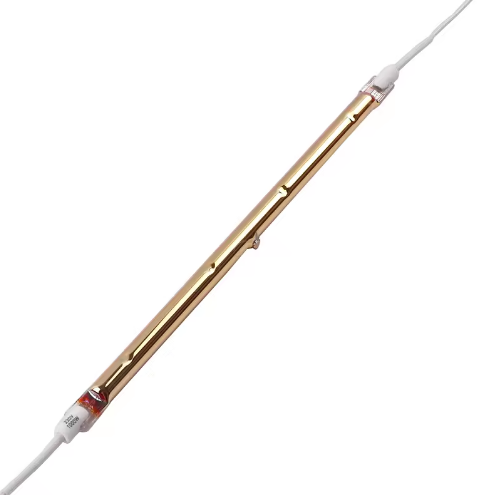
Short-Wave IR · Gold Reflector
Direct factory supply of high-purity fused silica glass emitters, optical sleeves, and heavy-duty industrial heating units designed for blow molding, industrial drying ovens, and advanced curing lines.
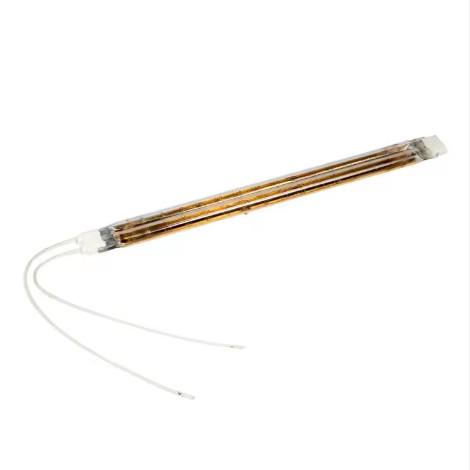
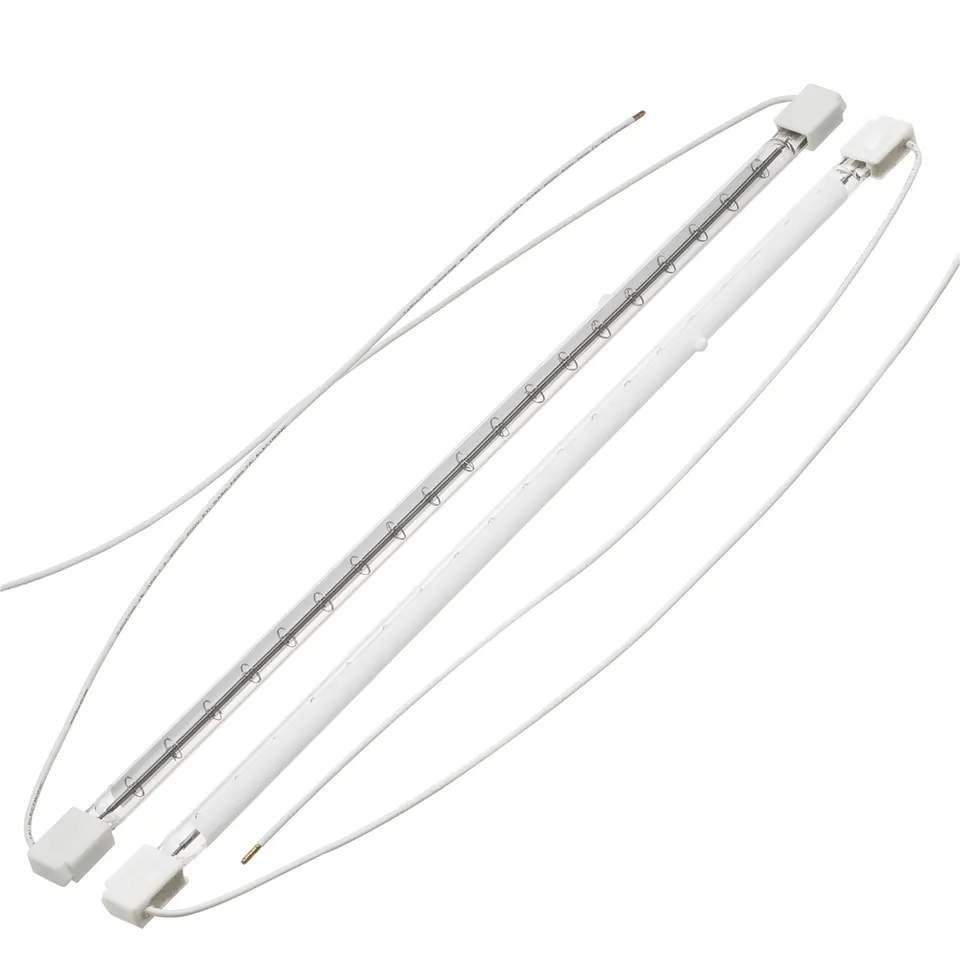
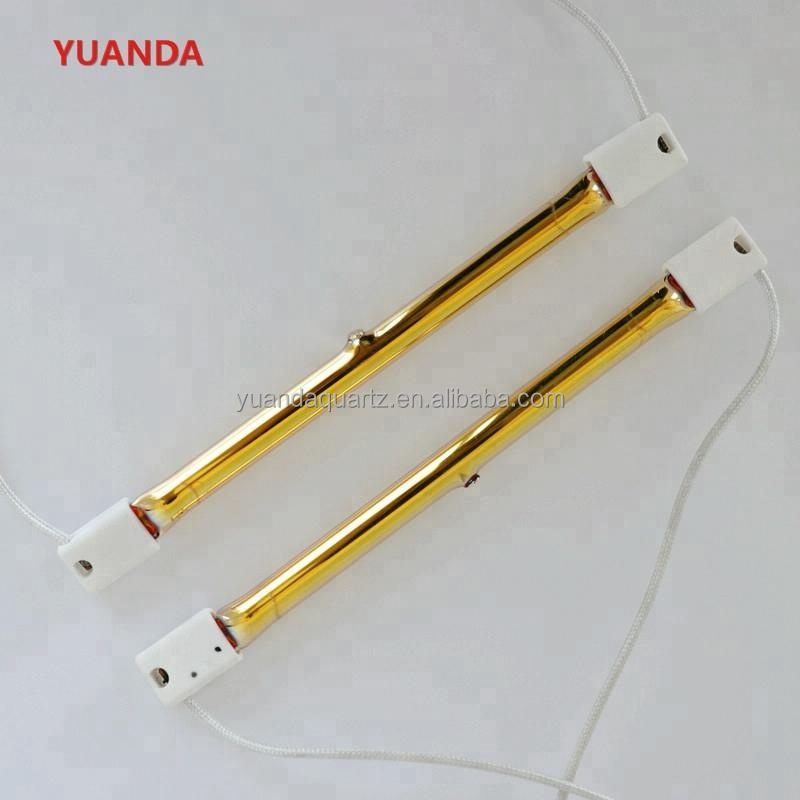
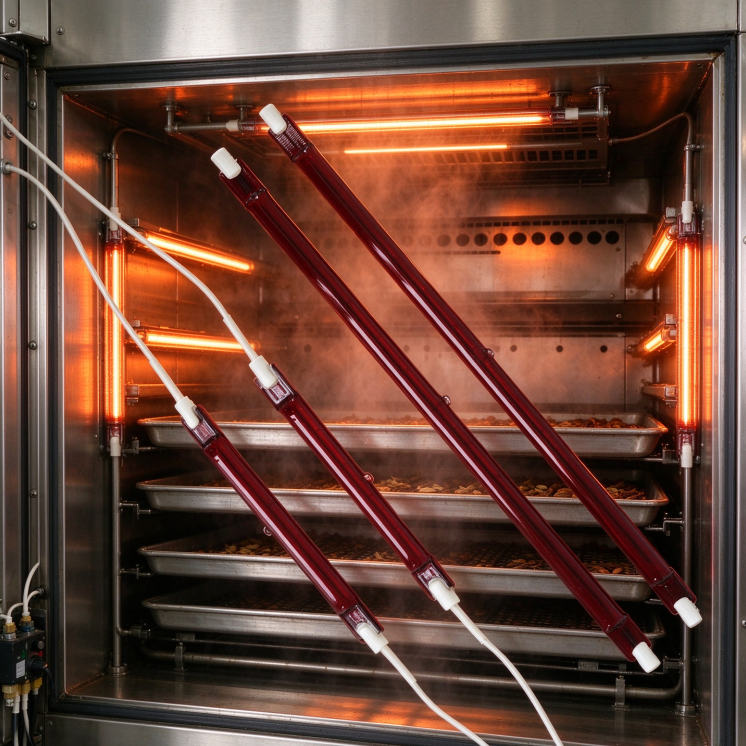
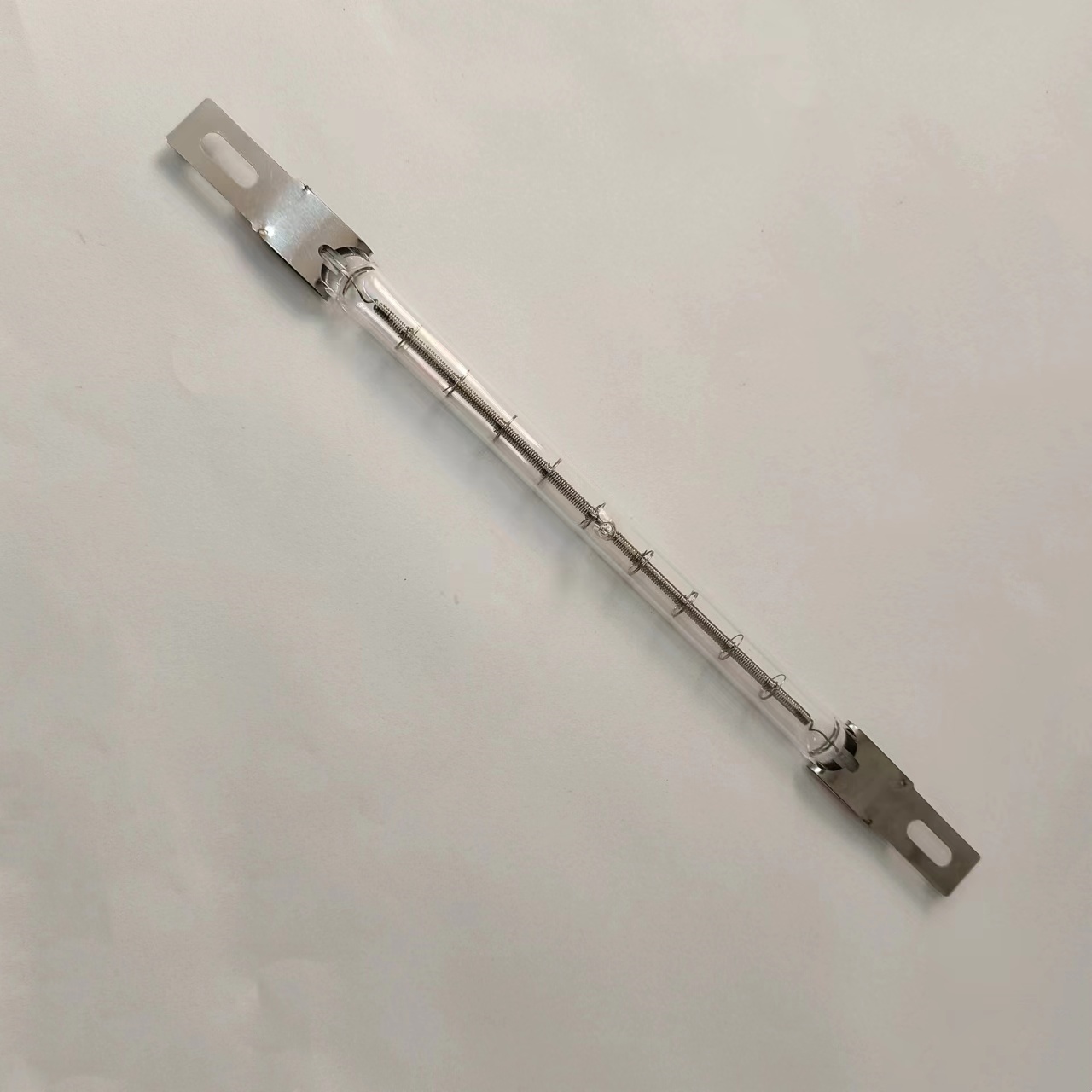
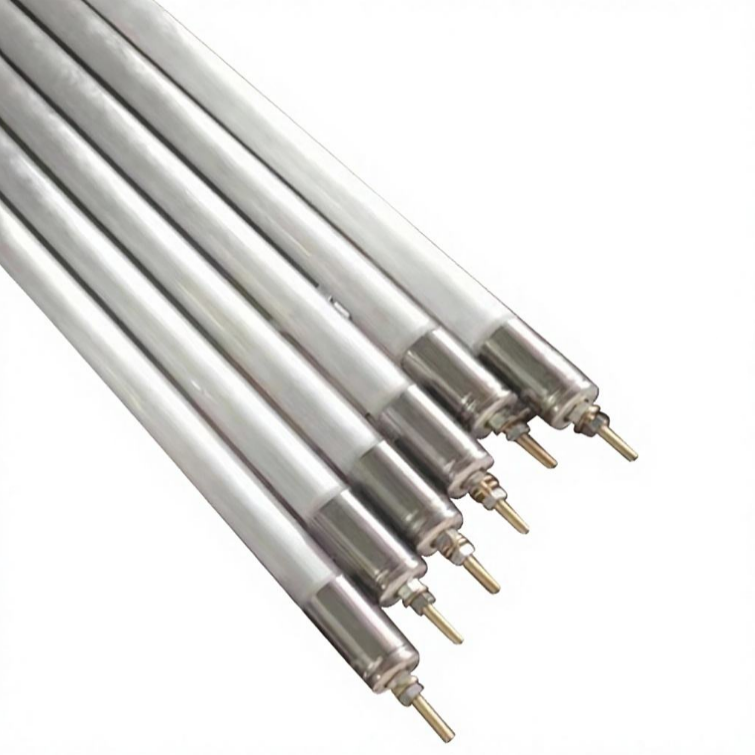
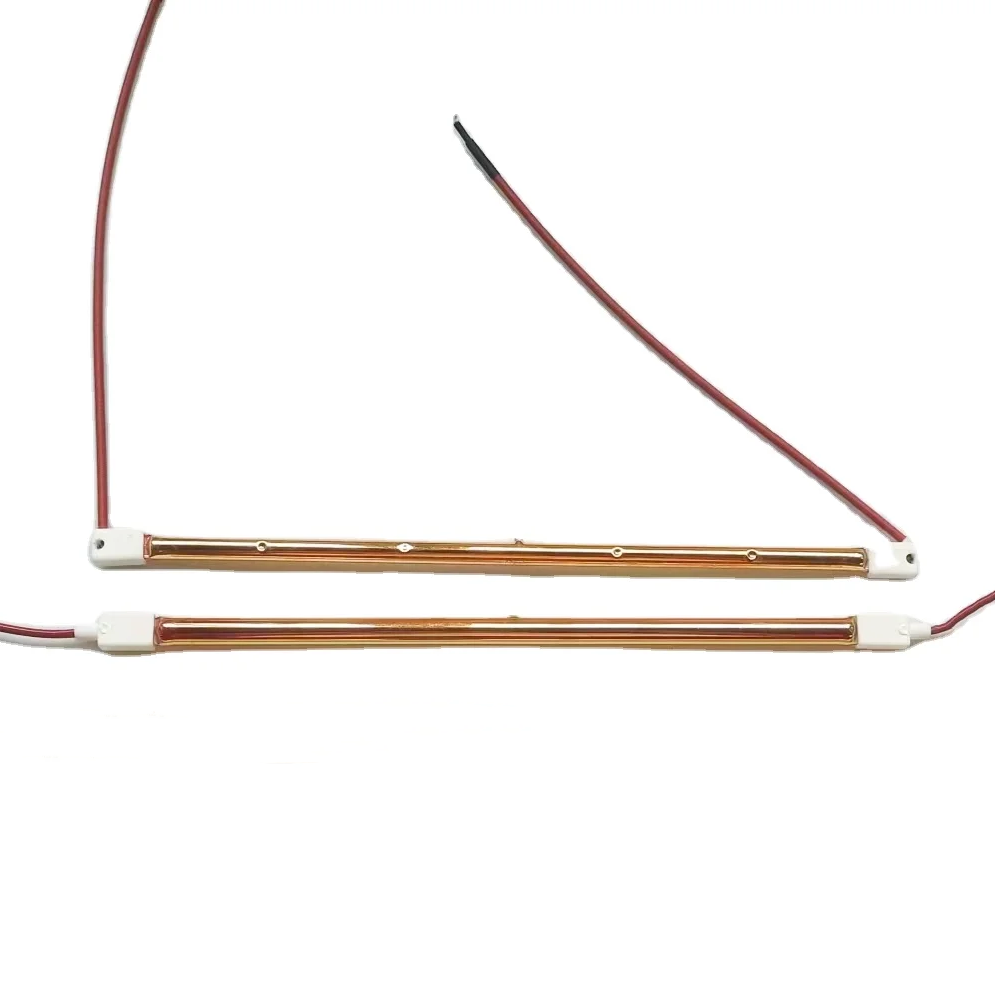
In high-performance industrial environments, standard borosilicate or soda-lime glass degrades rapidly under deep UV radiation and severe thermal gradients. Understanding the structural properties of pure amorphous silicon dioxide (SiO2) is fundamental to designing robust photocuring and radiant drying machinery.
| Material Class | SiO2 Purity (%) | UV Transmission Band | Hydroxyl [OH-] Content | Max Working Temp | Core Industrial Application |
|---|---|---|---|---|---|
| JGS1 (Synthetic Silica) | ≥ 99.999% | 185 nm – 2500 nm (Deep UV) | < 5 ppm / Low Bubble | 1150 °C | Semiconductor Photolithography, UV Laser Optics, Excimer Lamps |
| JGS2 (Fused Quartz Tube) | ≥ 99.99% | 220 nm – 2800 nm (UV / VIS) | < 30 ppm | 1100 °C | UV Curing Envelopes, Sterilization Lamps, Ozone Production Tubes |
| JGS3 (Infrared Quartz Glass) | ≥ 99.98% | 260 nm – 3500 nm (Near/Mid IR) | < 2 ppm (Water-free) | 1100 °C | Halogen IR Emitters, Carbon Twin Tubes, PET Blowing Furnaces |
| Borosilicate 3.3 (Reference) | ~ 81.0% | Cutoff at < 310 nm | N/A | 450 °C | Low-temperature Sight Glasses, General Chemistry Ware |
Thermal Shock Resilience: Fused quartz exhibits an extraordinarily low coefficient of thermal expansion (α = 5.5 × 10⁻⁷ / K between 20°C and 1000°C). A red-hot quartz envelope heated above 1000°C can be dropped immediately into ice water without structural fracturing or micro-crack propagation, making it essential for cyclic heating, sudden water sprays, and rapid on/off duty cycles in industrial print dryers and automated assembly conveyors.
Global supply chain directors and OEM purchasing teams are actively restructuring their bill-of-materials (BOM) to optimize total cost of ownership, decarbonize thermal processing, and prevent unexpected production downtime.
Industrial thermal facilities are replacing inefficient gas convection tunnels with direct electric quartz radiant emitters. Short-wave infrared transfers energy straight to the substrate without warming surrounding atmospheric volumes, delivering up to 60% energy reductions in coating lines and thermoforming.
Twin-tube (11x23mm / 15x33mm) designs featuring integrated 24K gold or ceramic half-coatings are superseding conventional round single tubes. They offer mechanical stability across span lengths exceeding 3000 mm, preventing tube sag under high operating temperatures while doubling radiant forward flux.
In photocuring, electronics encapsulation, and medical adhesive assembly, buyers increasingly require doped synthetic quartz envelopes that filter out vacuum UV wavelengths below 240 nm. This eliminates workplace ozone generation while transmitting maximum flux at 254 nm and 365 nm curing peaks.
Tier-1 machine builders across Europe and the Americas are bypassing intermediate trading brokers. By establishing direct contracts with manufacturing hubs in Lianyungang, buyers achieve customized mechanical tolerances, specialized terminal pins, and factory-direct pricing with verified batch traceability.
Precision quartz manufacturing has shifted from manual flame-working to automated CNC cold machining, laser profile inspection, and plasma chemical deposition. Below are the definitive manufacturing advancements driving high-yield components.
Eliminating micro-bubbles and hydroxyl impurities requires two-step electric furnace fusion. High-purity natural silica sand is melted in tungsten-lined crucibles under inert shielding. This reduces structural seeds, bubble clusters, and striae, yielding uniform wall thickness across standard and non-standard quartz tubing.
Traditional secondary metal reflectors quickly oxidize, degrade, and collect dust in industrial ovens. Modern emitters feature high-purity gold or diffuse white ceramic directly bonded onto the quartz exterior via high-temperature plasma sintering. This directs 95% of rear infrared forward without external maintenance.
Micro-notches along cut quartz tubing or optical plates create stress concentration zones susceptible to thermal fracturing during thermal shock cycles. Diamond-tool CNC milling and computerized hydrogen-oxygen fire polishing eliminate micro-cracks, ensuring burst-pressure safety in lab flow cells and pressurized UV chambers.
Situated in Lianyungang, Jiangsu — directly adjacent to Donghai, China's world-renowned epicenter of silicon mineral processing — Kavri Quartz Product Co., Ltd. integrates raw silica refining, glass drawing, emitter winding, and optical fabrication under one stringent quality assurance architecture.
Since 2014, our facilities have served as an essential OEM partner for automated packaging manufacturers, high-speed rotary blow-molding equipment builders, and industrial electronics fabricators across Germany, Japan, South Korea, the Netherlands, and North America.
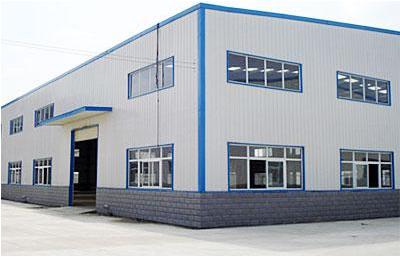
 Cleanroom Workshop
 Precision Lamp Assembly
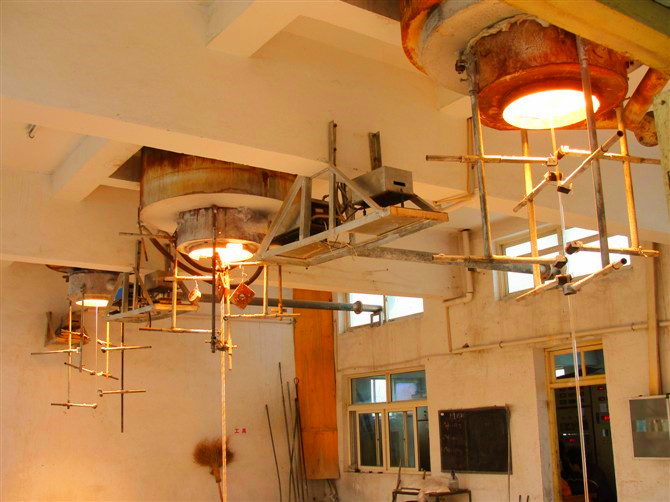
 Thermal Processing Cell
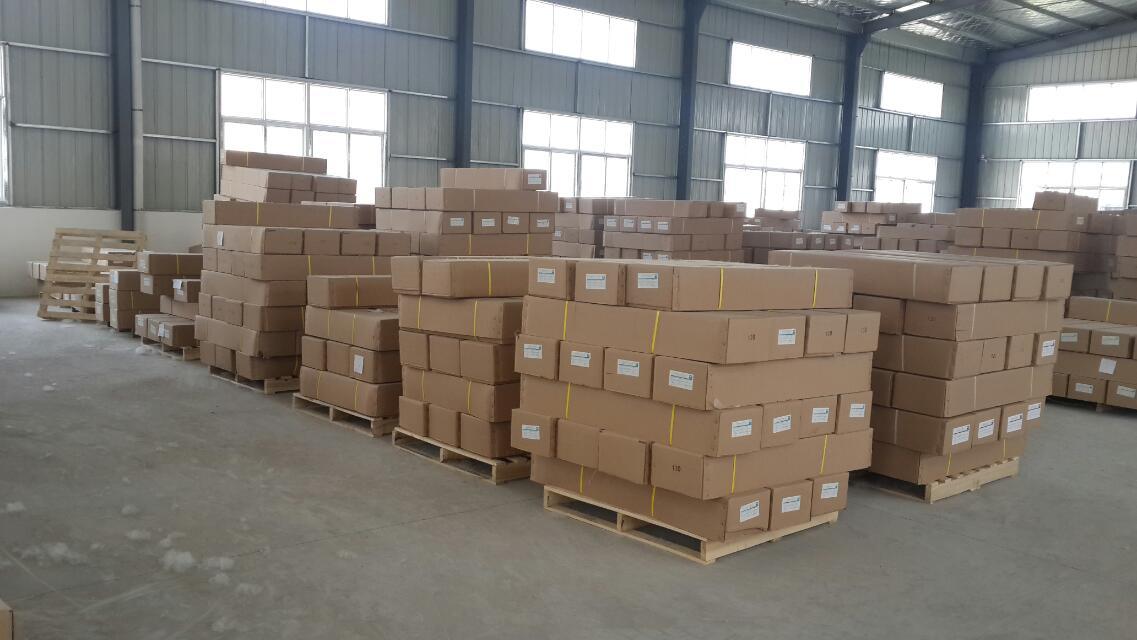
 Batch Quality Inspection
Technical guidance addressing dimensional tolerances, optical transmission guarantees, packaging protocols, and OEM sample development.
Connect directly with our senior application engineers in Lianyungang. Provide your technical drawings, operating specifications, or sample replacement references for a comprehensive BOM evaluation and quotation within 4 hours.