Featured Electrothermal & Precision Quartz Lineup
Direct supply from Lianyungang (Donghai) cluster — integrated quartz fabrication, specialized coating, and electrothermal heating elements manufactured under strict ISO/CE protocols.
Technical Whitepaper: Engineering Fused Quartz Stirring Rods & Industrial Thermal Glassware
In modern chemical synthesis, semiconductor wafer wet processing, photovoltaic silicon ingot preparation, and high-purity laboratory metallurgy, conventional borosilicate glassware (Pyrex-type) fails to deliver required mechanical and chemical resistance. Borosilicate glasses begin softening at approximately 820°C and leach alkali ions (such as sodium, boron, and calcium) into ultra-pure reagents, leading to contamination in trace analysis and crystal pull processing. Industrial-grade quartz stirring rods — synthesized via continuous electrical fusion or oxyhydrogen gas flame refining of natural high-grade quartz crystals — yield an amorphous silicon dioxide (SiO2) matrix exceeding 99.99% purity (4N grade).
The fundamental physical property that sets fused quartz rods apart from any other industrial silicate is their exceptionally low linear coefficient of thermal expansion (α ≈ 5.5 × 10⁻⁷ / K between 20°C and 1000°C). This structural stability enables custom quartz stirring rods, quartz paddles, and liquid transfer canes to withstand instantaneous thermal shock gradients in excess of 1,000°C without micro-fracturing or catastrophic failure. An operator can safely withdraw a solid quartz rod from a 1100°C molten salt bath and submerge it directly into ice water (0°C) without loss of mechanical integrity.
Technical Insight: Fused quartz is completely inert to almost all acidic reagents — including aqua regia, concentrated boiling nitric acid (HNO3), hydrochloric acid (HCl), and sulfuric acid (H2SO4) at elevated temperatures. The only chemical species capable of attacking the quartz structure at standard operational temperatures are hydrofluoric acid (HF) and hot concentrated phosphoric acid (>150°C).
| Physical / Thermal Parameter | Fused Quartz (SiO2 ≥ 99.99%) | Borosilicate Glass 3.3 | Alumina Ceramic (Al2O3 99%) |
|---|---|---|---|
| Softening Point (°C) | 1,680 °C – 1,730 °C | 820 °C | 2,050 °C |
| Continuous Max Working Temp | 1,150 °C – 1,200 °C | 450 °C – 500 °C | 1,600 °C |
| Thermal Expansion (20-300°C) | 5.5 × 10⁻⁷ cm/cm·°C | 33 × 10-7 cm/cm·°C | 80 × 10-7 cm/cm·°C |
| Optical Transparency (UV to NIR) | > 92% (190 nm – 2500 nm) | < 85% (Cutoff < 320 nm) | Opaque / Translucent |
| Alkali Ion Leaching Risk | Virtually Zero (< 15 ppm total impurities) | Moderate (Na2O, B2O3 leach) | Negligible |
Future Procurement Trends in Industrial Quartz Rods & Lab Glassware (2025–2030)
The procurement landscape for fused silica, quartz stirring rods, and electrothermal assemblies is experiencing structural changes driven by semiconductor expansion, battery gigafactories, and tightening environmental standards. Global procurement teams are moving away from spot-market, uncertified purchases toward vertically integrated Original Equipment Manufacturers capable of providing metallurgical lot traceability.
Low-Hydroxyl (OH) Specifications
High-end chemical synthesis and optical coating processing demand low-OH quartz rods (< 5 ppm to < 20 ppm OH content). Removing internal hydroxyl radicals prevents premature devitrification (crystallization into cristobalite) at 1000°C+ operational cycles, extending component longevity.
Semiconductor Cleanroom Packaging
B2B buyers in the EU and North America increasingly require Class 1000 cleanroom ultrasonic acid washing, vacuum double-PE bagging, and nitrogen-purged shipping cases for customized laboratory quartzware, preventing surface micro-particulate contamination.
Direct Cluster Sourcing Advantage
Supply chain security is centered around localized industrial hubs. Kavri Quartz operates directly within Lianyungang, Jiangsu — the world epicenter for high-purity natural silica reserves — isolating international clients from intermediary markups and raw material supply shocks.
Industry Technological Trends: Advances in Quartz Working & Functional Assemblies
The manufacturing of quartz stirring rods, tubes, and related heating systems is evolving beyond manual bench flame lathe operation. Key technological transitions include:
1. Automated CNC Diamond Grinding & Laser Flame Polishing: Modern stirring rods and chemical plungers require tight diametrical tolerances (±0.05 mm) and roundness control to prevent seal leakage in pressurized glass bioreactors and vacuum distillation systems. High-precision CNC profiling coupled with robotic hydrogen-oxygen micro-flame fire-polishing eliminates internal micro-stress lines, reducing mechanical shear failure under high-viscosity fluid agitation.
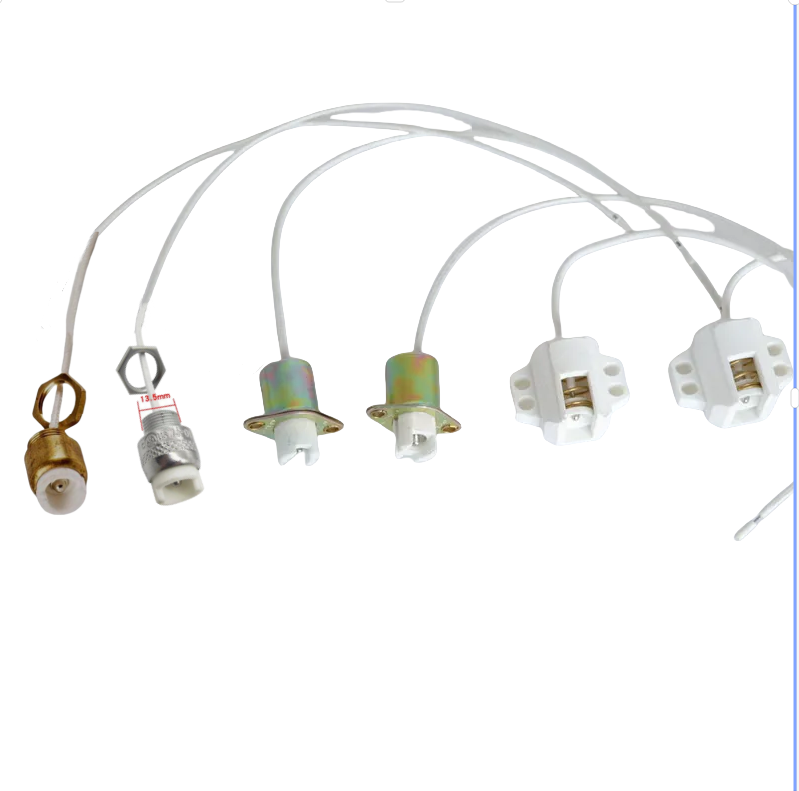
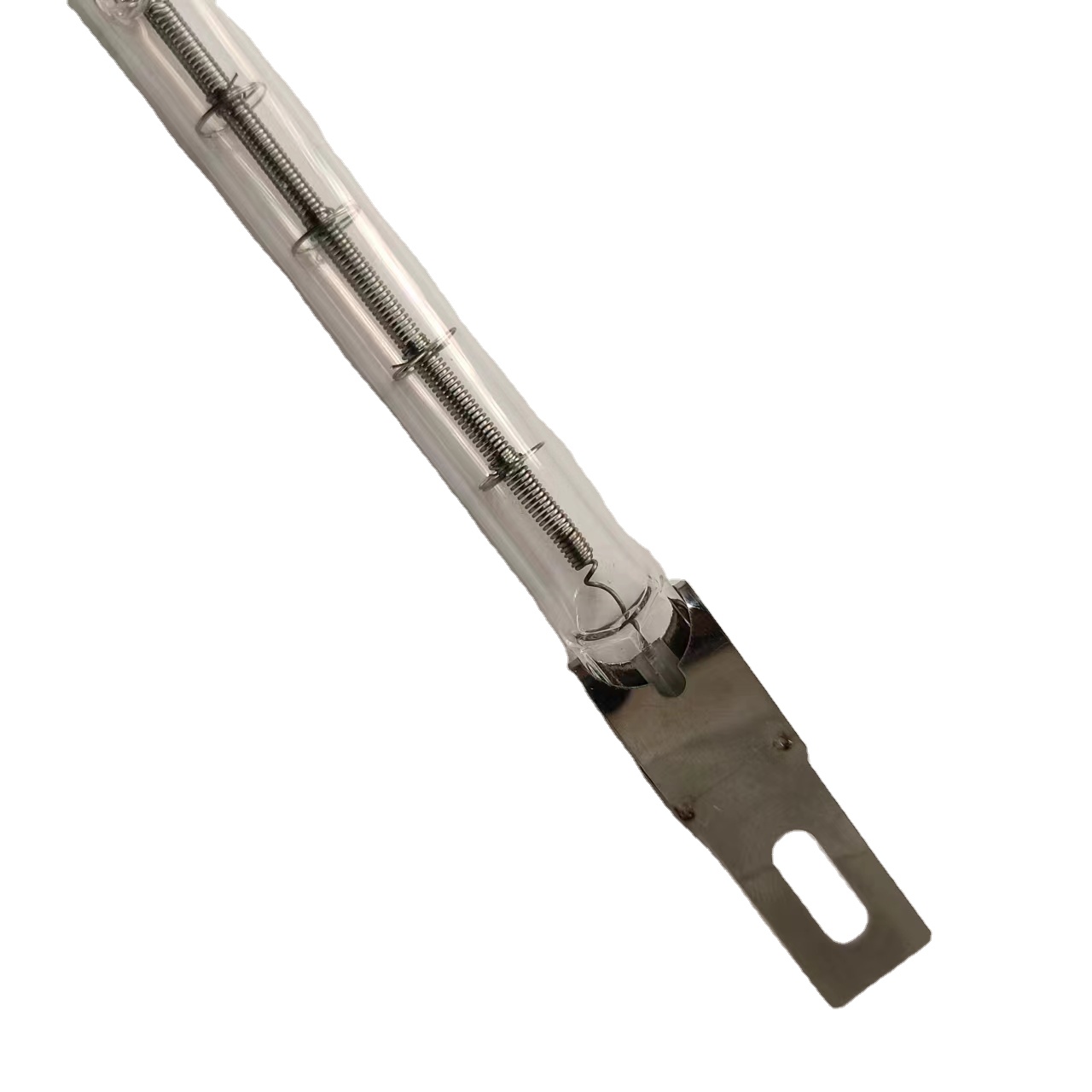
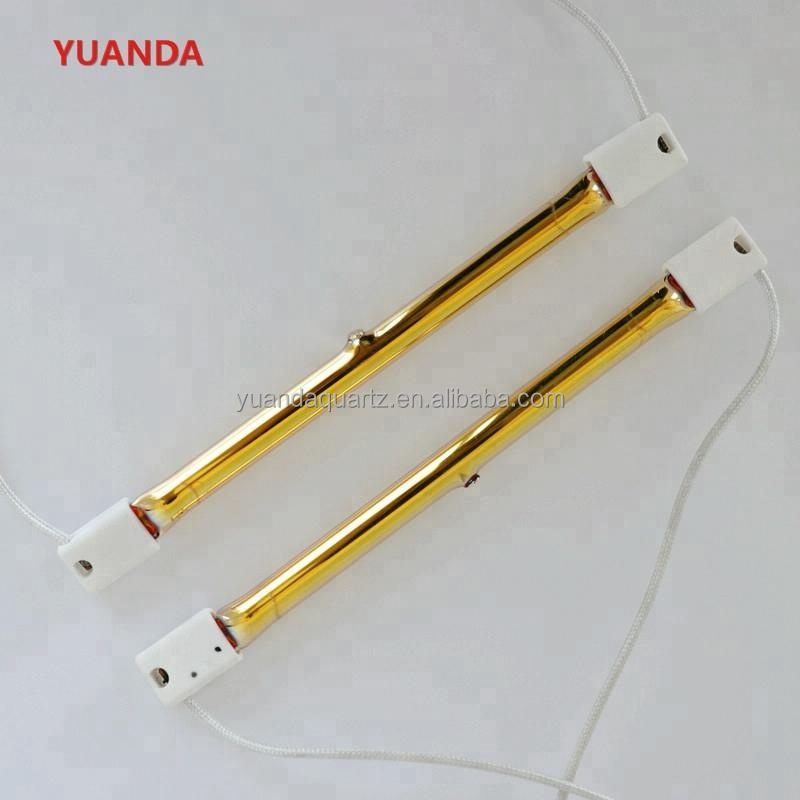
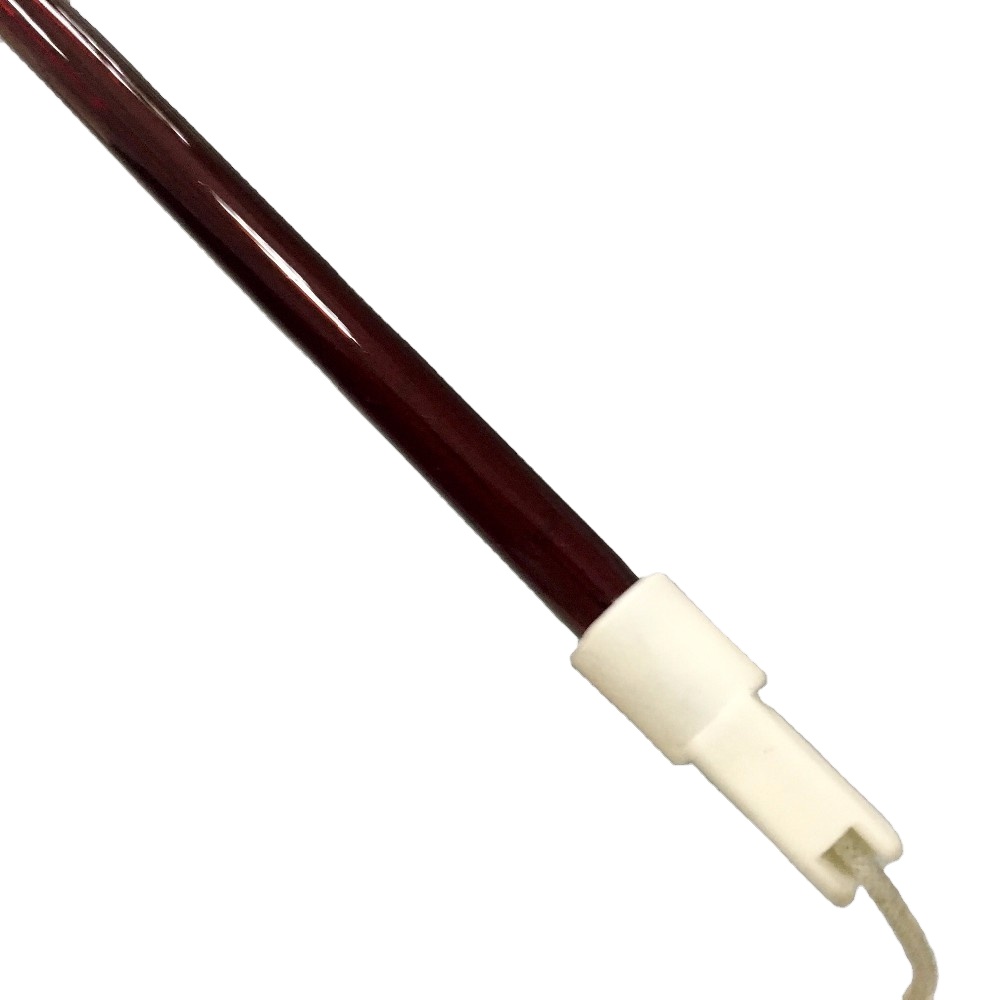
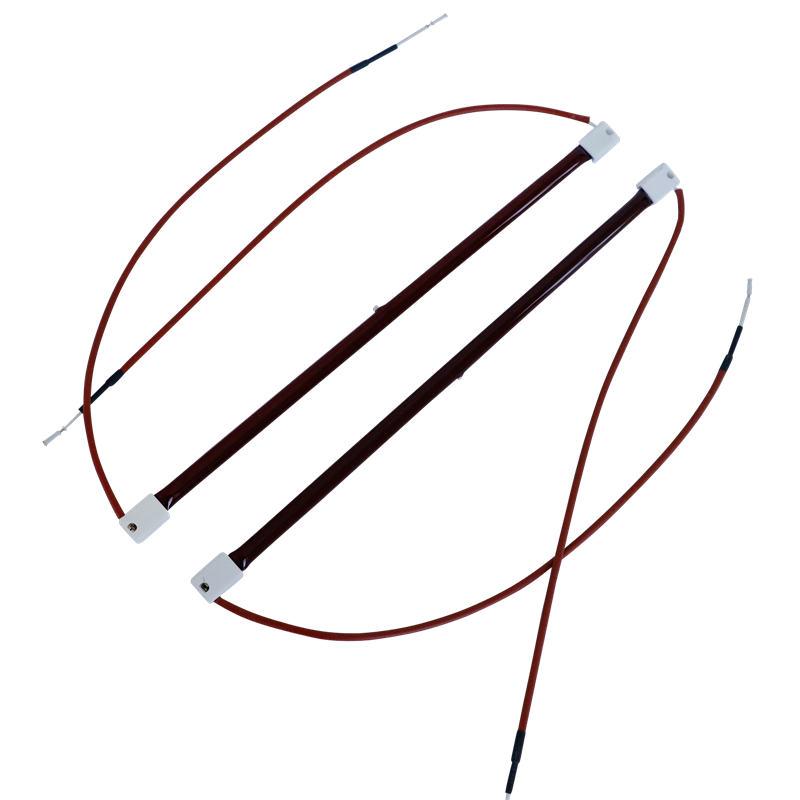
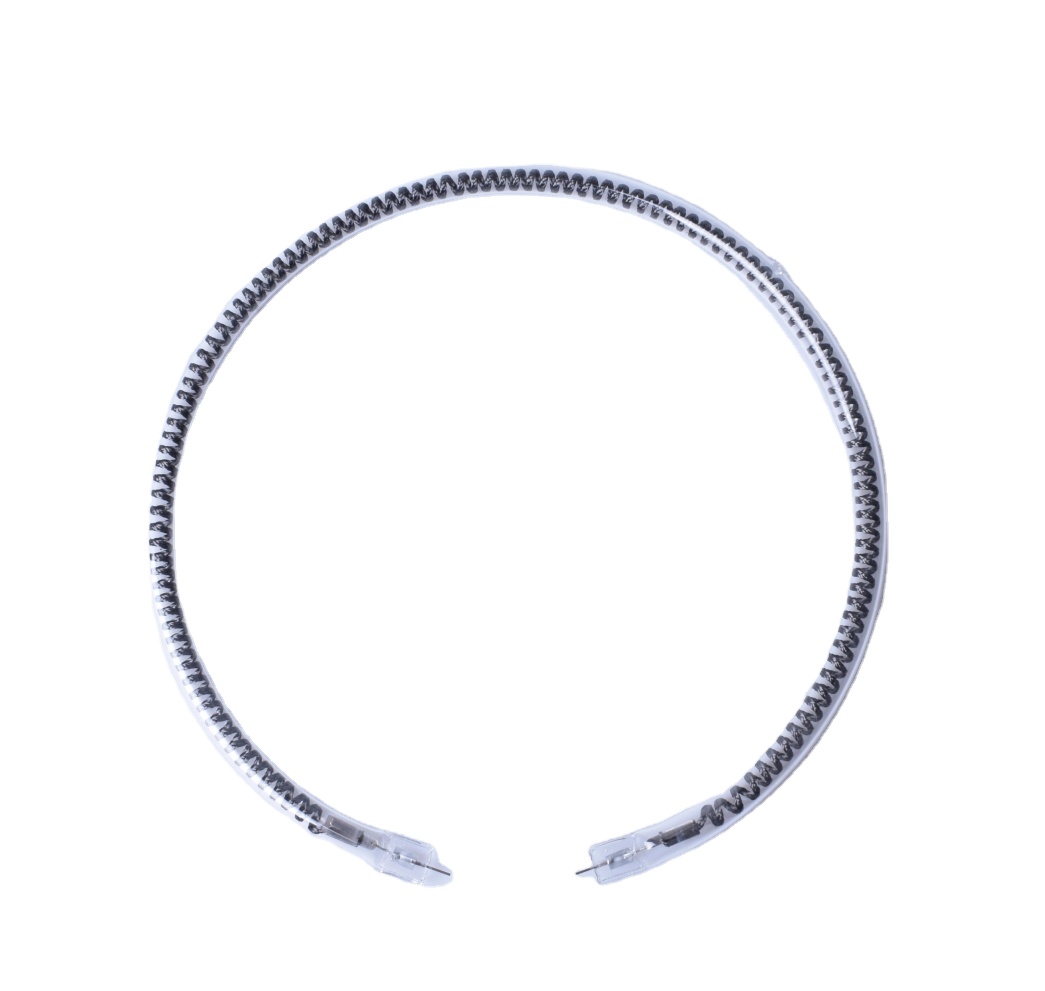
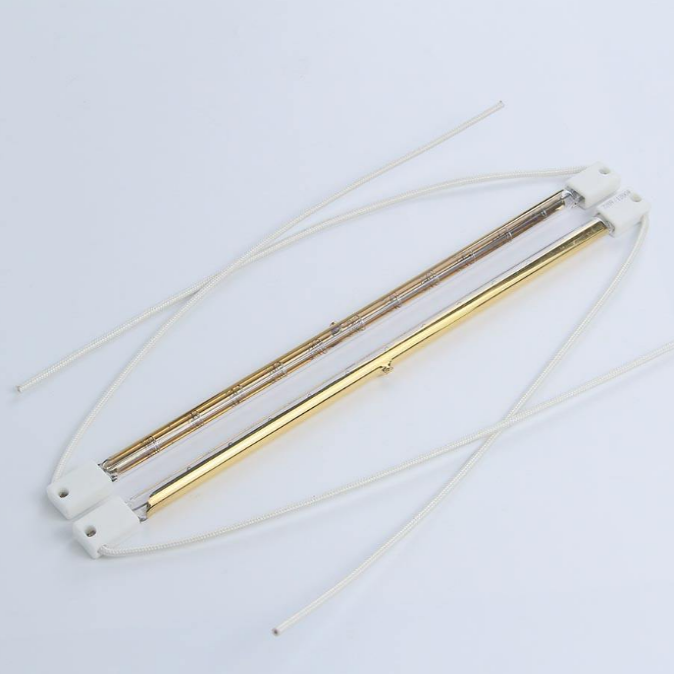
2. Integration with Electrothermal Systems: Industrial quartz fabrication now bridges structural quartzware and active thermodynamic heating elements. As evidenced by our halogen and carbon-fiber infrared lamp manufacturing lines, pure quartz serves as an envelope that transmits over 90% of emitted short-wave and medium-wave electromagnetic radiation. When customized as half-gold or ceramic white coated reflector systems, quartz components direct up to 98% of thermal energy toward target reaction substrates, cutting electrical consumption in industrial drying lines.
3. Advanced Devitrification Resistance: By introducing continuous vacuum annealing cycles at 1150°C, internal thermal stresses are relieved, allowing continuous operation near thermal transition thresholds without structural clouding or localized fracturing.
Why Partner with Kavri Quartz Product Co., Ltd.?
Established in 2014 in Lianyungang, Jiangsu, Kavri Quartz bridges deep regional supply chain dominance with rigorous international manufacturing discipline.
Onsite-Verified Integrity
Independently audited and verified onsite by Alibaba.com and global inspection agencies. 10+ years of audited OEM export history across Europe, North America, Japan, and Korea.
≤ 4-Hour Response Time
Our dedicated engineering response team maintains a documented 92.65% customer rating with standard response cycles within 4 hours, providing rapid CAD drawing feedback and thermal analysis.
Complete Cluster Supply Chain
Located in the Donghai quartz belt, we source raw fused silica directly at the source, allowing us to offer factory-direct pricing on standard and bespoke orders.
Dedicated Production Lines
Operating 3 specialized production lines for quartz glass tube/rod processing, precision analytical instruments, and infrared halogen/carbon heating emitters, ensuring balanced batch scalability.
Zero-Defect Packaging Protocol
Exporting fragile quartzware globally requires specialized shock-dampening honeycomb cartons, vacuum suspension crates, and reinforced wooden seaworthy cases to prevent transit breakage.
Flexible MOQ & DDP Terms
Trial orders starting from as low as 8–10 units for precision components. Comprehensive shipping support handling EXW, FOB, CFR, CIF, and full door-to-door DDP logistics.