Precision Quartz & IR Emitter Portfolio
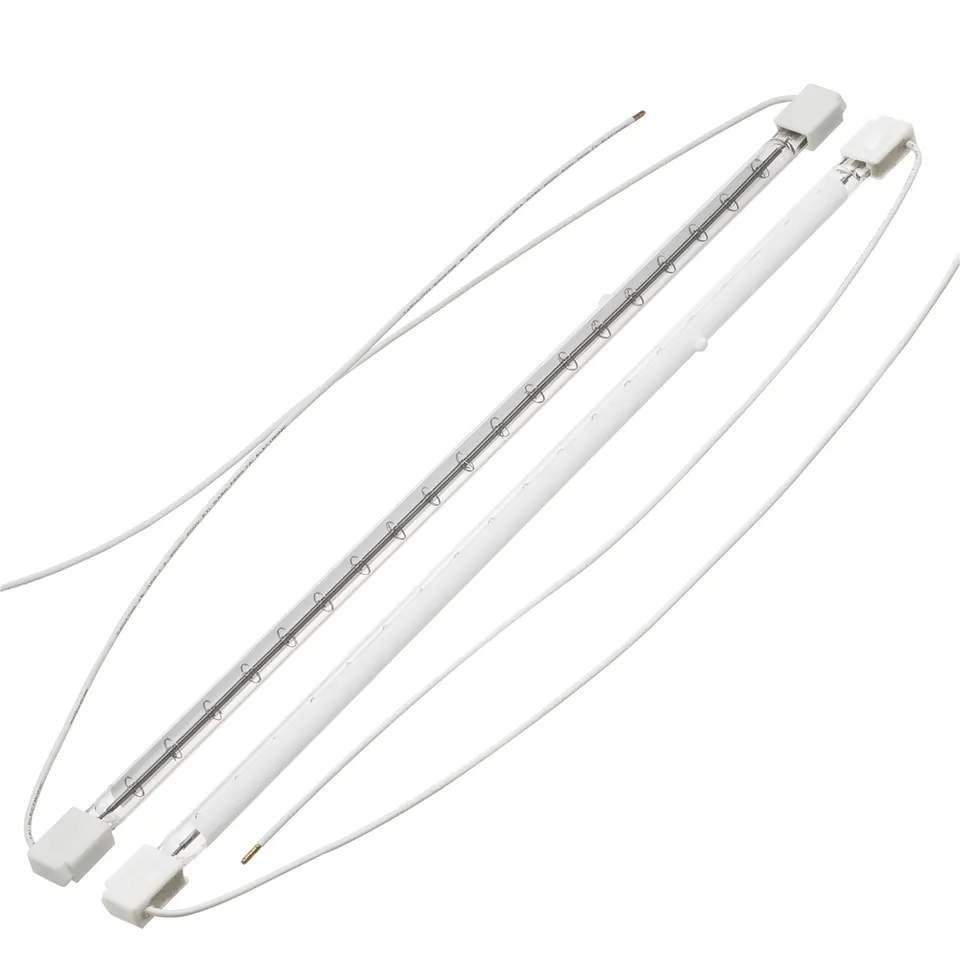
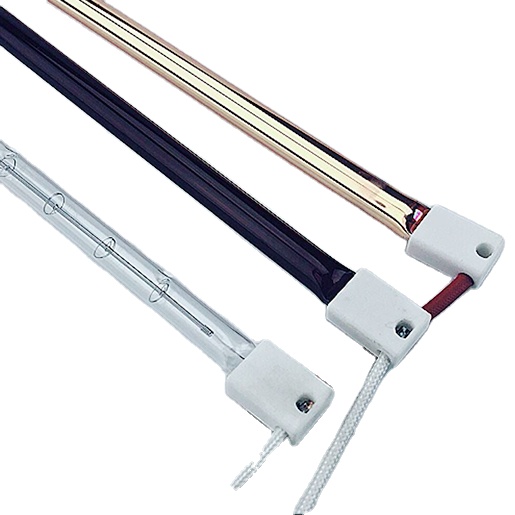
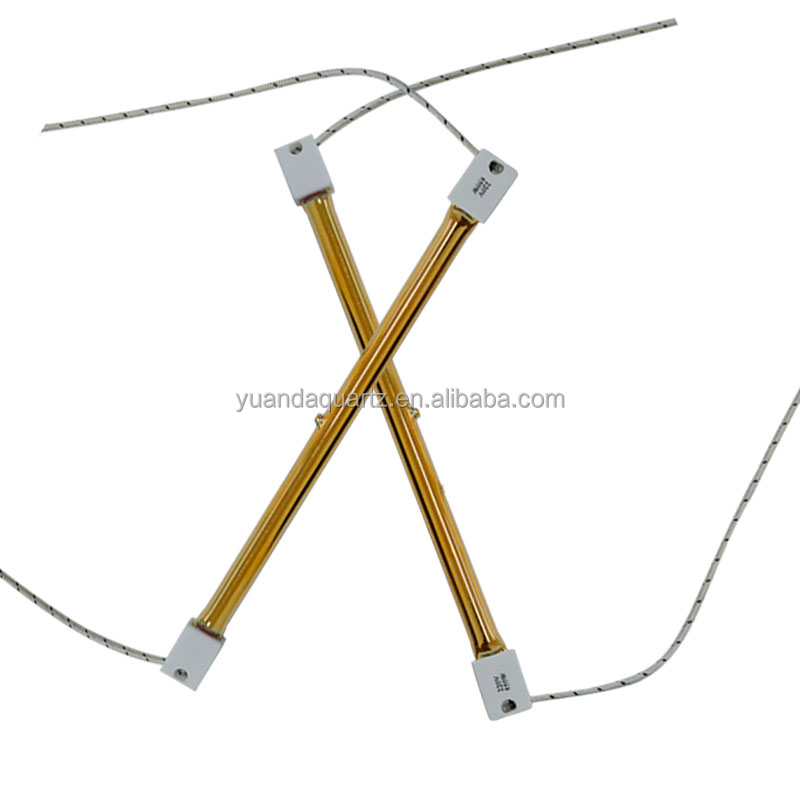
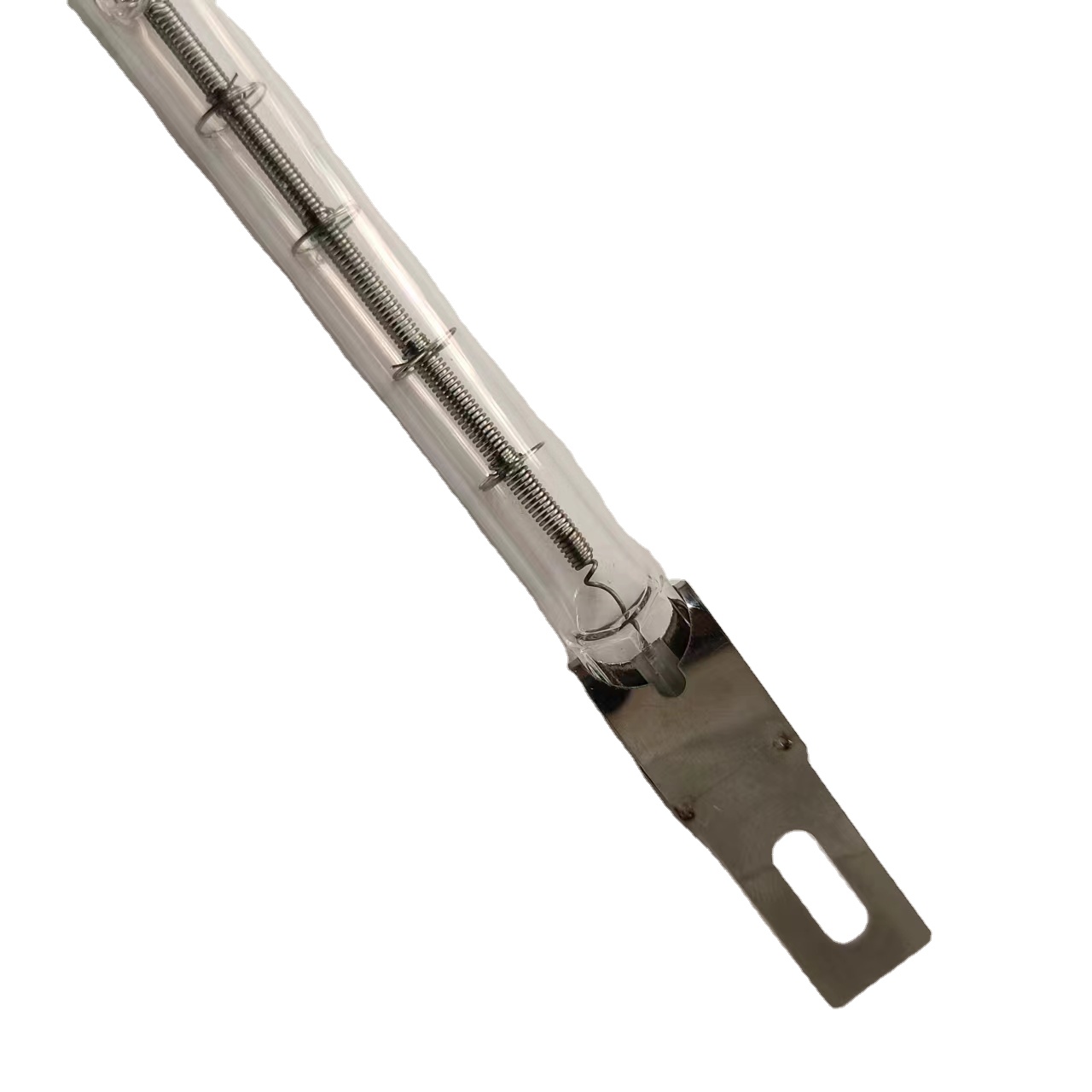
Manufactured using premium fused silica envelopes, precision tungsten filaments, and advanced directional coatings for high-temperature and drying industrial systems.
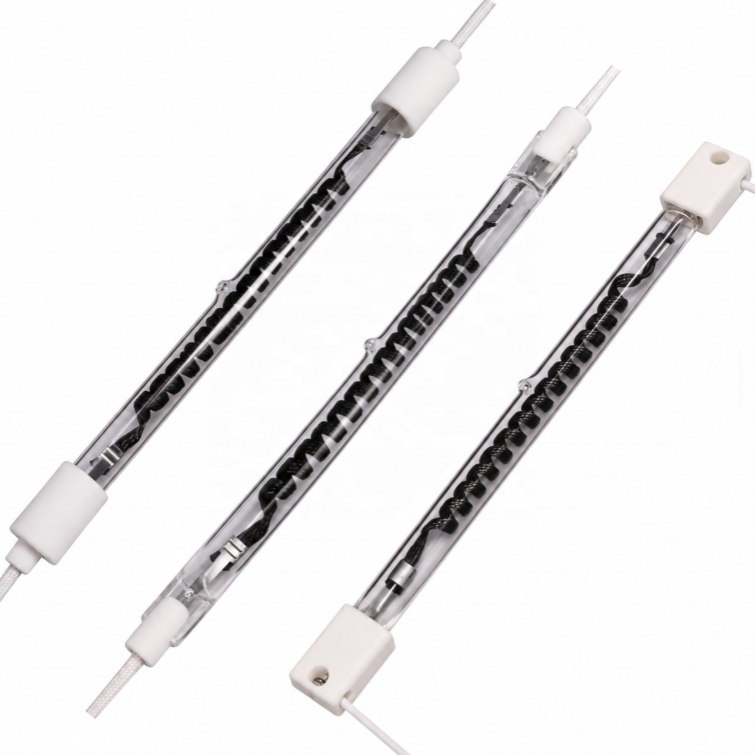
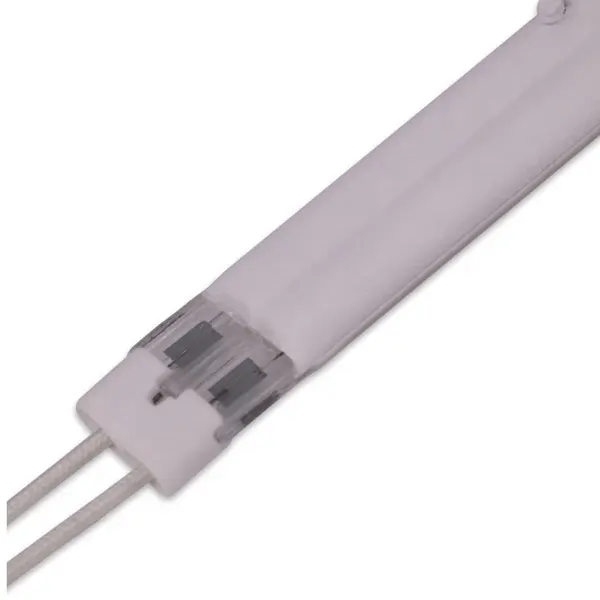
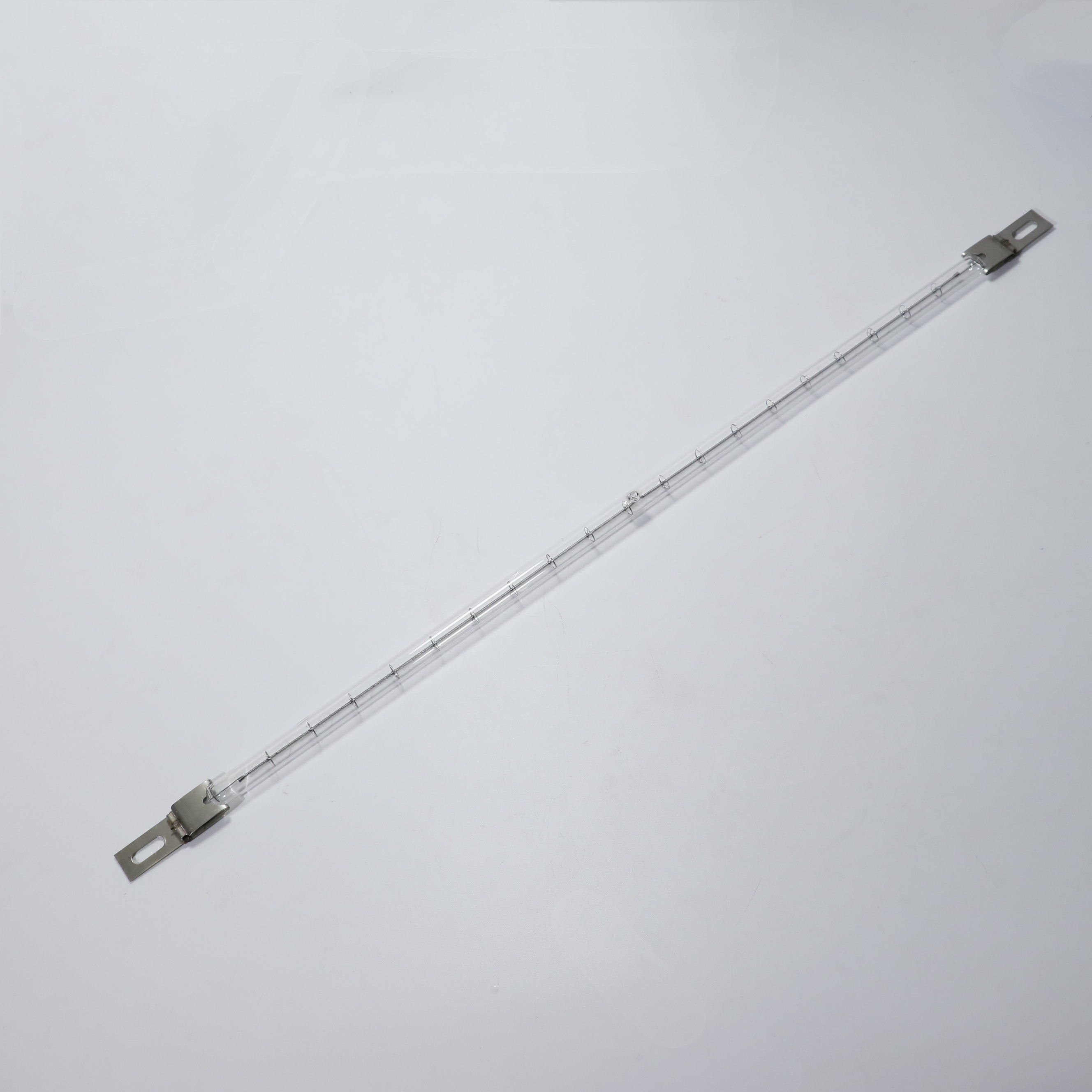
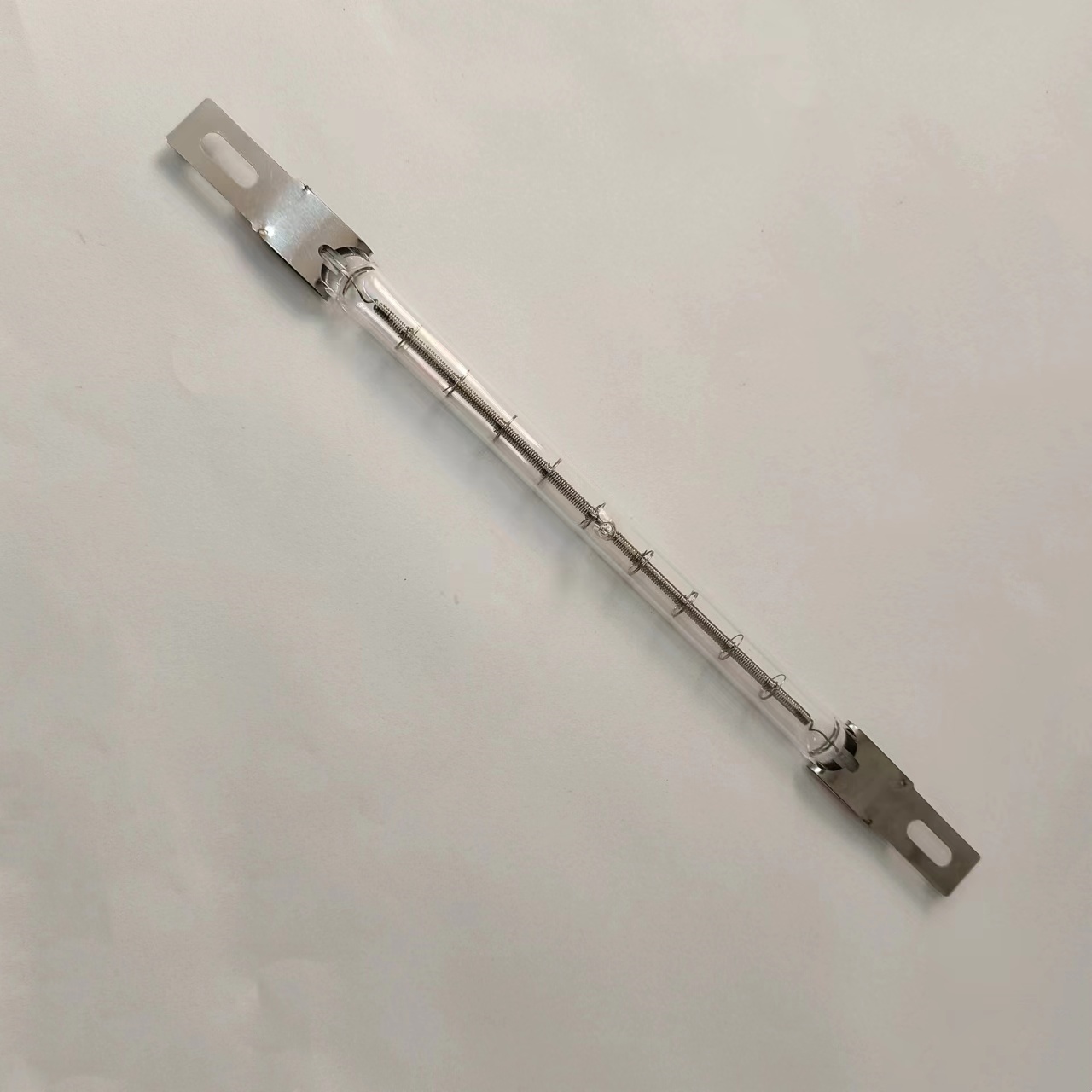
Engineering Grade Fused Quartz Plate & Glass Specifications
Precision thermal processing dictates high dimensional stability, minimal bubble presence, and zero devitrification under sustained operational temperatures.
| Material Property | JGS1 (Far UV Optical Grade) | JGS2 (Standard Optical Grade) | JGS3 (Infrared Optical Grade) |
|---|---|---|---|
| Spectral Transmission Range | 185 nm – 2500 nm | 220 nm – 2500 nm | 260 nm – 3500 nm |
| Hydroxyl Content (OH-) | ≤ 10 ppm (Synthetic Silica ≤ 2000 ppm) | ≤ 30 ppm | ≤ 5 ppm |
| Softening Temperature | 1730 °C | 1710 °C | 1700 °C |
| Annealing Point | 1180 °C – 1210 °C | 1160 °C – 1180 °C | 1150 °C |
| Thermal Expansion (0–300°C) | 5.5 × 10⁻⁷ cm/cm °C | 5.4 × 10⁻⁷ cm/cm °C | 5.5 × 10⁻⁷ cm/cm °C |
| Core Industrial Applications | Semiconductor Photomasks, UV Laser Windows | Sight Glasses, High-Temp Observation Windows | IR Heating Substrates, High-Vacuum Flanges |
Future Procurement Trends in Quartz Plates & Thermal Emitters
Market dynamics are shifting toward automated handling, tighter geometric tolerances, and energy-dense thermal processing solutions.
1. Nanometer-Level Surface Flatness (λ/4 to λ/10)
Global procurement protocols for semiconductor wafer carriers and microfluidic baseplates now specify sub-micron surface roughness (Ra < 0.5 nm) and flatness within fractional optical wavelengths to ensure vacuum seal integrity.
2. Gold & Ceramic Reflective Sputtering Integration
Modern equipment engineers are replacing external polished reflectors with direct-deposited gold (95% IR efficiency) and ceramic (white diffuse) backings fused directly onto the quartz envelope, cutting heat loss and simplifying assembly.
3. Ultra-Purity Raw Materials with Low Hydroxyl
Next-generation optical communication components and photovoltaic diffusion furnaces require synthetic and purified natural quartz with Hydroxyl (OH) content strictly controlled below 2 to 5 ppm to prevent bubble propagation and deformation at >1100°C.
4. Supply Chain Consolidation at Regional Hubs
Original equipment manufacturers are reducing vendor sprawl by partnering directly with integrated factories in clusters like Lianyungang, combining raw silica synthesis, cold machining, thermal polishing, and lamp integration under one roof.
5. Rapid Prototype Tooling & On-Demand CNC Machining
Standard lead times for custom-machined quartz discs, step-plates, drilled viewing ports, and notch configurations are dropping from weeks to days thanks to multi-axis ultrasonic CNC milling systems operating in clean-room environments.
Why Source from Kavri Quartz Co., Ltd.
Combining primary mineral reserves from Donghai/Lianyungang with precision engineering and verified export operations.
Hub-Integrated Supply Advantage
Situated in Lianyungang, Jiangsu — the central hub of China's quartz and silicon manufacturing belt — Kavri Quartz secures high-grade crystal resources directly from primary processing sources, eliminating raw material premiums.
10+ Years Dedicated OEM/ODM
Since 2014, we have provided bespoke dimensional tolerances, ceramic end fittings, lead-wire configurations, and customized spectral outputs for tier-1 machine builders across Europe, North America, Japan, and Korea.
Multi-Stage Quality Validation
From chemical bubble classification and spectrographic transmission checks to power tolerance testing and ceramic adhesion verification, each production batch undergoes strict inspection before export-grade shockproof crating.
Industrial Buyer Frequently Asked Questions
Essential guidance on commercial terms, material specifications, and sample testing protocols.
Q1: How do I determine whether my application requires JGS1, JGS2, or JGS3 quartz plates?
The choice is governed by working wavelength and operational environment. JGS1 is required for deep-UV transmission (down to 185 nm) such as semiconductor lithography and UV sterilizers. JGS2 suits optical viewports, sight glasses, and standard high-temperature thermal windows (220–2500 nm). JGS3 is formulated without water absorption bands (low OH), making it the standard choice for infrared heaters, IR pyrometry viewports, and optical sensors up to 3500 nm.
Q2: What technical parameters must be submitted to receive a detailed quartz plate or lamp quote?
For quartz plates, provide external dimensions (length × width × thickness or diameter × thickness), tolerance requirements (±0.1 mm to ±0.01 mm), edge finishing (ground, beveled, or fire-polished), and surface quality (e.g., 60/40, 40/20 scratch/dig). For IR heating emitters, submit operating voltage, wattage, overall length, heated length, envelope profile (single vs. twin tube), reflector requirement (gold or ceramic), and terminal type.
Q3: What are the standard packaging and logistical protocols for fragile quartz products?
Fragile quartz plates and linear emitter tubes are protected using multi-layer suspended packaging: individual vacuum-sealed PE bags, surrounded by custom-cut high-density EPE foam cradles, packaged in heavy double-wall corrugated inner cartons, and secured within export-certified plywood cases with internal shock absorbers. We support FOB, CFR, CIF, EXW, and DDP shipments via air and ocean freight.
Q4: What is the factory minimum order quantity (MOQ) and standard lead time?
For standard catalog quartz plates, tubes, and infrared lamps, our baseline MOQ begins at 8 to 10 pieces to support rapid testing and maintenance replacements. Custom-ground, CNC-drilled, or complex shapes are evaluated upon drawing submission. Prototyping typically takes 5 to 7 working days, while bulk manufacturing schedules average 15 to 20 days.
Connect Directly with Our Quartz Engineering Team
Whether you require standard JGS2 sight glasses, sub-micron polished optical flats, or specialized IR emitter replacements, our Lianyungang production floor can build to your exact drawing.