Precision Quartz Products & Thermal Emitters
Engineered with 99.99% high-purity natural and synthetic quartz glass, designed to resist extreme thermal shock up to 1200°C while delivering optimal spectral transmission.
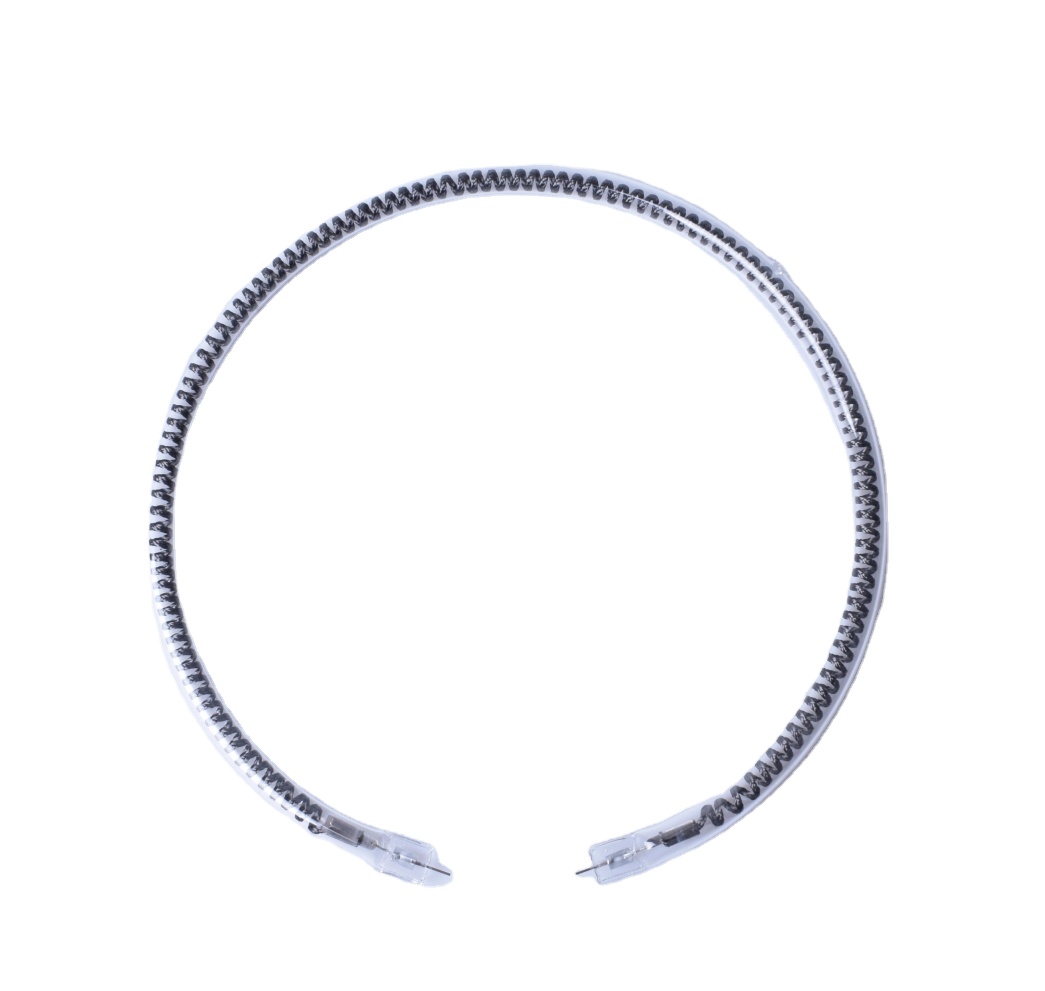
120V 1000W Medium Wave clear Infrared Heat Lamp for Photovoltaic Industry
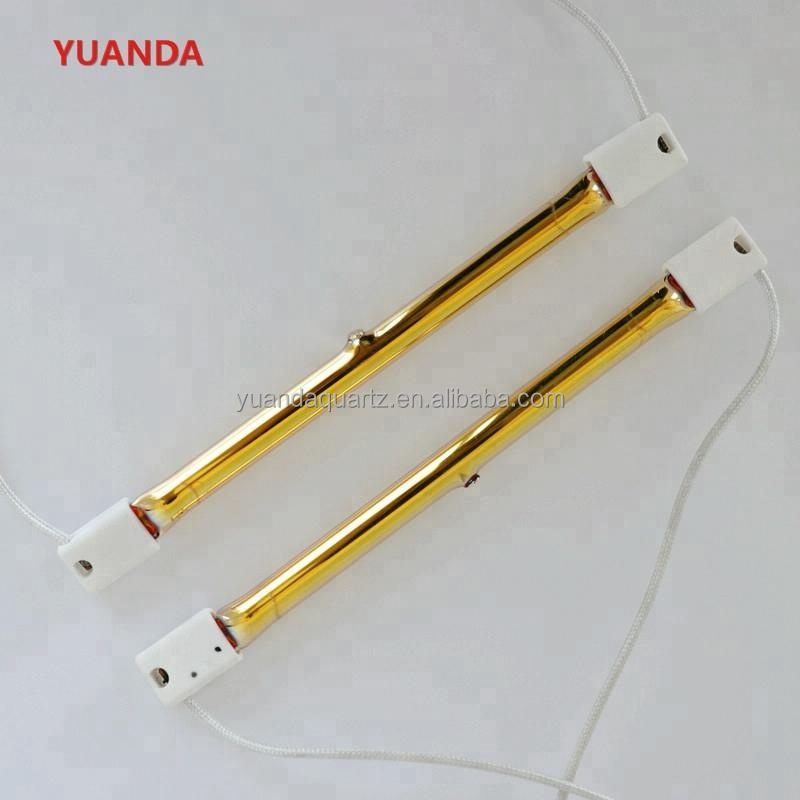
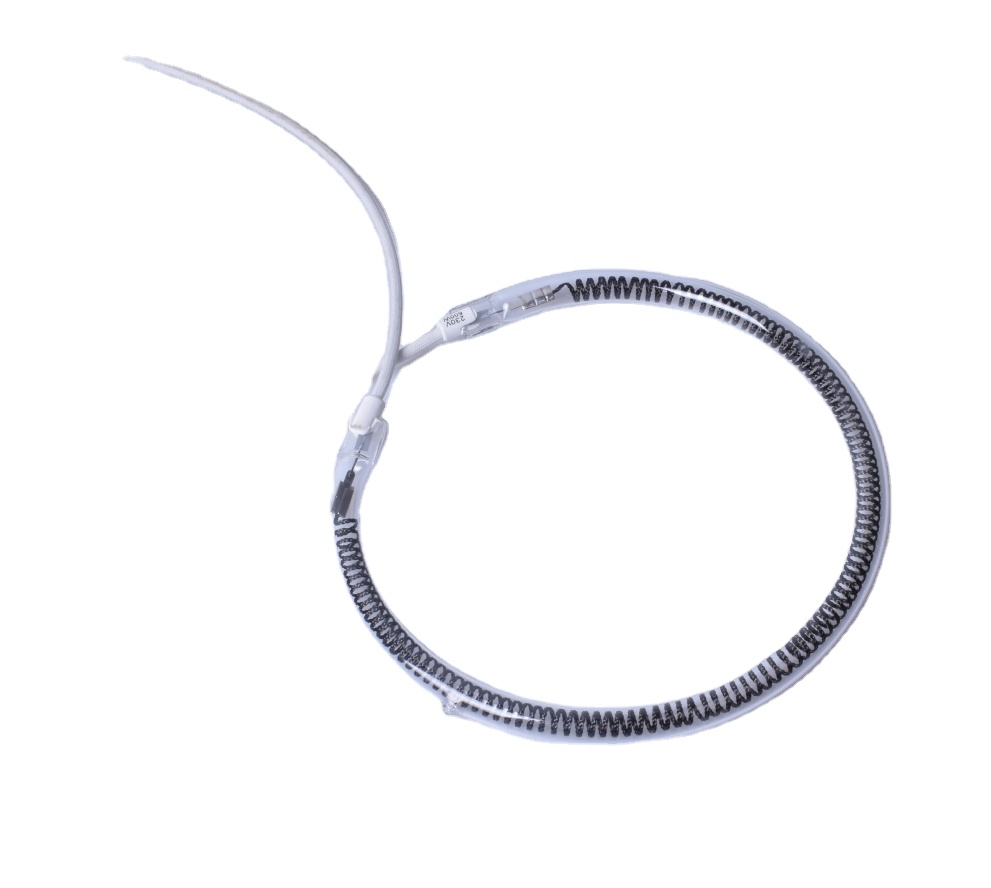
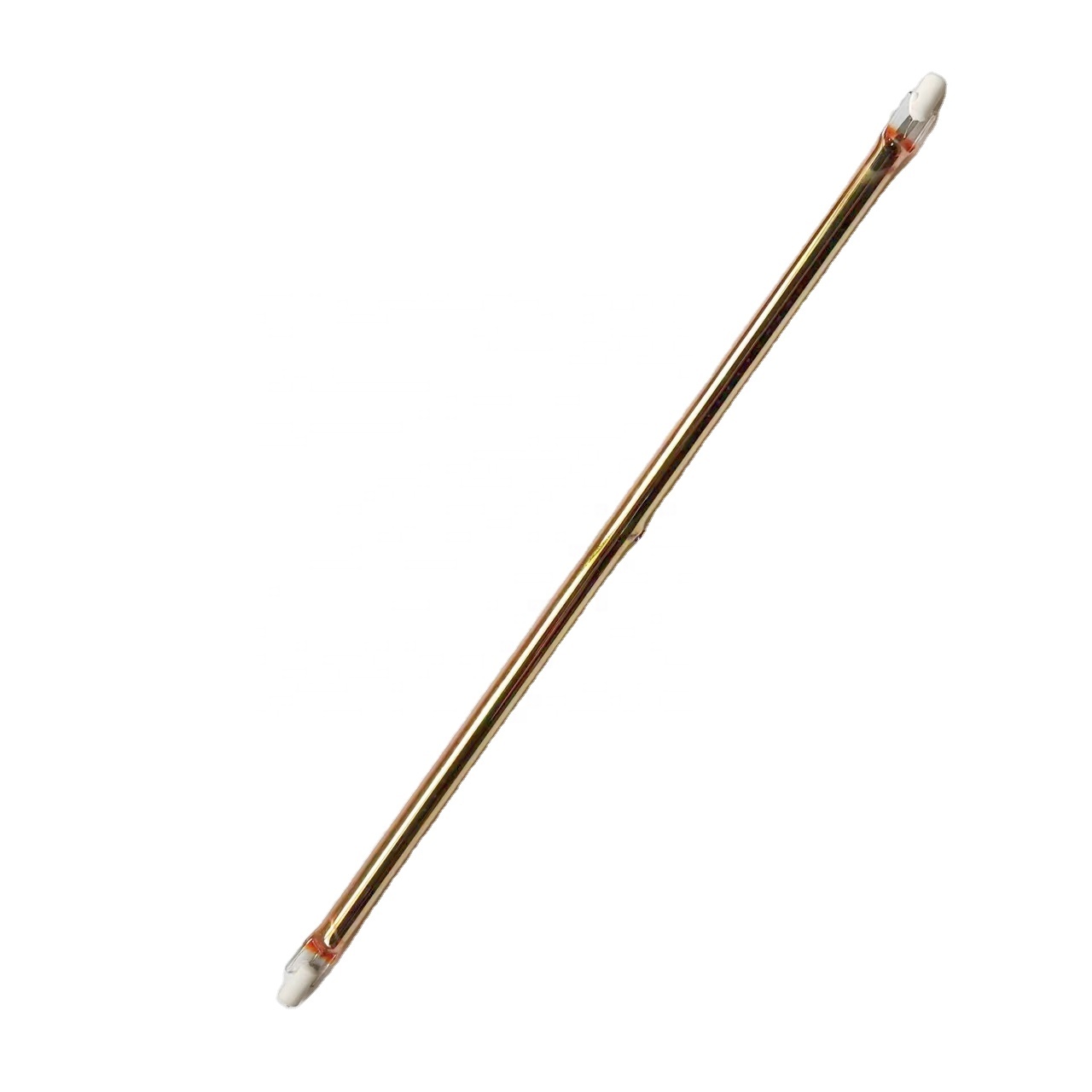
Low Prices R7S Short Wave Halogen Infrared Heating Lamp for Bread Toaster
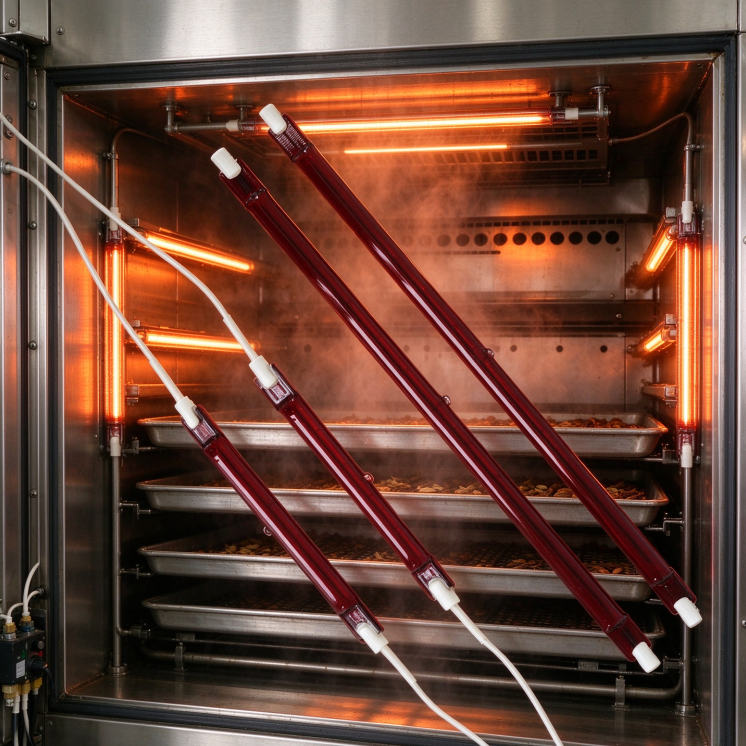
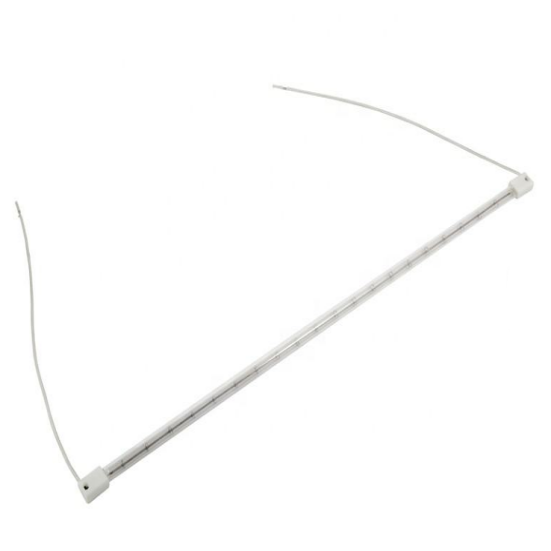

OEM Strong Manufacturer Ruby Infrared Bulb Heat Lamp for Heating
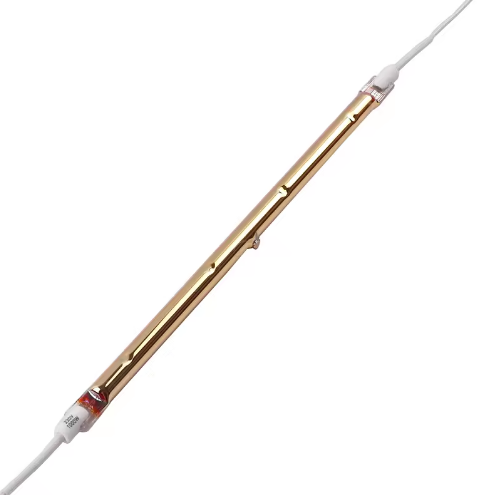
Stable Quality Gold Plated Quartz Infrared Heat Lamps for PET Manufacture
The Material Science of Industrial Fused Quartz Glass Blocks
Industrial quartz glass blocks—often referred to in precision engineering as fused silica ingots, boules, or optical quartz blanks—represent the pinnacle of amorphous silicon dioxide (SiO2) material engineering. Sourced from the globally renowned quartz and crystal synthesis corridor of Lianyungang and Donghai County, our factory leverages electric-arc and oxy-hydrogen fusion processes to produce quartz blocks with SiO2 purity exceeding 99.99% to 99.999% (3N to 5N purity).
Unlike commercial borosilicate or soda-lime glass, fused quartz exhibits an exceptionally low coefficient of thermal expansion (α ≈ 5.5 × 10⁻⁷ / K between 20°C and 320°C). This structural rigidity eliminates thermal stress deformation in sub-micron semiconductor etching fixtures, photovoltaic PECVD deposition trays, high-energy laser optic windows, and extreme-heat furnace viewing ports. When procurement officers search for certified wholesale quartz block suppliers, material purity, hydroxyl (OH−) content, inclusion classification, and striae homogeneity determine production efficiency and part longevity.
Our facility implements strict vacuum-thermal degassing regimens to control trace alkali metals (Li, Na, K ≤ 1.5 ppm combined) and heavy transition elements (Fe, Cu, Ti ≤ 0.8 ppm combined), preventing high-temperature devitrification (cristobalite crystal growth) at continuous operating temperatures of up to 1100°C, with peak excursion resilience extending to 1450°C.
Optical & Thermal Classification of Wholesale Quartz Blocks
Selecting the optimal quartz ingot grade is vital to balancing raw material procurement costs with optical clarity, UV-deep UV transmission, and infrared transparency across industrial setups.
| Quartz Block Grade | Synthesized Classification | Spectral Range (T > 80%) | Hydroxyl [OH−] Content | Key Industrial Applications |
|---|---|---|---|---|
| JGS1 (Far UV Grade) | Synthetic Fused Silica (SiCl4 Vapor) | 185 nm – 2500 nm (No UV Absorption) | ≤ 1200 ppm (or < 5 ppm for dry synthetic) | Deep-UV lithography, excimer laser windows, microchip stepper optics, precision prisms. |
| JGS2 (Optical Grade) | Fused Natural Crystal Sand (Electric Fusion) | 220 nm – 2500 nm | 30 ppm – 200 ppm | Optical sight glasses, high-pressure inspection ports, spectrophotometer cells, telescope blanks. |
| JGS3 (Infrared Grade) | Vacuum Fused Natural Quartz Sand | 260 nm – 3500 nm (No OH absorption band) | ≤ 5 ppm – 10 ppm (Water-free) | Infrared radiant heaters, MWIR/LWIR thermal optics, semiconductor RTP furnace blocks, vacuum chambers. |
| Semiconductor Crucible Grade | High-Purity Natural Arc-Fused Quartz | Broad Thermal Spectrum | Controlled Thermal OH | CZ silicon ingot pulling crucibles, wafer carrier boats, etching fixtures, thermocouple blocks. |
Why International Buyers Partner with Kavri Quartz
Combining the geopolitical raw material advantages of Lianyungang with 10+ years of ISO-governed OEM/ODM manufacturing integrity.
10+ Years Dedicated OEM/ODM
Founded in 2014 and onsite-verified by global inspection authorities, our engineering staff converts technical CAD/STEP drawings, physical samples, and custom chemical purity specs into market-ready quartz blocks and lamps.
Rapid ≤ 4-Hour Response Velocity
With an international B2B buyer response rate of 92.65%, our engineering and export consultation desks evaluate tolerances, optical requirements, and packaging parameters within four hours on business days.
Donghai Regional Cluster Synergy
Situated in Lianyungang, home to Donghai County—the epicenter of crystal and high-purity quartz processing. This location ensures direct access to raw silica feedstock, advanced continuous kilns, and competitive wholesale pricing.
Export Proven: 81% – 90% Output
Our fused quartz blocks, heater assemblies, and lab instruments serve high-precision original equipment manufacturers throughout Germany, the Netherlands, Japan, South Korea, the United States, and across South America and Southeast Asia.
Comprehensive Metrology QC
Every lot undergoes spectrophotometer transmission verification, polarimetric stress birefringence testing (< 5 nm/cm), dimensional tolerance measurement (±0.05 mm via CNC grinding), and ultrasonic flaw detection.
Flexible Global Terms (DDP / CIF / FOB)
We accommodate customized buyer packaging, private labeling, shock-absorbing vacuum crating, and seamless door-to-door delivery with duty-paid logistics directly to your assembly facility.
Future Procurement Trends in High-Purity Quartz Blocks
The global quartz glass supply chain is experiencing rapid technological disruption. Understanding these strategic purchasing factors prevents supply bottlenecks and guarantees component compatibility.
1. Surge in Semiconductor-Grade Synthetic Ingot Boules
As sub-3nm node manufacturing expands globally, legacy natural quartz components are increasingly replaced by ultra-dry synthetic quartz blocks. Plasma chemical vapor deposition (CVD) methods eliminate bubble inclusions (Class 0 per DIN 58927) and lower OH levels below 1 ppm, preventing refractive distortion under high-frequency laser irradiation.
2. Near-Net-Shape Hot Molding vs. Subtractive CNC Machining
Traditional milling of massive rectangular fused blocks results in up to 40% raw material waste. Procurement departments are shifting contracts toward manufacturers capable of precision hot-isostatic molding and near-net-shape casting, significantly cutting diamond tool wear, five-axis machining duration, and final unit cost.
3. Decarbonization via Green Hydrogen Arc Furnaces
Driven by strict European and North American carbon border adjustments (CBAM), top Chinese manufacturers are retrofitting fossil-fired fusion torches with clean oxy-hydrogen and green electricity arc melting. This reduces trace carbon particulate contamination while yielding traceable lower-emission quartz blocks.
4. Total Vertical Supply Chain Traceability
Supply chain security concerns require Tier-1 procurement leads to demand full trace elemental assay documentation (ICP-MS reports) from the mine pit through raw silica flotation, fusion, fine annealing, and laser engraving. Verification guarantees stability across high-volume production batches.
End-to-End Manufacturing & Machining Workflow
From granular crystal refinement to multi-axis diamond flycutting, our six-stage production process guarantees consistent mechanical tolerance and bubble-free optical clarity.
Silica Flotation & Acid Leaching
High-grade crystal sands undergo multi-stage chemical washing and magnetic separation to remove surface contaminants and trace iron oxides.
Vacuum Thermal Fusion
Raw feedstock melts in high-vacuum resistance or arc-crucible kilns above 2000°C to prevent trapped gaseous micro-bubbles.
Annealing & Stress Relief
Controlled cool-down cycles across the 1120°C annealing zone relieve residual molecular stresses, reducing internal birefringence below 5 nm/cm.
Precision CNC Slicing & Shaping
Diamond wire saws, waterjet cutters, and 5-axis ultrasonic machining centers shape blocks to specified length, width, thickness, and chamfers.
Lapping, Polishing & Etching
Planetary double-sided lapping and chemical-mechanical polishing (CMP) yield surface roughness Ra < 0.5 nm with 20/10 optical scratch-dig.
Cleanroom Pack & Shock Crating
Finished components are ultrasonic cleaned, vacuum packed in class 10,000 cleanrooms, and secured in custom shock-absorbing foam crates.
Frequently Asked Questions on Wholesale Quartz Glass Blocks
Essential guidance on dimensional tolerances, optical purity grades, custom machining options, and international shipping protocols.
What are the standard dimensions and custom limits for wholesale quartz blocks?
How do you verify bubble inclusion standards in fused quartz ingots?
What is the difference between natural quartz blocks and synthetic fused silica blocks?
Can you supply factory-direct finished optical polishing on all six block faces?
What is the typical minimum order quantity (MOQ) and sample lead time?
How do you mitigate risk of breakage during international ocean and air freight?
Request Factory Engineering Quotations & Material Samples
Whether you require raw high-purity fused silica ingots, precision sliced optical prism blanks, or custom-shaped furnace blocks, our Lianyungang engineering team delivers certified quality, rapid sampling, and dependable wholesale manufacturing.