Poultry & Brooding
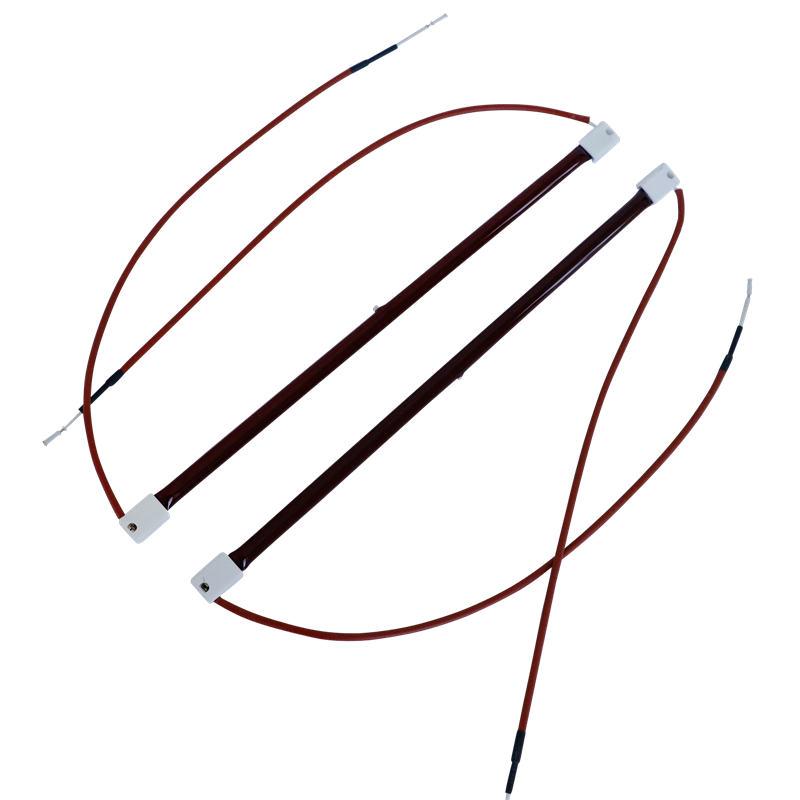
500w 220v High Quality Ruby Infrared Heating Lamp for Poultry Chicken and Duck Farm
500W / 220V
Ruby Red Quartz
Glare Reduction
Precision-machined high-purity quartz structures paired with high-performance shortwave, mediumwave, and specialized heating elements tested to withstand rigorous manufacturing conditions.
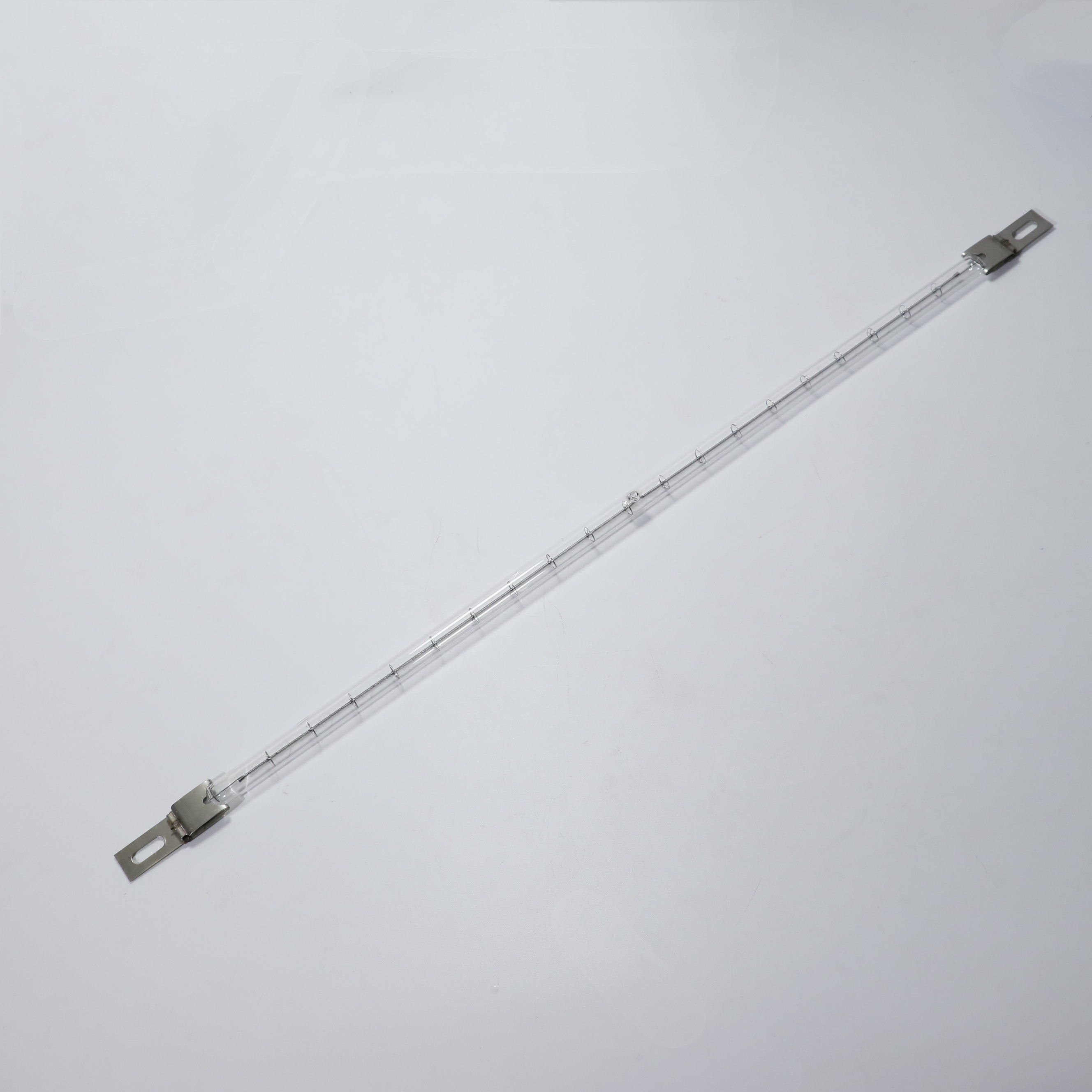
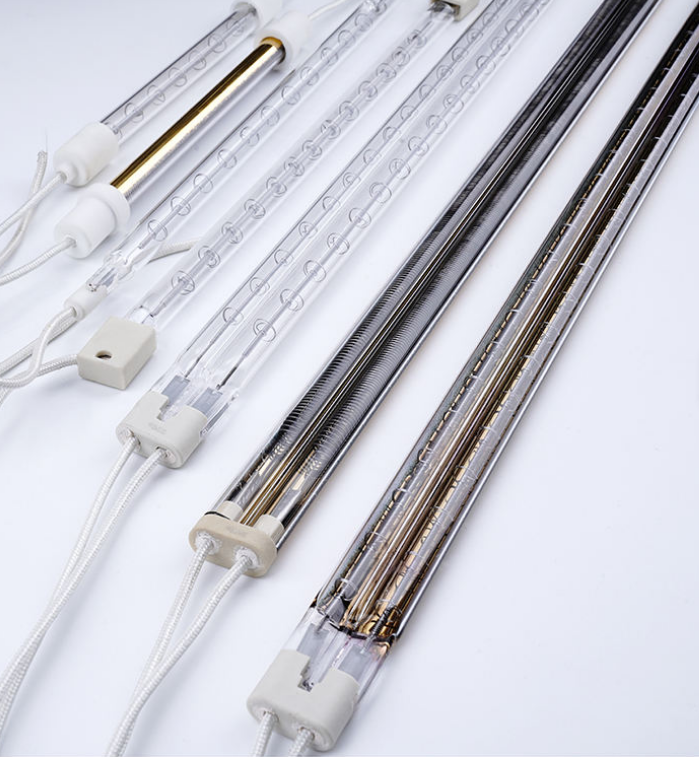
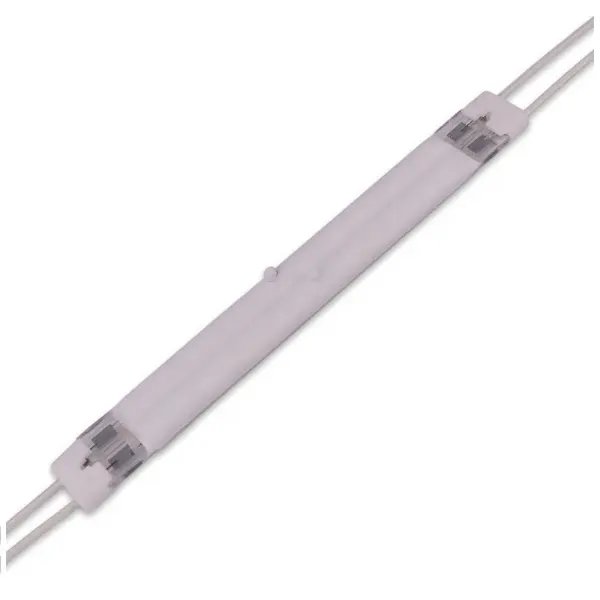
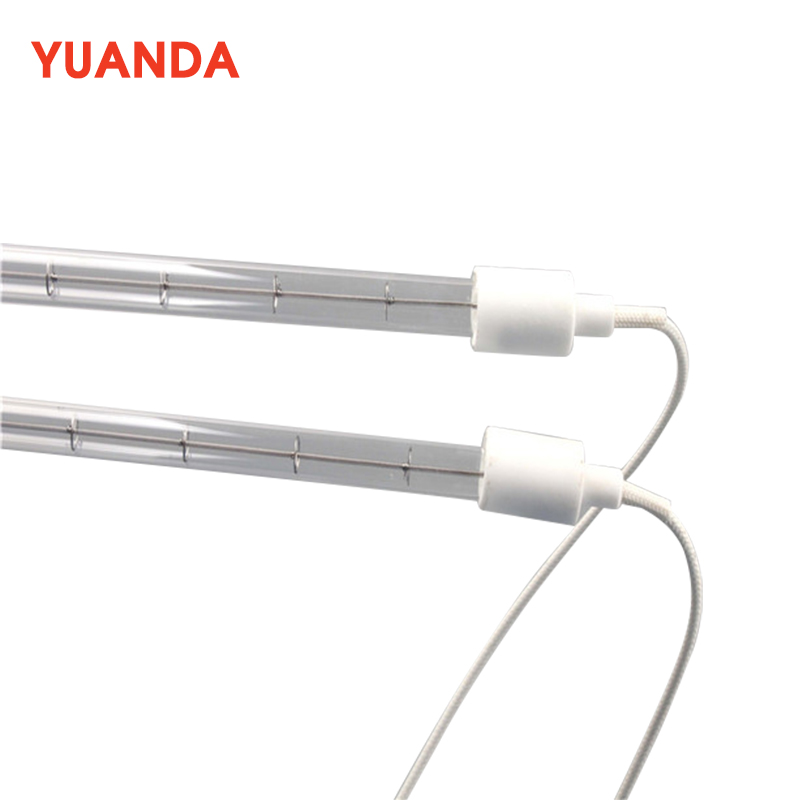
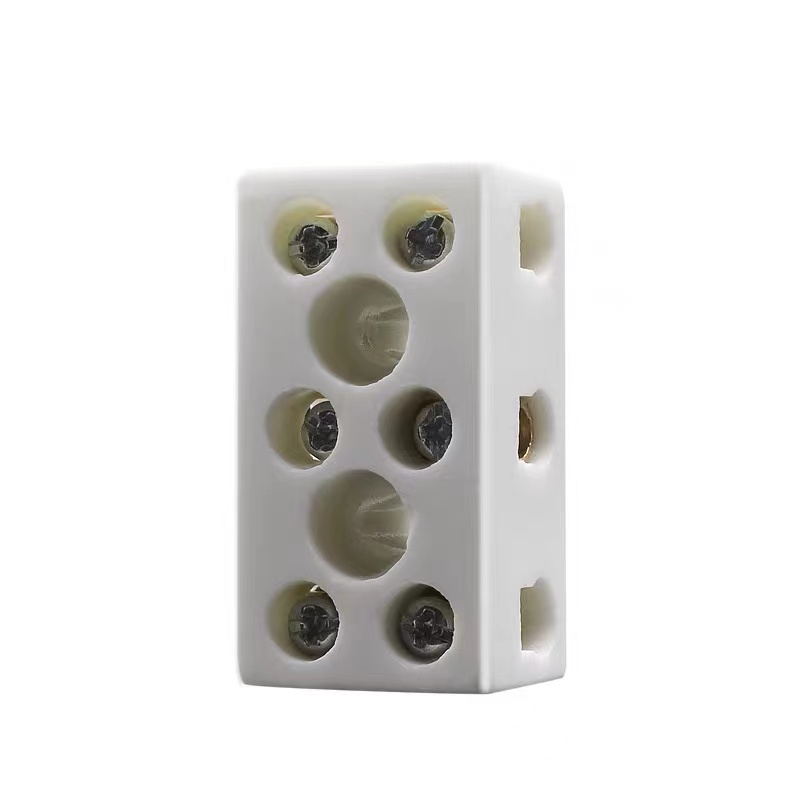
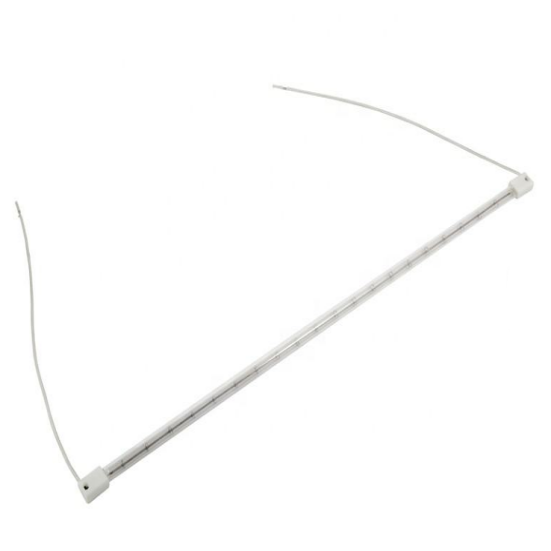
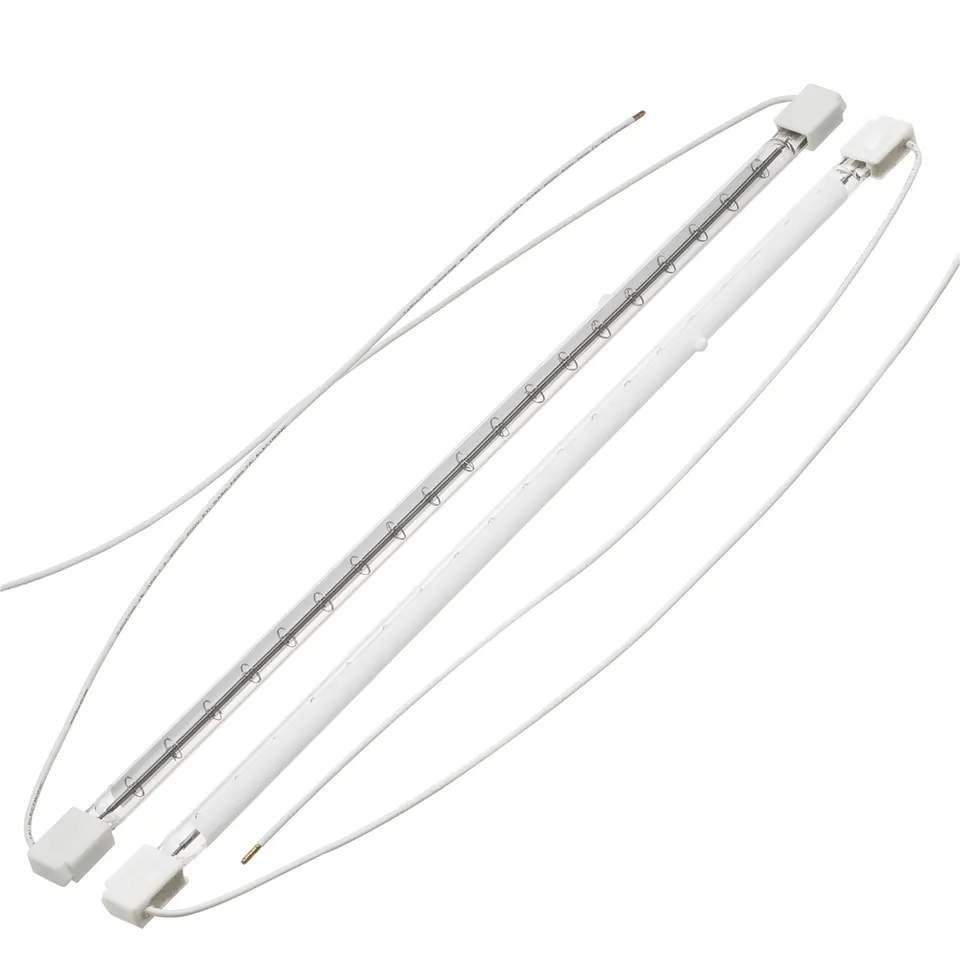
Situated at the epicenter of China’s natural quartz and crystalline silica processing cluster in Donghai, Lianyungang, Kavri Quartz leverages complete vertical supply chain integration to deliver high-precision quartz bars, cylindrical ingots, and advanced heating emitters.
Our raw natural crystal pegmatite materials undergo multi-stage magnetic separation, acid leaching, and chlorination calcination, achieving SiO2 purity greater than 99.99% with total metallic impurities below 20 ppm.
Equipped with computerized diamond grinding, ultrasonic drilling, laser diameter measurement, and automated fire-polishing lines ensuring outside diameter tolerances within ±0.05 mm and TIR runout under 0.1 mm/m.
As an onsite-verified manufacturer on international trade portals, Kavri guarantees strict traceability. Every batch undergoes spectral transmittance verification, internal bubble classification, and stress-annealing inspection.
High-purity fused silica (transparent amorphous SiO2) remains the benchmark substrate for semiconductor handling, vacuum furnace guide rods, high-intensity discharge lamps, and precision IR arrays.
| Physical / Chemical Property | Standard Optical Fused Quartz Bar | Semiconductor Grade Silica Rod | Synthetic Silica Bar (Low-OH) |
|---|---|---|---|
| SiO2 Chemical Purity | ≥ 99.99% | ≥ 99.998% | ≥ 99.9999% |
| Continuous Operating Temp | 1,100 °C | 1,150 °C | 1,200 °C |
| Maximum Softening Point | 1,683 °C | 1,710 °C | 1,730 °C |
| Thermal Expansion (CTE) | 5.5 × 10⁻⁷ / °C (20–320 °C) | 5.4 × 10⁻⁷ / °C | 5.2 × 10⁻⁷ / °C |
| Hydroxyl [OH-] Content | ≤ 150 ppm | ≤ 30 ppm | ≤ 1–5 ppm |
| Spectral Transmission Range | 260 nm – 2,500 nm | 220 nm – 3,500 nm | 185 nm – 3,700 nm (Deep DUV) |
| Dielectric Strength (20 °C) | 25–40 kV/mm | 35–45 kV/mm | > 45 kV/mm |
With an extraordinarily low thermal expansion coefficient of 5.5 × 10⁻⁷ /K, Kavri quartz glass bars can be heated red-hot to over 1,100 °C and plunged directly into ice-cold water without micro-fracturing or catastrophic stress shattering.
From deep ultraviolet (UV excimer) wavelengths to near- and short-wave infrared (SWIR), our clear quartz rods exhibit minimal absorption bands, achieving greater than 92% optical transmission across broad light spectra.
Quartz glass is chemically inert to virtually all acids, including concentrated sulfuric, nitric, and hydrochloric acids, even at elevated temperatures, attacked only by hydrofluoric acid (HF) and concentrated phosphoric acid at >300 °C.
As global semiconductor architectures shrink beneath 3nm and green industrial electrification replaces fossil fuel curing, procurement directors face evolving demands for fused quartz bar sourcing.
Next-generation optical fibers and laser processing lines require quartz bars with hydroxyl content suppressed below 5 ppm to avoid attenuation absorption peaks around 1,380 nm and reduce thermal devitrification.
Modern automated semiconductor furnace robots require fused silica carrier bars with Total Indicated Runout (TIR) under 0.05 mm/meter. Sourcing contracts are transitioning from basic OD checks to 3D laser concentricity profiles.
In high-speed PET blow molding and continuous web curing, traditional diffuse quartz emitters are being replaced by custom half-white ceramic and pure gold mirror-coated twin tubes that reflect over 90% of forward infrared energy.
Supply chain security mandates moving away from regional trading intermediaries. OEMs now partner directly with Lianyungang primary processors who guarantee captive mineral stock and stable 3-week production lead times.
Ensure defect-free quartz bar procurement by evaluating suppliers against certified aerospace, photovoltaic, and optical fabrication benchmarks.
Industrial quartz bars are classified into DIN 3140 / ISO 10110 bubble classes. For critical optical and semiconductor applications, require Class 0 or Class 1 certification, ensuring no bubbles exceeding 0.1 mm in core cross-sections.
Specify the appropriate surface state: Centerless Ground provides tight diametrical tolerances (±0.02 mm) with Ra < 0.8 μm; Fire-Polished (Flame Glazed) seals micro-cracks, eliminates hydroxyl reabsorption, and delivers pristine optical transmission.
Thermal stress in quartz bars must be systematically relieved through controlled electric furnace annealing. Kavri utilizes crossed-polarizer photoelastic testing to verify birefringence retardation below 10 nm/cm.
From single prototype validation lots of 8–10 pieces to high-volume recurring container shipments under CIF, FOB, or DDP terms, every shipment is secured in multi-layered shock-absorbing EPE cellular foam and fumigated vacuum wooden crates to prevent maritime transport micro-fissuring.
Clear, definitive technical answers addressing tolerance thresholds, chemical grades, customization options, and international shipping protocols.
Send your drawings, CAD models, or component sample specifications to our engineering office in Lianyungang. Our technical team delivers formal quotations, tolerance reviews, and material analysis reports within 4 hours.
Get a Quote