Precision Quartz Thermal Emitters & Engineered Envelopes
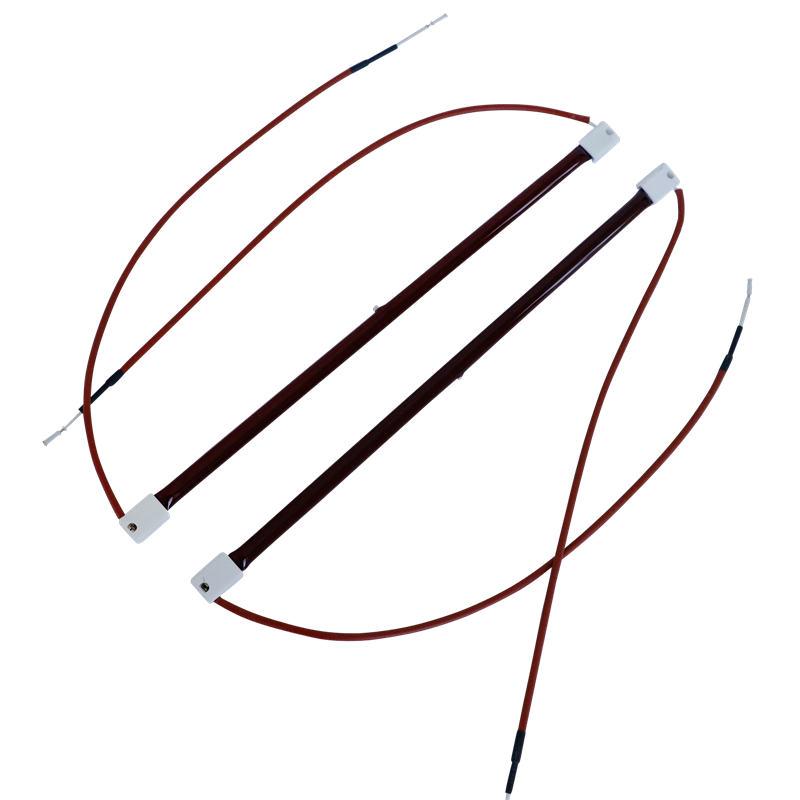
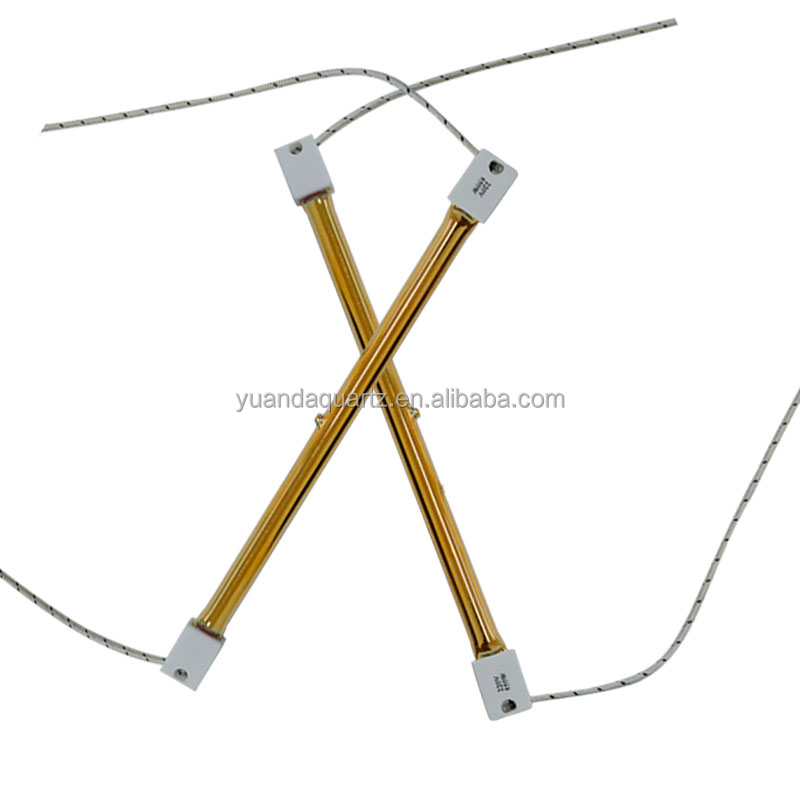
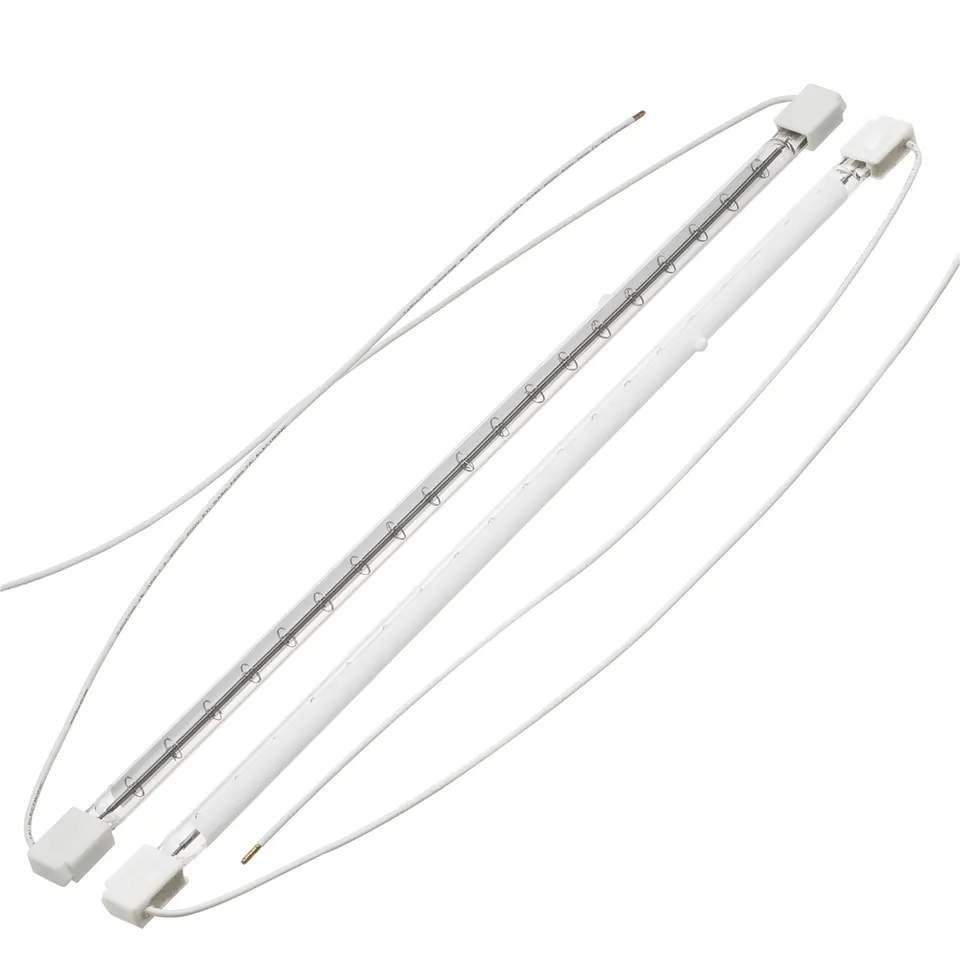
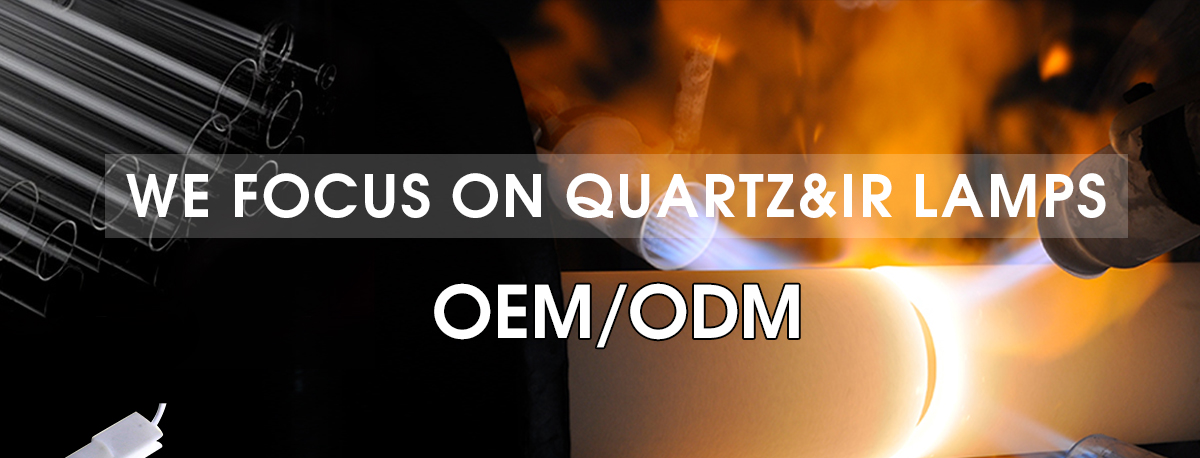
Engineered using ultra-pure synthetic and electrically fused quartz glass, our halogen, carbon fiber, and ruby radiant emitters achieve superior spectral precision and thermal resistance up to 1200°C.
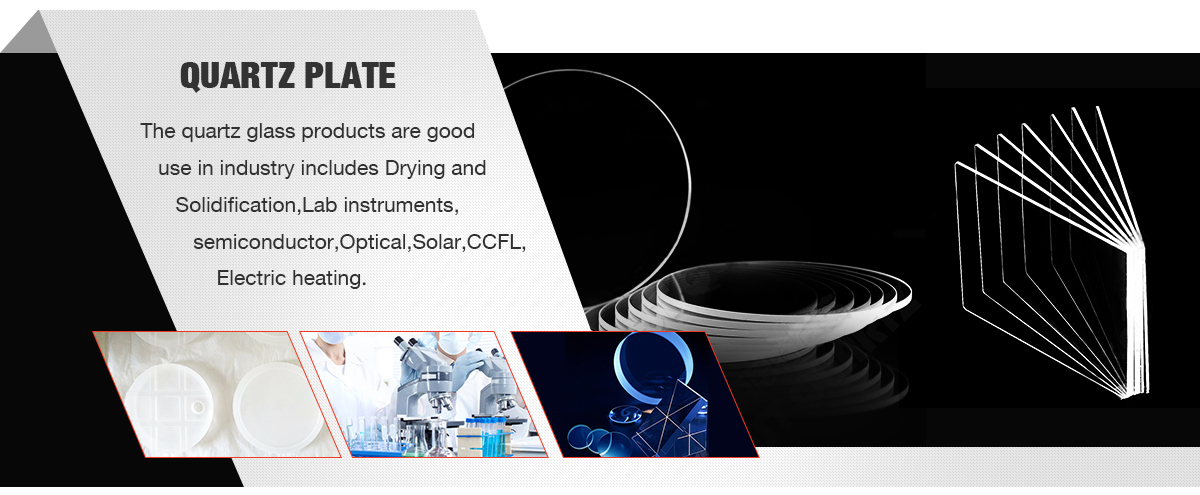
Transparent Fused Quartz Material Science & Fabrication Standards
A technical guide for design engineers, procurement heads, and semiconductor furnace builders evaluating thermal, mechanical, and optical parameters in China's quartz supply chain.
Trace Impurity & OH Content Control
Transparent fused quartz manufactured in the Donghai, Lianyungang industrial belt undergoes strict electric melting (continuous drawing) or oxy-hydrogen gas flame fusion. Trace metallic impurities (Fe, Al, Ti, Na, K, Li) are maintained under 15-20 ppm for standard industrial optics and below 5 ppm for semiconductor grades. For infrared heating envelopes and high-temperature furnace tubes, hydroxyl content ([OH-]) is controlled between <5 ppm (electrically fused) to eliminate mid-infrared absorption bands (specifically at 2.73 μm), preventing localized envelope softening during continuous operation at 1150°C.
Extreme Thermal Shock Resilience
Fused silica features an exceptionally low coefficient of thermal expansion (α = 5.5 × 10⁻⁷ /°C from 20°C to 320°C). This molecular stability grants transparent quartz tubes and plates zero-damage resistance under acute thermal shock: red-hot quartz heated up to 1100°C can be repeatedly immersed in 20°C cold water without micro-fracturing or catastrophic phase transformation into cristobalite. This property is crucial for rapid-cycle semiconductor rapid thermal processing (RTP), PET bottle blow-molding tunnels, and high-energy ultraviolet reactor sleeves.
Broad Spectral Transmission Window
High-purity transparent quartz glass offers superior transmission spanning the deep ultraviolet, visible, and near-to-shortwave infrared wavelengths (185 nm to 3500 nm). In UV curing and germicidal disinfection applications, synthetic silica tubes deliver over 90% transmission at 253.7 nm and 185 nm (ozone-generating or ozone-free configurations). In halogen infrared heating systems, transmissive efficiency exceeds 93% across the 0.8–1.4 μm spectrum, maximizing photonic flux and directing radiant energy straight into target polymer resins or coatings.
| Material Parameter | Electrically Fused Quartz (Natural Silica) | Flame Fused Quartz (Optical Grade) | Synthetic Fused Silica (Semiconductor Grade) |
|---|---|---|---|
| SiO2 Purity Level | ≥ 99.99% (4N) | ≥ 99.995% (4N5) | ≥ 99.9999% (6N) |
| Hydroxyl [OH-] Content | < 5 – 20 ppm (Ultra-Low) | 150 – 200 ppm | < 1 ppm (Dry) to 1200 ppm (Wet) |
| Softening Point (Log η = 7.6) | 1680 °C | 1660 °C | 1600 °C |
| Annealing Point (Log η = 13.0) | 1210 °C | 1180 °C | 1120 °C |
| Thermal Expansion (0–300°C) | 5.5 × 10⁻⁷ cm/cm°C | 5.4 × 10⁻⁷ cm/cm°C | 5.2 × 10⁻⁷ cm/cm°C |
| Refractive Index (nd at 589nm) | 1.4585 | 1.4585 | 1.4584 |
| Primary Industrial Utilization | Infrared Emitters, Heating Furnaces, Sight Glasses | UV Reactor Tubes, Spectrophotometer Cuvettes | Photolithography Masks, Photovoltaic Diffusion Boats |
Future Procurement Trends & Technological Evolution (2025–2030)
Market dynamics in high-purity transparent quartz glass manufacturing driven by semiconductor expansion, renewable energy transitions, and advanced optical automation.
Semiconductor-Grade Dimensional Scaling
The global race toward smaller wafer process nodes (≤3nm) and 300mm/450mm fab expansions requires unprecedented dimensional accuracy in transparent quartz diffusion tubes, bell jars, and wafer boats. Modern Chinese quartz manufacturers are transitioning from conventional manual flame-forming to fully automated 5-axis CNC ultrasonic grinding and robotic glass-lathe synthesis. Tube outer diameter (OD) and wall thickness tolerances are shrinking from ±0.5mm down to ±0.05mm, eliminating spatial gas flow variations in Low Pressure Chemical Vapor Deposition (LPCVD) and atomic layer deposition (ALD) processing.
Direct-To-Target IR Energy Decarbonization
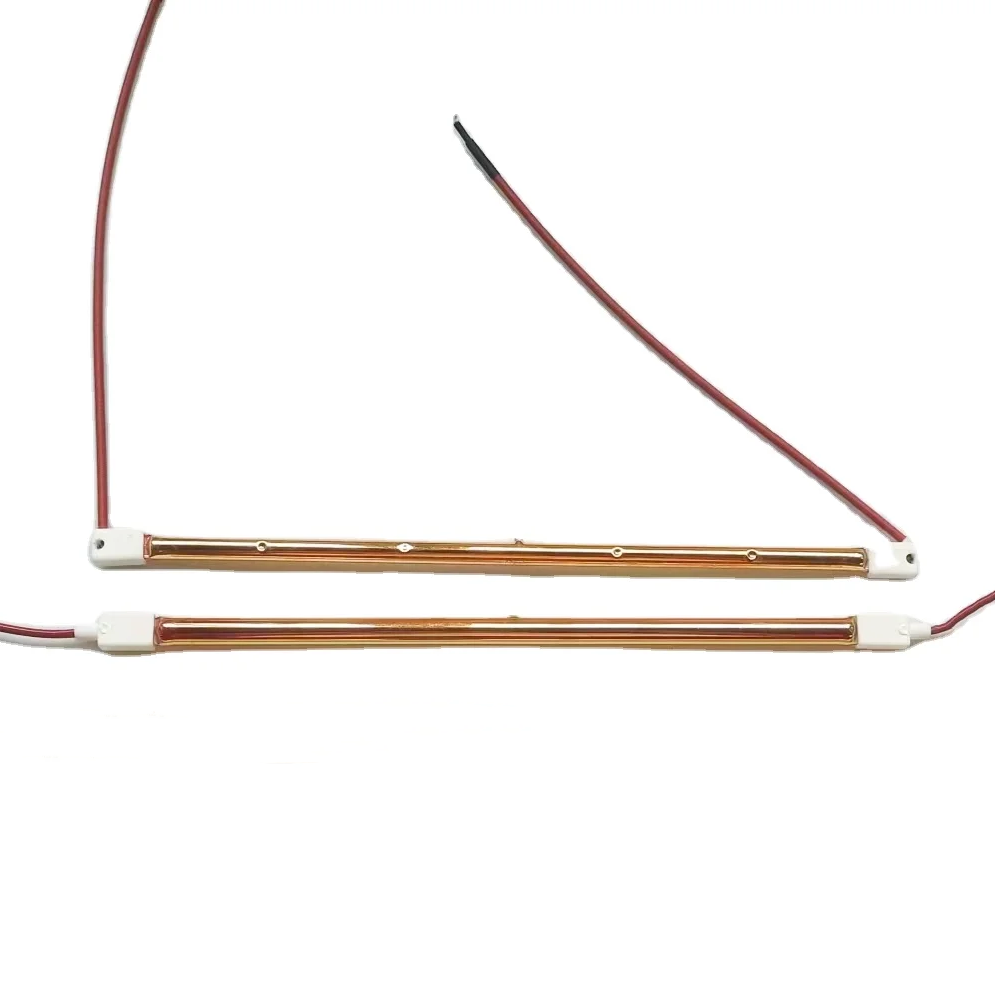
Global industrial drying and curing sectors are abandoning gas-fired convective hot air ovens in favor of electrified quartz infrared radiant systems. Halogen short-wave and carbon medium-wave quartz emitters deliver up to 86% direct heat transfer efficiency, bypassing the intermediate air envelope. Modern procurement protocols require integrated reflective backings—either nano-ceramic white oxide or 24K gold vacuum sputter coatings. These direct radiant reflectors deliver 90–95% targeted directional energy, dropping industrial furnace electrical consumption by 35–50% in lithium battery electrode drying and automotive e-coat curing.
Raw Material Supply Chain Verticalization
Supply chain security is now a dominant KPI for international purchasers. Lianyungang (Donghai County) controls over 70% of China's high-purity natural silica mineral reserves and processing clusters. Top Chinese manufacturers have vertically integrated their upstream sand beneficiation, hydrofluoric acid acid-washing purification, continuous vacuum electric furnace tube drawing, and downstream cold fabrication. This vertical integration buffers Western and Asian buyers from raw material volatility, offering verified lot-to-lot consistency and traceable chemical composition certificates.
How to Audit & Select a Chinese Quartz Manufacturer
A structured technical checklist to avoid common defects, unverified suppliers, and premature thermal tube failure in industrial applications.
1. Verify Thermal Stress Relief & Annealing
Unannealed fused quartz contains dangerous residual stresses induced during thermal necking, welding, or drawing. Require suppliers to inspect finished clear quartz tubes, custom laboratory quartzware, and sight plates under cross-polarized light polariscopes (strain viewers). Ensure the maximum optical retardation does not exceed 10 nm/cm (Grade A annealing). Proper annealing prevents spontaneous shatter under thermal cycling in operational heating tunnels.
2. Inspect Geometric Inclusions & Bubbles
Specify maximum bubble and inclusion class according to DIN 58927 or ISO 12123 standards. Low-quality quartz exhibits internal micro-bubbles (air lines) that act as stress concentration hubs and cause infrared light scattering. Request strict bubble-class verification: For high-temperature envelopes, bubbles >0.2mm must be zero, and continuous line inclusions must be entirely absent to guarantee pressure seal durability.
3. Confirm Molybdenum Seal Hermeticity
In high-intensity shortwave halogen and ruby lamps, the seal area between the tungsten electrical lead and quartz envelope is the primary point of failure. Because tungsten and quartz have vastly differing thermal expansions, a ductile, razor-edged pure molybdenum foil (thickness ≤25μm) must be hermetically pinched in a nitrogen/argon atmosphere. Confirm that the supplier tests every sealed emitter via helium mass spectrometer leak detection down to 1 × 10⁻⁹ mbar·l/s.
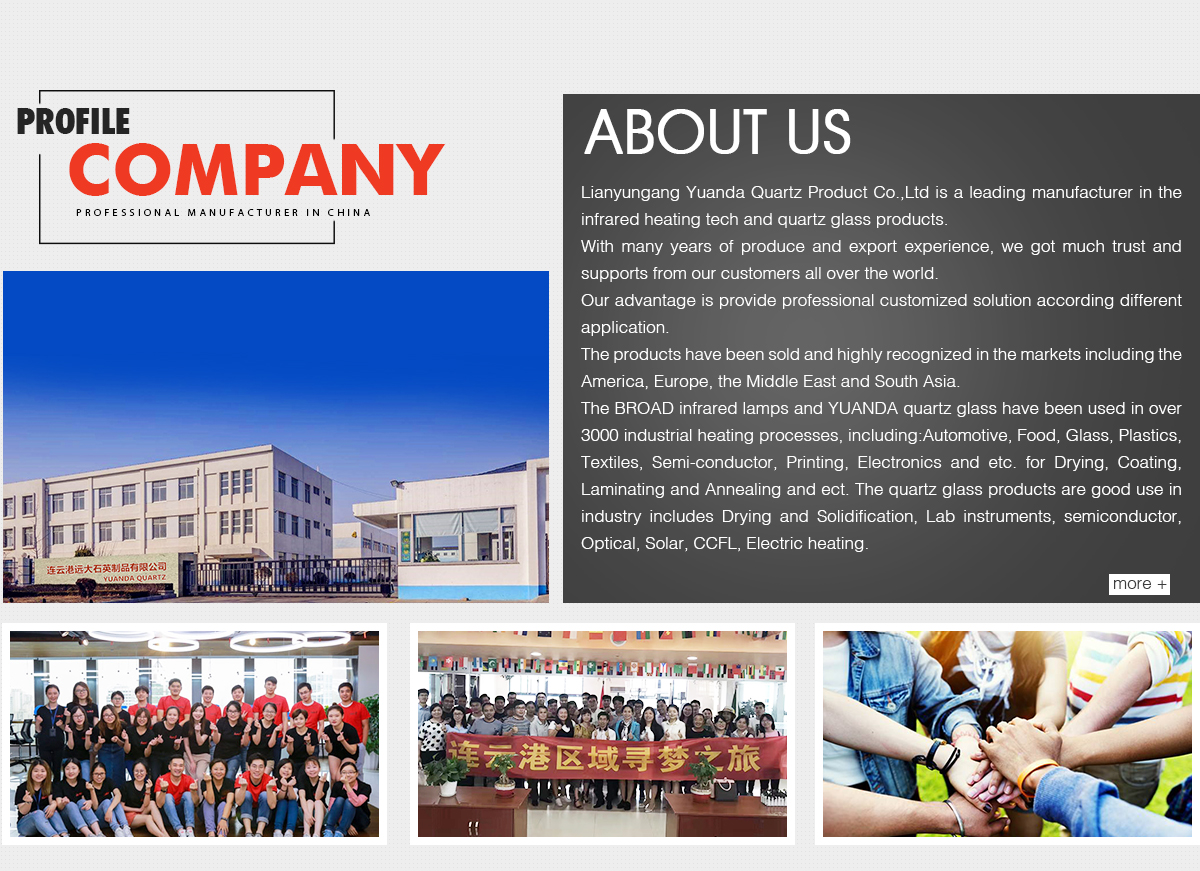
Kavri Quartz Product Co., Ltd. — Engineering Precision Since 2014
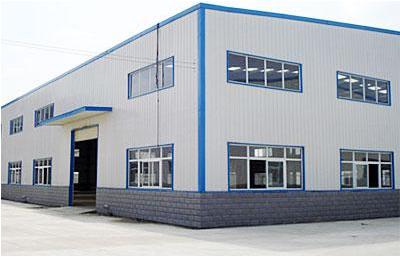
Situated in the heart of China's silica capital (Niushan Street, Lianyungang, Jiangsu), Kavri Quartz leverages direct regional access to Donghai's world-renowned natural crystal and refined quartz sand ecosystem. Our facility bridges raw mineral purification with high-precision downstream fabrication, delivering turnkey quartz components and radiant infrared heating solutions to OEM builders across 40+ countries.
- 3 Specialized Production Lines: Dedicated lines for automatic continuous quartz tube drawing, high-vacuum IR emitter pinch sealing, and precision CNC/flame-worked laboratory apparatus.
- Third-Party & Onsite Audited: Verified by Alibaba.com and world-leading inspection agencies for production capacity, export legality, and ISO-aligned quality management.
- Fast Engineering Turnaround: In-house CAD/CAM drawing review with prototype samples produced in 3–5 working days; average inquiry response rate within 4 hours.
- Global Export Logistics: Comprehensive FOB, CIF, EXW, and DDP solutions featuring specialized multi-layer shockproof suspended packaging for zero-breakage quartz transit.
Frequently Asked Questions: Transparent Quartz Sourcing & IR Systems
Detailed engineering and commercial answers to resolve specification doubts, minimum order quantities, and custom fabrication requirements.
What exact technical parameters are required to quote custom transparent quartz tubes or infrared emitters?
1. Dimensional Specifications: For quartz tubes: Outer Diameter (OD), Inner Diameter (ID) or Wall Thickness (WT), Total Length (TL), and allowable tolerances (e.g., ±0.1mm). For quartz plates: Length × Width × Thickness or Disc Diameter, alongside edge finishing requirements (ground, beveled, or fire-polished).
2. Electrical Parameters (For Lamps): Rated operating voltage (e.g., 110V, 220V, 230V, 380V, 480V) and total wattage output (from 200W up to 10,000W).
3. Thermal & Radiant Dimensions: Overall length (OAL) vs. Heated/Luminous length (HL), alongside cold end margins to avoid terminal overheating.
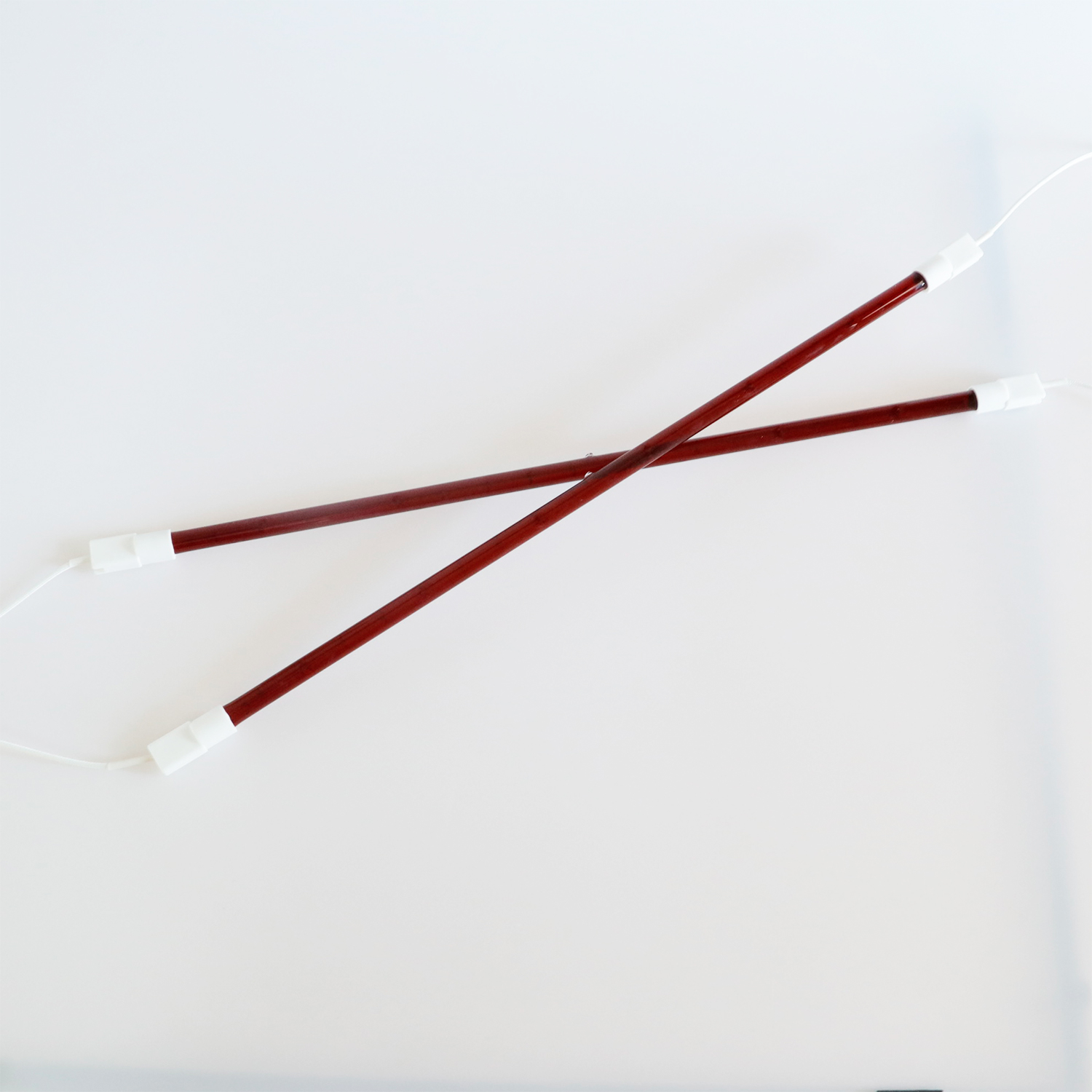
4. Coating & Reflector Style: Clear envelope, ruby red (glare reduction), half-white ceramic oxide diffuser, or 24K mirror-gold directional backing.
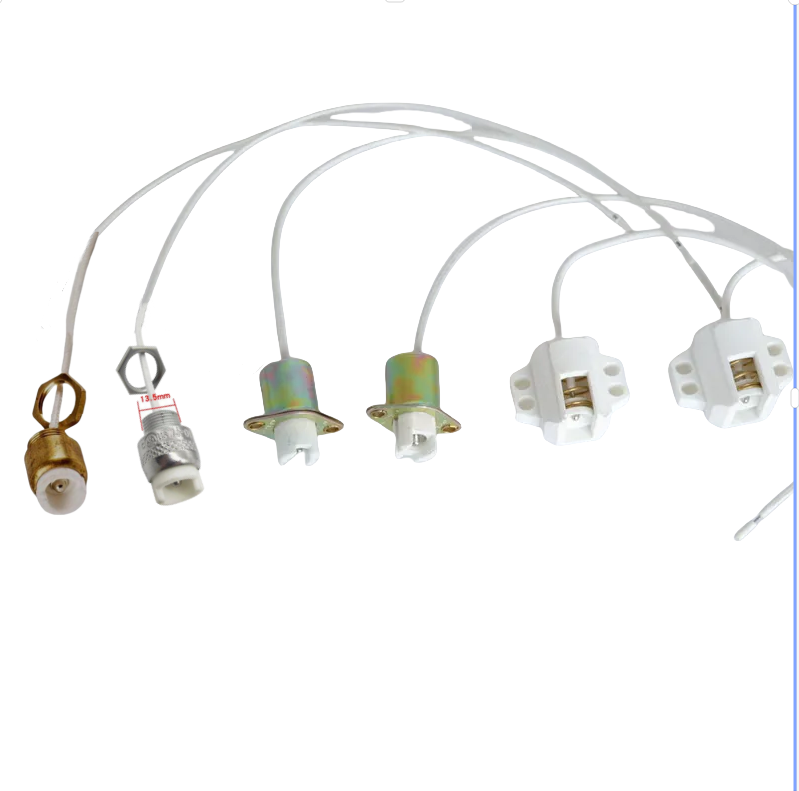
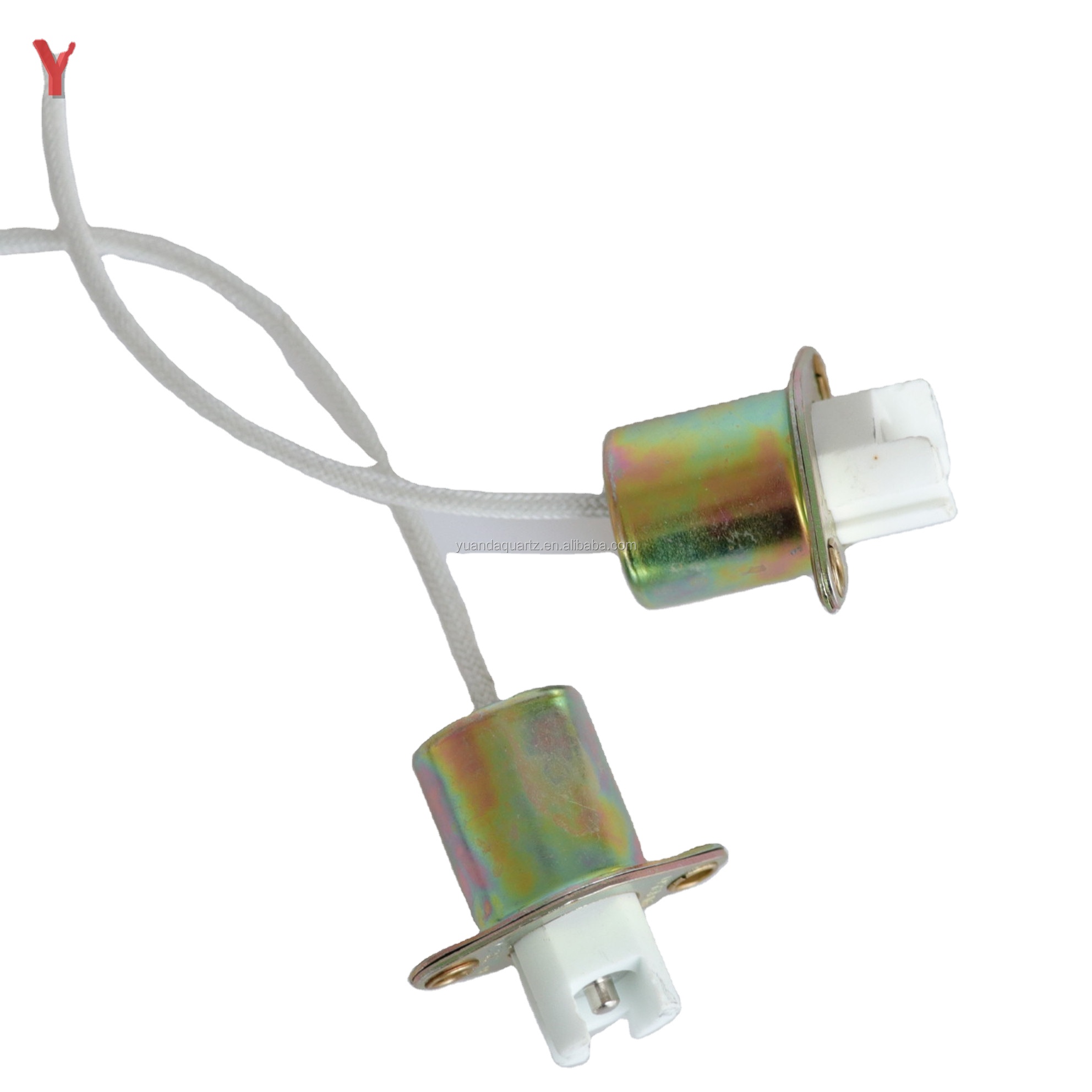
5. Termination & Cabling: Ceramic end cap styles (R7S, SK15, X-clip, flat ceramic base, or lead wires with insulated PTFE/silicone/pure nickel braid). A PDF drawing, technical 3D step file, or high-resolution photograph of an existing sample is sufficient to begin immediate prototyping.
What are the definitive differences between Short-Wave Halogen, Fast Medium-Wave, and Carbon Fiber Medium-Wave emitters?
• Short-Wave Halogen: Operates at filament temperatures of 1800–2400°C with a peak wavelength of 1.0–1.4 μm. It delivers ultra-fast thermal response times (≤1 second to 100% output), high radiant energy density, and deep material penetration. Ideal for PET preform bottle blowing, metal preheating, automotive primer/clearcoat curing, and high-speed rotary printing presses.
• Carbon Fiber Medium-Wave: Uses an engineered woven carbon ribbon operating at 900–1200°C, peaking at 2.0–2.6 μm. Medium-wave radiation matches the natural molecular resonance and infrared absorption spectrum of water, organic polymers, solvent-based adhesives, wood composites, and textiles. It avoids skin-burning glare and achieves rapid drying without blistering underlying coatings.
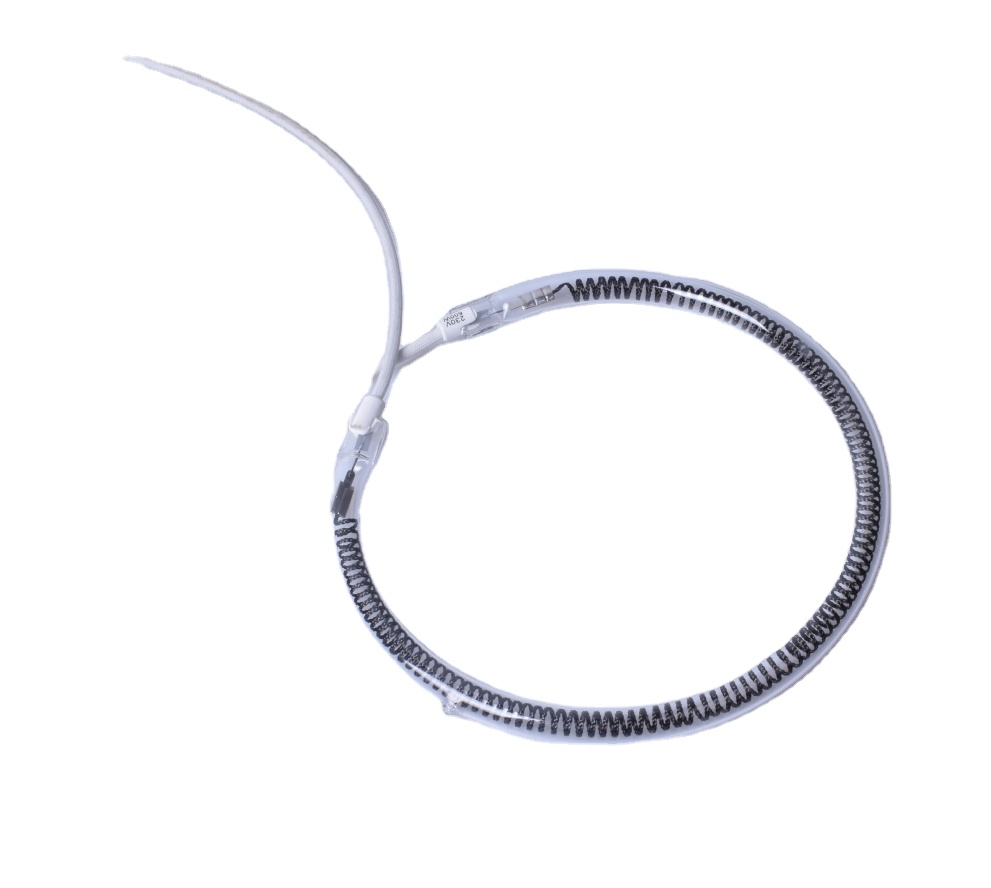
• Standard Fast Medium-Wave: Employs round tungsten or Fe-Cr-Al alloy wire in twin-tube profiles, delivering a balance between physical durability and surface-level plastic thermoforming, leather finishing, and powder coating gelation.
How does your factory ensure zero breakage during international sea and air freight for fragile quartz?
1. Every individual quartz tube or lamp is encased inside an individual shock-absorbing Pearl-Cotton (EPE) foam sleeve or rigid paper tube.
2. Intermediate modules are packed into high-density 5-ply reinforced honeycomb corrugated cartons.
3. For international consolidation, cartons are suspended on heavy-duty, fumigation-free solid plywood crates reinforced with exterior steel banding, internal high-rebound shock dampeners, and exterior tilt/drop indicator sensors (Tip-N-Tell). Over the past 5 years, our global breakage claim rate has remained under 0.15%.
What is your Minimum Order Quantity (MOQ) and production lead time for standard vs. customized items?
• Standard Quartz Tubes & Stock Emitters: Our MOQ starts at just 8–10 pieces for standard linear infrared lamps (e.g., standard R7S, SK15 lamps) or standard OD/ID quartz tubes. Lead time is 3–5 working days.
• Custom OEM / ODM Fabrications: For bespoke twin-tube configurations, custom circular/omega bends, special gold/ceramic masking, or precision laboratory quartz flow cells, the prototype batch MOQ is typically 10–20 pieces. Custom sampling takes 5–7 days, while commercial volume orders (500–5,000 pieces) are manufactured and packed within 14–21 working days.
Can your factory supply custom laboratory quartzware, flow cells, and chemical reactor vessels?
• Ultra-micro and standard flow-through quartz cuvettes/cells for clinical chemistry analyzers and UV-Vis spectrophotometers (optical path lengths from 1mm to 100mm, with optical surfaces polished to 40/20 scratch/dig and transmission >85% at 200nm).
• Transparent quartz boiling flasks, test tubes, reflux condensers, digestion vessels, and vacuum distillation columns resistant to all acids (except hydrofluoric and phosphoric at >300°C).
• High-purity semiconductor fused silica crucibles, horizontal evaporation boats, and custom wafer carriers engineered to customer blueprints.
What international trade terms, incoterms, and payment options do you support?
• Incoterms: We regularly execute FOB (Shanghai / Qingdao / Lianyungang ports), CFR, CIF, EXW, and DDP (Delivered Duty Paid direct to your facility address in the United States, European Union, Canada, Australia, and Southeast Asia).
• Payment Frameworks: Standard orders proceed via Telegraphic Transfer (T/T), with credit terms available for verified, long-term procurement partners. For sample validation and small initial trial runs, fast-track electronic escrow and secure card transactions are fully supported.
Initiate Your Engineering Evaluation Today
Send your drawings, operating parameters, or replacement lamp codes. Our senior quartz engineering and optical thermal specialists evaluate specifications and supply detailed factory-direct quotes with CAD confirmations within 4 hours.