Engineered Quartz U-Tubes & Specialized IR Emitters
From short-wave rapid heating tungsten emitters to medium-wave carbon fiber elements and optical biochemical tubes, select from our standard high-performance inventory or customize to blueprint.
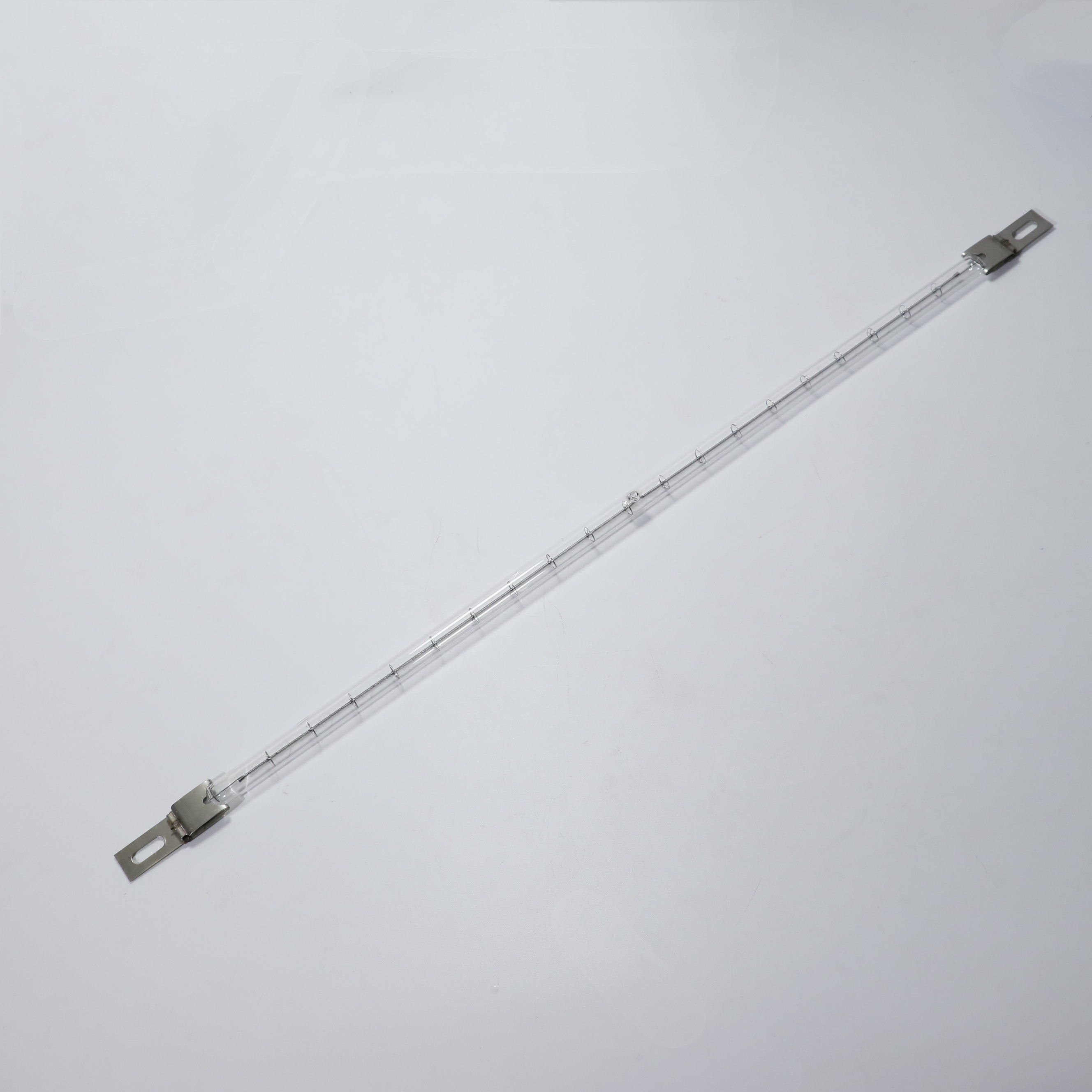
Best Selling 220V 1000W Quartz Infrared Heat Lamp for Processing Industrial
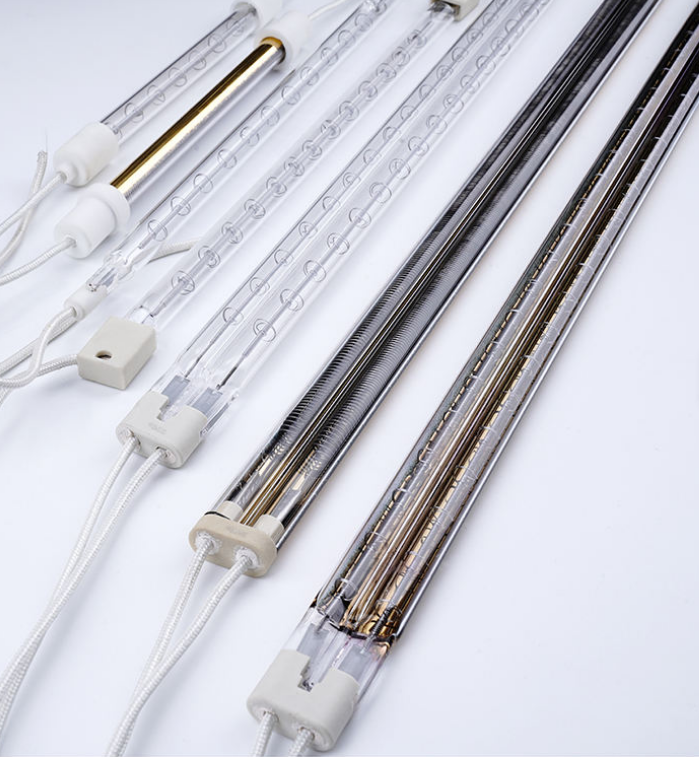
Factory Supply 220v Infrared Heater Lamp for PET Blowing Machines
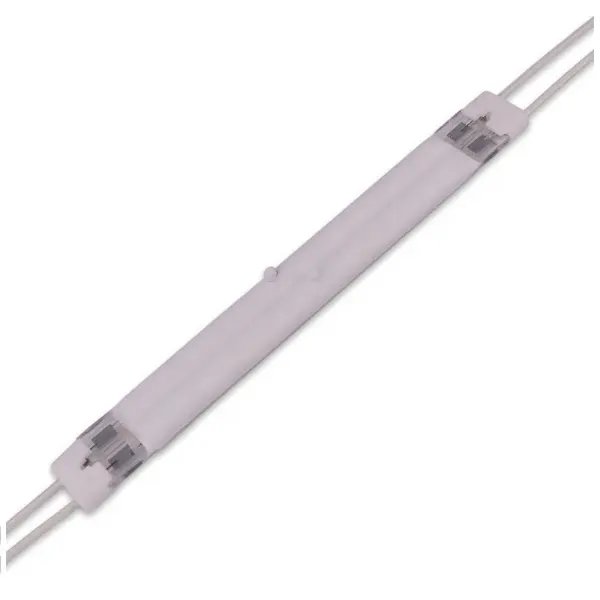
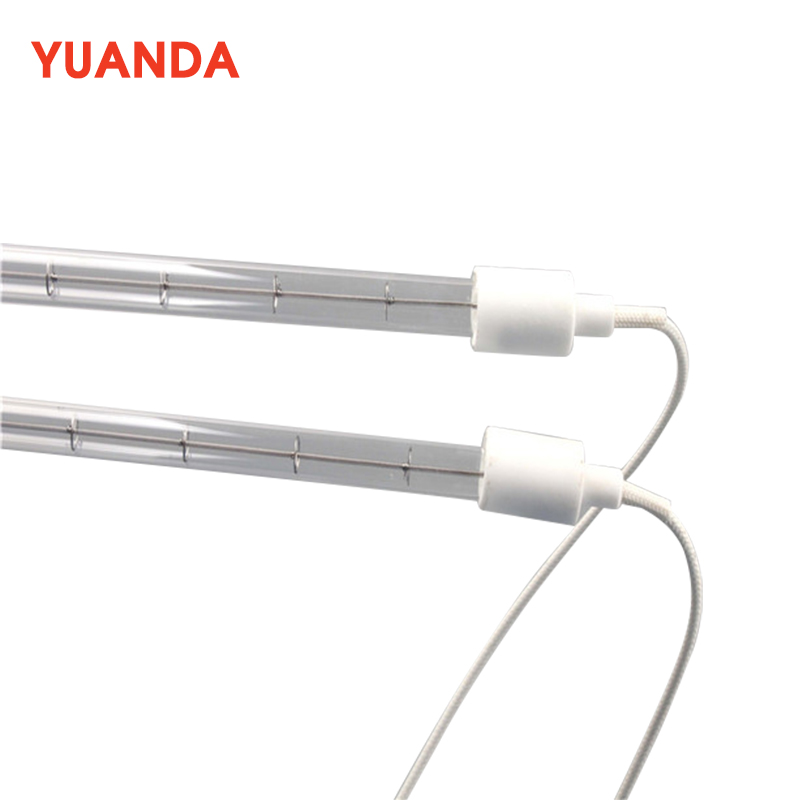
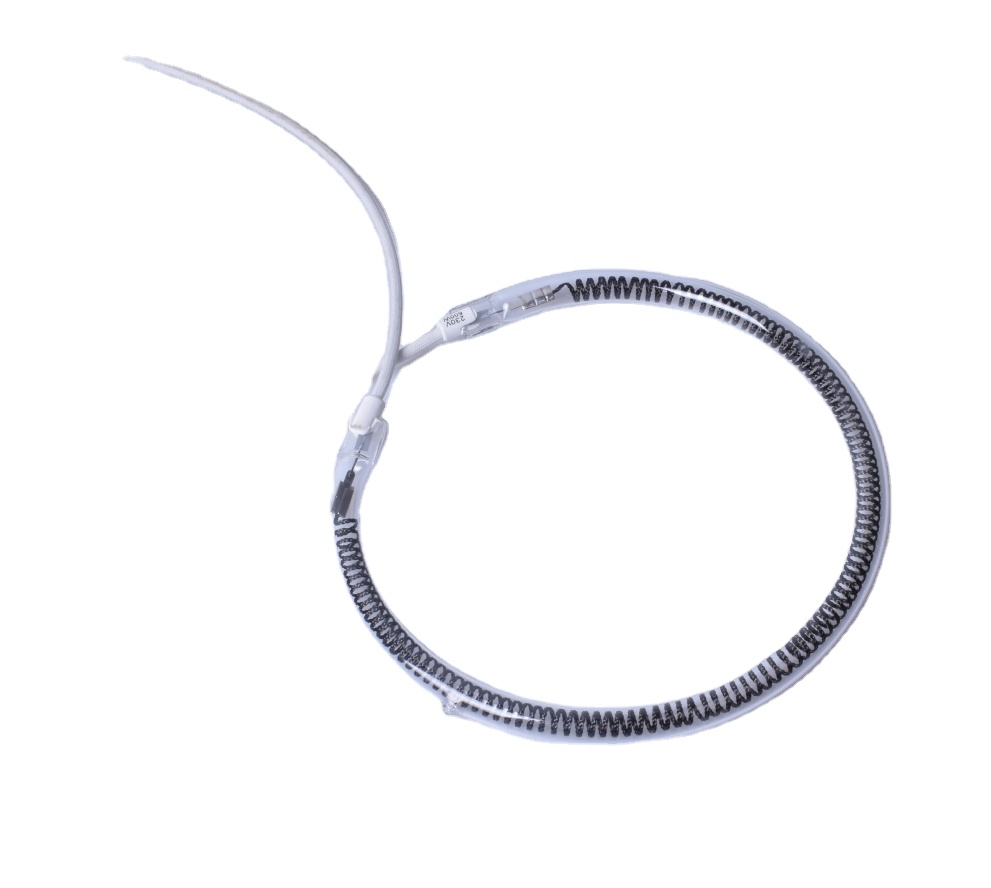
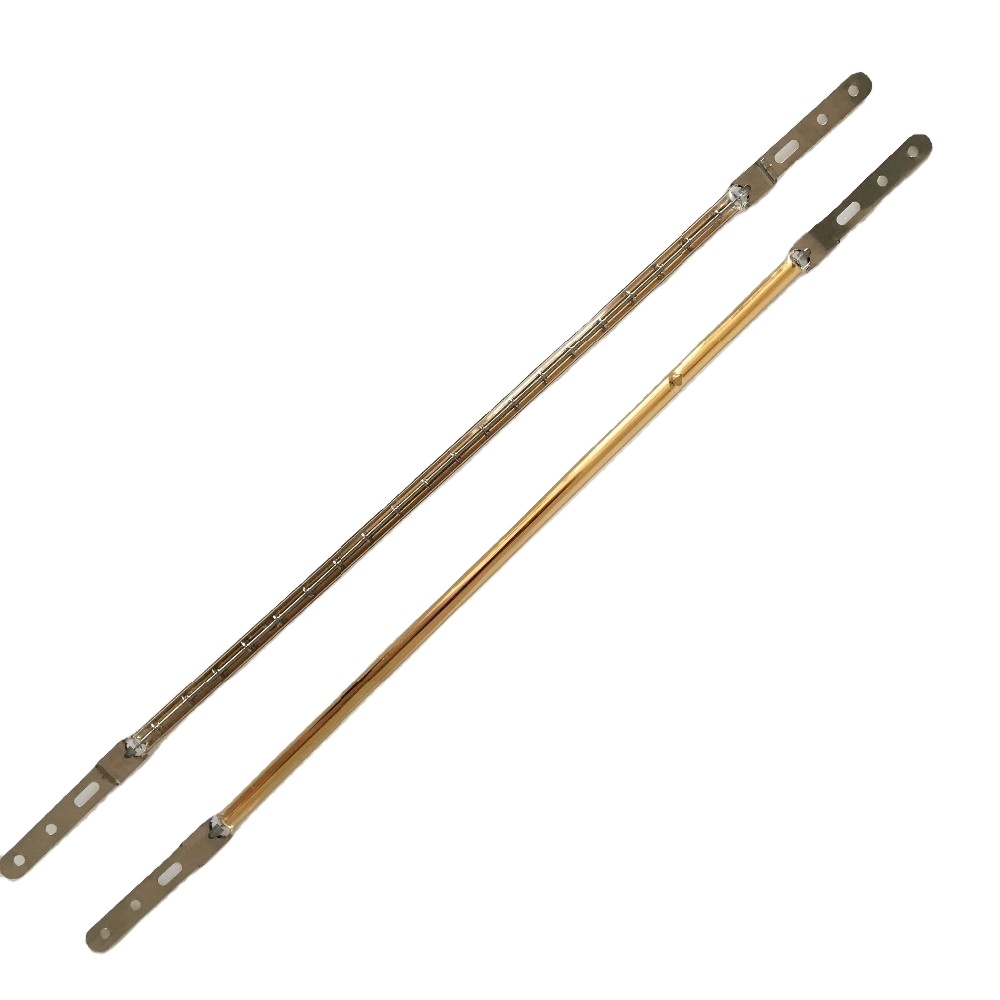
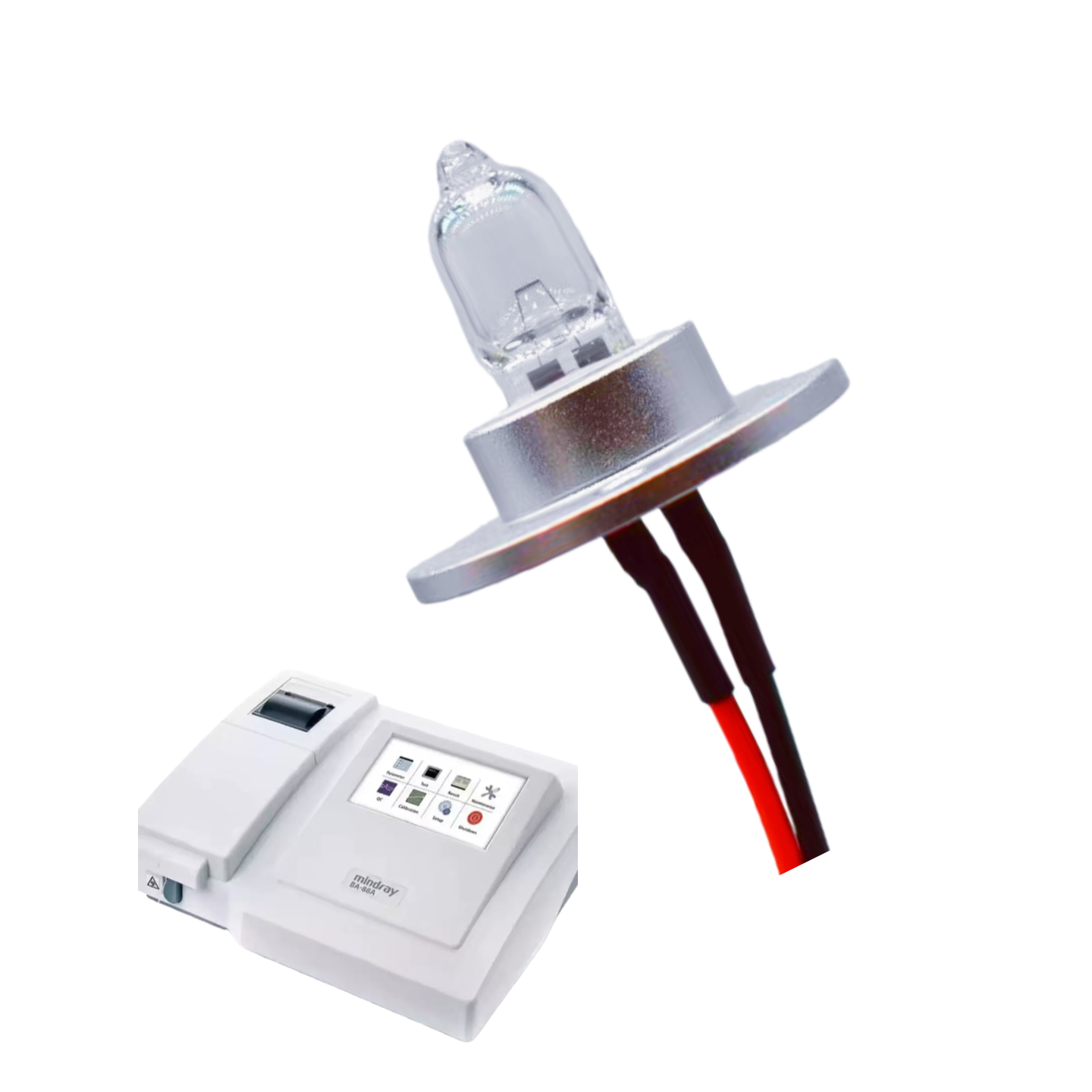
BA-88A Halogen Lamp Bead 6V 10W Mindray Semi-automatic Biochemical Analyzer Light Bulb
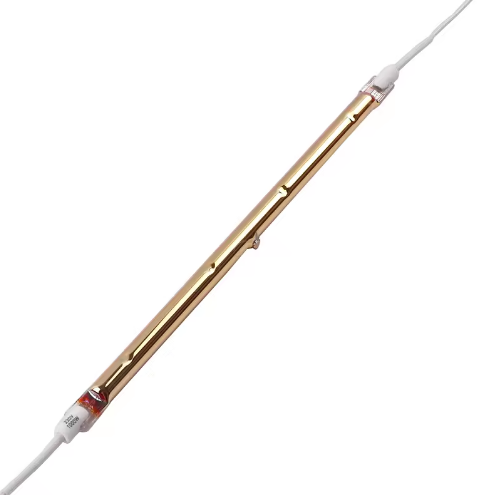
Stable Quality Gold Plated Quartz Infrared Heat Lamps for PET Manufacture
Quartz U-Tube Architecture & Industrial Thermal Mechanics
A technical examination into fused silica thermodynamic behavior, high-vacuum filament preservation, and geometry-driven heating efficiency.
Information Gain Insight: The mechanical geometry of a Quartz U-tube eliminates single-ended thermal stress constraints by enabling both electrical terminals to exit from a unified structural fixture. When engineered with ultra-high purity fused silica (>99.99% SiO₂), the glass envelope exhibits a virtually negligible coefficient of thermal expansion (α ≈ 5.5 × 10⁻⁷/K), eliminating failure risks during thermal shock cycles between -50°C and 1100°C.
Directional Radiation & Reflection
Integrating gold-plated or half-white ceramic oxide reflective coatings directly onto the outer wall of the quartz bend directs over 90% of emitted radiation towards the process target, effectively slashing stray heat emission and lowering furnace thermal dissipation.
Sub-Second Thermal Latency
Tungsten halogen helical filaments suspended inside gas-flushed quartz U-cavities reach peak operating temperature (2200K–2600K) within 1.0 to 1.2 seconds, making them exceptionally responsive for rapid-cycle PET preform heating and precision automation lines.
Corrosion & Plasma Resistance
Unlike borosilicate or ceramic variants, fused silica remains chemically inert against volatile organic solvents, halogens, and acids (except hydrofluoric and hot phosphoric), ensuring uncompromised optical clarity over tens of thousands of continuous operational hours.
Quartz Heating & Optics: Future Procurement Trends
How semiconductor fabrication, solar cell metallization, and energy-conscious thermoforming are driving procurement shifts through 2026–2030.
Spectral Tuning to Absorption Curves
Procurement directors are shifting away from broad-spectrum infrared heating towards finely tuned wavelengths. Combining medium-wave carbon fiber (peak ≈ 2.0 µm) with short-wave tungsten enables selective depth penetration in water-borne resins, films, and polymers without scorching external surfaces.
Micro-Contaminant Free Quartz
In biochemical analysis (such as the BA-88A platform) and wafer manufacturing, trace metallic elements (Fe, Al, Ti) inside the silica lattice trigger devitrification and spectral distortion. The market demand is decisively tilting toward synthetic fused silica and hydro-treated quartz with impurities below 1.5 ppm.
Modular Fast-Coupling Form Factors
Unplanned maintenance downtime accounts for considerable losses in blow-molding and drying production lines. Future quartz component tenders prioritize standard ceramic snap-in ends, insulated silicone fly leads, and unified twin-tube/U-tube geometries that slash replacement time down to minutes.
Why Source from Kavri Quartz Co., Ltd. (Lianyungang)
Strategically based at the heart of Donghai's world-renowned raw quartz mineral cluster, providing structural cost and engineering supremacy.
| Evaluation Parameter | Kavri Quartz Technical Standard | Generic Market Suppliers |
|---|---|---|
| Raw Material Origin | Donghai Cluster High-Purity Silica (≥99.99% SiO₂) | Mixed industrial silica or recycled cullet glass |
| Thermal Shock Resistance | ✓ 1100°C rapid water quenching without rupture | Cracks typically emerge above 750°C cycles |
| Filament & Vacuum Sealing | Multi-stage evacuation + pure inert halogen dosing | Atmospheric residual trace air causing filament carbonization |
| Reflector Durability | Plasma vapor-deposited 24K gold / dense white ceramic | Painted surface layers that flake off after 500 hours |
| Export Experience & QC | ✓ 10+ Years, 3 Lines, 81–90% global export ratio | Domestic trading middlemen without testing laboratories |
Frequently Asked Questions by Global Procurement Teams
Clear, technically accurate answers to simplify procurement workflows and OEM customization requests.
What are the key technical specifications required to quote a custom Quartz U Tube? +
Why choose a Quartz U-tube configuration over a straight single/twin tube? +
How does Kavri Quartz ensure zero breakage during international maritime and air transit? +
What is your Minimum Order Quantity (MOQ) and sample lead time? +
Can you produce optical and biochemical analytical quartz items like the Mindray BA-88A light bulb? +
Accelerate Your Quartz & Infrared Component Sourcing
Connect directly with our senior quartz engineering department in Lianyungang, China. Receive comprehensive factory-direct pricing, customized CAD drawings, and prototype assessments within 4 hours.
Get a Quote