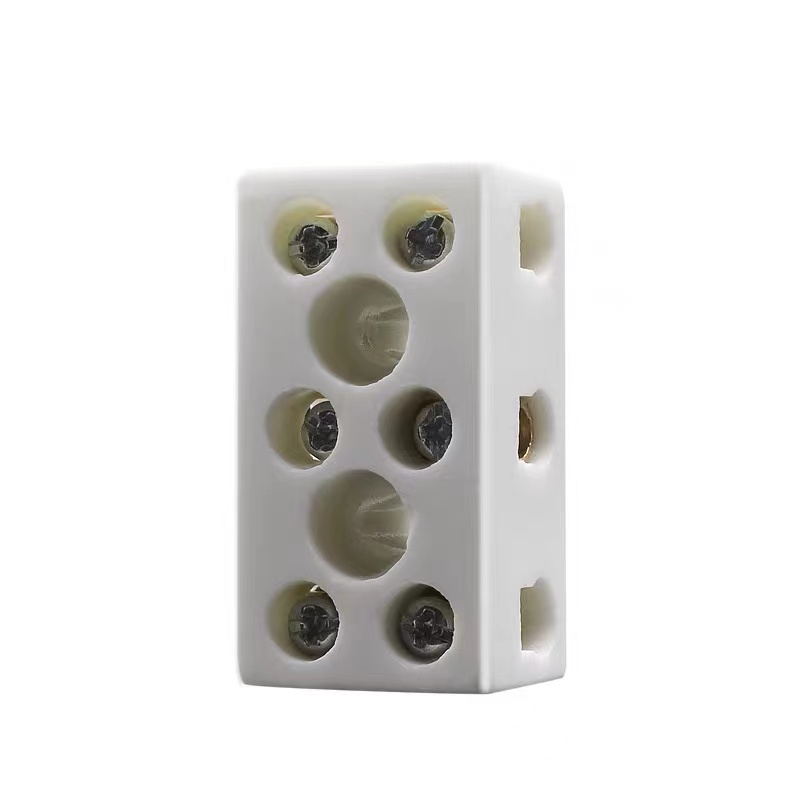
Ceramic Terminal Block Wire Connector Ceramic Wire Connector
Engineered for extreme thermal resistance in high-wattage quartz emitters, ensuring zero-degradation electrical connections.
Precision-drawn fused quartz spiral tubes, high-efficiency emitters, and specialized thermal elements tailored for demanding process applications.
Engineered for extreme thermal resistance in high-wattage quartz emitters, ensuring zero-degradation electrical connections.
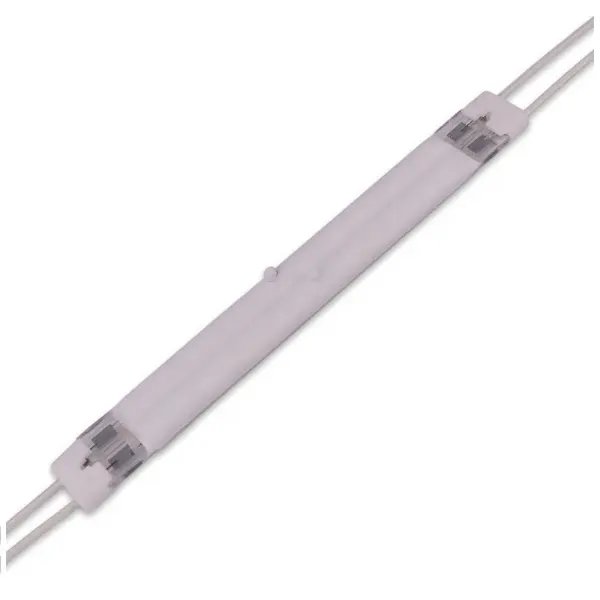
Dual-channel structural rigidity with specialized ceramic back-reflectors directing 90%+ short-wave energy into preforms.
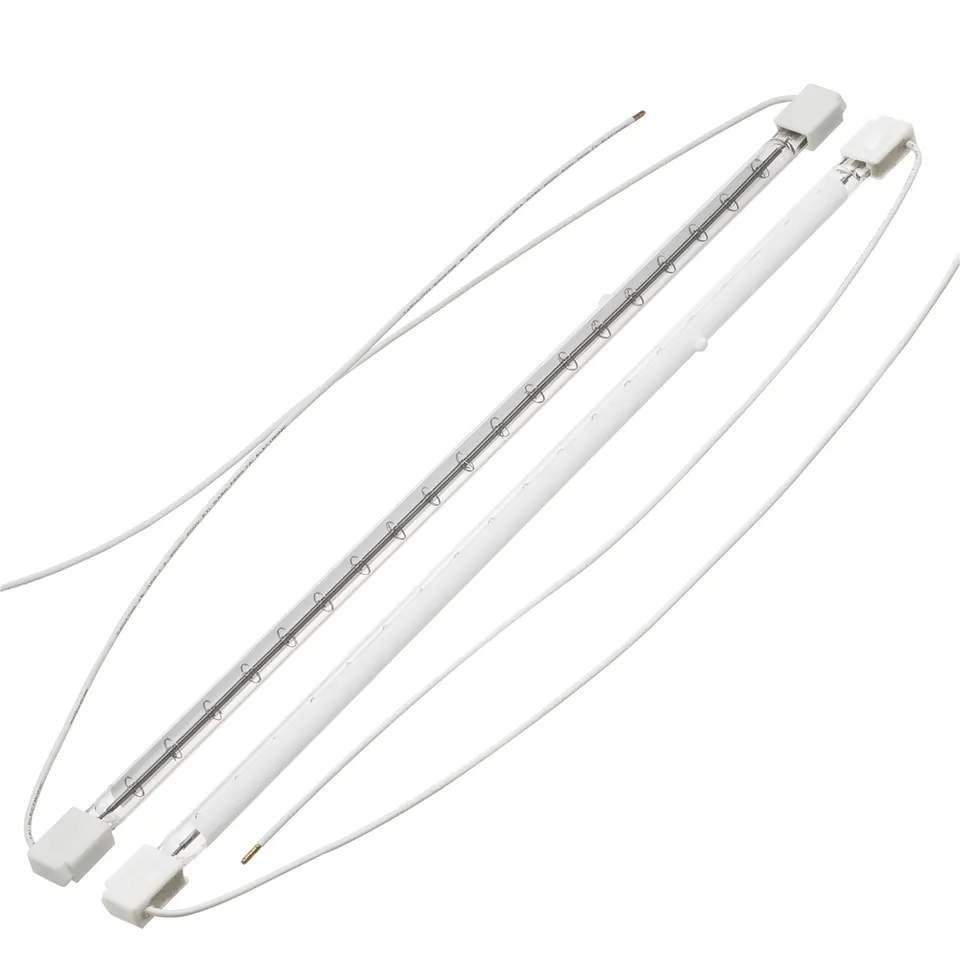
Instantaneous microsecond thermal responsiveness with custom white reflection coating resistant to harsh atmospheric exposure.
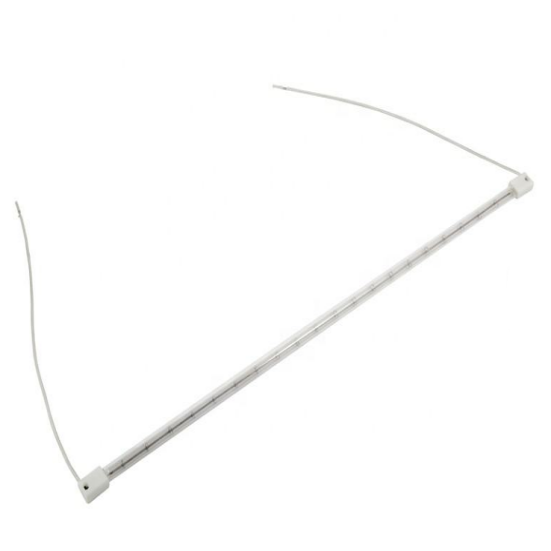
Tunable emission profiling tailored for continuous fabric drying, textile finishing, and synthetic polymer heat stabilization.
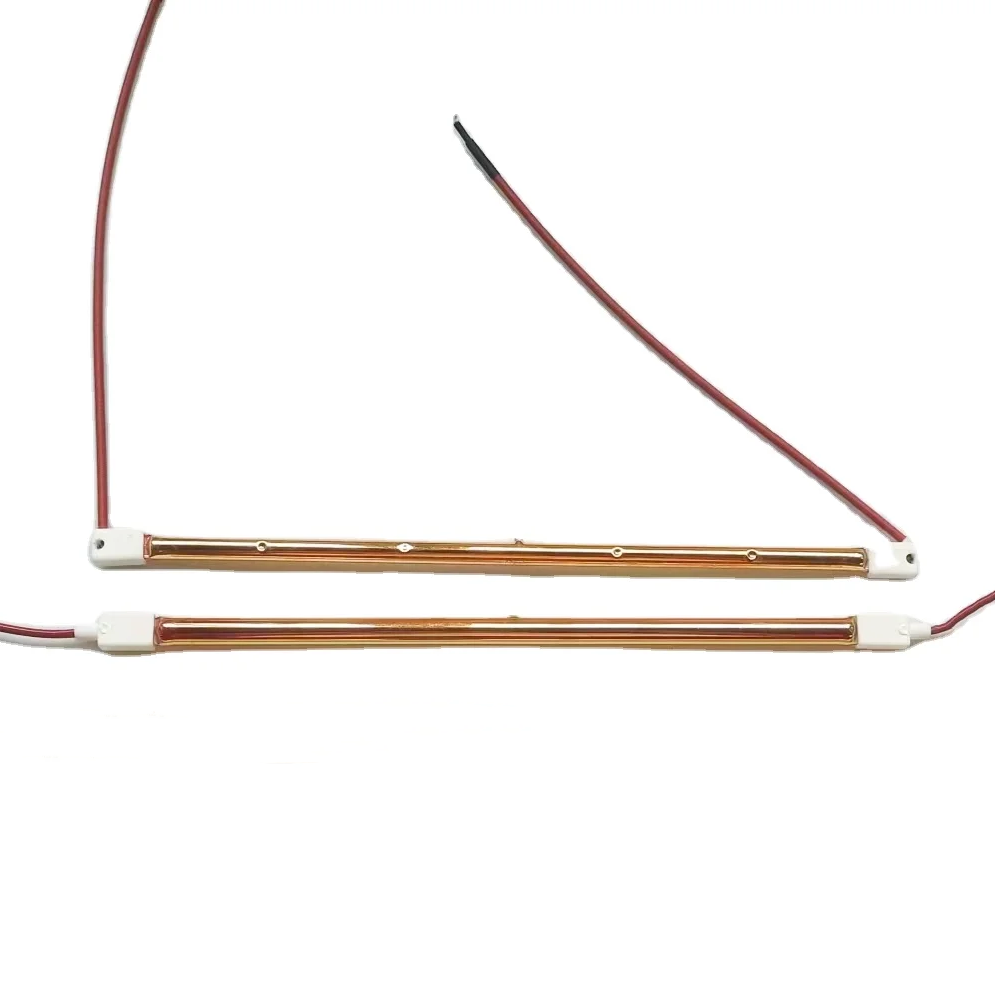
Deposition of genuine 24K gold mirror layers achieving 95% directional radiation efficiency for cleanroom-grade paint and solvent curing.
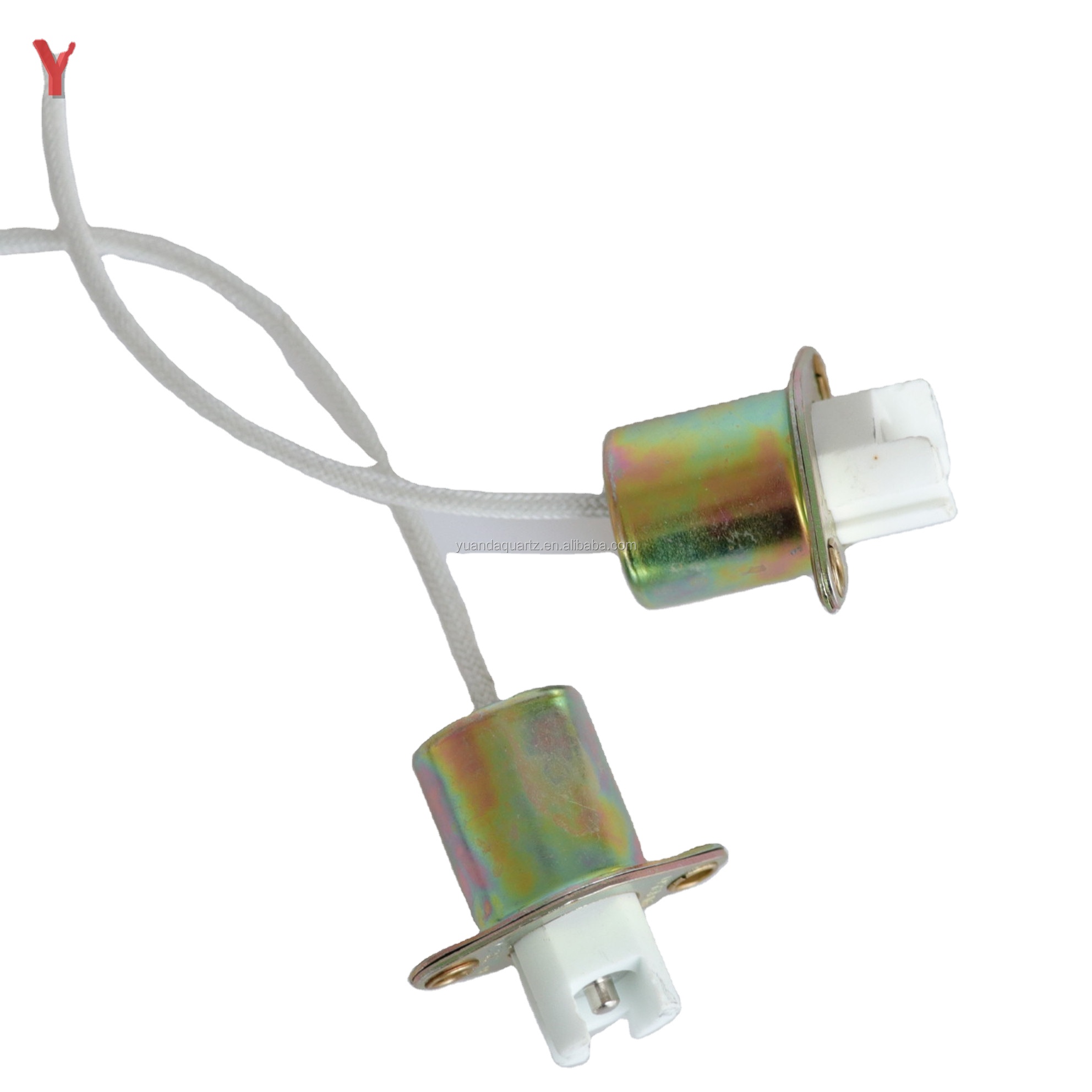
Universal industrial replacement elements fitted with premium high-dielectric steatite ceramic ends and spring-loaded terminals.
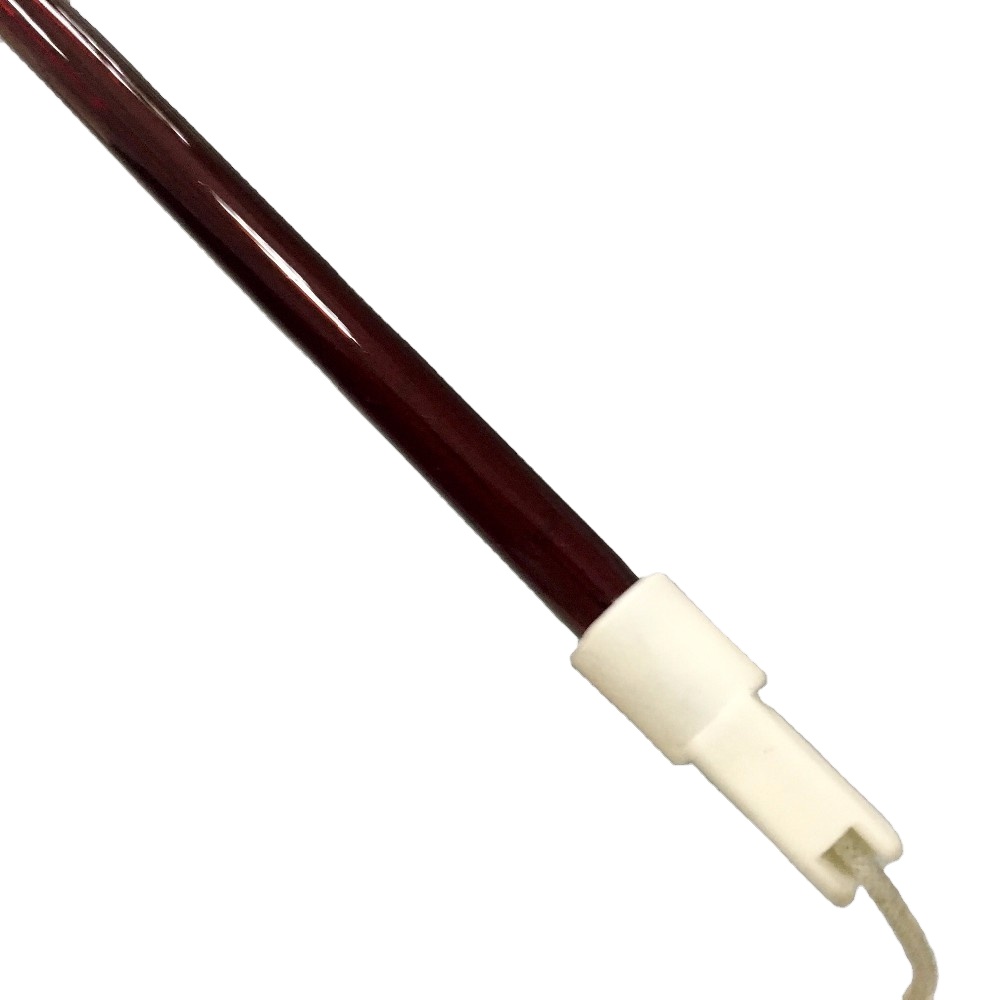
Glare-filtered red-doped quartz envelopes maximizing non-stressful biological thermal transfer with robust thermal shock resistance.
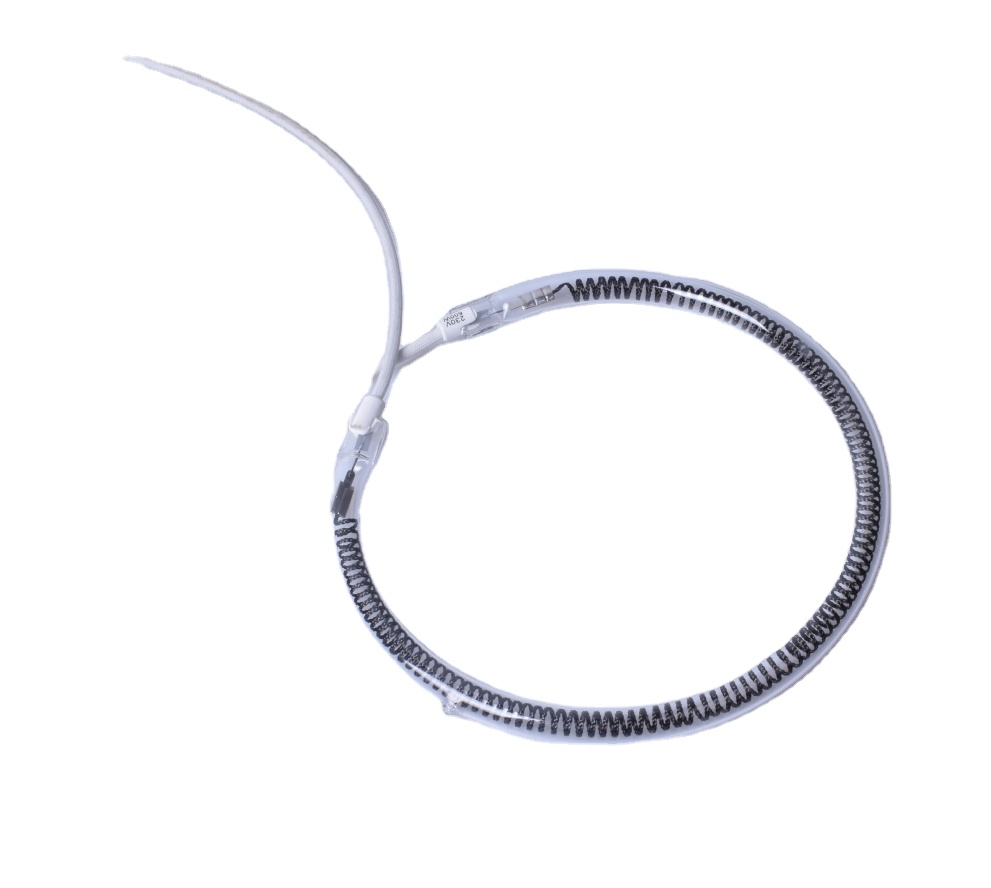
Curved geometry providing uniform radial heating for round bottles, neck rings, and specialized thermoforming applications.
Industrial quartz spiral tubes—frequently deployed as helical heating jackets, high-surface-area chemical reaction conduits, ozone generators, and analytical fluid transport coils—represent the apex of thermal glass fabrication. Fabricated from ultra-pure synthetic or electric-arc-fused quartz glass (SiO2 purity ≥ 99.99%), these helical configurations resolve complex thermal engineering problems by packing massive linear exposure lengths into tight geometrical envelopes.
In modern manufacturing ecosystems, heat transfer density is paramount. Kavri Quartz leverages cold and hot torch-winding precision mandrels to ensure that every pitch, outside diameter (OD), inside diameter (ID), and wall cross-section maintains sub-millimeter tolerances. Unlike standard soda-lime or borosilicate glass that degrades under thermal cycling, our fused quartz spiral tubes exhibit an exceptionally low thermal expansion coefficient of approximately 5.5 × 10⁻⁷ / K. This allows the components to effortlessly survive extreme thermal shock—such as plunging a 1000°C red-hot quartz spiral tube directly into ice water without structural failure or micro-fracturing.
Furthermore, our facility in Donghai, Lianyungang, utilizes high-purity natural silica sand refined with multi-stage acid leaching, ensuring the lowest possible hydroxyl ([OH-]) ion concentration. This reduced hydroxyl content extends continuous operating temperatures up to 1100°C and intermittent structural peak loads to 1450°C without devitrification or sagging. Whether conveying ultra-aggressive acids in semiconductor wet etching benches or insulating resistance-coil heaters in advanced vacuum sputtering reactors, our quartz spiral coils ensure zero elemental leaching, flawless dielectric breakdown strength, and optical-grade spectral transmission spanning 190 nm in deep UV through 3.5 µm in the mid-infrared range.
| Property Parameter | High-Purity Fused Quartz (Kavri) | Standard Borosilicate (3.3) | Alumina Ceramic (Al2O3) |
|---|---|---|---|
| Continuous Max Temperature | 1100 °C – 1200 °C | 450 °C – 500 °C | 1500 °C – 1650 °C |
| Thermal Shock Tolerance (ΔT) | > 1000 °C (Zero Fracture) | ~ 150 °C | ~ 200 °C |
| Coefficient of Thermal Expansion | 5.5 × 10⁻⁷ / K | 33 × 10-7 / K | 80 × 10-7 / K |
| Dielectric Strength (kV/mm) | 25 – 40 | 10 – 15 | 15 – 20 |
| Optical Transmission Band | 190 nm – 3500 nm (92% Clear) | 300 nm – 2500 nm | Opaque / Non-transmitting |
As global industrial production pivots toward decarbonization and intelligent electrification, the procurement landscape for quartz spiral tubes and custom emitter systems is undergoing a monumental paradigm shift. Strategic purchasers from North America, the European Union, and East Asia are aggressively phasing out outdated convection gas heating lines in favor of targeted, high-density infrared and quartz heating matrices.
1. Decarbonization via Electrified Rapid Thermal Processing (RTP): Fossil-fuel furnaces exhibit massive thermal inertia and high standby carbon footprints. Integrating high-surface-area quartz spiral tubes with internal carbon-fiber or coiled tungsten cores provides targeted, clean thermal input that responds in fractions of a second, drastically cutting plant MWh consumption.
2. Semiconductor & Photovoltaic Cleanroom Integration: The explosive growth of advanced packaging, solar crystalline wafer processing, and battery slurry dehydration has imposed stringent purity criteria. Modern supply chain managers are shifting RFQs away from generic glass blowers toward certified Chinese manufacturers capable of verifying trace-metal impurity levels (Fe, Cu, Ni, Ti) below single-digit parts per million (ppm).
3. Direct Integration with Automated Smart Sensor Systems: OEM builders are requiring custom spiral tubes and heaters pre-configured with calibrated internal thermocouples, standardized bayonet mounts, and precision ceramic end-blocks. These allow automated lines to adjust thermal output dynamically using closed-loop PID control systems.
Looking toward the next decade, the quartz glass processing sector is evolving from artisan manual flame fabrication into high-precision, CNC-assisted thermal manipulation. The manufacturing of quartz spiral tubes presents unique aerodynamic and thermal stresses: maintaining cross-sectional roundness and uniform wall thickness across every revolution demands continuous robotic torch synchronization.
At Kavri Quartz, our forward-looking research focuses on micro-structured selective wavelength modification. By depositing multi-layer optical dielectrics and reflective ceramic nanocoatings on spiral tube walls, future heating systems can deliberately cut out unwanted visible luminescence while directing 100% of emitted energy into specific infrared resonant absorption bands of polymers, aqueous solutions, or silicon wafers.
Furthermore, additive manufacturing of fused silica (direct-ink writing and selective laser melting) is emerging in R&D labs. While traditional thermal flame winding remains the standard for mechanical strength and optical transparency, Kavri is actively investing in robotic mandrel forming that enables variable-pitch and multi-diameter spiral coils for next-generation aerospace cooling conduits and complex medical diagnostic instruments.
Leveraging deep industrial heritage from China's primary silica capital to deliver unmatched quality, rapid turnarounds, and OEM customization.
Located in Lianyungang, Jiangsu, we sit at the epicenter of Donghai's world-famous silica extraction and glass-forming corridor. This provides us direct access to ultra-low impurity raw quartz and a deeply skilled artisan workforce.
Our engineering-backed trade desk operates with a verified response rate exceeding 92.65%, providing comprehensive DFM feedback, dimensional feasibility reviews, and official quotations within four hours on working days.
Operating dedicated production facilities with US$1–2.5 Million annual throughput. From low-volume prototype development (MOQ starting at just 8–10 pcs) up to full container shipments, production scalability is guaranteed.
Every single quartz spiral tube, halogen lamp, and precision glass plate undergoes dimensional optical scanning, filament burn-in verification, seal leak integrity checks, and ceramic adherence inspections prior to export packaging.
With 81–90% of our products exported to Germany, the Netherlands, the United States, Japan, Korea, and South America, we handle complete global logistics across FOB, CFR, CIF, EXW, and door-to-door DDP terms.
True build-to-print manufacturing: from customer sketches, CAD .STEP files, or reverse-engineered broken equipment samples, we manufacture matching diameters, custom pin terminals, ruby tints, or white reflectors.
Direct technical answers to the most common engineering and supply-chain inquiries.
To deliver an exact technical quote, please provide: Tube Outer Diameter (OD) and Wall Thickness, Overall Coil Outer/Inner Diameter, Coil Height, Pitch (distance between center-to-center of turns), End Tangent Lengths/Orientation, and desired Working Temperature or Medium.
Fused silica has an extraordinarily low coefficient of thermal expansion (5.5 × 10⁻⁷ / K). Because it barely expands or contracts when heated or cooled rapidly, structural thermal gradients cannot generate internal shear stress, eliminating thermal-stress fractures.
Standard quartz components and basic IR emitters start with an accessible MOQ of 8 to 10 pieces. For custom tooling setups or complex helical spiral tubes, we readily support 1 to 5-piece prototype validation batches prior to high-volume manufacturing.
We deploy specialized multi-layer shock isolation packaging consisting of form-cut high-density Pearl Cotton (EPE), suspended rigid inner boxes, vibration dampening, and reinforced fumigated export wooden crates tested to ISTA drop standards.
Yes. Beyond industrial heating lamps, our Donghai facilities manufacture optical cuvettes, 32 μL flow cells for biochemistry analyzers, fused quartz crucibles, diffusion tubes, and ground-joint laboratory apparatus to precise DIN/ISO dimensional standards.
Prototyping and custom sampling typically take 7 to 10 working days. Full mass-production runs of 100 to 2,000 units are usually completed and packed for air or sea dispatch within 2 to 3 weeks following engineering drawing sign-off.
Upload your equipment drawings, operating specs, or replacement sample requirements. Our chief glassblowers and thermal engineers review every inquiry within 4 hours.