Featured Industrial Quartz & Infrared Heating Products
Manufactured directly from superior fused quartz glass, our halogen, ruby, carbon, and specialized analyzer emitters guarantee microsecond-level response times, minimal devitrification, and thermal endurance up to 1450°C.
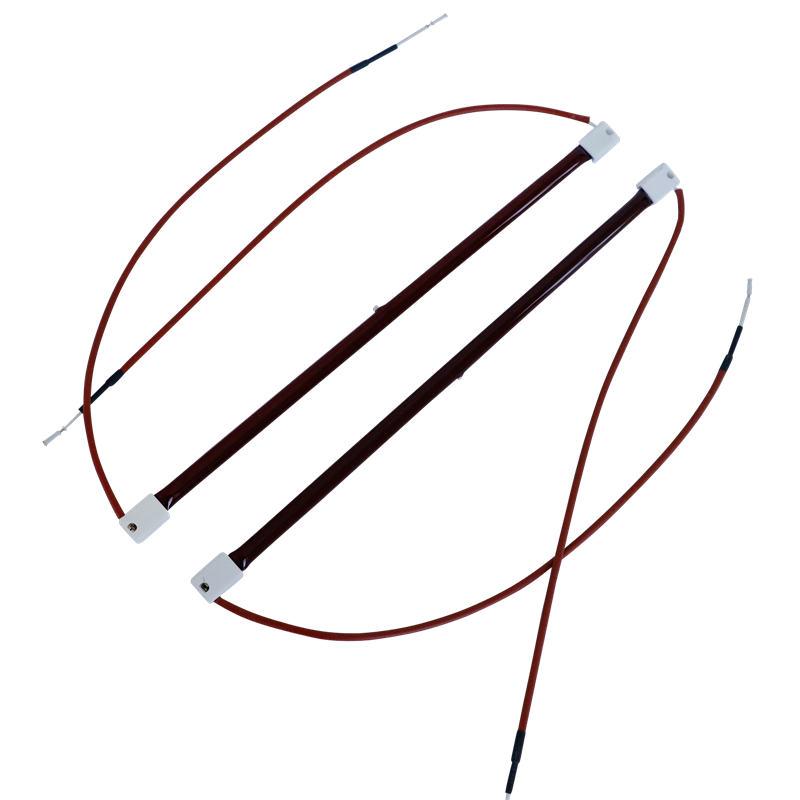
500w 220v High Quality Ruby Infrared Heating Lamp
- Doped Ruby Silica (Glare reduction >90%)
- Peak Wavelength: 1.2 – 1.4 µm Shortwave
- Application: Poultry Brooding, Agribusiness
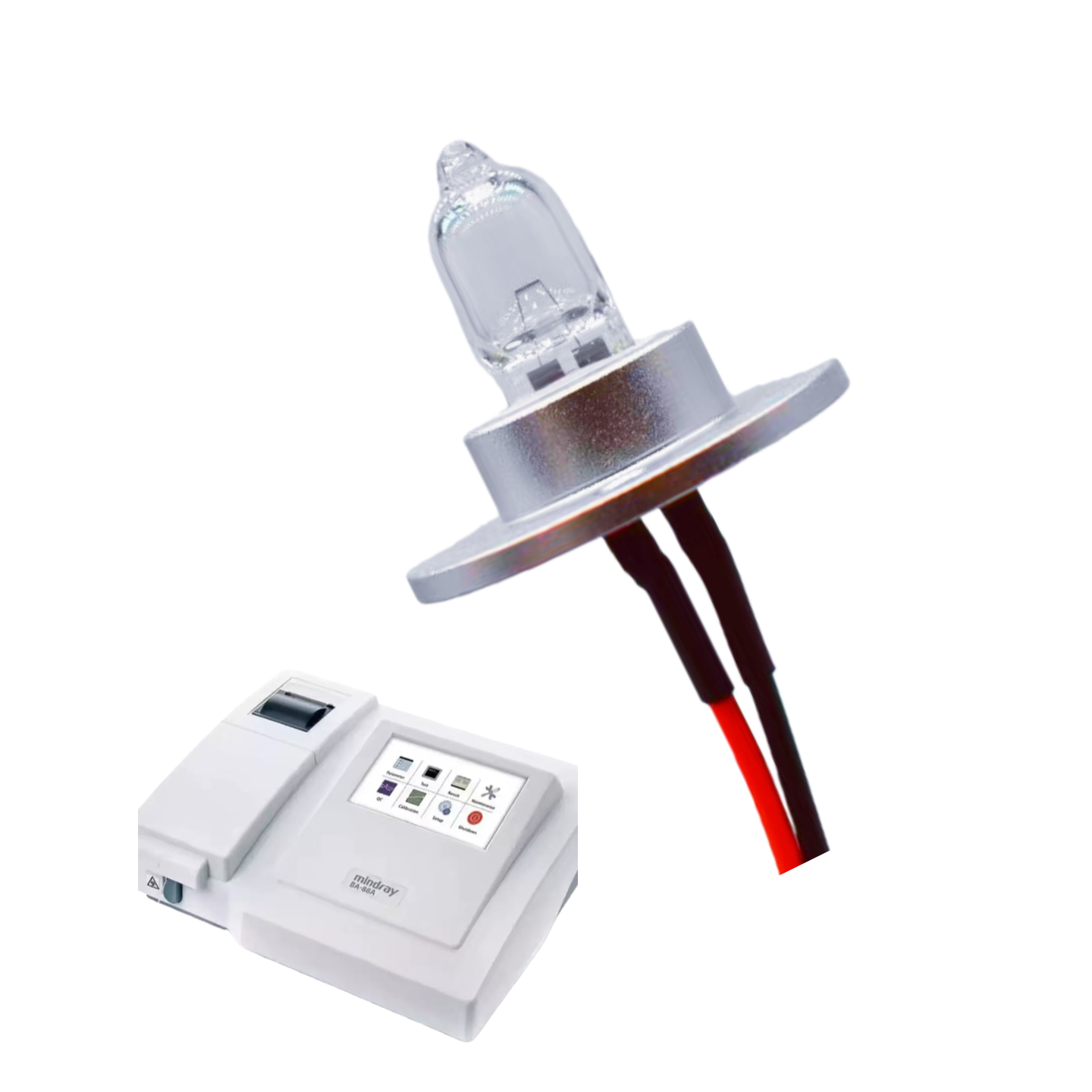
BA-88A Halogen Lamp Bead 6V 10W Biochemical Analyzer
- Optically Aligned Filament Accuracy
- Stable Spectral Output (340nm – 800nm)
- Application: Mindray Clinical Flow-cell Analyzers
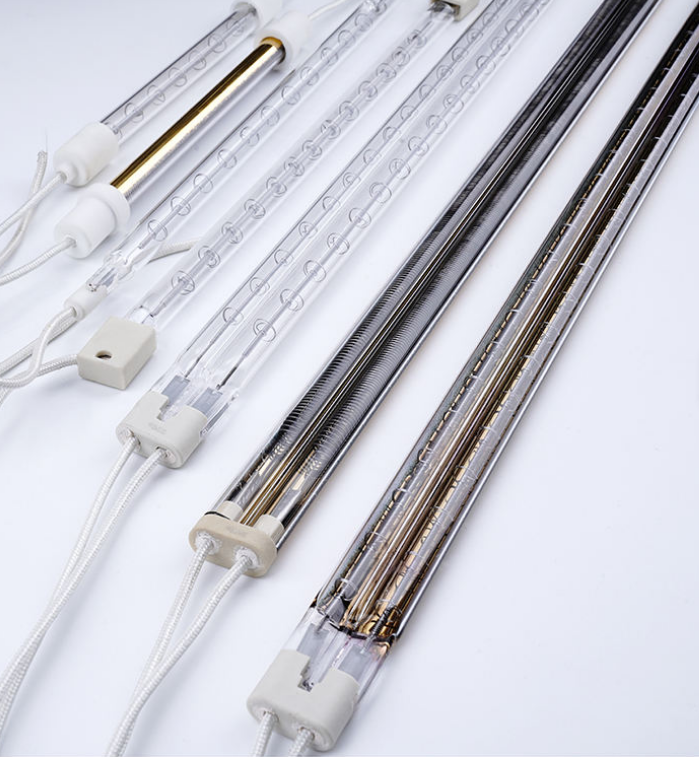
Factory Supply 220v Infrared Heater Lamp for PET Blowing
- Tungsten Halogen Cycle, Fast On/Off (<1s)
- Even Radial Heat for Preform Plasticizing
- Application: Rotary & Linear Blow Molders
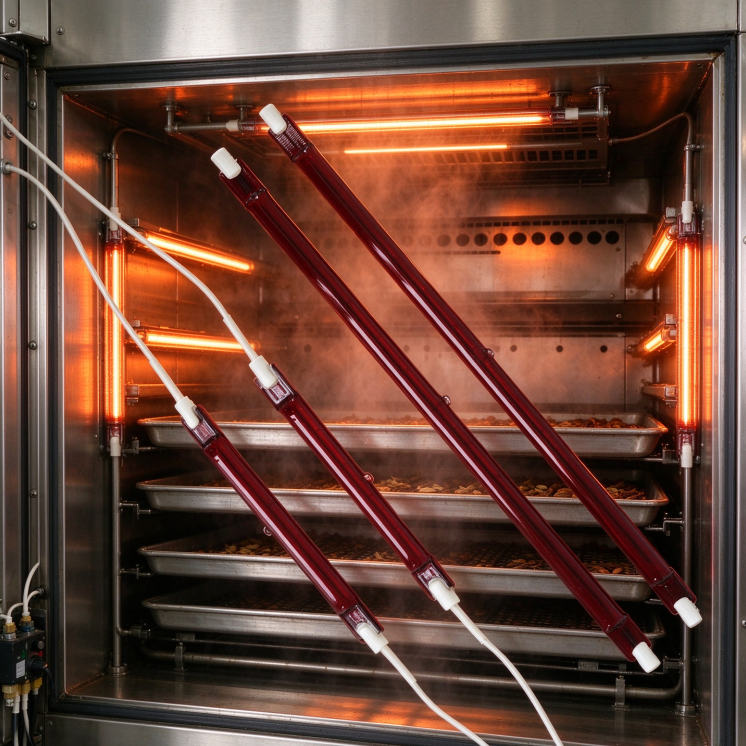
Infra Red IR Quartz Glass Lamp for Industrial Drying Oven
- High-Purity Natural Quartz Envelope (>99.99%)
- Custom Overall Length & Heated Zone
- Application: Powder Coating & Textile Curing
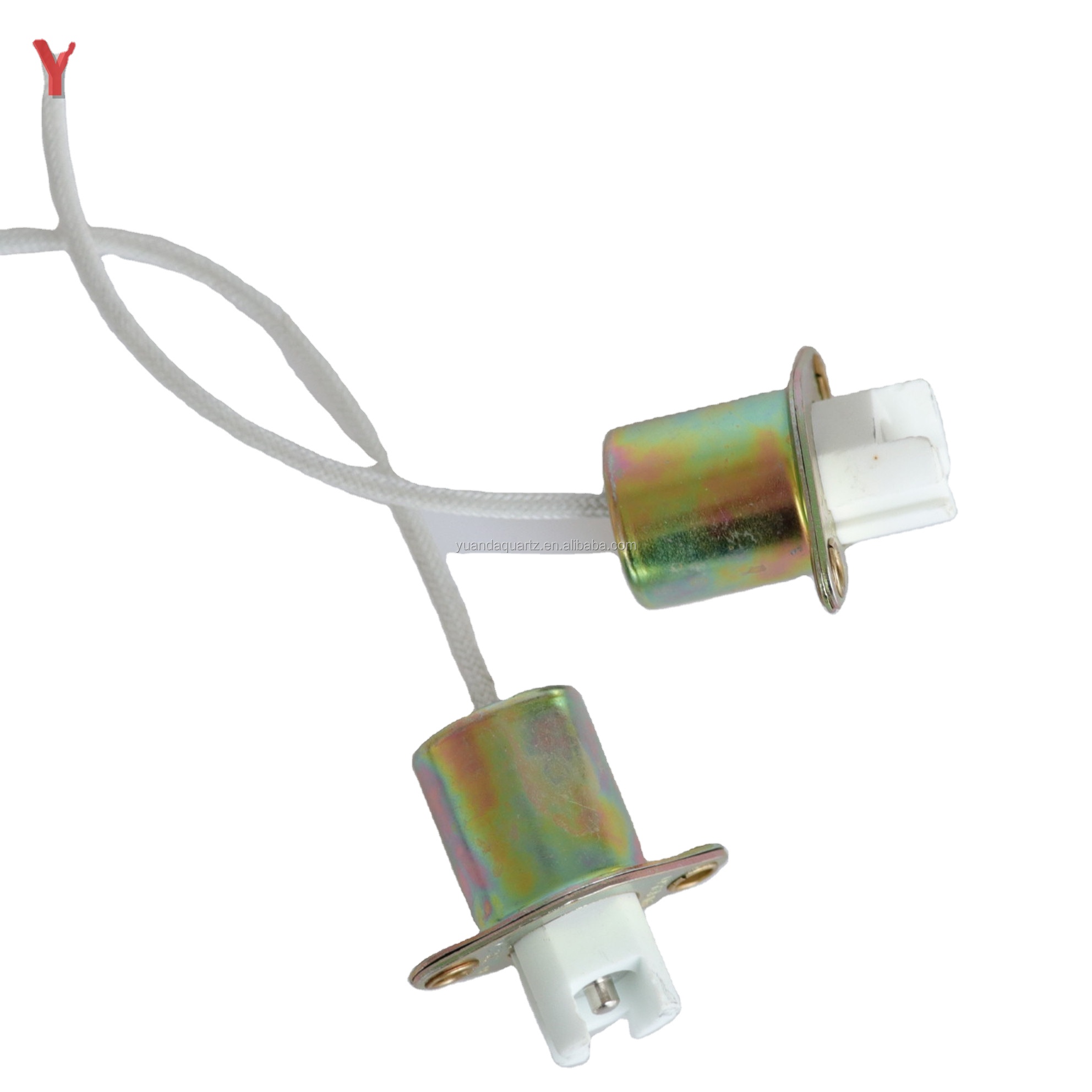
R7S Halogen Infrared Lamp with Ceramic End-Cap Base
- High-Dielectric Steatite/Cordierite Caps
- Standard R7S Push-In Retrofit Architecture
- Application: Printing Dryers, Space Heating
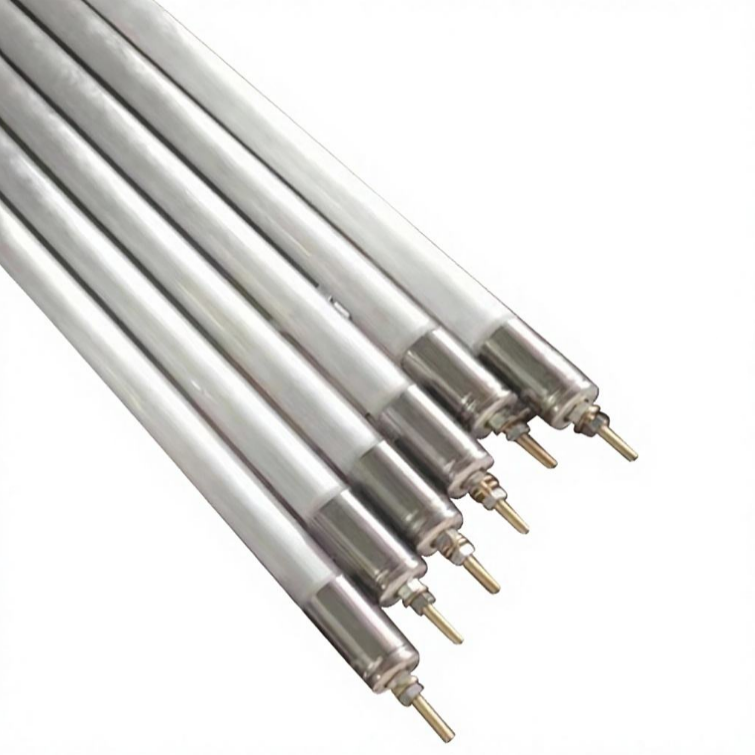
Electric Furnace Wire Quartz 1000w Machine Heating Element
- Helical FeCrAl / NiCr Resistance Coil
- Opaque or Translucent Fused Silica Sleeve
- Application: High-Temperature Laboratory Furnaces
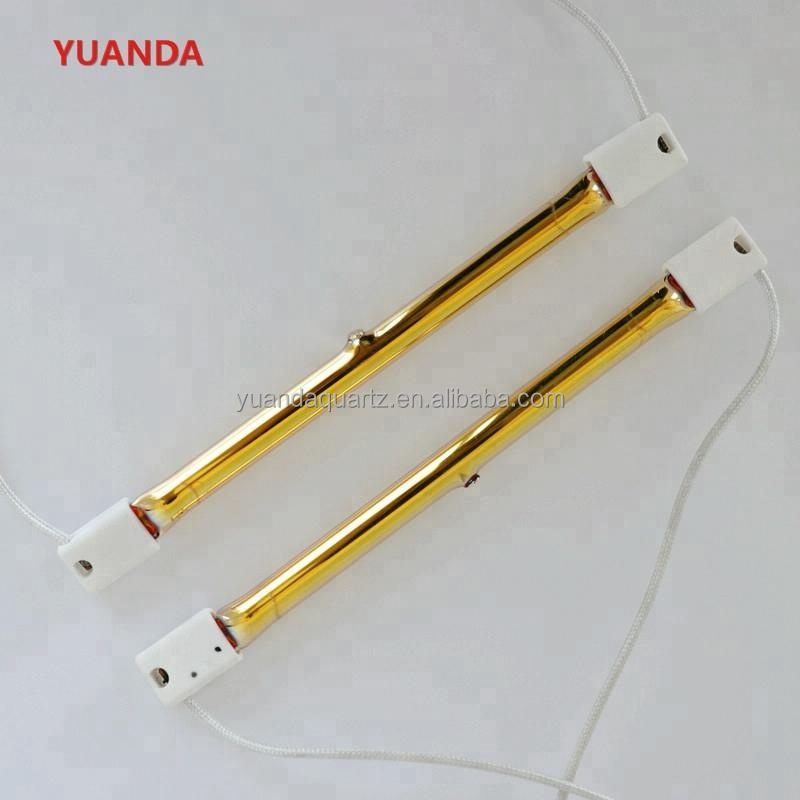
Infrared Halogen Lamp Supports Customization for Dryers
- Tailored Lead Wire, Termination & Wattage
- Optional Half-White Ceramic Heat Reflector
- Application: Screen Printing & Semiconductor
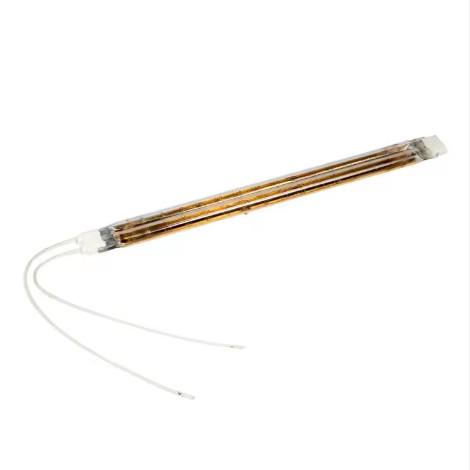
Halogen Double Tube Half Gold IR Lamp for Blow Molding
- Twin-Tube 23x11mm / 33x15mm Silica Profile
- 24K Gold Reflector Backing (95%+ Directional Heat)
- Application: High-Speed Automated Stretch Blowers
Why Kavri Quartz Leads China's Quartz & IR Emitter Export Market
Combining strategic raw material deposits from China’s largest quartz reserve with precision glassblowing engineering and ISO-aligned manufacturing processes.
Geographic Hub: Donghai Purity
Headquartered in Lianyungang, Jiangsu, neighboring the world-renowned Donghai silica valley. We secure direct upstream access to natural silicon dioxide with chemical purities surpassing 99.99% SiO2, minimizing bubble inclusions, visual flaws, and early phase devitrification.
Advanced Twin-Tube Sintering
Equipped with specialized continuous vacuum furnaces and twin-bore profile fusion benches (standard 23x11mm and 33x15mm geometry). This design provides extreme mechanical rigidity, preventing sag even at lengths exceeding 2,500 mm across high-speed web drying corridors.
Nano-Gold & Ceramic Reflectors
Our proprietary 24-karat gold sputter process deposits a micro-uniform metallic layer directly onto the quartz envelope, reflecting upwards of 95% of rearward infrared radiation. For temperatures above 800°C, our refractory ceramic oxide coatings prevent peeling or oxidation.
Rigorous Batch QC & Testing
Every production run undergoes strict optical pyrometry profiling, cold resistance benchmarking, high-voltage flash dielectric breakdown tests, and rapid on/off cycling to simulate aggressive industrial production environments before clearance.
Export-Verified Logistics
Supplying original equipment builders across Germany, Netherlands, Japan, USA, and South America under Incoterms including DDP, FOB, and CIF. We deploy tailored air-cushioned honeycomb export packing that virtually eliminates transit breakage of fragile quartz goods.
Complete OEM & Drawing Translation
With over a decade of OEM heritage, our engineering team reverse-engineers legacy lamp designs from physical fragments, electrical ratings, or DWG/STEP files—offering direct drop-in replacement units with superior operating lifespans.
Thermodynamics & Optical Physics of Industrial Quartz Heating Tubes
Modern thermal manufacturing relies on radiative heat transfer governed by the Stefan-Boltzmann law and Wien’s Displacement Law. Unlike convection systems that require intermediate gas circulation and incur major convective losses, infrared quartz emitters transfer heat directly to the substrate at the speed of light. Selecting the ideal quartz lamp tube manufacturer requires an in-depth understanding of silica glass metallurgy, filament alloy behavior, and spectral waveband tuning.
1. Material Science of Fused Quartz Envelopes
The structural backbone of any high-performance IR emitter is the fused silica glass tube. Pure quartz glass consists almost entirely of silicon dioxide (SiO2) tetrahedra arranged in a non-crystalline network. The fundamental thermal advantages include:
- Thermal Shock Resistance: With an extremely low linear coefficient of thermal expansion of approximately 5.5 × 10⁻⁷ / K between 20°C and 1000°C, fused quartz withstands instantaneous thermal shock without shattering. Emitters heated to white incandescence can survive liquid water splashes without crack propagation.
- High Softening Point: The continuous operating temperature threshold exceeds 1100°C, with short-duration exposure tolerances reaching 1450°C. This enables high filament core temperatures (up to 2400°C in shortwave halogen variants) without ballooning or deforming the outer glass wall.
- Hydroxyl (OH) Content Management: In our electric vacuum and hydrogen flame fusion towers, OH- radicals are systematically driven down below 5 ppm. Standard commercial glass contains high hydroxyl levels that absorb critical infrared bands at 2.7 µm, causing premature tube overheating and devitrification into cristobalite. Low-OH silica ensures maximum optical transmission across the 0.2 µm to 4.5 µm spectrum.
2. Spectral Matching: Short-Wave vs. Medium-Wave vs. Fast-Medium Wave
Industrial thermal efficiency depends on matching the emitter's peak radiative spectrum with the absorption spectrum of the substrate (such as PET, epoxy resins, water-based printing inks, or powder finishes):
| Emitter Category | Filament / Core Alloy | Peak Spectral Band (µm) | Color Temp (K) | Thermal Response | Optimal Industrial Process |
|---|---|---|---|---|---|
| Shortwave Halogen (Clear/Gold) | Tungsten Coil + Halogen Gas Cycle | 0.8 – 1.4 µm | 2,400 – 2,800 K | < 1 Second | PET preform heating, automotive body paint drying, metal annealing |
| Fast-Response Medium-Wave (FMW) | Micro-Wound Tungsten / High Vac | 1.4 – 2.0 µm | 1,600 – 1,900 K | 1 – 2 Seconds | Plastics thermoforming, water-solvent ink drying, edge-banding |
| Carbon Fiber Medium-Wave (CIR) | Woven Carbon Nanoribbon Element | 2.0 – 2.8 µm | 1,200 – 1,500 K | 2 – 3 Seconds | Textile dehydration, coating evaporation, food roasting, glass lamination |
| Standard Medium-Wave | FeCrAl (Kanthal) Resistance Coil | 2.4 – 3.2 µm | 900 – 1,200 K | 60 – 120 Seconds | Plastics forming, PVC welding, continuous thermal curing ovens |
| Ruby Anti-Glare Shortwave | Doped Ruby Quartz + Tungsten | 1.0 – 1.4 µm | 2,200 – 2,500 K | < 1 Second | Poultry husbandry, animal nurseries, localized outdoor/patio space heating |
Global Procurement Trends for Quartz Infrared Heating Tubes (2025–2030)
Procurement directors and plant engineering teams face increasing pressure to balance sustainability goals with strict production cycle targets. As industrial power grids transition toward electrification and environmental regulations tighten emissions on gas-fired thermal equipment, global sourcing of quartz lamp tubes is evolving around three primary drivers:
1. Shift from Convection to Clean-Electrified Radiant Heating
Convection ovens require warming massive air volumes, wasting substantial heat during door openings or line stoppages. Industrial processors in Europe and the Americas are replacing massive recirculating air ovens with modular, zonally controlled infrared quartz arrays. This shift yields documented energy reductions of 30% to 55%, while shrinking factory footprints by over 60%. Because quartz tubes reach operating setpoints in under one second, standby energy loss is eliminated.
2. Rise of Twin-Tube Geometries in Automated Production Lines
Single-tube quartz lamps of significant length (exceeding 1000 mm) naturally experience mechanical sagging when mounted horizontally inside high-temperature environments. Twin-tube profiles, fused like a figure-8, offer vastly higher cross-sectional moment of inertia. Global OEMs now specify twin-tube quartz emitters for high-speed flexographic presses, sheet metal drying tunnels, and high-volume preform blow-molders (e.g., Sidel, Krones, SIG corpoplast lines).
3. Adoption of Carbon Fiber Heating Elements for Water Evaporation
Water exhibits a distinct, massive infrared absorption peak at 2.9 µm. Standard shortwave lamps pass straight through thin water films without exciting water molecules. Procurement specialists in textile processing, pulp packaging, and lithium-ion battery separator coatings are replacing standard quartz lamps with Carbon Fiber Quartz Tubes. Their medium-wave emission aligns directly with the molecular resonance of water, doubling line speeds without scorching heat-sensitive polymer substrates.
4. Total Cost of Ownership (TCO) vs. Initial Unit Purchase Cost
Low-grade lamps from unverified workshops often feature thin quartz walls (<1.0 mm), poorly alloyed lead wires, and impure quartz envelopes. This causes devitrification, filament oxidation, and reflector breakdown in less than 1,500 hours. Leading enterprise procurement teams recognize that premium emitters engineered with high-purity silica (>99.99%) and molybdenum-foil vacuum seals guarantee 5,000+ hour operating lifespans, reducing downtime and replacement costs over the machine lifecycle.
Technological Advancements in Quartz Lamp Manufacturing
As semiconductor fabrication, photovoltaic manufacturing, and precision diagnostics raise the bar for thermal tolerances, the quartz tube manufacturing industry is pursuing critical technological advancements:
Multi-Zone Selective Heating in a Single Quartz Envelope
Traditional manufacturing required multiple separate lamps to create heat gradients across wide webs. Emerging manufacturing processes integrate multiple isolated filament coils within a single quartz twin tube, wired to independent electrical circuits. This allows automation controllers (PLCs) to adjust localized edge-to-center heat distribution across varying web widths, preventing edge curl in roll-to-roll film production.
Enhanced Optical Coatings & Anti-Solarization Silica
UV and intense infrared radiation can cause standard quartz envelopes to undergo "solarization"—a gradual molecular degradation that lowers optical transmission and creates micro-cracks. Through doping with trace rare-earth elements like cerium or titanium, our next-generation quartz tubes filter out harmful deep-UV radiation while maintaining complete IR transparency, extending lamp envelope life even in ozone-generating curing lines.
Miniaturized Precision Quartz Diagnostic Lamps
Beyond heavy industrial curing, high-precision clinical analyzers (such as automated blood biochemistry platforms like the Mindray BA-88A) require stable micro-halogen quartz beads. These demand exceptional filament positioning tolerances (±0.05 mm) and high-purity optical grade quartz envelopes. This ensures consistent chromatic focal points across the 340 nm to 800 nm photometric spectrum over millions of test cycles.
Frequently Asked Questions for B2B Quartz Tube Sourcing
Clear, direct answers for factory engineers, replacement parts sourcing managers, and OEM project leaders evaluating China quartz lamp manufacturers.