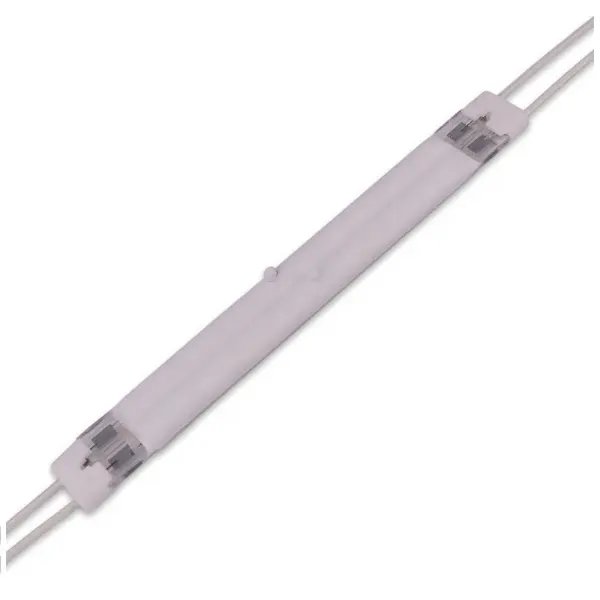
Factory Direct Catalog
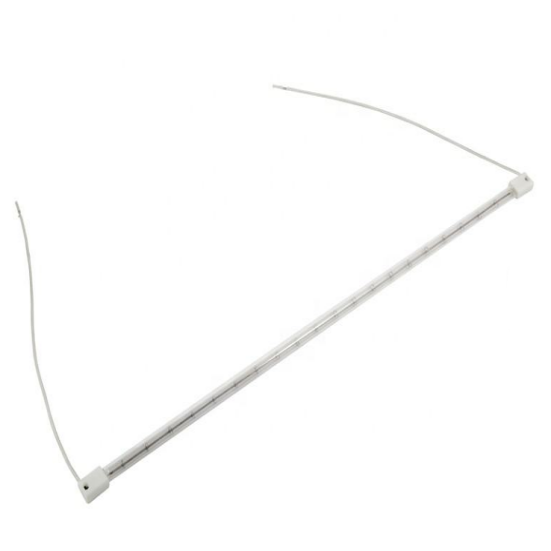
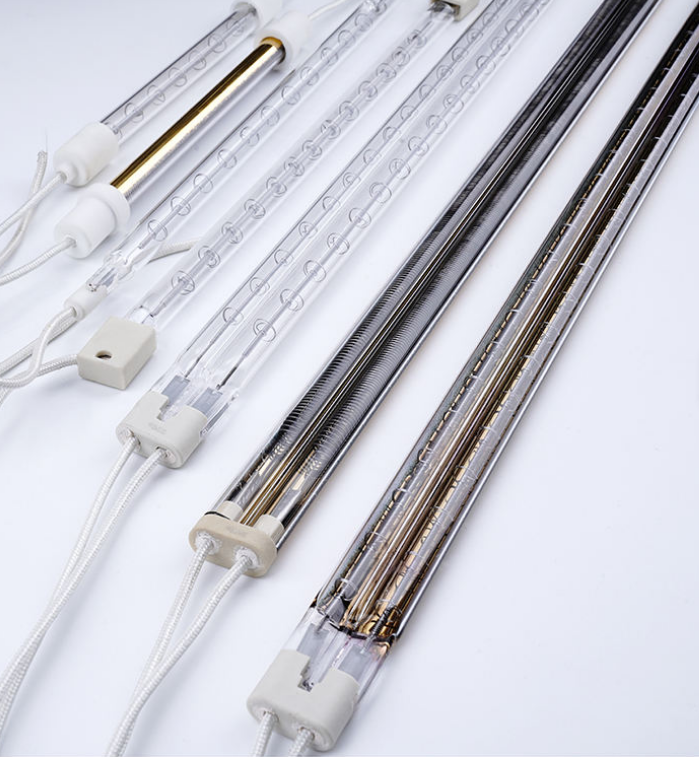
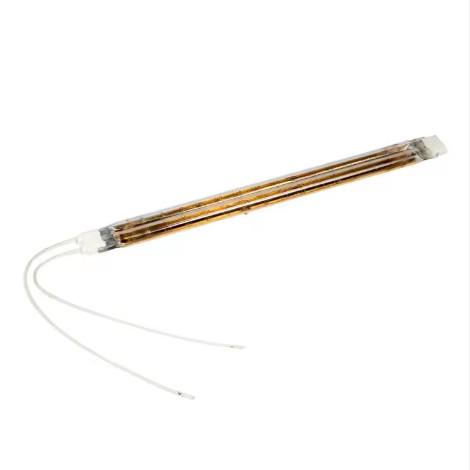
High-Performance Quartz Thermal Emitters & Tubes
Engineered from Donghai-sourced ultra-pure fused quartz crystals, ensuring maximum optical transmittivity, low hydroxyl (OH-) content, and resistance to severe thermal shock.
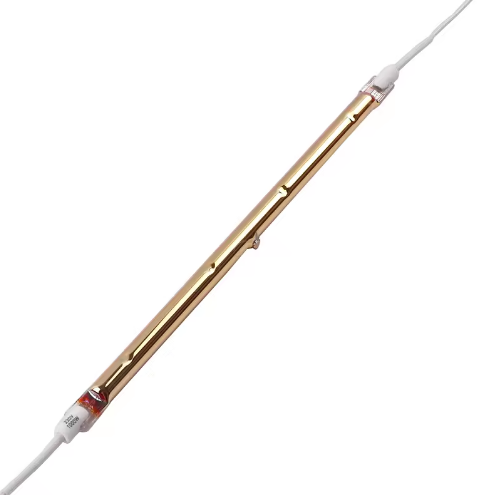
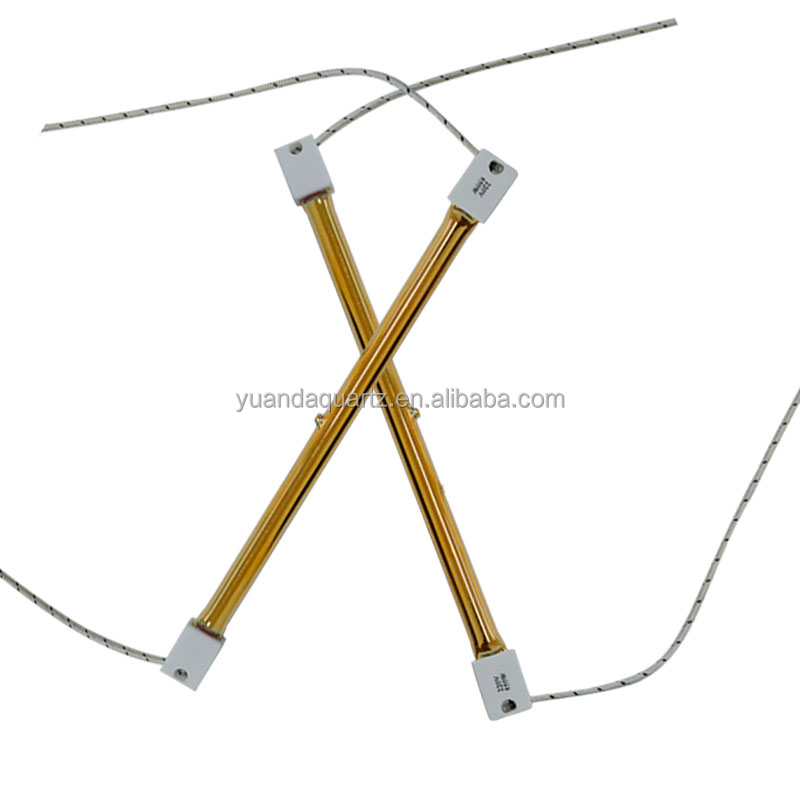
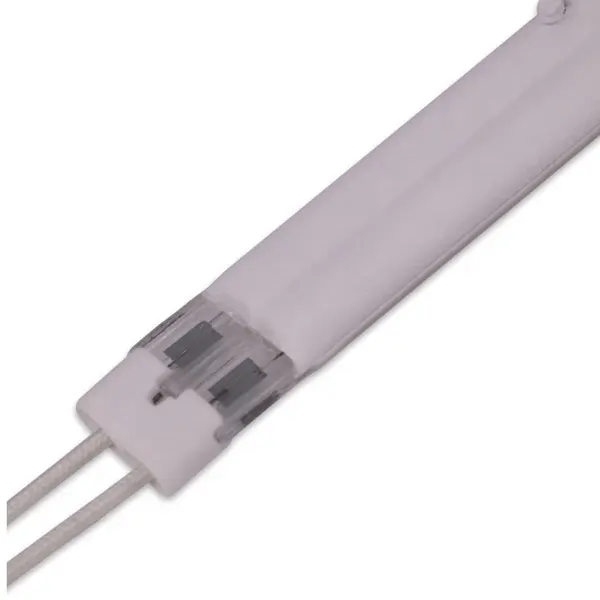
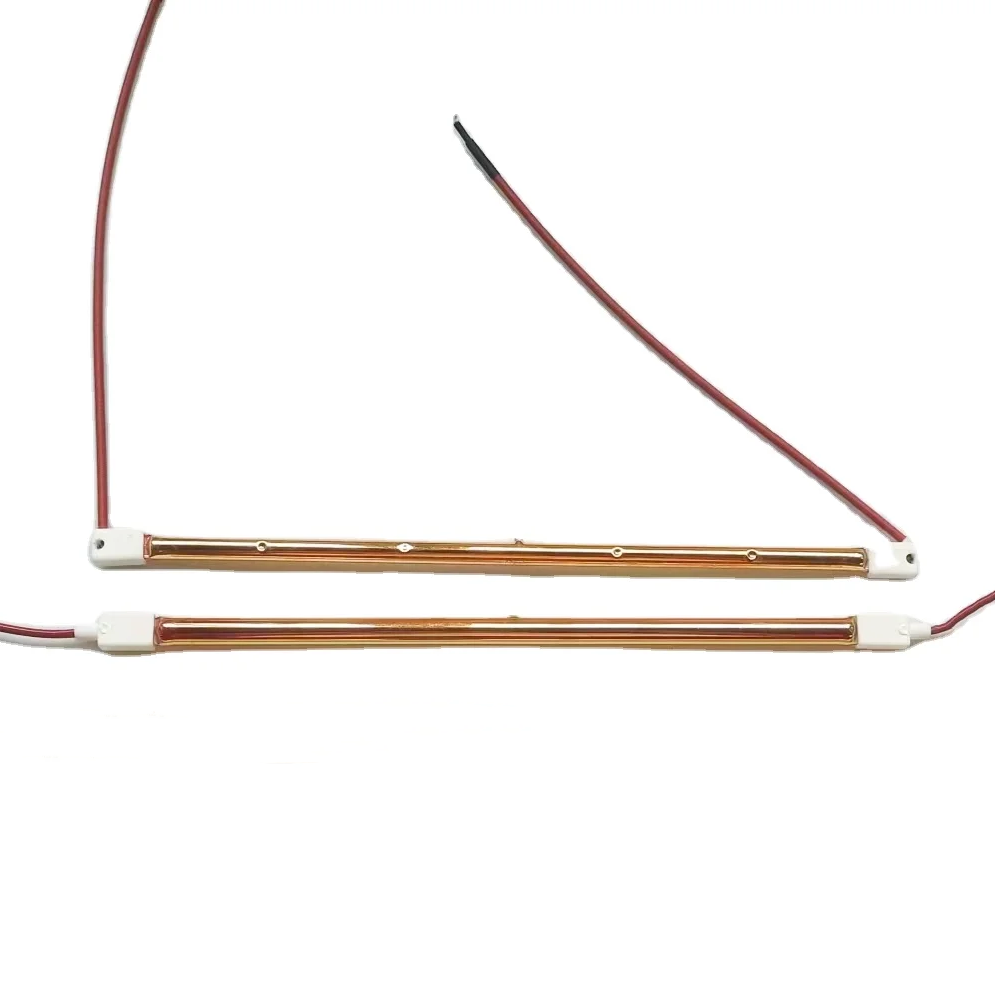
Industry Whitepaper
Engineering Standards for Semiconductor & Photovoltaic Quartz Diffusion Tubes
A comprehensive technical analysis of crystal structure purity, trace element control, thermal creep resistance, and devitrification behavior in extreme thermal envelopes.
Material Morphology & Raw Mineral Processing (Lianyungang Donghai Cluster)
In modern low-pressure chemical vapor deposition (LPCVD), atomic layer deposition (ALD), and photovoltaic crystalline silicon doping processes (phosphorus oxychloride POCl3 and boron tribromide BBr3 diffusion), the furnace process tube functions not merely as an inert boundary vessel, but as an active thermo-mechanical shield. Kavri Quartz leverages its strategic manufacturing facility in Niushan Street, Lianyungang—situated immediately adjacent to Donghai, the primary global quartz purification hub—to secure high-grade silica feedstocks with purity grades ranging between 99.99% and 99.999% (4N to 5N+ purity).
Controlling transition metal ions—specifically Iron (Fe), Copper (Cu), Nickel (Ni), and Alkali metals like Sodium (Na) and Potassium (K)—is vital. Under elevated furnace temperatures exceeding 1000°C, alkali ions exhibit rapid mobility within the amorphous silica matrix, resulting in dielectric breakdown, channel degradation in gate oxide layers, and localized devitrification (conversion from vitreous silica to crystalline cristobalite). Our specialized refining processes guarantee total trace metal impurities below 15 ppm, with alkali metal concentrations tightly restricted under 1.5 ppm.
| Physical / Chemical Property | Test Standard / Methodology | Semiconductor Grade (5N) | Photovoltaic Diffusion Grade | Industrial IR Heating Grade |
|---|---|---|---|---|
| SiO2 Purity Level | ICP-OES / GD-MS | ≥ 99.999% | ≥ 99.995% | ≥ 99.99% |
| Hydroxyl (OH-) Content | FTIR Spectrometry | ≤ 5 – 15 ppm | ≤ 20 – 30 ppm | ≤ 30 – 50 ppm |
| Softening Point (°C) | ASTM C338 / Dilatometry | 1680 ± 20 °C | 1670 ± 20 °C | 1650 ± 20 °C |
| Annealing Point (°C) | ASTM C336 | 1210 °C | 1200 °C | 1180 °C |
| Strain Point (°C) | ASTM C336 | 1120 °C | 1110 °C | 1090 °C |
| Coefficient of Thermal Expansion (CTE) | 20°C – 1000°C (K-1) | 5.4 × 10⁻⁷ | 5.5 × 10⁻⁷ | 5.5 × 10⁻⁷ |
| Dielectric Strength (20°C) | ASTM D149 (kV/mm) | 25 – 40 | 25 – 35 | 20 – 30 |
Thermal Stress Resistance & Structural Devitrification Mitigation
The failure mode of quartz diffusion tubes operating between 1050°C and 1250°C centers primarily around high-temperature creep and crystal transformation. Fused quartz is in a metastable amorphous state. At sustained thermal levels, trace impurities act as nucleation sites, triggering the growth of beta-cristobalite. Upon cooling below 270°C, beta-cristobalite undergoes a catastrophic phase transformation into alpha-cristobalite, accompanied by a 5% volume reduction that induces micro-cracking and wall collapse.
Through synthetic thermal degassing, nitrogen annealing, and continuous precision continuous-drawing processes, Kavri Quartz minimizes localized hydroxyl concentrations. Reducing OH- radicals enhances the viscosity of the silica network at 1200°C, elevating the sag resistance of large-diameter tubes (>200mm to 450mm OD) and ensuring extended operational lifespans across round-the-clock wafer diffusion campaigns.
2014
Founded in Lianyungang
10+
Years OEM/ODM Expertise
3
Advanced Production Lines
90%
Export Share Worldwide
≤4h
Technical Response Window
Market Horizon 2025–2030
Quartz Tube Procurement Trends & Next-Gen Manufacturing
Critical shifts in the global supply chain, dimensional scaling demands, and cleanroom handling standards impacting semiconductor fabrication and green energy heating lines.
Large-Bore Scaling (>300mm to 450mm)
With solar manufacturers transitioning to oversized rectangular wafers (M10/G12) and next-generation TOPCon/HJT cell architectures, vertical diffusion tubes require outside diameters surpassing 350mm without ovality deviation. Sourcing teams prioritize factories with multi-axis automated glass lathes capable of sub-millimeter geometric tolerance maintenance over lengths exceeding 2500mm.
Synthetic Silica Cleanroom Integration
As semiconductor lithography nodes drop below 14nm and 7nm, standard electric-fused or flame-fused quartz tubes risk micro-bubble degassing. Procurement protocols now mandate synthetic fused silica or synthetic liners with zero bubble inclusions (ISO 10110-3) and heavy metal limits bounded to parts-per-trillion (ppt) thresholds verified via GD-MS certificates.
Total Cost of Ownership (TCO) & Energy Efficiency
Procurement directors are shifting away from evaluating component unit cost alone to analyzing comprehensive campaign lifecycles. High-purity quartz envelopes equipped with integrated 24K gold or ceramic diffuse reflectors reduce thermal radiation escaping the furnace core by over 40%, directly slashing megawatt consumption across high-volume continuous thermal lines.
Modular Quartz Ware Sub-Assemblies
Rather than ordering bare quartz cylindrical shells, buyers increasingly request pre-welded turnkey assemblies featuring precision ground ball joints, quartz injector tubes, profiled quartz wafer boats, and integrated exhaust manifolds. This eliminates local cold-welding failure risks and streamlines fab cleanroom installation timelines.
Full-Chain Batch Traceability & Digital QA
Rigorous traceability from the initial raw silica ingot fusion furnace down to the final multi-stage HF cleanroom etching bath is now standard. B2B contracts strictly require automated coordinate measuring machine (CMM) dimensional reports, spectral transmission curves, and bubble count mapping embedded directly with outgoing shipping documents.
Green Fused Silica & Decarbonization
Chinese manufacturers are integrating oxy-hydrogen flame automation and clean-electric arc fusion methods powered by renewable industrial parks. This reduces carbon footprint intensity per kilogram of finished quartz tube, supporting Western OEMs in meeting strict corporate ESG Scope 3 greenhouse gas reporting requirements.
Why Kavri Quartz
Direct Manufacturer Advantages & Production Integrity
Operating since 2014 in Lianyungang, Jiangsu, providing complete vertically integrated OEM/ODM capabilities from raw fused silica to complete industrial emitter arrays.
Donghai Industrial Hub Proximity
Located on Niushan Street, Lianyungang, our production facility sits at the doorstep of the Donghai crystal region. This grants unbroken direct access to raw quartz reserves, superior local fire-polishing craft talent, and lower supply-chain transport costs.
10+ Years Dedicated OEM/ODM
Over a decade of custom engineering across 3 dedicated production lines. We build precisely to client blueprints, CAD drawings, or physical samples—handling custom voltages, wattages, specialized filament layouts, and distinct reflector finishes.
Rigorous Multi-Gate QC Testing
Every batch undergo stringently calibrated dimensional verification, cold/hot resistance validation, electrical rating inspections, vacuum-tight pinch seal integrity checks, and coating adhesion peel testing prior to cleanroom packing.
Global Logistics & Shockproof Packing
Serving buyers across Germany, the Netherlands, the United States, Japan, and Korea under FOB, CFR, CIF, EXW, and DDP terms. All fragile quartz parts travel in high-density customized foam cushioning and export-grade plywood crates.
Need Engineering Drawings or a Custom Diffusion Tube Quote?
Share your dimensional specifications, operating temperature parameters, or obsolete replacement sample codes. Our engineering team reviews technical blueprints and responds within 4 hours.
Procurement Knowledge Base
Frequently Asked Questions on Quartz Tube Sourcing
Critical considerations regarding optical tolerances, thermal ratings, custom fabrication parameters, and global delivery conditions.
What parameters are essential when ordering a custom quartz diffusion or IR tube?
For standard heating elements, we require the rated operating voltage, wattage, heated filament length, overall length, outer diameter (OD), inner diameter (ID) or wall thickness, cap or terminal style, lead wire specs, and reflector coating selection (e.g., clear, half-white ceramic, or gold-coated). For semiconductor and lab diffusion tubes, engineering blueprints detailing ground-joint tapers, flanged ends, side-arm injectors, wafer boat clearance dimensions, and allowable bubble tolerances (ISO cleanroom standards) are requested.
What is the difference between transparent fused quartz and opaque silica?
Transparent fused quartz is produced through continuous electric-arc or oxy-hydrogen gas fusion of high-purity natural silica sand or synthetic silicon tetrachloride, yielding a completely vitreous body with optical clarity spanning deep UV (185nm) to mid-infrared (3.5µm). Opaque silica (milky quartz) contains millions of encapsulated microscopic gas bubbles engineered to scatter radiation, making it ideal as thermal insulation baffles, heat shields, and furnace outer muffle liners where diffuse infrared back-reflection is preferred.
How does hydroxyl (OH-) content influence high-temperature furnace lifespan?
Hydroxyl groups terminate bridging oxygen bonds in the silicon dioxide tetrahedral structure (Si-O-Si). A higher OH- concentration drastically reduces glass viscosity at operating temperatures above 1000°C, precipitating mechanical deformation, sagging across horizontally mounted tubes, and acceleration of devitrification into cristobalite. For diffusion furnaces running sustained campaigns over 1100°C, we recommend vacuum-annealed, low-hydroxyl quartz (≤ 10–15 ppm OH-).
What are your minimum order quantities (MOQ) and production lead times?
Standard infrared emitter lamps and regular-sized clear quartz tubes feature low test-run MOQs starting from 8 to 10 pieces, supporting trial prototyping and urgent machine maintenance replacements. Custom large-bore diffusion tubes and complex laboratory glassware instruments are evaluated on a drawing-by-drawing basis. Prototype samples typically ship within 5 to 7 working days, while full container shipments are finalized in 2 to 3 weeks.
How does Kavri Quartz prevent transit breakage for international orders?
With 81% to 90% of our production exported globally to challenging destinations across North America, Europe, East Asia, and Africa, we employ engineered multi-tier shock-isolation packing. Each quartz tube is vacuum-sleeved, nested inside shock-absorbing pearl cotton (EPE) sleeves, isolated within heavy-duty inner cardboards, and secured inside fumigation-free wooden cases with reinforced corners. Impact and drop-test verification ensures negligible transit claim rates.