Engineered Industrial Emitters & Quartz Components
Manufactured under strict ISO9001 dimensional tolerances. Optimized for long life cycles, superior thermal shock resistance, and direct radiant heat transfer.
2014
Established in Lianyungang Hub
99.99%
SiO2 Chemical Purity Standard
≤ 4 Hours
Technical Support Turnaround
85%+
Direct Export to EU, US & Asia
The Science of Opaque Quartz Glass: Micro-Structure, Scattering & Thermal Insulation
Opaque quartz glass (often designated as milky quartz, translucent fused silica, or porous quartz) represents a specialized engineering material distinct from clear vitreous silica. While transparent quartz is synthesized through complete fusion to eliminate gas inclusion, opaque quartz utilizes a meticulously controlled distribution of micro-scale gaseous bubbles (ranging from 5 to 50 micrometers). These bubbles act as refractive scattering centers, diffusing incoming wavelengths across the ultraviolet, visible, and infrared spectra.
Key Mechanism: Rather than transmitting electromagnetic radiation straight through the envelope, opaque quartz exhibits exceptional diffuse reflectance and low directional emissivity. This drastically reduces parasitic radiative heat transfer and confines thermal energy within industrial chambers.
In thermal furnace applications, semiconductor diffusion chambers, and infrared heater containment, thermal management requires materials capable of withstanding operating temperatures up to 1100°C continuously and 1450°C intermittently. Opaque quartz manufactured by Kavri Quartz achieves this by leveraging pure natural silica sand sourced directly from the Donghai mineral belt in Lianyungang, ensuring exceptional chemical purity (SiO2 ≥ 99.95%) while minimizing destructive alkali metal elements (Na, K, Li ≤ 10 ppm combined).
Thermal Shock Dynamics and Viscosity Matrix
The near-zero coefficient of thermal expansion (α ≈ 5.5 × 10⁻⁷ / K) allows opaque quartz glass to endure abrupt, multi-hundred-degree thermal cycling without structural degradation or micro-cracking. In thermal processing chambers where heating zones cycle within seconds, opaque quartz acts as both a protective mechanical barrier and an insulating radiative shield, preserving component longevity and preventing unwanted thermal dissipation onto delicate machinery frames.
| Material Class | Radiative Behavior | Primary Industrial Use Case | Thermal Shock Threshold | Typical Failure Point |
|---|---|---|---|---|
| Opaque Quartz Glass (Milky) | Diffuse reflective, non-glare, blocks direct IR line-of-sight | Furnace insulation sleeves, flange shields, diffusion rings | ΔT > 1000°C rapid water quench | Devitrification above 1150°C under alkali contamination |
| Clear Fused Silica Quartz | Ultra-high transmission (>90% from 250nm to 2500nm) | IR heater envelopes, UV curing windows, reactor tubes | ΔT > 1100°C water quench | Surface crystallization if handled with bare skin |
| Borosilicate Glass 3.3 | Broad visual transmission, poor high-temperature resistance | Low-heat sight glasses, domestic heating appliances | ΔT ≈ 150°C water quench | Thermal expansion stress fracture above 450°C |
| High-Alumina Ceramic | Opaque conductive, heavy, high emissivity | Kiln furniture, structural electrical insulators | ΔT ≈ 200°C air-to-water | Brittleness under mechanical impact & steep temp gradients |
Procurement & Technology Trends in Quartz Components
A strategic purchasing roadmap for global procurement directors, OEM designers, and equipment refurbishers.
Electrification & Low-Carbon Curing
Industrial thermal lines are phasing out convection gas burners in favor of targeted quartz infrared emitters. Direct radiant transfer cuts preheating times by 80% and reduces carbon emissions across drying, plastic thermoforming, and paint curing tunnels.
Semiconductor & PV Purity Upgrades
With third-generation compound semiconductors (SiC, GaN) and TOPCon/HJT solar cell manufacturing expanding, requirements for low-bubble, synthetic-doped opaque quartz materials with zero particle shedding are experiencing double-digit annual procurement growth.
OEM Consolidation & Turnkey Supply
Global machine builders are shifting from fragmented component sourcing to integrated tier-1 partners capable of providing matched filament assemblies, high-adherence gold reflectors, CNC-machined opaque flanges, and custom ceramic terminals under one roof.
Enterprise Strengths: Lianyungang Manufacturing Base
Kavri Quartz Product Co., Ltd. combines raw material proximity with precision craftsmanship to serve demanding global sectors.
Strategic Mineral Location
Located in Lianyungang, adjacent to Donghai County—the epicenter of China's quartz deposits—providing direct access to high-purity natural silica sand and crystal raw feedstocks.
10+ Years Custom OEM/ODM
Fully equipped processing workshops offering CNC cutting, flame micro-welding, drilling, grinding, surface gold electroplating, and custom wire lead terminations.
Verified Manufacturing Rigor
Onsite-verified by international testing bodies and Alibaba.com. Each batch undergoes rigorous power tests, vacuum seal leakage diagnostics, and dimensional optical checks.
Global Export Packaging
Custom engineered protective packaging utilizing multi-layer polyethylene shock foam and reinforced plywood crates ensures zero transit breakage across ocean, air, and DDP shipments.
Frequently Asked Technical & Procurement Questions
Essential guidance to de-risk quartz and infrared emitter procurement operations.
Q1: How does opaque quartz improve efficiency compared to transparent tubes?
Opaque quartz features tens of thousands of micro-bubbles that diffuse infrared wavelengths, blocking direct visible glare and preventing heat from passing straight through. In furnace chambers and heating jackets, it reflects radiant energy back onto the target zone, decreasing outer mantle surface temperature and reducing facility energy consumption by 15% to 30%.
Q2: What design inputs are required to quote a custom quartz component or IR lamp?
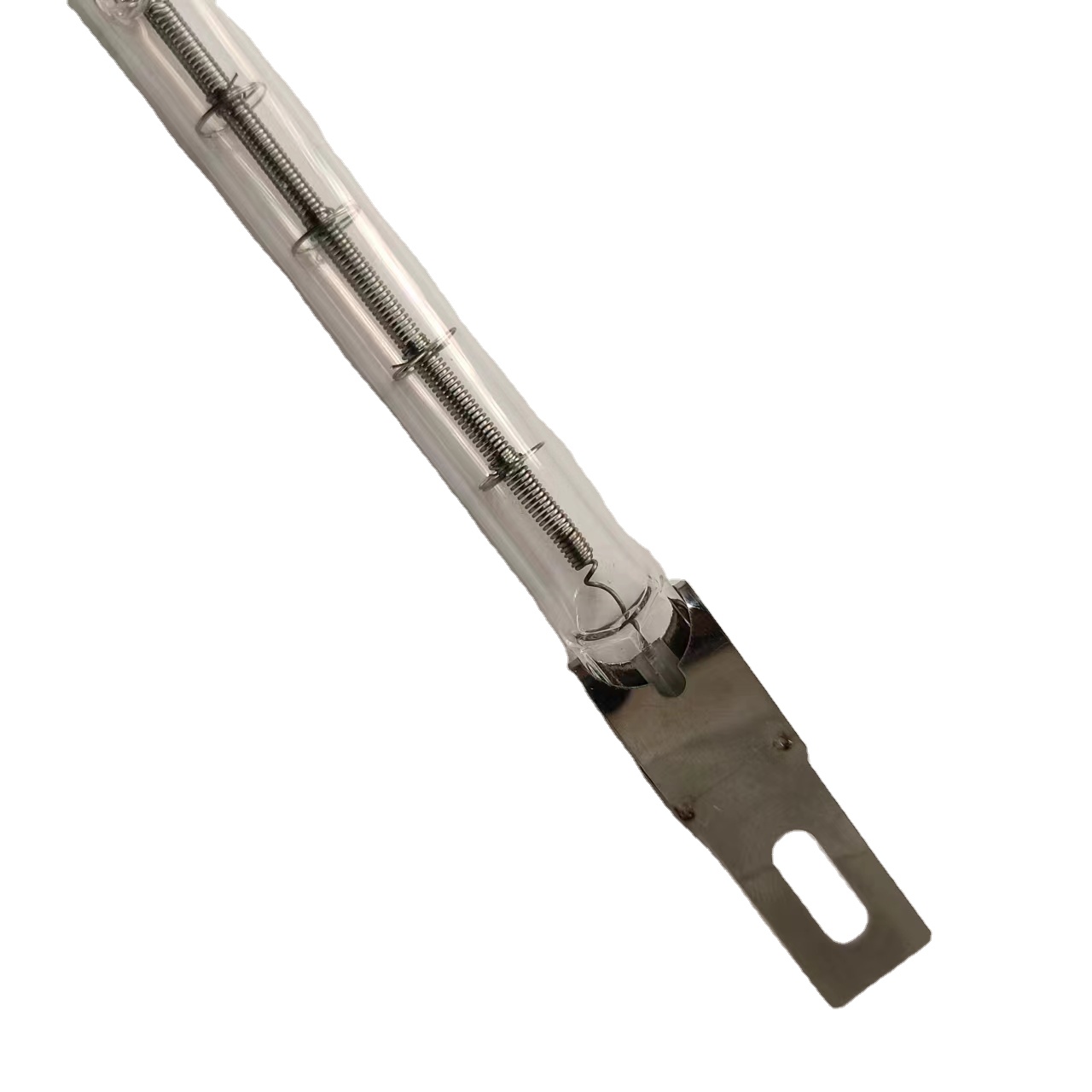
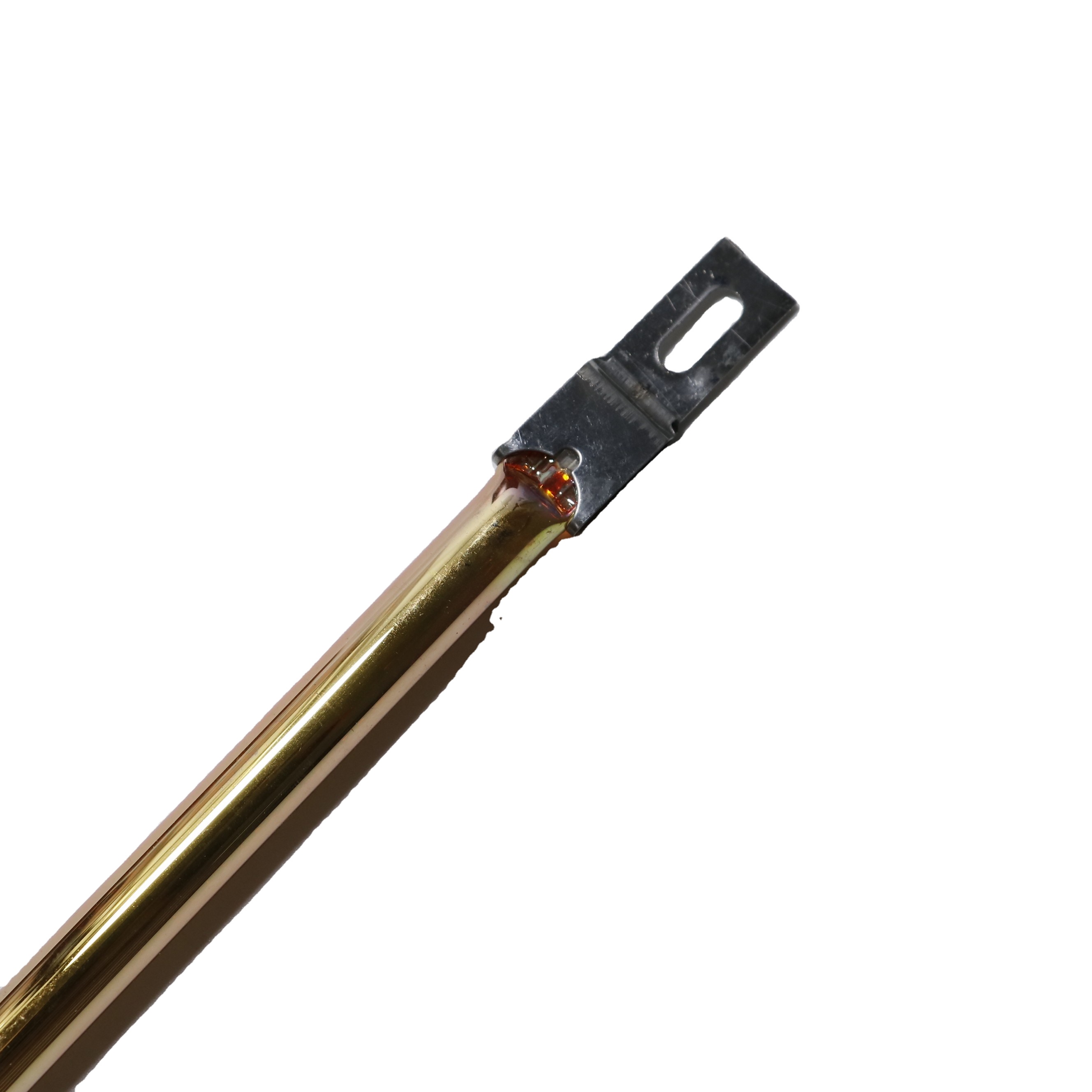
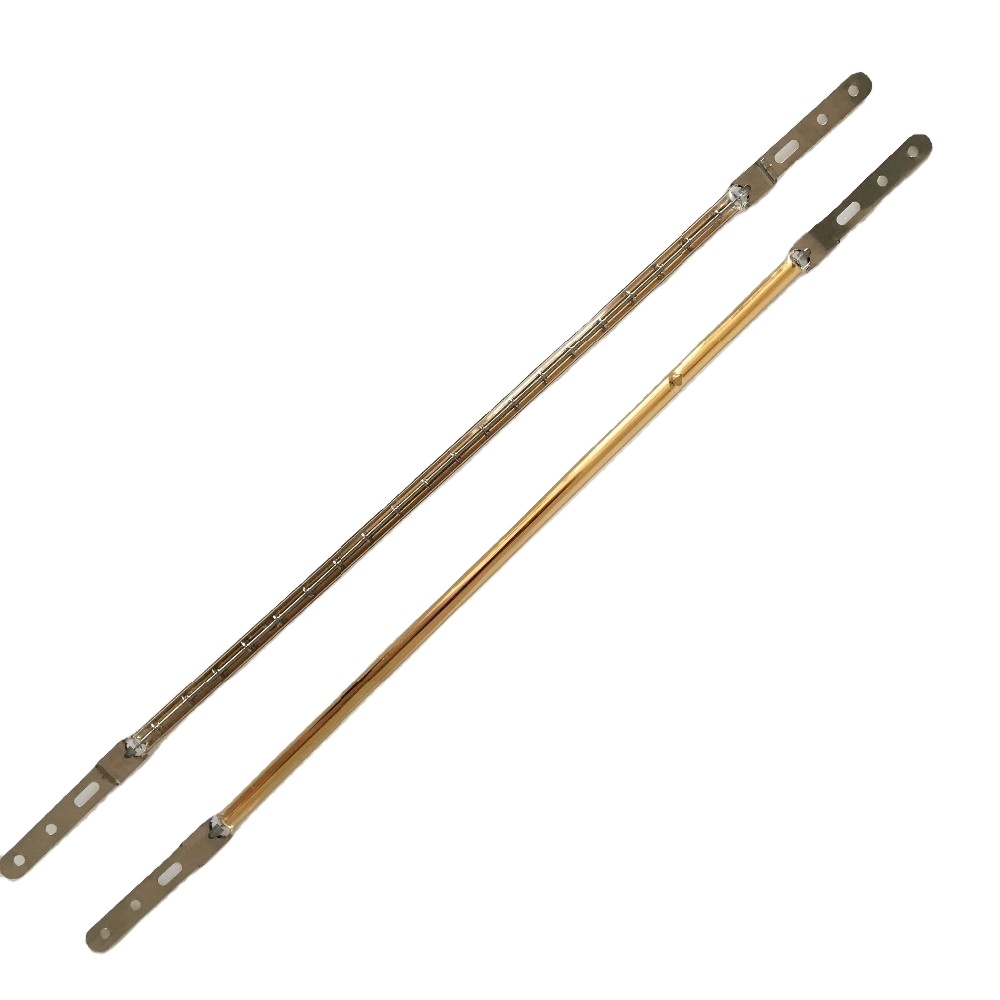
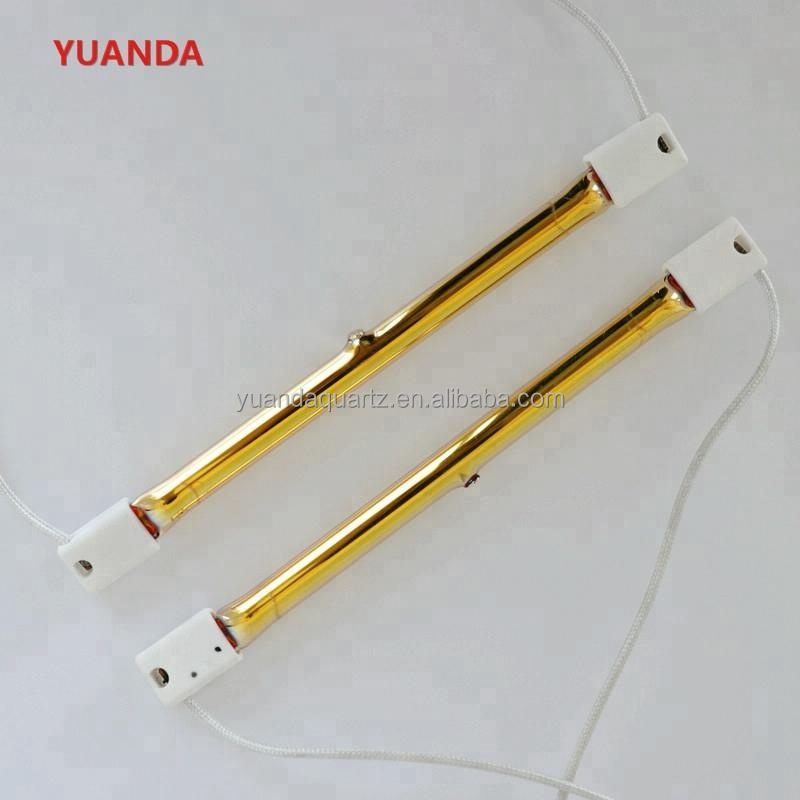
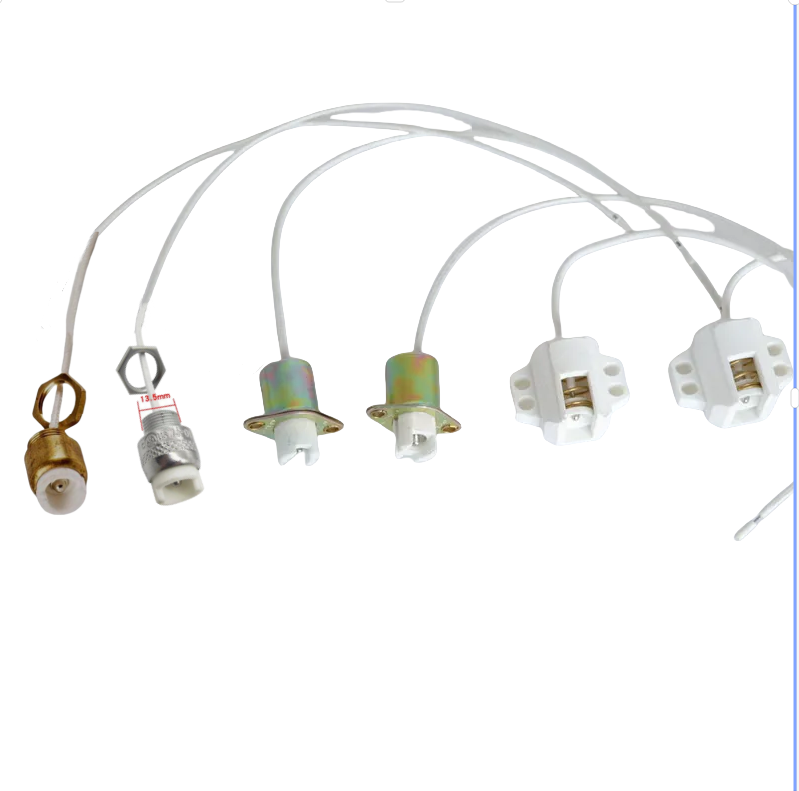
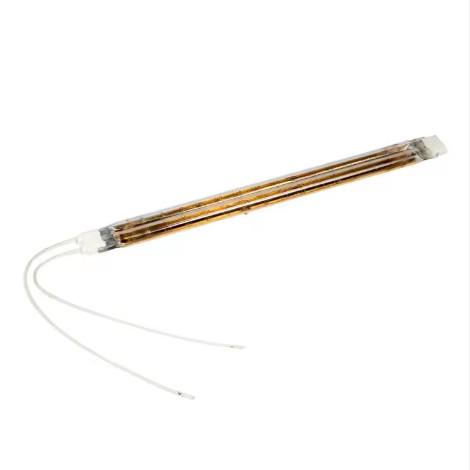
For IR lamps, please provide operating voltage, total wattage, total length (OAL), heated length, tube profile (single round or twin-tube 11x23mm / 15x33mm), reflector coating (clear, gold, or ceramic white), and end-cap configuration. For opaque quartz vessels, supply mechanical drawings with outer/inner diameter tolerances and chemical purity requirements.
Q3: Can opaque quartz glass be welded to clear transparent quartz tubing?
Yes. Because high-purity opaque quartz shares virtually the identical coefficient of thermal expansion (≈ 5.5 × 10⁻⁷ / K) with vitreous transparent fused silica, our master glassblowers can seamlessly fuse clear observation windows or inlet ports onto opaque thermal insulation bodies without causing internal mechanical stress points or fracture risks.
Q4: How do you choose between short-wave halogen and carbon fiber medium-wave emitters?
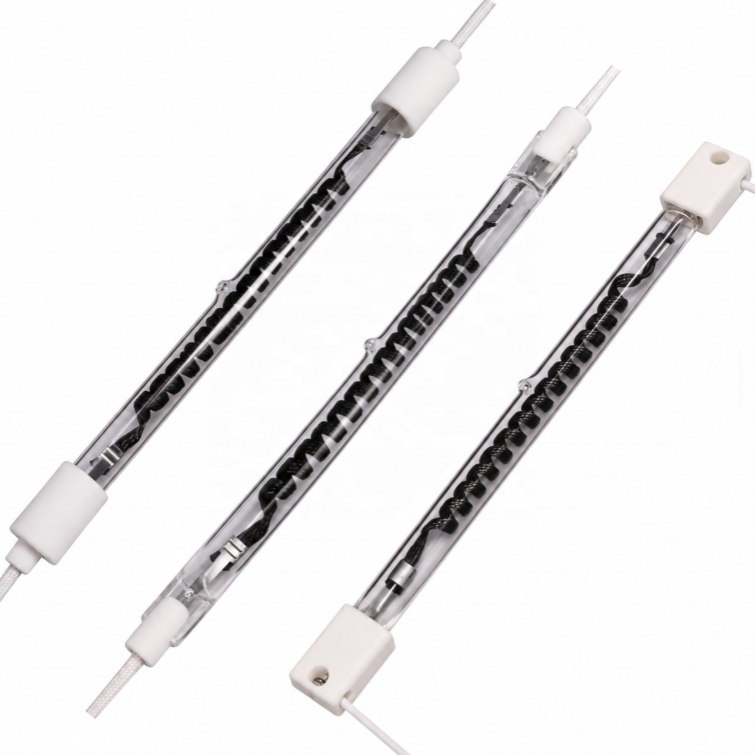
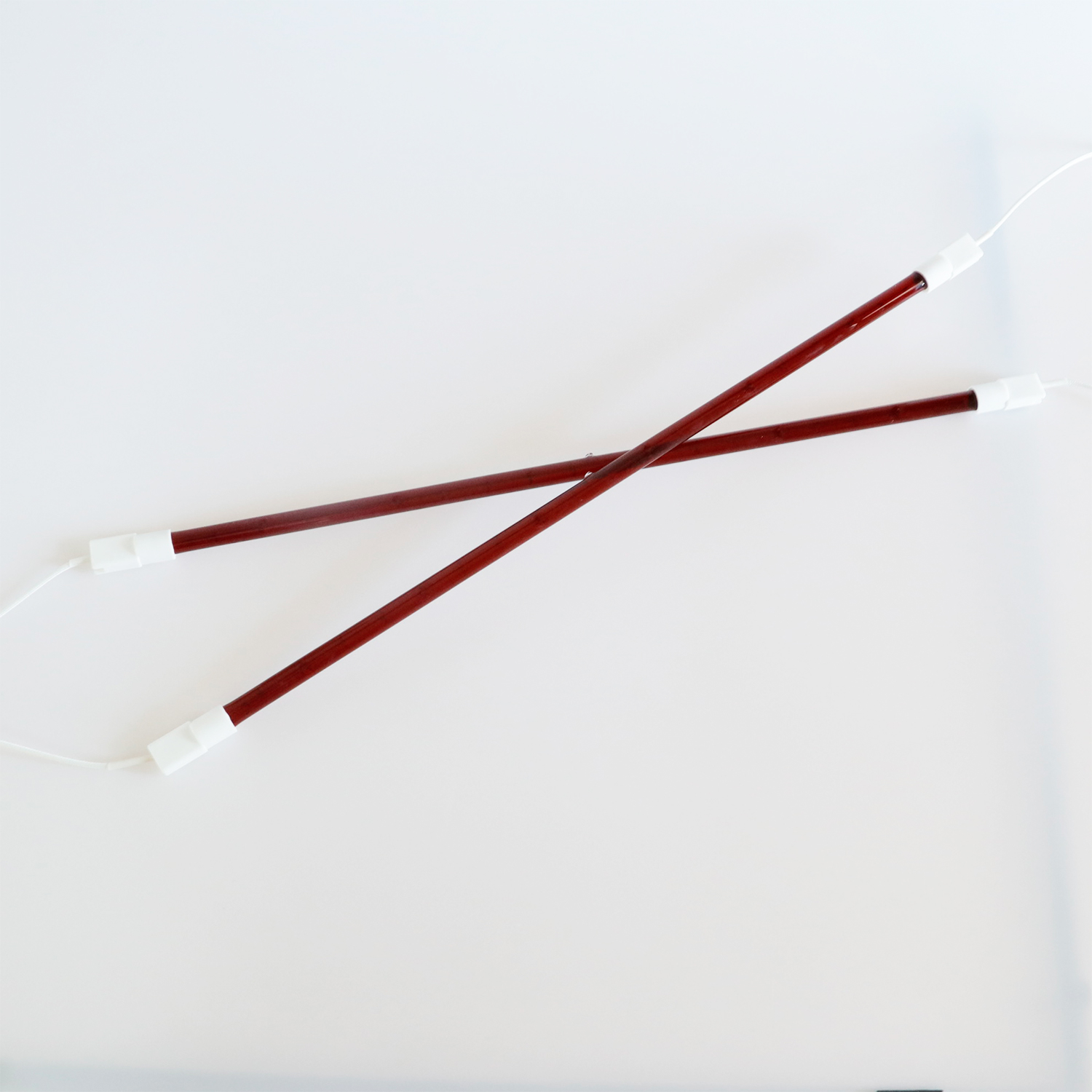
Short-wave halogen (peak emission around 1.0 – 1.2 μm) offers rapid penetration, making it ideal for deep heating of PET bottle preforms and thick car paint coatings. Carbon fiber medium-wave emitters (peak around 2.0 μm) correspond precisely to the fundamental absorption bands of water and organic polymers, delivering higher energy absorption rates with minimal risk of surface blistering.
Q5: What are your minimum order quantities (MOQ) and production lead times?
Standard quartz heating lamps and stock quartz tubing profiles have a low MOQ starting from 8 to 10 pieces. Customized prototypes or intricate flame-worked laboratory glassware are confirmed upon engineering print review. Typical prototype production takes 5 to 7 business days, with batch orders shipping within 2 to 3 weeks.
Q6: Which export delivery terms and compliance standards do you fulfill?
We support FOB, CFR, CIF, EXW, and DDP shipments door-to-door. Kavri Quartz exports to more than 30 countries across North America, the European Union, Japan, and Southeast Asia. Products adhere to CE and RoHS regulatory benchmarks, accompanied by full material certificates and testing logs on demand.
Ready to Optimize Your Thermal Infrastructure?
Direct factory prices, certified optical-grade raw silica, and rapid engineering consultation. Connect directly with our engineering team in Lianyungang today.
Get Catalog